



A 16th-century colonial manor on Cusco's Plaza Nazarenas, Inkaterra La Casona operates at the intersection of heritage architecture and Andean cultural programming. With only 11 suites, a 97-point La Liste 2026 ranking, and rates from US$440 per night, it sits in a distinct tier of intimate, historically grounded properties within Cusco's upper accommodation market.
Pearl is the En Primeur Club membership app — saves, bookings, and concierge access live there. Same editors, same standards.
- Address
- Plaza, Next to the Museum of Pre-Colombian Art, Nazarenas 211, Cusco 08002
- Phone
- +51 1 6100400
- Website
- inkaterra.com
- Directions
- Get directions
 Saves & bookings on Pearl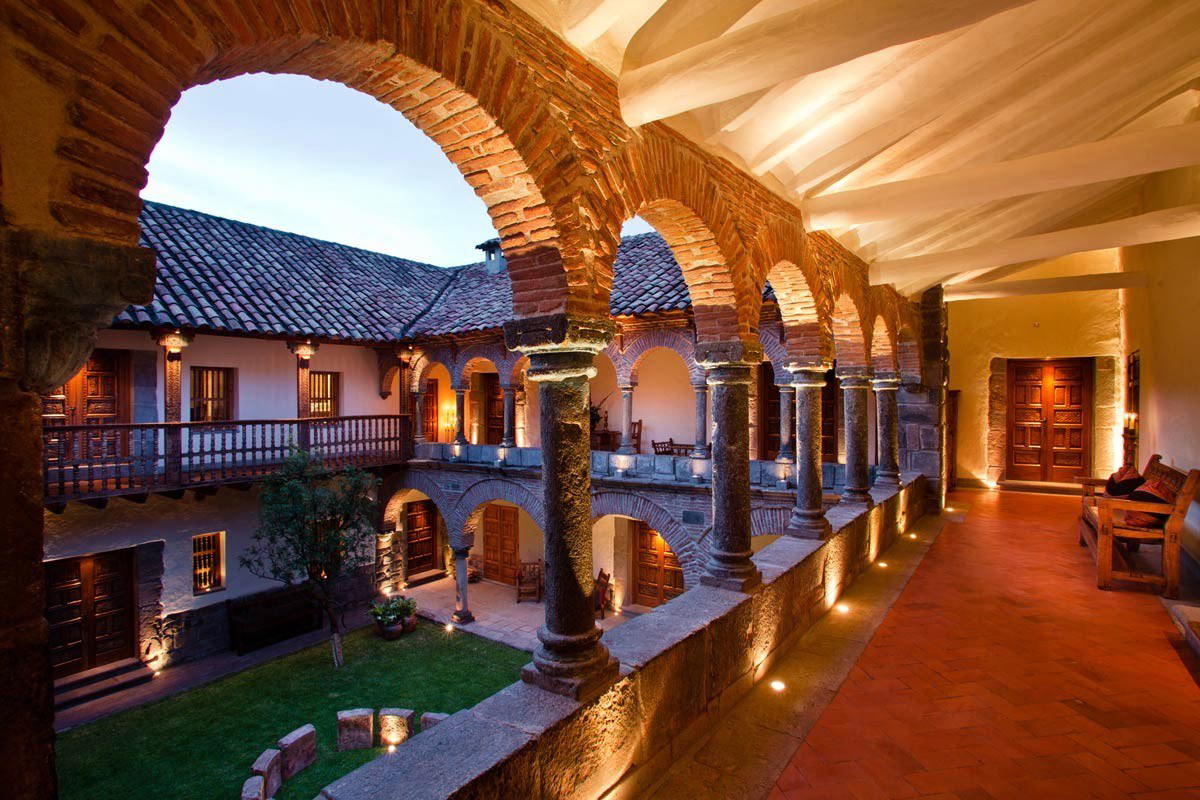
Where the Address Does the Work
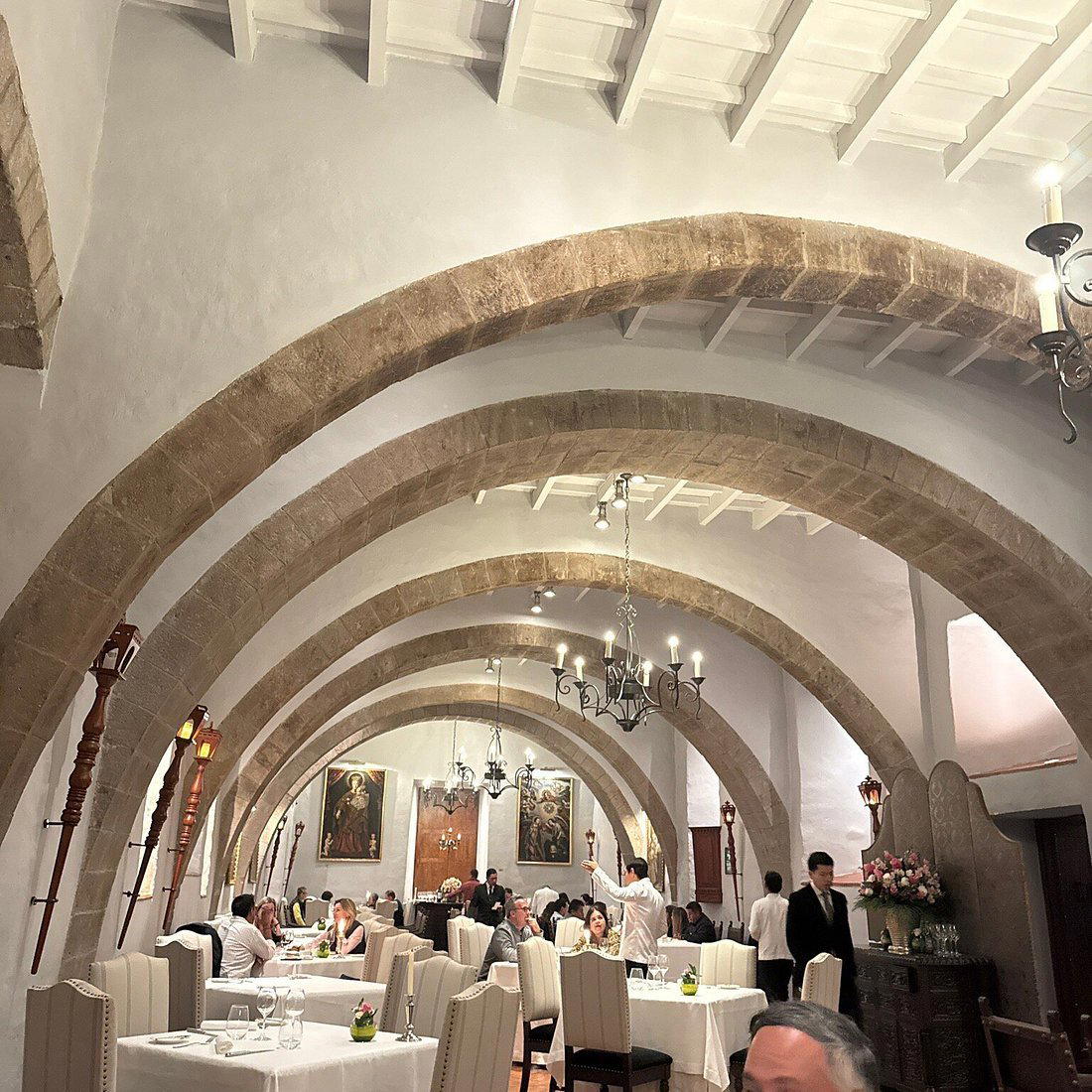
Cusco's luxury hotel market has split along a recognizable fault line: large-footprint conversions of colonial institutions on one side, and intimate manor properties on the other. Inkaterra La Casona belongs firmly to the latter category. Positioned on Plaza Nazarenas, directly beside the Museum of Pre-Columbian Art, the property occupies a 16th-century colonial manor whose stone walls, carved wooden doors, and internal courtyard were shaped centuries before the concept of boutique hospitality existed. The address places guests at the historic core of Cusco's old city, within walking distance of the Plaza de Armas and the concentration of archaeological sites, churches, and cultural institutions that define the district.
That proximity matters in a city where altitude and cobblestone fatigue are genuine planning considerations. At 3,400 metres above sea level, Cusco demands a certain economy of movement, particularly in the first 24 to 48 hours of acclimatization. A property positioned at the center of what guests have come to see eliminates the logistical friction that affects hotels on the city's periphery.
The Property in its Competitive Set
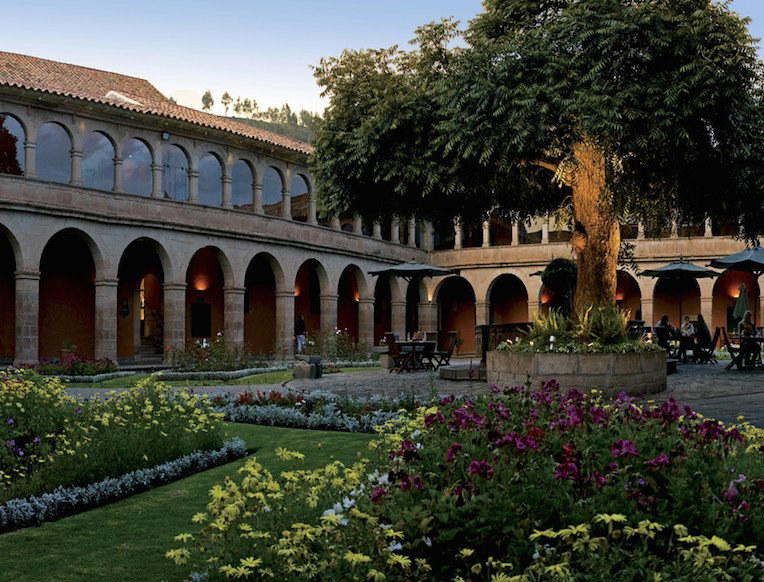
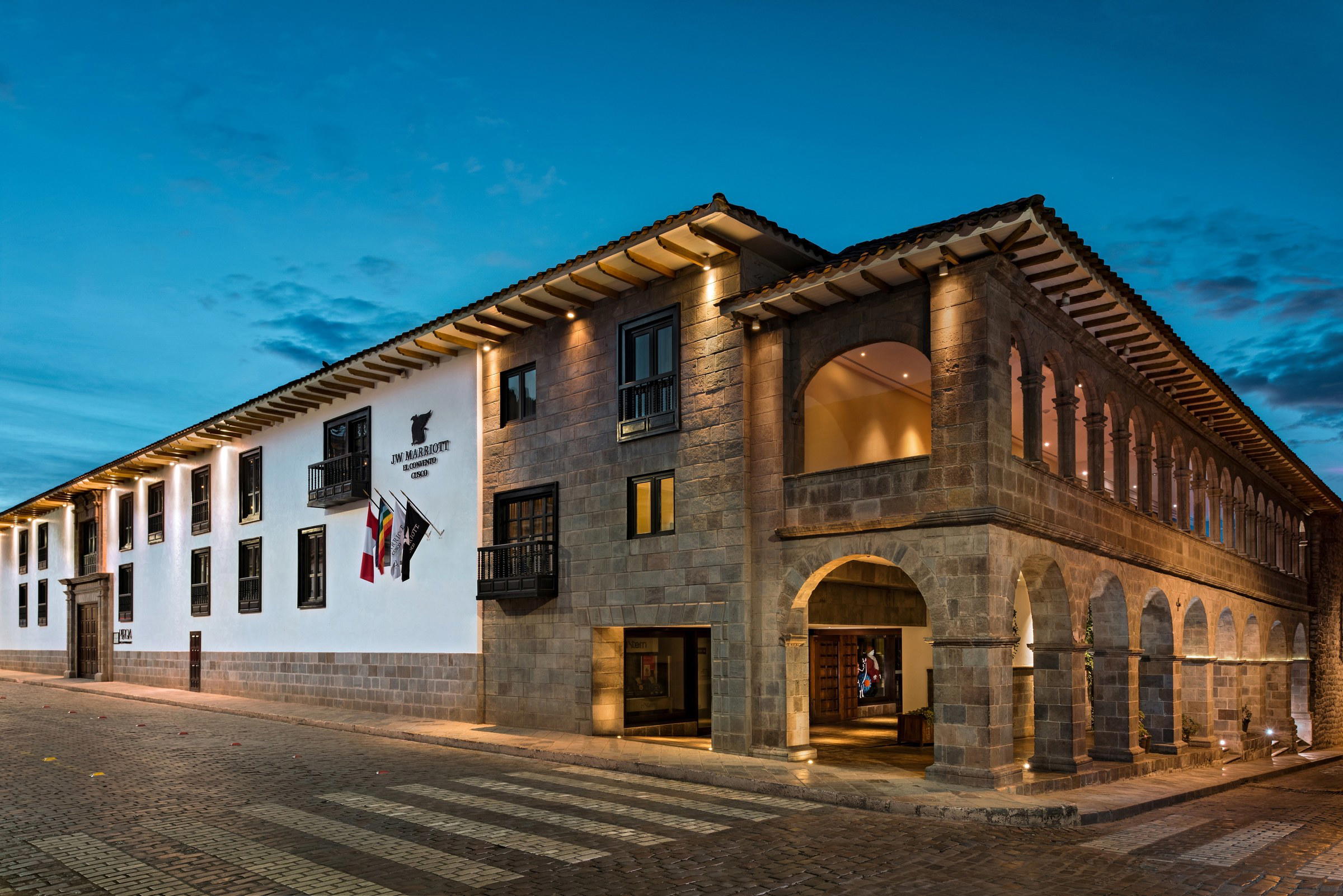
Among Cusco's upper-tier accommodations, the conversion model dominates: Belmond Hotel Monasterio operates out of a former monastery, Palacio Nazarenas occupies a restored 16th-century palace managed by Orient Express (Belmond), and JW Marriott El Convento Cusco draws on a former convent's architecture while operating under a major chain's service infrastructure. Palacio del Inka, a Luxury Collection Hotel and Aranwa Cusco Boutique Hotel occupy adjacent positions in the market, though with differing room counts and service models. La Casona separates itself through scale: 11 suites is a meaningful constraint that shapes the experience. There is no lobby traffic from non-guests, no conference group competing for the courtyard, and no ambiguity about the character of the place. The whole property is bookable as a single unit, accommodating roughly 18 to 22 guests, which positions it for high-end private group travel in a way that chain-affiliated competitors, regardless of their heritage credentials, cannot replicate.
La Casona earned 97 points from La Liste's 2026 Leading Hotels ranking, a French-published guide that aggregates critic reviews, guest assessments, and editorial sources across more than 1,000 properties globally. For travelers cross-referencing Cusco options against peers such as Amangiri, Aman Venice, or Bvlgari Hotel Tokyo, La Casona's score provides a legitimate external reference point.
What the Building Provides
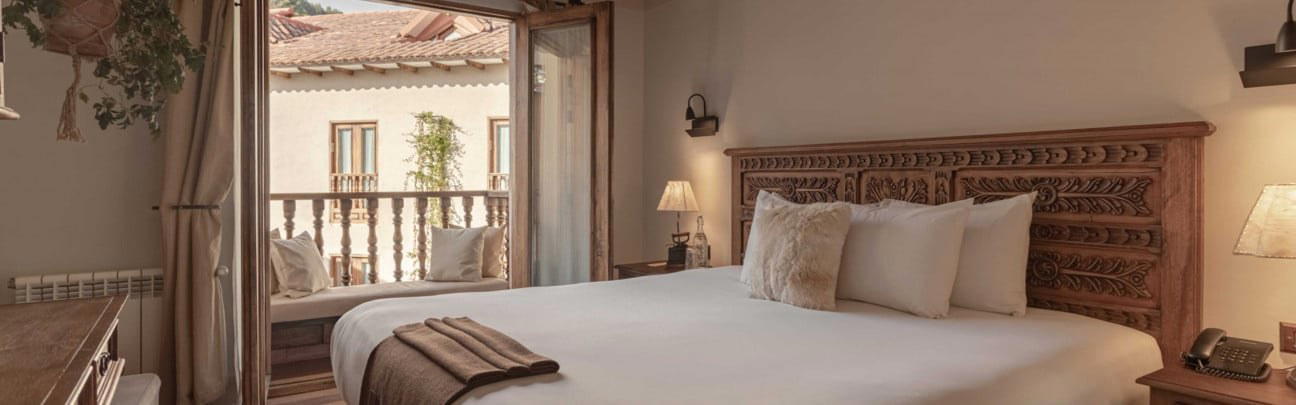
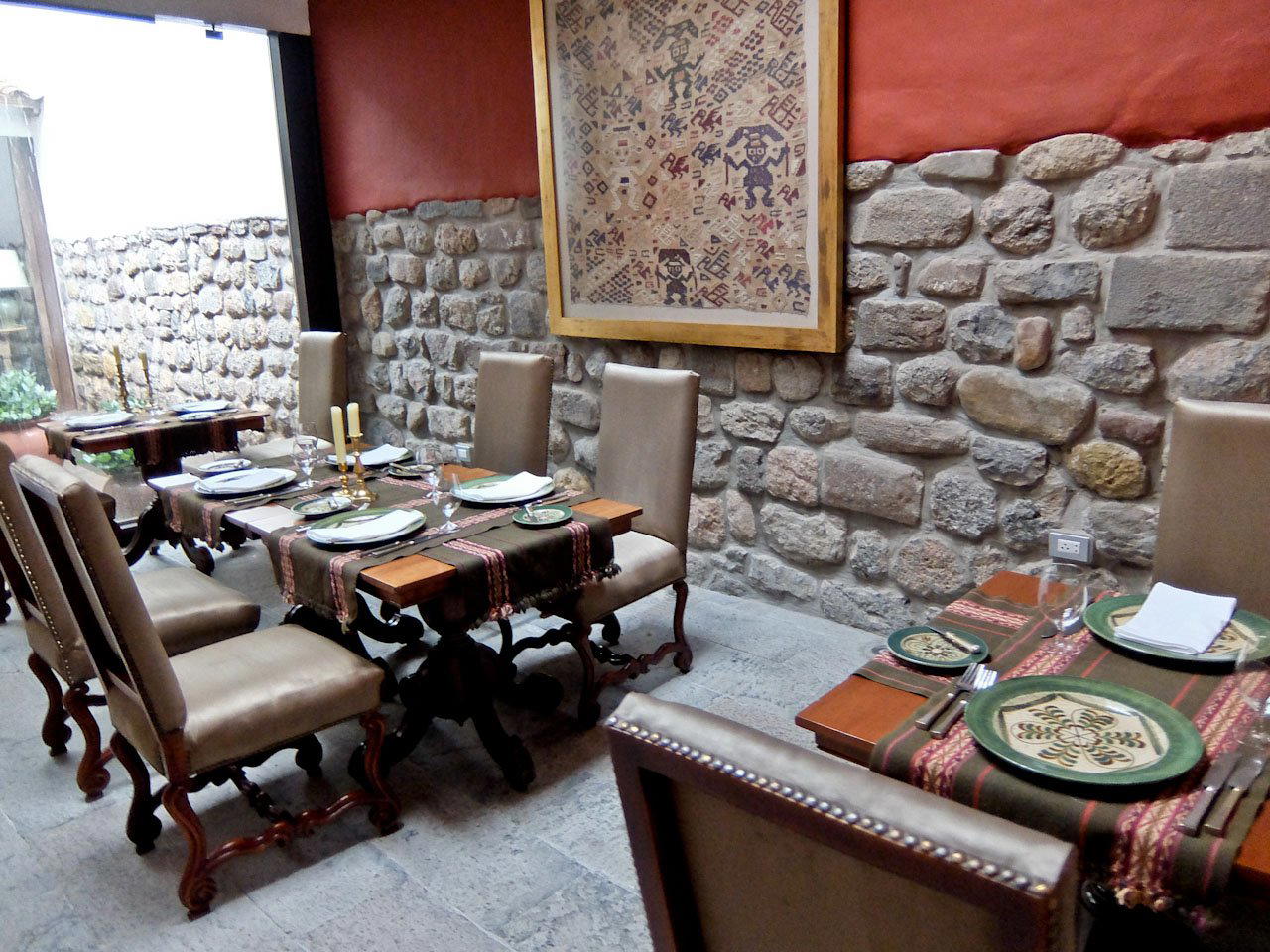
Restored colonial architecture in Cusco is a well-established category, but not all restorations are equivalent in approach. La Casona's restoration prioritized original structure over modernization: stone fireplaces, heavy carved woodwork, and underfloor heating that maintains warmth without altering the visual character of the interiors. The 11 suites are described as massive in proportion, a product of original colonial room dimensions rather than contemporary hotel engineering. That scale, combined with stone construction that insulates against nighttime temperature drops at altitude, makes the building's fabric directly functional rather than merely decorative.
The property's connection to the Inkaterra group situates it within a framework of environmentally oriented hospitality that the group has applied across its Peru portfolio, including at Inkaterra Machu Picchu Pueblo Hotel. That affiliation brings a consistent orientation toward Andean cultural programming and conservation-led tourism. Guests continuing that route have natural reference points across the Inkaterra network and the wider Peru itinerary: Titilaka in Puno, Sumaq Machu Picchu Hotel in Aguas Calientes, and Willka T'ika Essential Wellness in Urubamba each occupy distinct positions along that corridor.
On-Site Services and Practical Orientation
For a property of 11 suites, La Casona maintains a service range that extends beyond what its footprint might suggest. Spa and massage treatments are available on-site, and private guides can be arranged for Andean excursions, both of which reflect the property's positioning as a base for active cultural travel rather than a passive retreat. Rates begin from US$440 per night, which places the property in the upper segment of Cusco's market but below the ceiling set by particularly aggressively priced regional luxury offerings. The Tambo del Inka, a Luxury Collection Resort and Spa, situated in the Sacred Valley rather than Cusco proper, draws a different traveler profile by virtue of its resort format and valley setting, a useful comparative when deciding where to base the first night.
For travelers building Peru itineraries from the coast, Hotel Paracas, a Luxury Collection Resort in Paracas and Crowne Plaza Lima by IHG offer reference points for the Lima-to-Cusco sequence. For the Amazon extension, Refugio Amazonas Lodge in Puerto Maldonado and Delfin Amazon Cruises in Iquitos cover the jungle leg.
Planning Notes
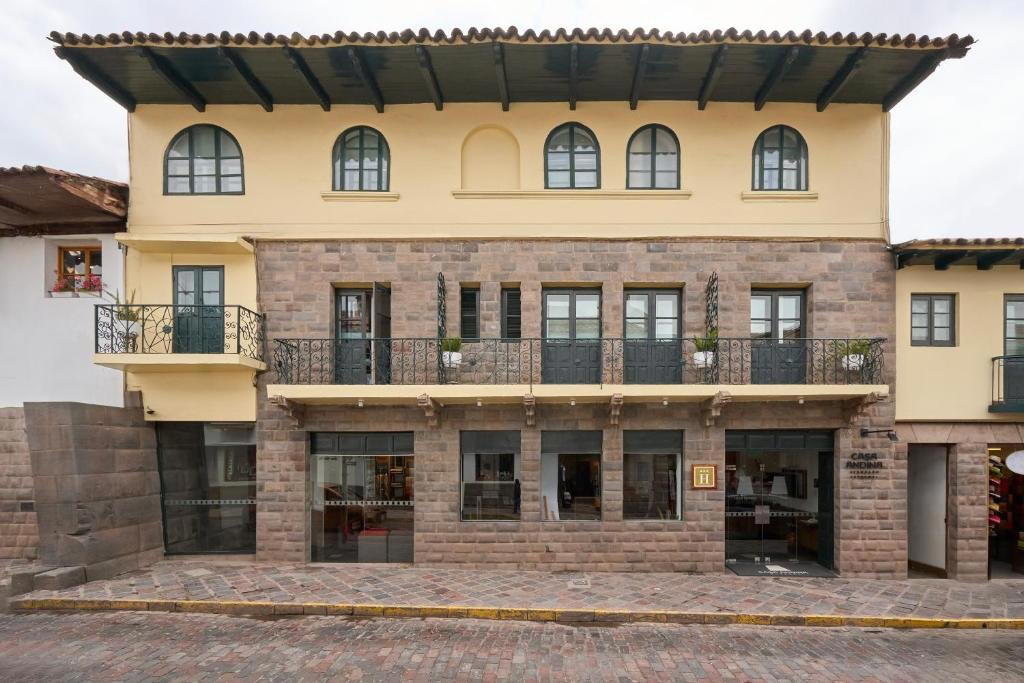
Cusco's high season, from May through October, brings pressure on accommodation across all tiers. At 11 suites, La Casona has limited availability relative to most of its competitors, and the option to book the entire property as a single unit makes it particularly attractive for private groups planning structured itineraries. The Casa Andina Standard Cusco Catedral and Hotel Kuelap in Utcubamba serve travelers at different price points and geographic focal points along the northern Peru circuit.
Compact Comparison
Comparable venues nearby, for context on price, style, and recognition.
| Venue | Price | Notes |
|---|---|---|
| Inkaterra La CasonaThis venue — the venue you are viewing | $$$$ | Not listed |
| Tambo del Inka, a Luxury Collection Resort & Spa | $$$$ | Valle Sagrado, Contemporary luxury resort blending modern elegance with Andean heritage |
| Palacio Nazarenas | $$$$ | near main square, 17th-century restored palace and convent with modern indulgence |
| Belmond Hotel Monasterio | $$$$ | Cusco Historic Center, Converted 16th-century monastery blending colonial grandeur with modern luxury |
| Palacio del Inka, a Luxury Collection Hotel | $$$$ | Cusco Historic Center, Restored 16th-century palace with ancient Andean-inspired decor and ornate modern amenities. |
| Aranwa Cusco Boutique Hotel | $$$$ | Cusco Historic Center, Colonial mansion boutique hotel-museum with Inca heritage fusion |
Recognition history
Dated appearances from independent guides and award organizations, with the underlying list record or original source where available.
Conde Nast Gold List
Conde Nast
La Liste Top Hotels
La Liste
Relais Chateaux Award
Relais Chateaux
Michelin 2 Keys
Michelin
Relais Chateaux Award
Relais Chateaux
Continue exploring
More in Cusco
Hotels in Cusco
Browse all →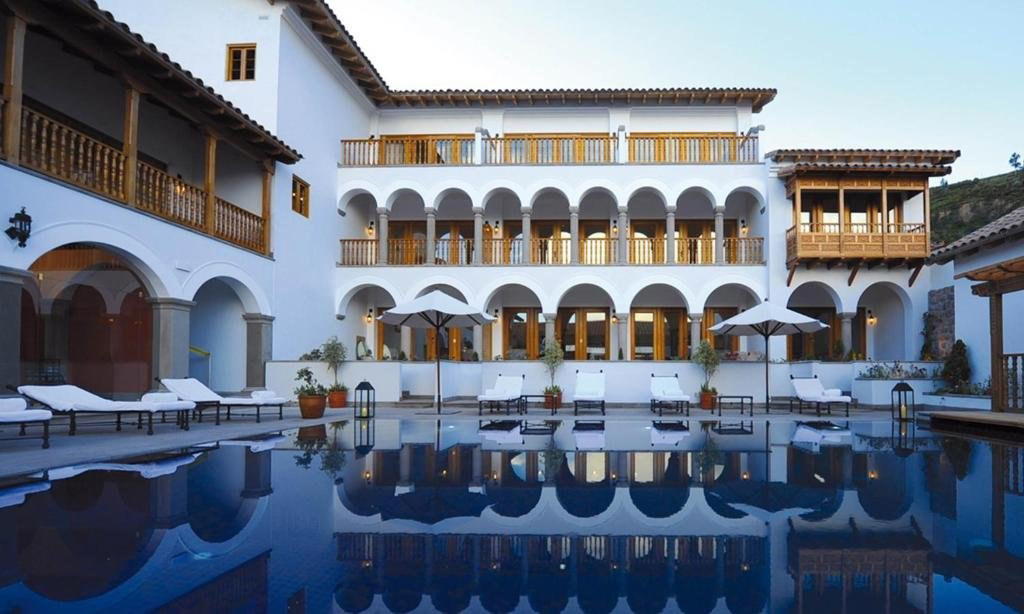
At a Glance
- Romantic
- Quiet
- Elegant
- Intimate
- Historic
- Cozy
- Sophisticated
- Honeymoon
- Romantic Getaway
- Anniversary
- Historic Building
- Terrace
- Wi Fi
- Spa
- Concierge
- Room Service
- Restaurant
- Bar
- Street Scene
- Garden
- Wi Fi
- Spa
- Concierge
- Room Service
- Restaurant
- Bar
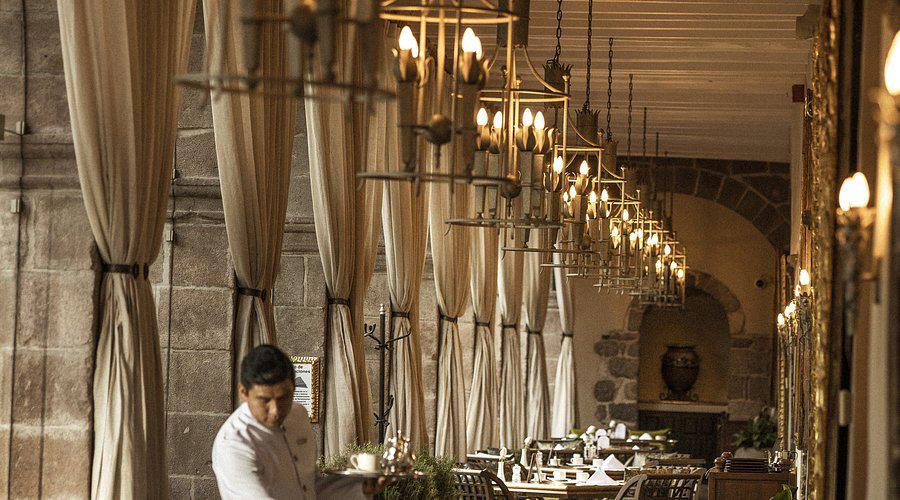
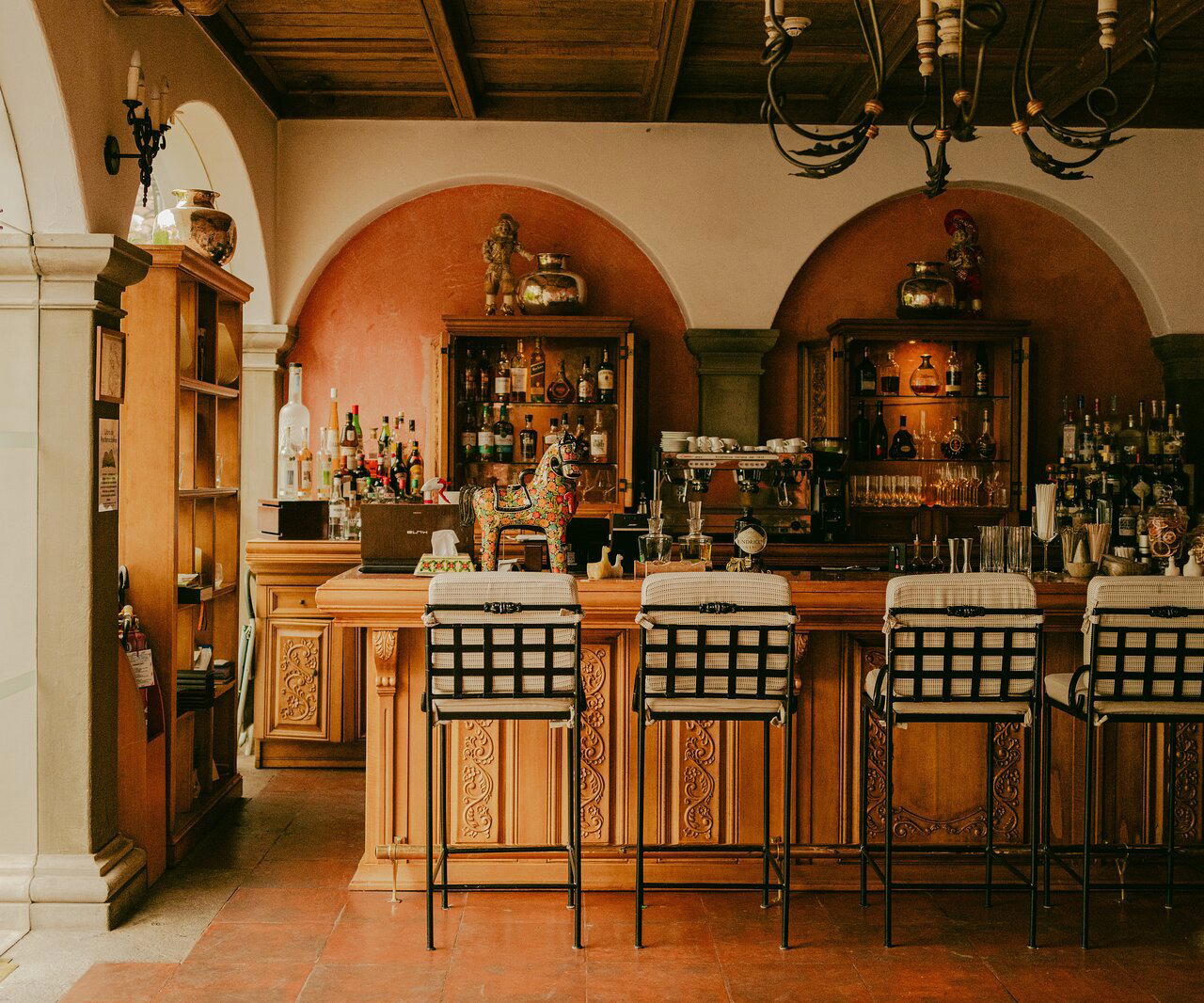
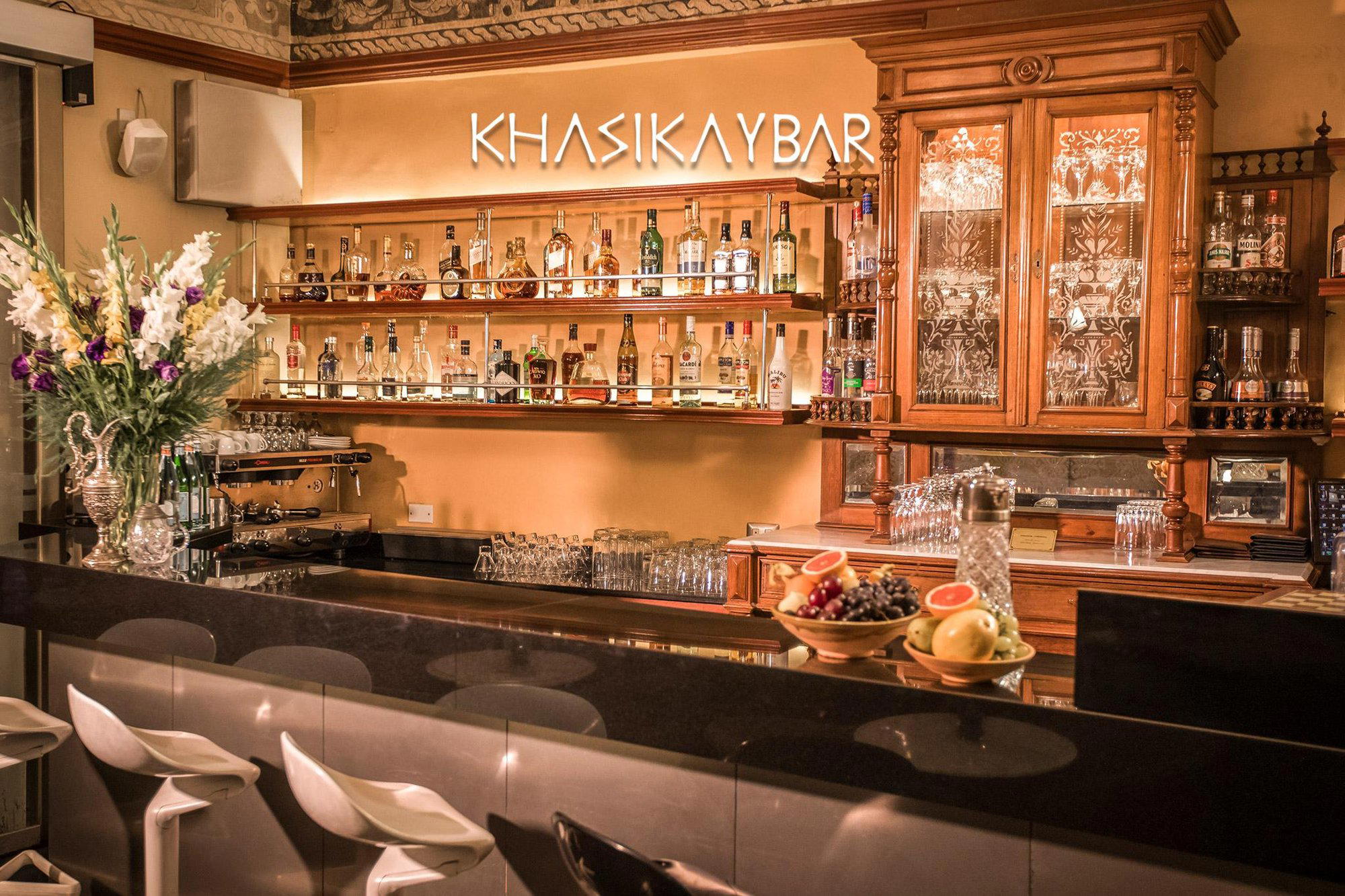
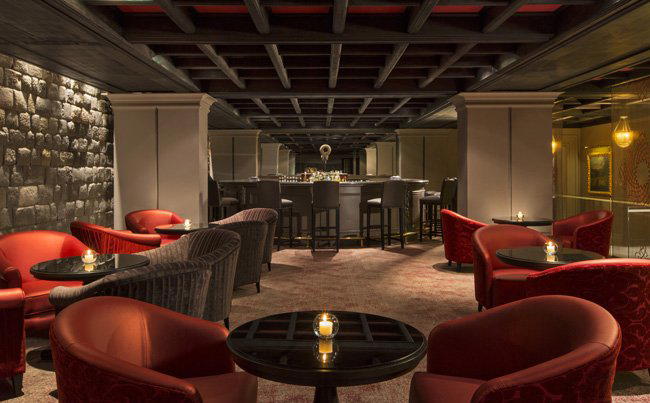
Serene and intimate with soft courtyard lighting, crackling stone fireplaces, colonial antiques, and a peaceful residential feel amid exposed beams and original murals.