


A 16th-century convent on Cusco's historic centre, converted into a JW Marriott property with 91 points on La Liste's 2026 Top Hotels ranking. Oxygen-enriched rooms address altitude from arrival, while the Health Club Spa, inner courtyard fire pits, and Qespi Restaurant's market-sourced Andean menu give the hotel a credible wellness and recovery architecture beyond its heritage shell.
Pearl is the En Primeur Club membership app — saves, bookings, and concierge access live there. Same editors, same standards.
- Address
- y, Esquina de la, Ruinas 432, Cusco 08002
- Phone
- +51 84 582200
- Website
- marriott.com
- Directions
- Get directions
 Saves & bookings on Pearl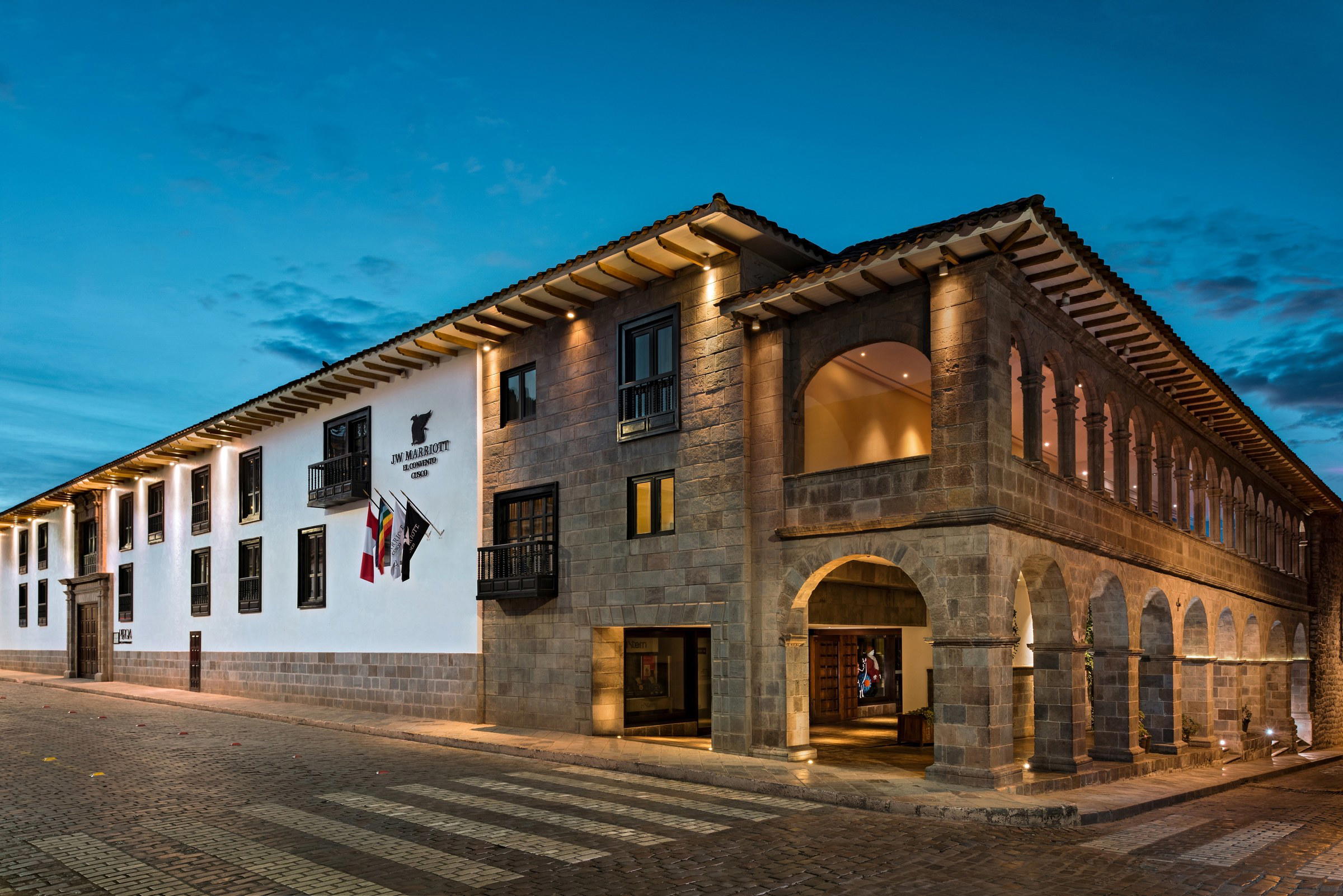
Stone Walls, Thin Air, and the Case for Slowing Down
Arriving in Cusco at 3,400 metres above sea level, most travellers feel the altitude before they feel anything else. The city's Plaza de Armas sits at the centre of a UNESCO World Heritage Site, ringed by colonial architecture layered over Incan stonework, and the walk from any transport point is enough to remind visitors that acclimatisation is not optional, it is the first item on the itinerary. Cusco's upper-tier hotels have responded to this reality in different ways: some offer oxygen tanks on request, others simply acknowledge the problem and move on. JW Marriott El Convento Cusco has taken a more deliberate position, engineering oxygen enrichment directly into guest rooms as a standard feature. That single design decision shapes the entire experience of staying here.
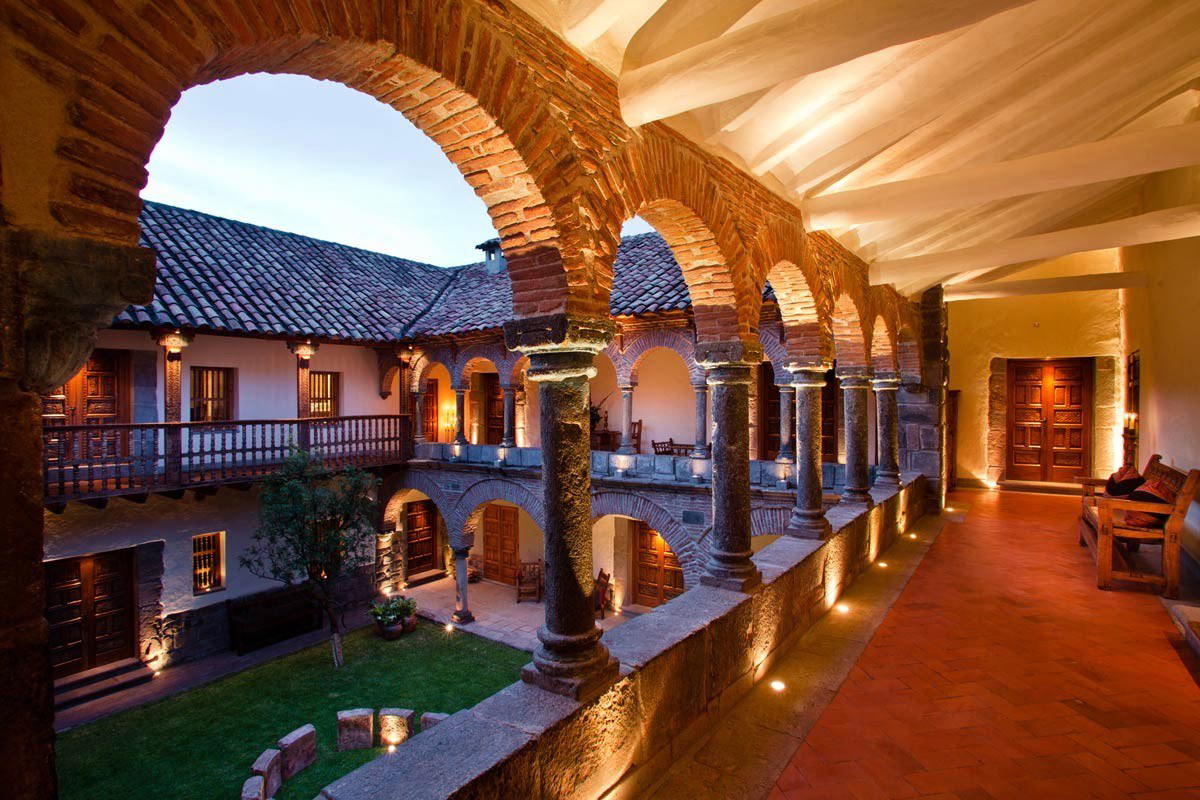
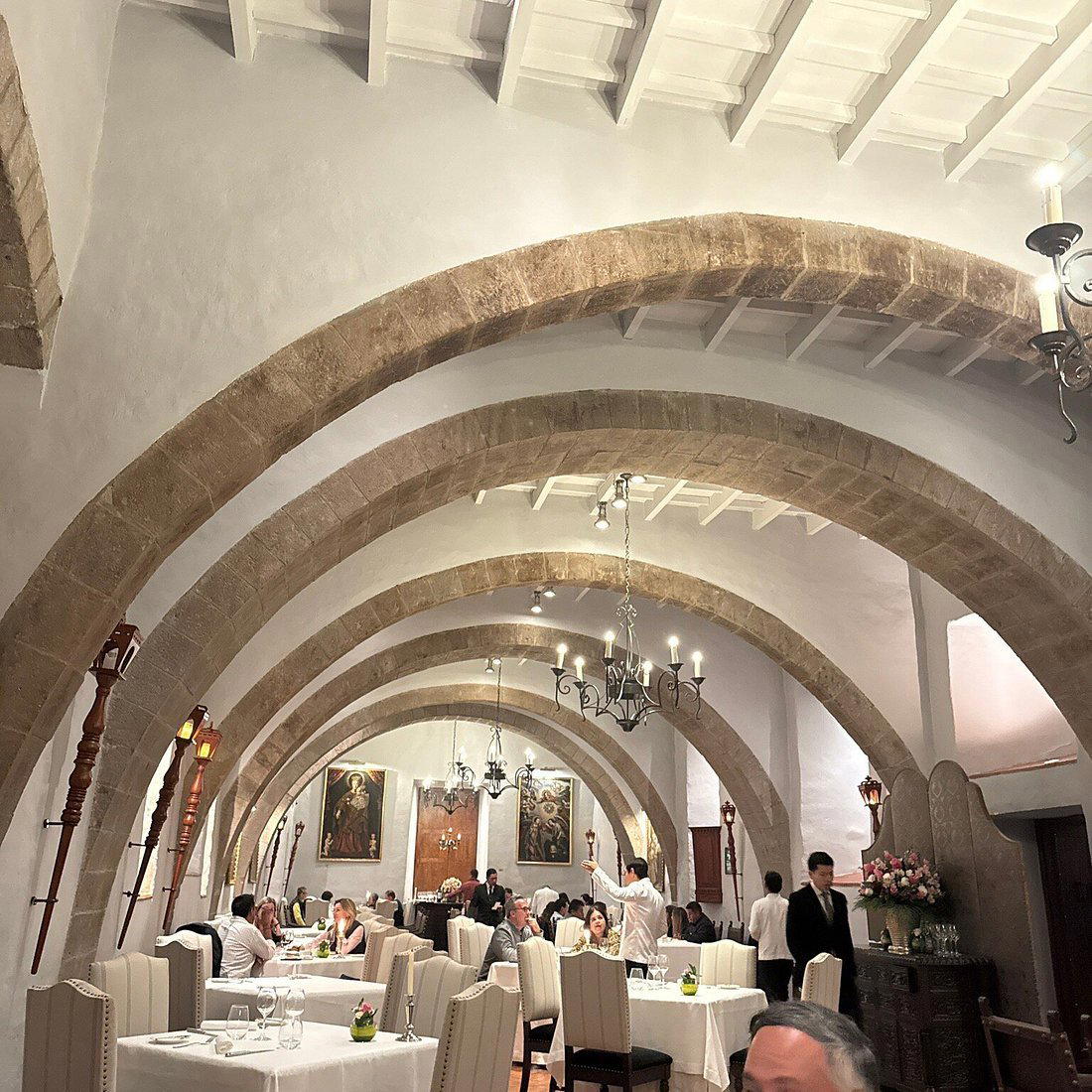
The building itself is a 16th-century Carmelite convent on Calle Ruinas, steps from the Plaza de Armas. Its restoration preserved the arched ceilings, exposed stone walls, and double-height proportions that define the structure, while the intervention introduced contemporary comfort without flattening the architecture. Two exhibition halls display artefacts uncovered during the renovation, including foundations of a pre-Inca structure that supports archaeological evidence of Cusco's occupation before the 12th-century Incan expansion. The entrance carries a carved stone shield bearing the emblem of the original convent's religious order, a flaming heart pierced by two arrows, and behind the reception desk, a golden circle composed of 76,500 Swarovski crystals references the Incan sun god Inti. These are not decorative gestures added for atmosphere; they are the building making its own argument about layered history.
La Liste's 2026 Leading Hotels ranking awarded El Convento 91 points, placing it in recognised company among Cusco's heritage conversions. In the Cusco luxury segment, it sits alongside properties including Palacio Nazarenas, Belmond Hotel Monasterio, Inkaterra La Casona, Palacio del Inka, a Luxury Collection Hotel, and Aranwa Cusco Boutique Hotel, all of which occupy similarly significant historic structures in the city centre. What distinguishes El Convento within that set is the deliberate integration of altitude management, spa infrastructure, and food sourcing into a coherent recovery proposition.
The Health Club Spa as the Anchor of the Stay
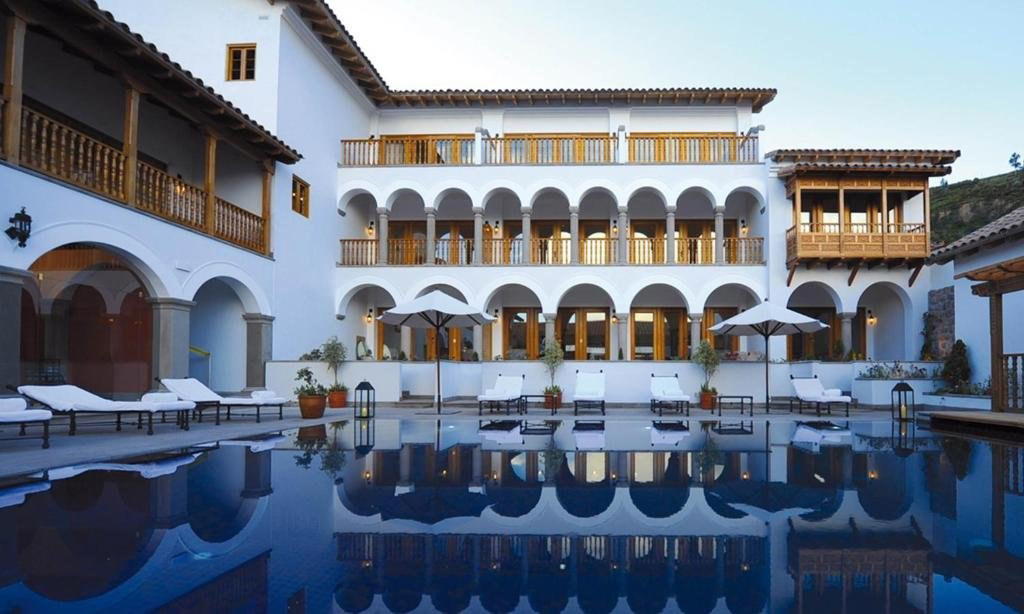
The wellness infrastructure at El Convento responds to the specific physiological demands Cusco places on visitors. The Health Club Spa offers treatment rooms alongside an indoor pool, whirlpool, sauna, and steam room. After a day moving through the surrounding UNESCO site at altitude, or covering the roughly 70 kilometres to Machu Picchu and back, the sequence of heated water, steam, and treatment pressure-releases the body in a way that sleep alone cannot replicate.
For travellers who use wellness infrastructure as a planning priority, El Convento's model compares favourably with dedicated retreat properties in the Sacred Valley. Willka T'ika Essential Wellness in Urubamba builds its entire programme around Andean healing traditions and chakra gardens, operating at a quieter altitude with more time per guest for therapeutic programming. El Convento trades that immersive depth for city-centre access and the flexibility of a full-service hotel. The choice between them depends on whether the traveller's priority is proximity to Cusco's historic centre or withdrawal from it.
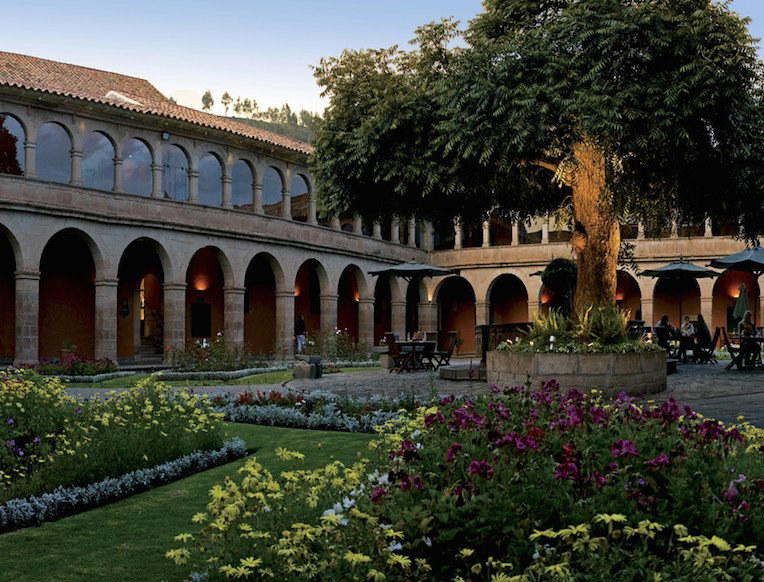
The inner courtyard at El Convento functions as an outdoor recovery space after dark. Lanterns and fire pits illuminate the stone-walled space, which sits far enough inside the building's footprint to insulate guests from street noise. At altitude, evening temperatures in Cusco drop sharply even in the warmer months, and the fire pits serve a functional purpose as much as an atmospheric one.
Qespi Restaurant and the San Pedro Market Chain
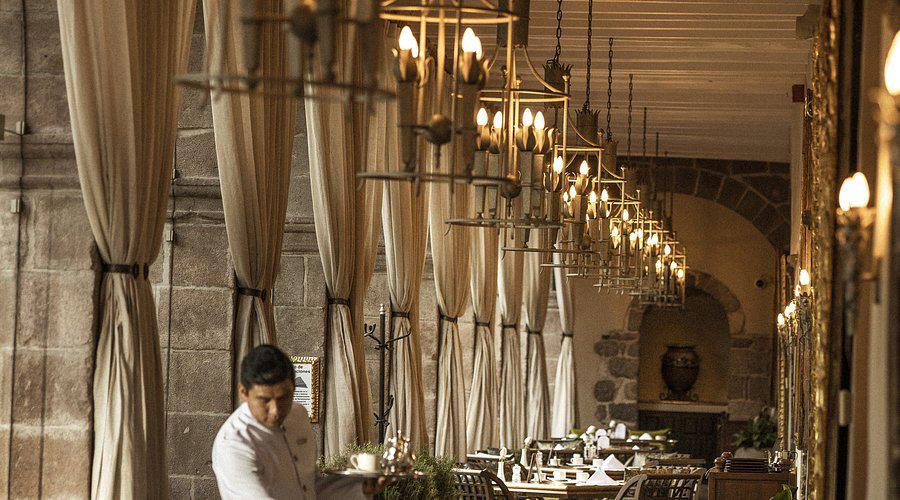
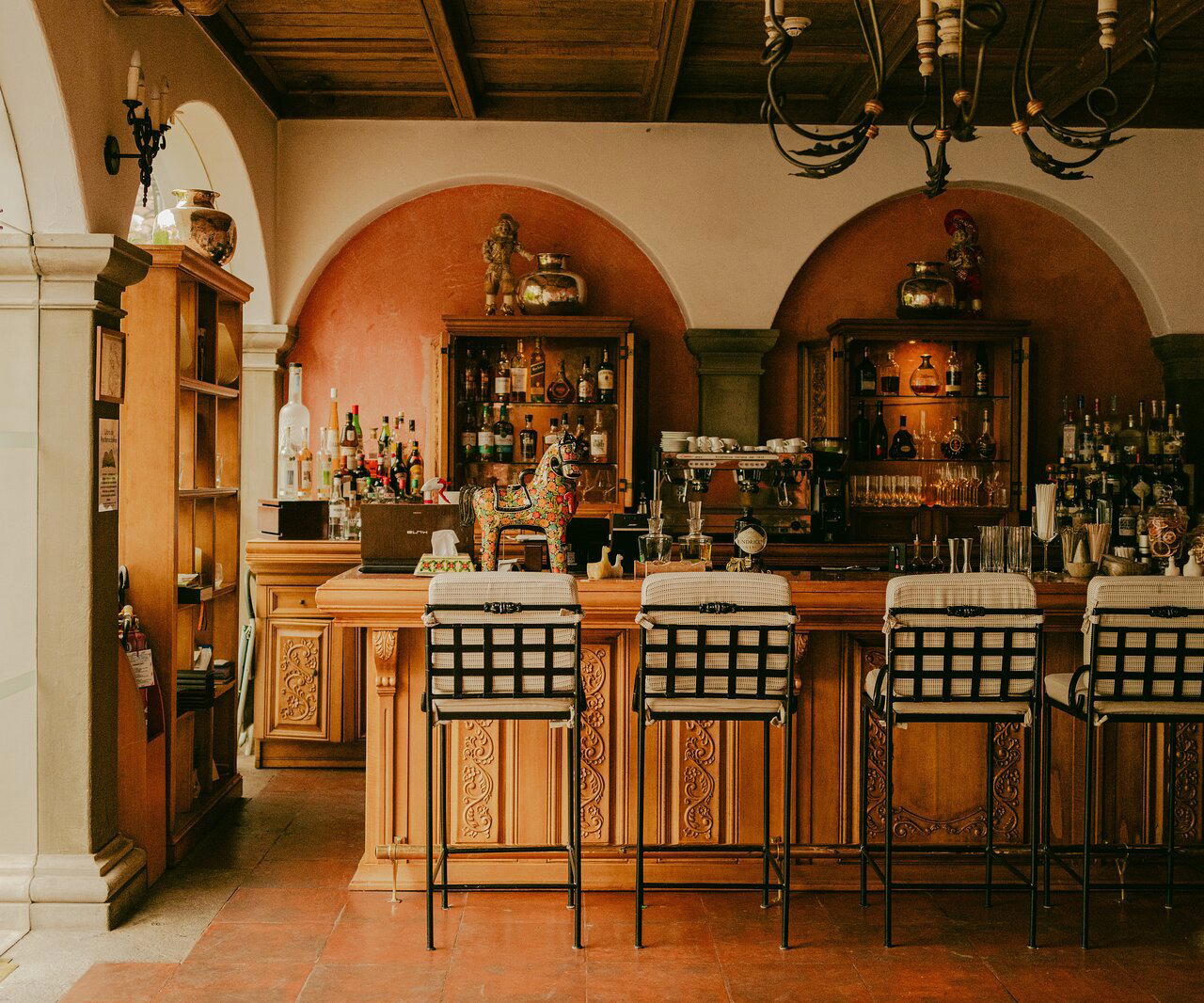
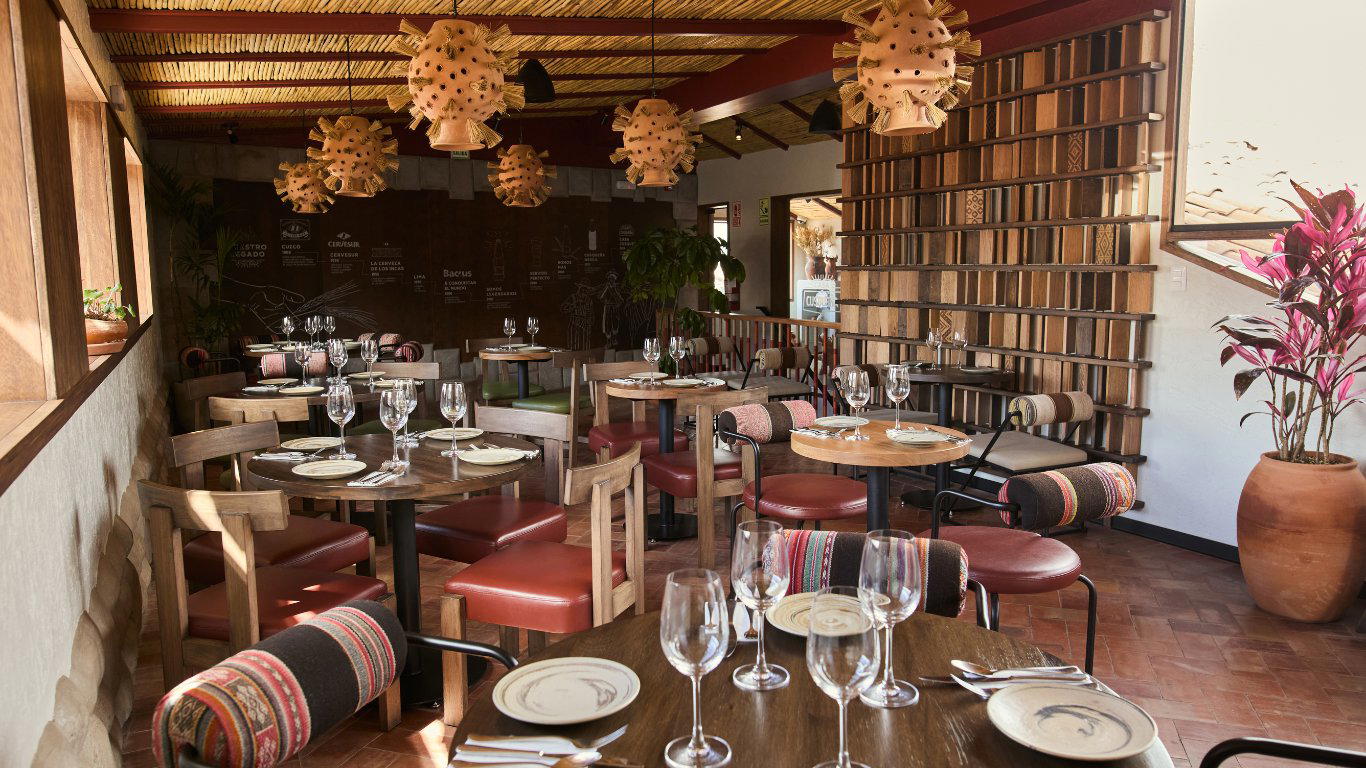
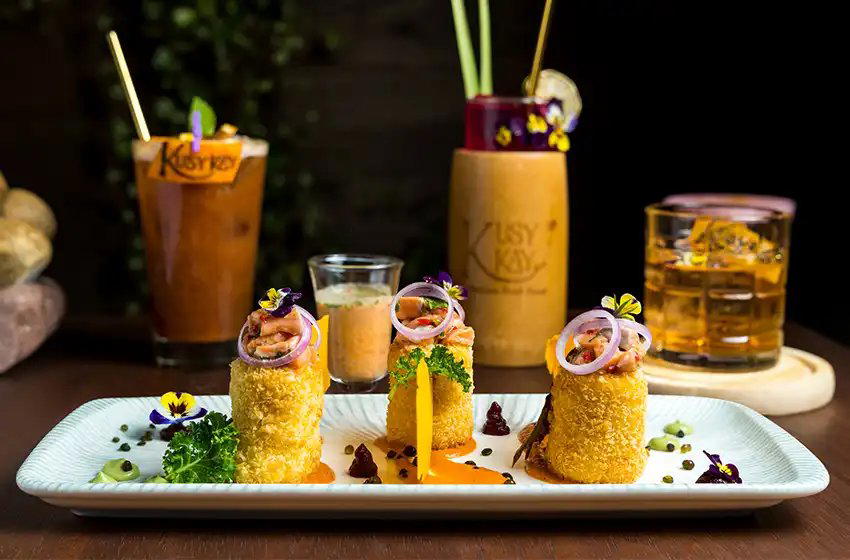
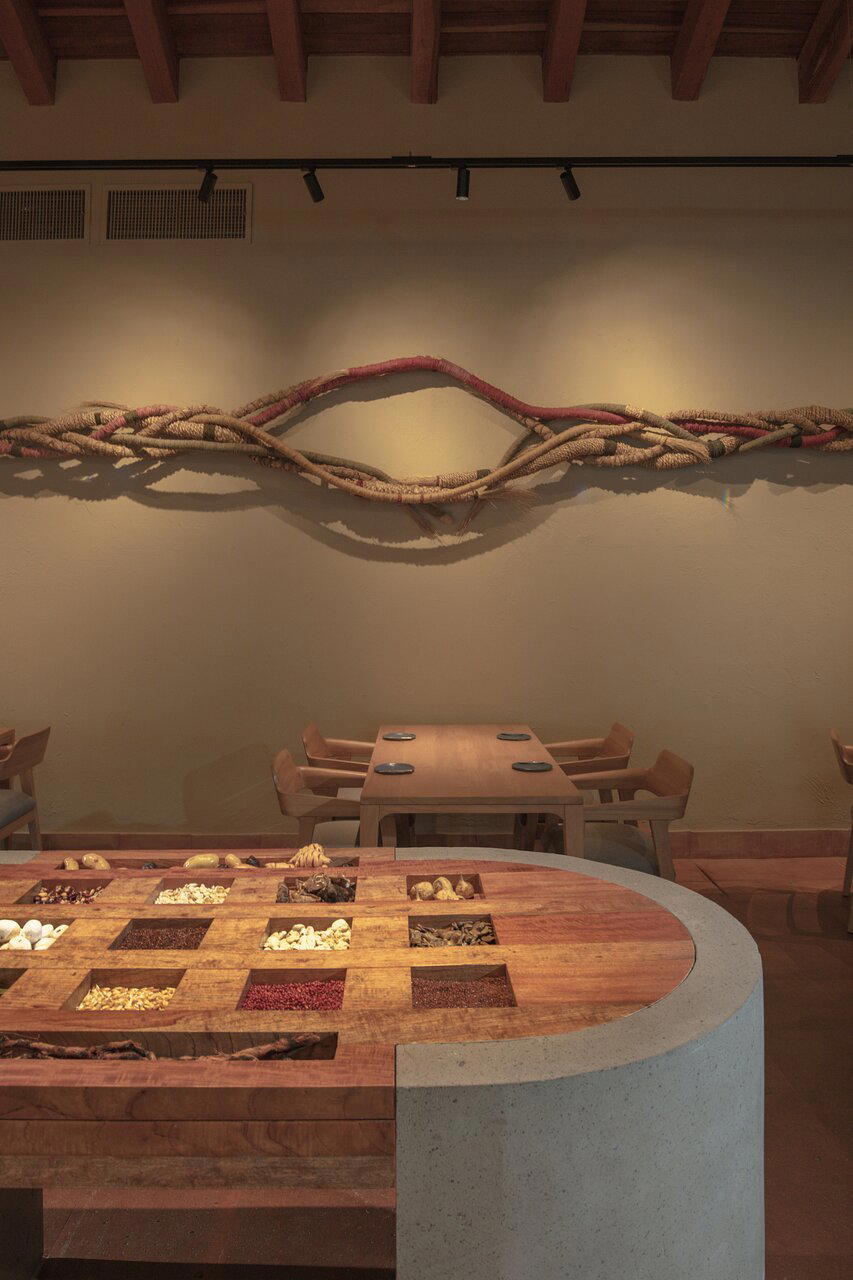
Contemporary Peruvian cuisine at altitude requires different sourcing logic than coastal cooking. Qespi Restaurant draws ingredients from San Pedro Market, Cusco's main municipal market a short distance from the hotel, with menu items built around lake-caught trout, white corn, and Andean potato varieties. The dining room occupies a space with exposed stone columns, candle-lit chandeliers, and double-height ceilings that put the building's heritage in direct conversation with the food. That alignment between architectural context and regional ingredient sourcing is a deliberate editorial stance from the kitchen: this is Andean cooking read through its own geography, not adapted for international palate comfort.
For travellers using Cusco as a base for Sacred Valley and Machu Picchu itineraries, Qespi provides a credible anchor for evenings in the city.
Rooms, Suites, and the Altitude Variable
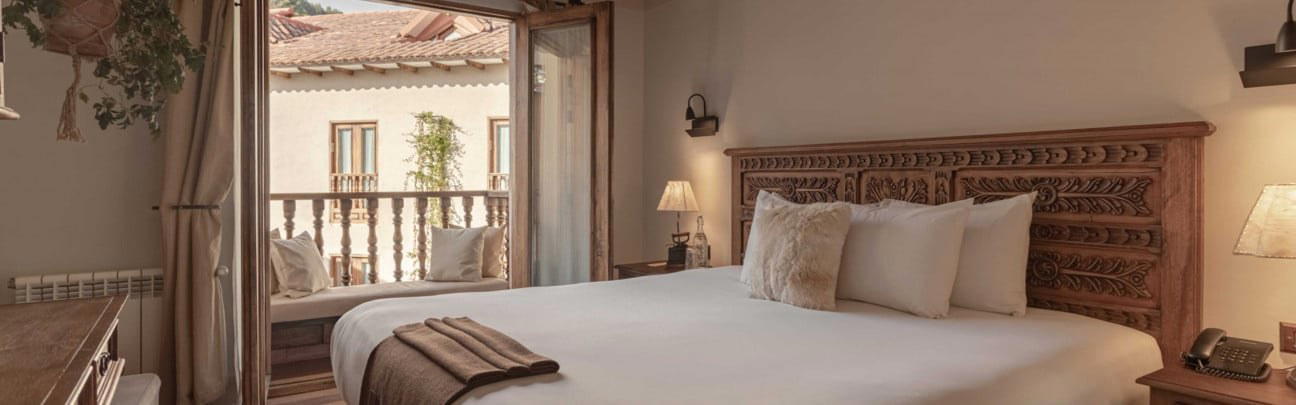
Accommodation at El Convento takes its design cues from the Andes: coloured textiles, warm timber floors, earth-toned materials, and Incan-referencing artworks create a regional visual logic rather than generic international luxury. Rooms on lower floors trade external street views for exposure to the building's ancient walls, lit atmospherically from within the space. The top-floor Imperial Suite carries panoramic views across the city and towards the surrounding mountains.
The oxygen enrichment programme operates across all accommodations, making it a baseline feature of the stay rather than an upgrade. For travellers arriving from sea level with no prior acclimatisation, this matters more than room category in the first 48 hours. The practical sequencing most guests follow: arrive, allow the oxygen-supported room to assist adjustment, use the spa's thermal circuit the first afternoon, eat conservatively at Qespi, and plan any serious exertion for day two or three.
Guests planning onward travel to Machu Picchu can use El Convento as both a pre-trip altitude base and a recovery property on return. The Inkaterra Machu Picchu Pueblo Hotel and Sumaq Machu Picchu Hotel in Aguas Calientes are the two properties typically paired with a Cusco stay for a complete circuit. Across Peru more broadly, the range of hotel formats spans urban luxury, Crowne Plaza Lima by IHG anchors the capital end, through lodge-style operations including Refugio Amazonas Lodge in Puerto Maldonado, Delfin Amazon Cruises in Iquitos, and Titilaka in Puno, each calibrated for a distinct geography and travel purpose. The Hotel Paracas, a Luxury Collection Resort and Hotel Kuelap in Utcubamba extend the country's luxury coverage to the coast and northern highlands respectively. For those comparing heritage-conversion hotels at this tier internationally, reference properties include Aman Venice, Castello di Reschio in Lisciano Niccone, and Amangiri in Canyon Point, each converting significant historic or landscape structures into high-end accommodation with a wellness dimension.
Planning the Stay
El Convento sits at Esquina de la Calle Ruinas 432, within walking distance of the Plaza de Armas and the city's main heritage sites. Marriott International's reservation system handles booking, with points-eligible rates across the brand's standard tier structure. The hotel operates 24-hour room service, a bar, meeting rooms, and pet-friendly policies alongside the restaurant and spa. Travellers with altitude sensitivity should factor at least two nights in Cusco before any strenuous day itinerary, with the spa's thermal programme most effective in the first afternoon of arrival. For further context on the Cusco hotel tier and how El Convento compares with the city's other heritage conversions, Tambo del Inka, a Luxury Collection Resort and Spa and Casa Andina Standard Cusco Catedral and Casa Andina Premium Arequipa for the mid-range reference point. For a contrasting style of heritage luxury in a comparable city-centre format, Aman New York, The Fifth Avenue Hotel in New York City, Bvlgari Hotel Tokyo, and Badrutt's Palace Hotel in St. Moritz illustrate how the same category resolves across different geographies and at different price registers.
A Credentials Check
Comparable venues nearby, for context on price, style, and recognition.
| Venue | Cuisine | Price | Awards | Notes |
|---|---|---|---|---|
| JW Marriott El Convento CuscoThis venue — the venue you are viewing | Restored 16th-century convent blending historic architecture with contemporary luxury | $$$$ | 5-Star | Not listed |
| Belmond Hotel Monasterio | Converted 16th-century monastery blending colonial grandeur with modern luxury | $$$$ | 5-Star | Cusco Historic Center |
| Palacio del Inka, a Luxury Collection Hotel | Restored 16th-century palace with ancient Andean-inspired decor and ornate modern amenities. | $$$$ | 5-Star | Cusco Historic Center |
| Aranwa Cusco Boutique Hotel | Colonial mansion boutique hotel-museum with Inca heritage fusion | $$$$ | 5-Star | Cusco Historic Center |
| Casa Andina Standard Cusco Catedral | Traditional 3-star hotel in central Cusco with contemporary Peruvian design. | $$ | 3-Star | Centro Historico |
| Antigua Casona San Blas | Colonial heritage boutique hotel with contemporary restoration, blending 18th-century architecture with modern luxury amenities. | $$$ | 4-Star | San Blas |
Recognition history
Dated appearances from independent guides and award organizations, with the underlying list record or original source where available.
Forbes Recommended
Forbes
La Liste Top Hotels
La Liste
Forbes Recommended
Forbes
Michelin Selected
Michelin
Continue exploring
More in Cusco
Hotels in Cusco
Browse all →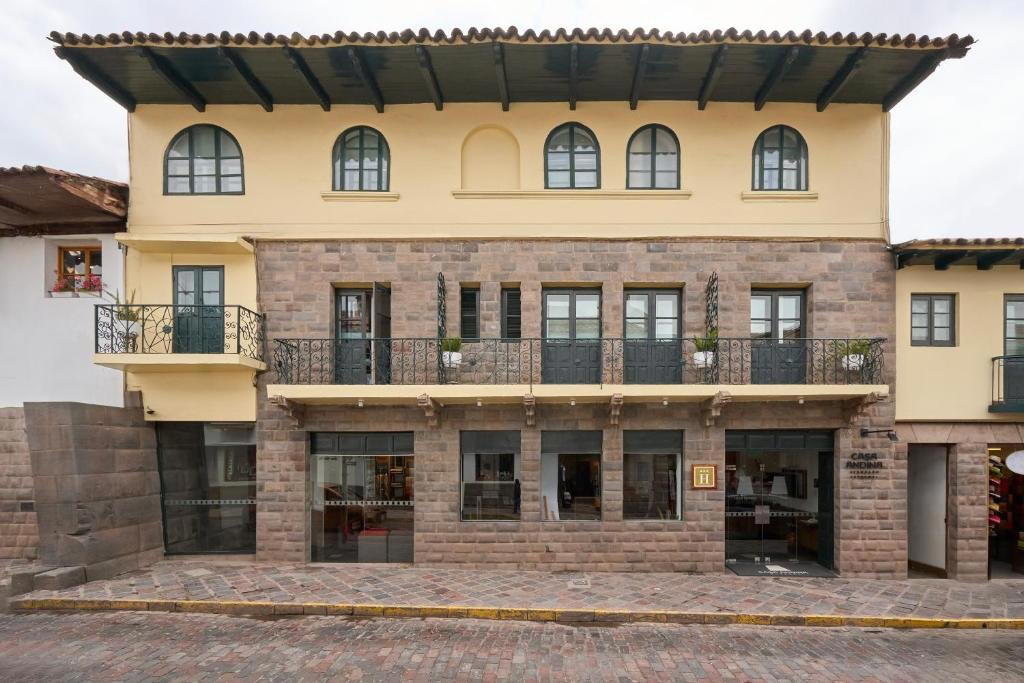
At a Glance
- Elegant
- Historic
- Sophisticated
- Scenic
- Romantic Getaway
- Honeymoon
- Wellness Retreat
- Historic Building
- Panoramic View
- Spa
- Indoor Pool
- Wi Fi
- Room Service
- Concierge
- Restaurant
- Fitness Center
- Sauna
- Mountain
- Garden
- Spa
- Indoor Pool
- Wi Fi
- Room Service
- Concierge
- Restaurant
- Fitness Center
- Sauna
Elegant and serene atmosphere with historic charm, featuring ancient Andean-inspired spa treatments, relaxing indoor pool, and peaceful cloister surroundings praised for tranquility and luxury.