
Our verdict
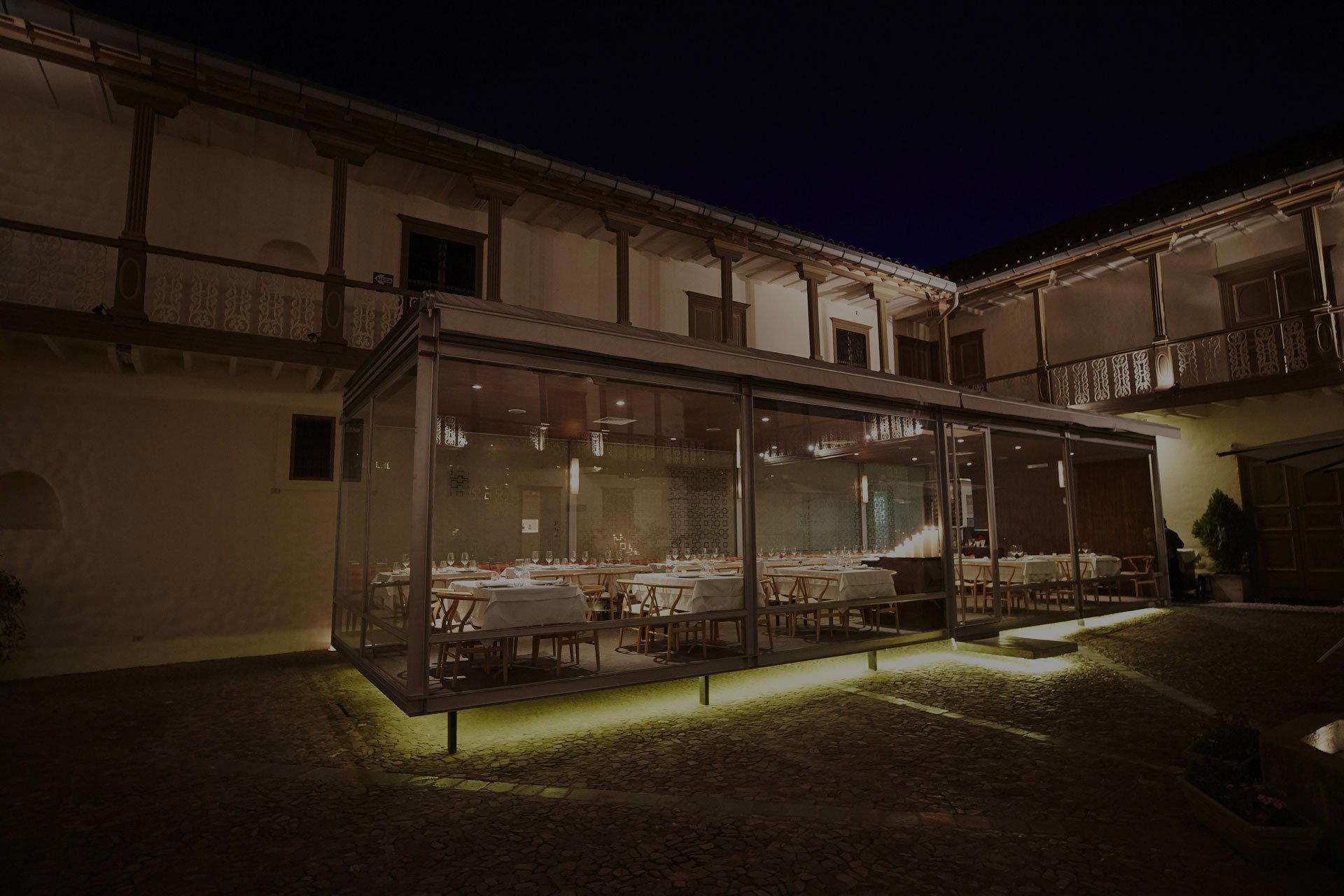
A few steps from Cusco's Plaza de Armas, KUSYKAY Peruvian Craft Food operates where the city's tourist-facing dining economy meets something more considered: a kitchen framing Andean ingredients through a craft-first approach. The address on Triunfo places it inside the oldest colonial corridor of the city, making the surrounding context as loaded as the cooking itself.

Pearl is the En Primeur Club membership app, where members save venues, book tables and use the concierge.
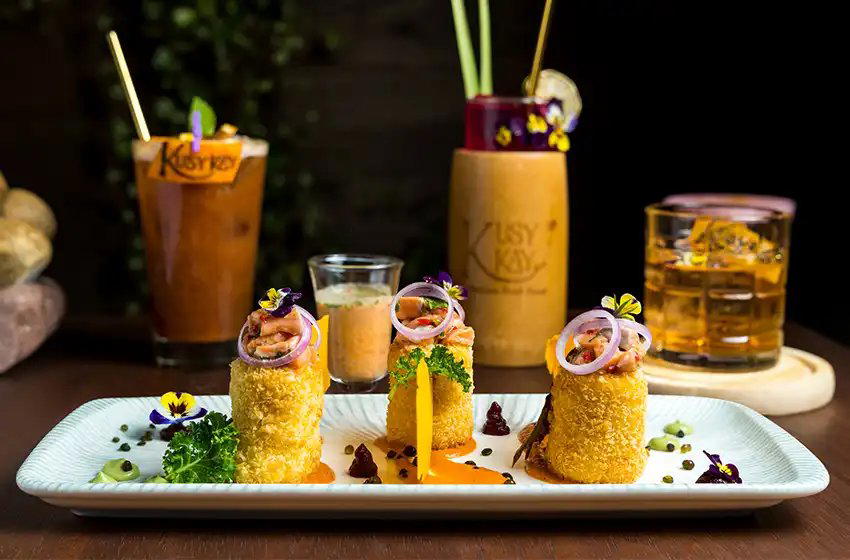
Triunfo Street and the Weight of Proximity
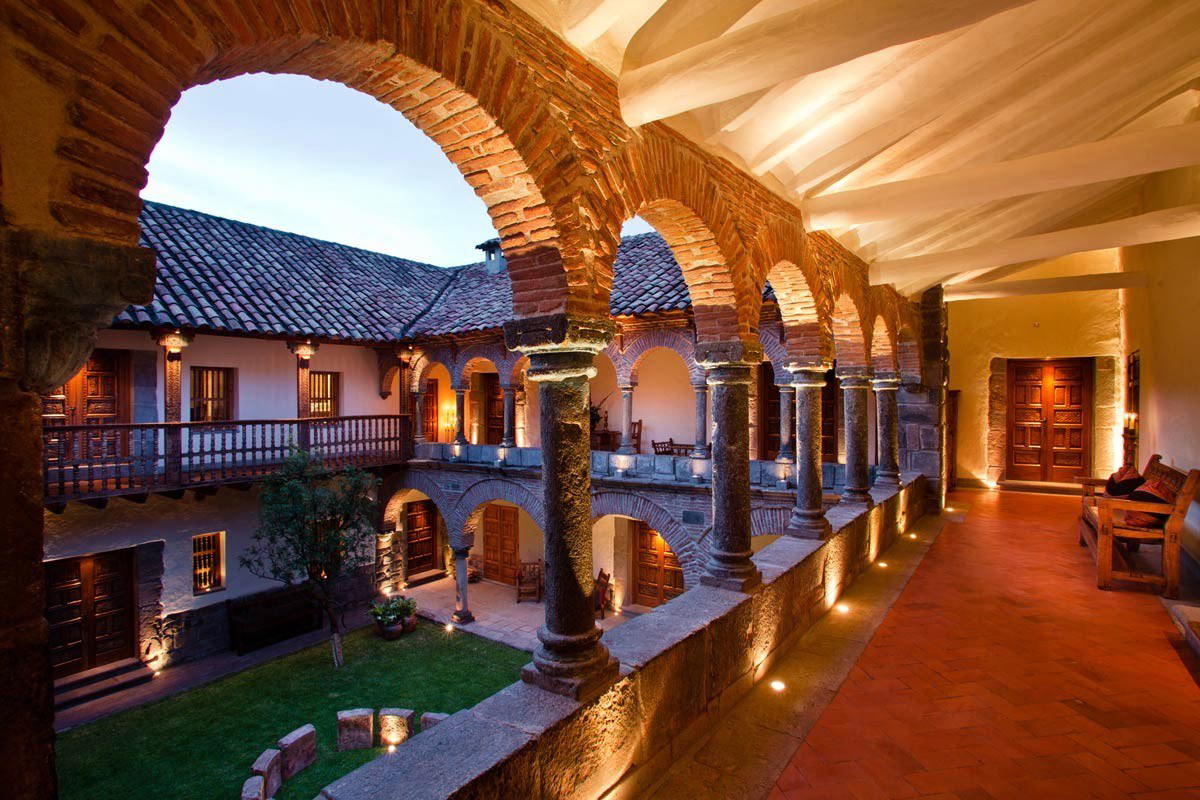
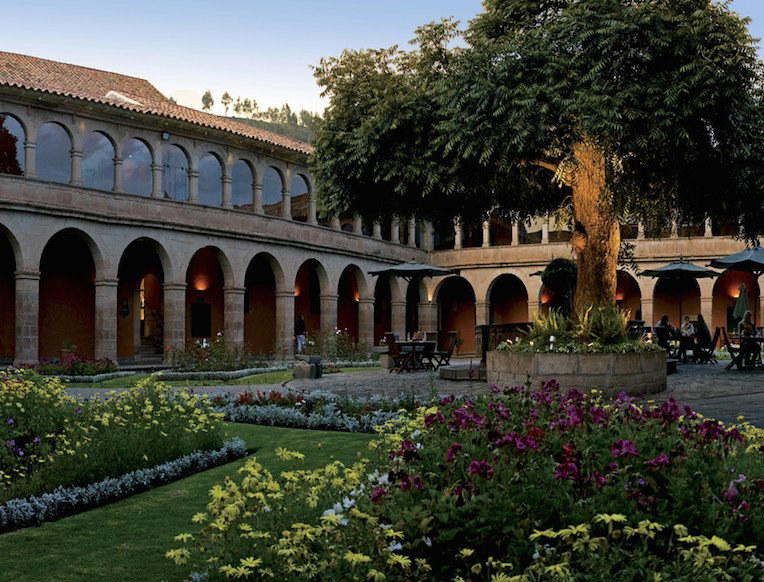
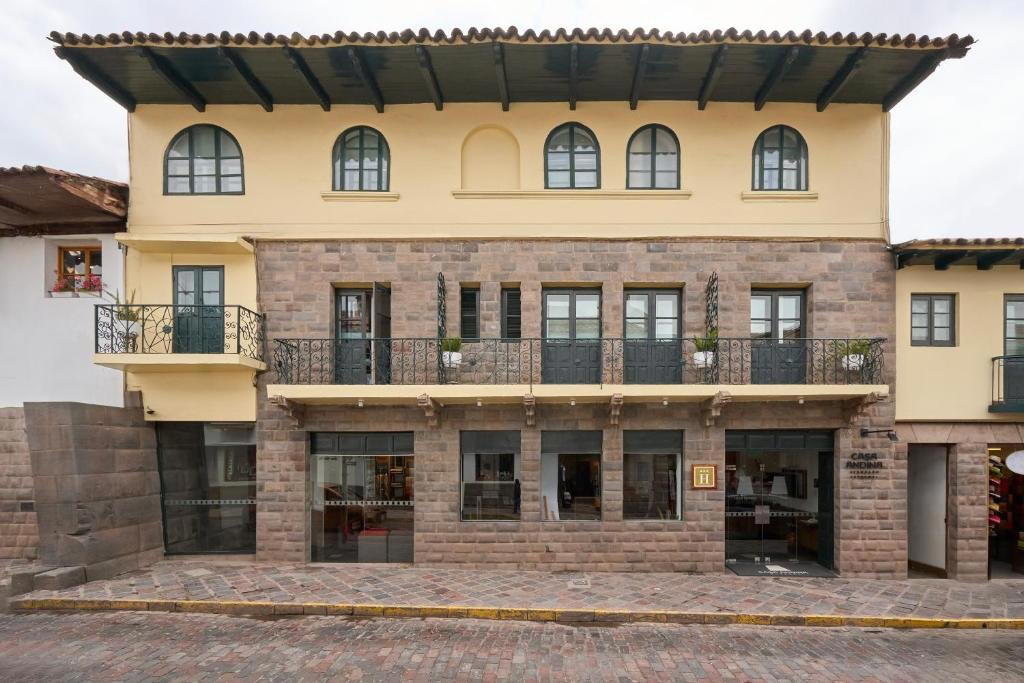
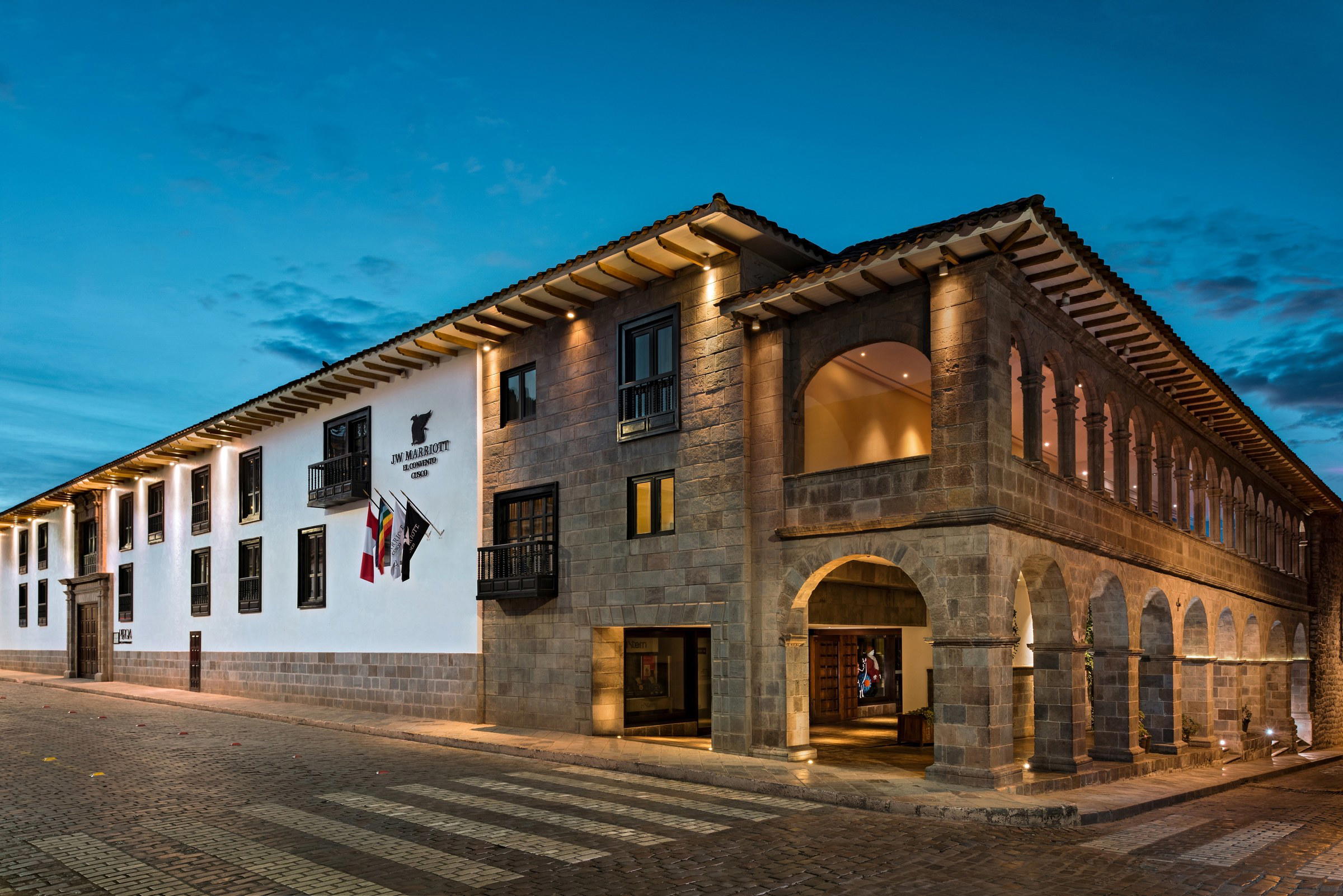
The stretch of Triunfo that runs off the Plaza de Armas is one of the most architecturally saturated blocks in South America. Inca stonework runs beneath colonial Spanish facades, and the street traffic oscillates between pilgrims, porters, and visitors who have come specifically to eat. In this part of Cusco, the question a restaurant must answer is not merely what it serves but what position it occupies relative to the spectacle surrounding it. KUSYKAY Peruvian Craft Food occupies a slot just metres from the square, which means it competes for attention inside the highest-footfall corridor the city produces. That proximity is both an advantage and an editorial test: the address draws the curious in, but the food has to earn a second look.
For context, Cusco's central dining scene has splintered over the past decade into at least three distinct tiers. The first is the rapid-turnover tourist set, designed for altitude-dazed arrivals who want a pisco sour and a safe quinoa bowl. The second is the mid-level regional kitchen, cooking Andean staples with reasonable technical ambition. The third, smaller tier takes craft seriously as an organising principle, sourcing from the Sacred Valley corridor and treating Andean biodiversity as material rather than backdrop. KUSYKAY's name and stated positioning around craft food places it in conversation with that third tier, alongside addresses like Campo Cocina Andina and Chicha Cusco, both of which have built sustained reputations around Andean sourcing and technique.
What Craft Means in a Cusco Context
The word craft carries specific implications in Peruvian cooking that differ from how it reads elsewhere. Peru holds one of the most concentrated reservoirs of agricultural biodiversity on the planet: over three thousand potato varieties have been documented in the Andean highlands alone, and the country's altitude gradients produce microclimates that no other single nation replicates at scale. In Cusco specifically, the Sacred Valley provides direct access to heritage maize, native tubers, and altitude-adapted produce that Lima's kitchens must import. A restaurant on Triunfo Street has a shorter supply chain to those ingredients than almost any kitchen outside the valley itself.
The global attention that Peruvian cuisine attracted after Central Restaurante in Lima began its ascent on the World's 50 Best list brought significant secondary pressure onto regional Andean restaurants to perform at a representational level. The model that Mil Centro in Moray formalised, of building a tasting format directly around altitude-zoned sourcing, has filtered down into how mid-tier Cusco kitchens think about their own identity. The craft framing at KUSYKAY should be read inside that lineage: a response to what the Lima flagships made legible about Andean ingredients, adapted to the pace and price point of a city-centre address rather than a destination experience.
The Neighbourhood Logic of the Address
Triunfo 338A sits in a part of Cusco where the concentration of dining options per block is higher than almost anywhere else in Peru outside Miraflores. The immediate neighbours include places operating across very different intentions: some are serving set menus to tour groups, others are running pisco-forward bar formats. The competitive pressure that creates is not primarily about price; it is about legibility. In a block where a visitor could choose from fifteen different restaurants in the span of fifty metres, the kitchen that communicates a clear and honest identity earliest tends to capture the more considered diner.
That dynamic has pushed several of Cusco's better central addresses toward greater specificity in how they present themselves. Hanz Gastronomique occupies a more formal register on that same stretch of the city. Intillay Peruvian Fusion Food and Casa Cusqueña each carve out positions in the mid-range with different emphases on fusion and tradition respectively. KUSYKAY's craft food identifier separates it from the fusion category and from the pure-traditional bracket, placing it in a conceptual register that rewards visitors who arrive with some familiarity with what Andean sourcing means in practice.
Beyond Cusco's centre, the broader Sacred Valley circuit puts this address in conversation with restaurants that have built larger editorial profiles. Mapacho Craft Beer Restaurant in Urubamba and Inti House in Aguas Calientes both operate in the same regional ingredient corridor, serving different audiences at different points of the Machu Picchu route. Visitors who treat their Cusco dining choices as part of a wider itinerary across the valley will find KUSYKAY's city-centre position a logical anchor: accessible before or after arrivals, close enough to the Plaza de Armas to function as a base for the first night in the city.
Peruvian Craft Food Beyond the Capital
Much of the international writing about Peruvian cuisine is Lima-centric by default. The capital absorbs the press attention, the chef profiles, the tasting menus, and the reservation queues. Insumo Rooftop in Miraflores and the concentration of ambitious kitchens in that district have reinforced Lima as the default entry point for the country's cooking. What that framing misses is that the ingredients driving Lima's most celebrated menus originate in the highlands that surround Cusco. The craft food movement in regional Andean cooking is not derivative of what Lima is doing; it is, at the source level, prior to it.
That reordering of the narrative matters when evaluating what a kitchen on Triunfo Street is actually offering. The visitor who arrives in Cusco having eaten at LIMO Cocina Peruana and Pisco Bar in Cusco or who has the broader Peruvian canon in mind will read KUSYKAY's craft positioning as a statement about provenance and process, not merely a branding choice. Peru's diversity of kitchen traditions is visible across the country, from La Nueva Palomino in Yanahuara District to Bistrot Bastille in Ica District, and Cusco's highland position gives its leading kitchens an ingredient argument that is difficult to replicate at lower altitudes.
Planning Your Visit
KUSYKAY Peruvian Craft Food is located at Triunfo 338A, a short walk from the Plaza de Armas in central Cusco. The address puts it within walking distance of the city's main hotel and accommodation cluster, and the Triunfo corridor is navigable on foot from most central stays. Given the foot traffic on this block, the restaurant is accessible without advance planning on most days, though evenings during high season (June through August) tend to compress availability across all central Cusco dining options.
For a broader orientation to what the city's restaurant scene offers across price points and styles, the full Cuzco restaurants guide maps the field in more detail. Visitors planning an extended Andean itinerary may also want to cross-reference restaurants in the wider Sacred Valley and beyond, where the same ingredient traditions play out in different formats and settings.
Frequently asked questions
Where exactly is KUSYKAY Peruvian Craft Food?
KUSYKAY Peruvian Craft Food is located at unos metros de la plaza de Armas, Triunfo 338 A, Cusco 08002, Peru, Cuzco.
Is KUSYKAY Peruvian Craft Food a good option for experiencing regional Andean cuisine rather than Lima-style Peruvian food?
KUSYKAY's craft food framing in Cusco positions it within the Andean tradition rather than the Lima-centric school that dominates most international coverage of Peruvian cuisine. Cusco's highland larder, chuño, purple corn, native potato varieties, and Andean herbs, differs substantially from the coastal ingredients that define Lima restaurants. For travellers specifically seeking cooking rooted in the Andean south rather than the capital's coastal-Japanese-inflected style, Triunfo 338A is a geographically and conceptually grounded choice.
What's the best thing to order at KUSYKAY Peruvian Craft Food?
Specific menu items are not publicly listed for KUSYKAY, so the safest approach is to ask staff what's in season, Andean craft cooking in Cusco draws on regional ingredients that shift with the highland calendar. The venue's positioning around Peruvian craft food suggests a focus on technique-forward preparations rather than generic tourist menus. Arriving with an open question rather than a fixed order tends to yield better results at places like this.
Can I walk in to KUSYKAY Peruvian Craft Food?
Restaurants in that corridor tend to operate without fixed reservation systems during quieter periods but fill quickly around peak meal times, particularly during high season. Arriving early or outside the midday and evening rushes gives the best odds of a seat without booking ahead.
What's the standout thing about KUSYKAY Peruvian Craft Food?
The address on Triunfo Street, metres from the Plaza de Armas, places KUSYKAY within one of the most architecturally and historically dense blocks in Cusco, Inca stonework runs directly below colonial facades on that stretch. The craft food positioning is notable in a city where most tourist-facing restaurants default to broad menus. A deliberate Peruvian craft identity in that location suggests a kitchen with a specific point of view, rather than a catch-all offering.
How does KUSYKAY Peruvian Craft Food handle allergies?
No allergy policy or menu documentation is confirmed for KUSYKAY. Peruvian craft cooking in Cusco frequently uses ingredients like ají chillies, corn varieties, and quinoa that carry allergen implications not always flagged on menus. Anyone with specific dietary requirements should communicate them directly to staff at Triunfo 338A before ordering, as is standard practice across Cusco's independent restaurant scene.
The Essentials
Comparable venues nearby, for context on price, style, and recognition.
| Venue | Cuisine | Price | Notes |
|---|---|---|---|
| KUSYKAY Peruvian Craft FoodThis venue (the venue you are viewing) | Peruvian Craft Food | $20–30 | Not listed |
| Organika Restaurant | Organic Peruvian Farm-to-Table | $20–30 | San Blas, Organic Peruvian Farm-to-Table |
| MARE RESTAURANT | Modern Peruvian with Mediterranean Influences | $30–50 | Historic Center, Modern Peruvian with Mediterranean Influences |
| Yaku Restaurant | Modern Peruvian Fusion | $20–30 | Centro Histórico, Modern Peruvian Fusion |
| Hanz Gastronomique | Peruvian-Andean-Japanese Fusion | $30–50 | Plaza de Armas, Peruvian-Andean-Japanese Fusion |
| Casa Cusqueña | Modern Peruvian | $20–30 | Plaza de Armas, Modern Peruvian |
Recognition history
Dated appearances from independent guides and award organizations, with the underlying list record or original source where available.
World Culinary Awards Latin America's Best Peruvian Cuisine Restaurant 2025 #1
World Culinary Awards
Continue exploring
More in Cusco
Restaurants in Cusco
All restaurants in Cusco →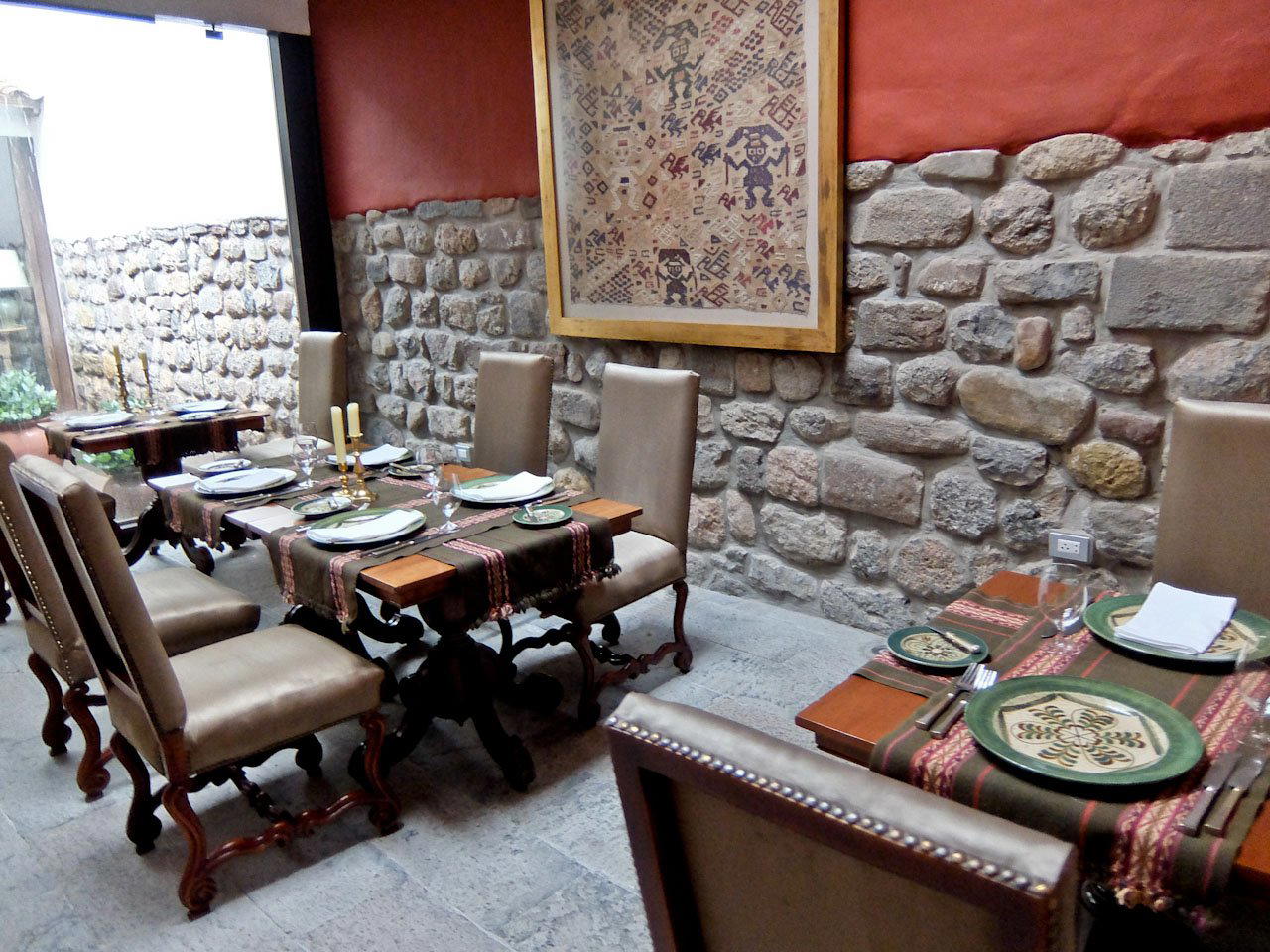
Bars in Cusco
Browse all →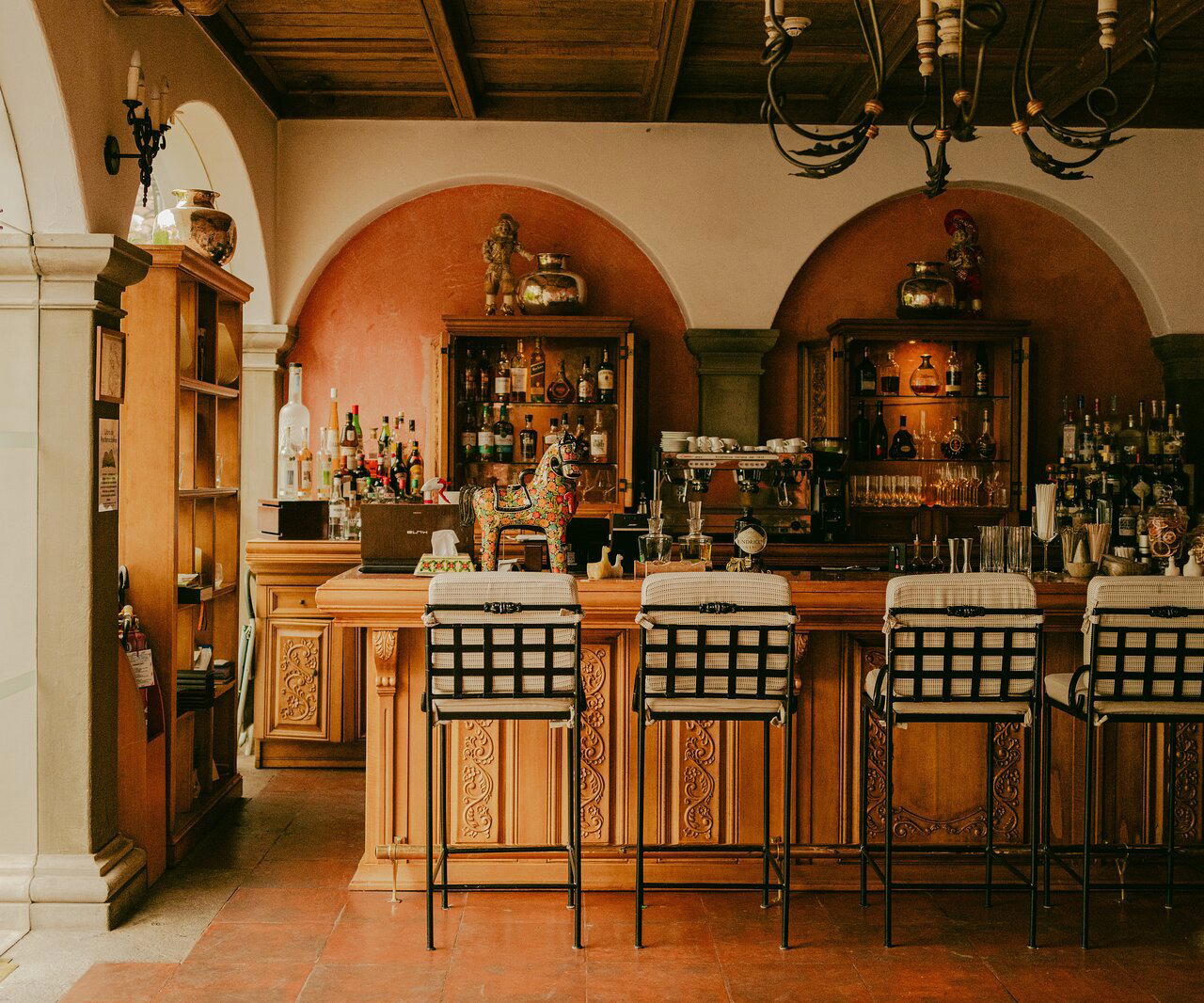
Details
- Cozy
- Rustic
- Family
- Casual Hangout
- Historic Building
- Local Sourcing
- Street Scene
- A La Carte
- Vegetarian Friendly
Current opening hours
- Monday
- 12–10 PM
- Tuesday
- 12–10 PM
- Wednesday
- 12–10 PM
- Thursday
- 12–10 PM
- Friday
- 12–10 PM
- Saturday
- 12–10 PM
- Sunday
- 12–10 PM
Hours can change for holidays and private events. Hours as of .
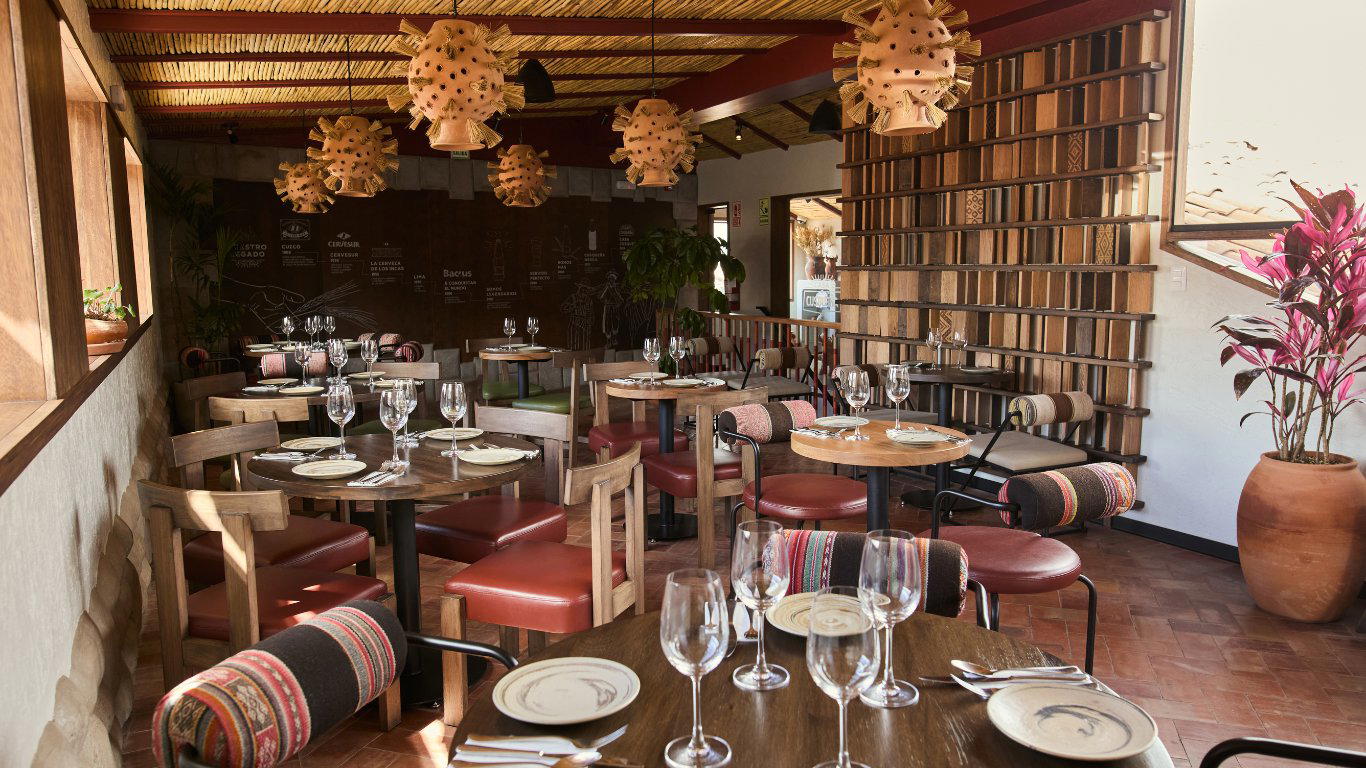
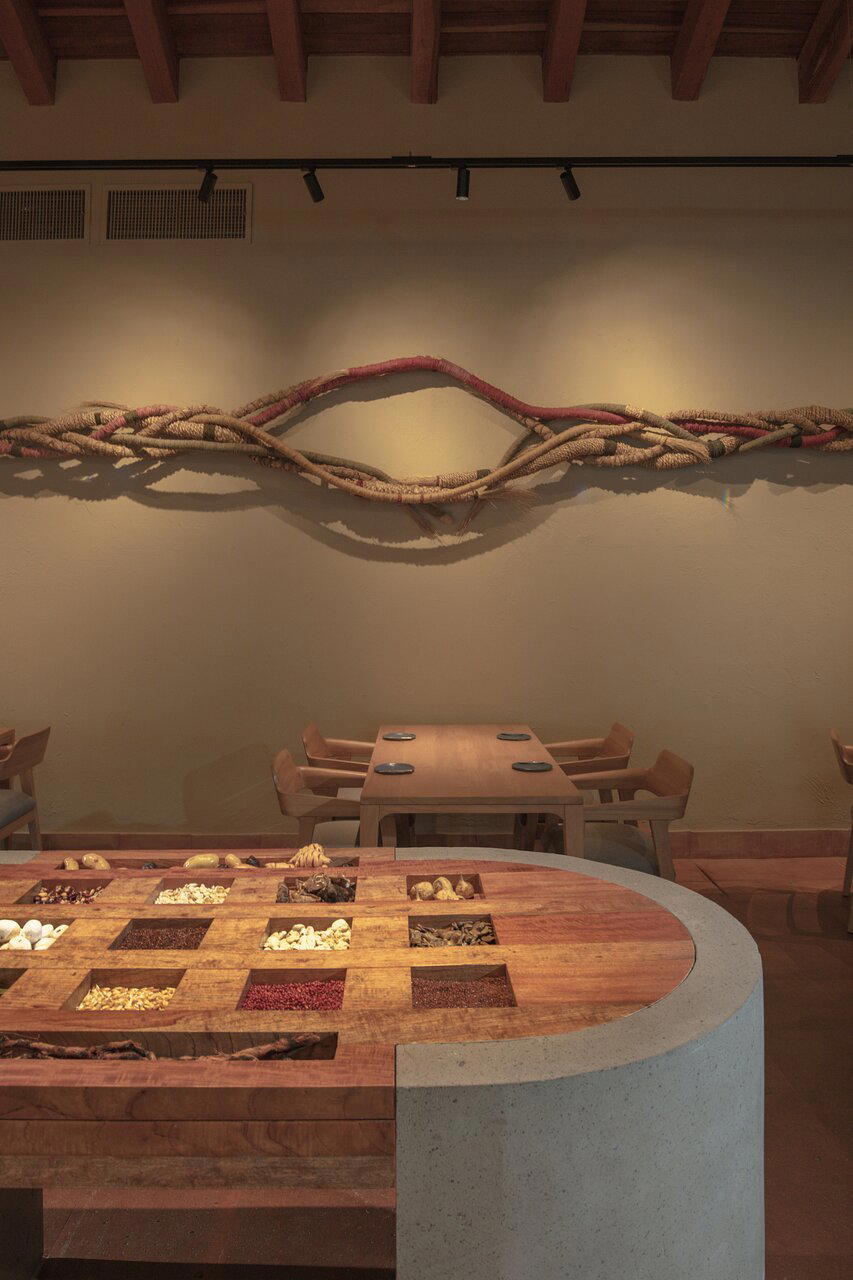
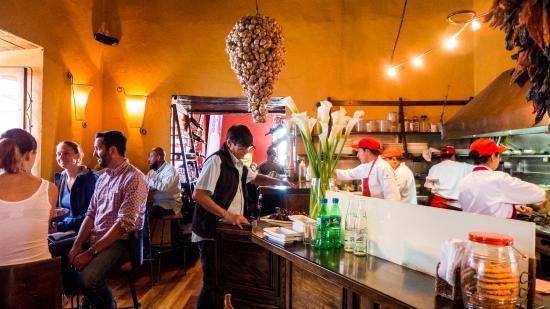
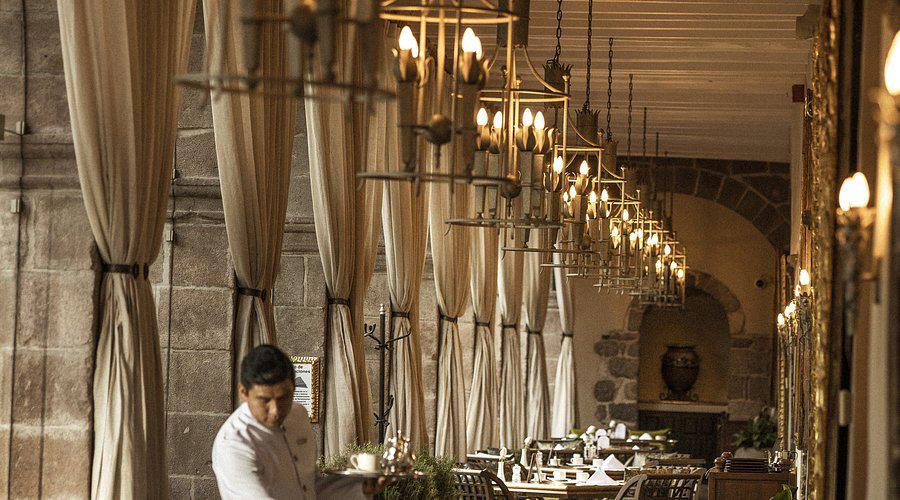
Warm and welcoming with traditional decorative elements creating a cozy atmosphere.