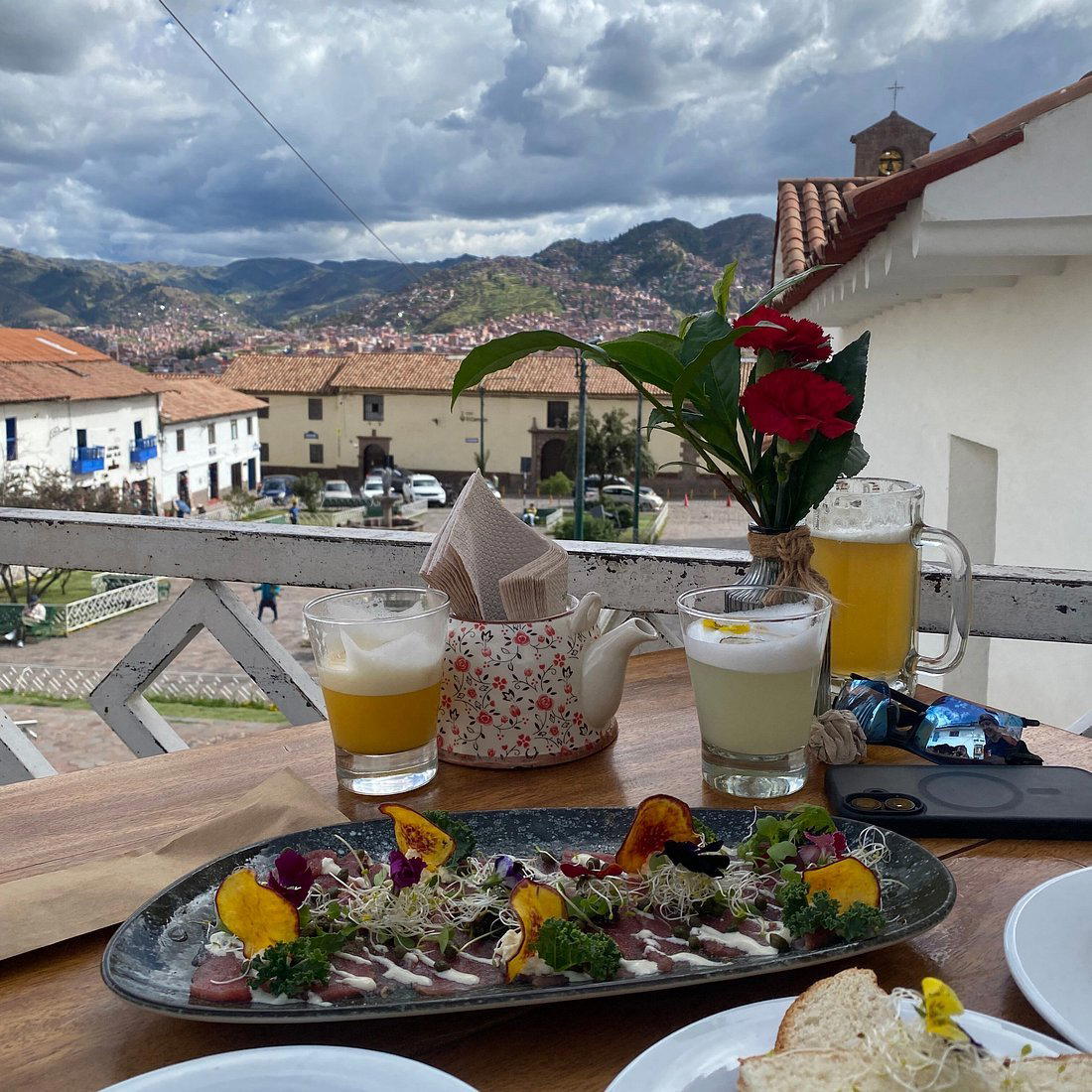
On Plaza Regocijo, one of Cusco's secondary squares just off the main Plaza de Armas, Chicha Cusco occupies a position at the intersection of Andean culinary tradition and contemporary Peruvian cooking. The restaurant draws a crowd that spans serious food travelers and local professionals, anchored by a menu that treats highland ingredients as primary material rather than regional colour. It is one of the addresses that any considered itinerary through Cusco should include.

A Square Away from the Crowds, and the Better for It
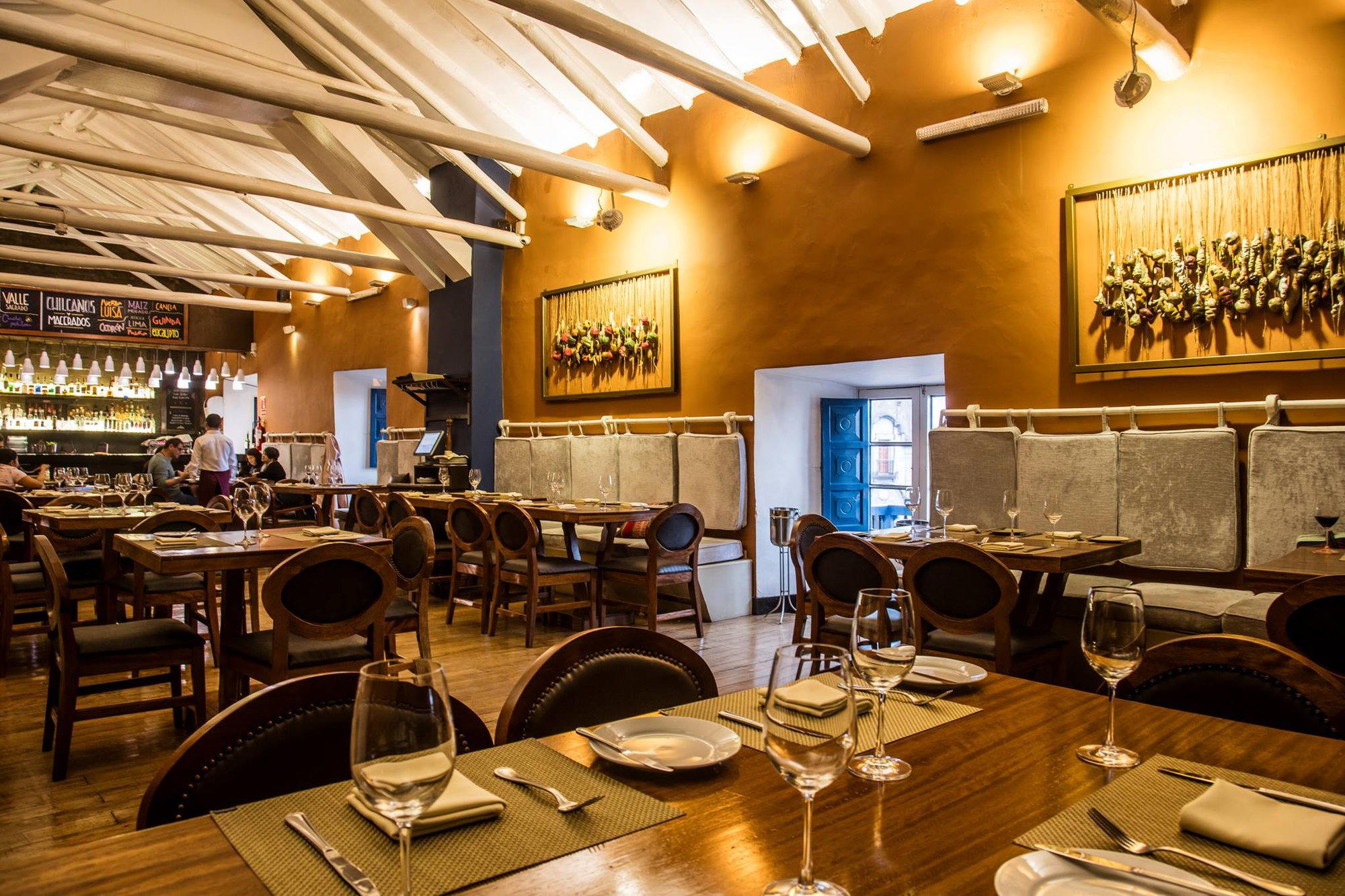
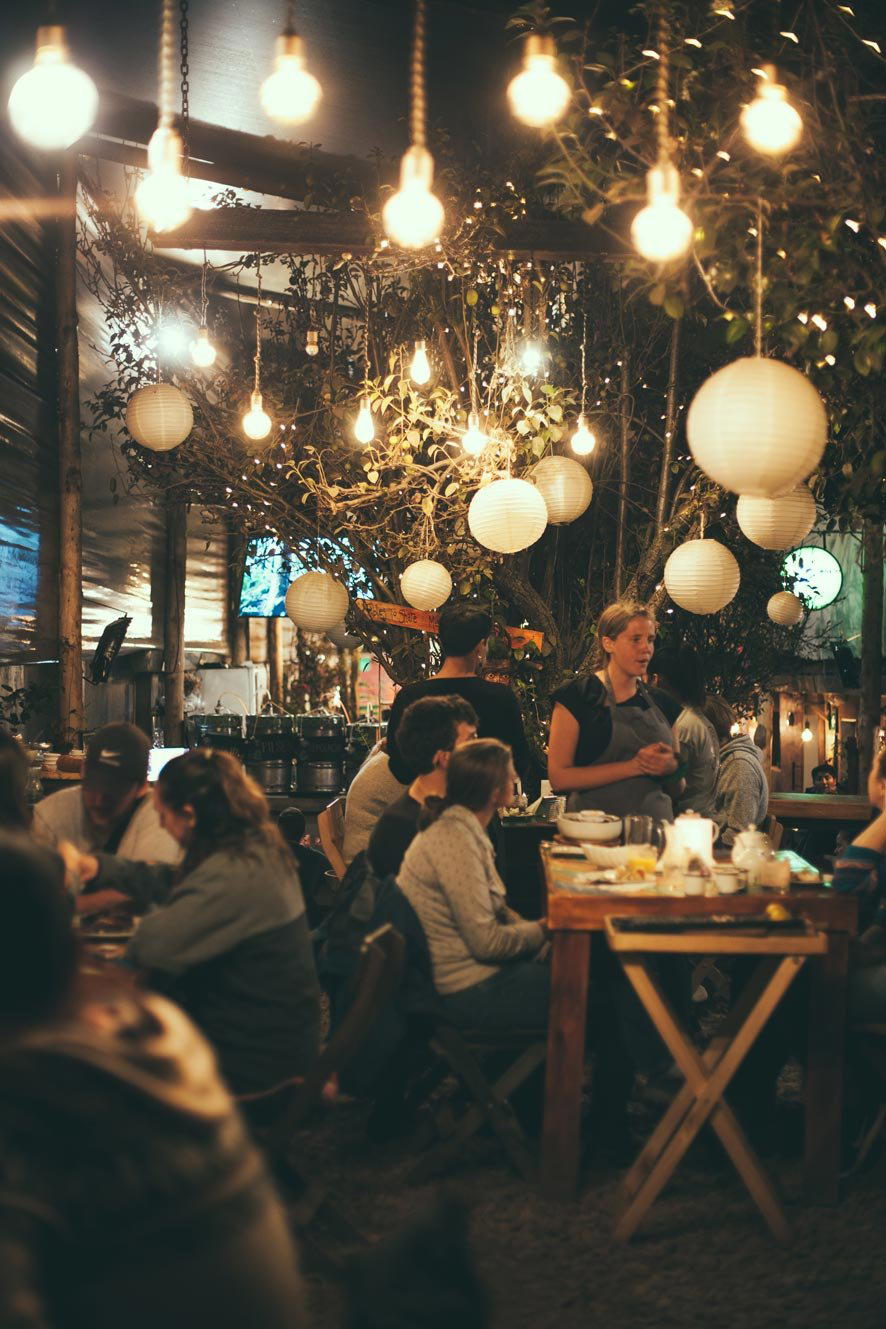
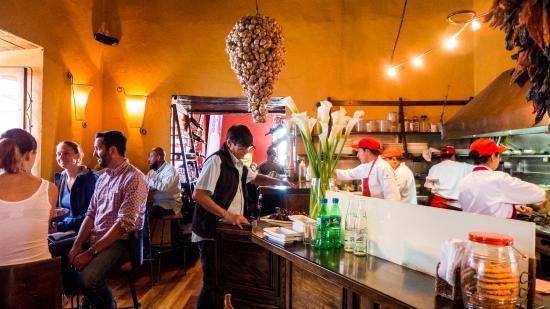
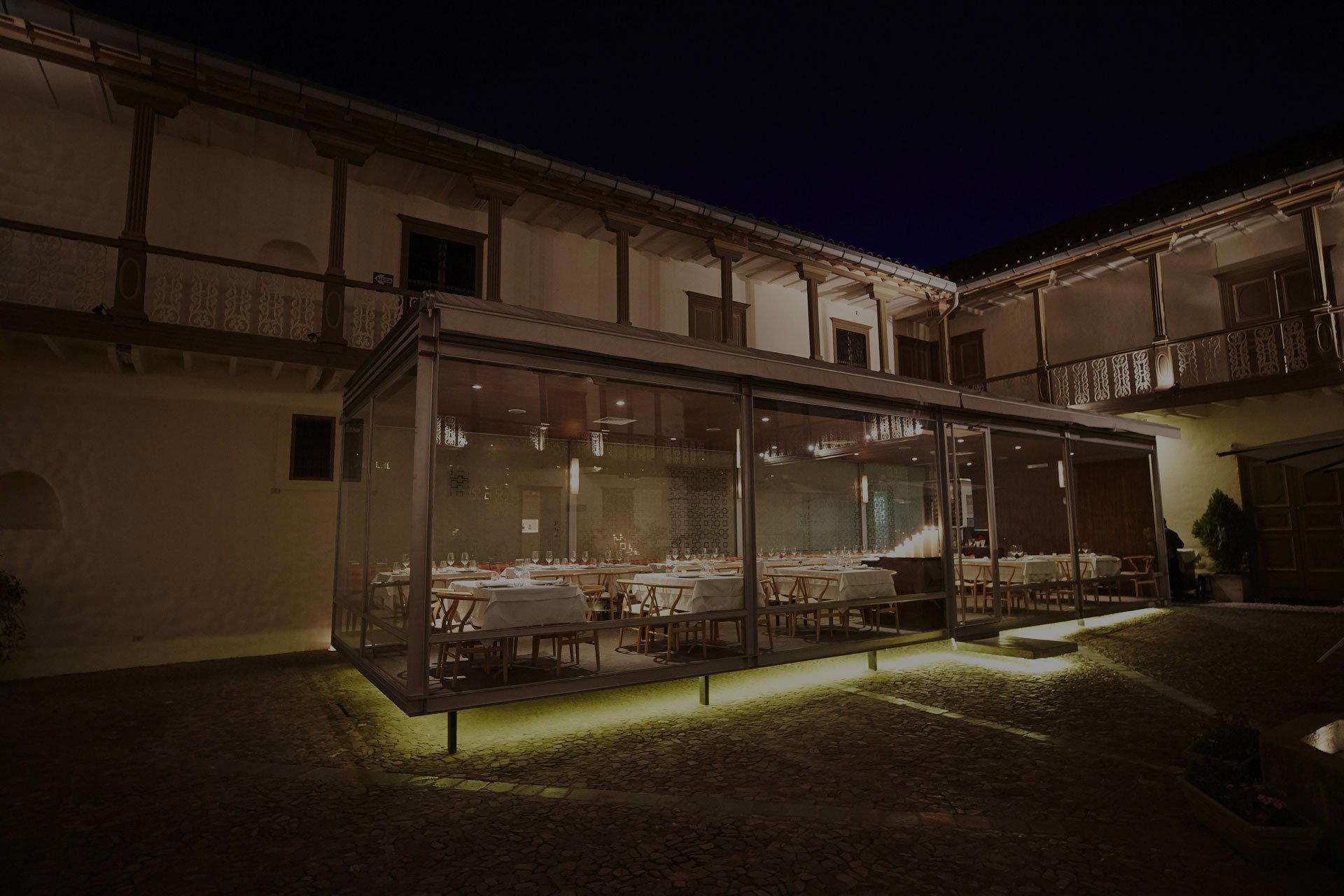
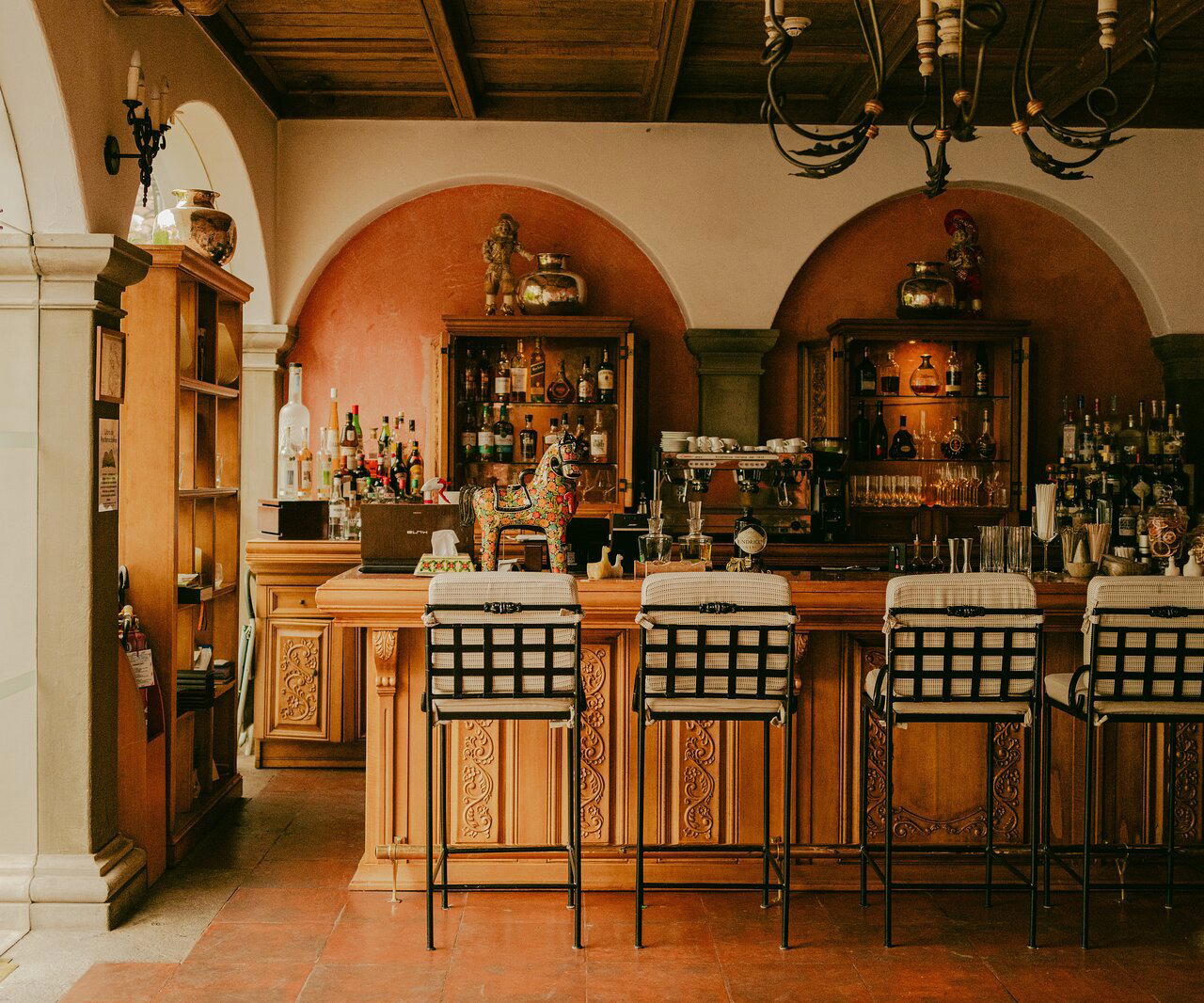
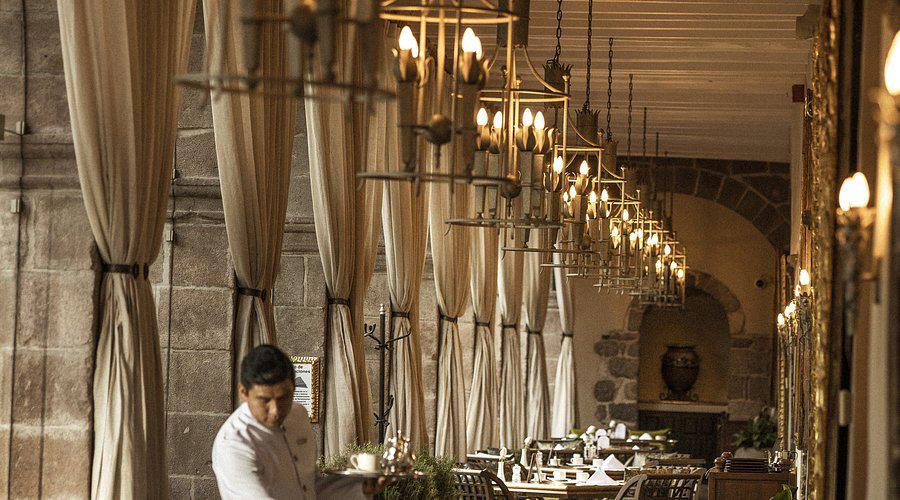
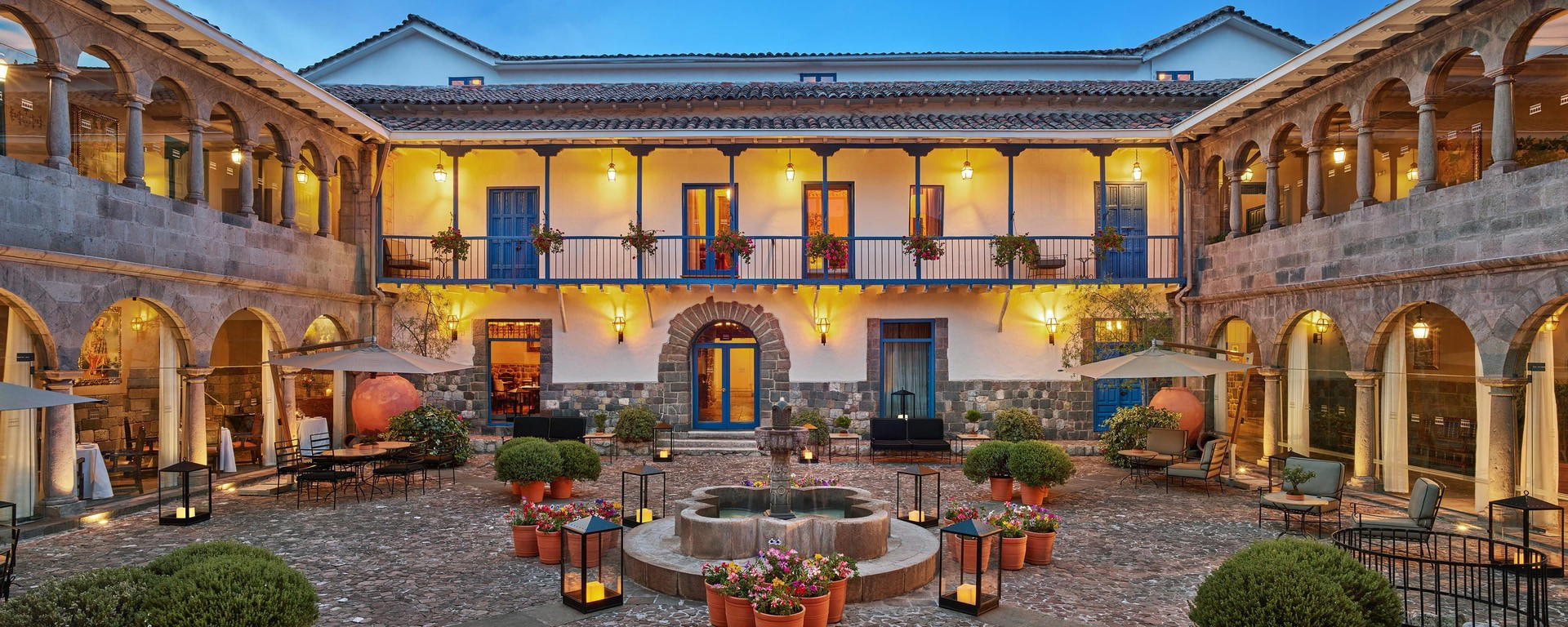
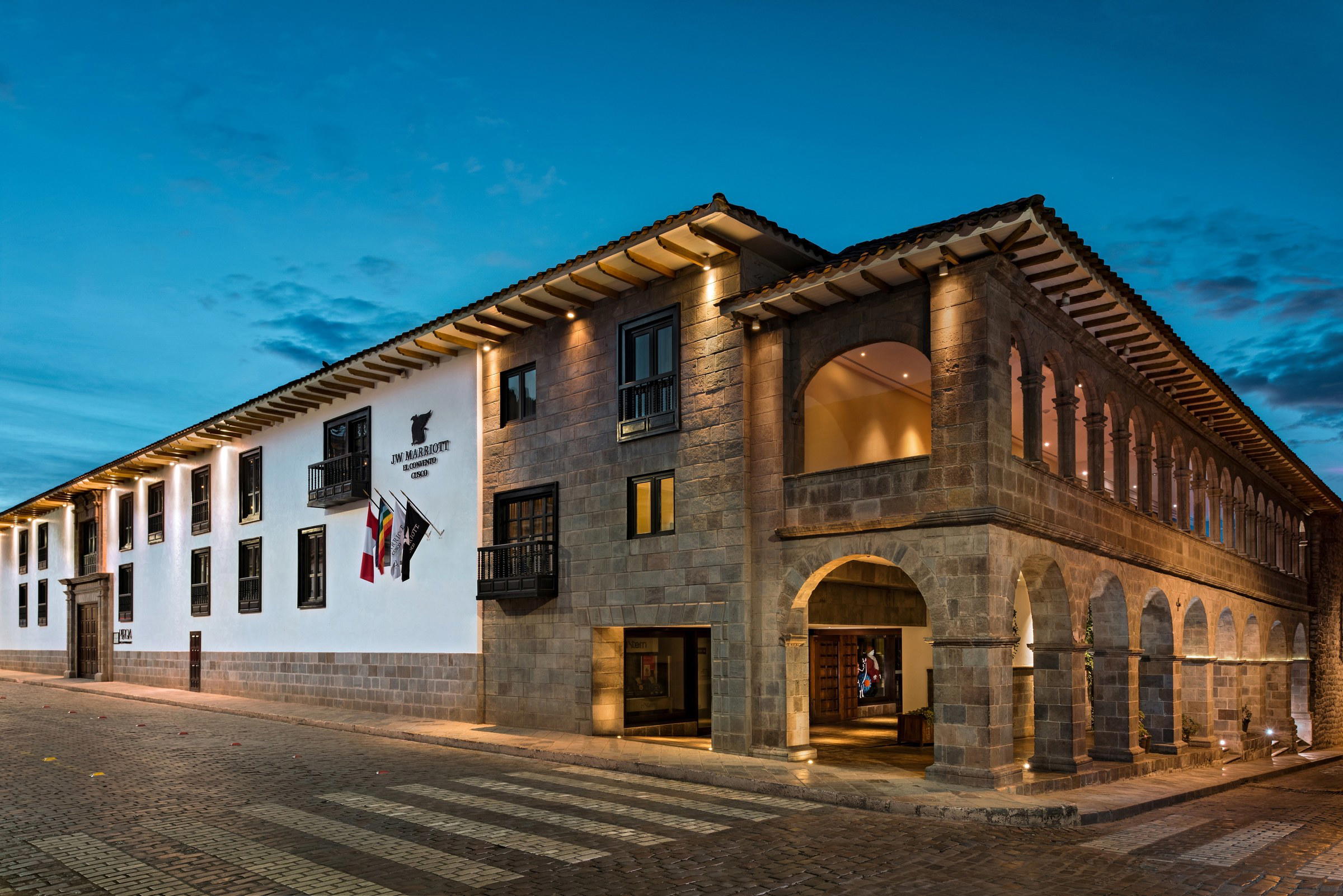
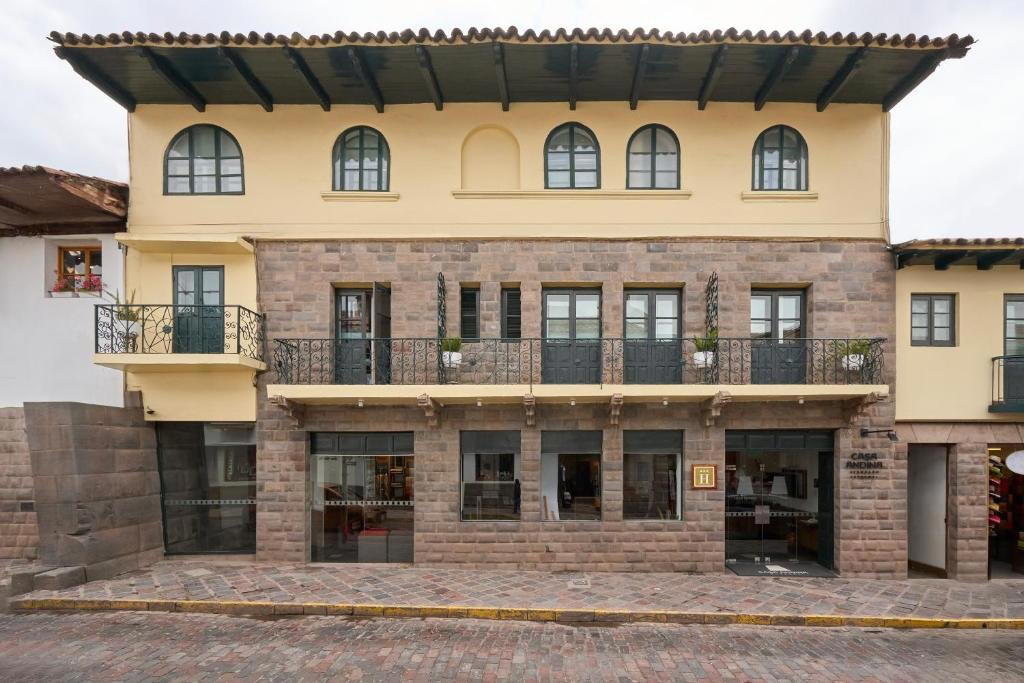
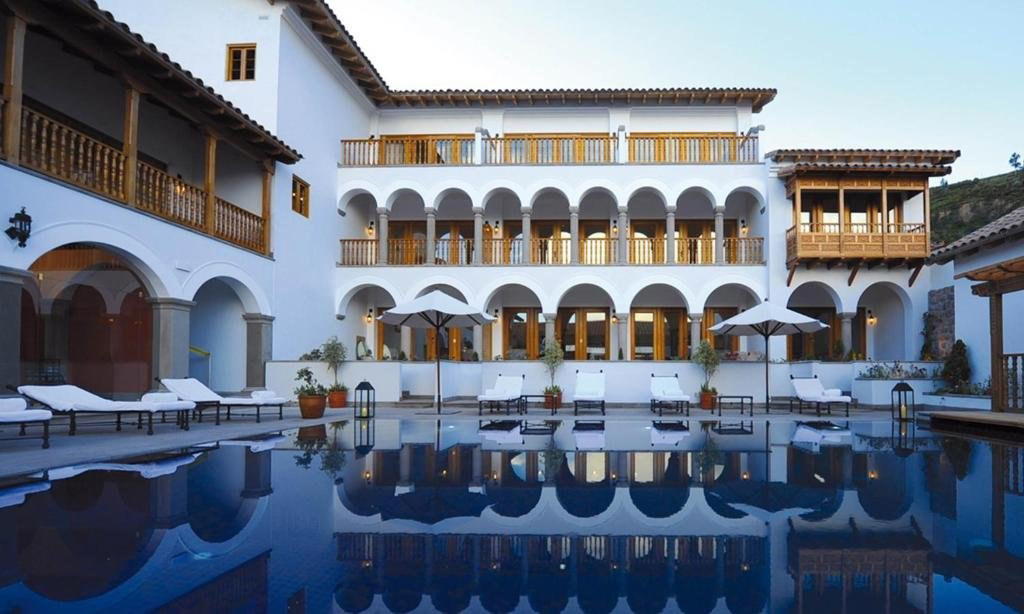
Plaza Regocijo sits one block west of Cusco's Plaza de Armas, separated from the main square's tourist density by a single street. The colonial arcade that fronts the plaza frames a quieter, more residential rhythm than its famous neighbour, and Chicha Cusco at number 261 benefits from that positioning. Arriving here feels less like joining a queue and more like entering a room where the meal itself is the point. The building's colonial architecture, typical of Cusco's preserved historic centre, gives the space a vertical gravity that modern restaurant fit-outs rarely achieve. Stone, timber, and natural light do the atmospheric work that lesser rooms outsource to lighting designers.
For visitors already oriented toward Peru's broader dining conversation, Chicha Cusco belongs to a lineage that connects Cusco's highland cooking to the national movement that placed Lima — through addresses like Astrid & Gastón in Lima — on the global culinary map over the past two decades. That movement travelled upriver, and Chicha represents one of its Andean expressions: a kitchen working with altitude-specific ingredients at a altitude-specific address.
The shortlist, unlocked.
Hard-to-book tables, cellar releases, and concierge-planned trips.
Get Exclusive Access →The Logic of the Andean Table
Cusco sits at 3,400 metres above sea level, and the food culture of the highlands has always operated under conditions that lowland kitchens do not face. Altitude affects fermentation, cooking times, and ingredient availability. The grains, tubers, and proteins of the altiplano, including the hundreds of potato varieties cultivated in the Andes since pre-Columbian times, chuno (freeze-dried potato), quinoa in its many forms, and cuy (guinea pig), are not novelties here but staple materials with centuries of culinary development behind them. A kitchen that treats these ingredients seriously is participating in a tradition, not performing one.
That is the frame through which Chicha Cusco reads most clearly. Contemporary Peruvian cooking at its strongest does not flatten regional identity into a single national brand; it deepens the specificity of each zone. In the Sacred Valley corridor, this regional specificity is well-served by restaurants like Mil Centro in Moray, which operates at the extreme end of ingredient provenance and research. Chicha occupies a different register: accessible enough for a broad audience, technically credible enough for the food-focused traveler who has also spent time at Costanera 700 in Miraflores or Osaka Nikkei in San Isidro.
How the Meal Moves
The dining ritual at a serious Andean table tends to follow a pacing logic distinct from European tasting menus or the rapid turnover model of casual dining. Courses arrive with deliberate spacing; the kitchen is not trying to replicate the omakase countdown of a counter like those at Le Bernardin in New York City, nor the communal ceremony of formats like Lazy Bear in San Francisco. What emerges instead is something closer to a family table with professional execution: plates are designed to share, conversation is expected to stretch across the meal, and the room rewards those who lean into the pacing rather than rush through it.
Chicha is leading approached as a two-hour commitment at minimum. The altitude alone is an argument for eating slowly; bodies acclimatising to Cusco's elevation function better when not rushing through large portions. The kitchen's use of local chicha de jora (fermented maize) as both a beverage and a cooking ingredient threads the meal together thematically. Ordering the chicha alongside food, rather than defaulting to wine, aligns the diner with the rhythm the kitchen intends.
Within Cusco's dining scene, Chicha sits in a mid-to-premium tier that also includes Campo Cocina Andina, Casa Cusqueña, and Hanz Gastronomique. Where Intillay Peruvian Fusion Food and KUSHKA Restaurant tend toward either fusion experimentation or tighter format dining, Chicha's proposition is broader: an Andean menu with enough range to satisfy a table with varied appetites. For the full picture of where it fits among Cusco's options, the EP Club Cuzco restaurants guide maps the scene by tier and style.
Reading the Menu as a Document
A menu at an address like this is leading read the way a well-informed traveler reads a wine list: not as a series of isolated choices but as a set of signals about what the kitchen values. When a menu in Cusco leads with causa, ceviche in its highland form, or stews built on andean pepper bases like aji panca and aji amarillo, it is declaring its lineage. Peru's chilli pepper vocabulary alone represents one of the most complex flavour systems in any national cuisine, and understanding the difference between panca's smoky depth and amarillo's fruity heat reframes what arrives on the plate.
Visitors arriving from Lima who have eaten at the capital's better addresses will find Chicha's flavour register familiar in its technique but distinct in its raw material. The altitude changes what grows here; what grows here changes what the kitchen can do. That reciprocal logic is the connective tissue between Chicha and restaurants across Peru's regional circuit, from Cirqa in Arequipa to Mapacho Craft Beer Restaurant in Urubamba. Peru's culinary geography rewards those who track how each altitude and ecosystem shapes a different table.
Planning the Visit
Chicha Cusco is located at Plaza Regocijo 261, a short walk from the Plaza de Armas and reachable on foot from most central accommodation. The leading timing is lunch, when natural light animates the colonial interior and the kitchen is at peak service. Cusco's high season runs from May through October, when dry weather brings the highest visitor volumes; booking ahead during these months is advisable, as the combination of a central location and a credible kitchen creates consistent demand. The shoulder months of April and November offer a more measured pace. Given that Chicha operates at altitude, visitors arriving directly from sea level are advised to allow at least a day for acclimatisation before committing to a long, multi-course meal. For those building a broader Peru itinerary, pairing a Cusco visit with the Sacred Valley corridor, including Campo Cocina Andina and nearby Mil Centro in Moray, builds a coherent picture of how Andean cooking shifts with micro-geography. Those extending south toward El Rey in Oxapampa or north toward Delfin Amazon Cruises in Iquitos will find that the Andean table is one of several distinct Peruvian food cultures worth tracking across a longer trip. Marañón Province in Maranon and Cantina Vino Italiano in Cusco round out the options for those staying longer in the region.
Frequently Asked Questions
- What do regulars order at Chicha Cusco?
- The kitchen's strength runs through dishes that put Andean staples at the centre rather than the margin. Plates built around native potato varieties, cuy, and aji-based sauces represent the cuisine's core, and ordering along those lines gives the clearest sense of what the kitchen is doing. Chicha de jora, the fermented maize drink that gives the restaurant its name and connects it to pre-Columbian Andean food culture, is a natural companion to the food. For context on how Chicha fits among Cusco's options, the EP Club Cuzco guide covers the full tier range.
- Is Chicha Cusco reservation-only?
- Given its location on Plaza Regocijo in Cusco's historic centre and its reputation among food-focused travelers visiting the city, walk-in availability varies significantly by season. During Peru's dry season (May to October), when Cusco sees its highest visitor volumes, booking in advance is the prudent approach. Outside peak season, same-day availability is more likely, but confirming ahead remains the lower-risk option for a specific date.
- How does Chicha Cusco fit into a broader Peruvian food itinerary?
- Chicha Cusco sits at the Andean node of a national food story that stretches from Lima's coast to the Amazon basin. Travelers building a considered Peru food itinerary can use Chicha as a reference point for highland Andean cooking before moving to the Sacred Valley (where Mil Centro in Moray pushes ingredient provenance further) or returning to Lima for the capital's broader range. The restaurant's address at Plaza Regocijo 261, Cusco, puts it within walking distance of most central Cusco hotels, making it a practical as well as substantive choice.
Cuisine and Credentials
A compact peer snapshot based on similar venues we track.
| Venue | Cuisine | Awards | Notes |
|---|---|---|---|
| Chicha Cusco | This venue | ||
| Campo Cocina Andina | |||
| Casa Cusqueña | |||
| Hanz Gastronomique | |||
| Intillay Peruvian Fusion Food | |||
| KUSHKA Restaurant |
Need a table?
Our members enjoy priority alerts and concierge-led booking support for the world's most difficult tables.
Get Exclusive AccessThe shortlist, unlocked.
Hard-to-book tables, cellar releases, and concierge-planned trips.
Get Exclusive Access →