
Pía León's Cusco address on Nazarenas 223 places modern Peruvian cooking at altitude, drawing on Andean ingredients with the same precision that earned her Lima projects international attention. Recognised on the Opinionated About Dining 2025 list for South America, Mauka occupies a distinct tier among Cusco's serious restaurants, more technically demanding than the city's traditional kitchens, more rooted in place than its tourist-facing contemporaries.
Pearl is the En Primeur Club membership app — saves, bookings, and concierge access live there. Same editors, same standards.
- Address
- Nazarenas 223, Cusco 08002, Peru
- Phone
- +51 84 582222
- Website
- belmond.com
- Directions
- Get directions
 Saves & bookings on Pearl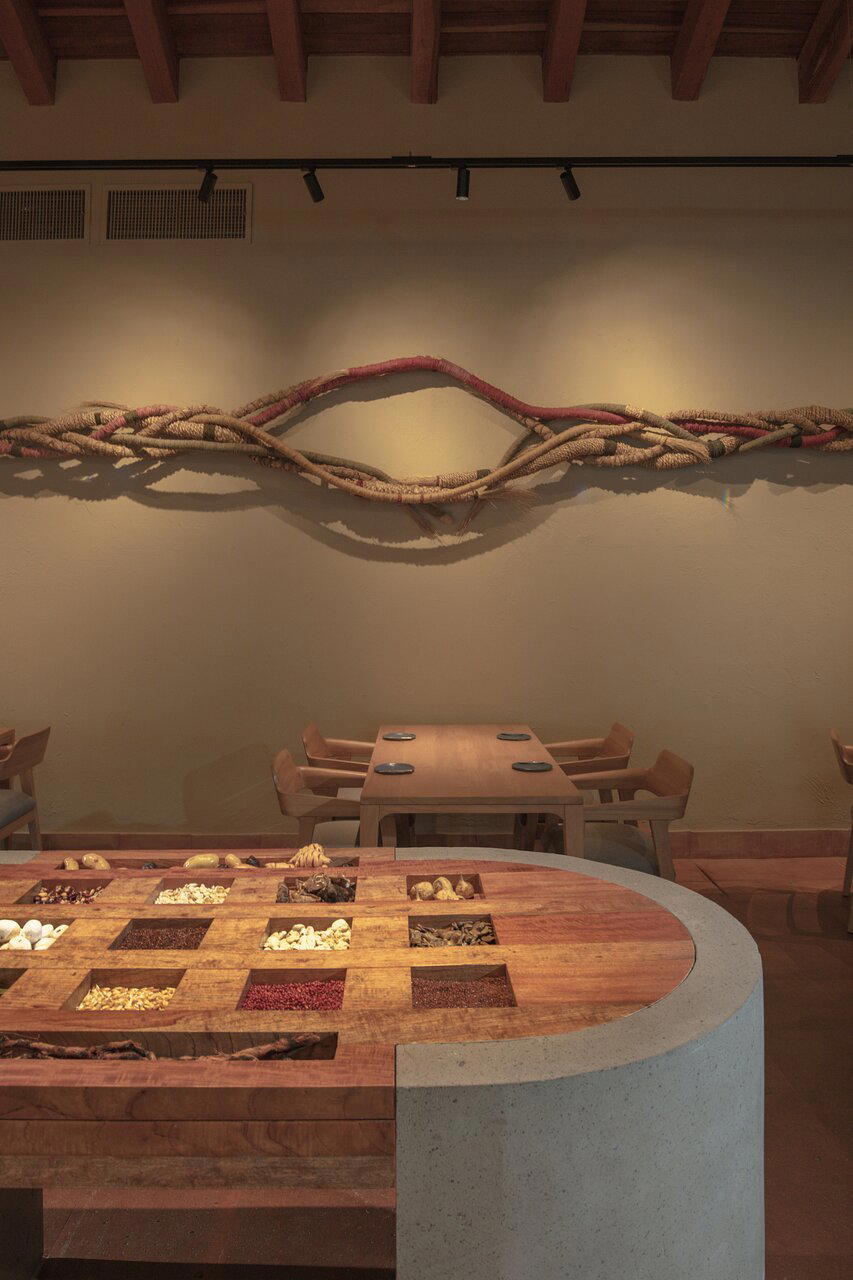
Above the Plaza: Cusco's Altitude Kitchen
Cusco sits at 3,400 metres, and the city's most serious cooking has always had to reckon with that fact, altitude changes fermentation, changes boiling points, changes how starches behave. The restaurants that take the Andean pantry most seriously treat elevation not as a constraint but as a defining condition, the way a coastal kitchen treats the tides. Mauka, at Nazarenas 223 in Cusco, belongs to that category of address where the kitchen is shaped by its geography rather than merely decorated with local colour.
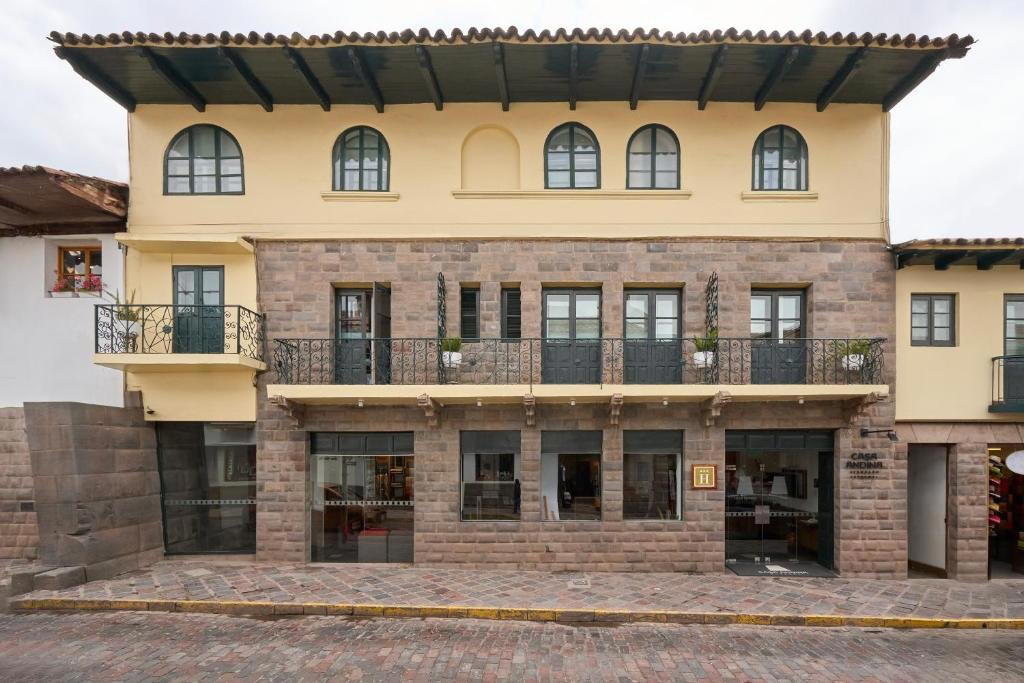
The street itself signals something about the restaurant's position. Nazarenas runs between the colonial core and the artisan neighbourhood of San Blas, a short walk from the cathedral but removed enough from the main tourist circuit to attract a different kind of diner, one arriving with a reservation rather than a guidebook. Among Cusco's more considered dining options, which include Chicha por Gaston Acurio for traditional Peruvian cooking and Cicciolina for a more European-leaning approach, Mauka operates with a sharper editorial focus on modern technique applied to Andean raw material.
Pía León and the Modern Peruvian Tier
Modern Peruvian cooking has never been a single movement. There is the Lima-centric fine dining that grew from Astrid & Gastón's influence in Miraflores, the research-led Andean approach associated with projects like Mil outside Cusco, and a newer generation of chef-driven rooms that operate with smaller formats and more personal editorial control. Mauka's connection to Pía León places it in that third category. León is among the more decorated Peruvian chefs working today, with her Lima restaurant Kjolle widely recognised as one of South America's most technically rigorous addresses. A Cusco project under her name carries implied standards: sourcing depth, precision in execution, a willingness to let difficult ingredients lead the menu rather than defaulting to familiar forms.
The Opinionated About Dining recognition on the 2025 South America list is a useful positioning signal. OAD rankings aggregate critic and frequent-diner data rather than relying on a single institutional vote, which means Mauka's inclusion reflects accumulated informed opinion rather than a single review cycle. In Cusco's dining context, that combination of trade recognition and ground-level approval is relatively rare.
Agave and the Andean Spirits Question
The editorial angle that distinguishes Mauka from much of Cusco's serious dining is how a kitchen of this ambition handles the spirits side of the experience. Peru is not a mezcal-producing country, but the leading modern Peruvian restaurants have increasingly engaged with artisanal agave spirits as part of a broader Andean distillate conversation that runs alongside pisco. The regional logic is direct: guests arriving at altitude-focused tasting menus in 2025 are often familiar with the artisanal mezcal circuit from Oaxaca and are receptive to spirits programmes that treat fermentation and terroir with the same seriousness applied to food.
Cusco's bar culture has been slower to develop this than Lima's. Venues like Cosme in San Isidro and Costanera 700 in Miraflores operate in a more established cocktail market with access to a wider importing infrastructure. At altitude, a restaurant carrying the León name has the credibility to define what an Andean spirits programme looks like on its own terms, foregrounding pisco in its more complex ancestral expressions, selecting mezcal producers whose village-scale production methods echo the same smallholder sourcing story that defines the food sourcing at restaurants in this tier.
Cusco's Competitive Dining Set
Understanding where Mauka sits requires a quick map of Cusco's upper tier. Inkaterra La Casona offers Peruvian fusion within a historic hotel setting, with a different guest profile oriented around heritage accommodation. Mil, in the Sacred Valley, is a full destination experience, a research station as much as a restaurant, with a focus on the agricultural heritage of Moray. Chicha por Gaston Acurio applies Acurio's national brand to regional Cusqueño cooking in a more accessible, high-volume format. Mauka operates in a different register: a chef-name address with critical credentials, oriented toward the kind of diner who has also considered Lima comparators like Maras or the Sacred Valley's Killa Wasi.
Planning a Visit
Mauka is at Nazarenas 223, Cusco 08002, a short uphill walk from the Plaza de Armas, in the direction of San Blas. Given the OAD recognition and the León name, this is a room that rewards advance planning. Cusco's high season runs from May through October, when Sacred Valley and Machu Picchu traffic fills the city's better restaurants well ahead. Booking at least several days in advance during that window is advisable; outside peak season the timeline is more forgiving but the kitchen is no less worth the effort. For accommodation context alongside the dining, the EP Club Cusco hotels guide covers the city's full range, while the experiences guide maps what surrounds the table.
Walking in without a reservation during busy periods is a reasonable way to miss the meal entirely.
Compact Comparison
Comparable venues nearby, for context on price, style, and recognition.
| Venue | Cuisine | Price | Notes |
|---|---|---|---|
| MaukaThis venue — the venue you are viewing | San Blas, Modern Peruvian Fine Dining | $$$$ | Not listed |
| Inkaterra La Casona | Not listed | $$$$ | Plaza de las Nazarenas, Traditional Peruvian Fine Dining |
| Chicha por Gaston Acurio | Centro Histórico, Modern Peruvian | $$$ | Not listed |
| Fallen Angel - "The" Restaurant | Plaza Nazarenas, Peruvian Fusion | $$$ | Not listed |
| Green Point | San Blas, Modern Vegan Peruvian | $$ | Not listed |
| Pachapapa | Not listed | $$$ | San Blas, Traditional Cusquenian Peruvian |
Recognition history
Dated appearances from independent guides and award organizations, with the underlying list record or original source where available.
Opinionated About Dining Top Restaurants in South America Ranked #71
Opinionated About Dining
Opinionated About Dining Top Restaurants in South America
Opinionated About Dining
Continue exploring
More in Cusco
Restaurants in Cusco
Browse all →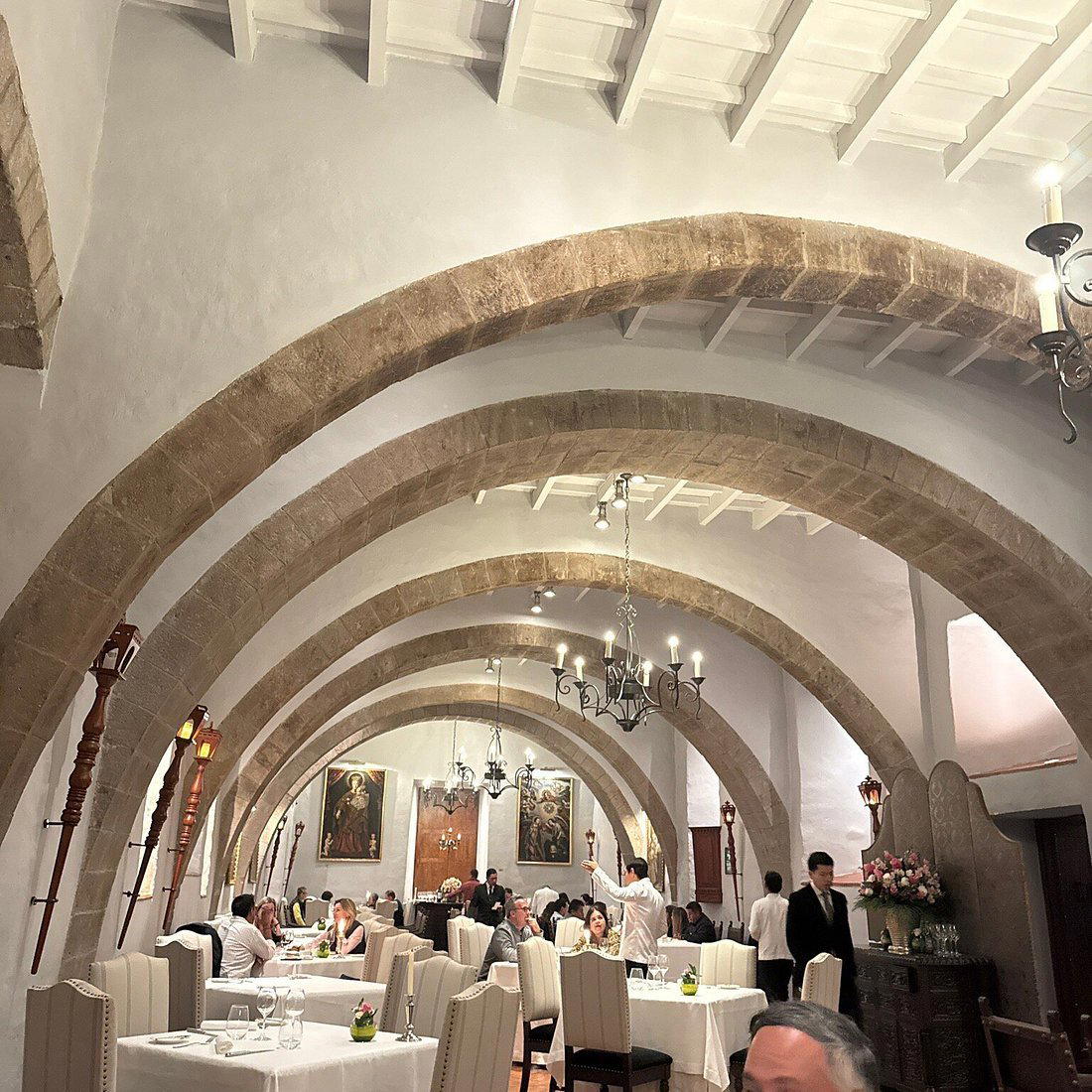
At a Glance
- Minimalist
- Elegant
- Sophisticated
- Date Night
- Special Occasion
- Hotel Restaurant
- Open Kitchen
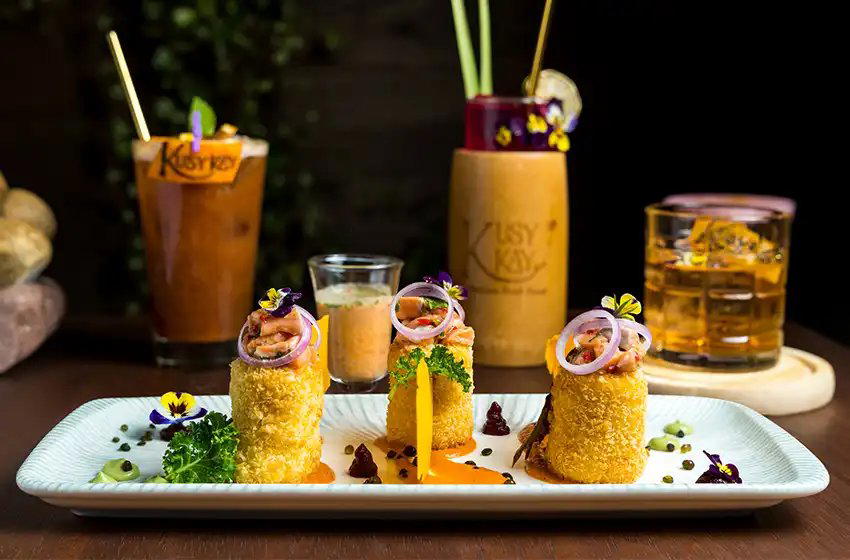
- Craft Cocktails
- Local Sourcing
Current opening hours
- Monday
- 12–3:30 PM, 6:30–10 PM
- Tuesday
- 12–3:30 PM, 6:30–10 PM
- Wednesday
- 12–3:30 PM, 6:30–10 PM
- Thursday
- 12–3:30 PM, 6:30–10 PM
- Friday
- 12–3:30 PM, 6:30–10 PM
- Saturday
- 12–3:30 PM, 6:30–10 PM
- Sunday
- 12–3:30 PM, 6:30–10 PM
Hours can change for holidays and private events. Last verified .
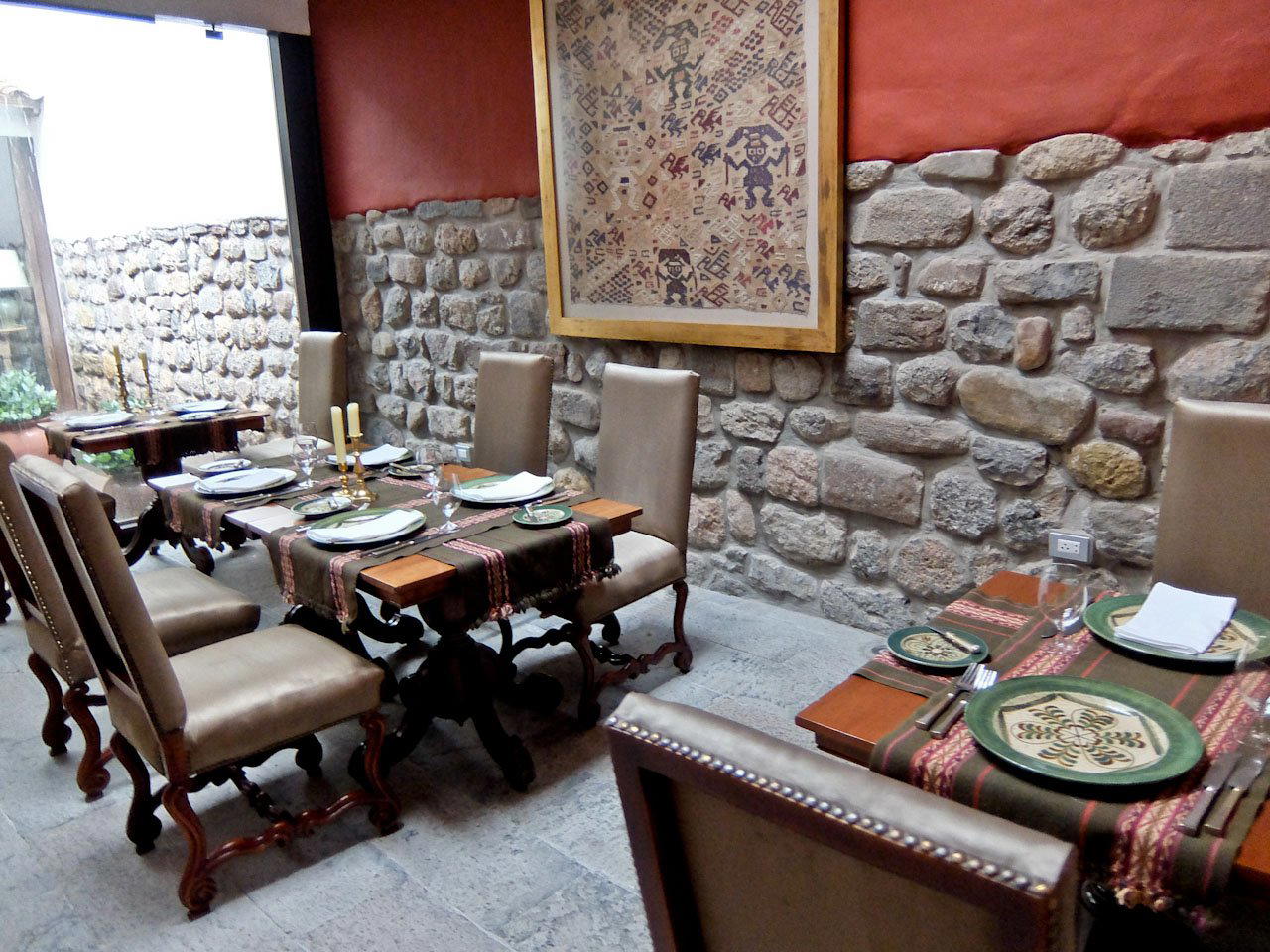
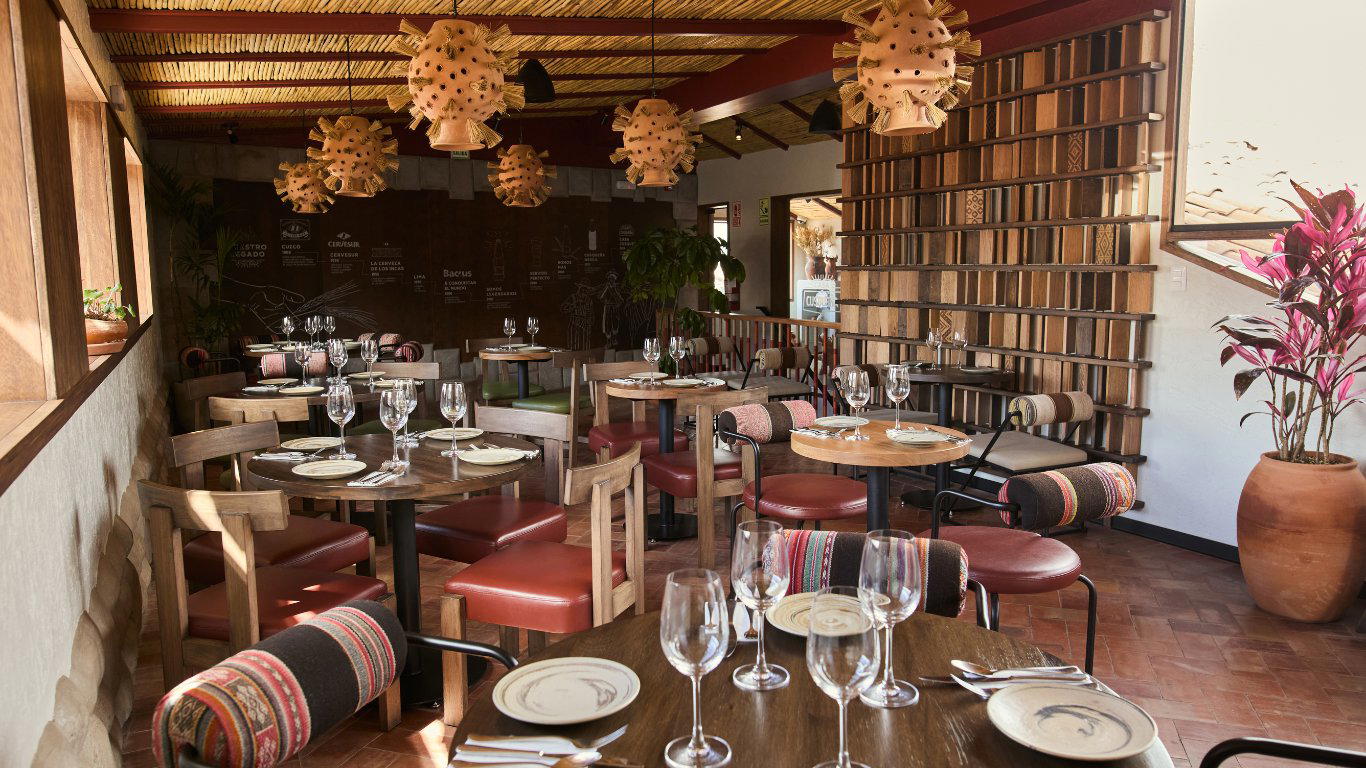
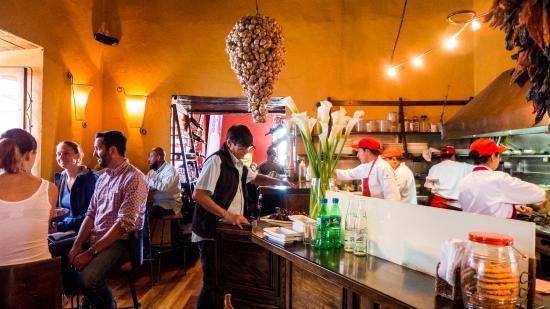
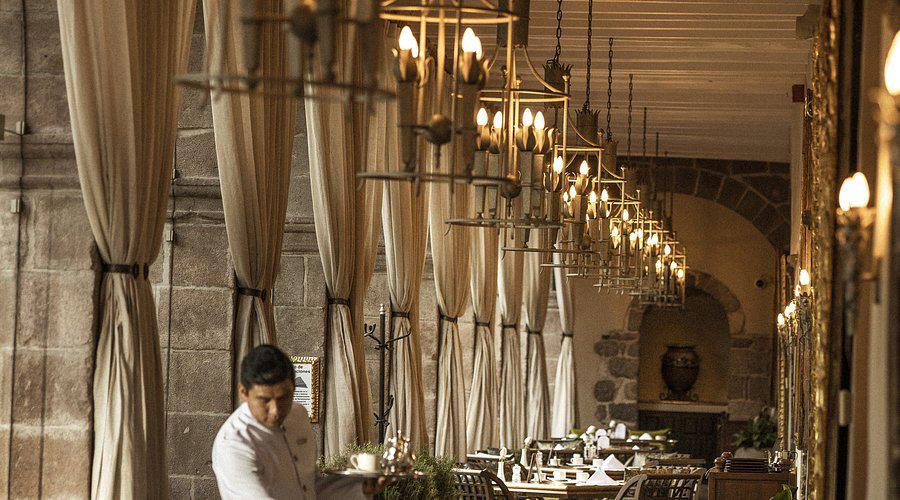
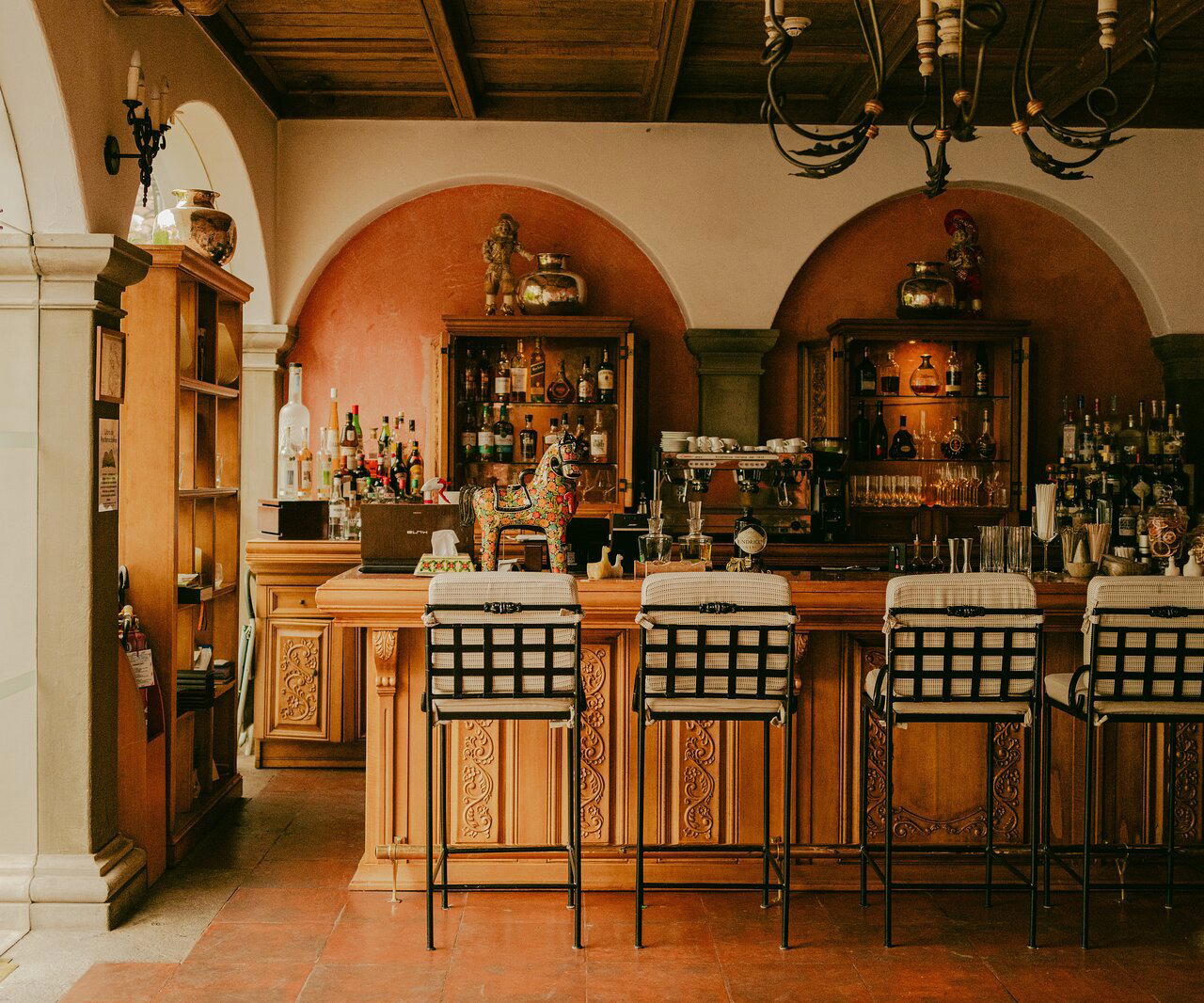
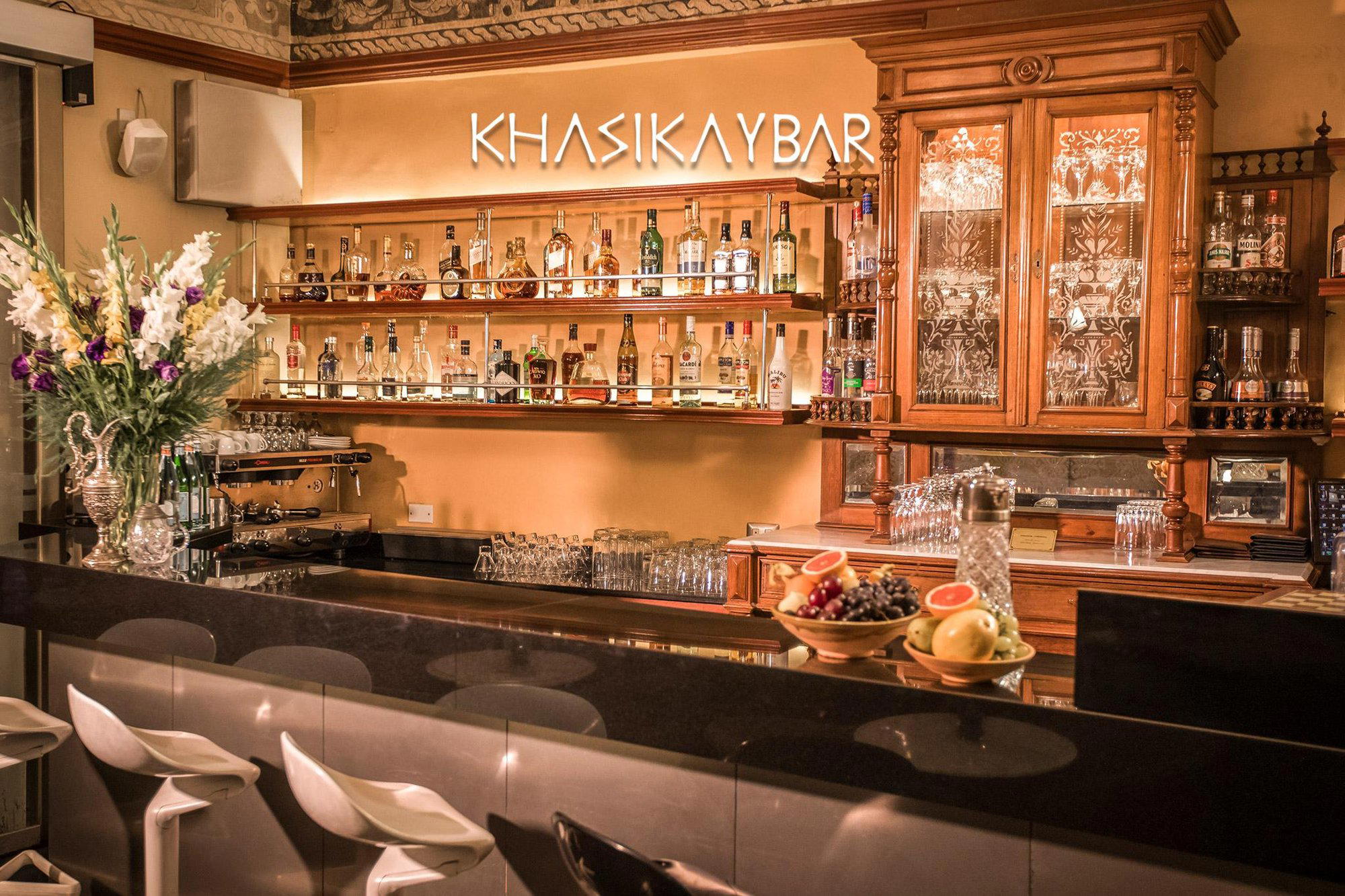
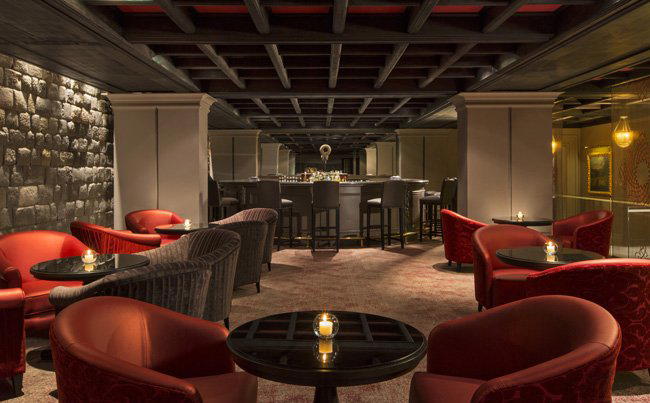
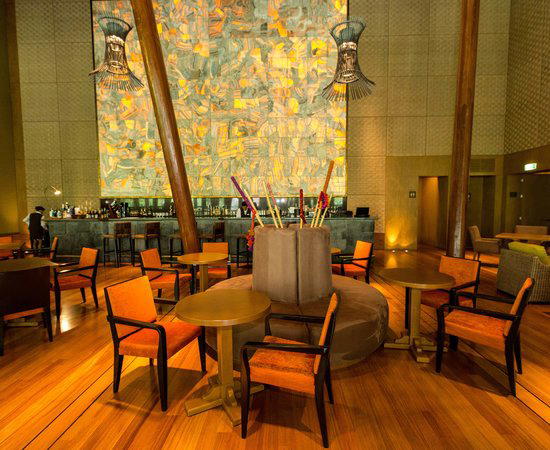
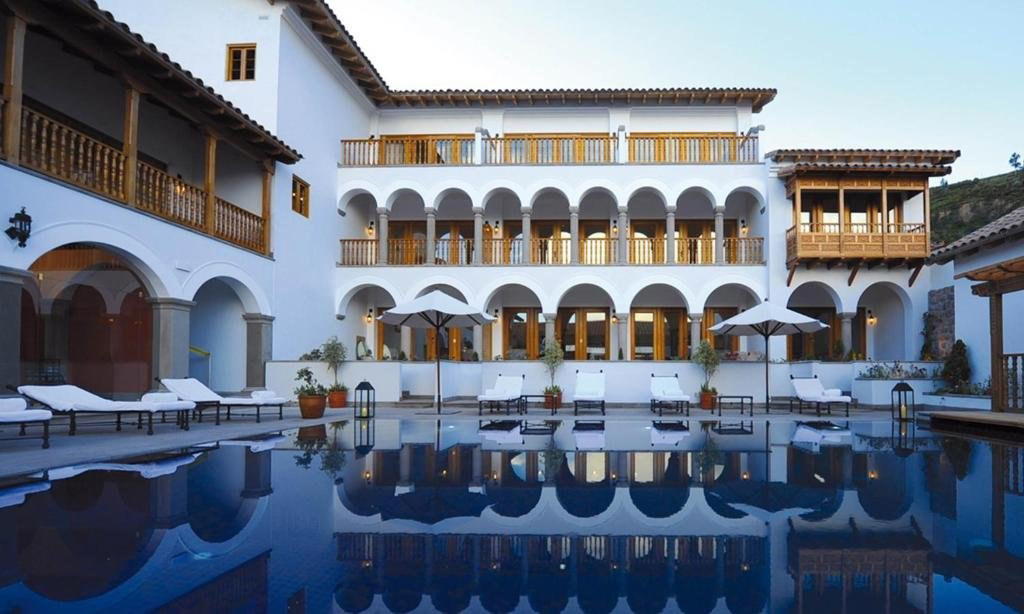
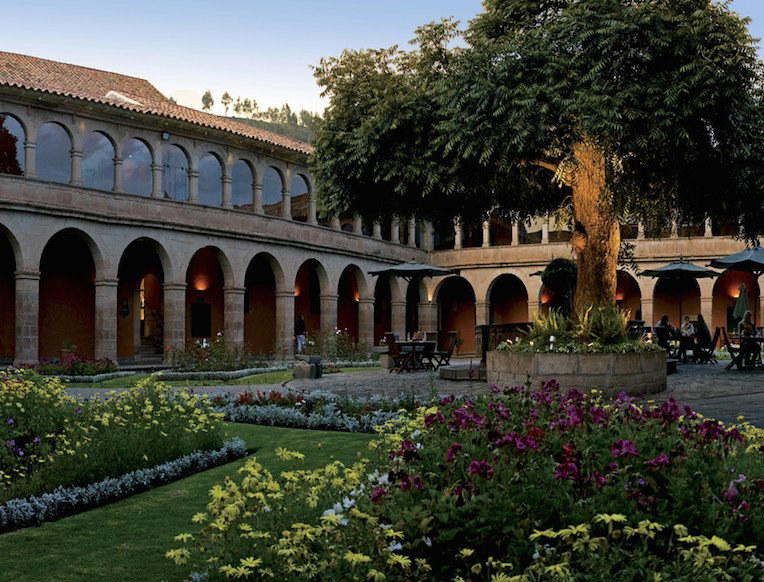
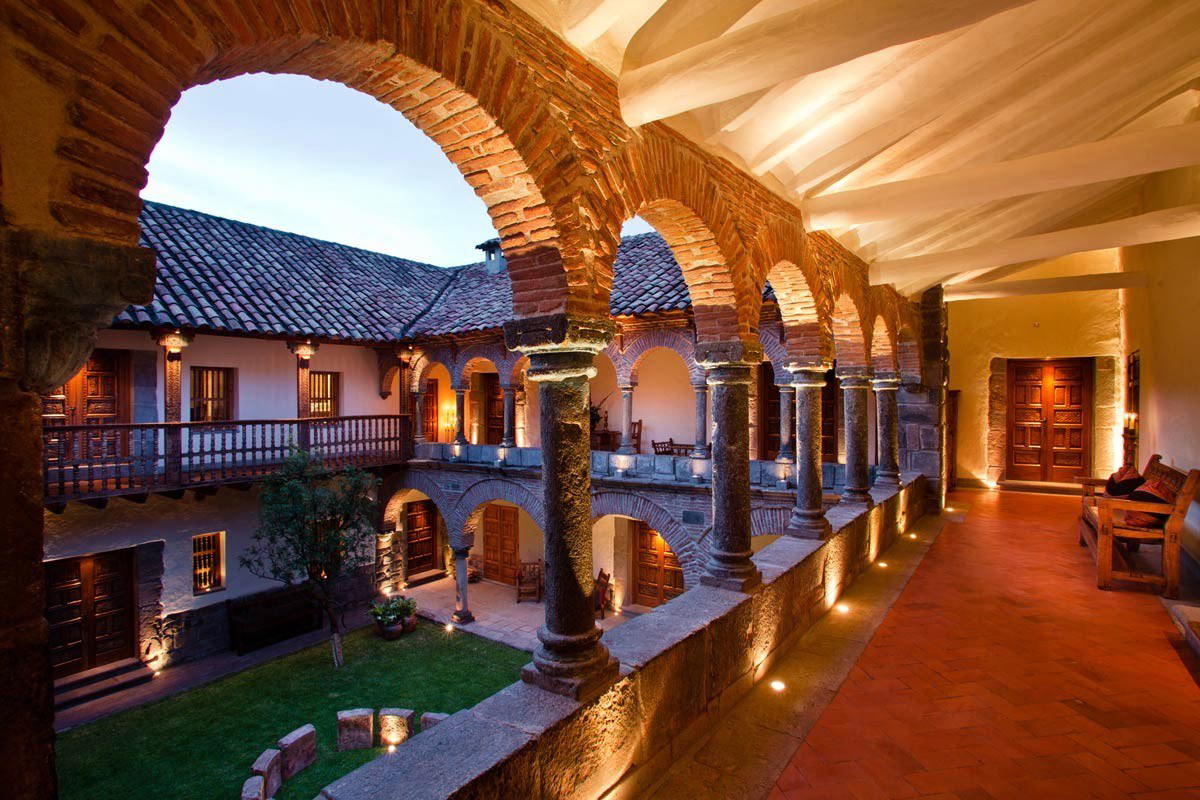
Minimalist decor with natural lighting, Andean lenga wood, volcanic stone, calm relaxed interiors enhanced by nature soundtracks and tactile handmade ceramics.