

World's Best Steaks Europe's 50 Best #37 · Macarfi 7.5 Food Rating
Our verdict
Carnal Steakhouse on Carrer d'Enric Granados puts fire at the centre of its identity, working with dry-aged beef from Spain, South America and Japanese A5 Wagyu over a wood-fired grill. The room in Eixample runs dark and warm, with the open kitchen setting the rhythm. It ranks among Barcelona's more serious modern parrilla addresses, where product discipline and atmospheric edge arrive together.

Pearl is the En Primeur Club membership app, where members save venues, book tables and use the concierge.
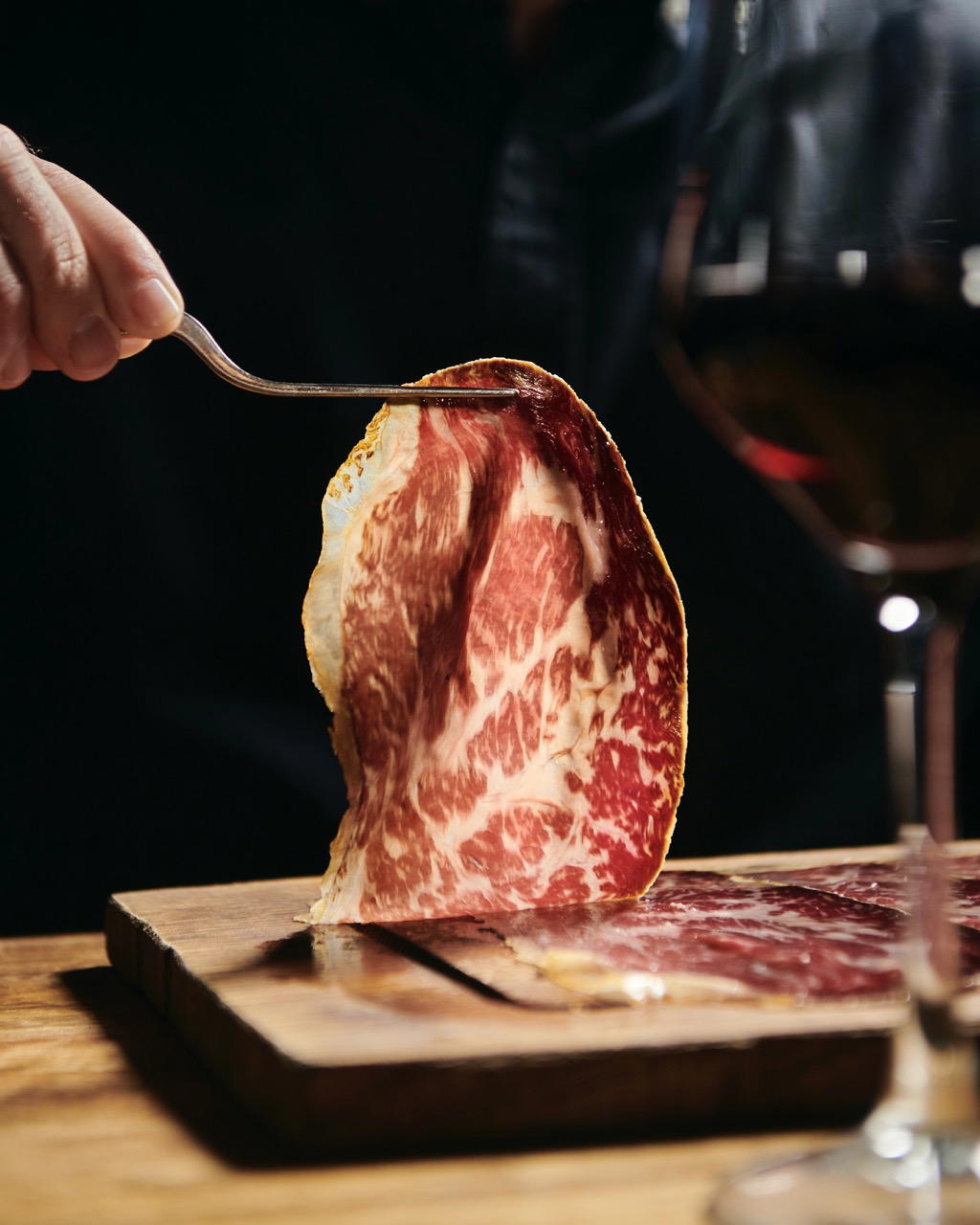
The menu
What to order
- Pluma Iberico
- Frisona Bone-in Ribeye
- Tuna Tartare
- Angus Beef Tongue
- Grilled Vegetables
Fire as a Cooking Philosophy, Not a Selling Point
Barcelona's relationship with fire-led cooking has sharpened considerably over the past decade. The city's parrilla culture, long overshadowed by the creative pyrotechnics of its tasting-menu circuit, has developed a harder, more urban edge, one that places serious product and combustion technique on equal footing with the elaborate plating happening a few streets away. Carnal Steakhouse, on Carrer d'Enric Granados in the Eixample district, sits squarely in that newer current.
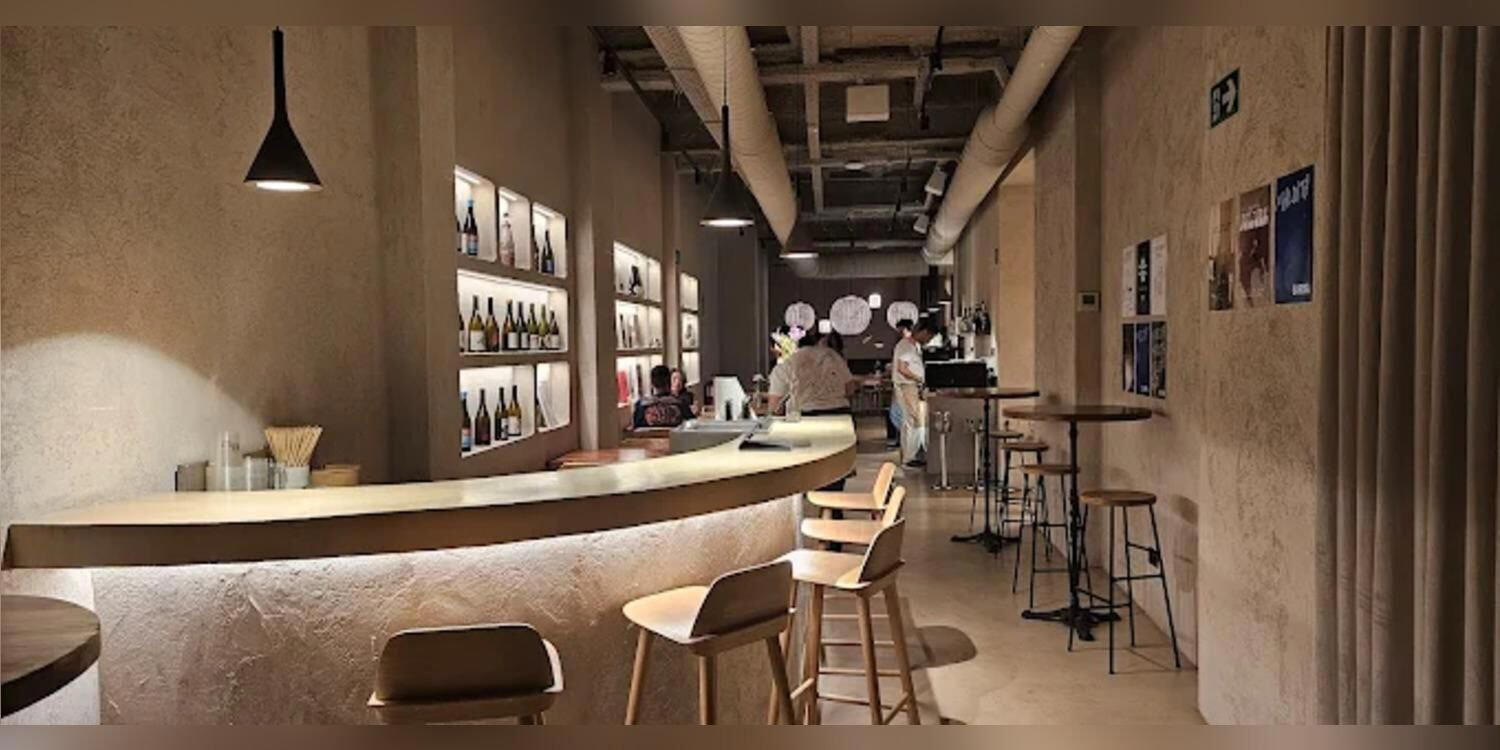
The address is telling. Enric Granados is a pedestrianised rambla through one of Barcelona's denser residential and dining corridors, and the restaurants along it tend to attract a crowd that is local, food-literate and largely indifferent to tourist-facing formats. Carnal fits that register. The room reads dark and controlled: warm light against deep tones, the open kitchen visible and rhythmically present rather than theatrically framed. It is a setting designed for focus, where the ambient temperature and the smell of burning wood do much of the contextual work before a dish arrives.
The Parrilla Tradition and Where Carnal Sits Within It
To understand what Carnal is doing, it helps to understand the parrilla's place in Spain's broader dining culture. The wood-fired grill is not a Barcelona invention. It belongs, first and most visibly, to the Basque Country and to the txoko tradition of communal cooking over live fire, and to the Argentine and Uruguayan influence that has moved steadily into Spanish urban restaurants since the early 2000s. At its highest expression, in places like the asadores of the Basque coast, fire is used to strip cooking back to its structural minimum: the product, the heat, and the hand of the cook. Nothing decorative. No softening of edges.
Barcelona has absorbed that influence and done something distinctly urban with it. The city's better parrilla addresses now position fire not as a rustic reference but as a precision instrument, handled with the same disciplinary seriousness you find in the city's more celebrated creative kitchens. For context on Barcelona's broader creative dining scene, the city's tasting-menu tier, anchored by addresses like Disfrutar, Cocina Hermanos Torres, ABaC, Lasarte and Enigma, represents one end of the city's ambition. Carnal operates in a different register, one defined by directness rather than abstraction, but the underlying seriousness of intent is comparable.
The Meat Programme: Breadth Unified by Handling
Carnal's beef sourcing covers Spanish cuts, South American selections and Japanese A5 Wagyu, with dry-ageing as the primary processing method across the programme. This is a deliberate positioning choice. Dry-ageing intensifies flavour by reducing moisture content and encouraging enzymatic breakdown of muscle fibre, and it shifts the eating experience decisively toward depth and texture rather than freshness and lightness. It also demands storage discipline and a confident read of when ageing has done its work without tipping into over-fermentation. Restaurants that dry-age seriously tend to have a clear point of view on product quality; it is not a technique you run casually.
The sourcing breadth, from Iberian cattle to South American grass-fed to the fat-marbled A5 grade from Japan, creates a menu that allows meaningful comparison across grain types, breed characteristics and ageing profiles. That comparative structure is one of the more interesting things a beef-focused restaurant can offer: not just a single house style but a range of reference points that let the cooking speak differently depending on the cut and origin.
Everything passes over the wood-fired grill, and the kitchen's stated intent is coherence rather than spectacle. The fire gives the food its charge; the restraint in handling keeps the product's own character legible. This is a meaningfully different approach from the kind of grill cooking where sauce work or heavy seasoning carries the load.
Beyond the Beef: Seasonal and Seafood Coverage
A fire-led restaurant that treats its vegetables and seafood as afterthoughts tends to produce a meal that collapses in the middle. Carnal's broader menu addresses this with seasonal produce and seafood given comparable kitchen attention to the meat programme. This matters structurally: the coherence of a grill restaurant across a full meal is a more demanding test than the quality of a single steak, and a kitchen that can carry its technique and philosophy from opener to main course earns a different kind of credibility.
The wood fire, applied to vegetables and fish with the same discipline as to beef, produces results that are technically distinct from pan or oven cooking: higher surface temperature, faster crust formation, and that particular smoke integration that comes only from burning wood rather than charcoal or gas. This is a cooking context with its own flavour logic, and a kitchen that understands it can make a grilled artichoke or a piece of turbot as compelling as a ribeye.
Service and Room Dynamics
The hospitality at Carnal is described as engaged and contemporary, neither formally stiff nor performatively casual. That calibration matters more than it might appear. A room built on dark tones and the sensory presence of fire carries a certain charge, and service that reads the pace correctly, attentive without interrupting the rhythm of the meal, allows the concept to feel complete rather than merely designed. Restaurants that cook with directness and confidence tend to work leading when the floor matches that register.
Barcelona's Fire-Led Dining in National Context
Across Spain, the restaurants that have drawn international attention over the past two decades have largely been defined by conceptual ambition: El Celler de Can Roca in Girona, Mugaritz in Errenteria, Quique Dacosta in Dénia, Arzak in San Sebastián, Azurmendi in Larrabetzu, Martin Berasategui in Lasarte-Oria, Aponiente in El Puerto de Santa María, DiverXO in Madrid, Ricard Camarena in València, and Atrio in Cáceres. These are restaurants defined by their relationship with ideas, with ingredients as vehicles for intellectual and sensory exploration.
The leading fire-focused restaurants in Spain occupy a different but equally valid position: they argue that the tradition of live-fire cooking, when applied with rigour and with genuinely sourced product, represents its own form of culinary seriousness. Carnal's place in Barcelona's current ranking of modern parrilla addresses reflects that argument. It is a restaurant that earned its position through product discipline and atmosphere rather than through conceptual novelty.
For those mapping Barcelona's broader dining options, the full Barcelona restaurants guide sets Carnal alongside the city's wider range of cuisines and formats. Fire-led cooking in this city has its own competitive set, and Carnal sits near the sharper end of it. For international comparison, the live-fire commitment at addresses like Lazy Bear in San Francisco shows how the format translates across contexts, while a fine-dining comparator like Le Bernardin in New York City demonstrates the precision-over-spectacle ethos that high-end product cooking, in any medium, tends to share.
Planning Your Visit
Carnal Steakhouse is at Carrer d'Enric Granados 52 in the Eixample district, within walking distance of Passeig de Gràcia and well served by metro. Enric Granados itself is pedestrianised, which makes arrival on foot or by bike the practical choice for most visitors staying in central Barcelona. Given its position in the city's rankings as a new entry among compelling modern parrilla restaurants, demand is likely to run ahead of casual walk-in availability, particularly for weekend dinner slots. Reservations in advance are advisable.
Frequently asked questions
What do people recommend at Carnal Steakhouse?
How hard is it to get a table at Carnal Steakhouse?
What's the defining dish or idea at Carnal Steakhouse?
Is Carnal Steakhouse allergy-friendly?
How does Carnal Steakhouse differ from Barcelona's other high-end steakhouses?
Price and Recognition
| Venue | Cuisine | Price | Awards | Notes |
|---|---|---|---|---|
| Carnal SteakhouseThis venue (the venue you are viewing) | Modern Wood-Fired Steakhouse with Latin & Japanese Influences | $100–150 | World's Best Steaks Europe's 50 Best #37 · Macarfi 7.5 Food Rating | Not listed |
| Cocina Hermanos Torres | Modern Spanish Fine Dining | $300–500 | 3 Michelin Stars · World's 50 Best #78 | Creative |
| Disfrutar | Avant-Garde Catalan Fine Dining | $300–500 | 3 Michelin Stars · World's 50 Best #1 | Progressive, Creative |
| Lasarte | Modern Basque-Mediterranean Fine Dining | $300–500 | 3 Michelin Stars · La Liste Top Restaurants | Progressive Spanish, Creative |
| Cinc Sentits | Modern Catalan Fine Dining | $150–200 | 2 Michelin Stars · La Liste Top Restaurants | Modern Spanish, Creative |
| Enoteca Paco Pérez | Modern Mediterranean Seafood | $200–300 | 2 Michelin Stars · La Liste Top Restaurants | Modern Spanish, Modern Cuisine |
Recognition history
Dated appearances from independent guides and award organizations, with the underlying list record or original source where available.
World's Best Steaks Europe's 50 Best Steak Restaurants #37 · No. 37
World's Best Steaks · Europe's 50 Best Steak Restaurants 2026
Macarfi 7.5 Food Rating
Macarfi
Full recognition history (3 entries)
World's Best Steaks 101 Best Steak Restaurants #92
World's Best Steaks
Continue exploring
More in Barcelona
Restaurants in Barcelona
All restaurants in Barcelona →
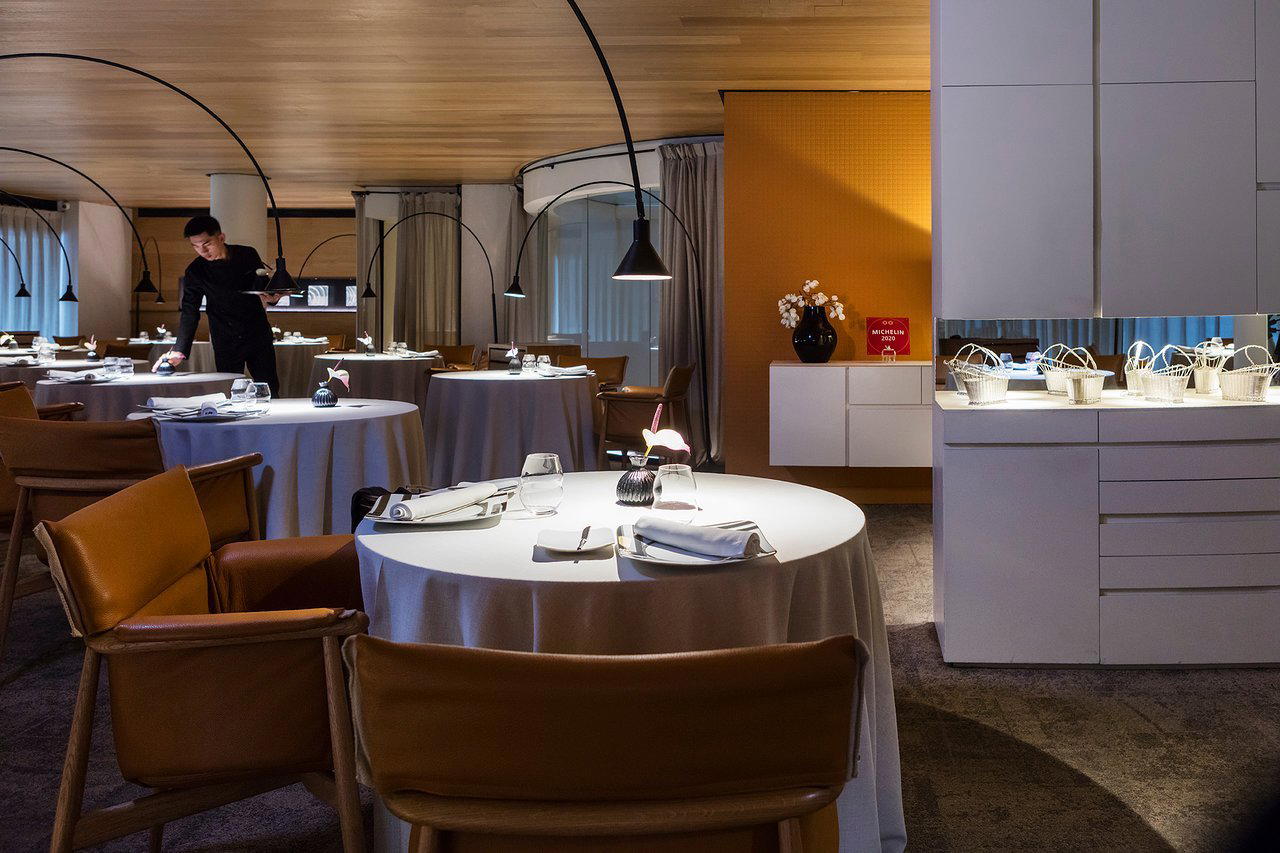
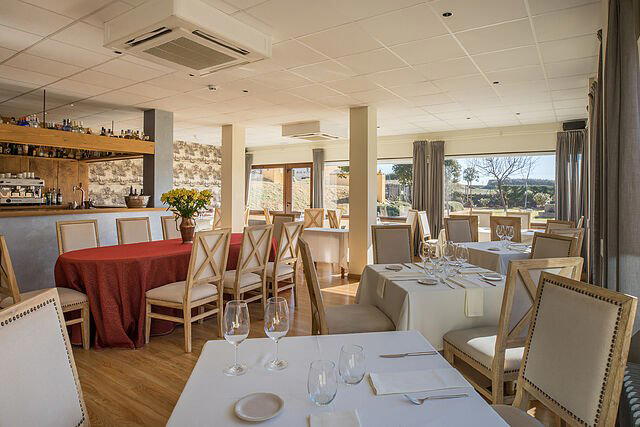
Bars in Barcelona
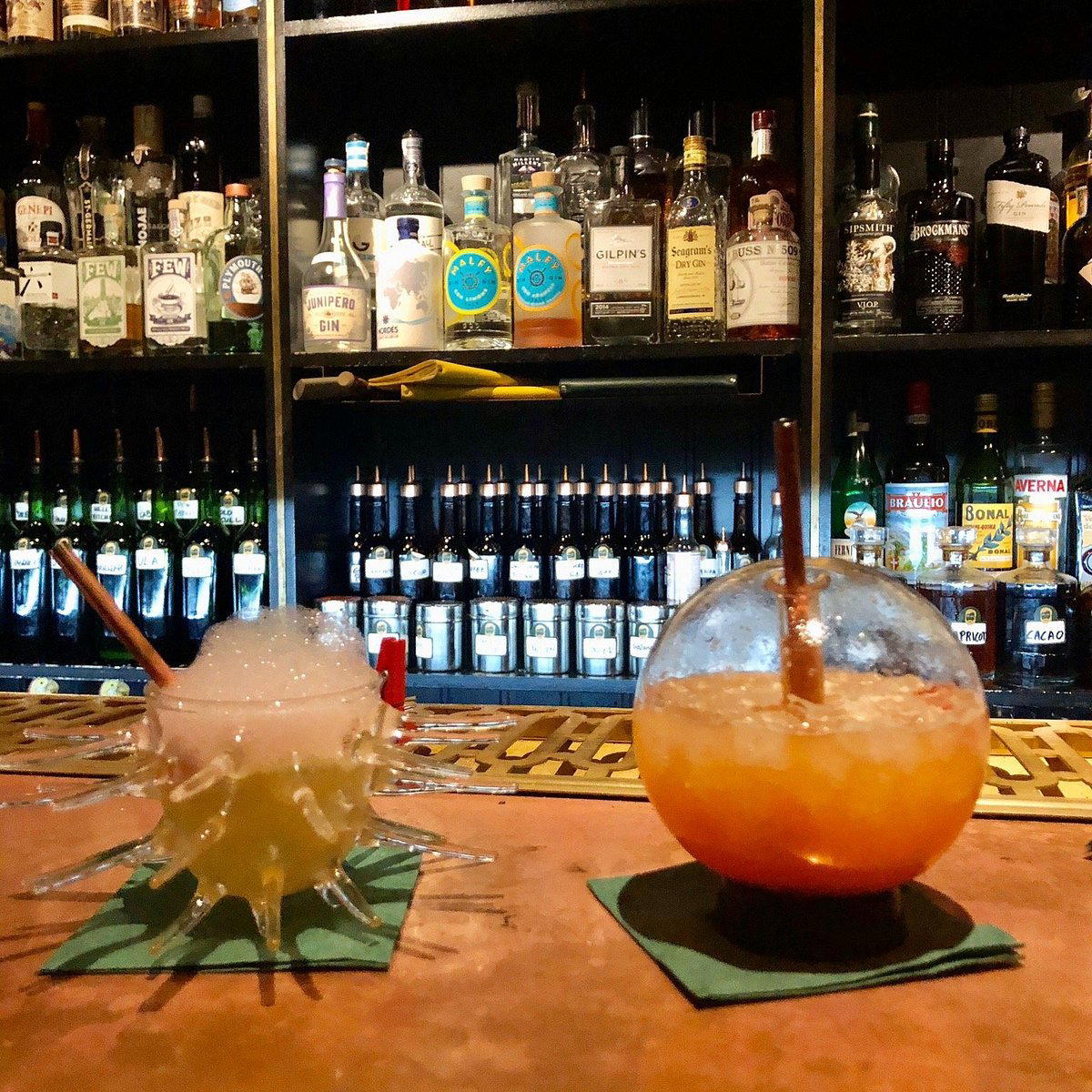
All bars in Barcelona →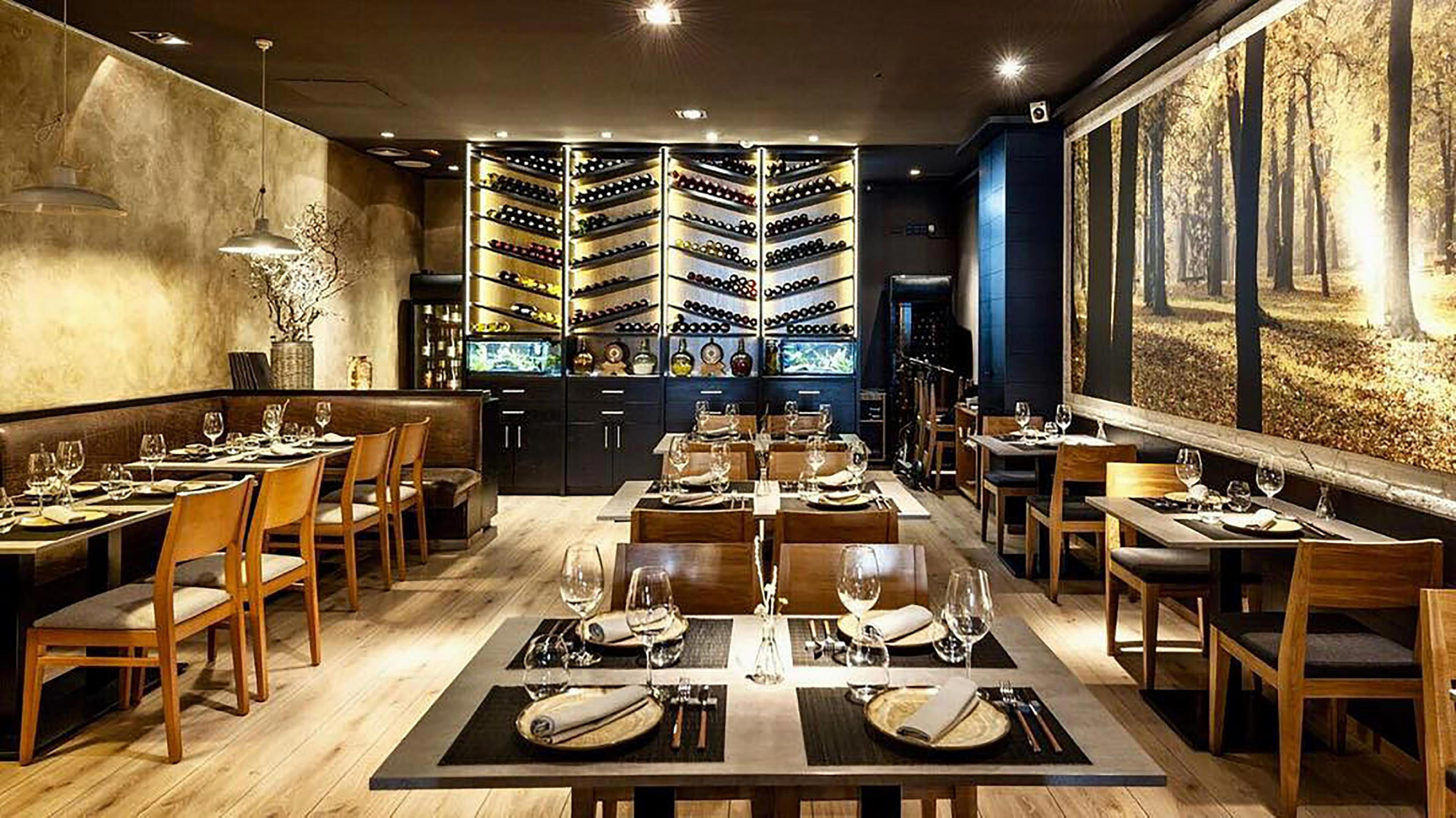



Details
- Lively
- Modern
- Elegant
- Bohemian
- Date Night
- Business Dinner
- Group Dining
- Celebration
- Special Occasion
- Open Kitchen
- Standalone
- Extensive Wine List
- Local Sourcing
- A La Carte
- Wine
Current opening hours
- Monday
- 1 PM–12 AM
- Tuesday
- 1 PM–12 AM
- Wednesday
- 1 PM–12 AM
- Thursday
- 1 PM–12 AM
- Friday
- 1 PM–12 AM
- Saturday
- 1 PM–12 AM
- Sunday
- 1 PM–12 AM
Hours can change for holidays and private events. Hours as of .
Stylish and modern decor with green plants and wicker swing chairs; atmospheric lighting creates a warm, inviting environment; constant subtle aroma of the grill; lively but not overwhelming.