





Enoteca Paco Pérez holds two Michelin stars inside Hotel Arts on Barcelona's waterfront, where a Mediterranean kitchen built around hyper-local sourcing meets a composed, white-toned dining room that signals intent before a single plate arrives. The cooking draws from coastal Catalan traditions, seasonal produce from gardens bordering the Mar d'Amunt, and the occasional East-West inflection that keeps the menu from feeling formulaic.
Pearl is the En Primeur Club membership app — saves, bookings, and concierge access live there. Same editors, same standards.
- Address
- Carrer de la Marina, 19, 21, Ciutat Vella, 08005 Barcelona, Spain
- Phone
- +34 934 83 81 08
- Website
- ritzcarlton.com
- Directions
- Get directions
 Saves & bookings on Pearl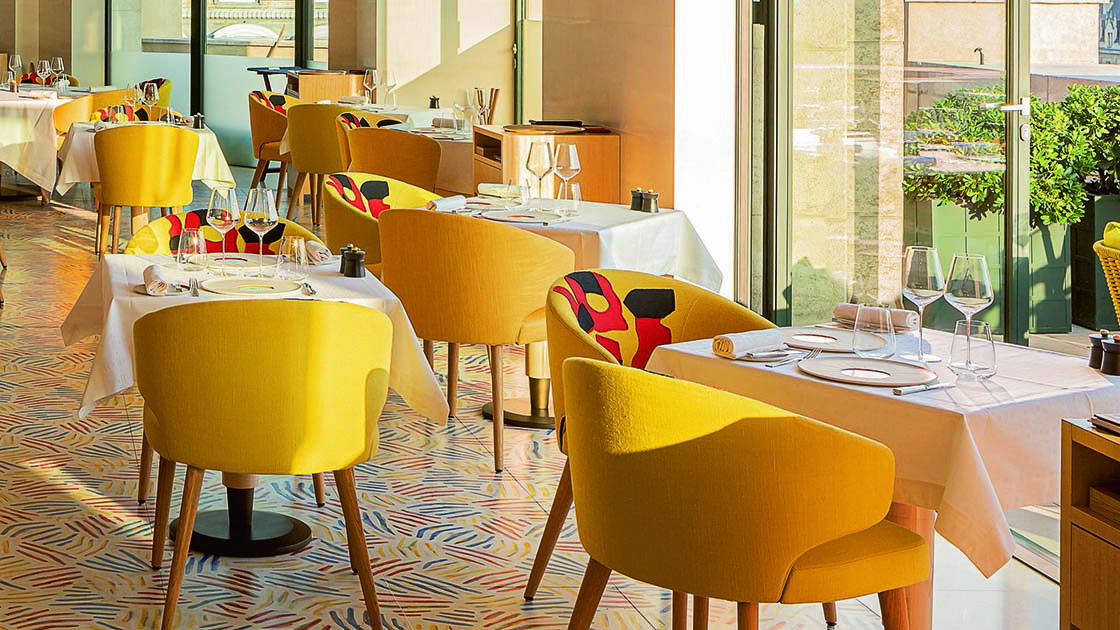
White Walls, Salt Air, and a Kitchen With a Point of View
Barcelona's two-Michelin-star tier has consolidated around a handful of addresses where the dining room itself communicates the register before the amuse-bouche lands. Enoteca Paco Pérez, set within Hotel Arts on Carrer de la Marina in the Born-adjacent waterfront district, uses a different visual language than the exposed-concrete drama of Disfrutar or the converted-greenhouse theatrics of Cocina Hermanos Torres. Here, the interior is bright and meticulous, dominated by gradations of white that push all attention toward the plate. There is nothing accidental about that choice: a room stripped of visual noise makes sourcing and technique the only argument in the room.
The restaurant opens Thursday through Saturday evenings from 7:30 to 9:30 pm, with a Sunday lunch service running 1:00 to 2:30 pm. Monday and Tuesday are dark. Planned closure periods — early March and early-to-mid December — are worth checking before booking at the €€€€ price point, where a wasted trip registers as more than a minor inconvenience.
Where the Ingredients Come From and Why It Matters
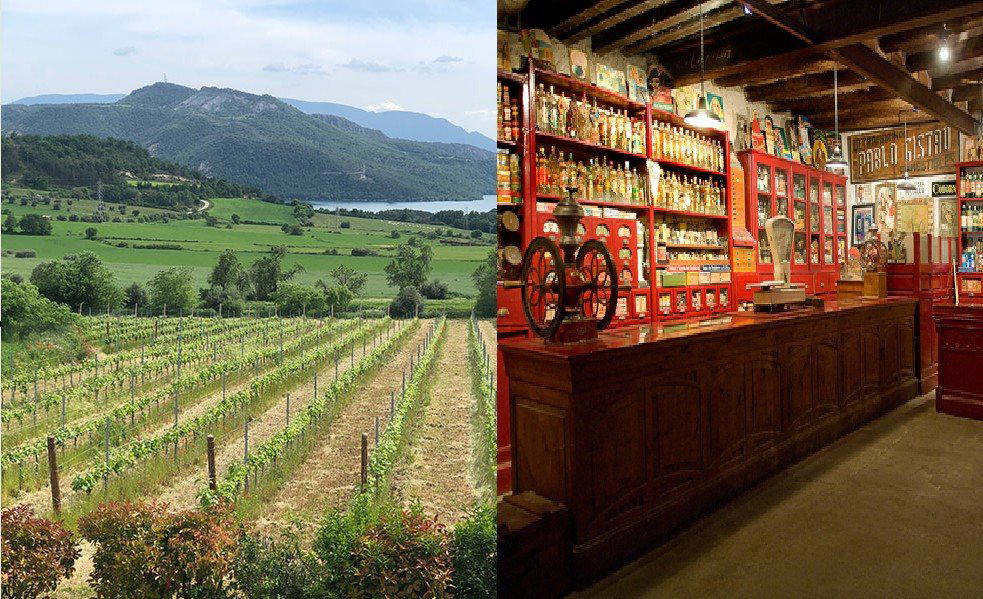
The sourcing logic at Enoteca Paco Pérez is specific enough to function as an editorial argument rather than a marketing position. The kitchen draws particularly from the Mar d'Amunt, the stretch of coastline and agricultural land in the northern Costa Brava, and from vegetable gardens in close proximity to it. The result is produce that carries what the restaurant's own documentation describes as a "special hint of salinity," a quality that coastal growing conditions in that region confer naturally rather than through technique.
This is not an unusual aspiration in modern Spanish fine dining. What separates serious practitioners from aspirational ones is the specificity of the supply chain and the consistency with which sourcing decisions shape the menu. Sea cucumbers from the Mar d'Amunt appear as a signature ingredient here, not because sea cucumber is fashionable (it largely isn't, in the European context), but because it is what that particular coastal zone produces in quantity and quality. That kind of ingredient-driven specificity is recognizable in the DNA of Spanish restaurants that have shaped how hyper-regional sourcing works, including Aponiente in El Puerto de Santa María, where underused marine products are the organizing principle, and Quique Dacosta in Dénia, where a single coastal terroir defines most of what lands on the plate.
The kitchen's relationship with seasonal vegetables is equally deliberate. The seasonal vegetable salad has drawn specific praise from Opinionated About Dining reviewers, a publication that ranks Enoteca at #243 in Europe for 2025, up from #273 the previous year, not for decoration or gesture, but for conviction. Vegetables are treated with the same compositional seriousness as the fish and seafood that dominate a coastal Catalan menu. That approach reflects a wider shift in how the serious end of Mediterranean fine dining handles plant-based components: not as garnish, but as primary argument.
Mediterranean Tradition and the Asian Inflection
The culinary tradition being worked here is Mediterranean in its structural logic, the "sea and mountains" pairing that has organized Catalan cooking for centuries, where coastal proteins meet upland produce in the same dish, but the kitchen applies occasional East-West reference points that complicate and refresh the tradition without displacing it. This is a studied move in contemporary Spanish fine dining: Arzak in San Sebastián has operated at this register for decades, and DiverXO in Madrid takes it considerably further. At Enoteca, the Asian reference remains a seasoning rather than a theme, which keeps the menu anchored in its geographic origin.
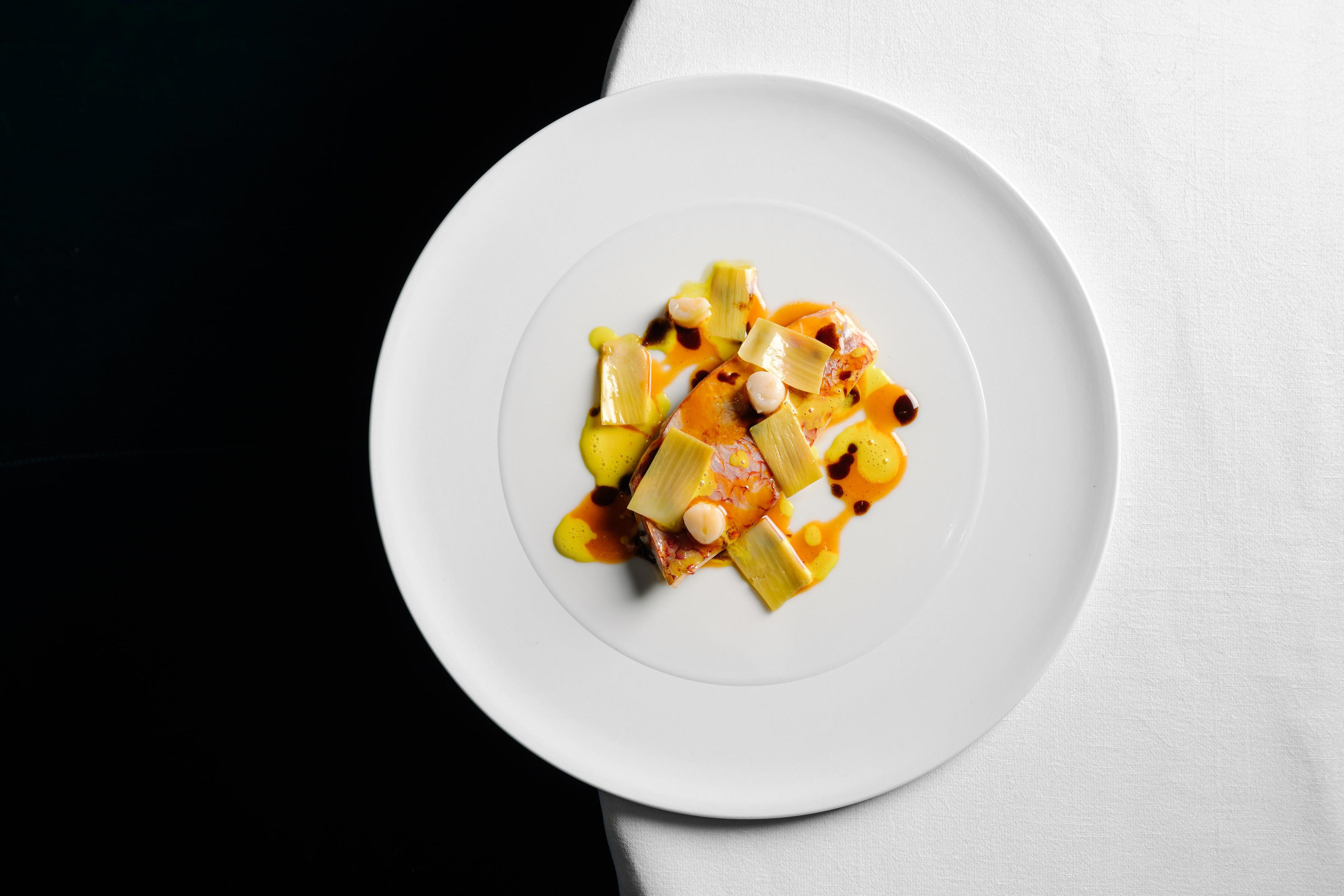
Sea bass preparation documented in La Liste's 2026 assessment (82 points) illustrates the approach: sea bass in a seaweed broth, the sauce structured to release salinity and marine aromatics rather than to mask them. The dish encodes the coastal Catalan instinct to let a single primary ingredient carry the plate, applied through technique that is more controlled than traditional. That is, broadly, what two-Michelin-star Mediterranean cooking in Barcelona looks like when it is operating well.
Barcelona's two-star tier is worth placing in national context. The three-star level in Spain, El Celler de Can Roca in Girona, Azurmendi in Larrabetzu, operates with larger teams, deeper archives, and longer booking windows. The two-star bracket in Barcelona, which also includes Alkimia and ABaC, is where the city's most serious cooking happens at a scale that still allows for the kitchen to be felt in the room. At Enoteca, chef Paco Pérez oversees the kitchen with a degree of personal attention that the operating format, a narrow evening window, a single Sunday lunch service, makes more credible than it would be at a seven-day operation.
The Sustainability Frame
Fine dining's relationship with environmental sourcing has matured past simple claims about locality. The more substantive signal is whether a kitchen's ingredient choices reflect constraints imposed by ecosystem and season, or whether the menu is written first and the ingredients retrofitted. Enoteca Paco Pérez's documented reliance on the Mar d'Amunt coastal zone positions it in the former category: sea cucumbers are not a glamorous luxury import; they are a specifically local, under-commercialised marine product that happens to carry the salinity character the kitchen values.
The seasonal structure of the vegetable program reinforces the same argument. A kitchen that builds around gardens adjacent to a specific body of water is, by definition, operating within constraints that preclude year-round menu consistency. The documented closure periods in early spring and December align with seasonal transitions in Mediterranean coastal growing cycles, suggesting the operating calendar is shaped partly by what the supply chain looks like in those weeks. At the €€€€ price point, that kind of seasonal accountability carries more weight than it does in more casual formats. The reader should also note that the closure windows, March 5-20 and December 5-18, make advance planning essential, particularly for travellers building itineraries around Spain's broader fine dining circuit.
Restaurants operating at this price point in Barcelona increasingly compete for attention alongside a newer generation of properties, including Atempo, where modern Catalan technique is applied with a different kind of restraint. The field for serious ingredient-driven cooking in the city is not diminishing, which means the argument each restaurant makes through its sourcing decisions matters more than it did when the two-star tier was thinner. Enoteca's specificity, that particular coastline, those particular gardens, that particular relationship between chef and ecosystem, is how it holds its position in that conversation. For a broader map of where modern Spanish cuisine is moving, the work being done at Venta Moncalvillo in Daroca de Rioja and Chirón in Valdemoro shows how hyper-regional sourcing operates outside the major urban centres.
Planning Your Visit
Enoteca Paco Pérez is located at Carrer de la Marina, 19-21, inside Hotel Arts in the 08005 postcode, within the Ciutadella-Vila Olímpica district. The address is walkable from the waterfront and well-served by public transit, though the hotel's position means guests staying elsewhere should factor in travel time from central neighbourhoods like Eixample or Gràcia. Service runs Thursday to Saturday evenings and Sunday at lunch; the evening window of 7:30 to 9:30 pm is narrow, so booking in advance is the only realistic approach for a two-star reservation at this address.
For context on how Enoteca Paco Pérez sits within Barcelona's broader hospitality picture, see our full Barcelona restaurants guide, our full Barcelona hotels guide, our full Barcelona bars guide, our full Barcelona wineries guide, and our full Barcelona experiences guide.
Standing Among Peers
| Venue | Cuisine | Price | Awards |
|---|---|---|---|
| Enoteca Paco PérezThis venue — the venue you are viewing | Modern Spanish, Modern Cuisine | €€€€ | Michelin 2 Stars |
| Disfrutar | Progressive, Creative | €€€€ | Michelin 3 Star |
| Cocina Hermanos Torres | Creative | €€€€ | Michelin 3 Star |
| Lasarte | Progressive Spanish, Creative | €€€€ | Michelin 3 Star |
| Cinc Sentits | Modern Spanish, Creative | €€€€ | Michelin 2 Star |
| Aleia | Modern European, Creative | €€€€ | Michelin 1 Star |
Recognition history
Dated appearances from independent guides and award organizations, with the underlying list record or original source where available.
Falstaff Restaurant - 96 Falstaff Points
Falstaff
Guía Repsol 2 Soles
Guía Repsol
La Liste Top Restaurants
La Liste
Michelin 2 Stars
Michelin
Opinionated About Dining Top Restaurants in Europe Recommended
Opinionated About Dining
Michelin 2 Stars
Michelin
Opinionated About Dining Top Restaurants in Europe Ranked #243
Opinionated About Dining
We're Smart World 3 Radishes
We're Smart World
Michelin 2 Stars
Michelin
Opinionated About Dining Top Restaurants in Europe Ranked #273
Opinionated About Dining
Opinionated About Dining Top New Restaurants in Europe Highly Recommended
Opinionated About Dining
Continue exploring
More in Barcelona
Restaurants in Barcelona
Browse all →
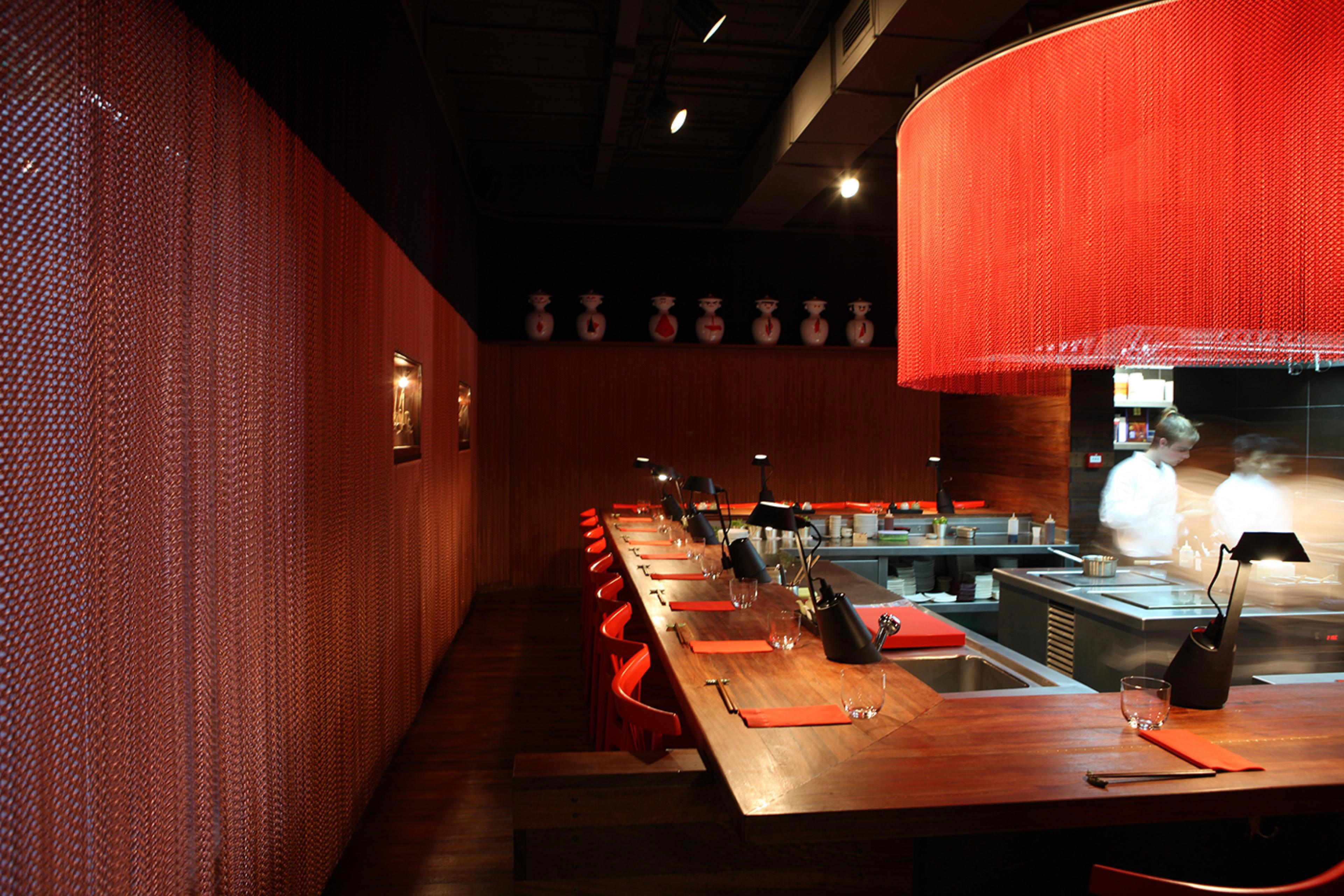
Bars in Barcelona
Browse all →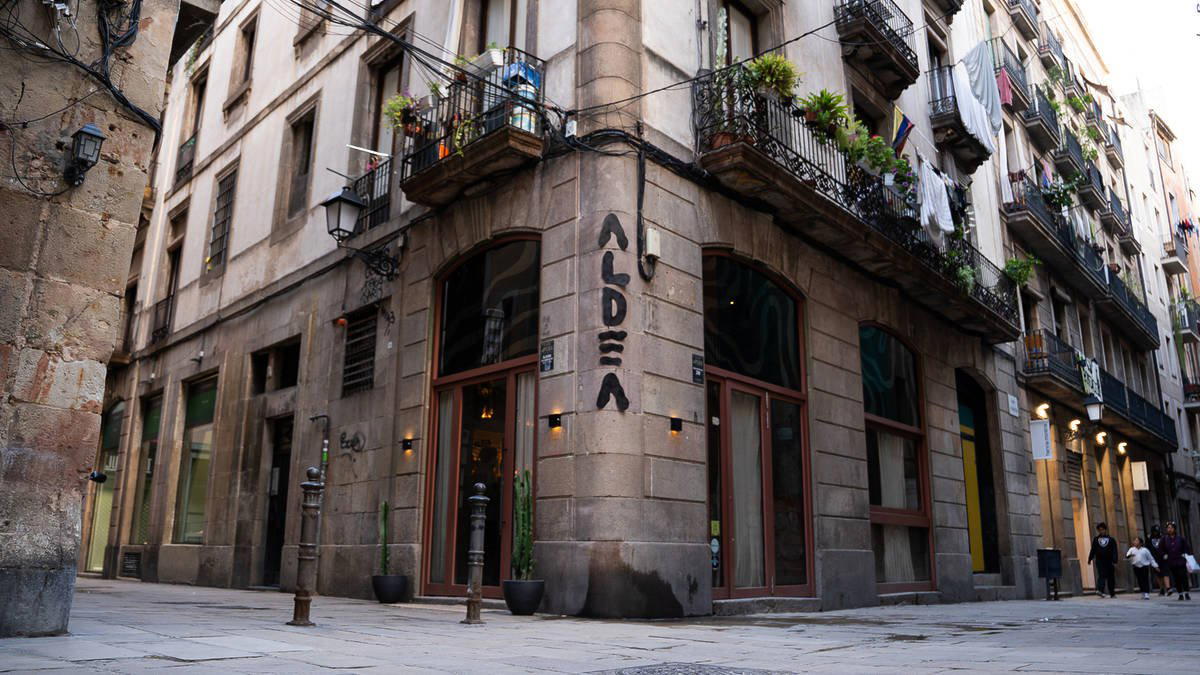
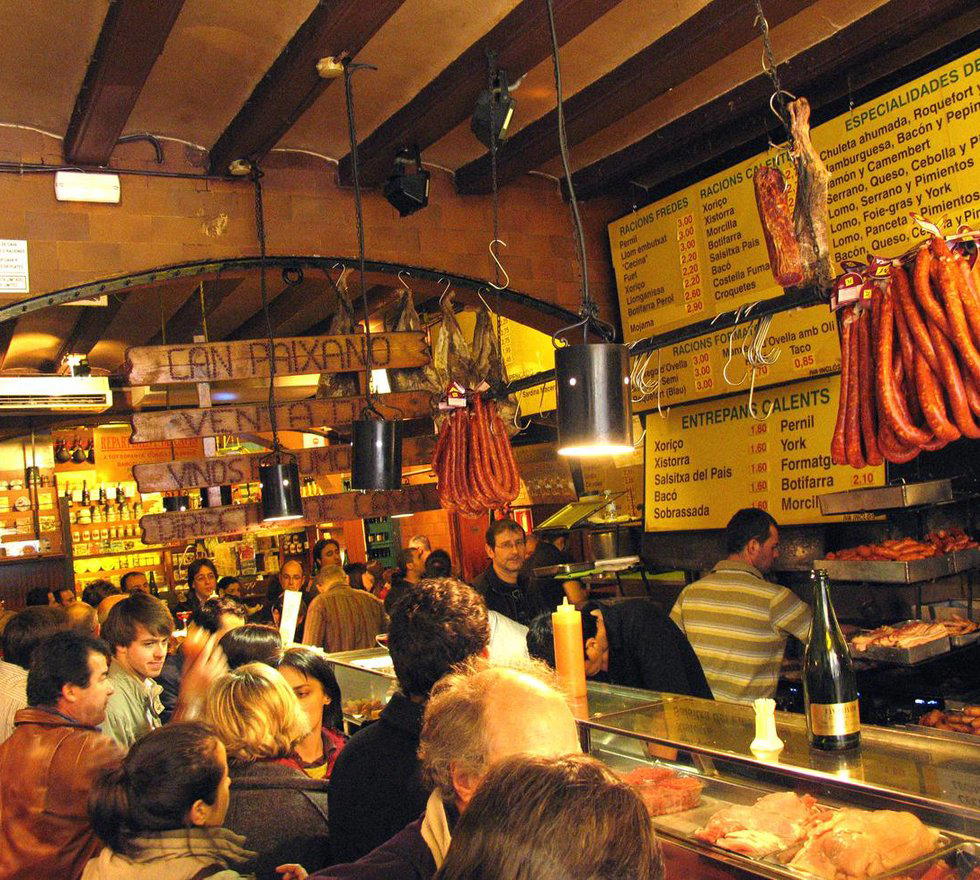
Hotels in Barcelona
Browse all →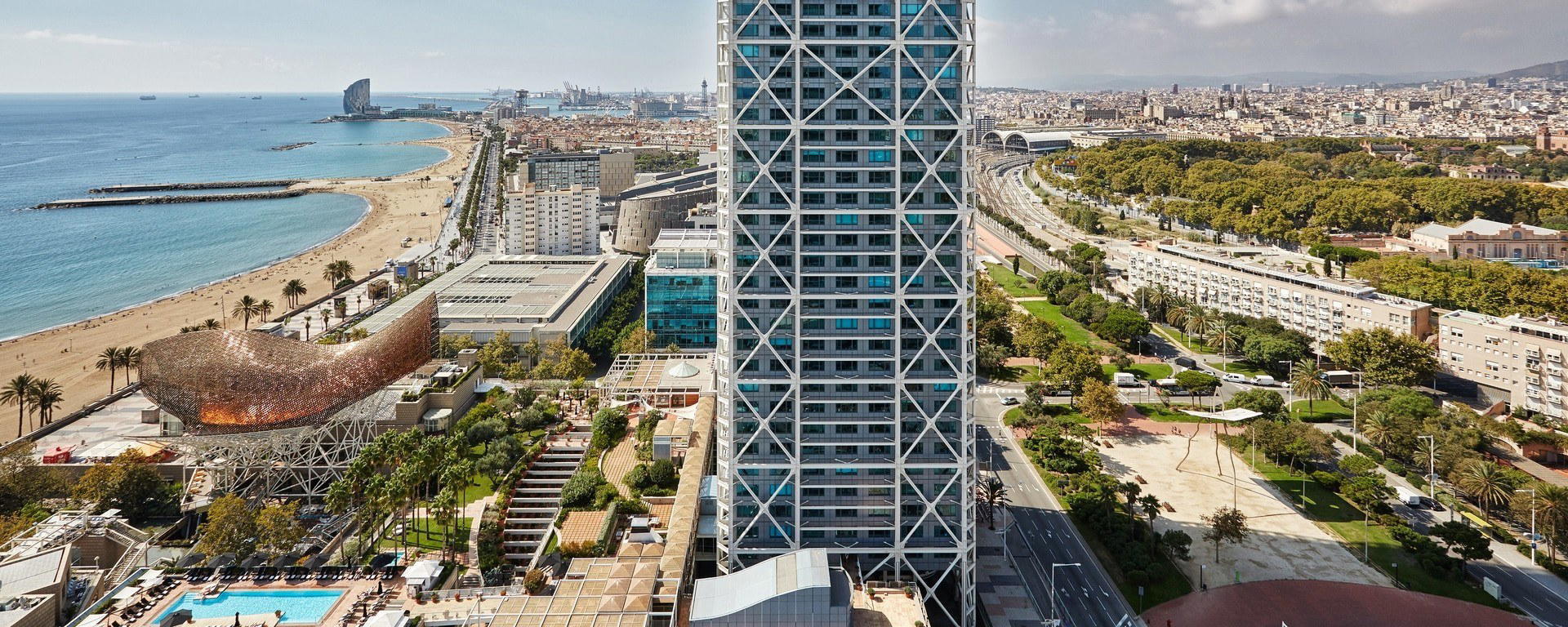
At a Glance
- Elegant
- Sophisticated
- Modern
- Intimate
- Special Occasion
- Date Night
- Business Dinner
- Hotel Restaurant
- Terrace
- Waterfront
- Extensive Wine List
- Sommelier Led
- Local Sourcing
- Waterfront
- Street Scene
Current opening hours
- Monday
- Closed
- Tuesday
- 7:30–9 PM
- Wednesday
- 7:30–9 PM
- Thursday
- 7:30–9 PM
- Friday
- 7:30–9 PM
- Saturday
- 1–2:30 PM, 7:30–9 PM
- Sunday
- Closed
Hours can change for holidays and private events. Last verified .
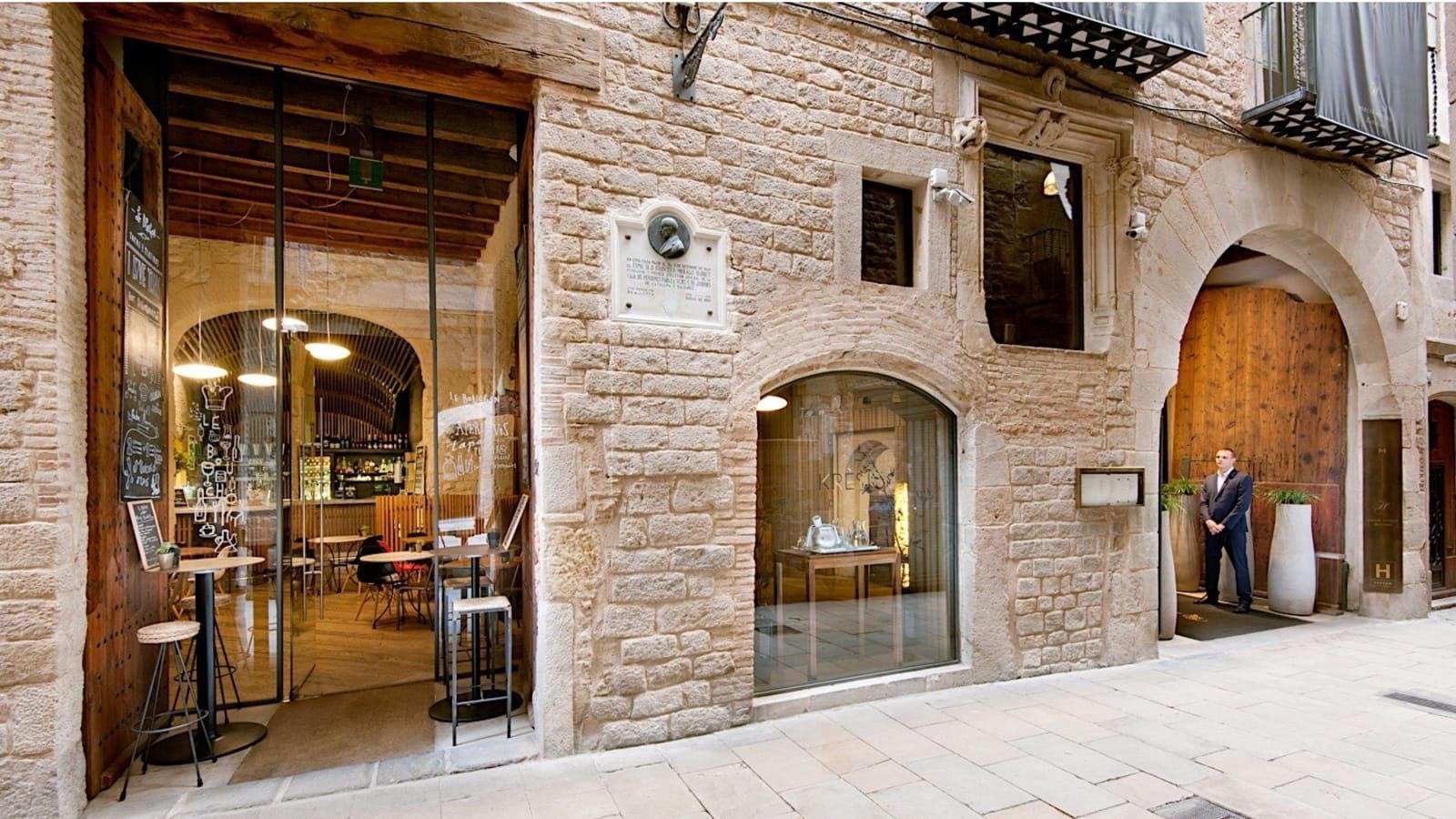
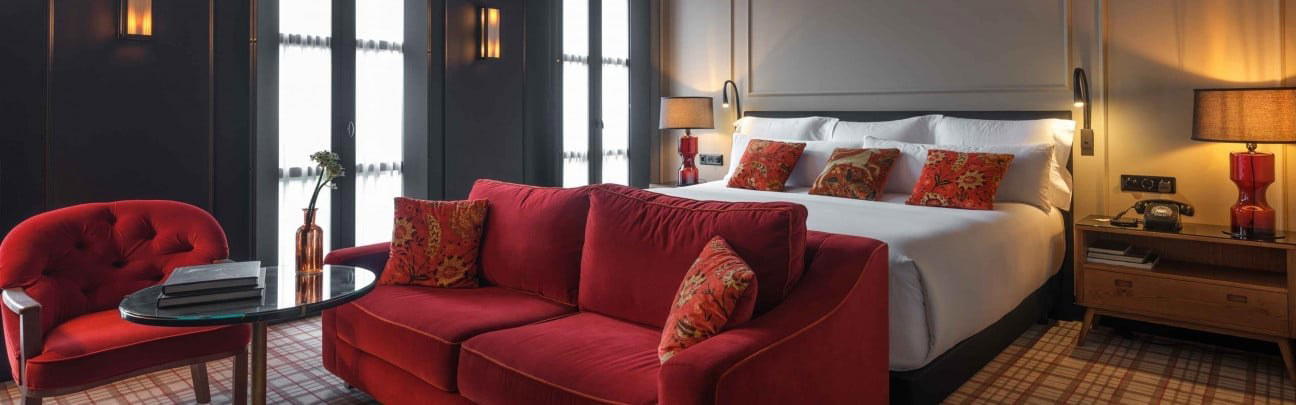
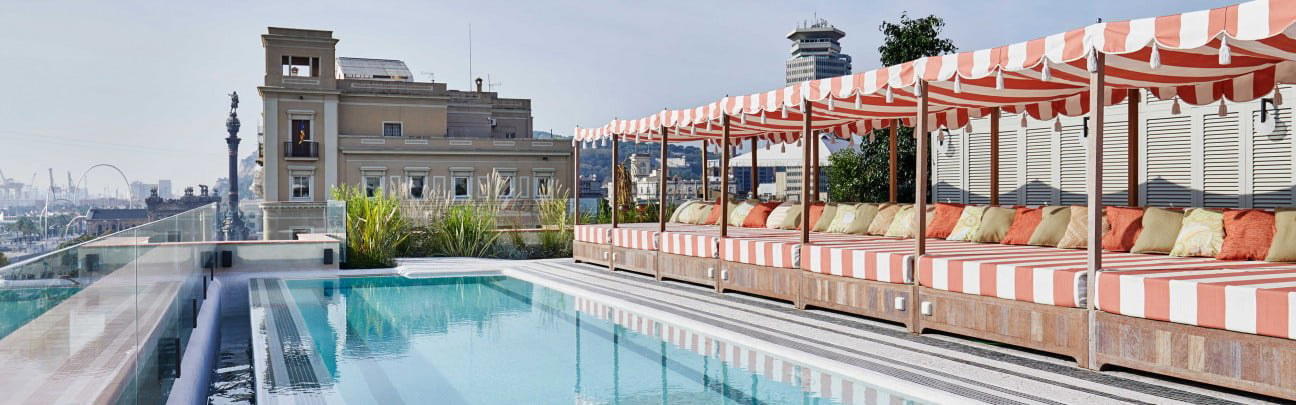
Bright interior with meticulous white-toned design, overlooking the marina, creating an elegant and serene atmosphere.
Know Before You Go
- Getting there
- Carrer de la Marina, 19, 21, Ciutat Vella, 08005 Barcelona, Spain