





Michelin Plate · Star Wine List · Macarfi 9 Food Rating
Our verdict
Gresca Barcelona has achieved cult status among the city's culinary elite, where chef Rafa Peña's Michelin-starred gastrobar transforms French technique and Catalan ingredients into extraordinary small plates. This intimate Eixample destination, famous for its legendary "mushroom bikini" and pioneering natural wine program, attracts Barcelona's top chefs on their nights off.

Pearl is the En Primeur Club membership app — saves, bookings, and concierge access live there. Same editors, same standards.
- Address
- Carrer de Provença, 230, Eixample, 08036 Barcelona, Spain
- Phone
- +34 934 51 61 93
- Hours
- Daily 1:30–3:30 PM, 8–10 PM
- Website
- gresca.rest
- Directions
- Get directions
- Booking
- Book on CoverManager
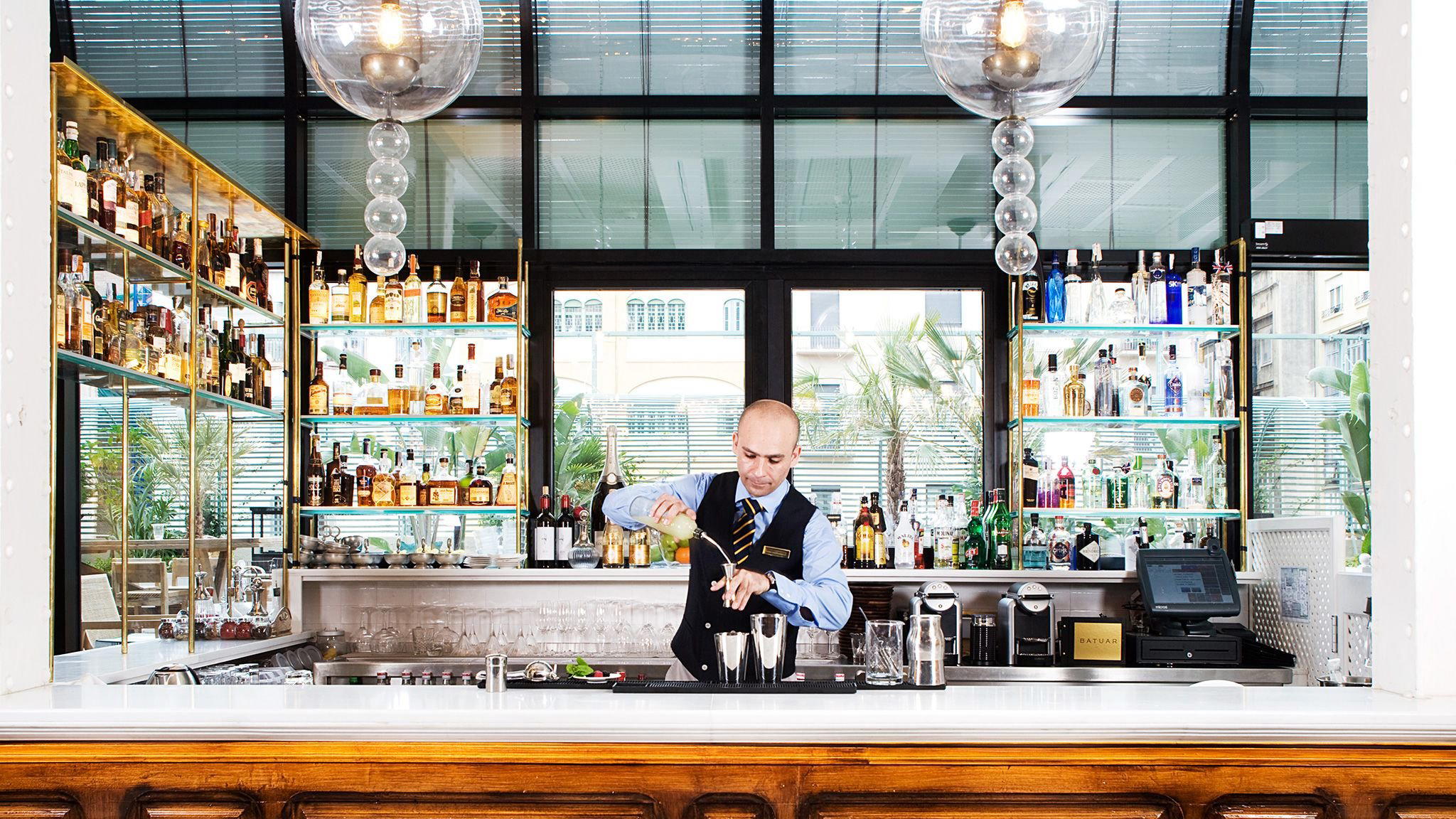
A Counter in the Eixample That Plays by Its Own Rules
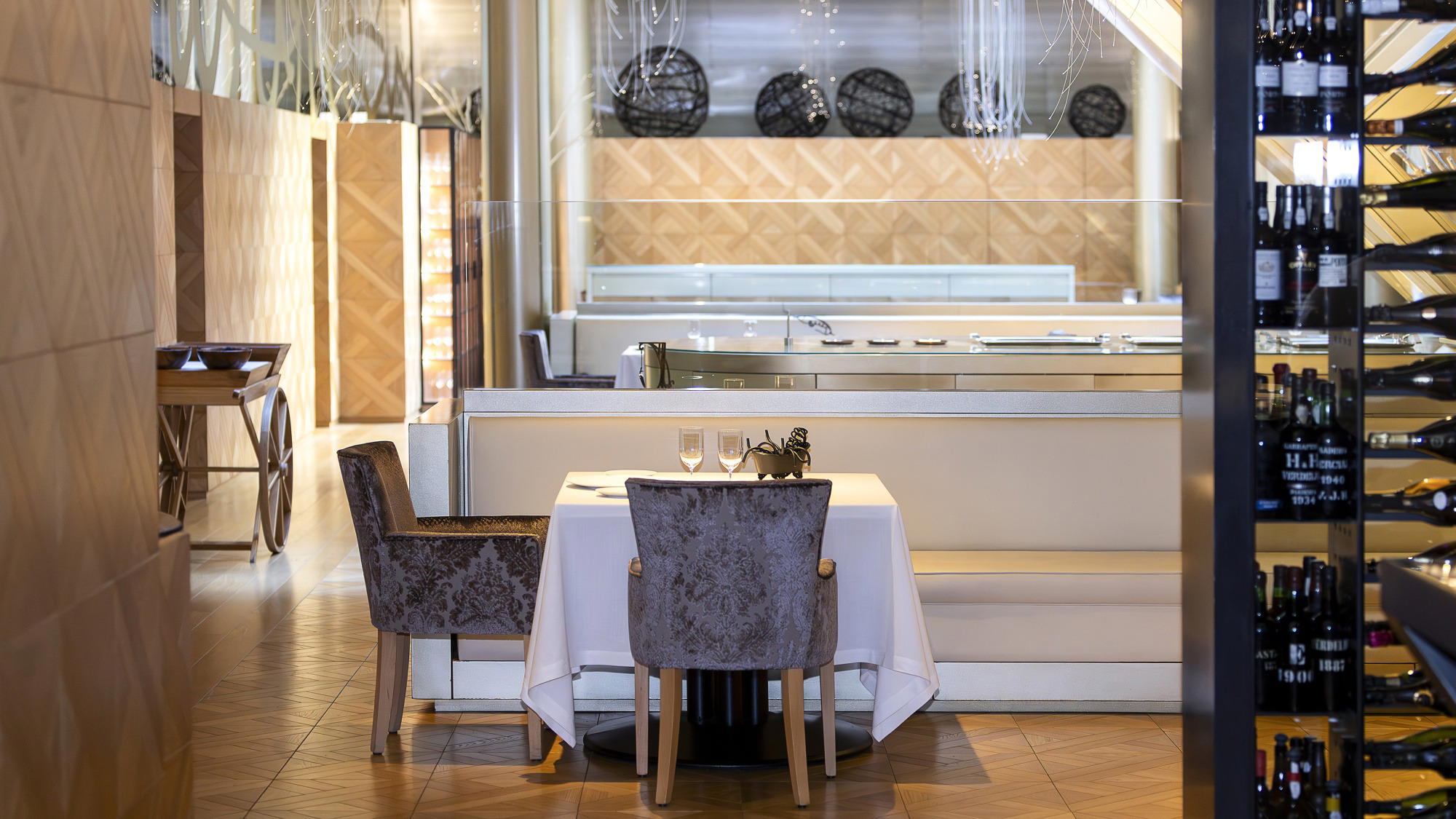
Carrer de Provença runs through the Eixample grid with the measured orderliness that defines the neighbourhood: wide pavements, regular facades, cafes that open early and stay open late. Gresca sits inside this rhythm but operates at a different frequency. The open kitchen faces the bar area directly, collapsing the distance between preparation and consumption in a way that larger, more ceremonial restaurants in Barcelona cannot replicate. You watch the work happen. The noise of the kitchen and the noise of the room become the same noise.
This arrangement is not incidental. In Barcelona's mid-market dining scene, the open kitchen has become something of a signifier: a declaration that the cooking is the theatre, not a backdrop to it. Gresca uses this format with particular conviction, connecting the bar counter to the dining room so that solo diners and groups occupy the same continuous space. The Michelin Plate, held in 2023, 2024, and 2025, confirms a sustained level of execution rather than a single strong season. The Opinionated About Dining Casual in Europe ranking has moved from 104th in 2023 to 88th in 2024, then settled at 187th in 2025, a trajectory that reflects the competitive density of the category rather than any diminishment of the kitchen's ambition.
Catalan Cooking as an Argument, Not a Nostalgia Trip
The Catalan culinary tradition is often described in terms of its coastline and its mountains operating simultaneously, the classic mar i muntanya logic that puts rabbit and prawns in the same pot, or combines salt cod with honey in ways that still surprise visitors expecting something more conservative. Gresca engages with this tradition from a contemporary position: the à la carte is built around small plates designed for sharing, with seasonal ingredients and a pronounced emphasis on game and offal.
This is worth pausing on. Offal-forward cooking in Barcelona exists in a specific cultural register. The tradition of using the whole animal, from cap i pota (head and trotter stew) to the grilled entrails that appear at neighbourhood bars during local festivals, runs through Catalan cooking at every price point. At Gresca, this tradition surfaces in a modern format: small plates rather than communal stews, precise technique rather than long-braised familiarity. The cooking sits inside the Catalan canon without illustrating it like a museum exhibit. Half portions are available for solo diners, which is a practical acknowledgement that the format should serve the individual as well as the group.
Barcelona's dining scene has bifurcated sharply at the upper end. Three-Michelin-star operations like Disfrutar, Cocina Hermanos Torres, and Lasarte operate at price points and formats that position them against international peer sets. ABaC and Enigma occupy adjacent creative territory. Gresca, at the €€ price tier, represents something different: serious cooking applied to an accessible format, without the tasting-menu structure that now dominates high-end Barcelona. The à la carte approach gives diners a degree of agency that fixed menus by definition do not, and the Catalan emphasis on seasonal and game ingredients means the offer changes with what the market provides rather than what a set sequence requires.
The Natural Wine List as a Position Statement
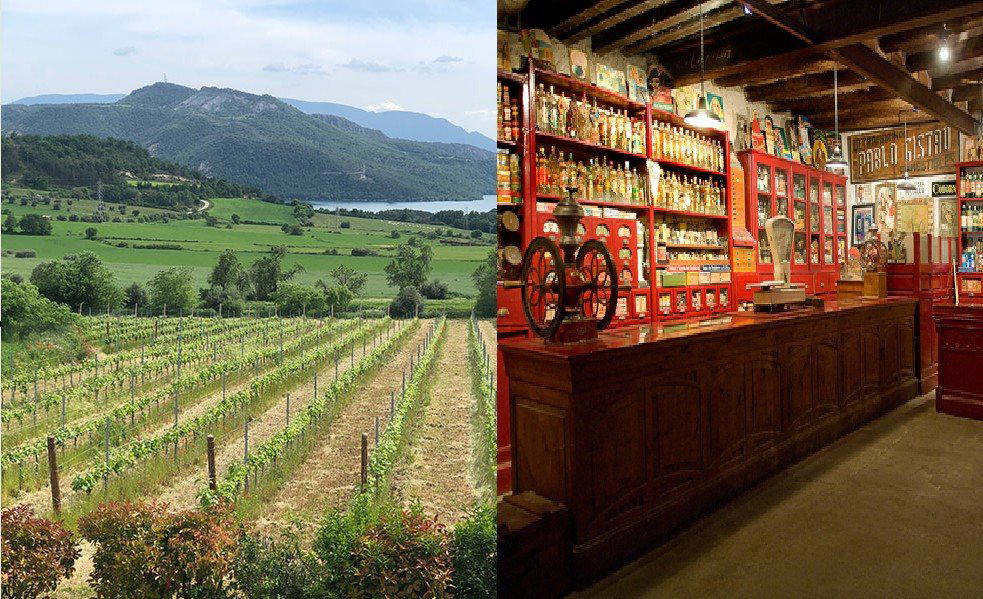
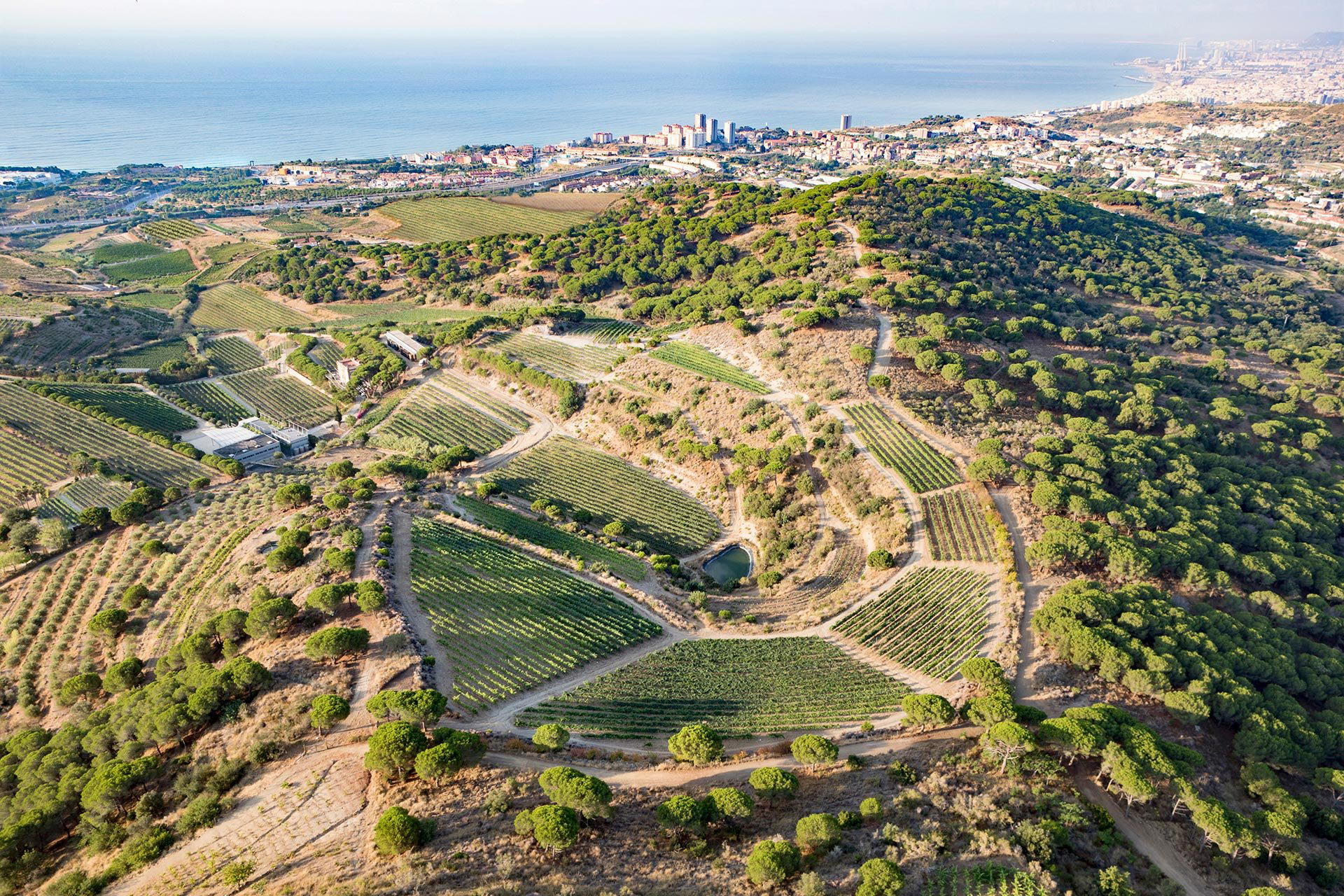
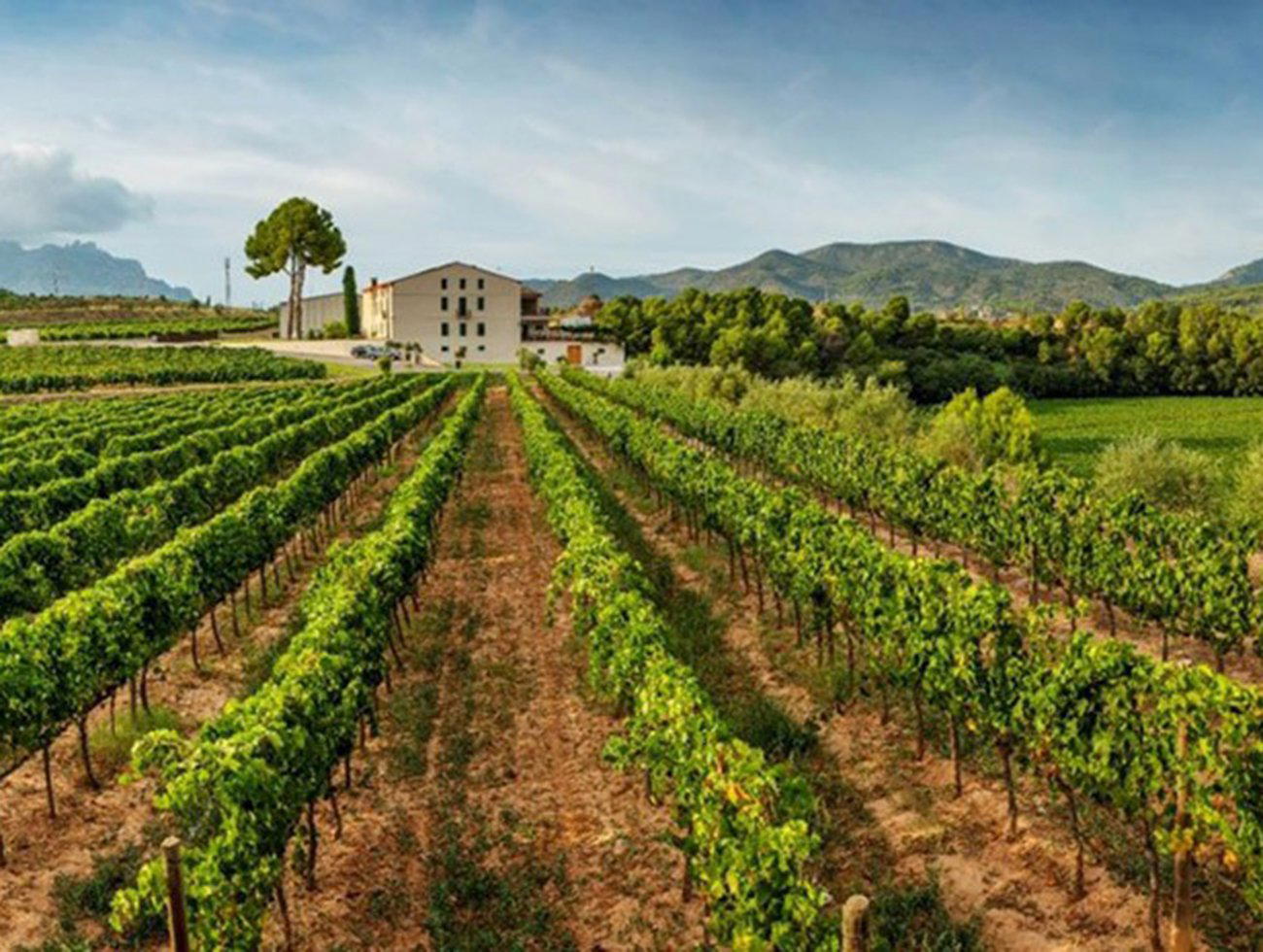
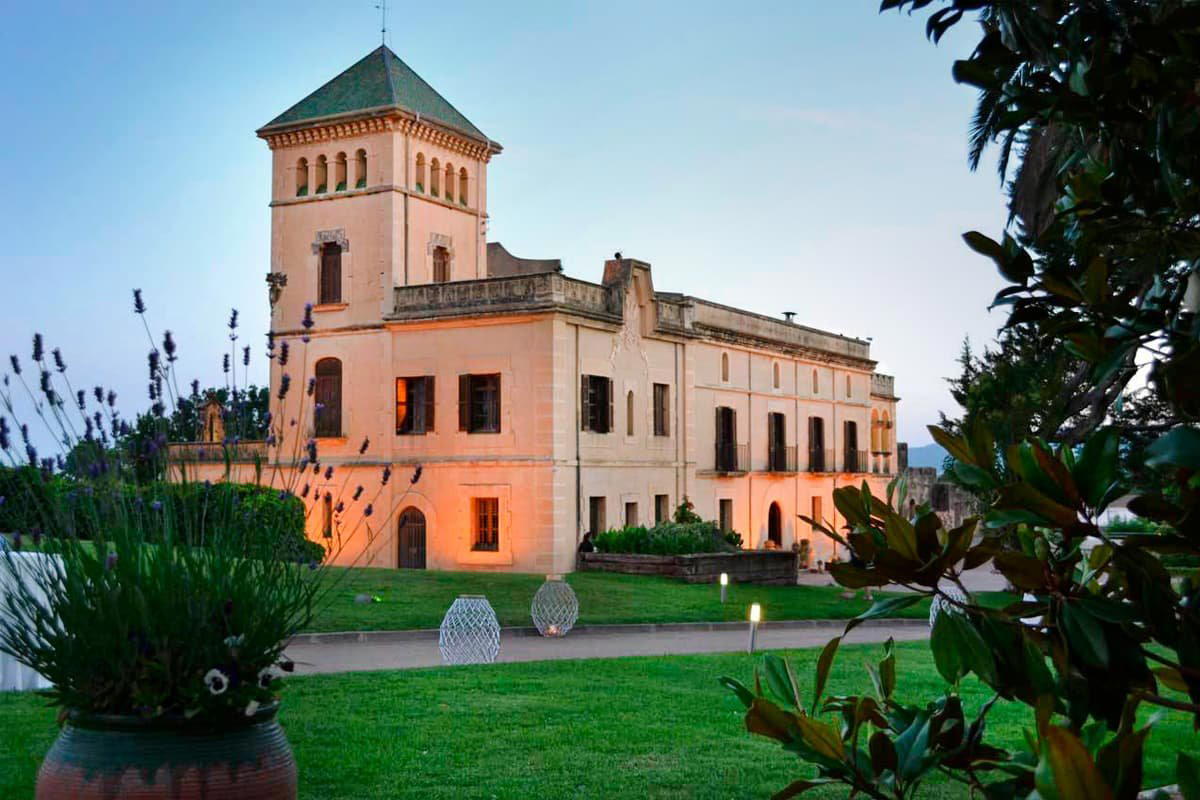
Gresca's wine programme has attracted specific attention in Barcelona's drinking community. The natural wine list has been described by critics as a reference point in the city, a claim that carries weight in a market where the natural wine offer has expanded considerably over the past decade. Barcelona's bar and restaurant scene now includes a substantial number of venues pursuing low-intervention producers from Catalonia, the Empordà, the Priorat, and further afield in France and Italy. Gresca's list sits within this broader movement but with a depth and curation that places it in a narrower tier.
Catalan wine culture is geographically specific. The Penedès produces the Cava that functions as a regional default celebration drink, but the more characterful production comes from the Priorat's slate-terraced Garnatxa and Carinyena, or the increasingly prominent natural producers of the Terra Alta and Conca de Barberà. A wine list that takes these traditions seriously, and sets them alongside producers from outside the region, is making a statement about how the kitchen's ingredient philosophy extends to the glass. For the full range of what Barcelona's wine scene offers, our full Barcelona wineries guide maps the broader picture.
Eixample as Culinary Address
The Eixample is Barcelona's most densely populated dining neighbourhood by restaurant count, and the Provença-Enrique Granados corridor in particular has developed a concentration of independent restaurants that sit outside the tourist-route circuits of the Gothic Quarter and the Barceloneta waterfront. This makes Gresca's address significant. The clientele here skews toward residents and informed visitors rather than the passing trade that sustains higher-turnover operations closer to Las Ramblas.
The neighbourhood context shapes the rhythm of the restaurant. Lunch runs from 1:30 to 3:15 pm, dinner from 8 to 10:30 pm, both sessions aligned with the Spanish eating schedule rather than adjusted for international visitors. The Saturday service follows the same pattern as the weekday, seven days a week, which is consistent for a restaurant operating at this level in a city where Sunday closures are common among serious kitchens.
For those building a wider Barcelona itinerary around eating and drinking, our full Barcelona restaurants guide covers the complete range of options, from the three-star tasting counters to neighbourhood addresses like this one. The Barcelona bars guide maps the city's cocktail and wine bar scene, and the experiences guide covers cultural and specialist programming worth building around a meal.
Spain Beyond Barcelona
Gresca's approach to Catalan cooking connects to a broader conversation happening across Spanish gastronomy. The commitment to seasonal produce, regional identity, and a rejection of the fixed tasting-menu format places it in an interesting position relative to the larger landmark restaurants that define Spain's international reputation. El Celler de Can Roca in Girona sits less than two hours away and represents the formal, long-menu pole of Catalan cooking. Arzak in San Sebastián and Azurmendi in Larrabetzu demonstrate how the Basque Country has built a separate but parallel tradition of rigorous cooking rooted in regional identity. Martin Berasategui in Lasarte-Oria and Aponiente in El Puerto de Santa María further extend the map of Spanish cooking with distinct regional voices. DiverXO in Madrid represents a different Spanish register entirely. None of these are direct comparators for Gresca, but they establish the national context in which the Barcelona mid-market operates.
For those travelling from further afield and building Spain into a broader international dining itinerary, Le Bernardin in New York City and Atomix in New York City represent the international tier against which European restaurants are increasingly assessed. The Barcelona hotels guide covers accommodation options across the city's neighbourhoods.
Planning a Visit
Gresca is at Carrer de Provença, 230, in the Eixample, a short walk from the Diagonal or Provença metro stations. The restaurant operates seven days a week with identical hours each day: lunch 1:30 to 3:15 pm, dinner 8 to 10:30 pm. The €€ pricing reflects an accessible positioning for the quality level, though the natural wine list will extend the bill depending on selection. Solo diners are accommodated with half-portion options available across the à la carte. The open kitchen and bar area make counter seating a viable solo format. Booking in advance is advisable given the consistent recognition from Michelin and Opinionated About Dining across multiple consecutive years.
Frequently asked questions
What should I order at Gresca?
The menu is built on seasonal availability, with a consistent emphasis on game, offal, and ingredients drawn from the Catalan tradition. The format is an à la carte of small, shareable plates, with half portions available for solo diners. Given the kitchen's sustained Michelin Plate recognition across 2023, 2024, and 2025, and its ranking among Europe's notable casual operations according to Opinionated About Dining, the most useful guidance is to order across categories rather than anchoring to a single dish: the strength here lies in the range and seasonal logic of the offer rather than in any fixed signature. The natural wine list is a serious document in its own right and worth engaging with directly, either by asking for a recommendation by the glass or exploring the Catalan producers alongside whatever is seasonal on the plate.
Fast Comparison
A quick peer list to put this venue’s basics in context.
| Venue | Cuisine | Price | Awards | Notes |
|---|---|---|---|---|
| GrescaThis venue — the venue you are viewing | Modern Catalan Tapas | $30–50 | Michelin Plate · Star Wine List | Not listed |
| Disfrutar | Avant-Garde Catalan Fine Dining | $300–500 | 3 Michelin Stars · World's 50 Best #1 | Progressive, Creative |
| Cocina Hermanos Torres | Modern Spanish Fine Dining | $300–500 | 3 Michelin Stars · World's 50 Best #78 | Creative |
| Lasarte | Modern Basque-Mediterranean Fine Dining | $300–500 | 3 Michelin Stars · La Liste Top Restaurants | Progressive Spanish, Creative |
| Cinc Sentits | Modern Catalan Fine Dining | $150–200 | 2 Michelin Stars · La Liste Top Restaurants | Modern Spanish, Creative |
| Enoteca Paco Pérez | Modern Mediterranean Seafood | $200–300 | 2 Michelin Stars · La Liste Top Restaurants | Modern Spanish, Modern Cuisine |
Recognition history
Dated appearances from independent guides and award organizations, with the underlying list record or original source where available.
Michelin Plate
Michelin
Star Wine List
Star Wine List
Guía Repsol 2 Soles
Guía Repsol
Macarfi 9 Food Rating
Macarfi
Opinionated About Dining Casual in Europe Ranked #51
Opinionated About Dining
Full recognition history (11 entries)
Michelin Plate
Michelin
Opinionated About Dining Casual in Europe Ranked #187
Opinionated About Dining
The Best Chef One Knife
The Best Chef
Michelin Plate
Michelin
Opinionated About Dining Casual in Europe Ranked #88
Opinionated About Dining
Opinionated About Dining Casual in Europe Ranked #104
Opinionated About Dining
Continue exploring
More in Barcelona
More from Chef Rafa Peña
Browse all →
Restaurants in Barcelona
Browse all →
Bars in Barcelona
Browse all →
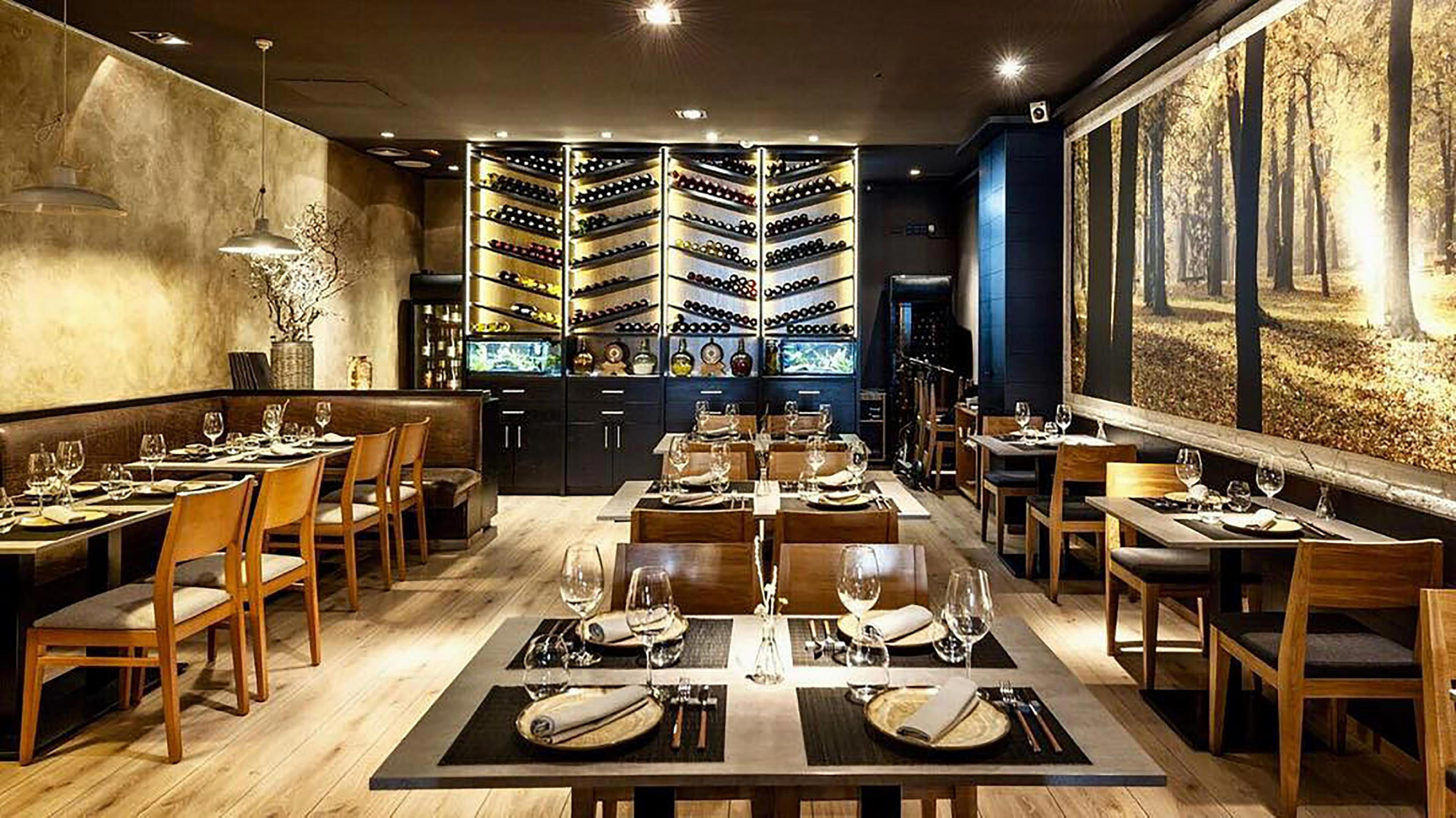
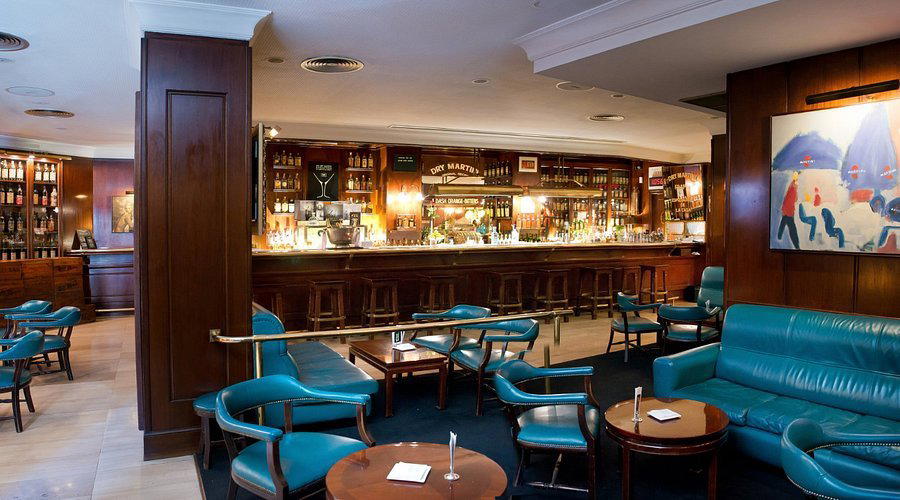
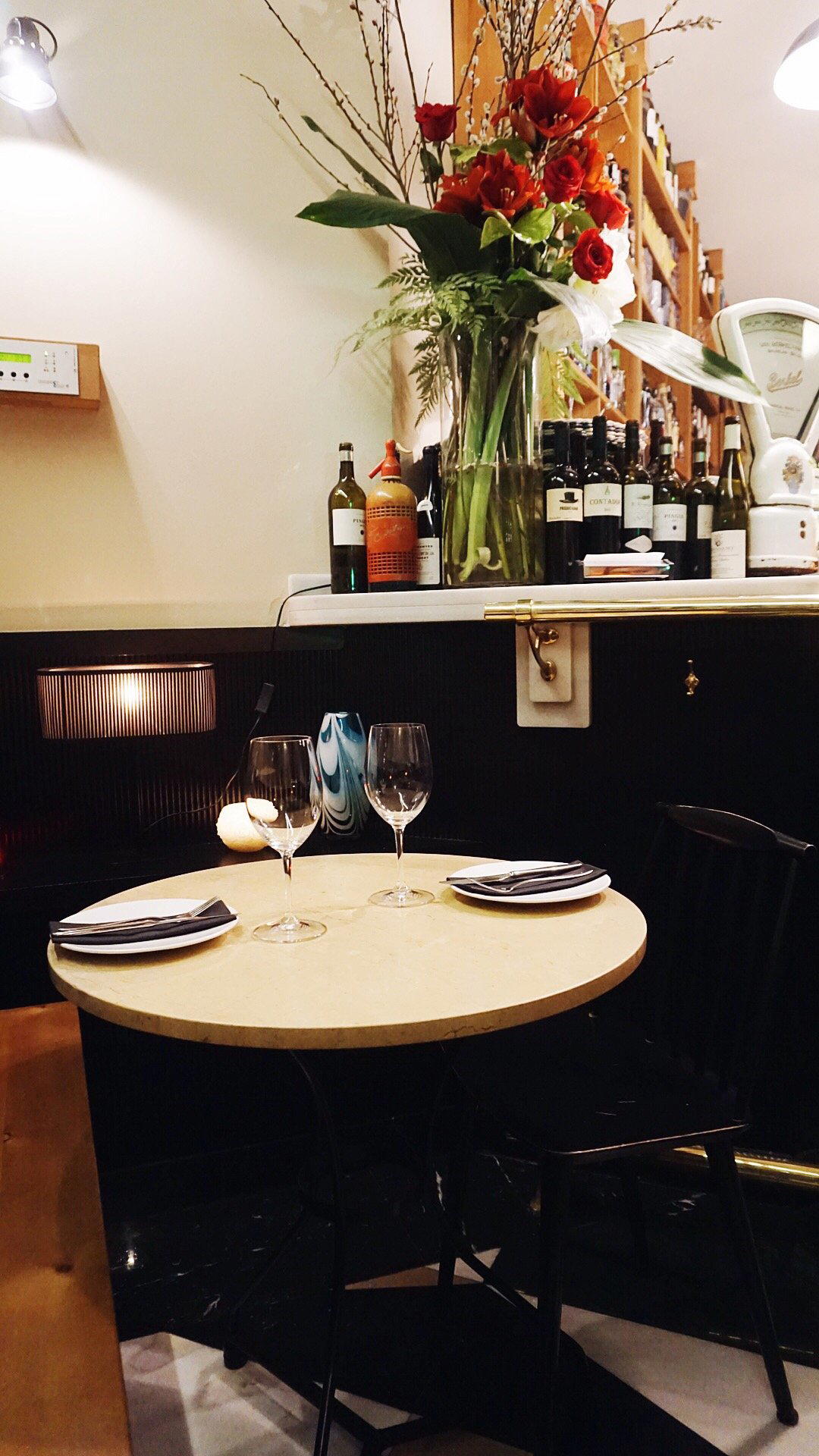
Hotels in Barcelona
Browse all →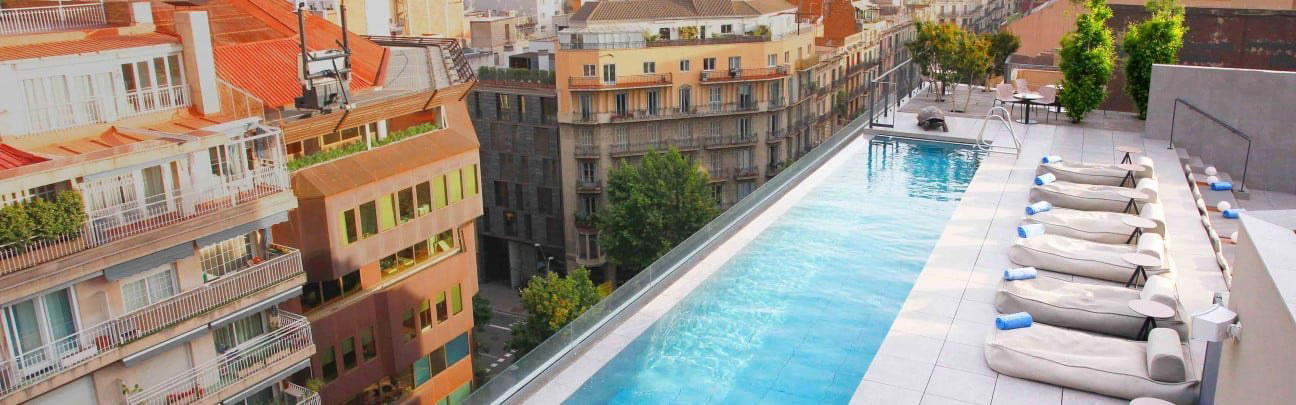
Gresca
The wine
- Wine program
- Exceptional wine program
- Extensive wine list
- Natural wine
Details
- Trendy
- Modern
- Cozy
- Intimate
- Date Night
- Special Occasion
- Open Kitchen
- Extensive Wine List
- Natural Wine
- Small Plates
- A La Carte
- Wine
- Vegetarian Friendly
- Gluten Free Options
Current opening hours
- Monday
- 1:30–3:30 PM, 8–10 PM
- Tuesday
- 1:30–3:30 PM, 8–10 PM
- Wednesday
- 1:30–3:30 PM, 8–10 PM
- Thursday
- 1:30–3:30 PM, 8–10 PM
- Friday
- 1:30–3:30 PM, 8–10 PM
- Saturday
- 1:30–3:30 PM, 8–10 PM
- Sunday
- 1:30–3:30 PM, 8–10 PM
Hours can change for holidays and private events. Last verified .
Relaxed and cool atmosphere with impressive artwork, chic open kitchen, and understated serene decor.