On Währinger Strasse in Vienna's 9th district, Cafe Francais occupies a stretch of the city where Biedermeier-era coffee house culture and contemporary neighbourhood dining overlap. The French name signals a particular register: a format that sits between the Viennese grand cafe tradition and the more ingredient-focused bistro model that has gained ground across European cities over the past decade.
Pearl is the En Primeur Club membership app — saves, bookings, and concierge access live there. Same editors, same standards.
- Address
- Währinger Str. 6-8, 1090 Wien, Austria
- Phone
- +43 1 3190903
- Website
- cafefrancais.at
- Directions
- Get directions
 Saves & bookings on Pearl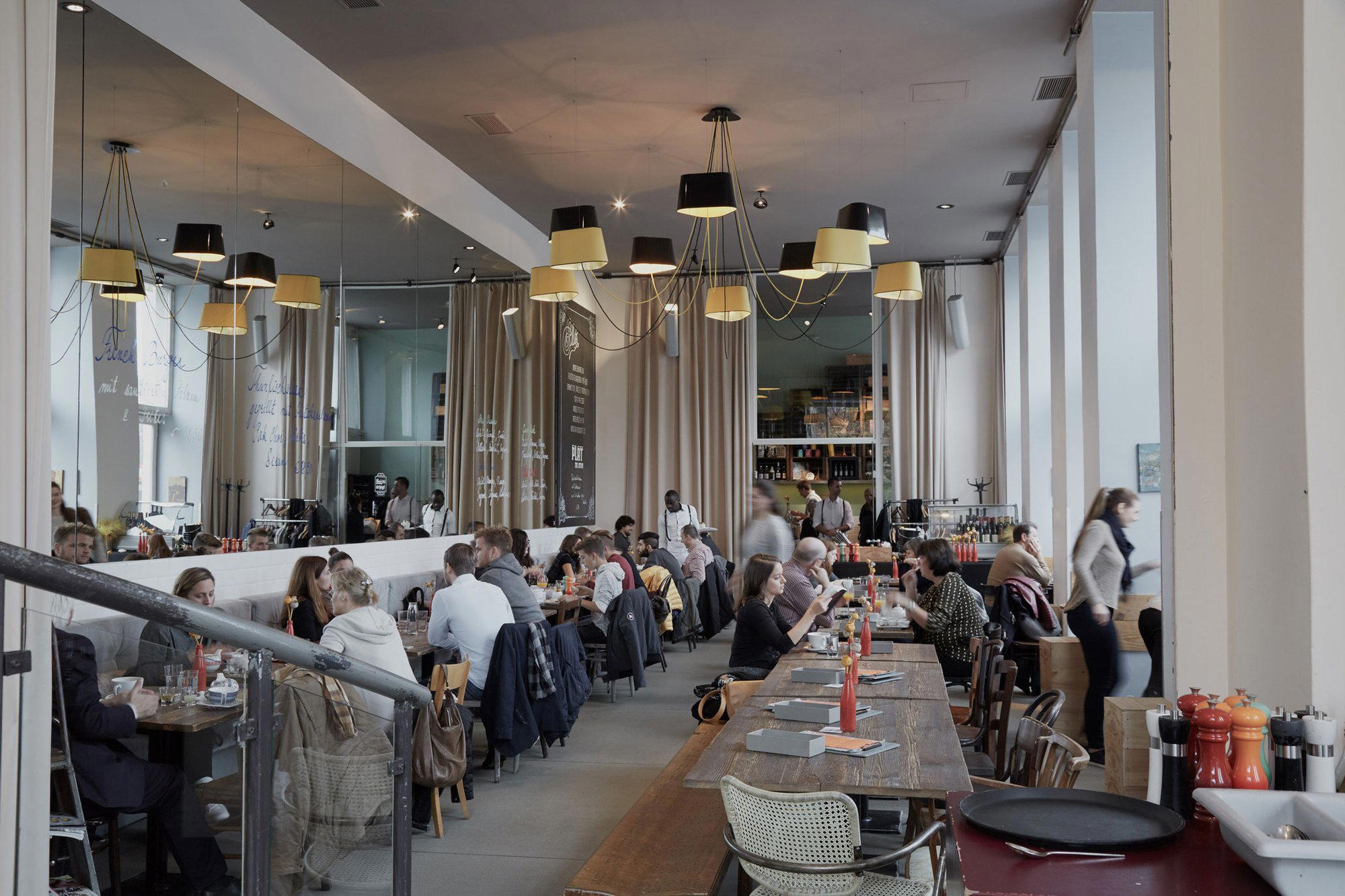
Where Währinger Strasse Meets the French Bistro Tradition
Vienna's 9th district, Alsergrund, runs at a different pace from the Innere Stadt. The neighbourhood is dense with university buildings, medical institutions, and the kind of residential streets where a good address depends less on tourist traffic and more on regulars who walk. Währinger Strasse 6-8 is that kind of address. Cafe Francais is a French bistro at Währinger Str. 6-8, 1090 Wien, Austria.
The French bistro format itself carries specific expectations. Sourcing tends to be declared rather than implied: chalkboards listing farm names, producers brought into conversation with the menu, and a general assumption that the provenance of ingredients is worth knowing. This is a meaningful departure from the classical Viennese Kaffeehaus, which prizes consistency and comfort over origin stories. In cities like Paris and Copenhagen, the bistronomy model fused technical ambition with transparency about where food comes from. Cafes and bistros operating under that influence in Central European cities now occupy a distinct position, one that appeals to a guest who wants more than Wiener Schnitzel but does not necessarily want a tasting menu at Steirereck im Stadtpark or Konstantin Filippou.
Vienna's Ingredient Conversation, Neighbourhood by Neighbourhood
Austrian cuisine has always had a stronger relationship with its agricultural geography than its reputation outside the country suggests. The alpine and sub-alpine regions that supply the country's kitchens produce dairy, pork, game, and freshwater fish at a quality that allows serious chefs to do little and still produce compelling plates. Operations like Mraz & Sohn and Amador have each, in different registers, built menus around an understanding of this regional supply. The question for a neighbourhood cafe operating under a French frame is how it positions that same sourcing instinct without the financial structure of a full tasting menu operation.
Across Austria, compelling mid-format dining right now tends to happen where a kitchen takes regional produce seriously without needing to narrativise every dish. Venues like Landhaus Bacher in Mautern an der Donau and Taubenkobel in Schützen am Gebirge have built reputations partly on their relationships with the landscapes around them. In the alpine west, places like Obauer in Werfen and Kräuterreich by Vitus Winkler in Sankt Veit im Pongau work with altitude-specific produce in ways that would not translate to an urban bistro context. What Cafe Francais does with Vienna's position at the edge of that supply network, close enough to the Wachau, the Weinviertel, and the Styrian hills to access good seasonal produce without the on-site agriculture, is the operative question for understanding where it sits in the city's dining map.
The Bistro Model in a Coffee House City
Vienna presents a specific challenge for the bistro format. The city's cafe culture is codified in a way that few other European cities can match: the Kaffeehaus is a UNESCO-recognised social institution, and guest expectations around service pacing, menu breadth, and the right to occupy a table for hours are deeply ingrained. Introducing a more ingredient-led, kitchen-forward approach into that context requires either a clearly distinct space or a menu that signals its intentions early.
The French name at Währinger Strasse 6-8 is one such signal. It tells a Viennese guest that certain conventions will be reorganised. The format sits closer to a neighbourhood bistro than a grand cafe. That positioning places it in an interesting middle tier: not competing directly with destination restaurants like Doubek, and not trying to replicate the all-day flexibility of a traditional Kaffeehaus, but occupying the space where a guest wants something cooked with genuine attention and sourced with care.
For comparison: in cities with a strong bistronomy tradition, the bistro-cafe hybrid has proven its staying power. Le Bernardin in New York City and Lazy Bear in San Francisco represent the high end of the ingredient-and-technique spectrum in North America; the neighbourhood bistro is their conceptual predecessor, the format where provenance conversations began before they entered fine dining. Cafe Francais, in its Alsergrund position, is playing in that tradition at a more accessible register.
Alsergrund as a Dining Address
The 9th district does not have the restaurant density of the 1st or the creative cluster energy of the 7th. What it has is a stable local population with demanding tastes, several of the city's major academic institutions nearby, and a general preference for places that reward repeat visits. For a cafe-bistro, that is a more sustainable commercial context than a high-footfall tourist location. Regulars are the structural backbone of the format, and Alsergrund generates them.
Vienna's broader dining scene has been consolidating around a smaller number of serious mid-market addresses over the past several years. The price tier that once sustained a large population of competent but unremarkable restaurants has compressed under the same economic pressures affecting hospitality across Central Europe. What survives and builds a following tends to be differentiated: by sourcing, by format, or by a specific culinary point of view. The restaurant, on that street address and under that name, is making a legible argument for where it stands.
For guests planning a day in the 9th district, Währinger Strasse is accessible by tram and puts you within reasonable distance of the Votivkirche and the university quarter. The area rewards a longer visit rather than a quick pass-through, and a meal here fits naturally into that kind of itinerary. Booking ahead is advisable for dinner, particularly on weekends, as neighbourhood bistros of this type in Vienna tend to fill through local regulars rather than walk-in tourist traffic.
Those with an appetite for Austrian fine dining beyond the capital will find strong reference points in the regions. Döllerer in Golling an der Salzach, Schwarzer Adler in Hall in Tirol, Restaurant 141 by Joachim Jaud in Mieming, Gourmetrestaurant Tannenhof in Sankt Anton am Arlberg, Stüva in Ischgl, and Ois in Neufelden each represent the more ingredient-rooted end of Austrian cooking, and together they illustrate the supply network that urban bistros like Cafe Francais draw from at a remove.
Side-by-Side Snapshot
Comparable venues nearby, for context on price, style, and recognition.
| Venue | Cuisine | Price | Notes |
|---|---|---|---|
| Cafe FrancaisThis venue — the venue you are viewing | French Bistro | $$ | Not listed |
| le petit jeudi | Modern French Bistro with Local Austrian Ingredients | $$ | Brigittenau |
| Bouvier | Modern French-American Bistro | $$$ | Staatsoper |
| Kalou | Vegan | $$ | Inner City |
| Auersgarden | Garden Bistro with Regional Focus | $$ | Hofburg |
| MoKo LAB | Modern Korean Midnight Pub | $$ | Alsergrund |
Continue exploring
More in Vienna
Restaurants in Vienna
Browse all →
Bars in Vienna
Browse all →
Hotels in Vienna
Browse all →
At a Glance
- Elegant
- Cozy
- Brunch
- Casual Hangout
- Date Night
- Extensive Wine List
- Street Scene
Current opening hours
- Monday
- 9 AM–11 PM
- Tuesday
- 9 AM–11 PM
- Wednesday
- 9 AM–11 PM
- Thursday
- 9 AM–11 PM
- Friday
- 9 AM–11 PM
- Saturday
- 9 AM–11 PM
- Sunday
- 9 AM–10 PM
Hours can change for holidays and private events. Last verified .
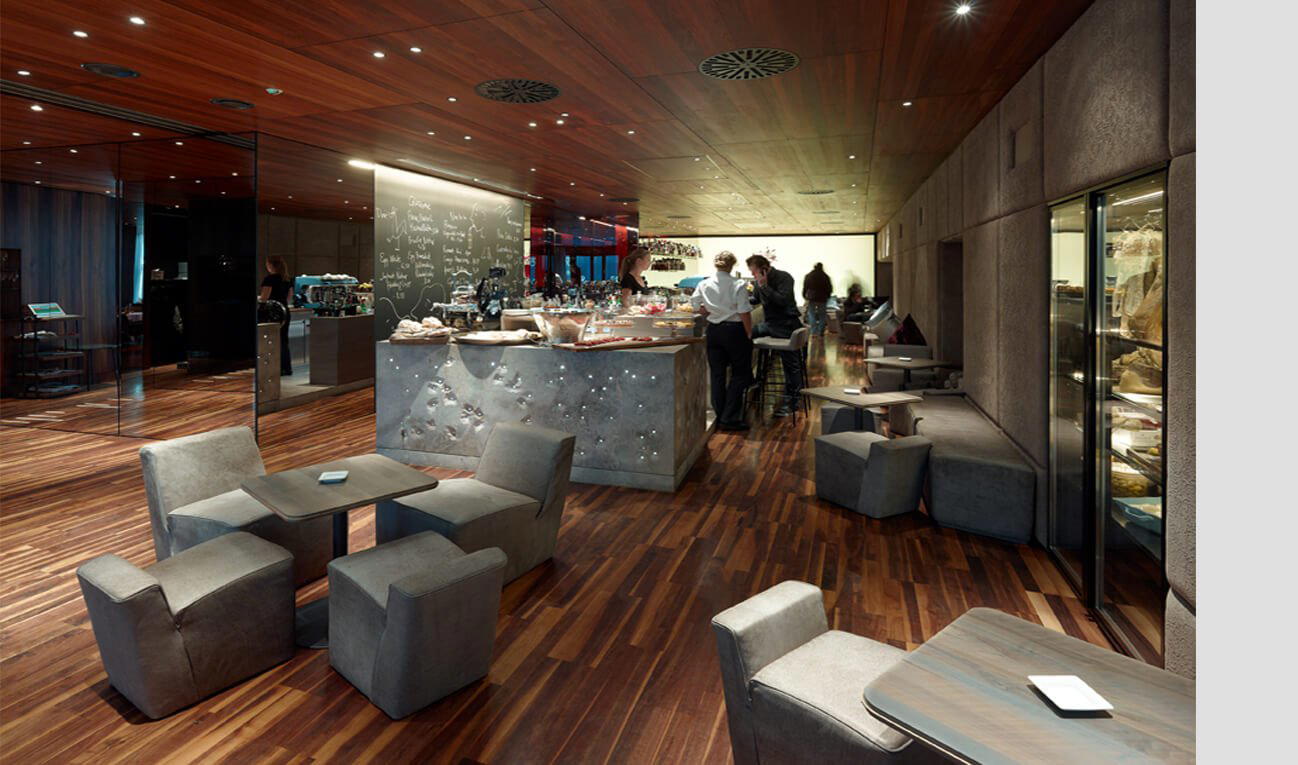
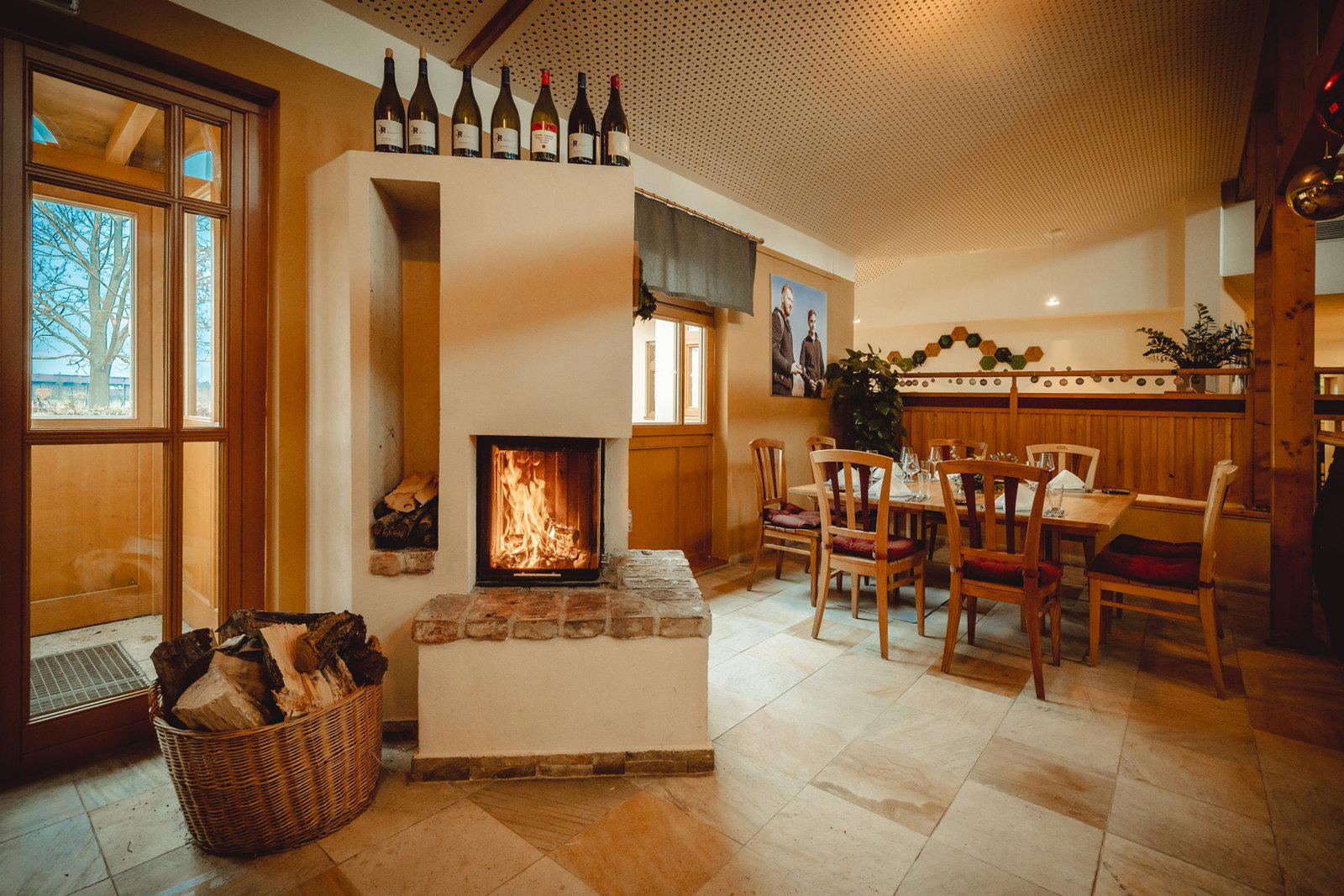
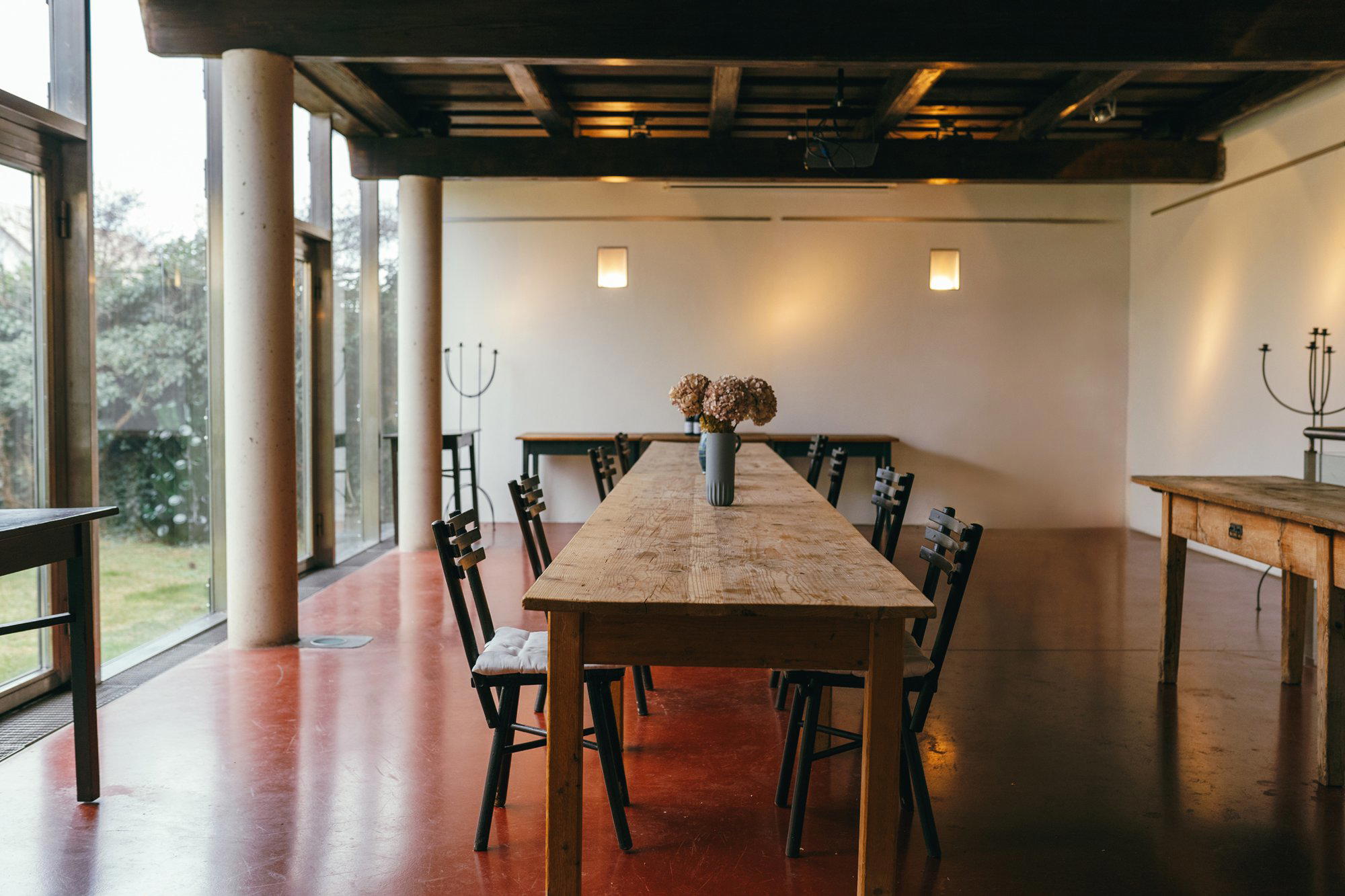
Stylish and charming French atmosphere with clean, high-quality interior, well-suited for a cozy yet elegant dining experience.