On a quiet residential stretch of the 9th district, MoKo LAB occupies a position in Vienna's experimental dining tier where format discipline and collaborative kitchen culture matter more than conventional credentials. The address on Lustkandlgasse places it away from the tourist circuit, in a neighbourhood where the city's younger creative scene increasingly eats. For visitors already tracking Vienna's progressive restaurants, it warrants attention.
Pearl is the En Primeur Club membership app — saves, bookings, and concierge access live there. Same editors, same standards.
- Address
- Lustkandlgasse 6, 1090 Wien, Austria
- Phone
- +4366488907399
- Website
- mokolab.at
- Directions
- Get directions
 Saves & bookings on Pearl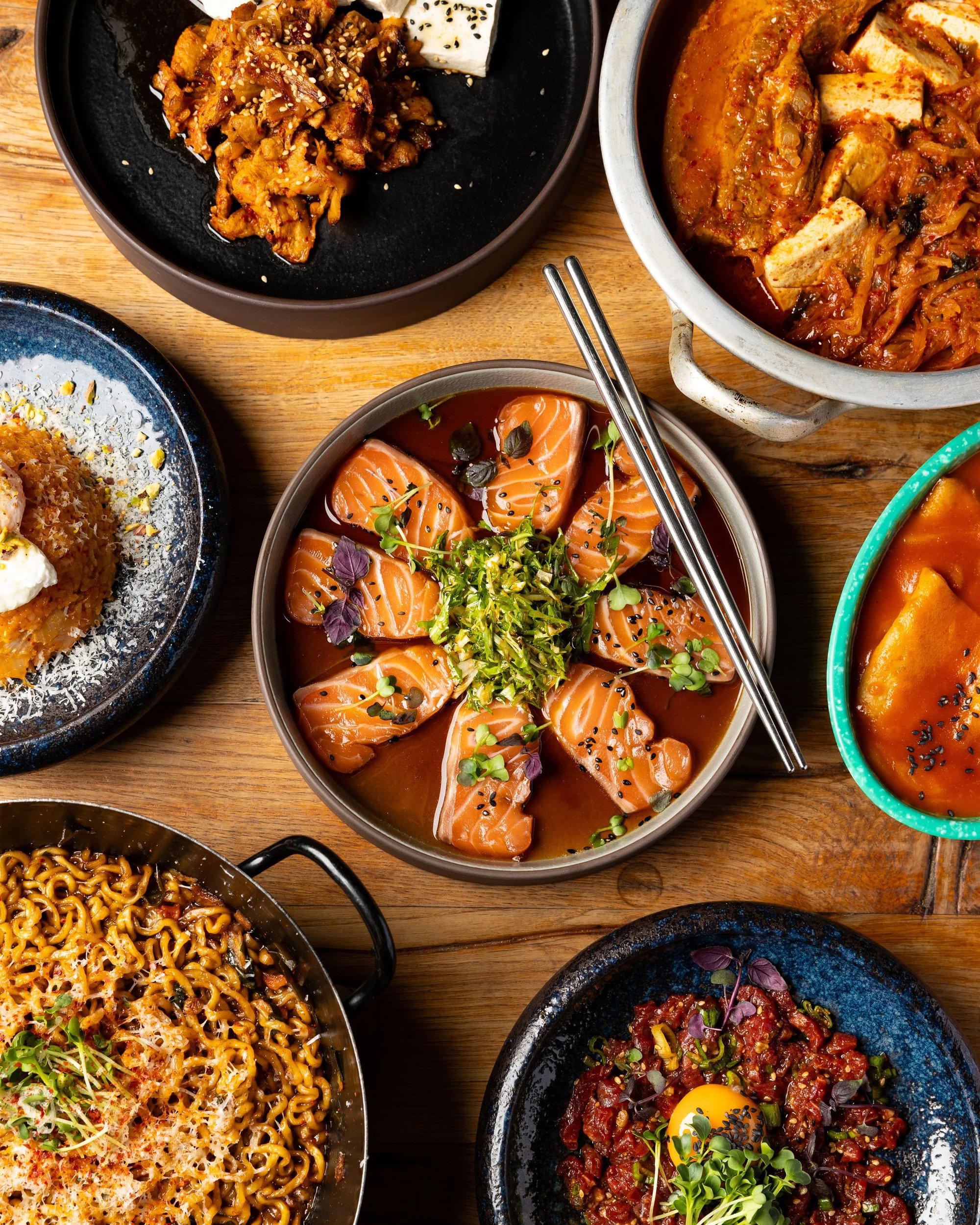
Vienna's 9th District and the Shift Toward Laboratory Dining
The Alsergrund district, Vienna's 9th, has spent the better part of a decade quietly repositioning itself. While the 1st and 7th districts handle the bulk of the city's formal dining traffic, the 9th has attracted a different kind of operator: smaller, more experimental, less interested in the Michelin pageantry that drives bookings at places like Steirereck im Stadtpark or Amador. MoKo LAB is a restaurant in Vienna's 9th district at Lustkandlgasse 6. The street is residential without being remote, close enough to the Währinger Strasse axis to draw foot traffic but quiet enough that its addresses tend to reward deliberate planning rather than impulse visits.
MoKo LAB is part of a category that has emerged across several European cities over the last few years: restaurants that frame themselves as ongoing projects, where the format is subject to revision and the kitchen operates with the logic of a working studio rather than a fixed production line. In Vienna's context, that positions it outside the classical Austrian fine-dining tradition represented by operators like Mraz & Sohn and closer to the more process-visible end of the creative spectrum.
The Collaborative Model Behind Laboratory Formats
What distinguishes the laboratory-format restaurant from a conventional creative tasting menu operation is the degree to which the seams of collaboration are left visible. At most formal venues, the division between kitchen, floor, and wine program is managed to feel seamless, almost theatrical. At a venue operating under a LAB designation, the dynamic tends to be different: guests are more likely to encounter the logic of a dish explained in process terms, a wine pairing framed as a current preference rather than a fixed pairing decision, and front-of-house staff who speak with more technical fluency than is typical in traditional service cultures.
Vienna has a particular context for this. The city's fine dining establishment, anchored by addresses like Konstantin Filippou and the broader Michelin-tracked tier, maintains a high standard of service formality. Venues operating outside that register have to define their own language for hospitality, and the team dynamic becomes the primary way guests read quality. When a sommelier articulates why a particular Austrian Grüner Veltliner from the Wachau works against a given preparation, or when a front-of-house team member can walk through the technique behind a dish with the same fluency as the kitchen, that coherence signals a level of internal communication that takes time to build. It is, in practice, a harder thing to sustain than a polished service script.
Across Austria, the venues where this kind of cross-disciplinary team culture has produced particularly consistent results tend to be smaller operations: Doubek in Vienna, or outside the capital, addresses like Obauer in Werfen and Landhaus Bacher in Mautern an der Donau, where the scale keeps the team in closer daily contact. MoKo LAB's Alsergrund address suggests a similar logic of scale: small enough that the collaboration between kitchen and floor is not mediated by management layers.
What the Address Tells You About the Positioning
Location in this part of Vienna carries its own set of signals. The 9th district is home to the university hospital complex, the Votivkirche, and a demographic mix that skews toward academics, medical professionals, and the kind of local resident who is more interested in eating well than in being seen. It is not the address of a venue chasing international press attention in the way that some 1st district openings are structured to do. That geography tends to self-select a guest profile: people who have done some research, who found the restaurant through a recommendation or a specific search rather than passing the door on a tourist walk.
For comparison, the trajectory of similar laboratory-format operations in other cities is instructive. In New York, venues like Atomix have demonstrated that a research-and-development framing can coexist with a high level of formal recognition. In Paris and Copenhagen, the LAB designation has been used by everything from genuinely experimental kitchens to marketing exercises. Vienna's version of this format, still relatively rare in the city, has yet to fully settle into a recognisable tier, which means individual venues within it carry more interpretive ambiguity than a Michelin-tracked address would.
Austrian Fine Dining Beyond Vienna: The Wider Context
Understanding where the restaurant sits within Vienna's scene is easier when the broader Austrian restaurant geography is visible. The country's most decorated formal dining operates partly outside the capital: Ikarus in Salzburg runs a rotating guest-chef format that is structurally unusual anywhere in Europe. Griggeler Stuba in Lech and Gourmetrestaurant Tannenhof in Sankt Anton am Arlberg serve high-altitude alpine dining with serious wine programs. Döllerer in Golling an der Salzach has built a reputation around Alpine-sourced ingredients that influences kitchens well beyond Salzburg. Kräuterreich by Vitus Winkler in Sankt Veit im Pongau and Schwarzer Adler in Hall in Tirol extend the country's regional fine dining footprint further. Ois in Neufelden and Restaurant 141 by Joachim Jaud in Mieming represent the more rural end of Austria's serious dining spectrum. For a full view of Vienna's restaurant tier, see our full Vienna restaurants guide.
Vienna's experimental operators, by contrast, tend to cluster in the inner districts and draw on a different set of references, more central European modernist, more influenced by the Nordic wave of the 2010s, and more likely to frame ingredients in terms of provenance and process than the classical French-Austrian hybrid that defined the city's formal dining for most of the 20th century.
Planning a Visit
| Venue | Area | Format | Price Tier | Booking Lead Time |
|---|---|---|---|---|
| The restaurant | 9th District, Vienna | Experimental / Laboratory | Not confirmed | Not confirmed |
| Steirereck im Stadtpark | 3rd District, Vienna | Creative fine dining | €€€€ | Several weeks minimum |
| Mraz & Sohn | 20th District, Vienna | Modern Austrian / Creative | €€€€ | Several weeks minimum |
| Konstantin Filippou | 1st District, Vienna | Modern European | €€€€ | Several weeks minimum |
How It Stacks Up
Comparable venues nearby, for context on price, style, and recognition.
| Venue | Cuisine | Price | Notes |
|---|---|---|---|
| MoKo LABThis venue — the venue you are viewing | Modern Korean Midnight Pub | $$ | Not listed |
| dodo62 | Authentic Korean Street Food | $$ | Josefstadt |
| HAN am Stadtpark | Korean Soul Food | $$ | Staatsoper |
| Sura | Korean BBQ & Japanese | $$ | Innere Stadt |
| Yori | Korean BBQ | $$ | Landstrasse |
| Honu Tiki Bowls | Hawaiian Poke Bowls | $$ | Inner City |
Continue exploring
More in Vienna
Restaurants in Vienna
Browse all →
Bars in Vienna
Browse all →

Hotels in Vienna
Browse all →
At a Glance
- Lively
- Trendy
- Cozy
- Casual Hangout
- Late Night
- Group Dining
- After Work
- Standalone
- Open Kitchen
- Beer Program
- Sake Program
Current opening hours
- Monday
- Closed
- Tuesday
- 6–11 PM
- Wednesday
- 6–11 PM
- Thursday
- 1:30 AM–11 PM
- Friday
- 6–11 PM
- Saturday
- 6 PM–12 AM
- Sunday
- Closed
Hours can change for holidays and private events. Last verified .
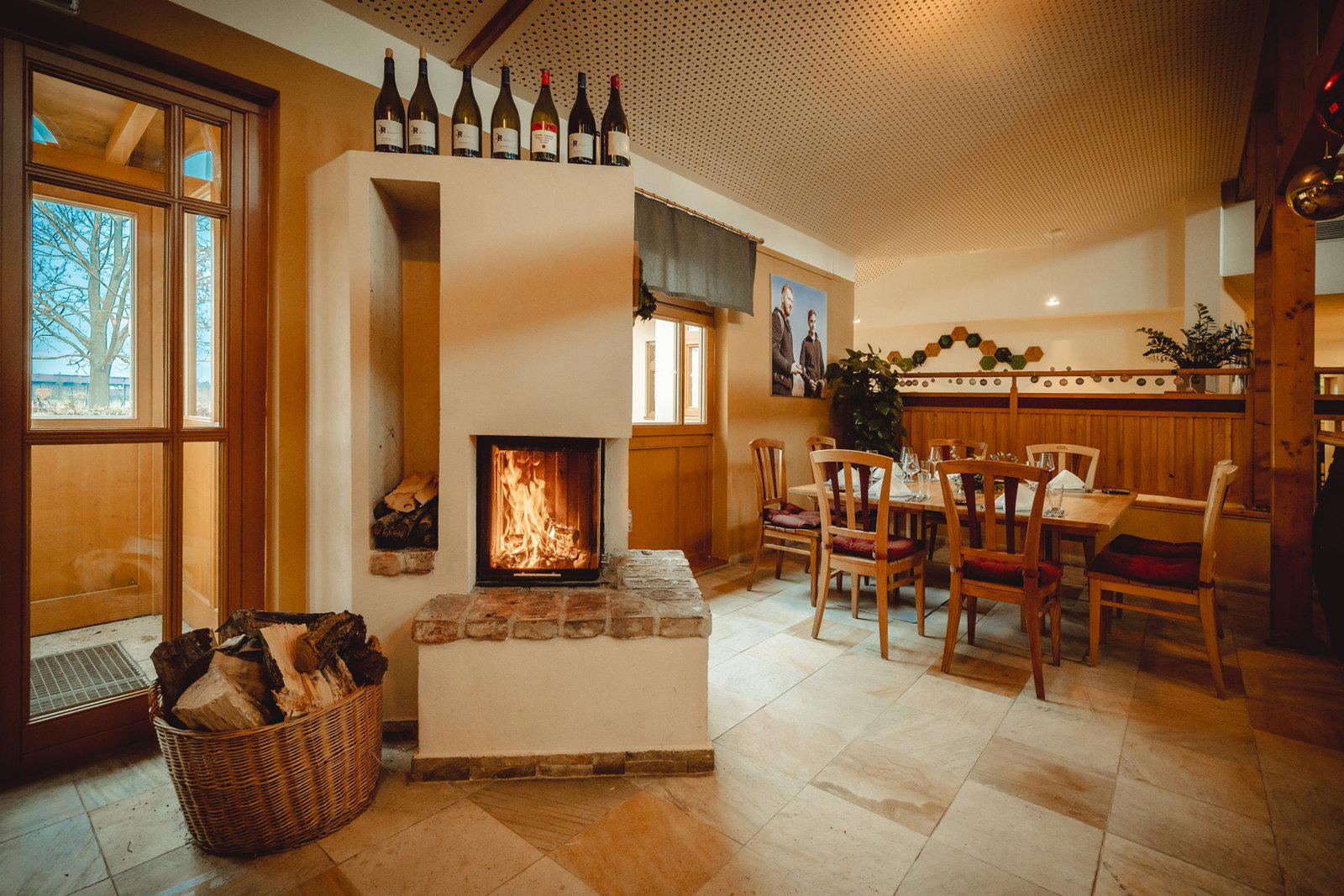
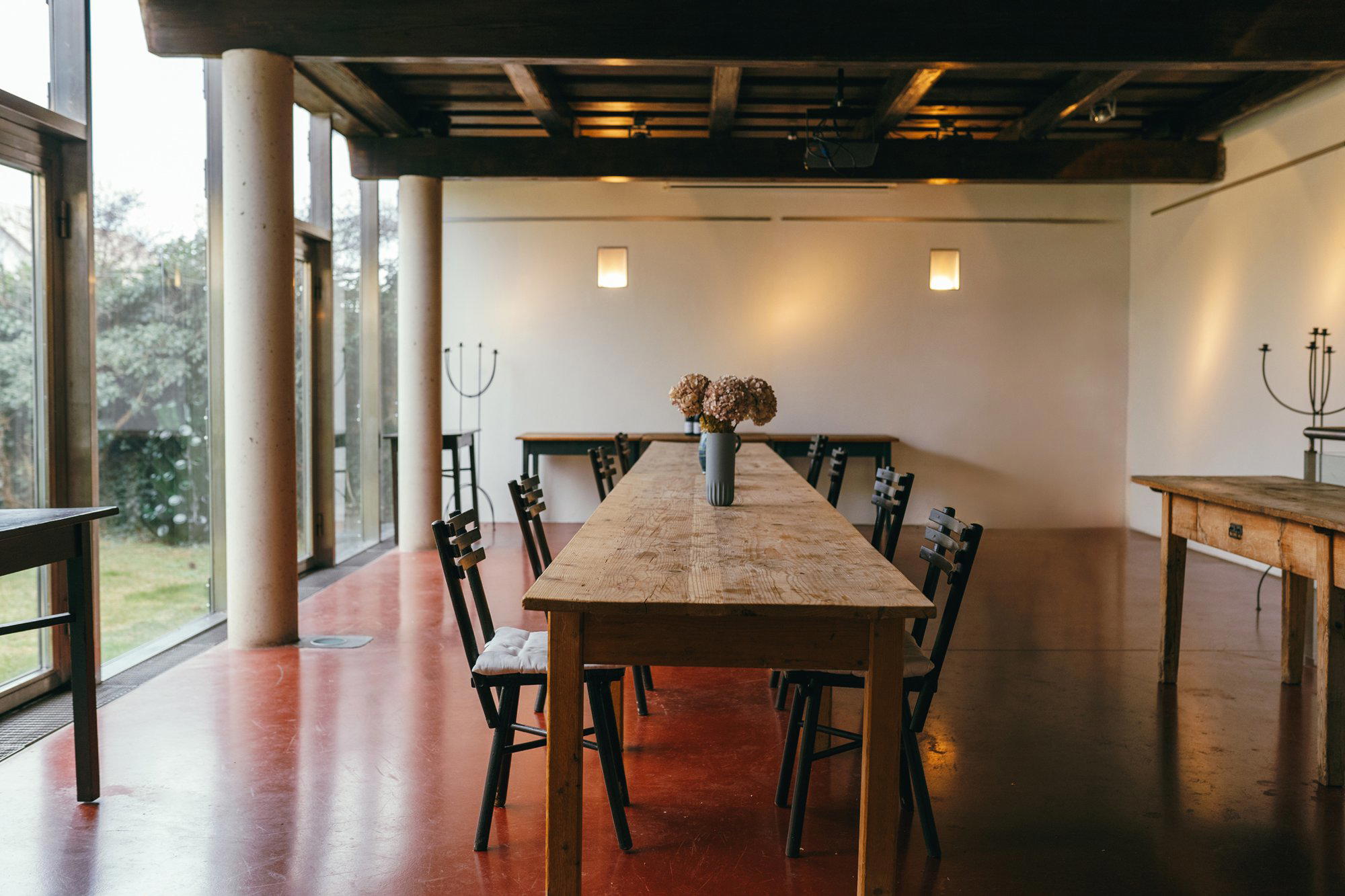
Cozy and intimate atmosphere blending Korean tradition with modern design, creating a distinctive late-night dining experience in the heart of Vienna.