Bouvier occupies a considered address at Rudolf-Sallinger-Platz 1 in Vienna's third district, positioning itself within a city where the gap between classical Austrian cooking and precision-driven modern technique has narrowed considerably. The kitchen works at the intersection of indigenous Austrian produce and methods imported from the broader European fine-dining tradition, placing it in a comparable set that includes several of the capital's most closely watched tables.
Pearl is the En Primeur Club membership app — saves, bookings, and concierge access live there. Same editors, same standards.
- Address
- Rudolf-Sallinger-Platz 1, 1030 Wien, Austria
- Phone
- +434313800955
- Website
- thehoxton.com
- Directions
- Get directions
 Saves & bookings on Pearl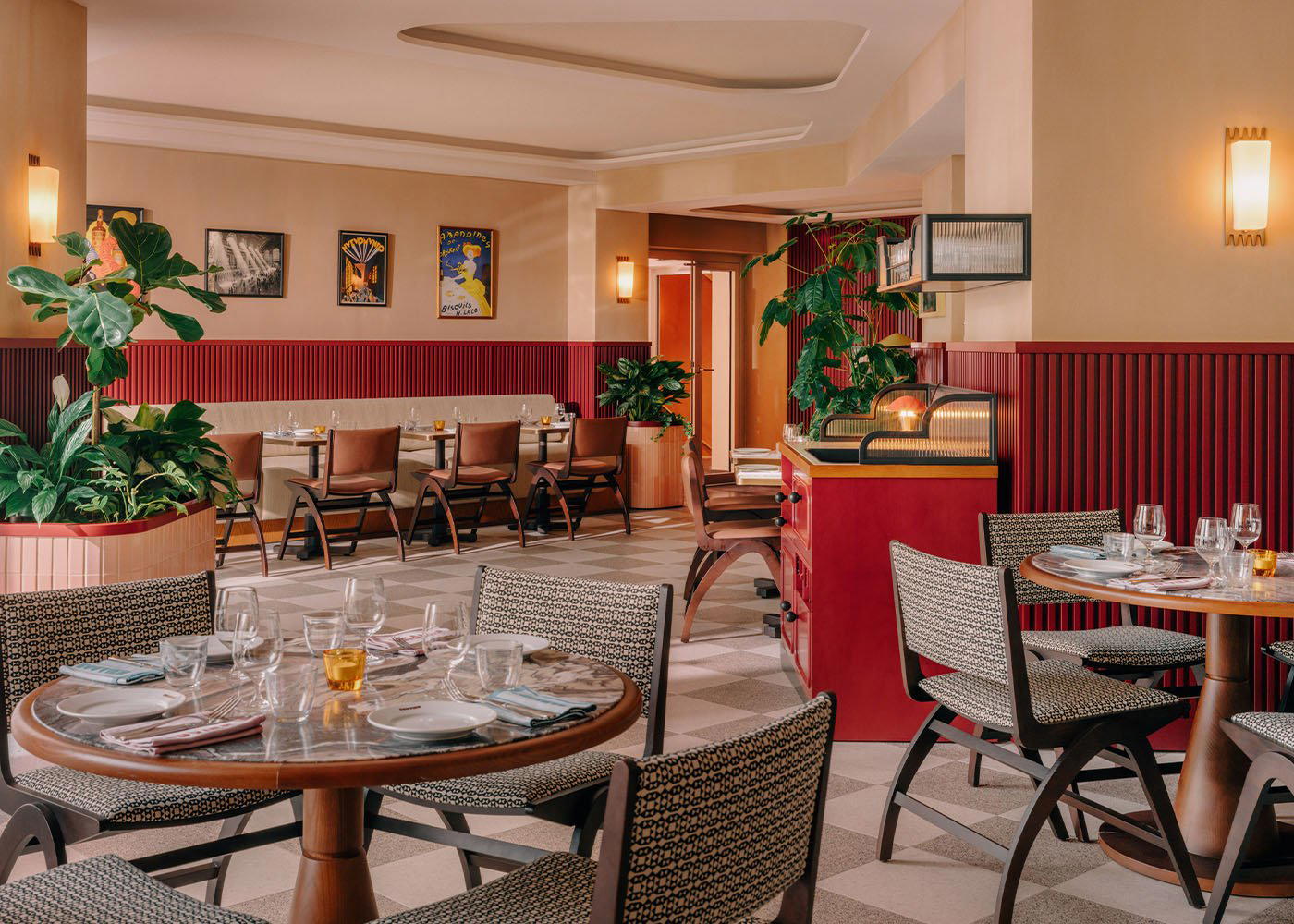
Vienna's Third District and the Fine-Dining Geography That Shapes It
The first district draws tourists and occasion diners; the areas around the Naschmarkt attract a younger, more experimental crowd; and the third district, home to the Belvedere complex and a string of embassies, has become a quieter staging ground for restaurants that prefer their reputation to precede them. Rudolf-Sallinger-Platz 1 sits within that zone, an address that signals intent without relying on footfall. Bouvier operates here, and the location itself is an editorial statement about who the kitchen expects to walk through the door.
That geography matters because it shapes the competitive set. Across Vienna, the upper tier of modern restaurants has converged on a broadly similar format: tasting menus, a fixed number of covers, kitchens drawing on both Austrian pantry depth and technique absorbed from French, Nordic, or Japanese traditions. Steirereck im Stadtpark anchors the high end of that format from its Stadtpark pavilion. Konstantin Filippou works modern European precision from the first district. Mraz & Sohn and Amador occupy the creative end of the same bracket. Bouvier enters a field that is neither empty nor forgiving.
Local Ingredients, Imported Method: The Defining Frame
The generative tension in contemporary Austrian cooking is not between tradition and modernity, that argument was settled some time ago in favour of coexistence, but between what the country's producers supply and what internationally trained kitchens choose to do with it. Austria's ingredient base is formidable: game from the Alpine foothills, freshwater fish from rivers that still run cold and clean, root vegetables and wild herbs from forested regions that have never fully industrialised, dairy from mountain farms whose seasonal rhythms are still dictated by altitude. The challenge for any kitchen working at this level is whether the technique applied to those ingredients serves or overwhelms them.
This is the frame through which Bouvier is most usefully read. The address in the third district, the format of the room, and the level at which the restaurant positions itself all point toward a kitchen operating with precision tools, the kind of technical vocabulary built from exposure to European fine dining beyond Austria's borders. What distinguishes the more interesting restaurants in this register, whether in Vienna or elsewhere, is the degree to which that technical fluency amplifies rather than replaces the character of the raw material. Doubek, also in Vienna, navigates a version of this same question from a different angle. Outside the capital, Döllerer in Golling an der Salzach has made Austrian alpine produce the explicit centre of its identity, while Landhaus Bacher in Mautern an der Donau grounds its cooking in the Danube valley's specific terroir. Bouvier occupies the urban end of this broader national conversation.
How the Room Reads
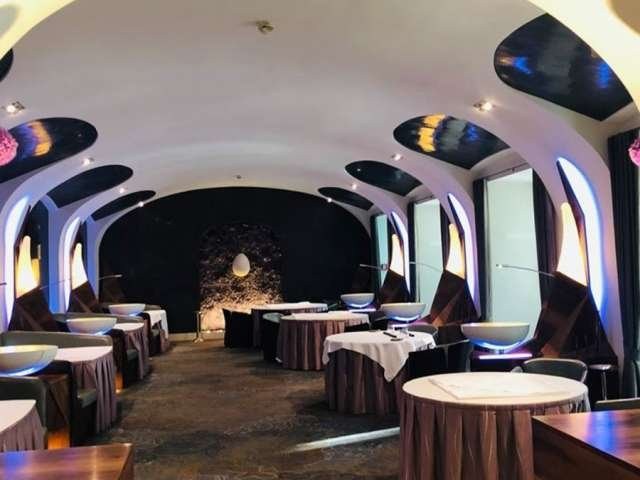
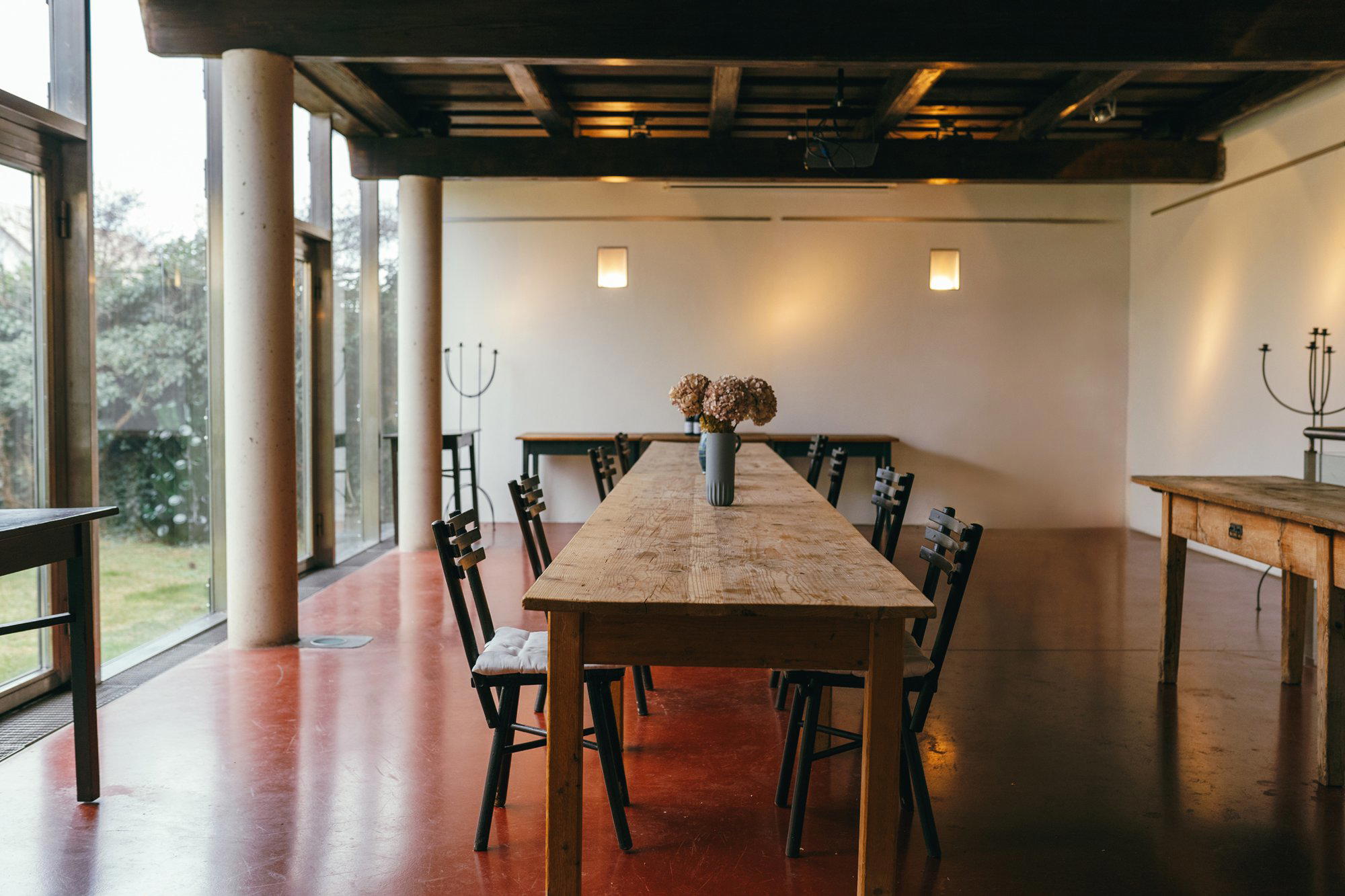
Fine-dining rooms in Vienna tend to fall into two types: the grand imperial register, all high ceilings and gilded weight, and the deliberately spare modern interior that signals a break with that inheritance. The third district's restaurant addresses lean toward the latter. Spaces here are sized for focus rather than spectacle, and the architecture of the meal is expected to carry the evening rather than the room's own history. That restraint is a deliberate choice in a city where the alternative is immediately legible to anyone who has eaten at the older guard of Viennese establishments.
What this means in practice is that arrival at Bouvier involves an environment calibrated around the table rather than around the building. The pacing of service, the weight of the glassware, the sequencing of a tasting format, these become the primary sensory registers when the room itself withholds theatrical distraction. Across the cities where this approach has taken hold, from Copenhagen to Tokyo to San Francisco, where restaurants like Lazy Bear have built reputations on format discipline, the logic is consistent: when the room steps back, the food has to step forward.
Austria's Fine-Dining Geography Beyond Vienna
Understanding where Bouvier sits requires some sense of how Austrian serious cooking distributes itself across the country. Vienna concentrates particularly internationally visible tables, but the provinces hold kitchens with deeper roots in specific regional produce. Obauer in Werfen has operated for decades with a kitchen built around Salzburg region ingredients. Kräuterreich by Vitus Winkler in Sankt Veit im Pongau takes herb-forward Alpine cooking to a specialist pitch. Gourmetrestaurant Tannenhof in Sankt Anton am Arlberg and Stüva in Ischgl serve a high-spending resort clientele with menus that meet international expectations while remaining anchored to Tyrolean produce. Schwarzer Adler in Hall in Tirol, Ois in Neufelden, Restaurant 141 by Joachim Jaud in Mieming, and Taubenkobel in Schützen am Gebirge each represent distinct regional positions within a country that has, over the past two decades, developed a serious fine-dining infrastructure well outside its capital.
Vienna's leading tables operate in a different register: they are competing against international comparable venues as much as domestic ones. A kitchen at this address is measured not only against Steirereck or Mraz & Sohn but against three-star references in Paris, the technical programmes at fish-focused rooms like Le Bernardin in New York City, and whatever the current consensus holds as the benchmark for precision cooking on a European tasting menu. That is the ambient pressure under which Bouvier operates, and it is not incidental to how the kitchen makes decisions.
What to Order, Booking Logistics, and Reputation
The kitchen's positioning within the local-ingredients-global-technique tradition that defines the more ambitious end of Vienna's restaurant scene is one reliable guide to what to expect: Austrian produce handled with formal precision, and a service approach calibrated to the room's size rather than volume throughput.
Reservations are recommended.
Know Before You Go
- Address: Rudolf-Sallinger-Platz 1, 1030 Wien, Austria
- District: Third district (Landstraße), near the Belvedere
- Format: Fine dining; tasting menu format expected at this price tier
- Booking: Advance reservation recommended
- Season: Spring and autumn offer the widest range of Austrian seasonal produce
- comparable set: Comparable to Steirereck, Konstantin Filippou, Mraz & Sohn within Vienna's top tier
Price and Recognition
Comparable venues nearby, for context on price, style, and recognition.
| Venue | Cuisine | Price | Notes |
|---|---|---|---|
| BouvierThis venue — the venue you are viewing | Not listed | $$$ | Not listed |
| Le Pic Brasserie | Staatsoper, Oriental-French Brasserie | $$$ | Not listed |
| Mon Cher | Not listed | $$$$ | Hofburg, Modern French with Mediterranean and Japanese influences |
| Ma Belle | Hofburg, French Bistro | $$ | Not listed |
| Cafe Francais | Inner City, French Bistro | $$ | Not listed |
| Chuan | Staatsoper, Contemporary Chinese Cuisine | $$$ | Not listed |
Continue exploring
More in Vienna
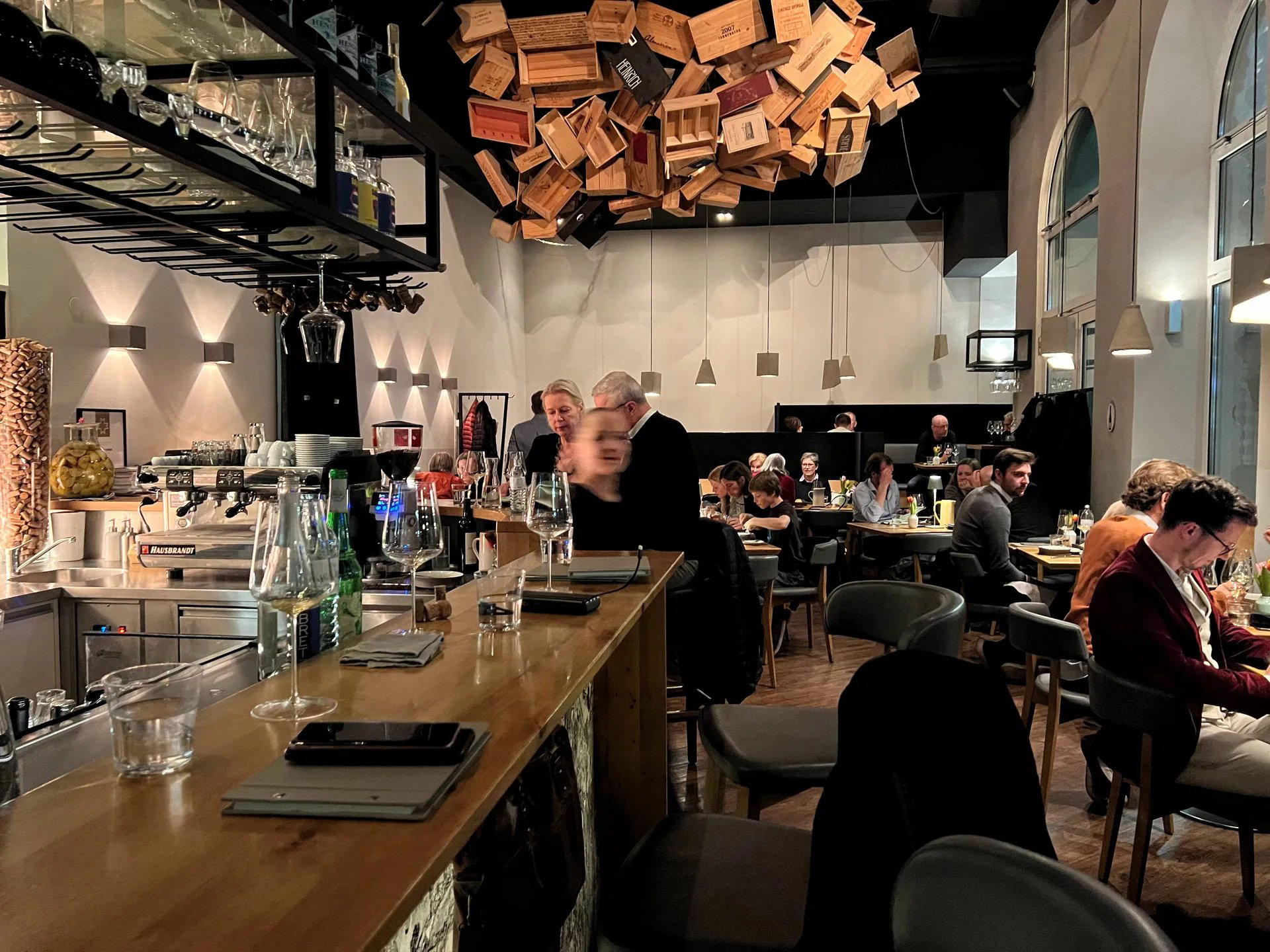
Restaurants in Vienna
Browse all →
Bars in Vienna
Browse all →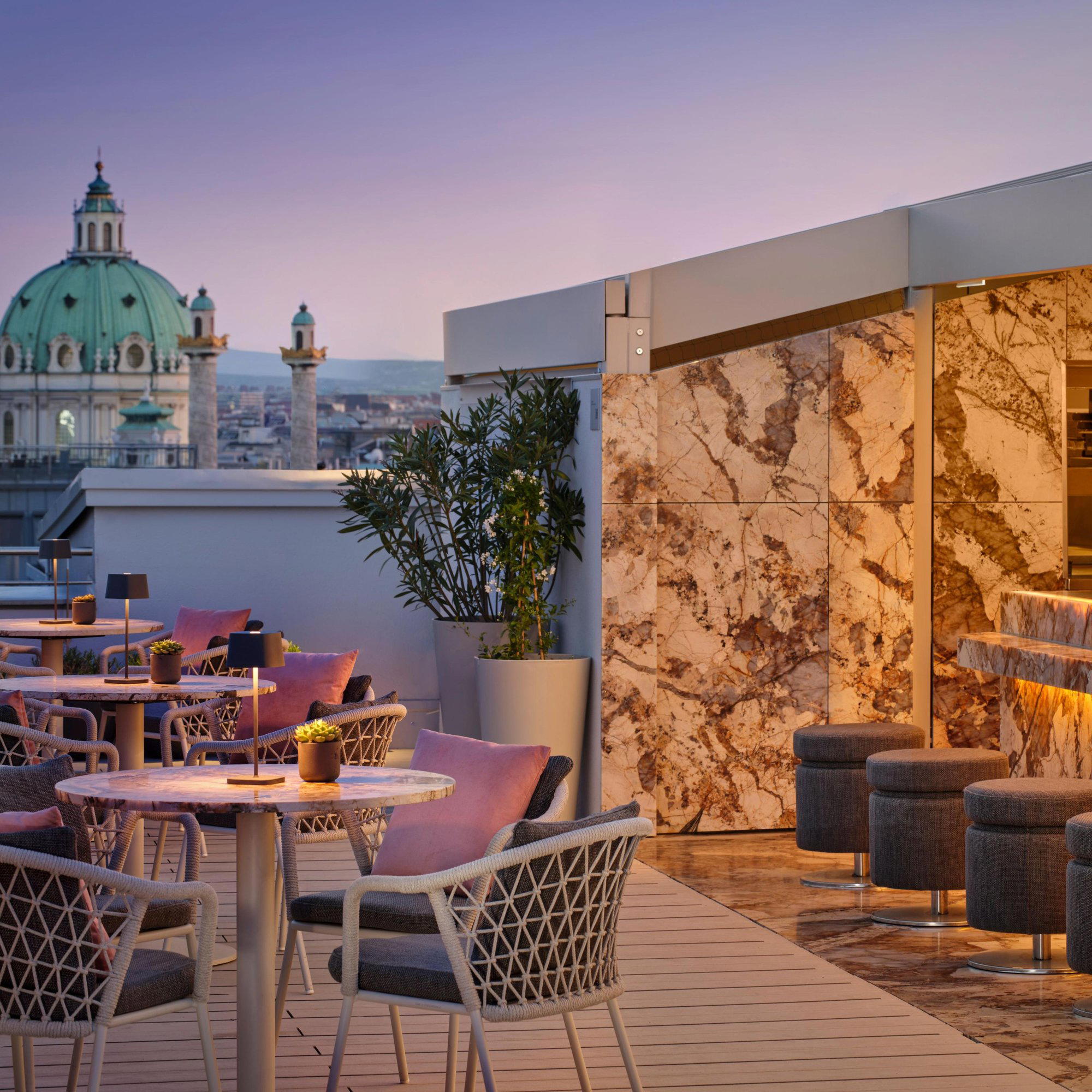
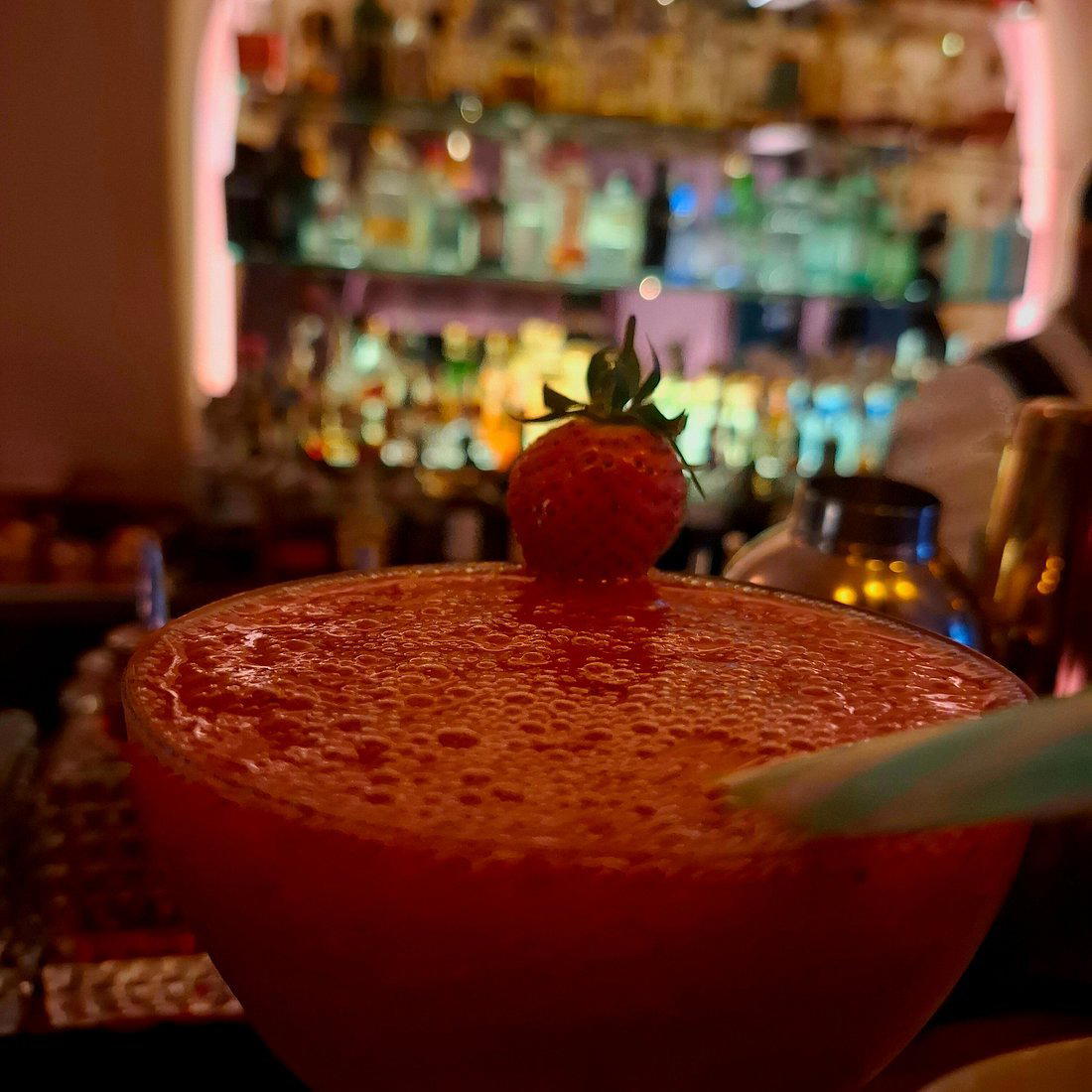
Hotels in Vienna
Browse all →
At a Glance
- Modern
- Cozy
- Trendy
- Elegant
- Brunch
- Date Night
- Casual Hangout
- Open Kitchen
- Hotel Restaurant
- Natural Wine
- Craft Cocktails
- Local Sourcing
Current opening hours
- Monday
- 7–10:30 AM, 12–3 PM, 6–10:30 PM
- Tuesday
- 7–10:30 AM, 12–3 PM, 6–10:30 PM
- Wednesday
- 7–10:30 AM, 12–3 PM, 6–10:30 PM
- Thursday
- 7–10:30 AM, 12–3 PM, 6–10:30 PM
- Friday
- 7–10:30 AM, 12–3 PM, 6–10:30 PM
- Saturday
- 7–11 AM, 12–4 PM, 6–10:30 PM
- Sunday
- 7–11 AM, 12–4 PM, 6–10:30 PM
Hours can change for holidays and private events. Last verified .
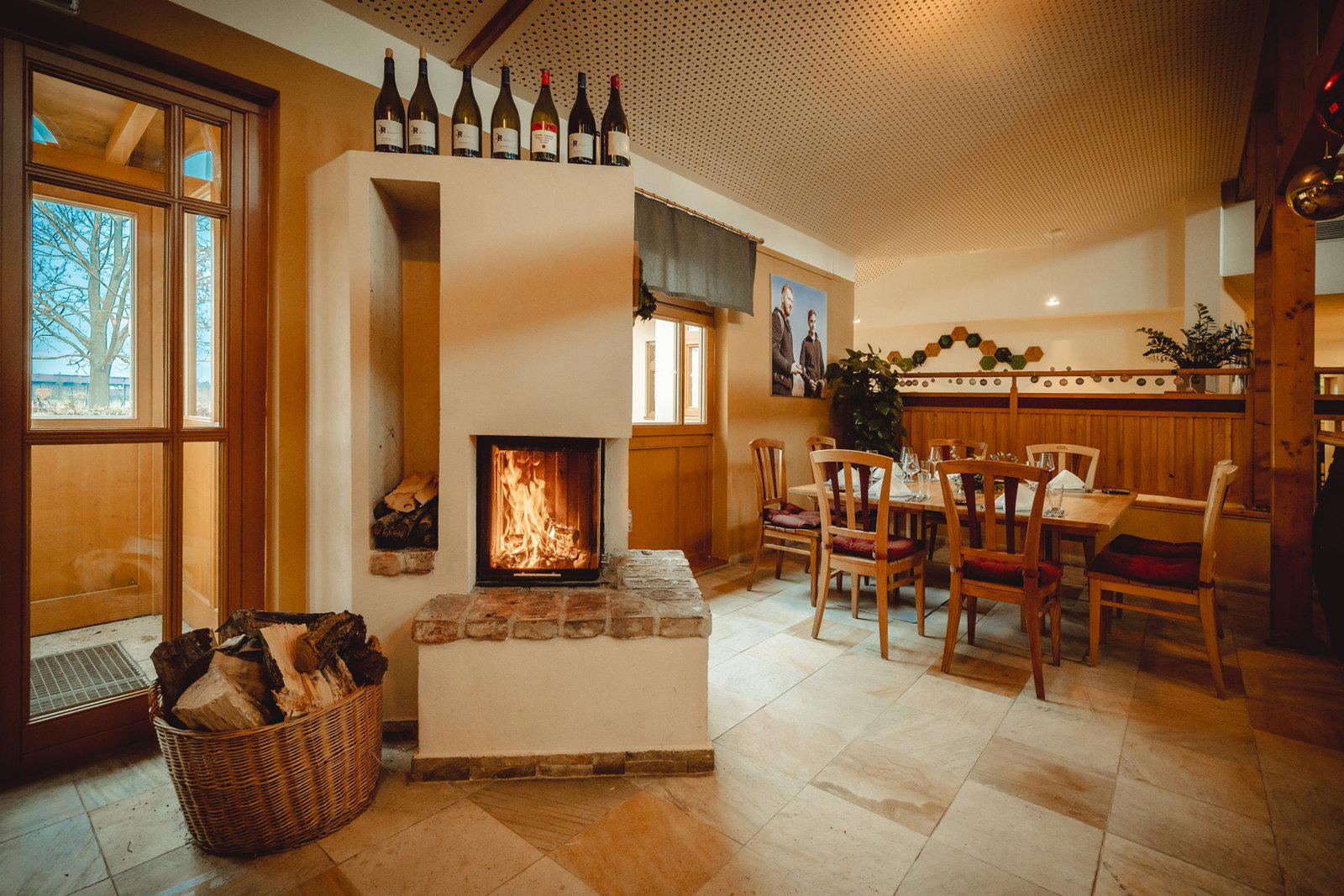
Bold space with checkerboard terrazzo floor, deep red wall panelling, 1950s-inspired seating, and lively open kitchen.