Butterworth's
On Pennsylvania Avenue SE, Butterworth's occupies a stretch of Capitol Hill where political geography and neighbourhood dining intersect. The address alone signals a particular kind of Washington restaurant: close enough to the Hill to draw a working crowd, rooted enough in the residential blocks behind it to cultivate regulars. What emerges is a dining room shaped as much by its surrounding community as by what arrives on the plate.
 Discover on Pearl
Pearl is the En Primeur Club membership app — saves, bookings, and concierge access live there. Same editors, same standards.
- Address
- 319 Pennsylvania Ave. SE, Washington, DC 20003
- Phone
- +12026217525
- Website
- butterworths.club
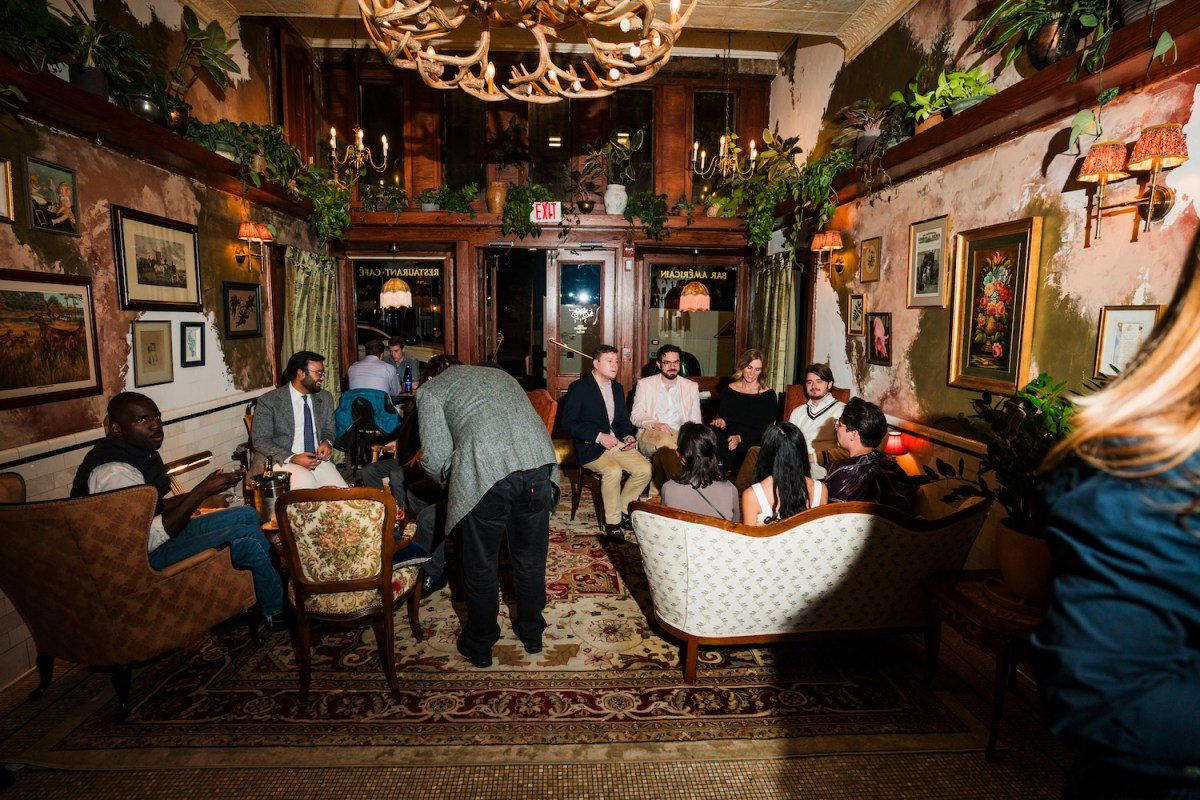
Capitol Hill's Dining Register and Where Butterworth's Sits
Pennsylvania Avenue SE runs a different course than its famous northwest counterpart. Between the Capitol grounds and the residential blocks of Capitol Hill, a string of restaurants has developed that serves two overlapping communities: the legislative and policy world that clocks out when votes end, and the long-established neighbourhood that has its own expectations about where to eat on a Tuesday. Butterworth's address at 319 Pennsylvania Ave. SE places it squarely inside that dual audience, in a corridor where the dining room doubles as civic infrastructure.
Washington's broader restaurant scene has fractured into recognisable tiers over the past decade. At the upper end, tasting-menu formats and ingredient-led cooking have produced places like Jônt and minibar, where the counter format and prix-fixe structure demand a particular kind of commitment from the diner. A parallel tier, represented by spots like Oyster Oyster and Causa, has built strong identities around a single cuisine lens or sourcing ethos without requiring the full ceremony of a tasting menu. Butterworth's is a French Bistro in Capitol Hill, Washington, DC, with a 4.4 Google rating and an average spend of about $50 per person.
The Physical Environment: What the Address Communicates
The Pennsylvania Avenue SE address carries its own architectural logic. Capitol Hill rowhouses and converted commercial fronts define the streetscape, and restaurants here tend to read as part of the block rather than apart from it. There is no buffer of valet lanes or hotel lobbies. The approach is on foot from the Eastern Market Metro or from the surrounding residential streets, which shapes the pace of an evening before the door opens. Diners arrive having already been in the neighbourhood, not having been transported to it.
This kind of physical embeddedness matters to how a room feels. The restaurants that have lasted on this stretch are ones where the design doesn't overreach the block's scale, where the street-level windows keep the interior connected to the passing city. That relationship between building and street is part of what separates neighbourhood anchors from destination venues that happen to have a Capitol Hill zip code.
Team Dynamics and the Collaborative Dining Room
The strongest Capitol Hill restaurants in this price tier tend to succeed when kitchen, floor, and wine program move as a coordinated unit rather than as separate departments. At the tier where Butterworth's competes, the dining room is small enough that a single weak link in front-of-house execution becomes visible within the first twenty minutes of service. This is the environment where sommelier and floor presence aren't decorative; they determine whether a table leaves having had a meal or having had an experience worth discussing.
The model worth examining, in Washington and across comparable American cities, is the one where the front-of-house team reads the table before the kitchen sends the first course, where wine suggestions arrive with enough specificity to be useful and enough restraint not to feel like a sales pitch. Smyth in Chicago and Single Thread Farm in Healdsburg have demonstrated that the team dynamic at this scale is a primary driver of overall quality perception, sometimes more than any individual dish. Atomix in New York City has taken this further still, building a front-of-house narrative structure that functions almost as a co-author of the tasting menu itself.
For Capitol Hill diners, that collaborative model plays out inside the realities of the neighbourhood: tables turn at a pace that accommodates people who have votes in the evening or morning school runs to consider. A room that can calibrate service rhythm to the diner rather than to a fixed production clock is doing something that requires genuine coordination between kitchen and floor.
The Capitol Hill Dining Conversation: Peers and Context
Butterworth's sits in a neighbourhood that has a longer dining memory than its recent attention might suggest. Capitol Hill's restaurant culture predates the city's current reputation for serious food, and the venues that have defined the area's identity have generally done so through consistency and neighbourhood loyalty rather than through awards cycles. That contrasts with the northwest quadrant, where Michelin recognition and press attention have compressed into a smaller geography.
The comparison to places like Albi, which occupies the $$$$ tier in D.C. with a distinct Middle Eastern identity, or The Inn at Little Washington further into Virginia, illustrates how varied the region's upper-end dining has become. Nationally, the farm-integration model at Blue Hill at Stone Barns in Tarrytown and the seafood precision of Le Bernardin in New York City represent different poles of what American fine dining looks like when it reaches full expression. On the West Coast, The French Laundry in Napa and Providence in Los Angeles anchor their respective cities in ways that Capitol Hill restaurants, operating at a different scale and with a different audience, are not asked to replicate. Lazy Bear in San Francisco and Addison in San Diego demonstrate how the collaborative, intimate format scales across different city contexts. Even internationally, the sourcing discipline at Atelier Moessmer Norbert Niederkofler in Brunico sets a reference point for what regional commitment looks like at the highest level. And closer to home, Emeril's in New Orleans has long illustrated how a restaurant can anchor a neighbourhood identity over decades.
What these comparisons clarify is that Capitol Hill's dining identity is genuinely its own. The neighbourhood doesn't need to compete on the same terms as Penn Quarter or Georgetown. Its restaurants succeed when they read their specific community accurately and deliver against that reading with consistency.
Know Before You Go
Address: 319 Pennsylvania Ave. SE, Washington, DC 20003
Neighbourhood: Capitol Hill
Nearest Metro: Eastern Market (Blue/Orange/Silver Line)
Reservations: Contact the venue directly for current booking availability
Dietary needs: Confirm specific requirements directly with the restaurant ahead of your visit
Pricing: Not published; verify current pricing when booking
Hours: Confirm current service times directly with the venue
Recognition Snapshot
Comparable venues nearby, for context on price, style, and recognition.
| Venue | Cuisine | Price | Awards | Notes |
|---|---|---|---|---|
| Butterworth'sThis venue — the venue you are viewing | French Bistro | $$$ | , | |
| Bresca | Modern French-influenced bistronomy | $$$ | , | U Street Corridor |
| Brasserie Liberté | Modern French Brasserie | $$$ | , | West Village Georgetown |
| Central Michel Richard | French-American Bistro | $$$ | , | East End |
| Bistrot Du Coin | Classic French Bistro | $$ | , | Washington Heights |
| Old Europe | Authentic Bavarian German | $$$ | , | Observatory Circle |
Continue exploring
More in Washington DC
Restaurants in Washington DC
Browse all →
Bars in Washington DC
Browse all →
Hotels in Washington DC
Browse all →
At a Glance
- Cozy
- Lively
- Trendy
- Casual Hangout
- Date Night
- After Work
- Historic Building
- Craft Cocktails
- Local Sourcing
- Organic
- Street Scene
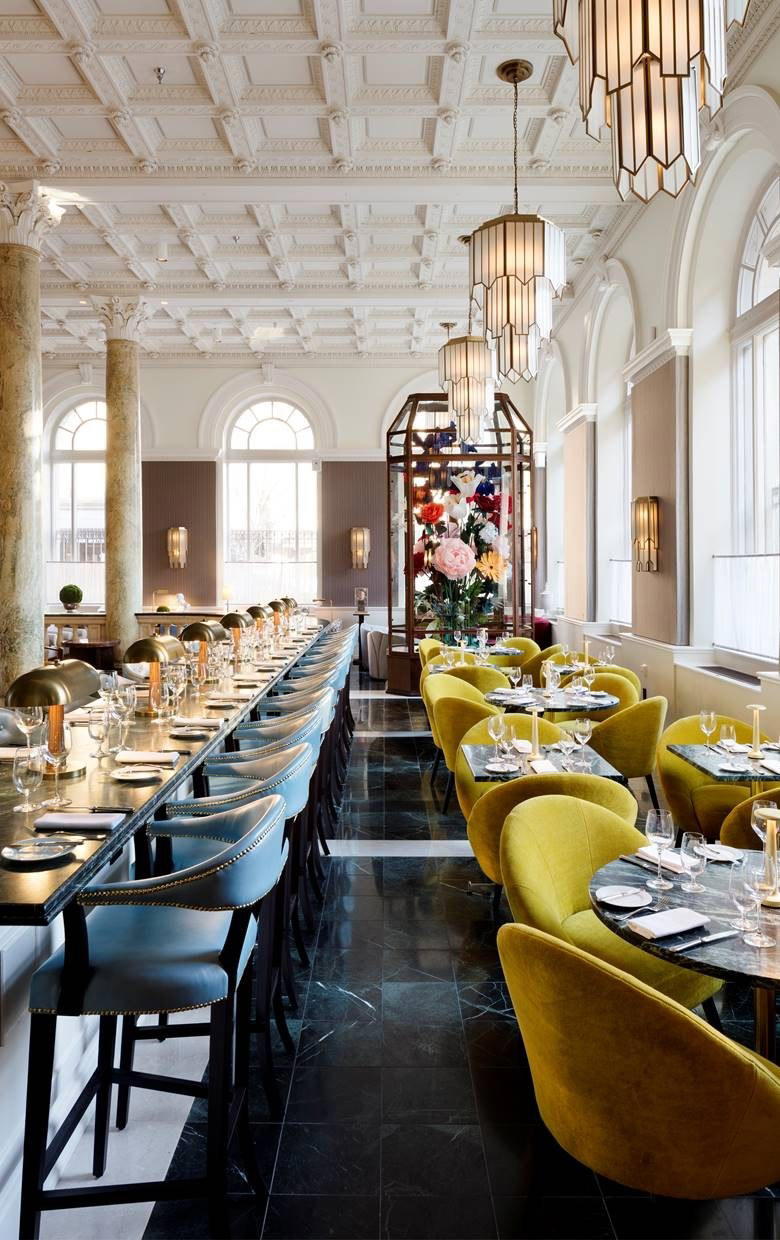
Cozy atmosphere with stunning bay windows, transitioning from daytime cafe lighting to evening bistro warmth.