Old Europe
Our verdict
One of Washington's longest-operating European dining rooms, Old Europe at 2434 Wisconsin Ave NW in Georgetown has anchored the neighborhood's dining scene through decades of political change and culinary evolution. Its longevity places it in a distinct category among D.C. institutions, where continuity of tradition carries as much weight as any single season's menu.

Pearl is the En Primeur Club membership app — saves, bookings, and concierge access live there. Same editors, same standards.
- Address
- 2434 Wisconsin Ave NW, Washington, DC 20007
- Phone
- (202) 333-7600
- Hours
- Mon–Tue ClosedWed–Thu 4–8 PMFri 4–9 PMSat 12–3 PM, 4–9 PMSun 12–7:30 PM
- Website
- old-europe.com
- Directions
- Get directions
The menu
What to order
- Schnitzel Old Europe
- Jagerschnitzel vom Kalb
- Schweinshaxe
- Sauerbraten
- Spaetzle
- Potato Pancakes
Georgetown's Dining Anchor and What It Tells You About European Tradition in Washington
Wisconsin Avenue in Georgetown has seen restaurants come and go across multiple presidential administrations. The dining rooms that survive that kind of institutional pressure tend to do so because they occupy a specific cultural role, not because they reinvent themselves every few years. Old Europe, at 2434 Wisconsin Ave NW, sits in that category: a European dining room that has outlasted trends precisely because its identity was never built around them. In a city where diplomatic dinners and neighborhood regulars coexist in the same dining room, that kind of stability carries real weight.
Georgetown itself functions as a self-contained dining district, distinct from the newer corridors developing in Shaw, Navy Yard, and the 14th Street stretch. Where those areas attract concept-driven openings with rotating chef talent, Georgetown's dining identity leans on continuity. Old Europe reads as a product of that neighborhood logic, a room where the architecture of the meal, the expectation of service, and the approach to the wine list have not been rebuilt from scratch each decade.
The Wine Angle: What a Long-Running European Room Signals About Its Cellar
European restaurants with genuine tenure in the United States tend to maintain wine lists that reflect the biases of their founding era, which can be either a liability or an asset depending on how the list has been managed. At the tier Old Europe occupies, the cellar depth is typically anchored in Old World categories, with German and Austrian bottles, French regionals, and classic Burgundy or Bordeaux references forming the backbone. This is not incidental. European dining rooms of this vintage understood wine as structural to the meal, not decorative, and their lists were built accordingly.
In the current D.C. dining environment, that approach places Old Europe in a different competitive frame than the city's newer generation of tasting-menu destinations. Restaurants like Jônt and minibar have built their wine programs around cutting-edge sommelier curation with significant natural wine representation and a global spread. A room like Old Europe represents the other pole: European lineage, classical pairing logic, and a list that rewards guests who know what they want rather than ones seeking discovery-led guidance. Neither approach is inherently superior, but they speak to fundamentally different dining intentions.
Across comparable American cities, European restaurants with similar tenures have learned that their wine lists function as institutional memory. The depth in those cellars sometimes yields bottles that simply are not available through contemporary distribution, which is the practical case for seeking them out.
Where Old Europe Sits in the D.C. Restaurant Conversation
Washington's dining scene has diversified considerably over the past decade. The Albi and Causa openings signaled a shift toward cuisine traditions that had been underrepresented in a city long dominated by steakhouses and European formats. Oyster Oyster planted a flag in the sustainable New American tier. In that context, a long-running German-European dining room functions as a counterpoint rather than a competitor to those addresses. It is not chasing the same guest.
The national frame is also useful. Restaurants like The French Laundry in Napa, Le Bernardin in New York, and The Inn at Little Washington have established that American diners support European fine dining traditions at the highest investment levels. Below that tier, restaurants like Old Europe occupy a middle ground where the value proposition is institutional comfort, consistency, and a European dining framework that does not require translation. That is a legitimate and durable market position in a city with as many European diplomatic and political connections as Washington carries.
For reference, other American cities sustain comparable rooms. Emeril's in New Orleans and Lazy Bear in San Francisco represent different expressions of longevity in local dining culture, though their culinary identities diverge sharply. The comparison is structural: rooms that have earned a consistent local following tend to develop a guest relationship that newer, concept-driven openings cannot replicate quickly. Across the country, from Alinea in Chicago to Blue Hill at Stone Barns, Providence in Los Angeles, Addison in San Diego, Single Thread Farm in Healdsburg, and Atomix in New York City, the restaurants that hold attention over decades are those with a defined sense of what they are. Old Europe has maintained that clarity in Georgetown for a tenure that few dining rooms in any American city match. Internationally, enduring European-style rooms like 8 1/2 Otto e Mezzo Bombana in Hong Kong demonstrate that appetite for classical European dining formats remains genuine across markets.
Planning a Visit: What to Know
- Address: 2434 Wisconsin Ave NW, Washington, DC 20007
- Neighborhood: Georgetown, Upper Wisconsin Ave corridor
- Booking: Contact the restaurant directly for reservation availability; Georgetown dining rooms at this tier book ahead on weekends
- Price tier: Consistent with Georgetown's mid-to-upper dining range; specific pricing should be confirmed at time of booking
- Getting there: Georgetown lacks a Metro stop; arriving by rideshare or parking on side streets off Wisconsin Ave is standard practice for the area
- D.C. context: For a full picture of Washington's dining options across price tiers and cuisine types, see our full Washington, D.C. restaurants guide
Frequently asked questions
How do I find Old Europe?
Old Europe is located at 2434 Wisconsin Ave NW, Washington, DC 20007, Washington, D.C..
How long has Old Europe been open in Georgetown, and what does that tell you about the restaurant?
Old Europe occupies 2434 Wisconsin Ave NW in Georgetown, a stretch of upper Wisconsin that has outlasted dozens of restaurants across multiple political administrations in Washington, DC. Longevity on that corridor is itself a credential in a city where dining rooms cycle quickly, signaling a core clientele committed enough to sustain a European dining room outside the more trafficked Penn Quarter and downtown routes. Restaurants with that kind of tenure in the US also tend to maintain wine lists shaped by the biases of their founding era, which can mean undervalued older European producers alongside the expected regional standbys.
What dish is Old Europe famous for?
Old Europe's reputation is built around Central European and German-influenced cooking, the category its name and decades-long Georgetown address on Wisconsin Ave NW both point toward. Expect preparations in the tradition of that canon: hearty braises, cured meats, and dishes that reflect the founding-era biases of European restaurants that established themselves in Washington before the city's dining scene diversified. Specific current menu items should be confirmed directly with the restaurant before visiting.
Do I need a reservation for Old Europe?
Georgetown restaurants with established local followings on Wisconsin Avenue typically fill Thursday through Saturday evenings with meaningful lead time, particularly in the fall and spring when the neighborhood draws both residents and visitors. Old Europe's tenure in the Georgetown dining corridor gives it a loyal repeat clientele, which puts weekend tables at a premium. Booking ahead by at least a week for weekend dining is advisable.
The Quick Read
Comparable venues nearby, for context on price, style, and recognition.
| Venue | Cuisine | Price | Awards | Notes |
|---|---|---|---|---|
| Old EuropeThis venue — the venue you are viewing | Authentic Bavarian German | $30–50 | Not listed | Not listed |
| Lincoln | Modern American Small Plates | Not listed | Not listed | East End, Modern American Small Plates |
| Mita | Modern Plant-Based Latin American | $100–150 | 1 Michelin Star · James Beard Award Semi Finalist | Shaw, Michelin-starred Latin American vegetable tasting menu |
| SUCCOTASH | Southern-Korean Fusion | $50–100 | Not listed | Penn Quarter, Southern-Korean Fusion |
| KYOJIN Sushi | Modern Japanese Sushi | $50–100 | Not listed | West Village Georgetown, Modern Japanese Sushi |
| Lupo Verde Osteria Palisades | Authentic Southern Italian Trattoria | $50–100 | Not listed | Berkley, Authentic Southern Italian Trattoria |
Continue exploring
More in Washington DC
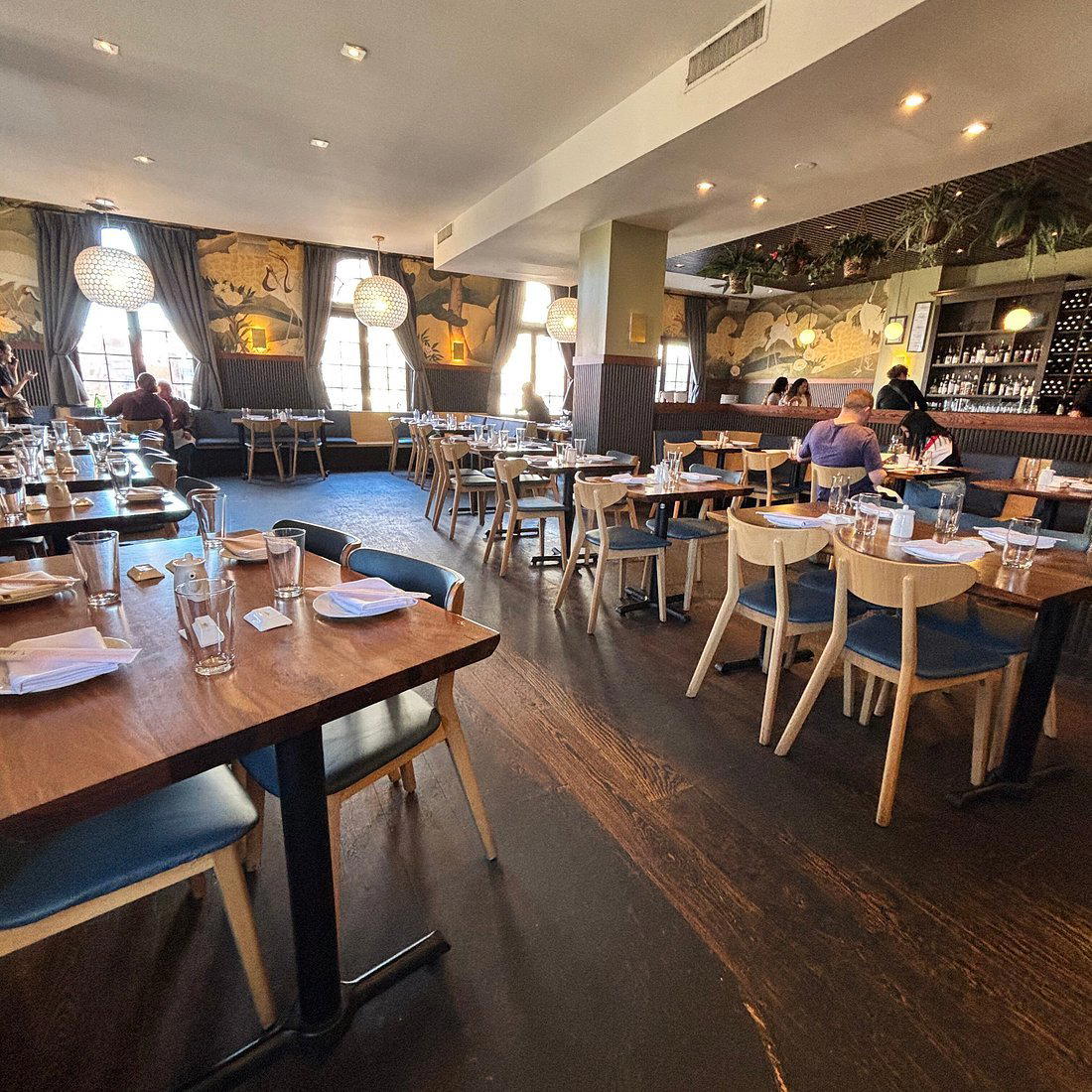
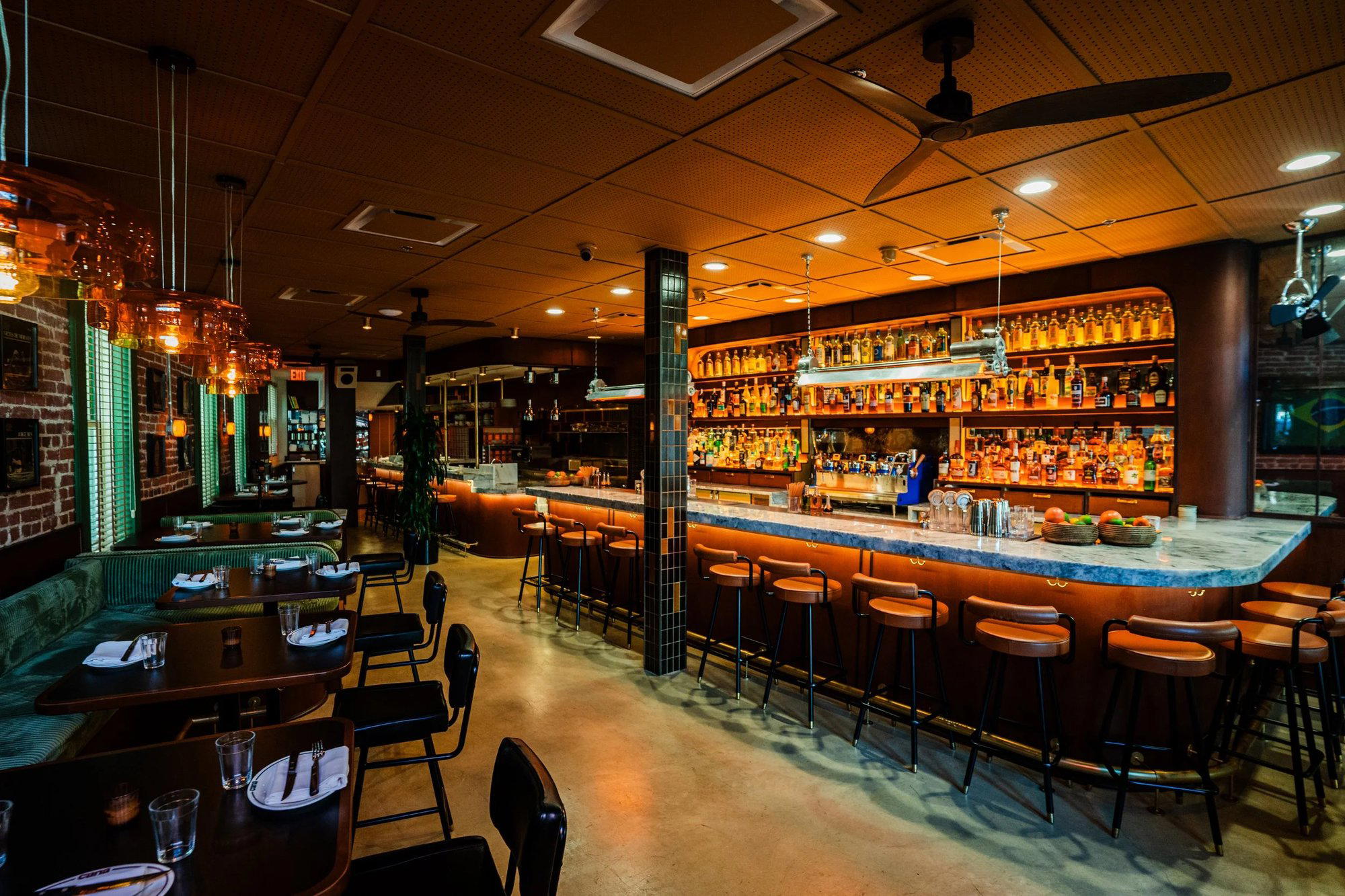
Restaurants in Washington DC
Browse all →
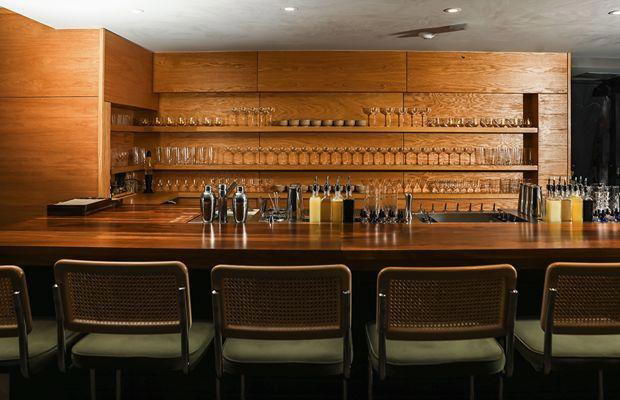
Bars in Washington DC
Browse all →
Hotels in Washington DC
Browse all →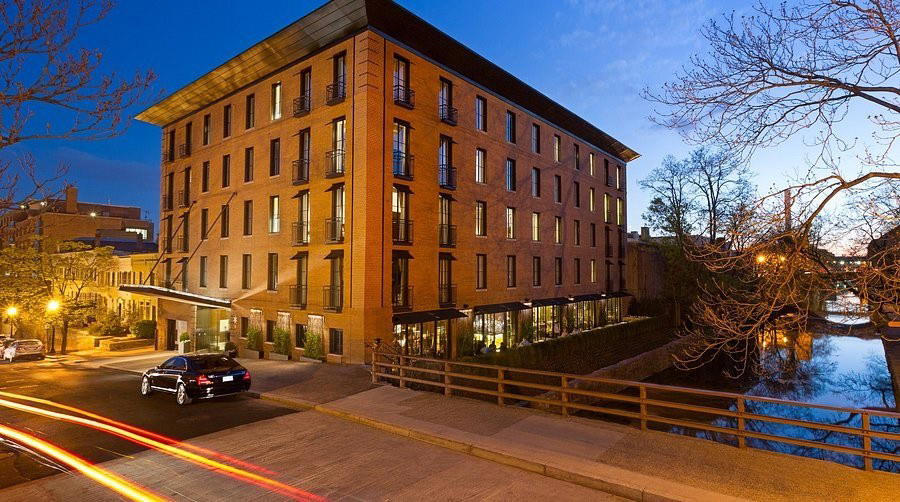
Details
- Cozy
- Classic
- Rustic
- Well Known
- Date Night
- Business Dinner
- Group Dining
- Casual Hangout
- Special Occasion
- Live Music
- Historic Building
- Standalone
- Beer Program
- A La Carte
- German Beer
- German Wine
- Vegetarian Friendly
Current opening hours
- Monday
- Closed
- Tuesday
- Closed
- Wednesday
- 4–8 PM
- Thursday
- 4–8 PM
- Friday
- 4–9 PM
- Saturday
- 12–3 PM, 4–9 PM
- Sunday
- 12–7:30 PM
Hours can change for holidays and private events. Last verified .
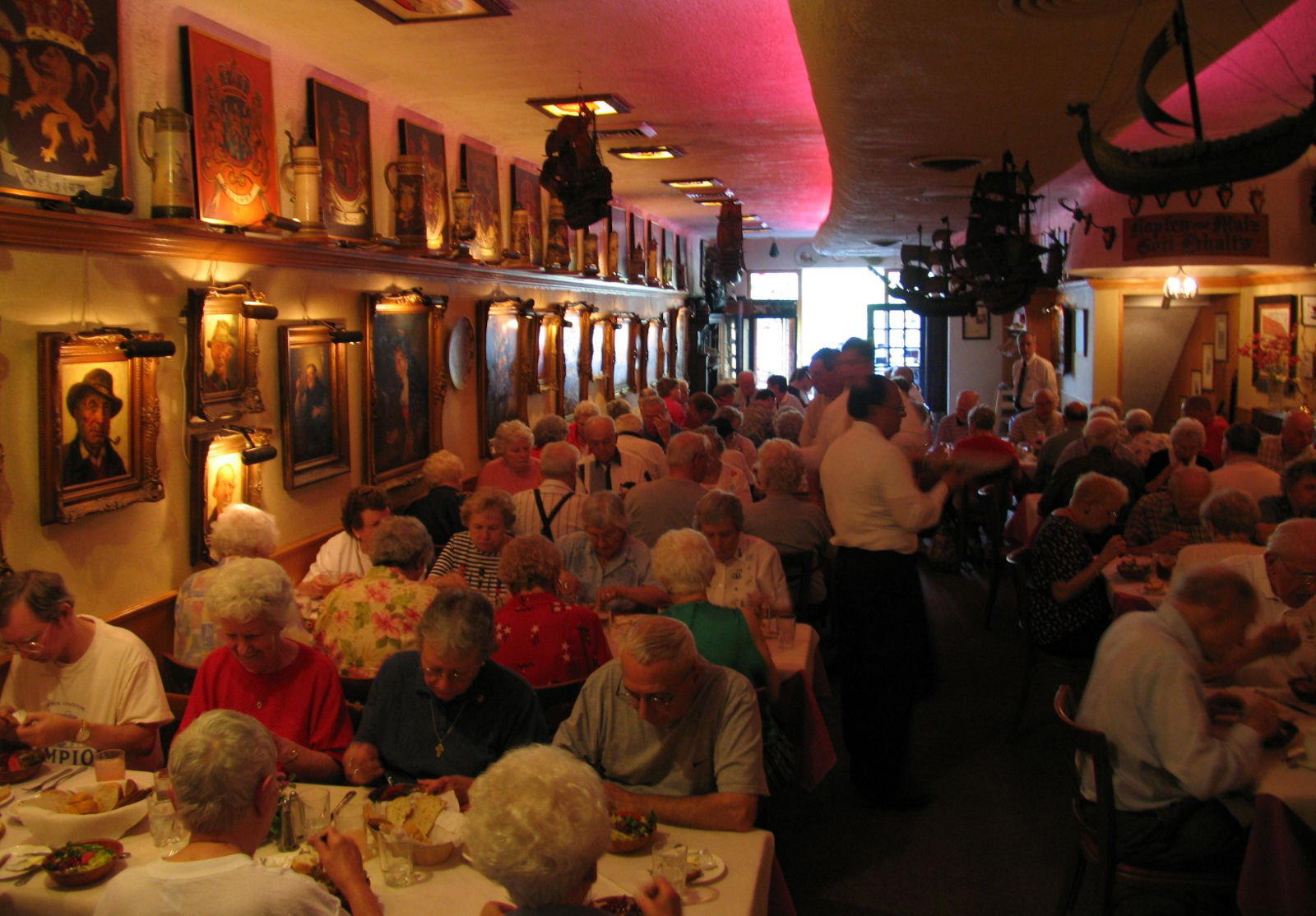
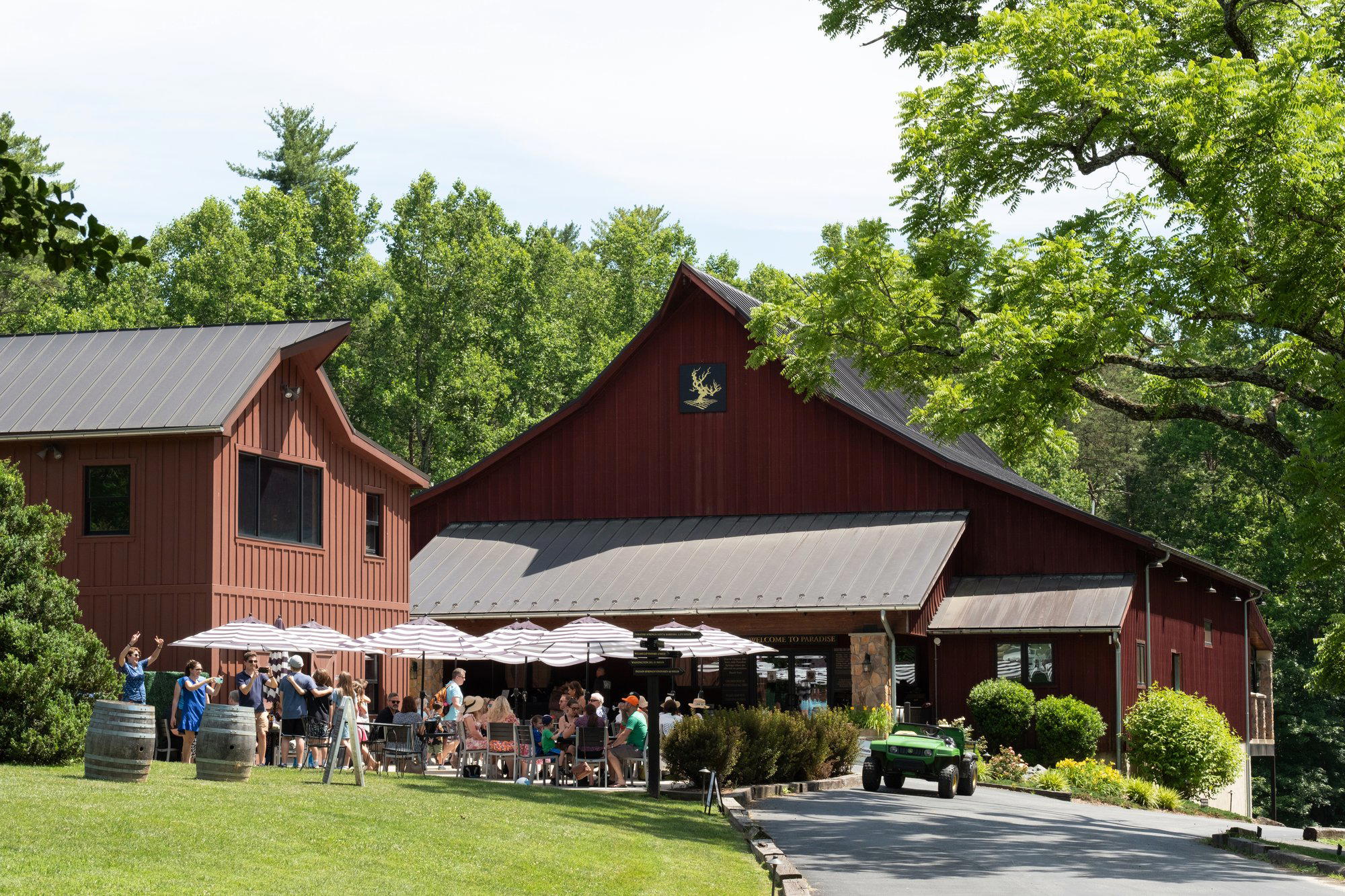
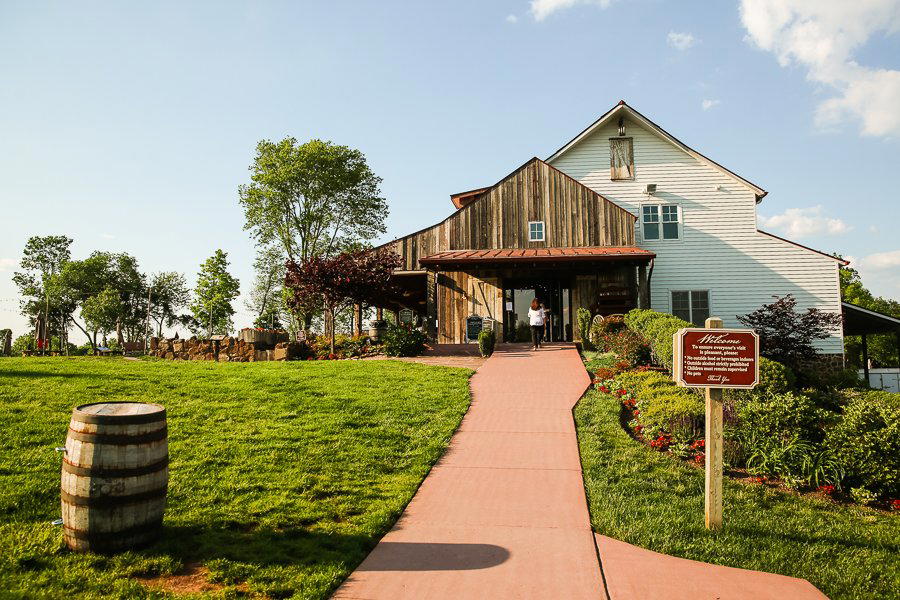
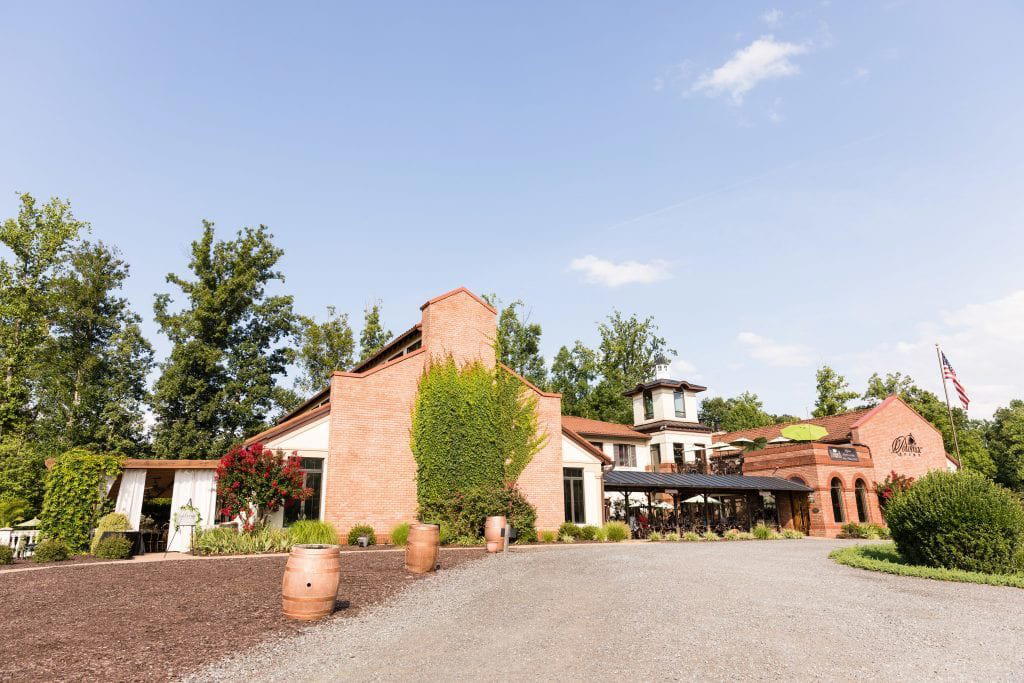
Warm and inviting Old World atmosphere with authentic German decorations, landscape paintings, steins, coats of arms, and a large cuckoo clock throughout the dining room. Homey and adorable with well-spaced tables and soft lighting.