Our verdict
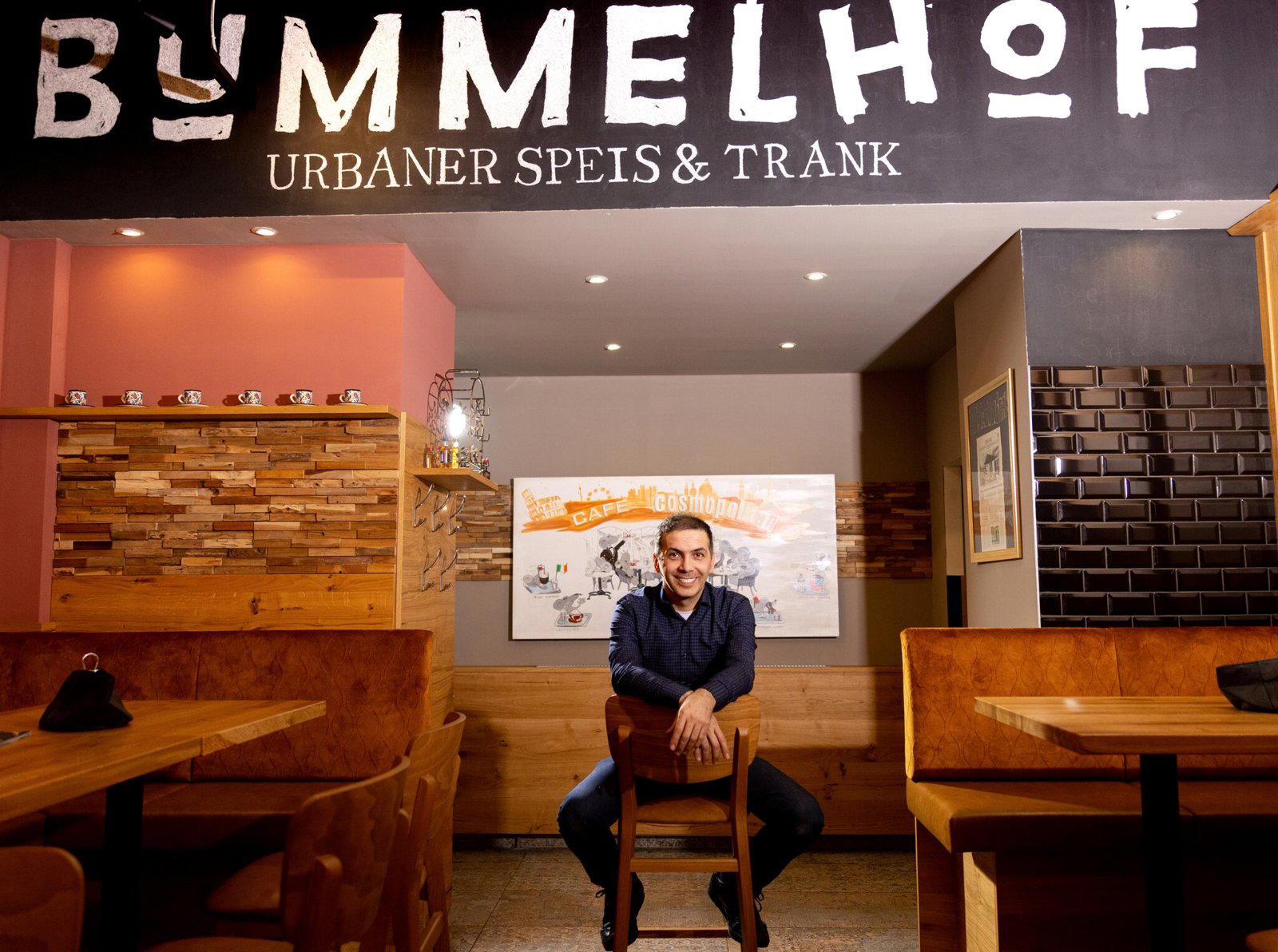
Bummelhof sits on Mariahilfer Strasse in Vienna's 7th district, occupying a stretch of the city where neighbourhood eating and serious cooking increasingly overlap. The address places it within reach of both the Naschmarkt supply chain and the broader Viennese tradition of market-sourced, season-driven cooking.

Pearl is the En Primeur Club membership app — saves, bookings, and concierge access live there. Same editors, same standards.
Mariahilfer Strasse and the Ingredients Underneath Vienna's Dining Scene
Vienna's 7th district has spent the last decade repositioning itself. What was once a corridor of mid-range retail along Mariahilfer Strasse now contains a more layered eating and drinking culture, where supply chains from the Naschmarkt and regional Austrian producers feed a cluster of venues that take sourcing seriously. Bummelhof, at Mariahilfer Str. 88A, sits inside that shift. The address is not incidental: the 7th sits close enough to the Naschmarkt that the logic of market-proximity cooking applies here as naturally as it does to venues with more prominent reputations.
Across Austrian fine dining, ingredient provenance has become the central argument. At Steirereck im Stadtpark, the sourcing network extends to named Austrian farms and heritage-breed suppliers, setting a benchmark that other Vienna kitchens are measured against. Mraz & Sohn applies a similar logic in a more experimental register. What both share with the broader Vienna kitchen conversation is a disposition toward the Austrian countryside as larder: Styrian pumpkin oil, Marchfeld asparagus, Waldviertel lamb, Wachau apricots. These are not decorative references; they are load-bearing ingredients in menus that treat geography as flavour. Bummelhof operates in a city where that expectation is now baseline, not distinguishing.
What the 7th District Tells You About Where Vienna Eats
The 7th (Neubau) occupies a particular position in Vienna's dining geography. It is not the formal splendour of the 1st district, where Amador and Konstantin Filippou operate in a register defined by ceremony and multi-course architecture. Nor is it the residential depth of the 2nd district, where Mraz & Sohn has built a following over years in Leopoldstadt. The 7th functions more like an eating neighbourhood in the European sense: a place where the kitchen serves the street rather than the other way around.
That context matters for understanding what Bummelhof is, and what it is not. A venue on Mariahilfer Strasse is not making the same implicit promise as one in a palais courtyard or a formal Stadtpark setting. The promise here is proximity, accessibility, and a direct relationship with the materials of Austrian cooking without the apparatus of a tasting-menu sequence. The neighbourhood has its own version of the sourcing argument, and it tends to be expressed through daily specials, shorter menus, and kitchen decisions made close to service rather than weeks in advance.
The Austrian Kitchen and Its Source Materials
To understand what a kitchen at this address is working with, it helps to know the infrastructure of Austrian ingredient supply. The Naschmarkt, within walking distance of the 7th, is not merely a tourist market. It functions as a genuine wholesale and retail channel for seasonal Austrian produce, with vendors representing regions from the Wachau valley to Styria and Burgenland. Kitchens in this part of Vienna that use it intelligently gain access to a supply rotation that tracks the Austrian growing calendar with precision.
That calendar is demanding. Austrian spring begins with white asparagus from the Marchfeld, moves through elderflower season, into summer berries and stone fruit from the Wachau, and pivots sharply into mushroom and game territory by September. The winter months lean on root vegetables, cured meats from Austrian mountain regions, and the preserved pantry that has always been central to Viennese cooking. Venues that track this calendar rather than importing to fill gaps produce menus that read differently month to month. Outside Vienna, kitchens like Landhaus Bacher in Mautern an der Donau and Döllerer in Golling an der Salzach have built reputations specifically on this kind of regional fidelity. The question for any Vienna neighbourhood kitchen is how much of that discipline carries into a more urban, higher-volume context.
Vienna's Broader Sourcing Conversation
The Austrian restaurant sector has been unusually coherent in its commitment to domestic sourcing compared to peer Western European markets. This is partly structural: Austria's agricultural regions are geographically compact and diverse, making it possible to source meaningfully from multiple climate zones within a two-hour drive of Vienna. It is also partly cultural, rooted in a Viennese bourgeois cooking tradition that valued the specific provenance of its materials long before provenance became a menu-design trend.
Venues like Doubek have applied that tradition in contemporary neighbourhood formats, demonstrating that serious sourcing does not require a formal dining room. Elsewhere in Austria, Obauer in Werfen, Ois in Neufelden, and Taubenkobel in Schützen am Gebirge each frame their menus around the specific terroir of their immediate region. In alpine settings, Gourmetrestaurant Tannenhof in Sankt Anton am Arlberg, Stüva in Ischgl, and Kräuterreich by Vitus Winkler in Sankt Veit im Pongau extend the same argument into mountain kitchens, where altitude and seasonality produce an even tighter constraints-based cooking. Schwarzer Adler in Hall in Tirol and Restaurant 141 by Joachim Jaud in Mieming round out a national picture in which sourcing is not a marketing position but a structural feature of how Austrian kitchens think about their menus.
For international comparison: the sourcing discipline that characterises the leading Austrian kitchens has close analogues at venues like Lazy Bear in San Francisco, where a forage-and-ferment philosophy produces menus that could not have been written in a different season, and at Le Bernardin in New York City, where supply chain control is treated as a non-negotiable foundation of quality. The scale and format differ sharply, but the underlying argument is the same: what you serve is defined by what you source.
Planning Your Visit
Booking and Cost Snapshot
Comparable venues nearby, for context on price, style, and recognition.
| Venue | Cuisine | Price | Notes |
|---|---|---|---|
| BummelhofThis venue — the venue you are viewing | International Street Food Fusion | $20–30 | Not listed |
| Shokudo Kuishimbo | Authentic Japanese Izakaya | $20–30 | Mariahilf, Authentic Japanese Izakaya |
| Maiz No. 2 | Authentic Mexican Tacos | $20–30 | Josefstadt, Authentic Mexican Tacos |
| el chipirón | Authentic Spanish Tapas | Not listed | Josefstadt, Authentic Spanish Tapas |
| Vytopna | Steakhouse with Burgers and Organic Meats | $20–30 | Wieden, Steakhouse with Burgers and Organic Meats |
| Volksgarten club | Club Bar | Not listed | Hofburg, Club Bar |
Continue exploring
More in Vienna
Restaurants in Vienna
All restaurants in Vienna →![[aend] restaurant in Vienna](https://cdn.enprimeurclub.com/storage/v1/object/public/images/locations/recsVyRkMfzCxPmp0/hero2.jpg?width=3840&quality=75)
Bars in Vienna
All bars in Vienna →

Details
- Cozy
- Lively
- Casual Hangout
- Group Dining
- After Work
- A La Carte
- Vegetarian Friendly
Current opening hours
- Monday
- 11:30 AM–10 PM
- Tuesday
- 11:30 AM–10 PM
- Wednesday
- 11:30 AM–10 PM
- Thursday
- 11:30 AM–10 PM
- Friday
- 11:30 AM–10 PM
- Saturday
- 11:30 AM–10 PM
- Sunday
- 11:30 AM–9 PM
Hours can change for holidays and private events. Last verified .
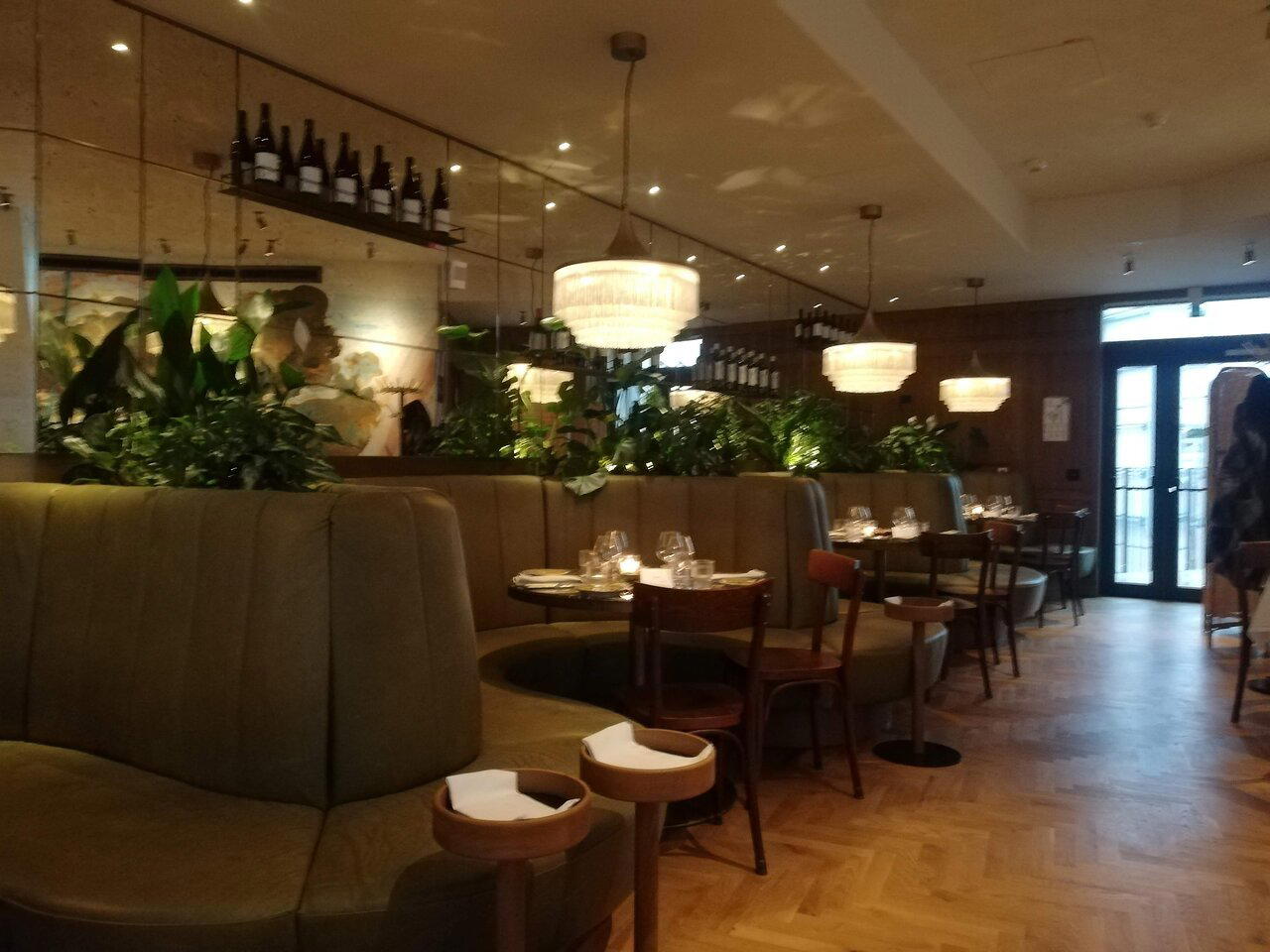
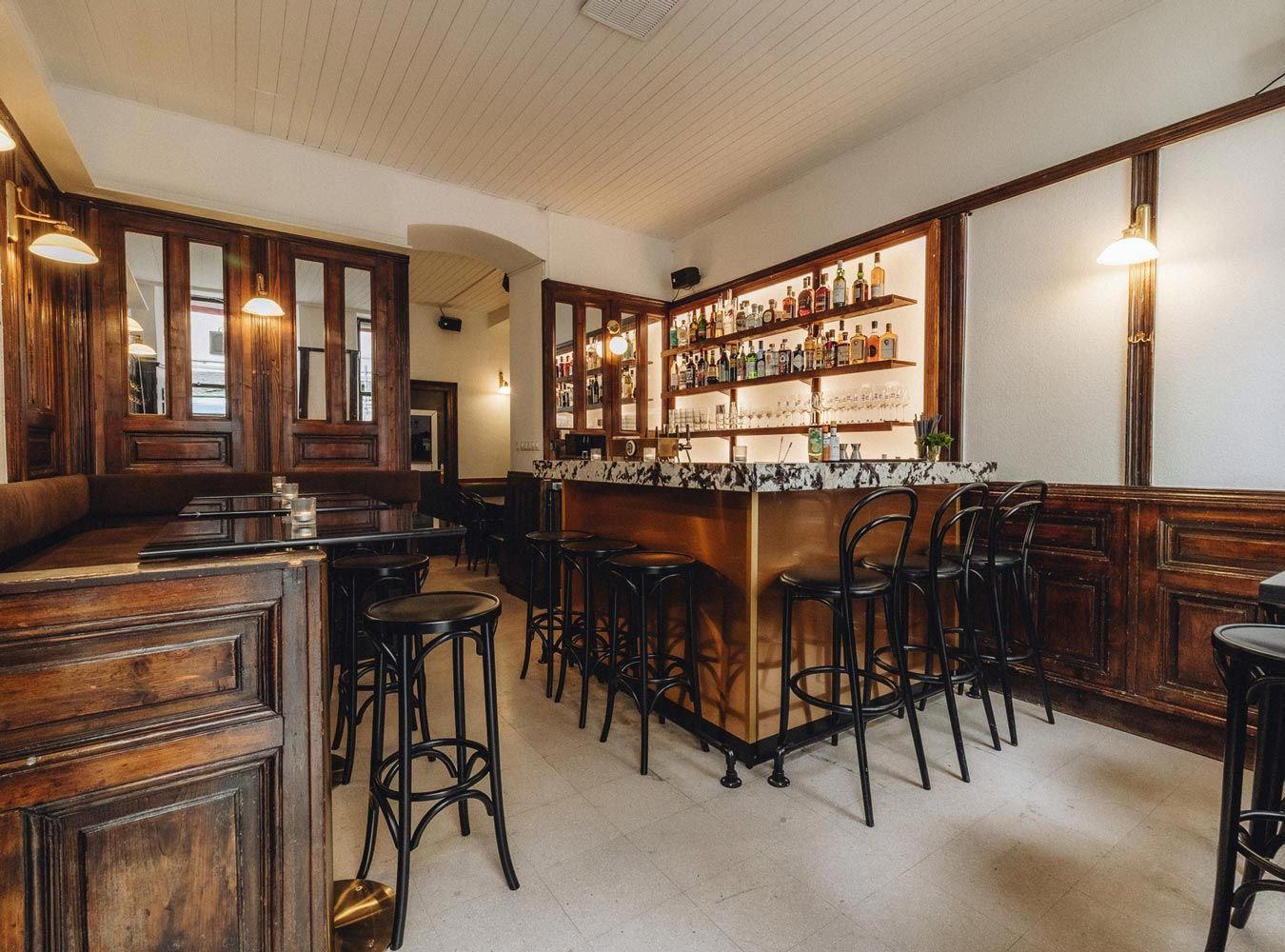
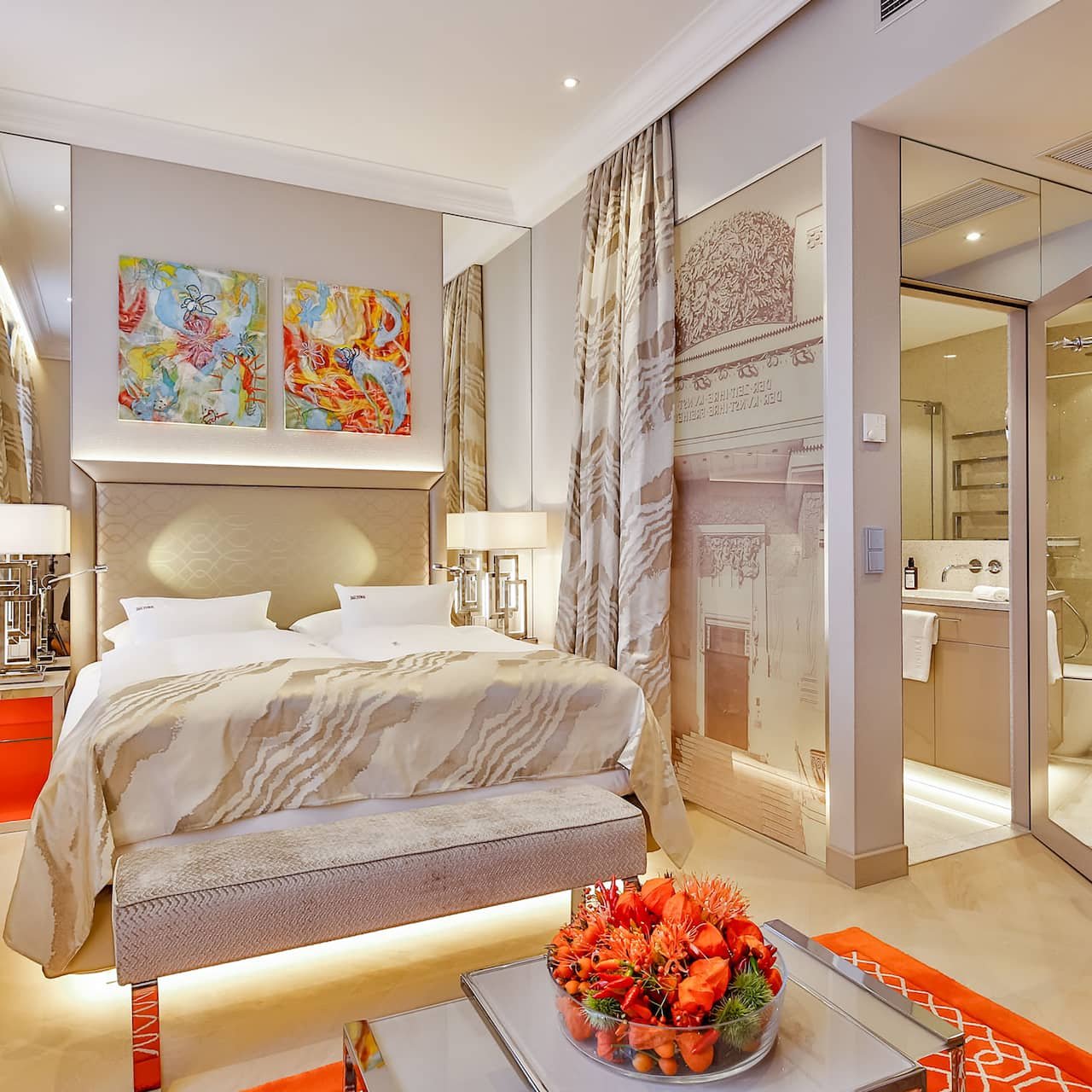
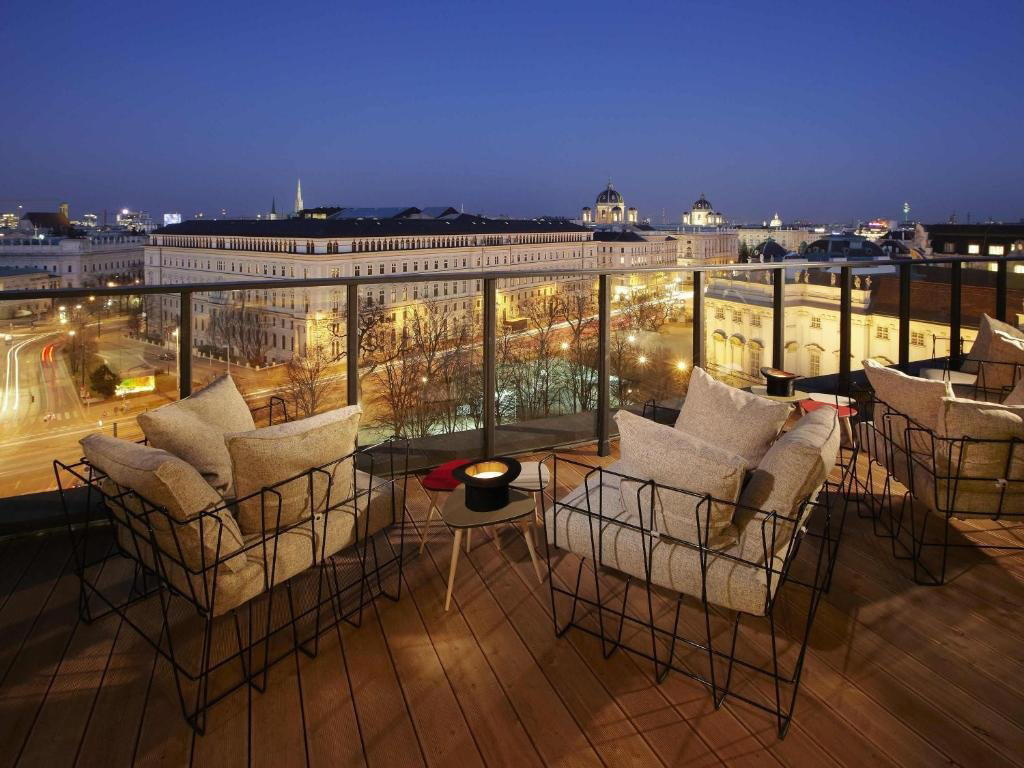
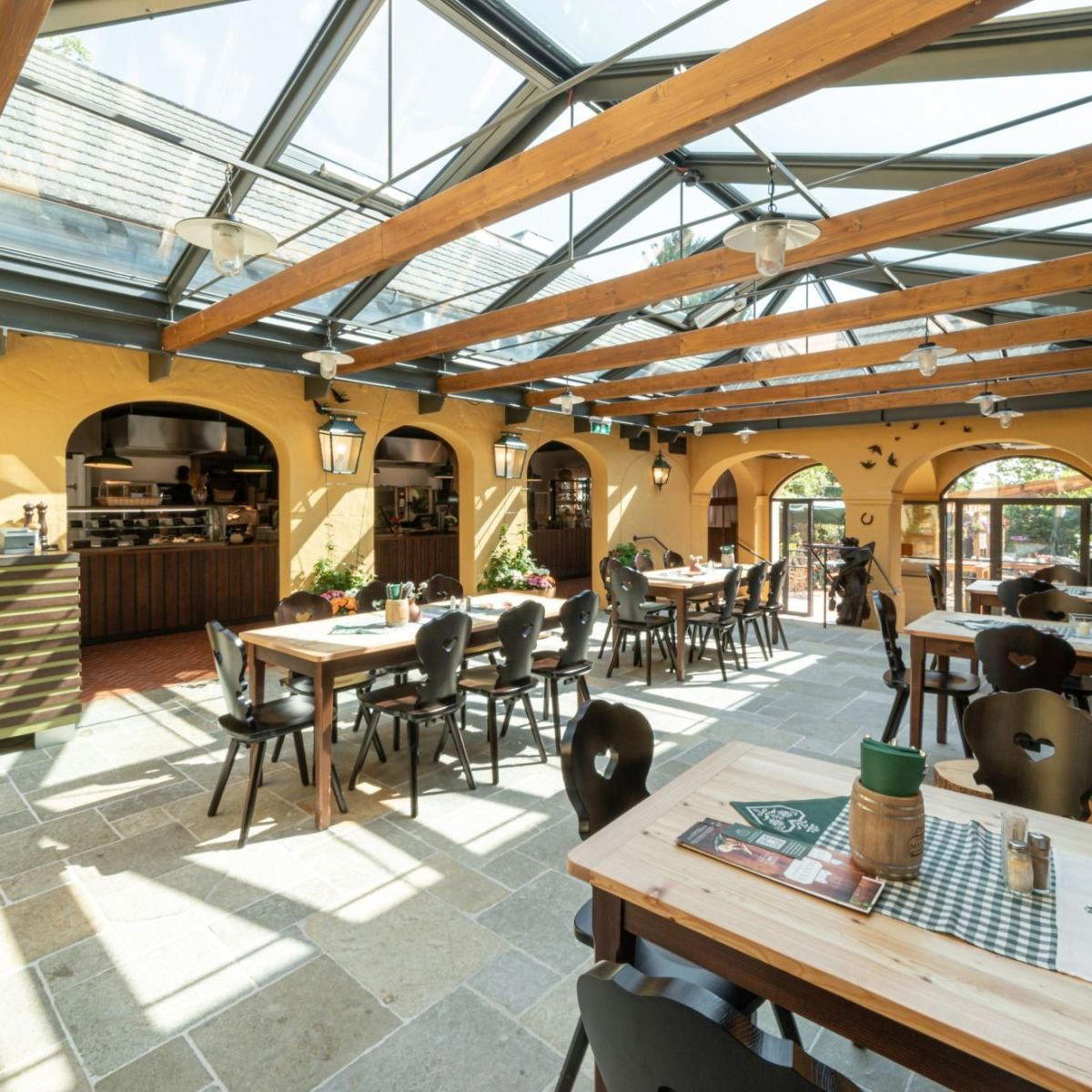
Cozy and welcoming with warm atmosphere, friendly service, and pleasant outdoor seating.