Vytopna sits on Rechte Wienzeile in Vienna's 4th district, a address that places it within reach of the Naschmarkt and the broader creative dining corridor that has reshaped the city's mid-to-upper tier over the past decade. The venue operates at a point in the city where local produce traditions and international culinary technique increasingly converge, reflecting a wider shift in how Vienna's serious kitchens are thinking about Austrian ingredients.
Pearl is the En Primeur Club membership app — saves, bookings, and concierge access live there. Same editors, same standards.
- Address
- Rechte Wienzeile 21/1, 1040 Wien, Austria
- Phone
- +436763958944
- Website
- vytopna.at
- Directions
- Get directions
 Saves & bookings on Pearl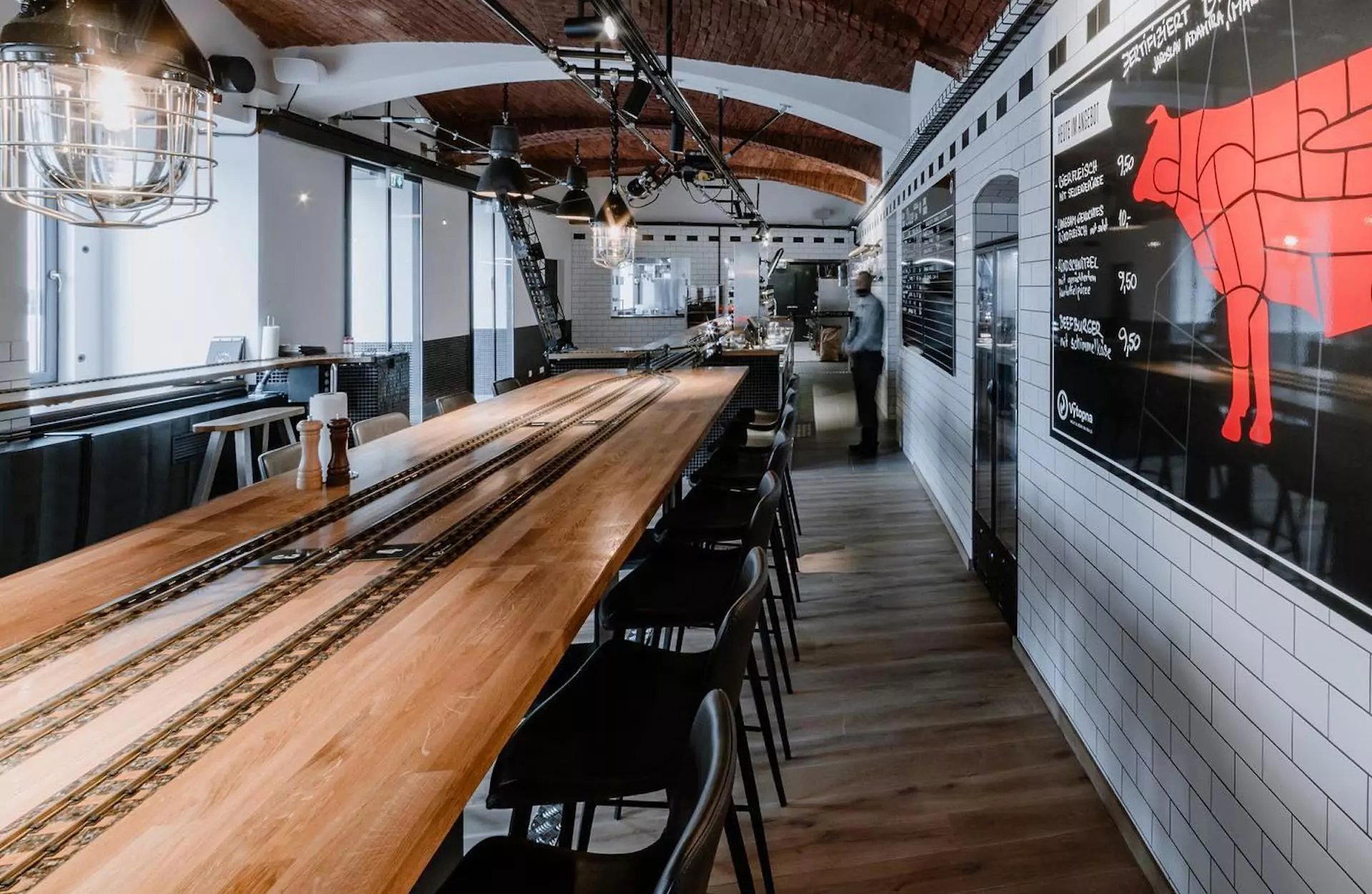
Where Vienna's Ingredient Culture Meets Global Technique
Vytopna is a restaurant at Rechte Wienzeile 21/1, 1040 Wien, Austria, in Vienna's 4th district. The city that once defined itself through Wiener Schnitzel, Tafelspitz, and the grand Kaffeehaus format now hosts a tier of kitchens where Central European produce, Styrian pumpkin seed oil, Waldviertel beef, Wachau apricots, Austrian Alpine cheeses, is being handled through French, Japanese, and Nordic frameworks. Vytopna, located at Rechte Wienzeile 21/1 in the 4th district, sits inside that broader movement.
The 4th District and Its Culinary Context
Rechte Wienzeile runs parallel to the Naschmarkt, the city's most consequential open-air market, which has supplied Vienna's professional kitchens since the late 19th century. The 4th district (Wieden) has developed its own dining character distinct from the tourist-facing 1st: less ceremonial, more technically driven, with a concentration of neighbourhood restaurants that take their produce sourcing seriously without the formality of the old Ringstrasse dining rooms. The address positions Vytopna in Wieden, within reach of the Naschmarkt.
This neighbourhood context matters because it shapes expectations. Diners arriving in Wieden are generally not there for spectacle. They are there for a particular kind of focused cooking where the ingredient does most of the talking and the technique stays just visible enough to signal intent. That is the register in which Vienna's most interesting mid-tier and upper-tier restaurants now operate.
The Intersection of Local Produce and Imported Methods
The editorial angle most relevant to understanding Vytopna's position in the city is the tension, or more precisely, the productive dialogue, between Austria's notable larder and the global techniques that have entered its kitchens. At the high end of the Vienna market, restaurants like Steirereck im Stadtpark have spent decades making that dialogue definitive; their approach to Austrian fish, herbs, and dairy through a technically rigorous but place-specific lens set a template that younger kitchens have adapted. Mraz & Sohn represents another node in that conversation, applying creative European frameworks to Austrian seasonal produce in a way that reads as contemporary without abandoning regional specificity.
What makes Vienna's version of this global-local dialogue distinct from, say, Copenhagen or Tokyo is the sheer depth of the Austrian ingredient tradition. The country has a documented culture of fermenting, curing, and preserving that predates the Nordic fermentation wave by centuries. When a Vienna kitchen applies modern lacto-fermentation or low-intervention preservation to Burgenland vegetables or Mühlviertel grains, it is not borrowing from abroad, it is reconnecting with a local vocabulary that had been suppressed by decades of hotel-kitchen standardisation. Restaurants like Amador and Konstantin Filippou have each staked out positions in this space, using international technique as a lens rather than a replacement.
Beyond the city limits, this dynamic plays out across the Austrian culinary geography. Döllerer in Golling an der Salzach has built a reputation precisely on this intersection, treating Alpine ingredients with a technical precision that draws on French and contemporary European frameworks. Obauer in Werfen takes a different approach, rooting its cooking in Salzburg's produce traditions with a lighter international touch. Further west, Griggeler Stuba in Lech and Gourmetrestaurant Tannenhof in Sankt Anton am Arlberg demonstrate how the Alpine pantry, game, wild herbs, mountain dairy, supports serious tasting-menu cooking when the technical scaffolding is in place. Kräuterreich by Vitus Winkler in Sankt Veit im Pongau pushes the herb-and-forage dimension further still, while Landhaus Bacher in Mautern an der Donau anchors its identity in the Danube wine country's produce. Ikarus in Salzburg takes a structurally different path, its rotating guest-chef format brings global technique to Austrian produce in a more programmatic way. Ois in Neufelden, Restaurant 141 by Joachim Jaud in Mieming, and Schwarzer Adler in Hall in Tirol each extend this pattern into different regional corners, demonstrating that the local-technique conversation is not confined to Vienna or Salzburg. Meanwhile, Doubek in Vienna represents the neighbourhood-bistro version of the same instinct: produce-led, technically grounded, without the formality of a full tasting format.
Vienna's position in the wider European fine-dining map is worth framing against cities with more international visibility. When kitchens like Le Bernardin in New York City define a cuisine category through decades of technical consistency, or when Atomix in New York City demonstrates how Korean ingredients and technique can be presented through a fine-dining framework without losing cultural specificity, the underlying principle is the same one driving Vienna's better kitchens: sourcing and technique are not opposites. The cities that have figured this out tend to produce particularly durable restaurants.
What to Expect at Vytopna
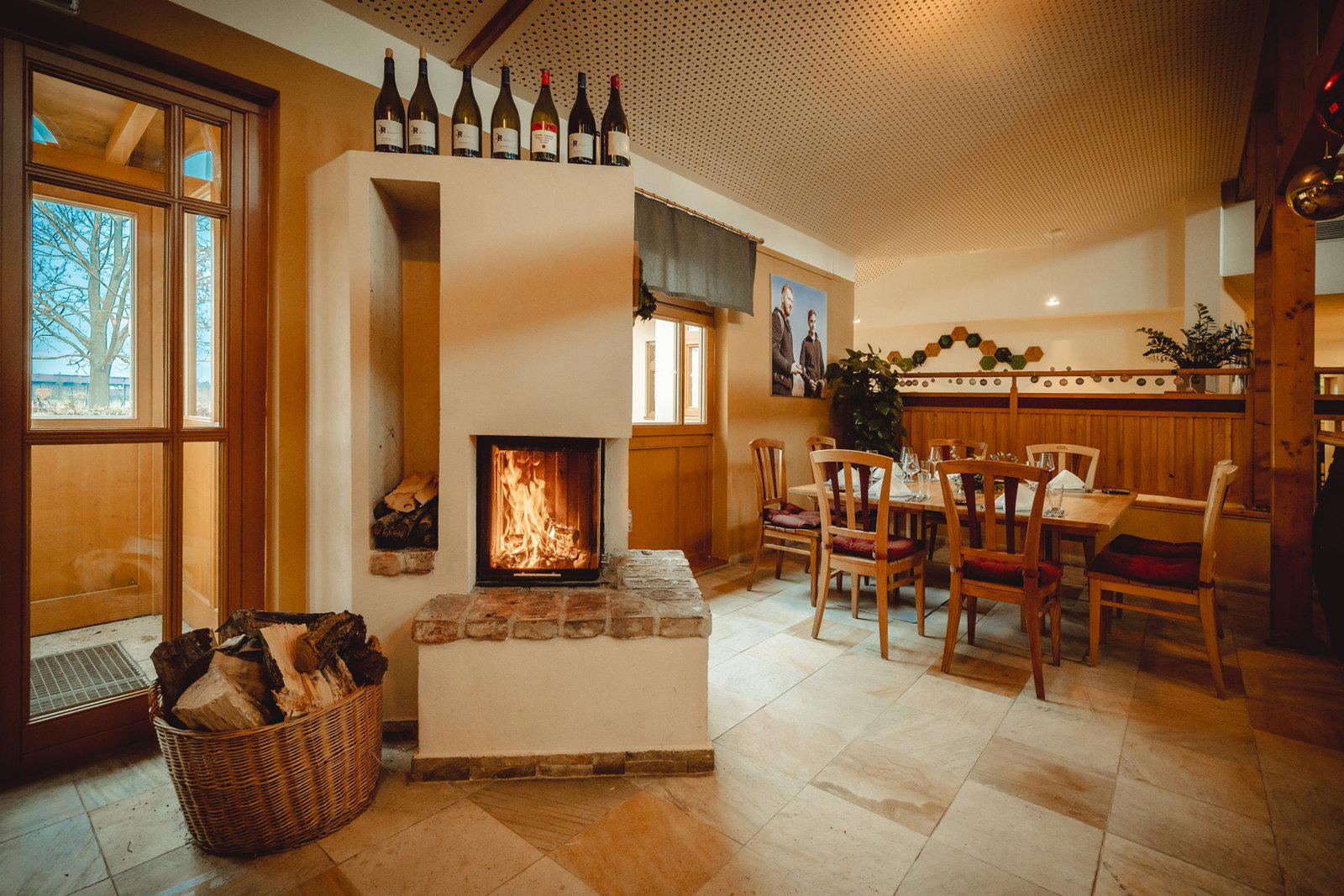
The venue's address on Rechte Wienzeile places it in a part of the city where residents eat regularly rather than occasionally. That distinction tends to produce kitchens with tighter feedback loops: a local clientele notices quickly when a dish stops working, and the kitchen adjusts. For visitors, the 4th district's restaurant character means the atmosphere is generally more relaxed than the 1st-district formal rooms while the cooking ambitions remain substantial.
Approach Vytopna as a casual, reservation-recommended steakhouse with burgers and organic meats. The Naschmarkt's proximity means the seasonal ingredient range shifts noticeably across the calendar year, and kitchens in this district tend to follow that rhythm more closely than their counterparts in the tourist core.
Know Before You Go
- Address: Rechte Wienzeile 21/1, 1040 Wien, Austria
- District: Wieden (4th district), adjacent to the Naschmarkt
- Reservations: Recommended
Cuisine and Credentials
Comparable venues nearby, for context on price, style, and recognition.
| Venue | Cuisine | Price | Notes |
|---|---|---|---|
| VytopnaThis venue — the venue you are viewing | Steakhouse with Burgers and Organic Meats | $$ | Not listed |
| Boxwood | The Art of Steak - International Fine Dining | $$$ | Innere Stadt |
| Kojiro Sushi | Authentic Japanese Sushi | $$ | Wieden |
| The opposite of west | Balkan Tapas Bar | $$ | Wieden |
| Lobo y Luna | Modern Spanish Tapas | $$ | Mariahilf |
| Pronto Volante | Neapolitan Pizza & Italian Street Food | $$ | Favoriten |
Continue exploring
More in Vienna
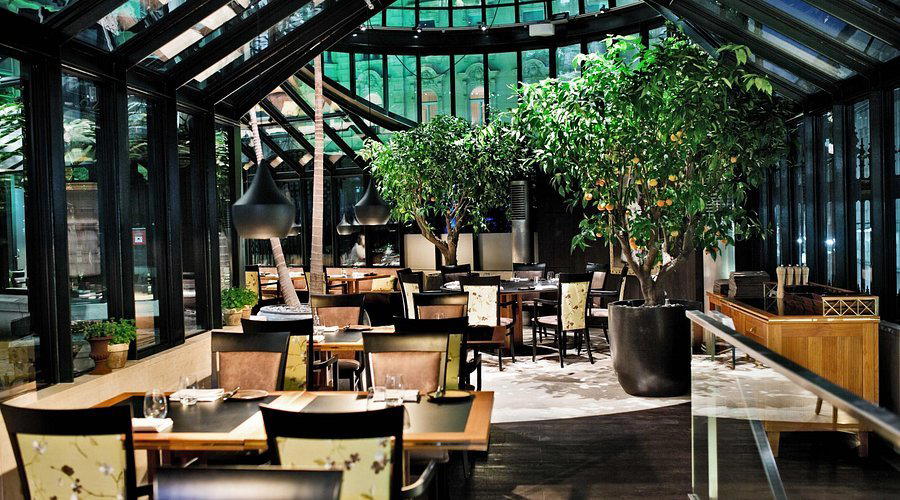
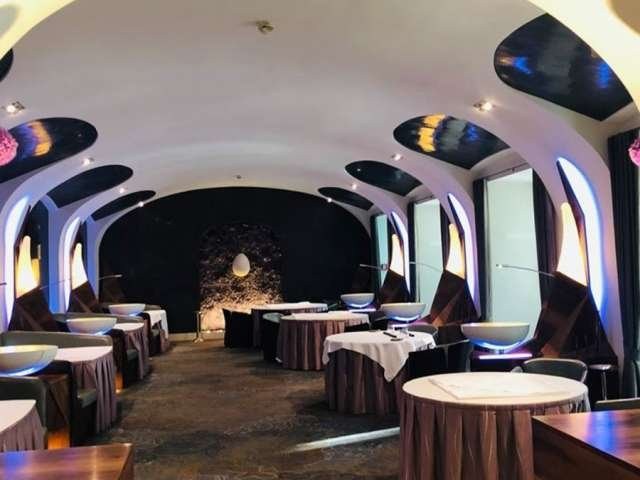
Restaurants in Vienna
Browse all →
Bars in Vienna
Browse all →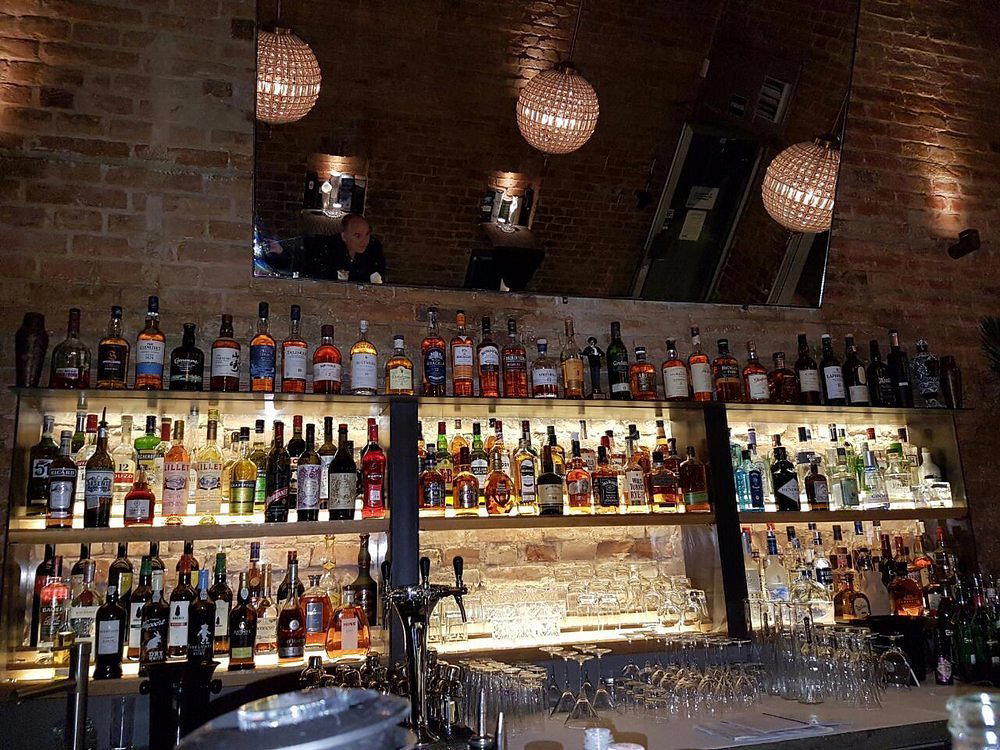
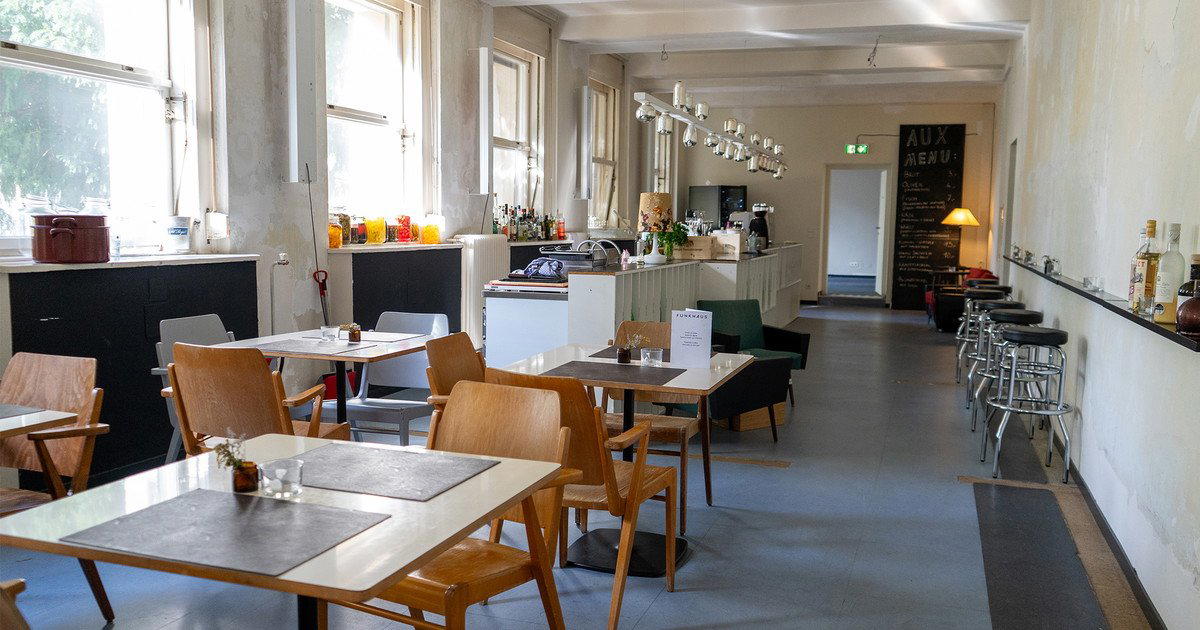
Hotels in Vienna
Browse all →
At a Glance
- Lively
- Trendy
- Well Known
- Family
- Casual Hangout
- Group Dining
- Historic Building
- Beer Program
- Local Sourcing
- Organic
Current opening hours
- Monday
- Closed
- Tuesday
- Closed
- Wednesday
- 5–10 PM
- Thursday
- 5–10 PM
- Friday
- 12–10 PM
- Saturday
- 11 AM–10 PM
- Sunday
- 11 AM–10 PM
Hours can change for holidays and private events. Last verified .
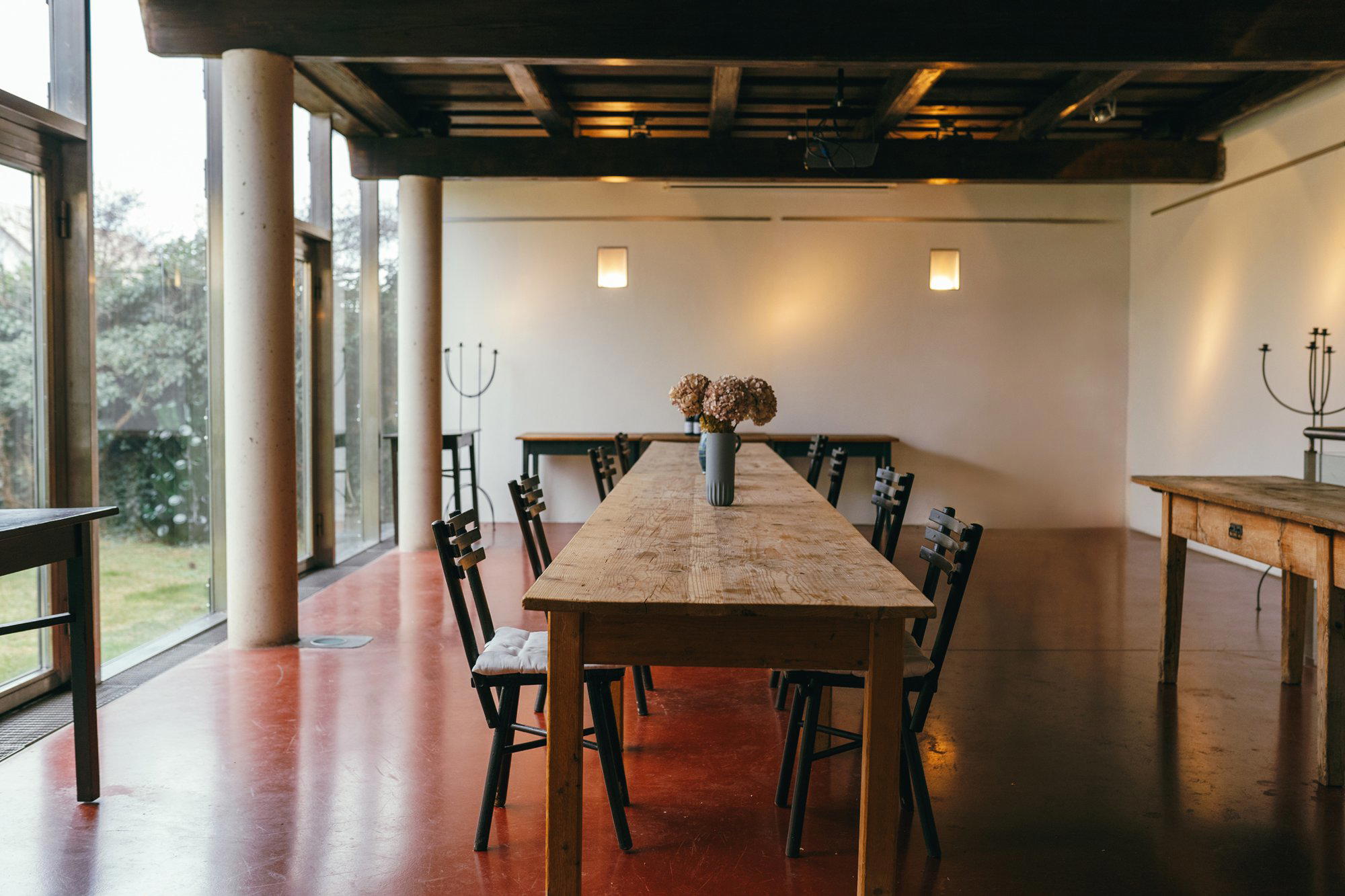
Fun and quirky railway-themed atmosphere with model trains zipping around on polished tracks, creating an entertaining and lively vibe appreciated by families and train enthusiasts.