El Chipirón occupies a quiet address on Hamerlingplatz in Vienna's 8th district, bringing a focused Spanish sensibility to a city whose restaurant scene skews heavily toward Central European and modern Austrian cooking. For a milestone dinner or a celebration meal that steps deliberately outside the Viennese mainstream, it represents a considered alternative to the creative Austrian tasting-menu circuit.
Pearl is the En Primeur Club membership app — saves, bookings, and concierge access live there. Same editors, same standards.
- Address
- Hamerlingpl. 2, 1080 Wien, Austria
- Phone
- +436605048060
- Website
- elchipiron.at
- Directions
- Get directions
 Saves & bookings on Pearl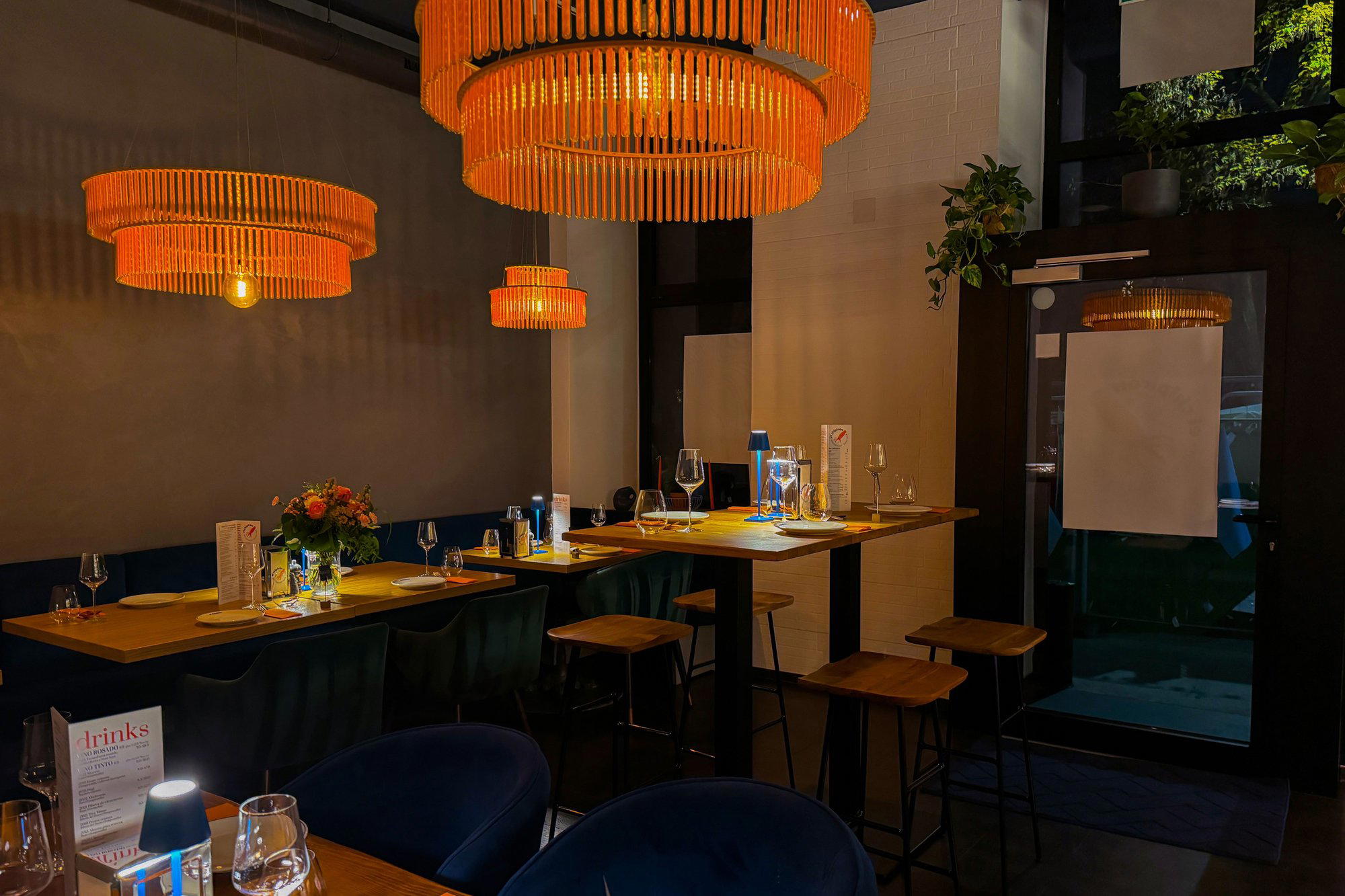
A Spanish Address in Vienna's Eighth
Hamerlingplatz sits in the Josefstadt district, one of Vienna's quieter inner neighbourhoods, where Biedermeier facades line streets that see far less foot traffic than the Innere Stadt or the Naschmarkt corridor. The square itself has the character of a residential pause rather than a dining destination, which means that a Spanish-leaning restaurant at number two reads as a deliberate counter-programme to the city's dominant dining logic. Vienna's upper tier is thick with creative Austrian and modern European formats: Steirereck im Stadtpark, Amador, Mraz & Sohn, and Konstantin Filippou all operate at the €€€€ tier with tasting menus that draw on Central European produce and technique. El Chipirón positions itself differently, drawing on Iberian culinary tradition in a city where that reference point is genuinely scarce at any serious level.
What the Name Signals
Chipirón is the Spanish word for small squid, particularly the cuttlefish-adjacent baby squid common in Basque and Andalusian kitchens. Naming a restaurant after it is not a neutral act: it places the kitchen firmly in a coastal, product-led Spanish register rather than the interior Castilian or fusion-Spanish vocabulary that can dilute a concept. In cities where Spanish cooking has a deeper critical footprint, like London or Amsterdam, the distinction between a restaurant anchored in Basque tradition and one serving generic paella-forward menus is immediately legible. In Vienna, where the reference set is thinner, el chipirón occupies something closer to a specialist niche by default.
That niche has a specific relevance for occasion dining. Vienna's celebration-meal circuit defaults reliably toward the tasting-menu format, and the city's decorated restaurants, including Doubek, operate within a broadly northern European fine-dining grammar. A milestone dinner at a Spanish table in this city offers a different register of conviviality: the emphasis on shared plates, on seafood-led courses, on a rhythm that allows the table more agency than a locked tasting sequence. That is a meaningful distinction for guests who want ceremony without rigidity.
Occasion Dining in Context
Across Europe's serious dining cities, the conversation around special-occasion restaurants has shifted. The reflexive choice of one decorated room in the city has given way, for many diners, to a more considered question: what kind of experience does the occasion actually call for? A three-Michelin-star progression of twenty courses suits certain milestones and certain personalities. A focused, shorter menu built around notable seafood and precise Spanish technique suits others. The growth of that second category, visible in cities from Copenhagen to Porto, has made the occasion-meal market more plural than it was a decade ago.
El Chipirón's address in Josefstadt rather than the first district reinforces a certain positioning: this is not a restaurant designed for the corporate expense account or the hotel concierge recommendation. Arriving at Hamerlingplatz requires a small navigational decision, and that friction tends to self-select for guests who have sought the place out specifically. For a birthday dinner or an anniversary meal, that intentionality often matters. The leading occasion restaurants elsewhere in Austria operate on a similar logic: Landhaus Bacher in Mautern an der Donau and Obauer in Werfen both draw guests who have made the journey with purpose, and the deliberateness of the visit shapes the experience before the first course arrives.
Austrian Fine Dining as a Reference Frame
Understanding where the restaurant sits requires mapping the broader field. Austria's most recognised tables cluster in two geographies: Vienna itself and the alpine restaurant circuit, where Gourmetrestaurant Tannenhof in Sankt Anton am Arlberg, Stüva in Ischgl, and Kräuterreich by Vitus Winkler in Sankt Veit im Pongau operate within a mountain-produce, Austrian-technique tradition. The Wachau valley adds Landhaus Bacher. Further afield, Döllerer in Golling an der Salzach and Taubenkobel in Schützen am Gebirge have built reputations that draw guests out of Vienna entirely.
Within the capital, the €€€€ tier is well-populated with modern Austrian and creative European menus. A Spanish-focused restaurant at any price point sits outside that dominant pattern, which is both the risk and the appeal of the concept. For occasion diners already familiar with the Viennese tasting-menu circuit, the restaurant represents a lateral move rather than a step up or down the quality ladder. For international visitors arriving from cities where Spanish cooking has a deeper fine-dining tradition, places like Le Bernardin in New York City or the seafood-focused American tasting-room format exemplified by Lazy Bear in San Francisco provide a comparative frame for what a focused, product-led seafood concept can achieve at serious level.
The Josefstadt Setting
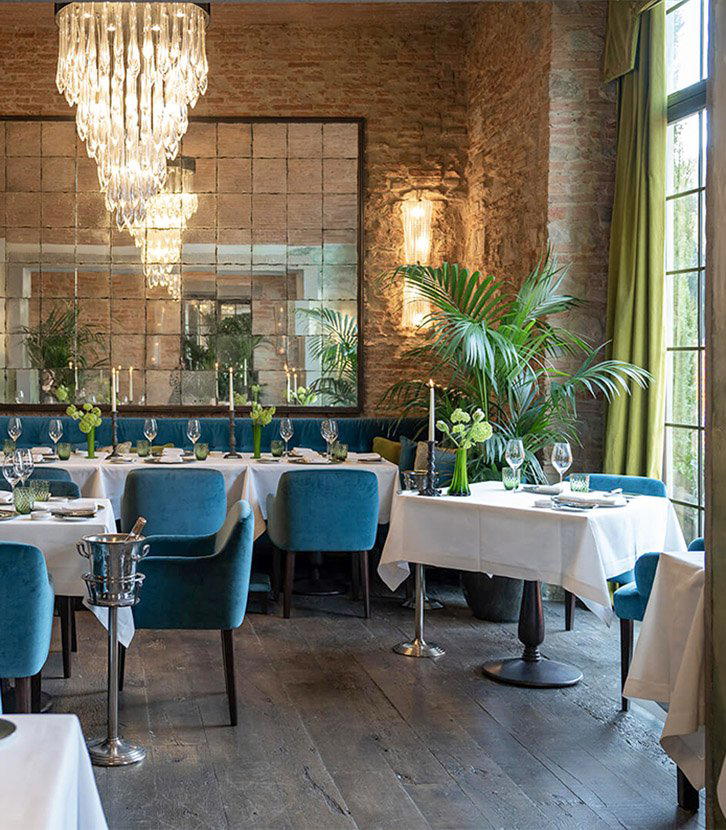
Vienna's 8th district has a residential, slightly academic character that distinguishes it from the gallery-and-boutique energy of the 7th or the grand-boulevard formality of the 1st. Theatres, bookshops, and neighbourhood cafes make up most of the commercial fabric. A restaurant on Hamerlingplatz occupies a square that functions as a local gathering point rather than a tourist waypoint, which gives any dinner there a grounded, unhurried atmosphere that the first-district dining rooms, however excellent, sometimes struggle to provide. For anniversary or birthday dinners where the point is the meal and the company rather than the setting's prestige, that lower-key address can work in a restaurant's favour.
Austria's wider restaurant geography also includes Schwarzer Adler in Hall in Tirol, Restaurant 141 by Joachim Jaud in Mieming, and Ois in Neufelden, all of which draw destination diners out of the capital for specific occasions. The fact that Vienna itself retains diners for a Spanish-specialist address says something about the appetite for alternatives to the city's dominant culinary grammar.
Planning Your Visit
Address: Hamerlingpl. 2, 1080 Wien, Austria (8th district, Josefstadt). Reservations are recommended. Dress: Casual. Budget: Moderate pricing tier.
Where the Accolades Land
Comparable venues nearby, for context on price, style, and recognition.
| Venue | Cuisine | Price | Notes |
|---|---|---|---|
| el chipirónThis venue — the venue you are viewing | Authentic Spanish Tapas | $$ | Not listed |
| Toma Tu Tiempo | Authentic Spanish Tapas | $$ | Neubau |
| Puerta del Sol | Authentic Spanish Tapas | $$ | Josefstadt |
| La Paninoteca | Italian Aperitivo & Panini Bar | $$ | Josefstadt |
| Marienhof | Traditional Viennese Cuisine | $$ | Hofburg |
| Zum Lercherl von Hernals | Traditional Austrian Nose-to-Tail | $$ | Hernals |
Continue exploring
More in Vienna
Restaurants in Vienna
Browse all →
Bars in Vienna
Browse all →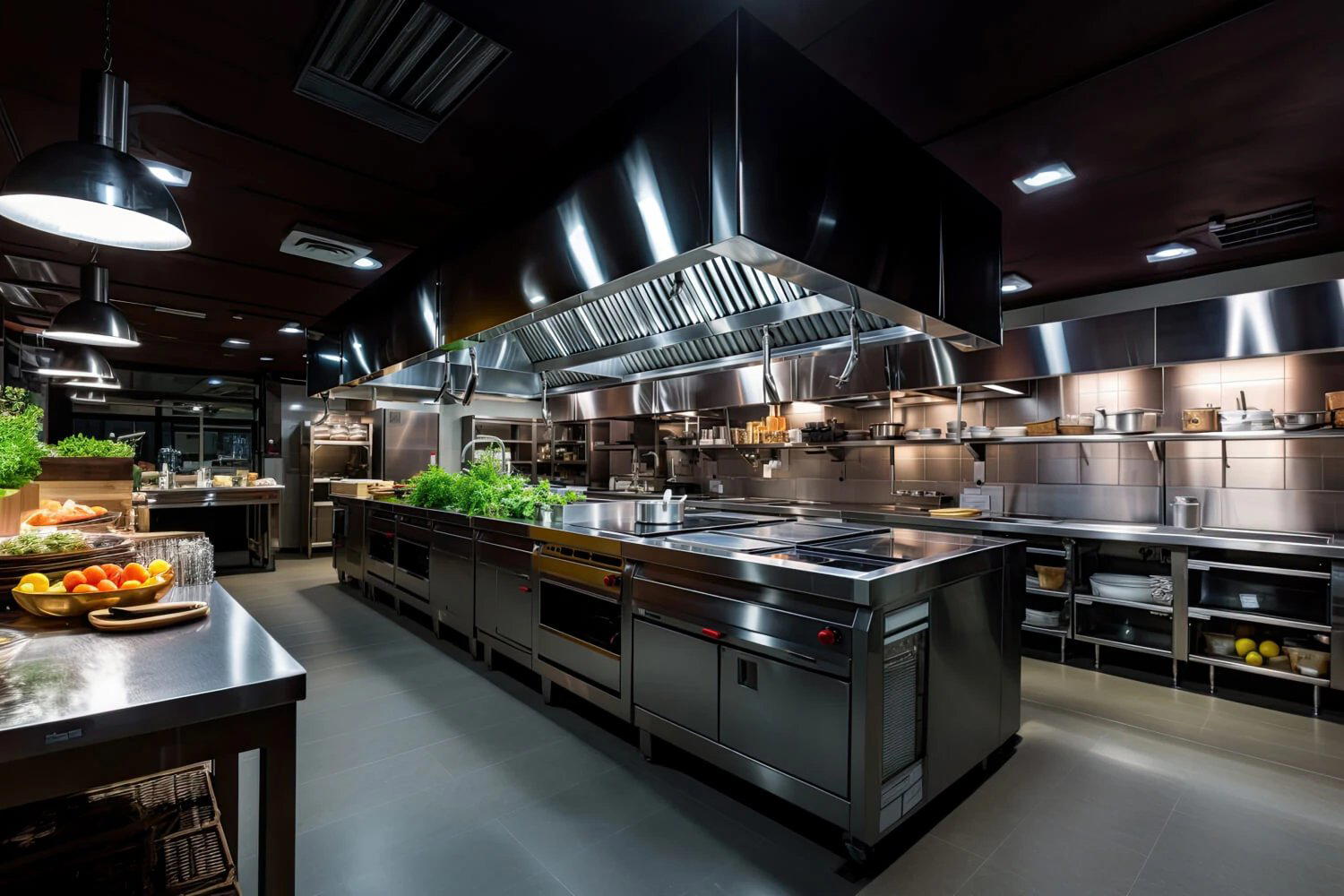

Hotels in Vienna
Browse all →
At a Glance
- Lively
- Cozy
- Trendy
- Date Night
- Casual Hangout
- After Work
- Open Kitchen
- Beer Program
Current opening hours
- Monday
- Closed
- Tuesday
- 5:30 PM–2 AM
- Wednesday
- 5:30 PM–2 AM
- Thursday
- 5:30 PM–2 AM
- Friday
- 5:30 PM–2 AM
- Saturday
- 5:30 PM–2 AM
- Sunday
- Closed
Hours can change for holidays and private events. Last verified .
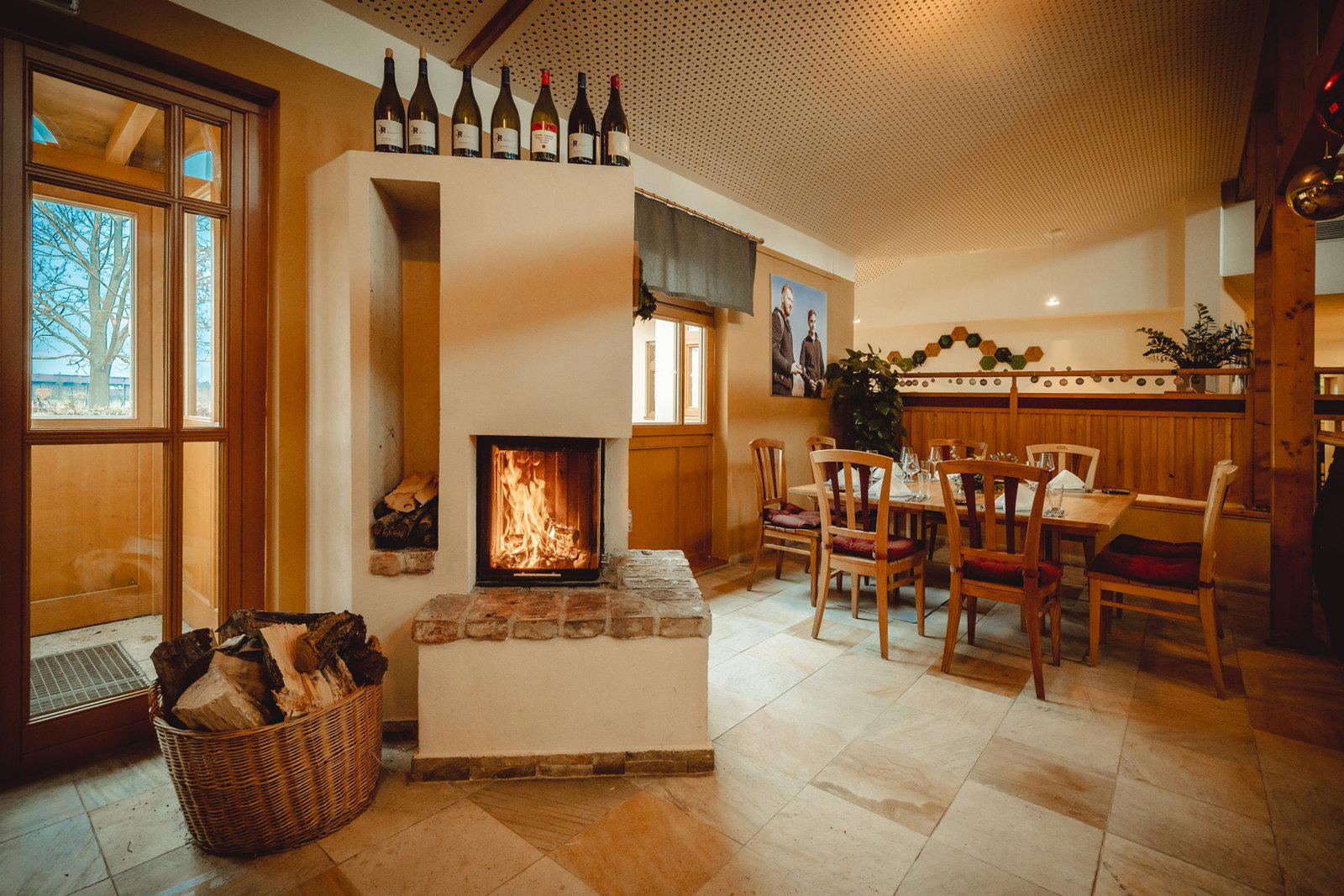
Lively atmosphere with open kitchen allowing diners to watch the sizzle of seafood and tapas preparation.