Our verdict
On a quiet stretch of Albertgasse in Vienna's eighth district, Maiz No. 2 occupies a different register from the city's established fine-dining circuit. The address signals neighbourhood intent rather than destination posturing, and that positioning shapes everything about the experience. For visitors tracking Vienna's less-signposted dining, this is a relevant stop.

Pearl is the En Primeur Club membership app, where members save venues, book tables and use the concierge.

The menu
What to order
- Pork taco with ancho chile
- Barbacoa beef taco
- Veggie tacos
Albertgasse and the Eighth District's Dining Register
Vienna's eighth district, Josefstadt, operates on a different frequency from the first. The Ringstrasse grandeur and Innere Stadt institution-density give way to narrower streets, residential blocks, and restaurants that draw locals rather than tourists following a published list. Albertgasse 14 sits in that quieter register, and Maiz No. 2 occupies a position that is less about ceremony and more about the specific argument its menu makes to the neighbourhood around it.
The city's upper-tier creative restaurants, among them Steirereck im Stadtpark, Amador, and Konstantin Filippou, operate at the €€€€ tier and carry the editorial weight of Michelin recognition. Maiz No. 2 does not belong to that bracket. What makes it worth considering is precisely what distinguishes the neighbourhood restaurant from the destination restaurant: proximity to a different kind of intention, one where the menu structure reflects choices made for a regular audience rather than an occasion-driven one.
Menu Architecture: What the Structure Signals
In Vienna's current dining scene, the most readable indicator of a restaurant's editorial point of view is not the ingredient list but the format of the menu itself. A multicourse tasting sequence with wine pairing positions a room differently from a card that asks the diner to select freely. The architecture of a menu communicates commitment: to a particular tradition, to a particular price relationship with the neighbourhood, to a particular rhythm of eating.
What Maiz No. 2 signals through its address and name is a corn-rooted reference, a cuisine orientation that in Central Europe remains distinctly outside the Austrian mainstream. Vienna's dominant fine-dining register runs toward produce-forward Austrian classicism, updated for contemporary technique at places like Mraz & Sohn or Doubek. A restaurant naming itself after maize in this city is positioning against that grain, literally. The decision to anchor identity in corn rather than in Viennese classicism or Alpine produce is a structural choice before a single dish arrives.
That structural positioning places Maiz No. 2 in the company of restaurants that have used a single ingredient or product family as a conceptual spine, a format that has become credible at the highest level internationally. At Atomix in New York, for example, Korean ingredient logic organises a progressive tasting format that earned two Michelin stars not through traditional French-adjacent structure but through the coherence of its cultural reference point. The approach differs in scale and context, but the underlying principle, that a defined ingredient identity creates menu discipline rather than limiting it, applies across tiers.
Vienna's Neighbourhood Restaurant Tier in Context
Austrian fine dining beyond Vienna tends to ground itself in Alpine produce and landscape specificity. Döllerer in Golling an der Salzach, Obauer in Werfen, and Griggeler Stuba in Lech all operate with a regional produce logic that is legible from the menu format alone. Ikarus in Salzburg takes the opposite route, rotating guest chefs to import external references into an Austrian frame. Kräuterreich by Vitus Winkler and Landhaus Bacher in Mautern an der Donau anchor in herb-garden and Wachau terroir respectively.
Vienna's neighbourhood tier has its own logic, shaped by a denser, more cosmopolitan population and a restaurant culture that is less seasonal-produce-dependent than the Alpine context. A restaurant in Josefstadt competes for a weekly audience, not primarily a destination audience. That shapes portion logic, price architecture, and the degree to which a menu makes regional Austrian claims versus drawing on a wider ingredient vocabulary. Maiz No. 2's corn-oriented identity fits the cosmopolitan neighbourhood model more than it fits the Alpine produce model, and that is the right fit for Albertgasse.
Further afield in the Austrian fine-dining network, Gourmetrestaurant Tannenhof in Sankt Anton am Arlberg, Schwarzer Adler in Hall in Tirol, Ois in Neufelden, and Restaurant 141 by Joachim Jaud in Mieming all operate in smaller towns where the destination logic applies by default. Maiz No. 2 inverts that model, sitting in a capital city neighbourhood where it must earn repeat visits rather than first-time pilgrimages.
Where It Sits in the Vienna Conversation
For anyone building an itinerary that uses Vienna's Michelin-level circuit as an anchor, the relevant question about Maiz No. 2 is not whether it competes with Steirereck or Amador but whether it fills a different slot in the schedule. International reference points like Le Bernardin in New York City occupy a position that no neighbourhood restaurant aspires to match. The more useful frame is whether Maiz No. 2 offers a reading of Vienna's dining culture that the €€€€ tier does not, and the address and concept suggest it does: a less formal, ingredient-committed, neighbourhood-oriented experience that reflects the eighth district's residential character rather than the first district's institutional one.
For a broader map of the city's dining options, the EP Club Vienna restaurants guide covers the full range, from the creative tasting-menu tier to neighbourhood addresses like this one.
Is a meal at Maiz No. 2 worth the investment?
Without confirmed pricing or award recognition in the public record, the investment question cannot be answered with the specificity it deserves. What can be said is that Josefstadt neighbourhood restaurants typically price for repeat local custom rather than occasion-driven destination spending, which positions them differently from Vienna's €€€€ tasting-menu tier. If you are building a Vienna itinerary that already includes a night at the level of Steirereck or Amador, Maiz No. 2 offers a different register rather than a competing one.
What makes Maiz No. 2 different from other Vienna neighbourhood restaurants in the eighth district?
The conceptual framing around corn places Maiz No. 2 in a distinct category within Josefstadt's dining options, where most neighbourhood restaurants draw from a general Central European or international bistro vocabulary. In a city whose serious kitchens remain heavily oriented toward Austrian Alpine and Viennese classical references, a restaurant that names itself after a non-native grain is making a deliberate statement about culinary identity. That positioning, within the eighth district's cosmopolitan residential character, creates a different kind of conversation than a Viennese Beisl or an Italian trattoria on the same street would. For context on where this fits in the wider Austrian picture, the EP Club Vienna guide maps the full range.
City Peers
Comparable venues nearby, for context on price, style, and recognition.
| Venue | Cuisine | Price | Notes |
|---|---|---|---|
| Maiz No. 2This venue (the venue you are viewing) | Authentic Mexican Tacos | $20–30 | Not listed |
| Chrugerno10 | Mexican Street Food - Tacos, Burritos & Bowls | $10–20 | Staatsoper |
| La Taquería Chiquitita | Authentic Mexican Taqueria | $10–20 | Margareten |
| Gorilla Kitchen | Mexican Street Food Burritos | $10–20 | Staatsoper |
| Burrito BeachCafé | Mexican Street Food | $10–20 | Inner City |
| Auersgarden | Garden Bistro with Regional Focus | $20–30 | Hofburg |
Continue exploring
More in Vienna
Restaurants in Vienna
All restaurants in Vienna →
Bars in Vienna
All bars in Vienna →



Details
- Cozy
- Trendy
- Lively
- Casual Hangout
- Family
- Group Dining
- Open Kitchen
- Craft Cocktails
- Beer Program
- Organic
- Local Sourcing
- A La Carte
- Small Plates
- Mezcal Negroni
- Mexican Beer
- Vegetarian Friendly
- Gluten Free Options
Current opening hours
- Monday
- Closed
- Tuesday
- Closed
- Wednesday
- 5–10 PM
- Thursday
- 5–10 PM
- Friday
- 5–10 PM
- Saturday
- 12–10 PM
- Sunday
- Closed
Hours can change for holidays and private events. Hours as of .
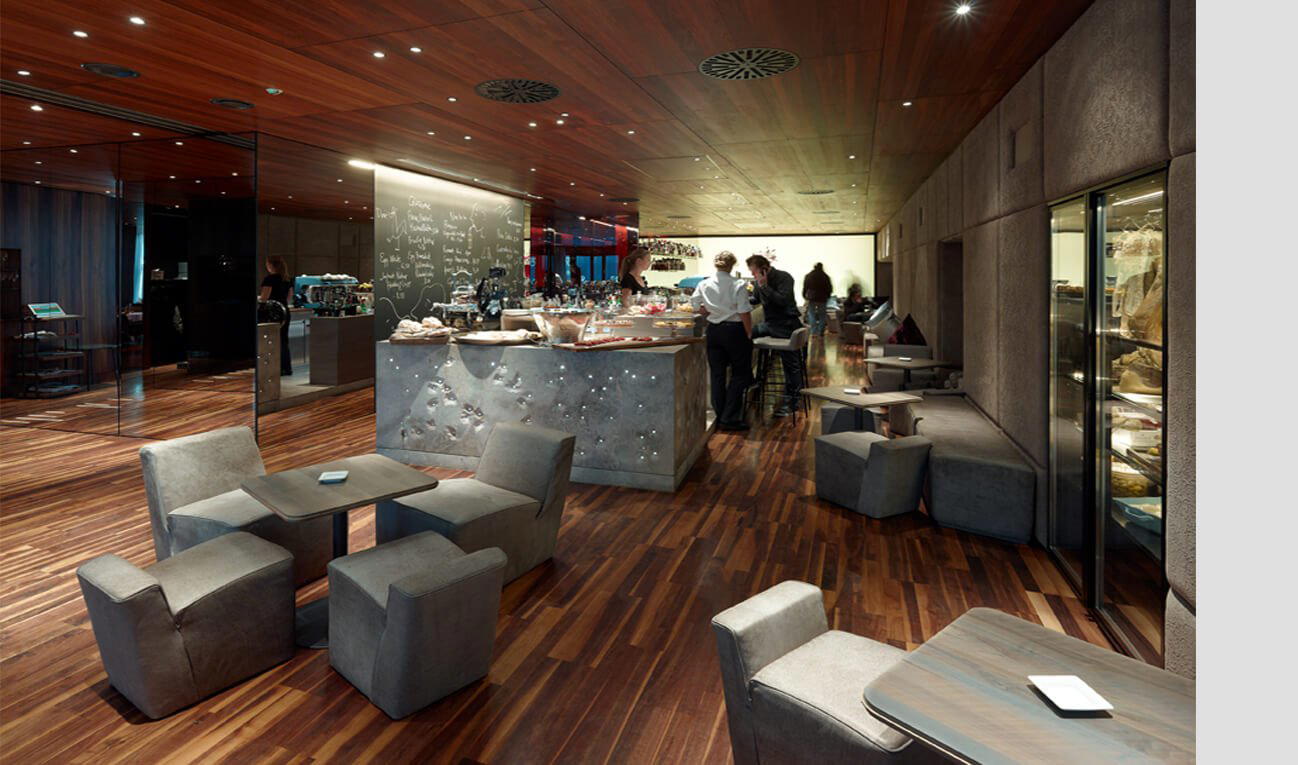
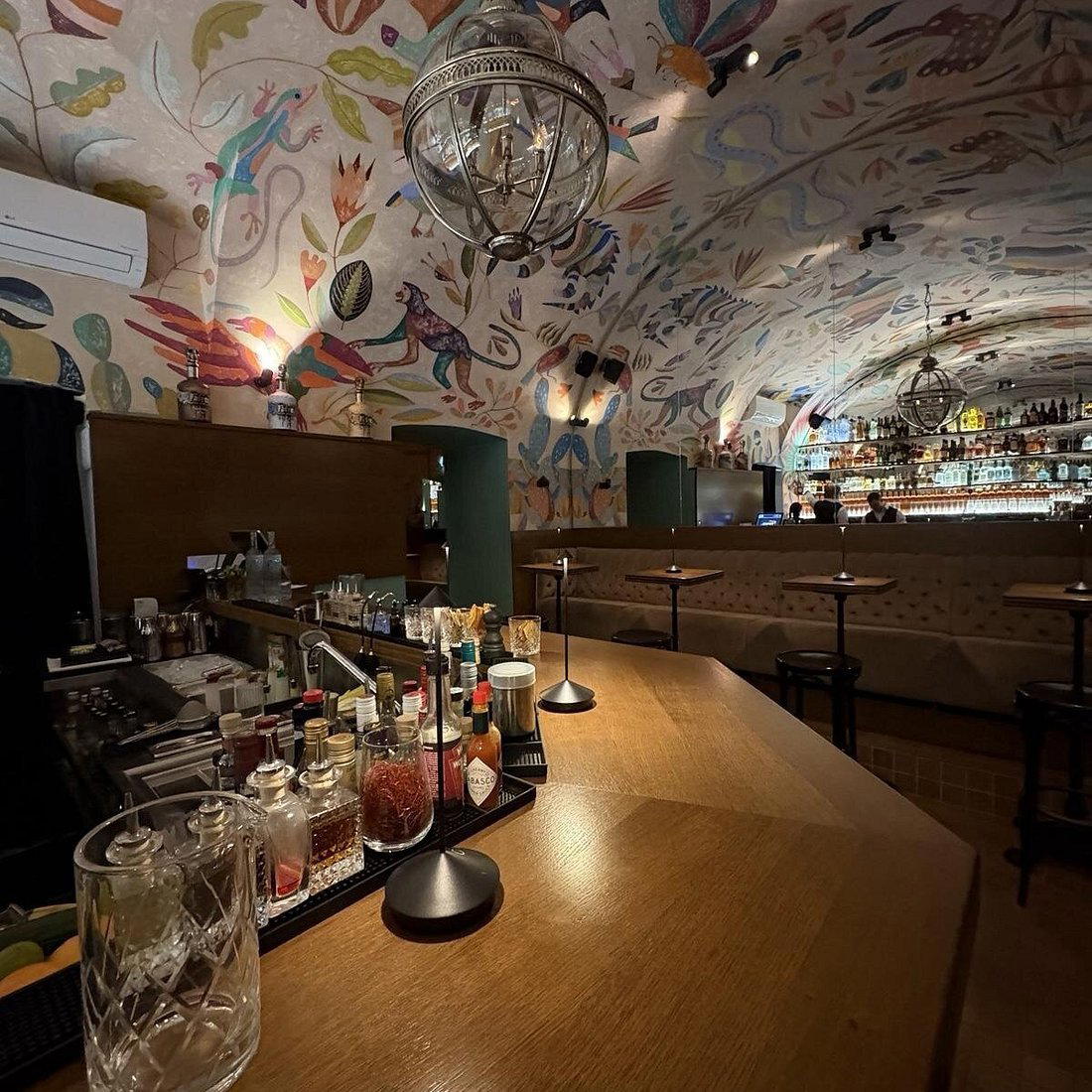
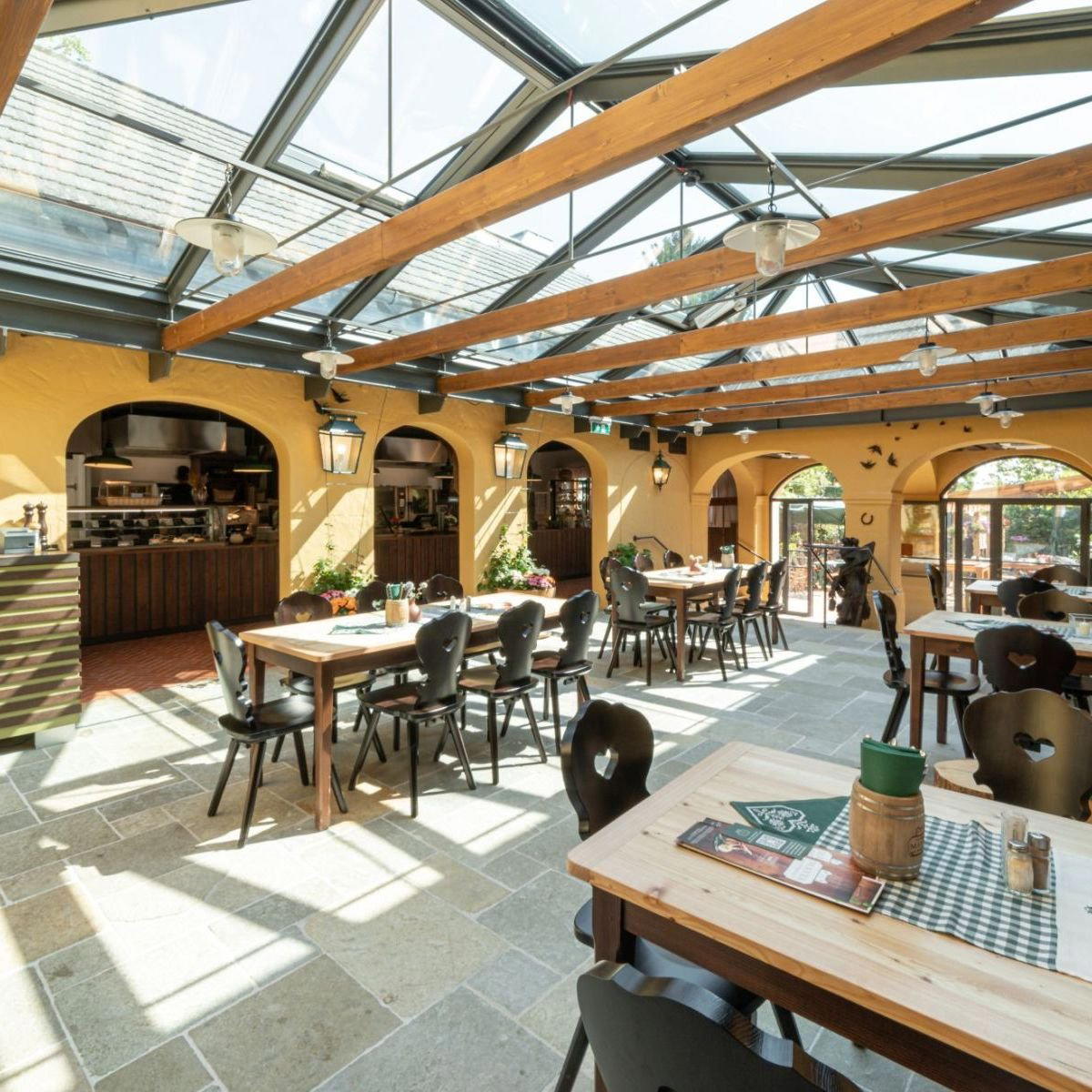
Lively and welcoming casual atmosphere with bright colors, fresh energy from dedicated staff, and a family-like feel.