
Weingut Wien Cobenzl sits on the Viennese hills of the 19th district, among a small group of estate wineries that produce Gemischter Satz and other indigenous varieties within the city limits..
Pearl is the En Primeur Club membership app — saves, bookings, and concierge access live there. Same editors, same standards.
- Address
- Am Cobenzl 96, 1190 Wien
- Phone
- +43 1 3205805
- Website
- weingutcobenzl.at
- Directions
- Get directions
 Saves & bookings on Pearl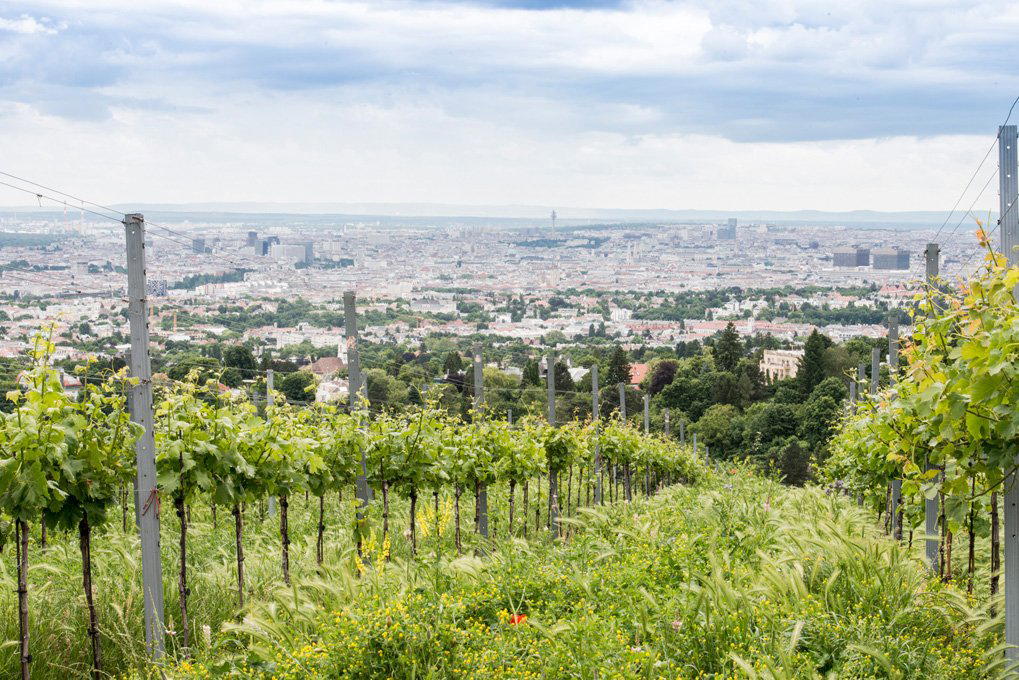
Where the Vineyards Begin Inside the City
Vienna is one of the few capital cities in the world with a functioning wine appellation operating within its own boundaries. The Wiener Gemischter Satz DAC, formalised in 2013, codifies what Viennese growers had been doing for centuries: planting multiple grape varieties side by side in the same vineyard, harvesting them together, and fermenting them as a single wine. That tradition is not a marketing construction; it reflects the practical logic of pre-industrial farming on the Bisamberg, Nussberg, and Kahlenberg slopes north and west of the city. Weingut Wien Cobenzl is a winery in Vienna's 19th district at Am Cobenzl 96.
The address alone positions the estate within a specific tier of the Viennese wine scene. The 19th district, Döbling, is where the city's wine culture concentrates most densely, and the Cobenzl area in particular carries historical weight as a site of aristocratic estates and agricultural land protected from development by the Wienerwald. Arriving here from the centre, the shift is abrupt: tram lines and apartment blocks surrender to winding roads and vine rows within a few kilometres. That physical transition is part of what makes estate visits in this part of Vienna feel structurally different from tasting at a Heuriger in a suburban courtyard.
The Heuriger Tradition and Its Upper Tier
The Heuriger, Vienna's characteristic wine tavern, operates under a specific legal framework: estates may sell their own wine and simple food directly to customers, typically in seasonal, open-air settings. The institution is old enough to have attracted legislation under Joseph II in 1784 and has since evolved into a spectrum that runs from neighbourhood staples to estate properties with serious cellar programmes. Weingut Wien Cobenzl occupies the more serious end of that range.
The gap between a Heuriger where a family opens its garden twice a year and an estate producing structured Gemischter Satz for regional and export markets is considerable, even though both may technically operate under the same classification. Vienna's urban winery set includes properties like Weingut Fritz Wieninger, Weingut Mayer am Pfarrplatz, Weingut Fuhrgassl-Huber, and Weingut Rainer Christ, each with distinct cellar philosophies and Heuriger formats. Cobenzl's elevation and scale set it apart geographically even within that peer group.
Gemischter Satz as a Cultural Artefact
Understanding what Gemischter Satz represents helps explain why estates producing it are culturally significant beyond their output. The wine is, in effect, a living document of old Viennese viticultural practice. Where most modern wine regions moved toward monovarietal planting for simplicity and commercial legibility, Vienna's hillside growers retained field blends because the variety mix hedged against vintage failures and produced wines with a structural complexity that no single grape could replicate. The DAC rules require at least three varieties, with no single variety exceeding 50 percent of the blend, and the leading Wiener Gemischter Satz Erste Lagen classification maps the city's most historically significant vineyard sites.
Cobenzl's position on the Viennese hills means its vineyards fall within this tradition directly, not as a reconstruction or homage but as a continuation. The broader Austrian wine context is equally relevant: Austria built its contemporary reputation on Grüner Veltliner and Riesling from the Wachau, Kamptal, and Kremstal, and names like Weingut Emmerich Knoll in Dürnstein and Weingut Bründlmayer in Langenlois define those benchmarks internationally. Vienna's urban estates operate in a different register: less structured around single-variety prestige, more rooted in place-specific blending traditions that predate the modern classification system.
Arriving at Cobenzl
The approach to the estate is part of the experience in a way that few urban wine addresses can offer. The 19th district's upper reaches are accessible by public transport, but the Cobenzl area sits high enough that the final approach involves either a drive along the Cobenzlgasse or a more committed walk from the lower tram terminus. From the hillside, the view extends across Vienna's basin, the Danube visible in clear conditions, the city's skyline low and horizontal in the Austrian manner. That geography, vineyards above the urban canopy, is the defining visual of the Viennese wine experience and distinguishes it from wine regions that exist entirely outside city contexts.
The estate's address at Am Cobenzl 96 places it at the higher end of the hillside, within reach of walking trails that connect the Cobenzl area to the broader Wienerwald. This makes it a logical combination with a longer afternoon in the hills, particularly in the warmer months when outdoor seating at Heuriger properties defines the rhythm of Viennese leisure. Planning a visit in late summer or early autumn aligns with the Heuriger season and, in vintage years, with the approach of harvest activity on the surrounding slopes.
Vienna's Wine Scene in a National and Regional Frame
Placing Cobenzl in a wider Austrian context helps calibrate what a visit means relative to other wine travel in the country. Austria's most concentrated premium production sits in Lower Austria and Burgenland. Burgenland properties such as Weingut Pittnauer in Gols, Weingut Kracher in Illmitz, and Weingut Scheiblhofer Distillery in Andau operate in warmer, lower-altitude conditions suited to red varieties and botrytised sweet wines. Styrian production, represented by Weingut Wohlmuth in Kitzeck, centres on aromatic whites from steep southern slopes. Vienna's urban estates form a separate category: geographically compact, historically layered, and tied to a city's identity in a way that none of the rural regions can claim.
For visitors who want to explore the full range of Austrian wine production from a Vienna base, the urban estates serve as an accessible entry point. More serious wine itineraries might extend to the Wachau or Kamptal, but the Cobenzl hills offer something those regions do not: wine that is inseparable from the city it overlooks. The Weingut Heinrich Hartl in Oberwaltersdorf and the 1516 Brewing Company Distillery represent adjacent production traditions in the broader Vienna region for those building a multi-stop visit.
Planning a Visit
Phone and booking details are not published in the current record, so confirming opening periods directly with the estate before visiting is advisable, particularly outside the main summer Heuriger season when hours may be reduced or advance reservations required. The estate's hillside location also means transport planning deserves attention; building the visit into an afternoon that accounts for the approach from central Vienna will give it the pacing it rewards.
Vienna's urban model, grounded in the Heuriger format and the Gemischter Satz tradition, is its own distinct answer to the same question of how a wine estate opens itself to visitors.
A Lean Comparison
Comparable venues nearby, for context on price, style, and recognition.
| Venue | Cuisine | Price | Notes |
|---|---|---|---|
| Weingut Wien CobenzlThis venue — the venue you are viewing | Grinzing, Grüner Veltliner, Riesling | $$ | Not listed |
| Weingut Zahel | Not listed | $$ | Mauer, Liesing (23rd district), Grüner Veltliner, Riesling |
| Strassbauer Distillery | Winery | Not listed | Not listed |
| 1516 Brewing Company Distillery | Winery | Not listed | Not listed |
| Weingut Fritz Wieninger | Not listed | $$$ | Bisamberg/Nussberg, Grüner Veltliner, Pinot Blanc |
| Stock Austria Distillery | Winery | Not listed | Not listed |
Recognition history
Dated appearances from independent guides and award organizations, with the underlying list record or original source where available.
Falstaff Winery - 3 Stars
Falstaff
Continue exploring
More in Vienna
Wineries in Vienna
Browse all →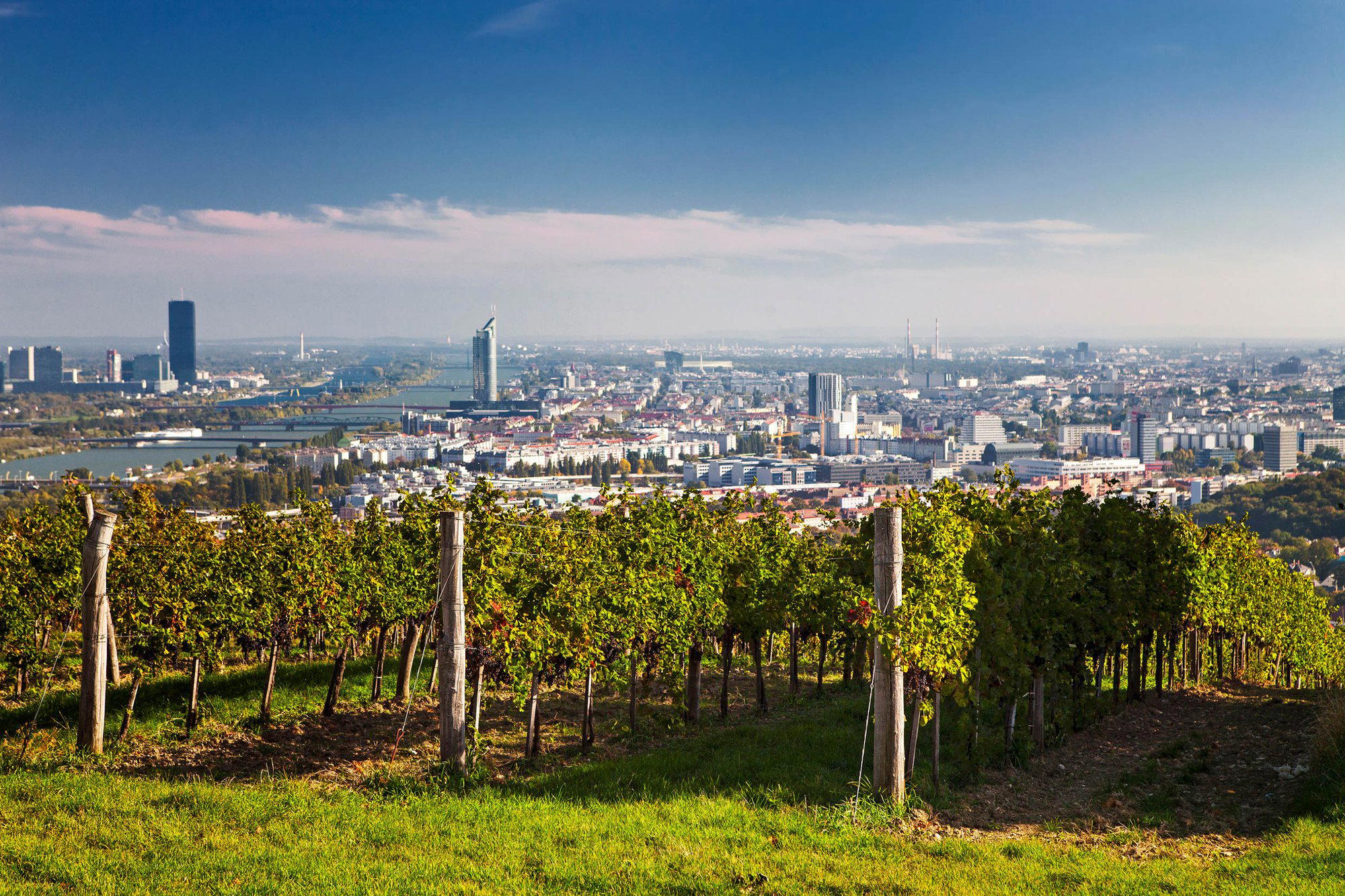
Bars in Vienna
Browse all →

Restaurants in Vienna
Browse all →
At a Glance
- Scenic
- Classic
- Elegant
- Wine Education
- Special Occasion
- Vineyard Tour
- Terrace
- Panoramic View
- Historic Building
- Organic
- Sustainable
- Vineyard
- Skyline
- Wiener Gemischter Satz DAC
- Grüner Veltliner
- Riesling
- Weißburgunder
- Wiener Gemischter Satz
- Pinot Noir
- Zweigelt
- Still White
- Still Red
- Tasting Room
- Single Vineyard
Scenic and elegant with panoramic city views, classic winery atmosphere in a historic setting.