On Kurfürstendamm, Berlin's most storied commercial boulevard, Brasserie Le Paris occupies the French-restaurant niche that the city has historically underserved at the mid-to-upper tier. Where Berlin's Michelin circuit runs heavily toward modern German and creative European formats, Rutz, Nobelhart and Schmutzig, FACIL, a classically framed brasserie sits in a distinct competitive pocket, worth understanding before you book.
Pearl is the En Primeur Club membership app — saves, bookings, and concierge access live there. Same editors, same standards.
- Address
- Kurfürstendamm 211, 10719 Berlin, Germany
- Phone
- +493088704655
- Website
- opentable.com
- Directions
- Get directions
 Saves & bookings on Pearl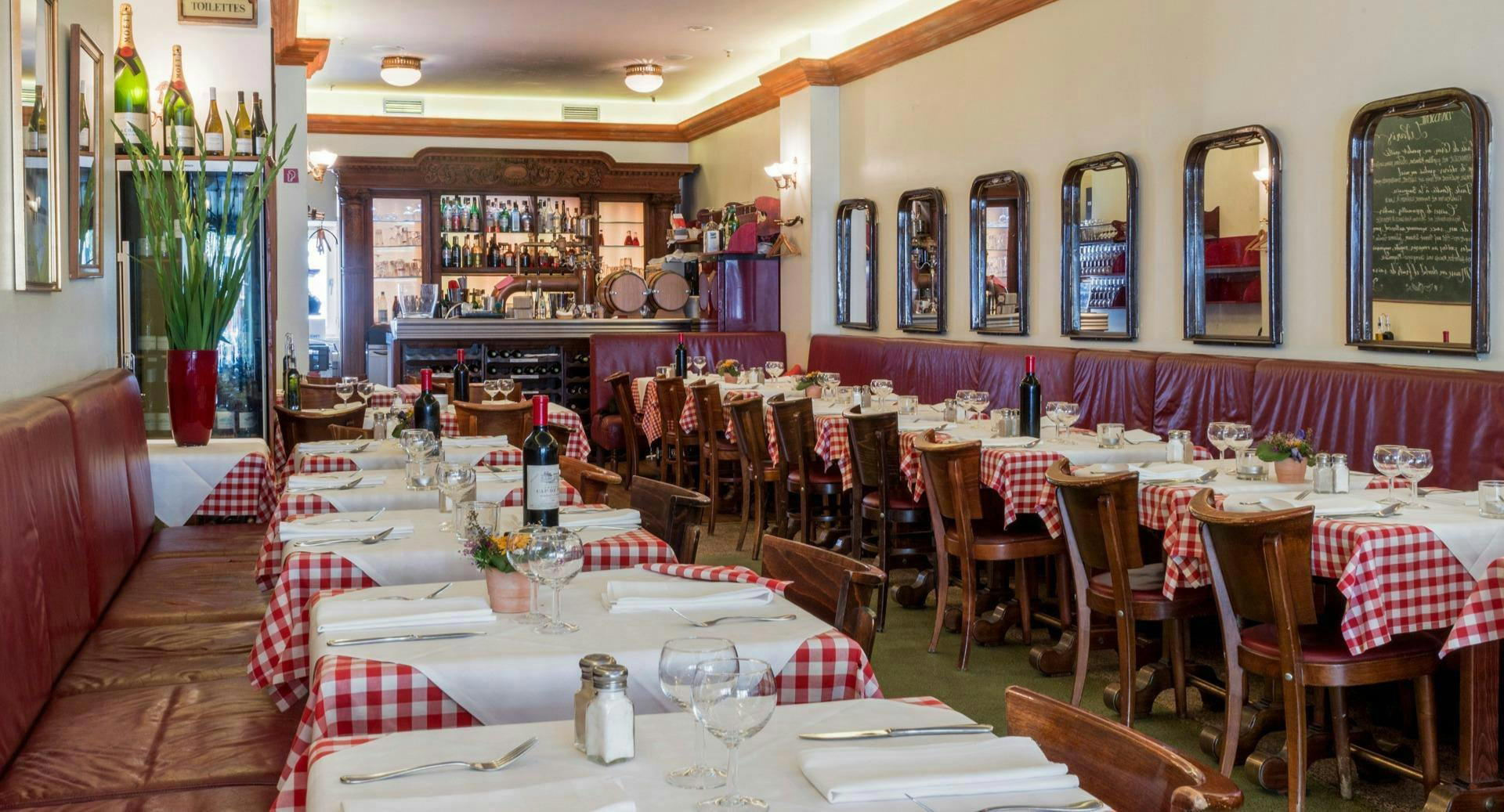
The Address and What It Signals
Kurfürstendamm has carried the weight of West Berlin's commercial identity for well over a century, and the stretch around number 211 still reads as the boulevard at its most deliberately European. Grand-scale retail, hotel facades with pre-war bones, and pavement wide enough to feel Parisian in ambition if not always in execution. A French brasserie at this address is not an accident of real estate, it is a positioning statement about which dining tradition the operator is anchoring to, and which clientele they expect to walk through the door.
That context matters when thinking about where Brasserie Le Paris sits in Berlin's broader restaurant picture.Rutz, Nobelhart and Schmutzig, FACIL, CODA Dessert Dining, cluster around progressive, often locally rooted formats. French classicism, the kind that prizes a properly executed sole meunière or a croque monsieur made with real béchamel, occupies a quieter corner of the Berlin dining conversation. Brasserie Le Paris addresses that gap from a high-footfall address on one of the city's most recognisable streets.
The Brasserie Format in a German Context
The brasserie as a dining format carries specific expectations that distinguish it from both the bistro below it and the grand restaurant above. Long service hours, a menu that supports single dishes as readily as a full progression, a wine list weighted toward France, and a room designed to absorb noise without losing atmosphere, these are the structural commitments a brasserie makes to its guests. In Paris, that contract is understood. In Berlin, where the dining culture has developed along different lines, a French brasserie requires its guests to come with slightly different expectations than they might bring to the city's more dominant format of tasting-menu-led fine dining.
Schwarzwaldstube in Baiersbronn, Vendôme in Bergisch Gladbach, and Waldhotel Sonnora in Dreis each operate in the French classical tradition with Michelin recognition, but they are destination restaurants requiring travel. The Berlin visitor looking for French cooking within the city's own limits is working with a shorter list, which is precisely what gives an address like Kurfürstendamm 211 its contextual relevance.
Planning Your Visit: The Booking Question
Tables at Restaurant Tim Raue or the tightly formatted counters at CODA require advance planning measured in weeks, sometimes months. A brasserie is structurally designed to handle more fluid demand, longer service windows, more covers, a menu that doesn't require the kitchen to sequence a single tasting arc across every table simultaneously.
That said, Kurfürstendamm is not a quiet street, and the area draws a consistent mix of hotel guests, shoppers, and long-term West Berlin residents whose loyalty to neighbourhood restaurants runs deep. The practical advice for Brasserie Le Paris follows the same rule that applies to any well-positioned brasserie in a high-footfall European city: midweek lunch is the path of least resistance; weekend dinner is the session most likely to feel pressure. If your schedule is flexible, the early-week lunch window typically offers the leading combination of availability and unhurried service.
For comparison, the booking difficulty at Germany's most sought-after tables, Aqua in Wolfsburg, Victor's Fine Dining in Perl, JAN in Munich, ES:SENZ in Grassau, or Schanz in Piesport, involves lead times that can exceed two months for weekend slots. A Kurfürstendamm brasserie operates on a different timescale, which is one of the format's core practical advantages for the time-pressured traveller.
Berlin's French Table: What to Expect from the Category
A brasserie menu typically anchors on dishes that reward good sourcing and clean technique over novelty: plateau de fruits de mer when the shellfish supply justifies it, steak preparations that expose the quality of the cut, and egg-based dishes that are either done with precision or not worth ordering at all. Wine service in the brasserie tradition runs toward by-the-glass accessibility rather than deep cellar theatre, and the room should function as a place to linger rather than turn tables quickly.
That positioning places a Kurfürstendamm brasserie in conversation with French tables elsewhere in Europe, Le Bernardin in New York represents the extreme upper end of what French classical technique can achieve in a non-French city, while Lazy Bear in San Francisco shows how a European dining format gets reinterpreted when transplanted far from its origin. The brasserie occupies a more middle ground: it is not trying to redefine French cooking, it is trying to deliver it reliably in a city that does not have a deep indigenous tradition of the format.
For visitors whose Berlin itinerary already includes a booking at one of the city's progressive addresses, the restaurant offers a different register entirely. Where a dinner at Nobelhart and Schmutzig commits you to a single, ideologically consistent progression focused on regional German produce, or a meal at Restaurant Tim Raue takes you into a Chinese-inflected tasting format, the brasserie gives you control over the pace and composition of your own meal. That is a meaningful distinction for a certain kind of diner.
For French-influenced cooking at the highest tier elsewhere in Germany, the Hamburg comparison point is Restaurant Haerlin, and the southwestern Germany reference is Bagatelle in Trier.
Know Before You Go
- Address: Kurfürstendamm 211, 10719 Berlin, Germany
- Neighbourhood: Charlottenburg, West Berlin, well-served by U-Bahn (Kurfürstendamm station, U1/U9 interchange)
- Booking: Contact the restaurant directly; no online booking platform confirmed at time of publication
- Leading timing: Midweek lunch for easiest access; weekend dinner likely sees highest demand
- Format: Brasserie, à la carte ordering, suitable for single-course visits or full progressions
- Dietary needs: Communicate allergies directly when reserving, and confirm again on arrival; no allergy information is published online at this time
Compact Comparison
Comparable venues nearby, for context on price, style, and recognition.
| Venue | Cuisine | Price | Notes |
|---|---|---|---|
| Brasserie Le ParisThis venue — the venue you are viewing | Charlottenburg, Classic French Brasserie | $$$ | Not listed |
| Bostich | Wilmersdorf, French-Swiss Bistro | $$$ | Not listed |
| Le Faubourg | Not listed | $$$ | Charlottenburg, Modern French with Regional Influences |
| Jolie Bistrot | Prenzlauer Berg, Modern French Bistro | $$$ | Not listed |
| TORBAR | Mitte, French Brasserie | $$$ | Not listed |
| Joynes Kitchen | Charlottenburg, Modern French Bistro | $$$ | Not listed |
Continue exploring
More in Berlin
Restaurants in Berlin
Browse all →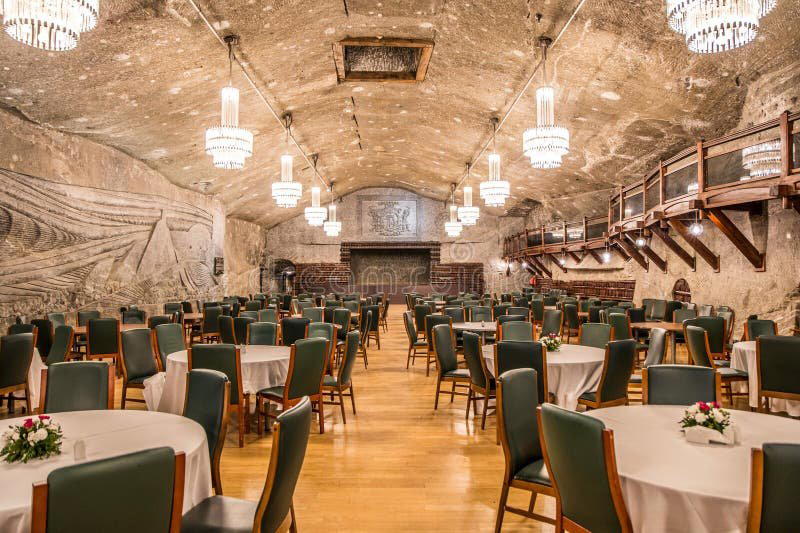
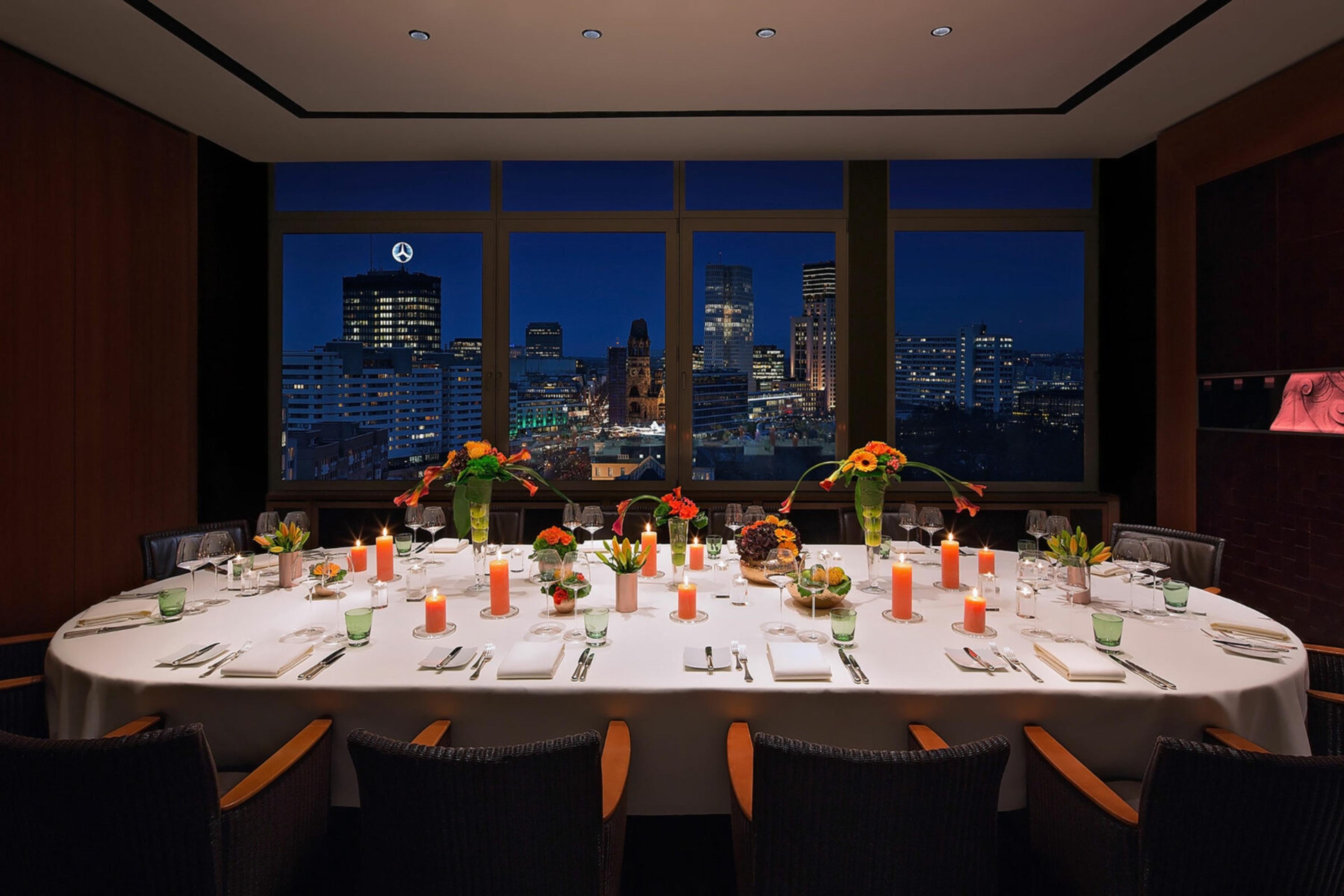
Bars in Berlin
Browse all →
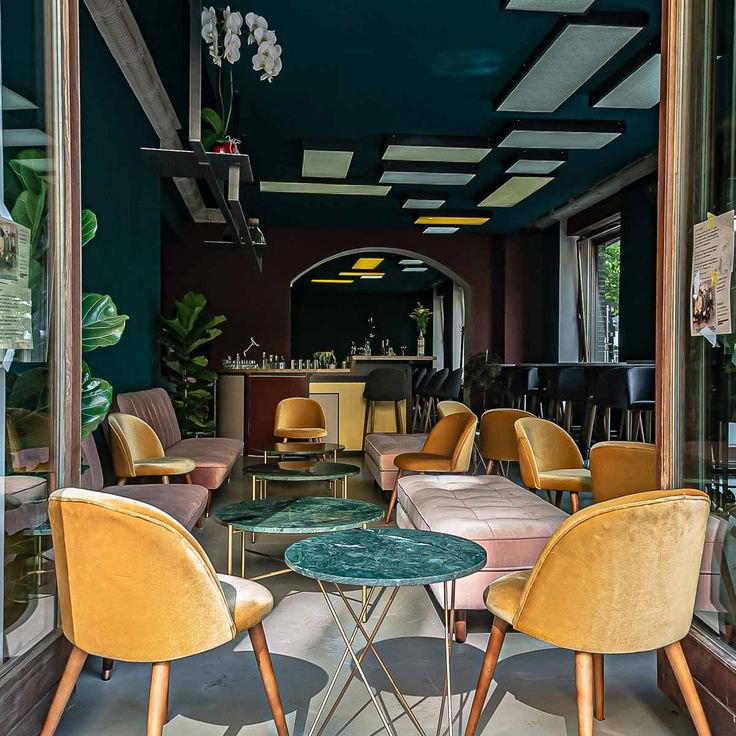
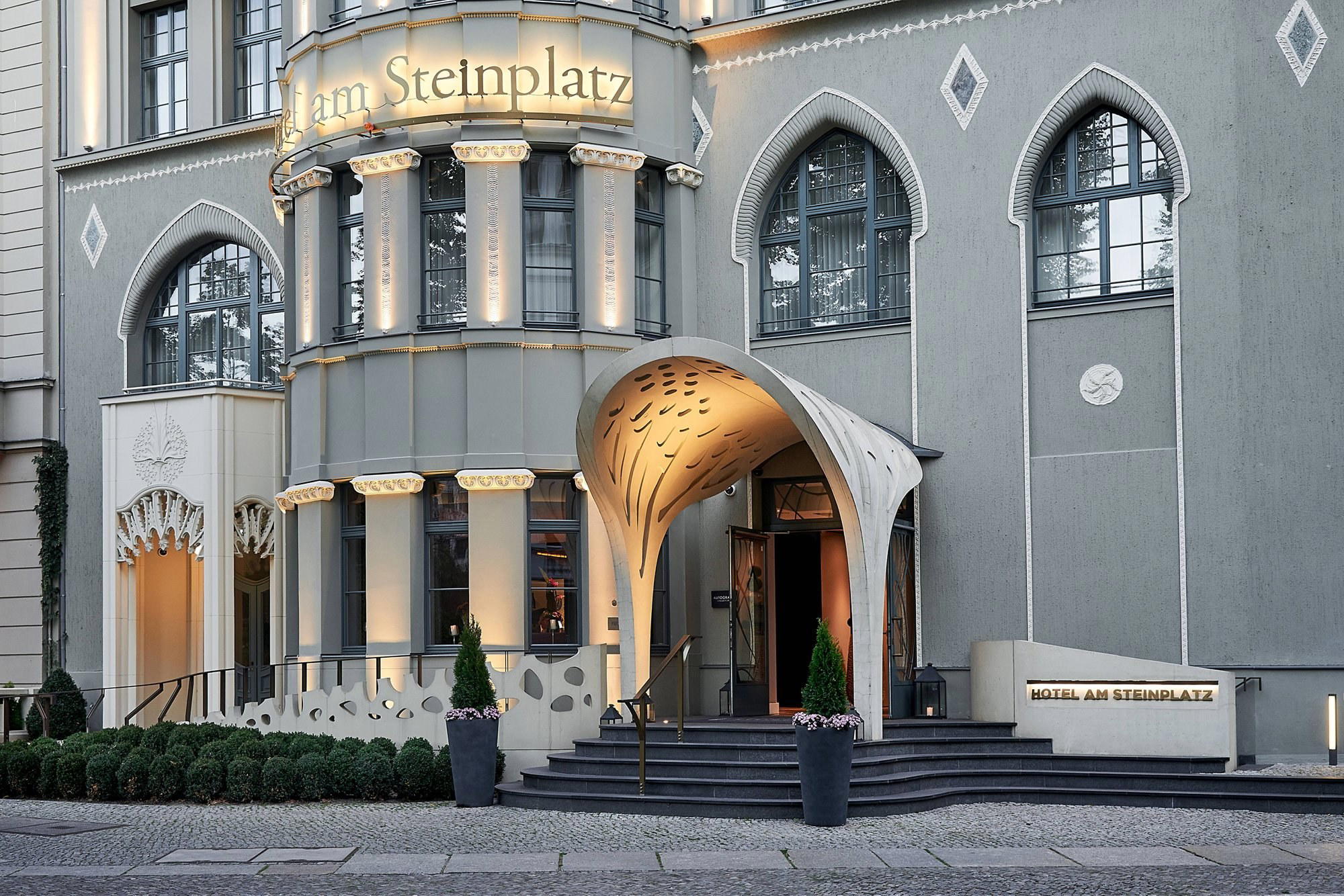
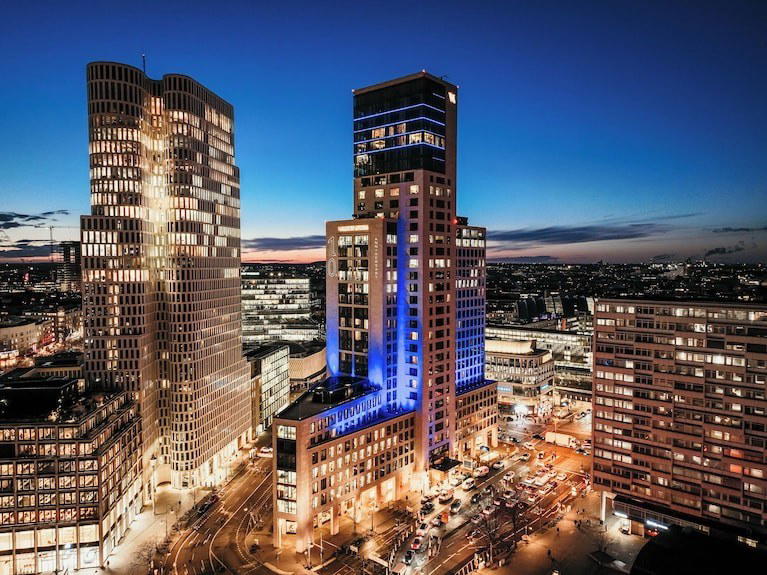
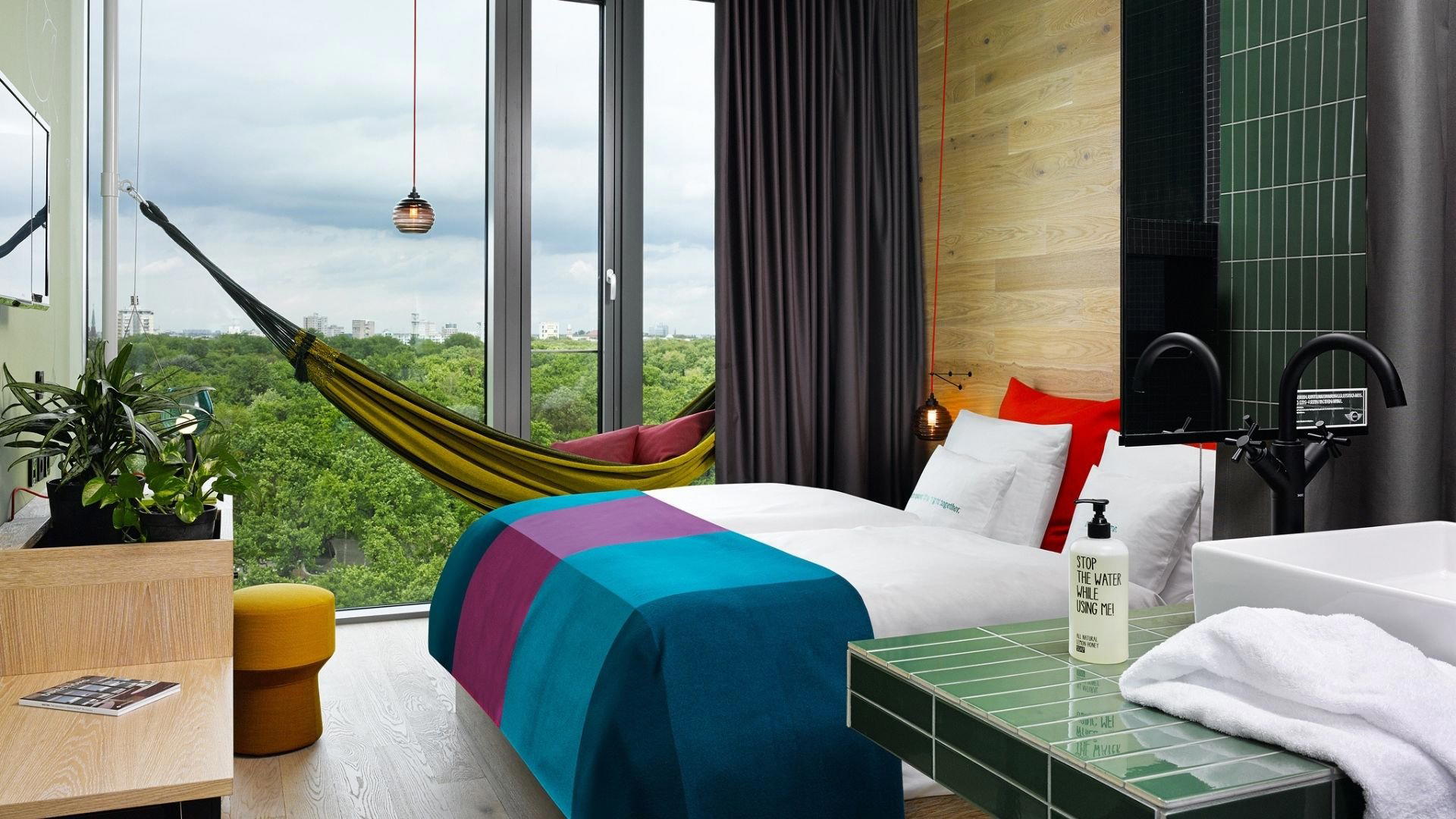
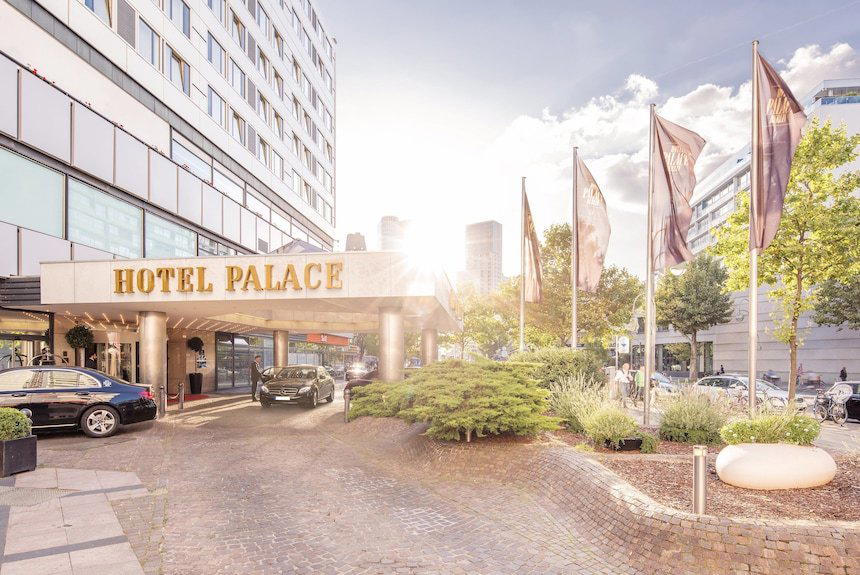
Hotels in Berlin
Browse all →

At a Glance
- Classic
- Elegant
- Sophisticated
- Date Night
- Business Dinner
- Casual Hangout
- Terrace
- Extensive Wine List
- Street Scene
Current opening hours
- Monday
- 12–10 PM
- Tuesday
- 12–10 PM
- Wednesday
- 12–10 PM
- Thursday
- 12–10 PM
- Friday
- 12–10 PM
- Saturday
- 12–10 PM
- Sunday
- Closed
Hours can change for holidays and private events. Last verified .
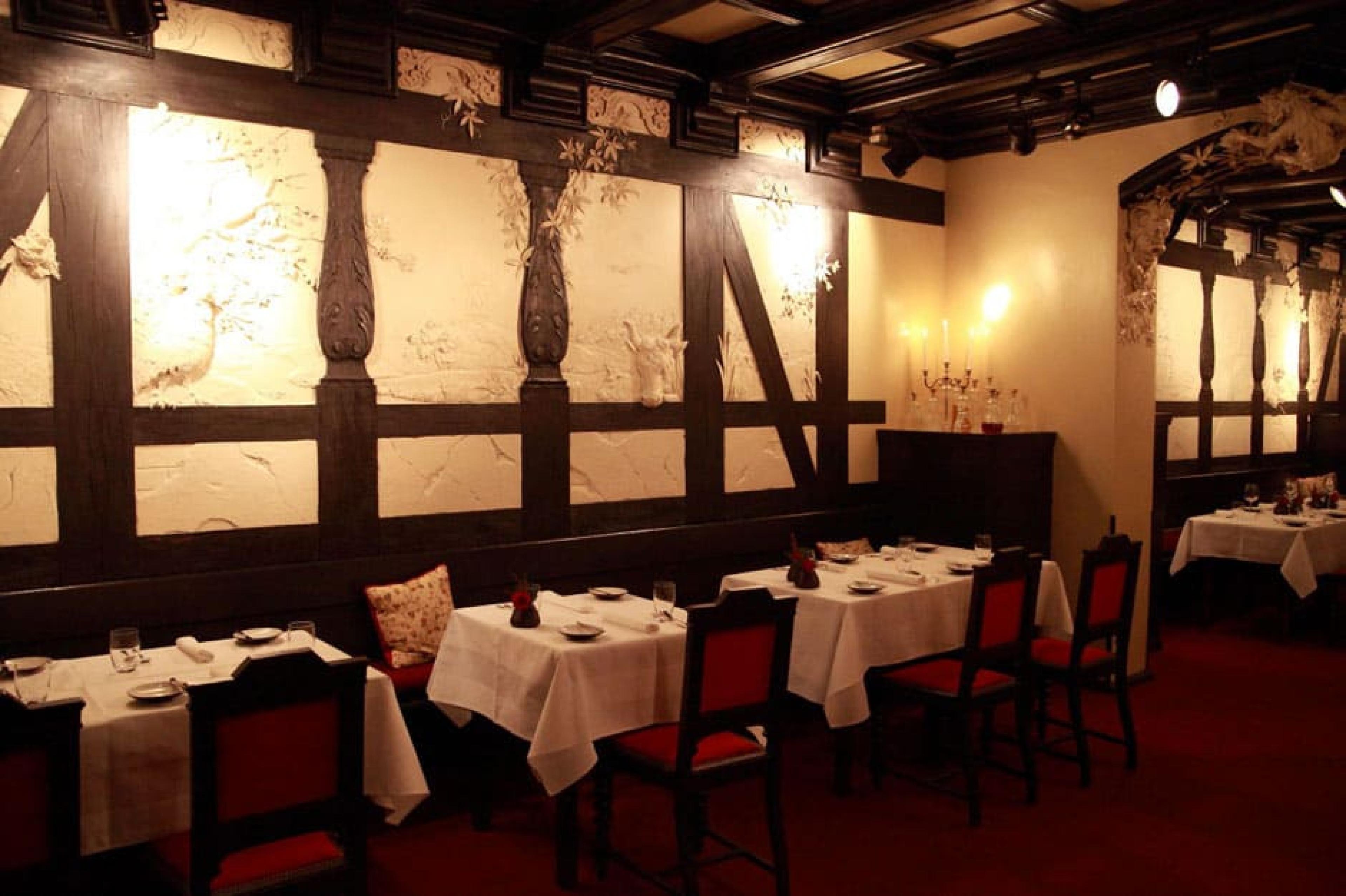
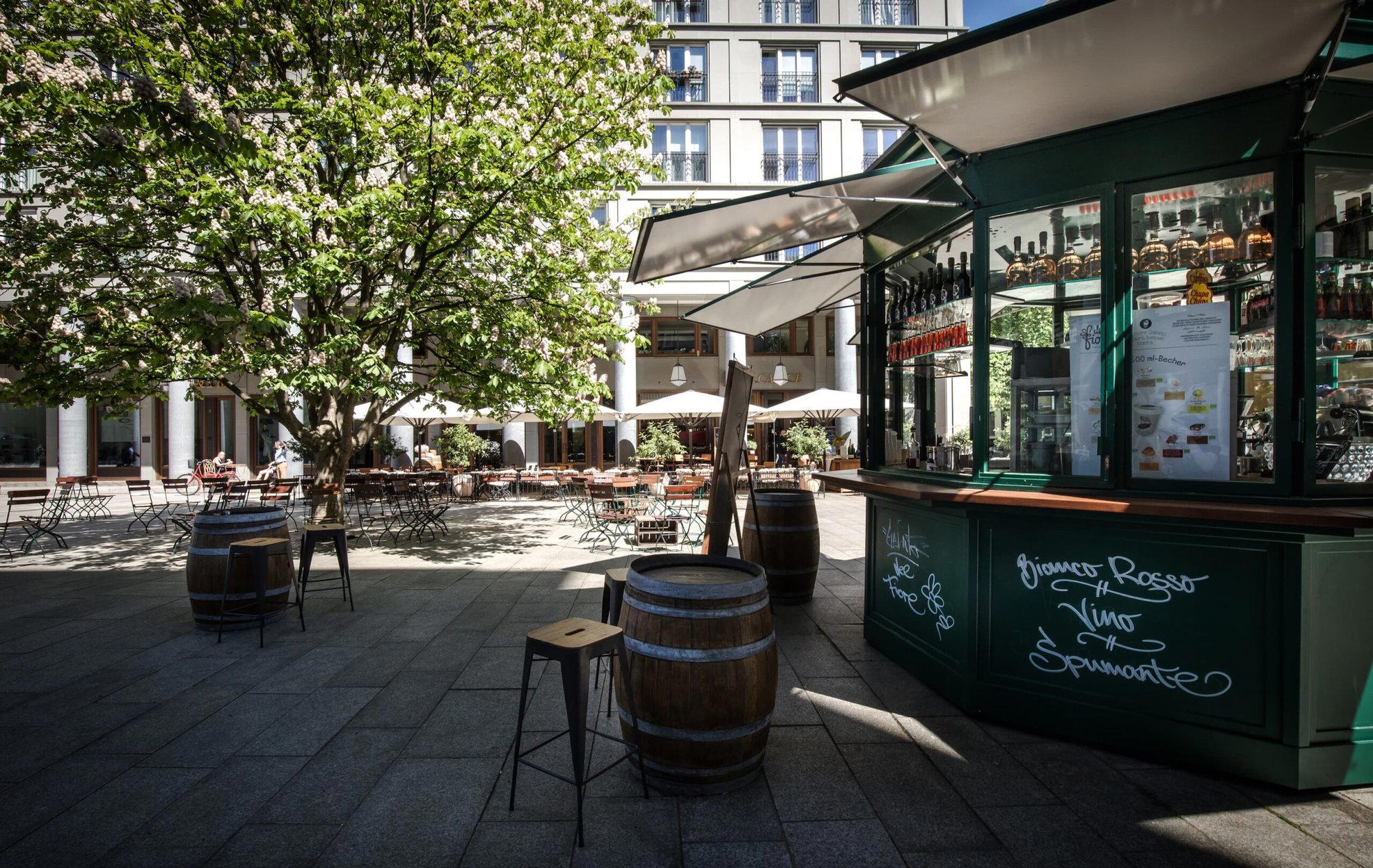
Spacious interior in exotic Art Nouveau style with French charm, lively terrace, and welcoming atmosphere blending tradition and vibrancy.