
On a corner of Kollwitzplatz in Prenzlauer Berg, Jolie Bistrot translates the rhythm of a Parisian neighbourhood restaurant into distinctly Berlin terms. The space reads as a deliberate design statement: compact, considered, and built for the kind of unhurried lunch or dinner that the square's residential pace encourages. For the city's French-leaning bistrot tier, it sits in a category with few direct local rivals.
Pearl is the En Primeur Club membership app — saves, bookings, and concierge access live there. Same editors, same standards.
- Address
- Wörther Str. 35, 10435 Berlin, Germany
- Phone
- +49 173 1444588
- Website
- jolie-berlin.com
- Directions
- Get directions
 Saves & bookings on Pearl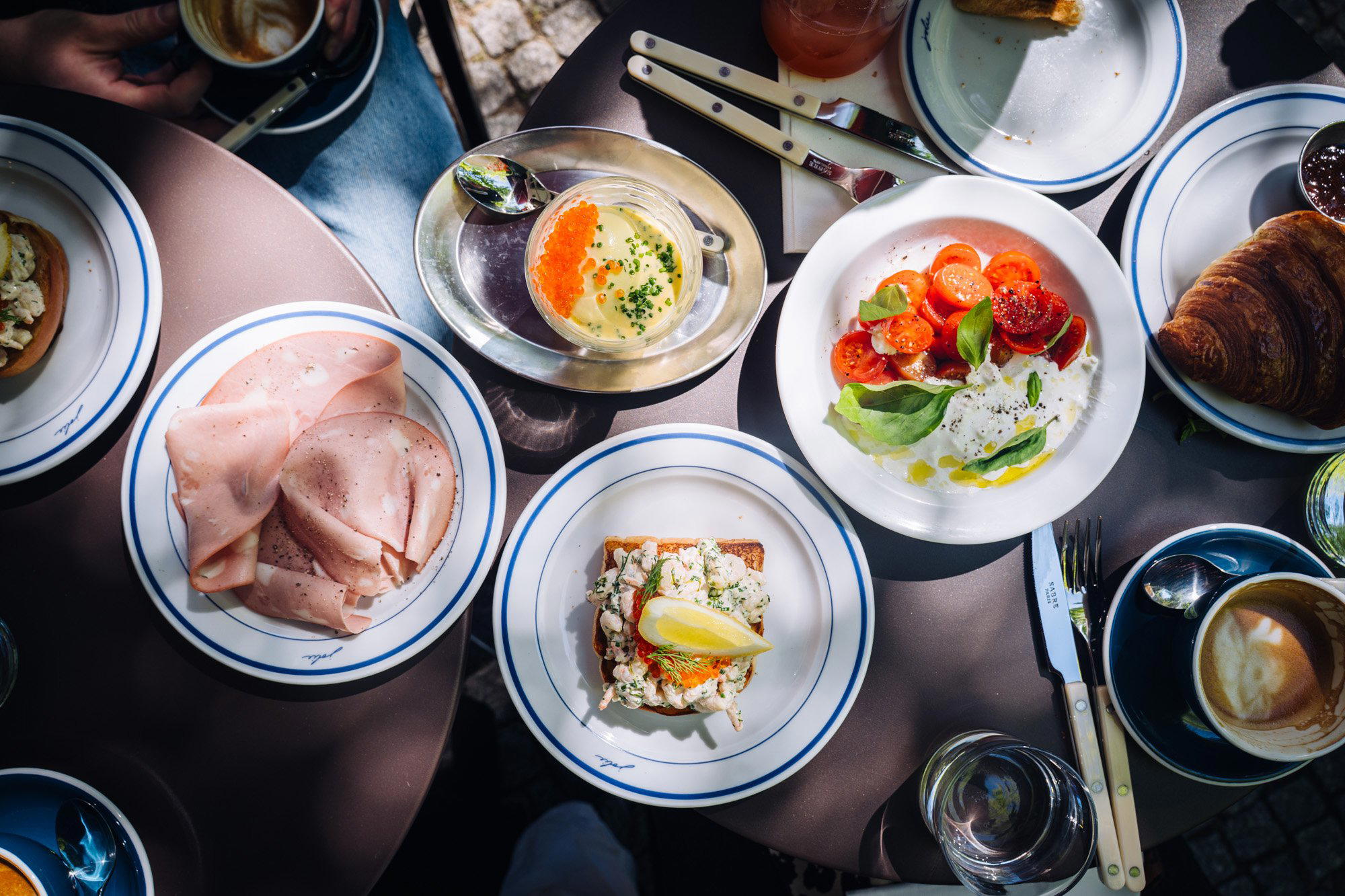
A Parisian Format, Planted in Prenzlauer Berg
Kollwitzplatz has always operated on a different register from central Berlin. The square and its surrounding streets in Prenzlauer Berg form one of the city's more settled residential pockets, where the dining options tend toward the personal and the deliberate rather than the high-concept or the scalable. It is into this context that Jolie Bistrot arrives, occupying a corner address on Wörther Strasse that immediately signals its intent: this is a neighbourhood room, not a destination restaurant chasing a wider audience.
The French bistrot format has a longer history in Paris than it does in Berlin, and that gap matters for understanding what Jolie Bistrot is attempting. In Paris, the bistrot is a functional institution, a physical and social grammar that evolved over a century and a half. The tiled floors, the zinc counter, the handwritten specials board, the close-set tables: each element is load-bearing. Transporting that format to Berlin requires more than decorative borrowing. The better Franco-German rooms in the city treat the bistrot as a discipline rather than an aesthetic, and the results tend to be more coherent than places that simply import the surface details.
What the Space Does
Jolie Bistrot's address on Wörther Strasse 35 places it at the sunlit edge of Kollwitzplatz, the kind of corner position that gives a small room natural light across two orientations. In a format where the physical container is the primary product, where the distance between tables, the sound level, and the material warmth of the room determine whether an evening works, this positioning matters. The leading bistrot interiors are never neutral: they are calibrated to create a specific kind of pressure-free time, where eating and conversation run in parallel rather than one interrupting the other.
Berlin's premium dining tier, anchored by places like Rutz, Nobelhart & Schmutzig, and FACIL, operates in a register of architectural precision and formal tasting formats. CODA Dessert Dining pushes further still, into a single-discipline creative format. The restaurant sits outside this bracket entirely, which is not a criticism. The French bistrot occupies a different tier of intent: it is not trying to be a tasting menu destination, and measuring it against Michelin-decorated rooms is a category error. Its comparable set is smaller, more informal, and considerably harder to execute well precisely because the format tolerates so little artifice.
The Bistrot Discipline and Berlin's French Dining Gap
Berlin has a handful of credible French rooms, but the classic bistrot, as opposed to the brasserie, the gastronomic restaurant, or the wine bar, remains a genuinely thin category in the city. This is partly a cultural matter. German dining culture has its own deeply rooted informal register, and the bistrot's particular combination of studied casualness and technical discipline in the kitchen does not map neatly onto either the Kneipe tradition or the fine dining track. The cities in Germany where French bistrot culture has taken clearest hold tend to be smaller or closer to the French border; Berlin has historically developed its own distinct dining vernacular.
This makes the restaurant's positioning at once more interesting and more exposed. A French bistrot in Berlin cannot rely on the reinforcing density of similar establishments that gives the format its coherence in Paris or Lyon. It has to succeed on its own terms, which places the burden on consistency of execution: the cooking, the room, and the service rhythm all need to reinforce each other without the ambient support of a surrounding scene. The comparison point is less a local rival and more a set of international reference rooms, from the neighbourhood tables of the 11th arrondissement to the brasher wine-and-plate formats that have spread from Paris to London, Sydney, and New York over the past decade.
For a fuller picture of where the restaurant sits in the wider German dining context, the Michelin-decorated rooms at Aqua in Wolfsburg, JAN in Munich, and Schwarzwaldstube in Baiersbronn define the country's upper register, while rooms like Vendôme in Bergisch Gladbach, ES:SENZ in Grassau, and Restaurant Haerlin in Hamburg represent the gastronomic tier in their respective cities. The restaurant operates below this register by design, in a category where the absence of tasting menus and ceremony is a feature rather than a limitation. Internationally, the distance between the restaurant's bistrot format and the gastronomic rooms at Le Bernardin in New York City or the legacy American kitchen of Emeril's in New Orleans illustrates how varied the ambitions within a single city's restaurant ecosystem can be.
Kollwitzplatz as Context
The square itself is one of Berlin's more pleasant open spaces, with a farmers' market that runs on Thursdays and Saturdays and a residential density that sustains a neighbourhood dining culture year-round. Prenzlauer Berg's dining scene has matured considerably since the early post-unification years when the area was defined by low rents and experimental formats. The neighbourhood now supports a range of price points, but its character remains distinct from Mitte's more tourist-facing restaurant concentration or Kreuzberg's harder-edged dining culture. A bistrot of Jolie's apparent sensibility fits the current Prenzlauer Berg profile more naturally than it would almost anywhere else in the city.
For practical planning, the Wörther Strasse 35 address is accessible from the Senefelderplatz U-Bahn station, a short walk across the square. As a neighbourhood room, the reservation policy is recommended and popular service times on weekends are likely to fill.
Awards and Standing
Comparable venues nearby, for context on price, style, and recognition.
| Venue | Cuisine | Price | Notes |
|---|---|---|---|
| Jolie BistrotThis venue — the venue you are viewing | Modern French Bistro | $$$ | Not listed |
| Louis Laurent | Classic French Bistro | $$$ | Charlottenburg |
| Austernbank | Modern French Seafood | $$$ | Mitte |
| The Post Brasserie | Modern French Brasserie | $$$ | Kreuzberg |
| Le Faubourg | Modern French with Regional Influences | $$$ | Charlottenburg |
| TORBAR | French Brasserie | $$$ | Mitte |
Recognition history
Dated appearances from independent guides and award organizations, with the underlying list record or original source where available.
Star Wine List
Star Wine List
Continue exploring
More in Berlin
Restaurants in Berlin
Browse all →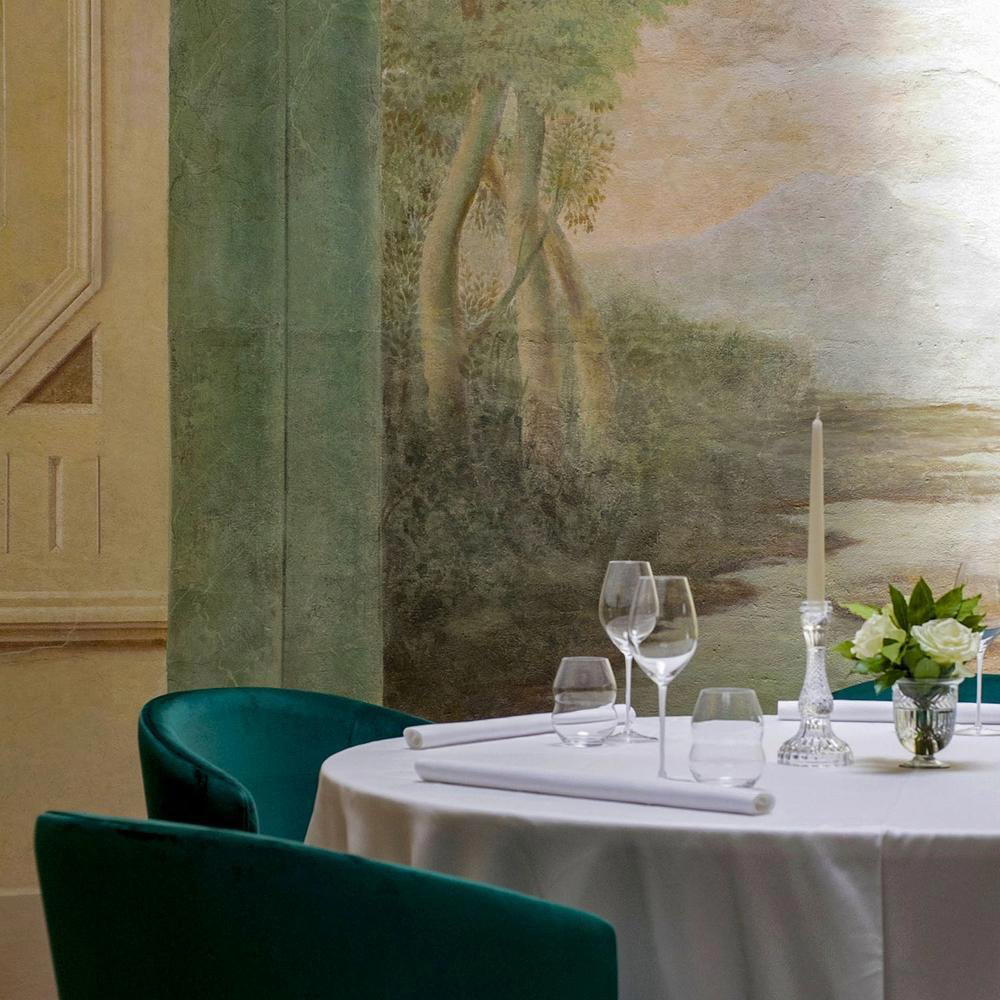
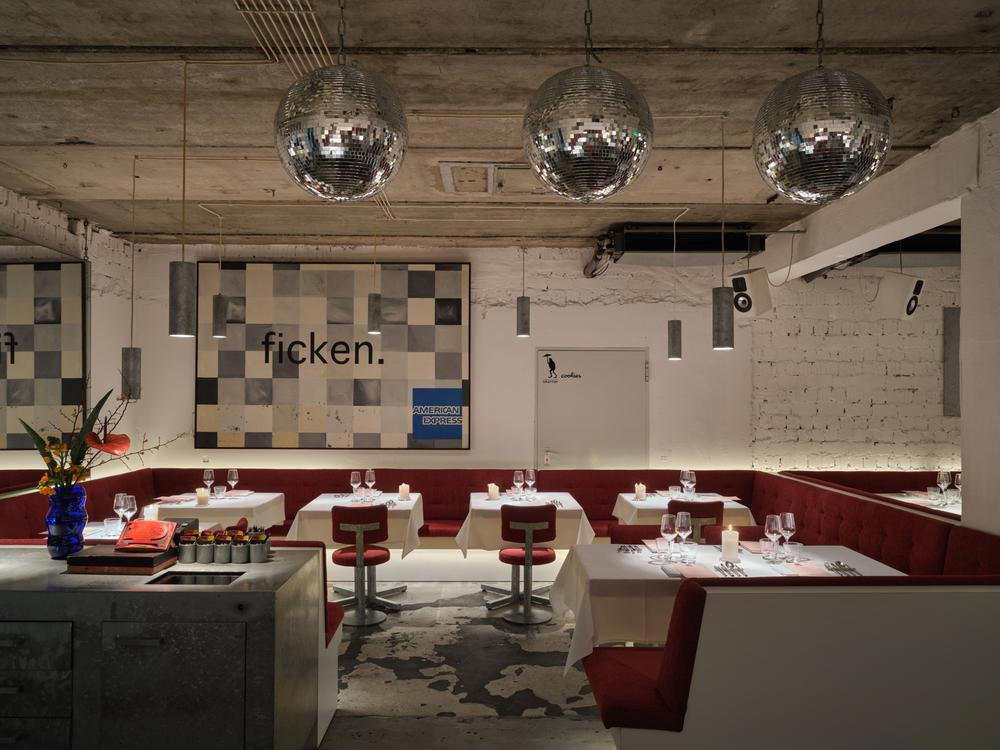
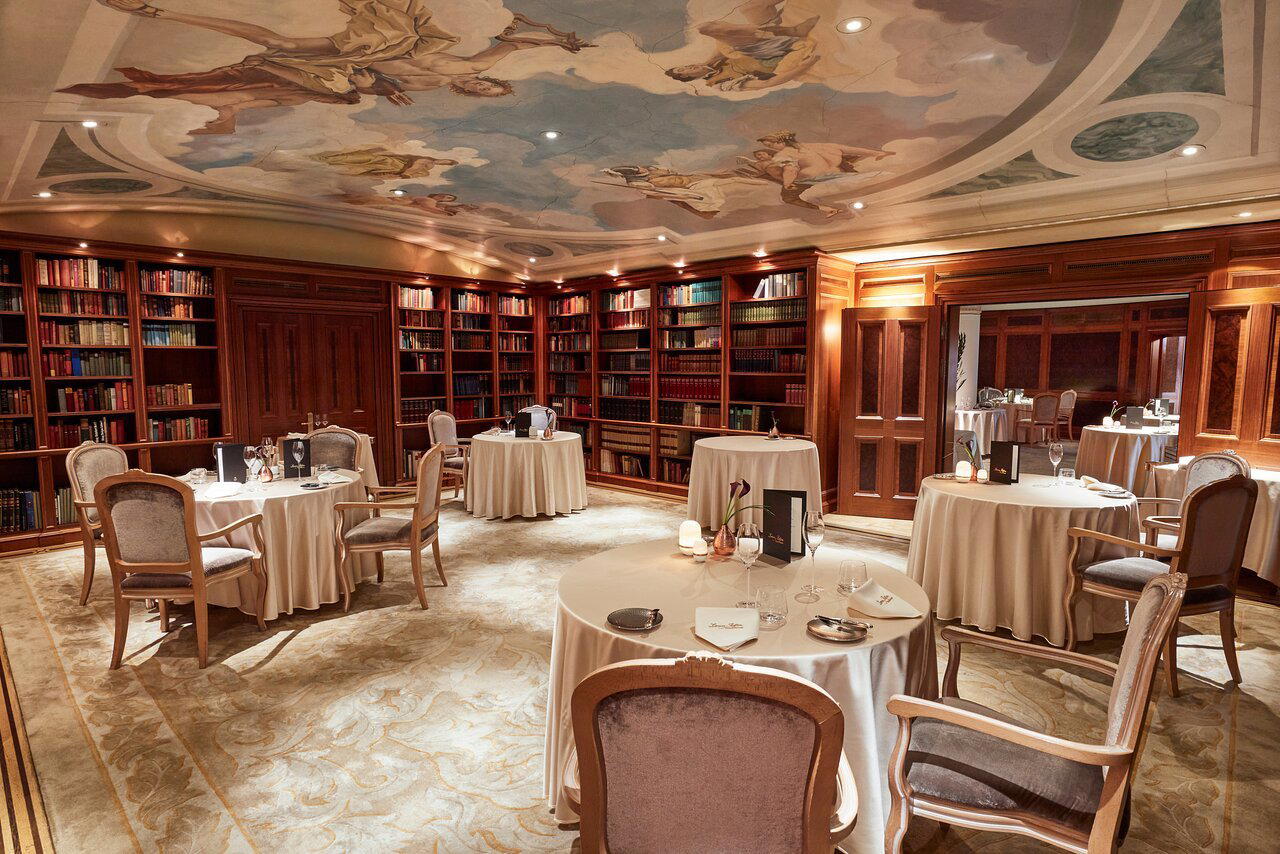
Bars in Berlin
Browse all →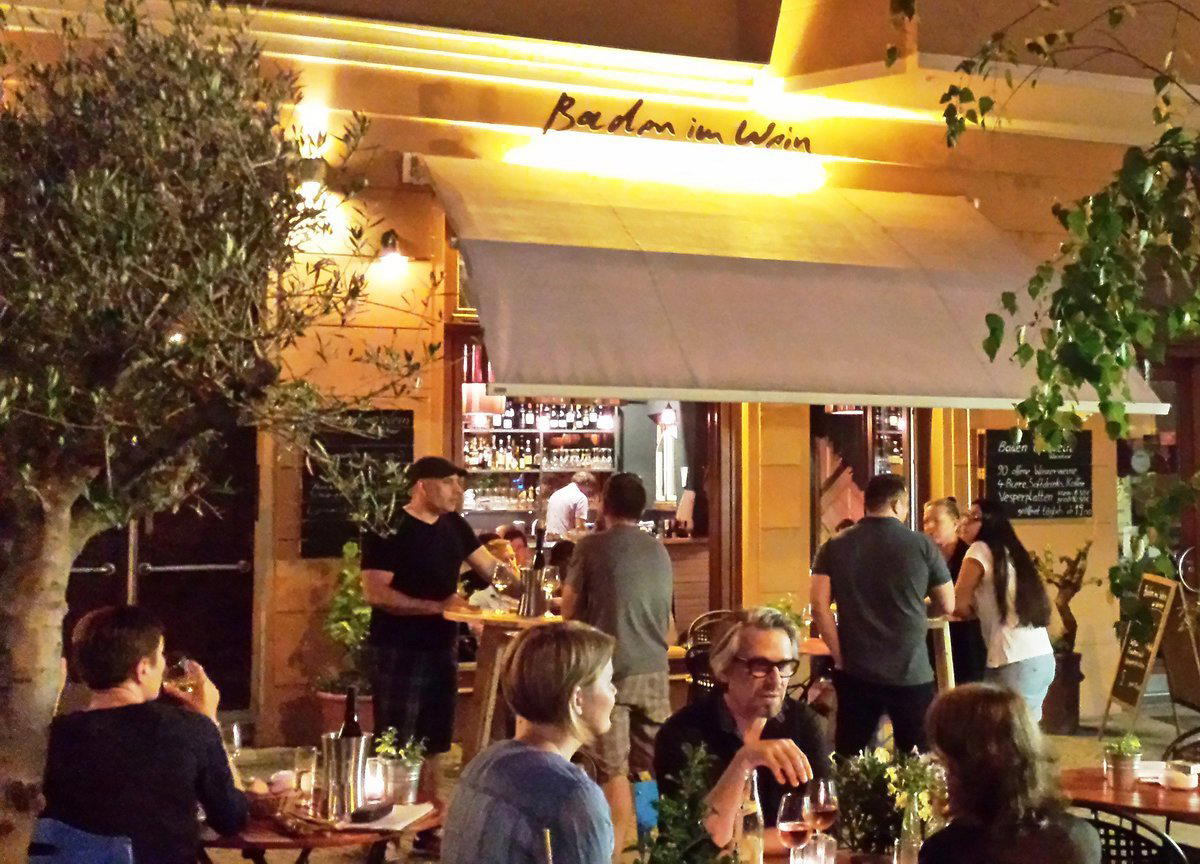
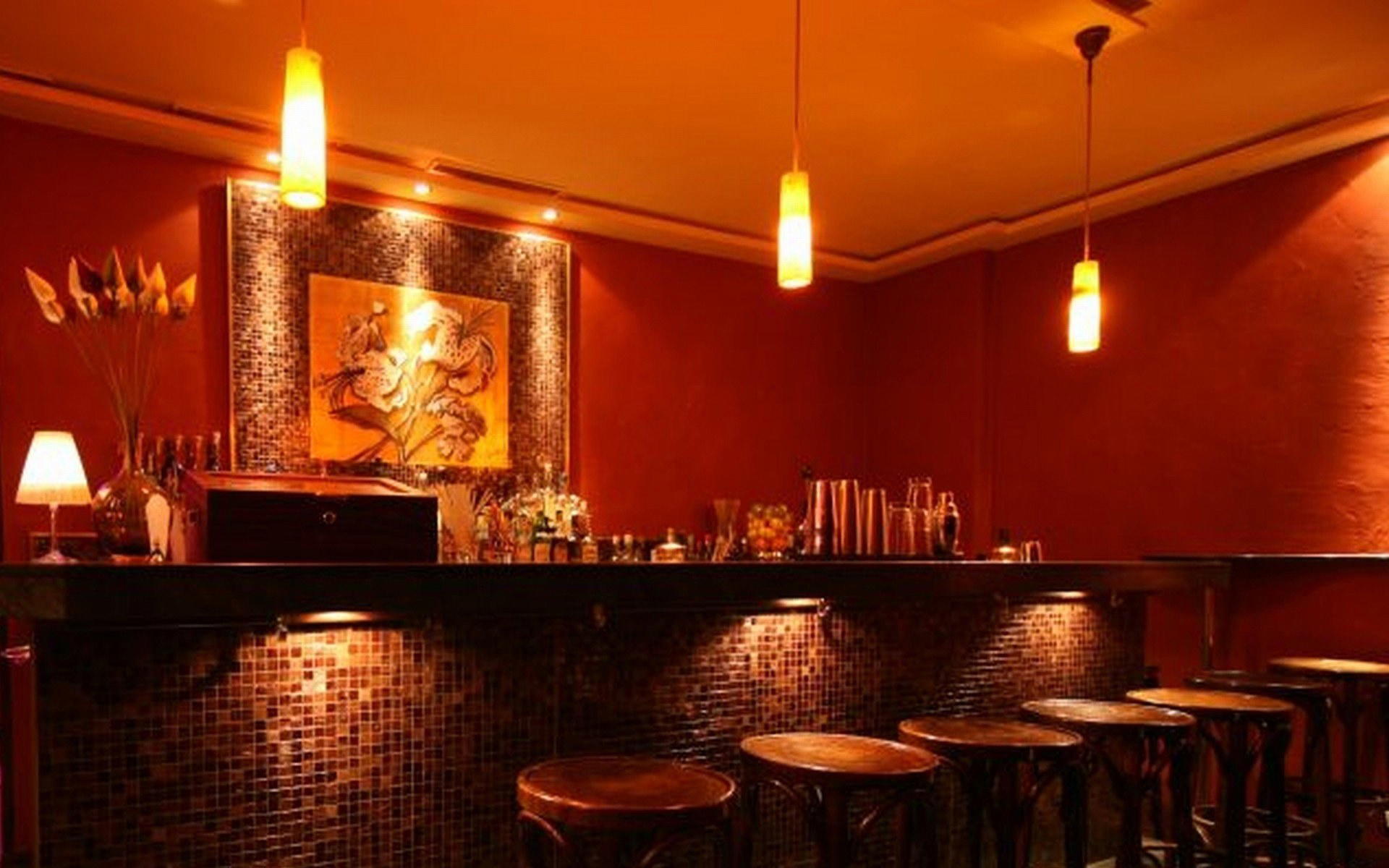
Hotels in Berlin
Browse all →
Wineries in Berlin
Browse all →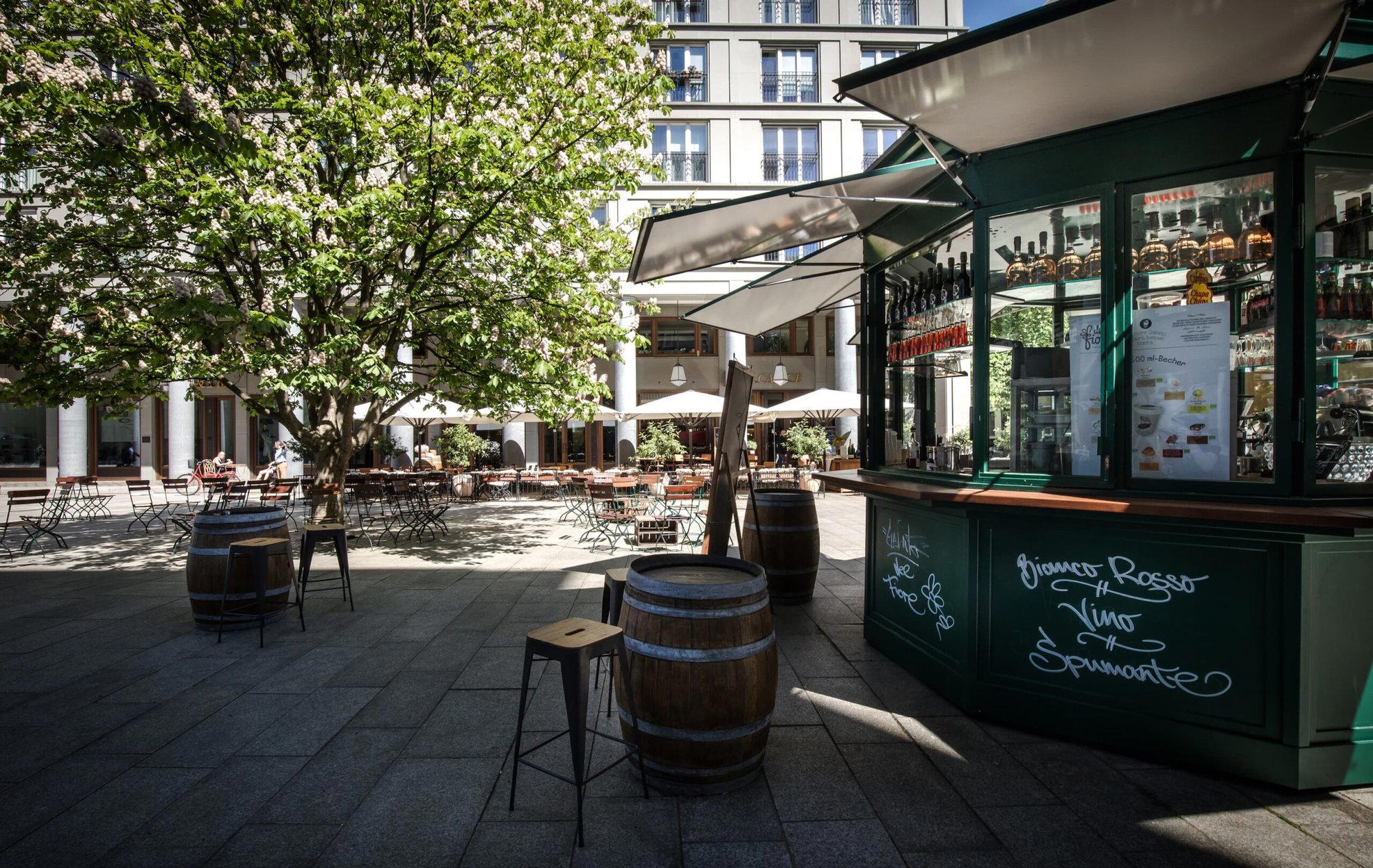
At a Glance
- Elegant
- Cozy
- Sophisticated
- Intimate
- Date Night
- Brunch
- Casual Hangout
- Open Kitchen
- Natural Wine
- Street Scene
Current opening hours
- Monday
- 6–11 PM
- Tuesday
- Closed
- Wednesday
- 6–11 PM
- Thursday
- 6–11 PM
- Friday
- 6–11:30 PM
- Saturday
- 6–11:30 PM
- Sunday
- 5–11 PM
Hours can change for holidays and private events. Last verified .
Chic 70s-inspired interior with natural stone, soft curves, retro elegance, and beautiful surprising design details.