Joynes Kitchen occupies a quiet stretch of Charlottenburg, sitting closer in spirit to Berlin's focused, ingredient-led dining rooms than to its more theatrical fine-dining addresses. The address on Mommsenstraße 42 places it in a residential pocket of the city where the cooking tends to do the talking. Visitors planning a meal should verify current hours and booking availability directly with the venue.
Pearl is the En Primeur Club membership app — saves, bookings, and concierge access live there. Same editors, same standards.
- Address
- Mommsenstraße 42, 10629 Berlin, Germany
- Phone
- +493094869219
- Website
- joynes-kitchen.de
- Directions
- Get directions
 Saves & bookings on Pearl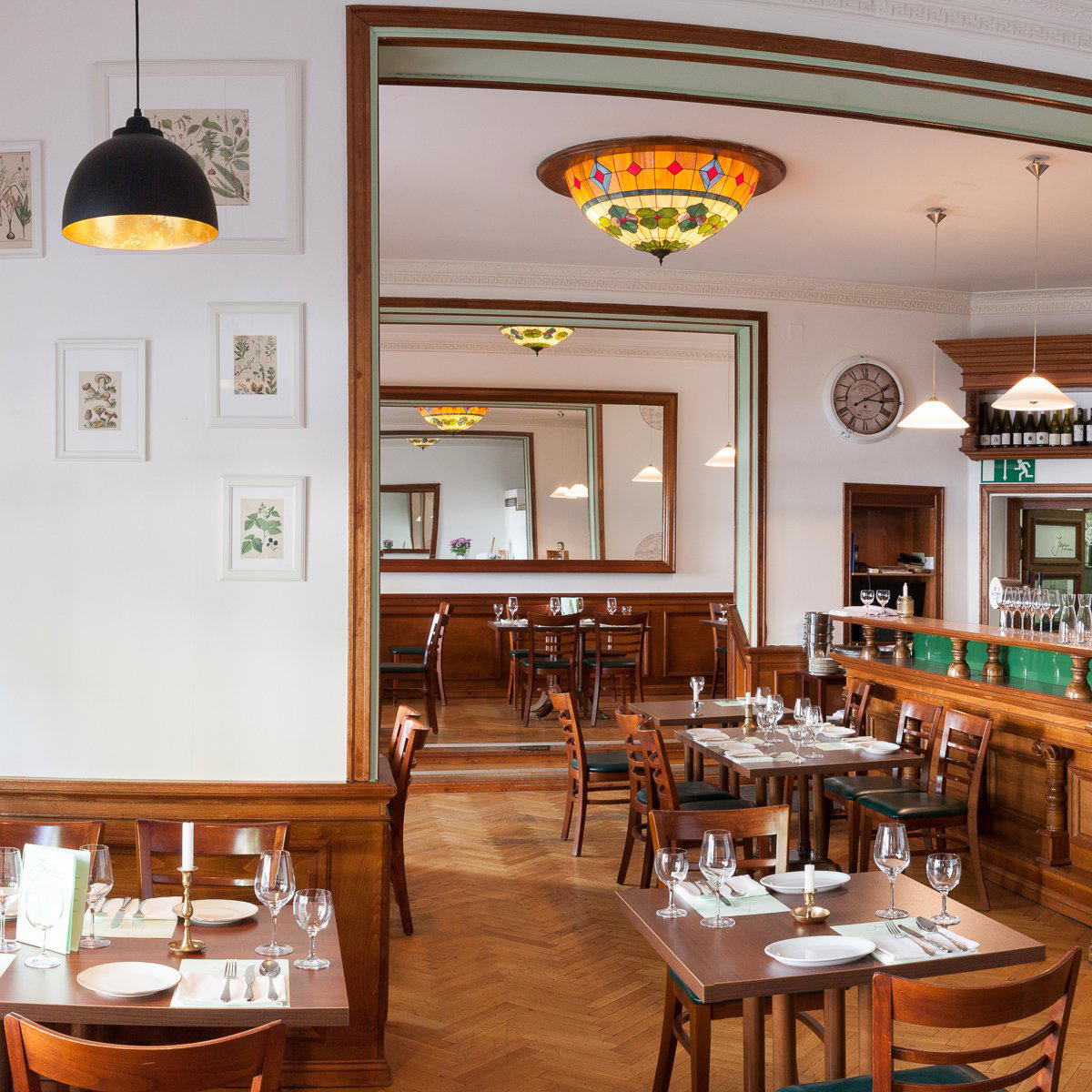
Charlottenburg's Quieter Register
West Berlin's dining identity has always differed from the louder, more conceptually restless scene that grew up around Mitte and Kreuzberg after reunification. Charlottenburg, and particularly the streets fanning out from the Kurfürstendamm axis, has retained something older: a residential seriousness about sitting down to eat. The neighbourhood's dining rooms tend toward the considered rather than the provocative. They attract a crowd that is more likely to return twice a year than to photograph and move on. It occupies that register.
The address itself signals something. Mommsenstraße is a tree-lined residential street in 10629, a postcode that places the restaurant among apartment buildings and small professional offices rather than tourist corridors. Arriving on foot from the Adenauerplatz U-Bahn, the approach is unhurried. The building fabric here is late-nineteenth-century stucco, and the street has the particular quiet of a neighbourhood that has not been aggressively redeveloped. That physical context shapes what a dining room in this location is expected to do: it needs to earn loyalty from a local audience that has other options nearby and is not simply wandering in from a hotel.
Where It Sits in Berlin's Fine-Dining Field
Berlin's serious restaurant scene has consolidated around a handful of formats. At the higher end, addresses like Rutz and Nobelhart & Schmutzig have built nationally recognised positions, with Michelin recognition and clear ideological frameworks around sourcing or regional identity. FACIL operates within a hotel structure that brings its own set of expectations around service formality. CODA Dessert Dining has carved out a format-specific identity around a dessert-led tasting progression. Restaurant Tim Raue works an Asia-inflected language that sits apart from the city's German-produce-forward current.
Below those Michelin-flagged addresses, Berlin has a deeper layer of neighbourhood restaurants that operate without the machinery of awards pursuit: shorter menus, less ceremony, but the same underlying seriousness about produce quality and kitchen discipline. It is in that layer that Charlottenburg addresses like Joynes Kitchen tend to find their audience. The competitive pressure in this tier comes less from headline accolades and more from consistency over time and from the kind of word-of-mouth that sustains a dining room through Berlin's shoulder seasons.
Compared to the broader German fine-dining circuit, which includes destination addresses like Aqua in Wolfsburg, Schwarzwaldstube in Baiersbronn, and Vendôme in Bergisch Gladbach, a neighbourhood restaurant in Charlottenburg operates in a fundamentally different register: it is measured against what a regular can reasonably expect on a Tuesday evening, not against a once-a-year pilgrimage meal.
The Sensory Logic of a Residential Dining Room
There is a particular atmospheric grammar to Berlin's established neighbourhood restaurants that differs from what you encounter at counter-format tasting menus or at the city's more performance-oriented addresses. The room tends to be smaller, the acoustics softer, and the pacing set by conversation rather than by a kitchen's progression of courses. Light in these rooms is typically warm and low, with the street visible through glass that hasn't been obscured by heavy window treatments. You are aware of being inside a working residential neighbourhood, not insulated from it.
That kind of atmosphere asks something specific of the kitchen: the food needs to feel coherent with the room. A highly technical tasting menu would sit oddly in a setting where the ambient sound is neighbours passing on the pavement outside. What works is food that is carefully made but not self-consciously theatrical, cooking whose craft is present in the eating rather than in the explanation. Germany's most compelling neighbourhood restaurants, from the focused menus found at places like Bagatelle in Trier or Schanz in Piesport, share that quality: the technique is evident but the room doesn't require you to acknowledge it.
Planning Your Visit
Mommsenstraße 42 is reachable from Adenauerplatz on the U7, a short walk west along Kurfürstendamm. The neighbourhood is also served by several bus lines along the Ku'damm corridor. Charlottenburg operates at a different rhythm from the central tourist belt: the streets around this address are quieter in the evenings, and the walk from public transport is pleasant rather than pressured.
Berlin's mid-tier dining rooms in this postcode typically accept reservations by phone or through a direct booking link, and weekday tables in this part of the city are generally more available than weekend slots, where neighbourhood regulars and visitors overlap.
Travellers combining Joynes Kitchen with a wider German itinerary might also consider JAN in Munich, Restaurant Haerlin in Hamburg, or the forest-set Waldhotel Sonnora in Dreis and ES:SENZ in Grassau for a fuller picture of what German cooking at various levels of formality currently looks like. Internationally, the disciplined produce focus found at Le Bernardin in New York City and the structured tasting format at Atomix offer useful reference points for how neighbourhood-rooted ambition translates across different culinary cultures. For another German address working in similarly focused territory, Victor's Fine Dining by Christian Bau in Perl illustrates how sustained kitchen discipline builds a reputation over years rather than seasons.
The Minimal Set
Comparable venues nearby, for context on price, style, and recognition.
| Venue | Cuisine | Price | Notes |
|---|---|---|---|
| Joynes KitchenThis venue — the venue you are viewing | Charlottenburg, Modern French Bistro | $$$ | Not listed |
| Le Faubourg | Not listed | $$$ | Charlottenburg, Modern French with Regional Influences |
| Hauptstadtrestaurant Gendarmerie | Not listed | $$$ | Mitte, French Brasserie with German Accents |
| Louis Laurent | Charlottenburg, Classic French Bistro | $$$ | Not listed |
| Belmondo | Charlottenburg, Classic French Bistro | $$$ | Not listed |
| Brasserie Hélène | Schoneberg, Classic French Brasserie | $$$$ | Not listed |
Continue exploring
More in Berlin
Restaurants in Berlin
Browse all →
Bars in Berlin
Browse all →
Hotels in Berlin
Browse all →


At a Glance
- Sophisticated
- Cozy
- Elegant
- Date Night
- Special Occasion
- Open Kitchen
- Extensive Wine List
Current opening hours
- Monday
- Closed
- Tuesday
- Closed
- Wednesday
- 5:30–11 PM
- Thursday
- 5:30–11 PM
- Friday
- 5:30–11 PM
- Saturday
- 5:30–11 PM
- Sunday
- Closed
Hours can change for holidays and private events. Last verified .
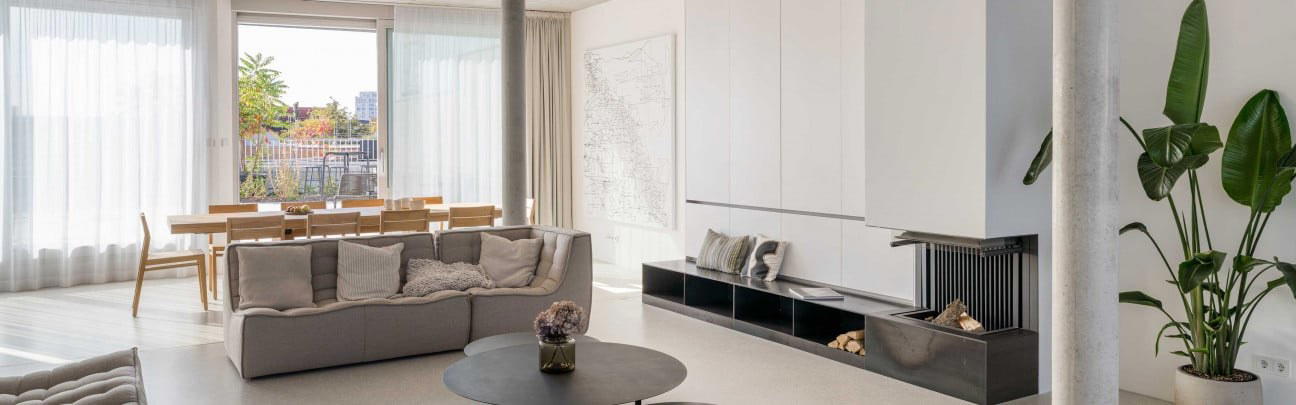
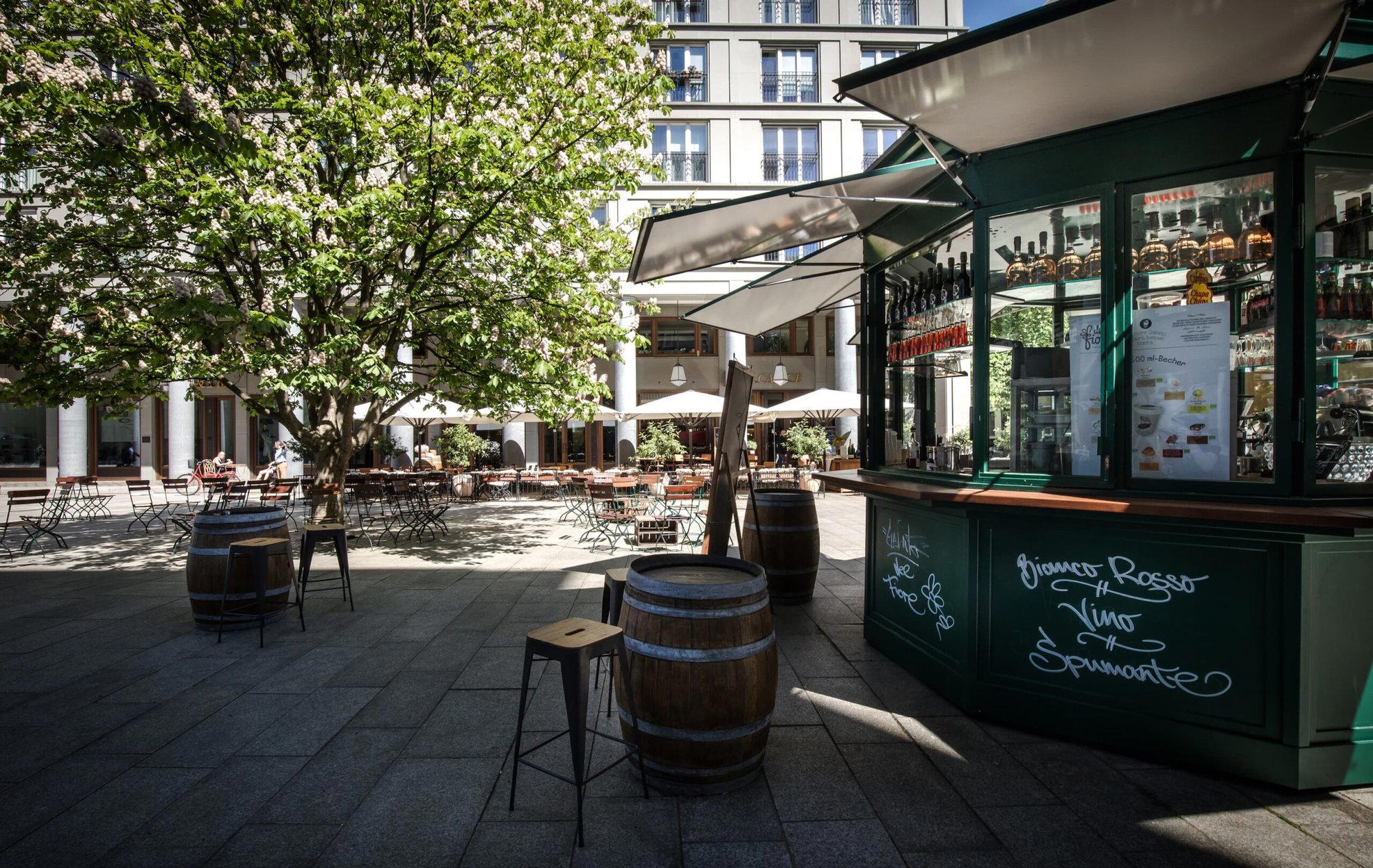
Airy and sophisticated dining room with comfortable lighting and a welcoming, relaxed atmosphere featuring the murmur of conversations.