On Rue Antoine Dansaert, Brussels' most design-conscious street, Bistro Nazionale occupies a position where the neighbourhood's creative energy translates directly onto the plate. The address places it squarely within the Dansaert quarter's shift from fashion district to full dining destination, making it a practical base for understanding how contemporary Belgian bistro culture has evolved beyond the brasserie tradition.
Pearl is the En Primeur Club membership app — saves, bookings, and concierge access live there. Same editors, same standards.
- Address
- Rue Antoine Dansaert 161, 1000 Bruxelles, Belgium
- Phone
- +3222235999
- Website
- libcocktailbar.com
- Directions
- Get directions
 Saves & bookings on Pearl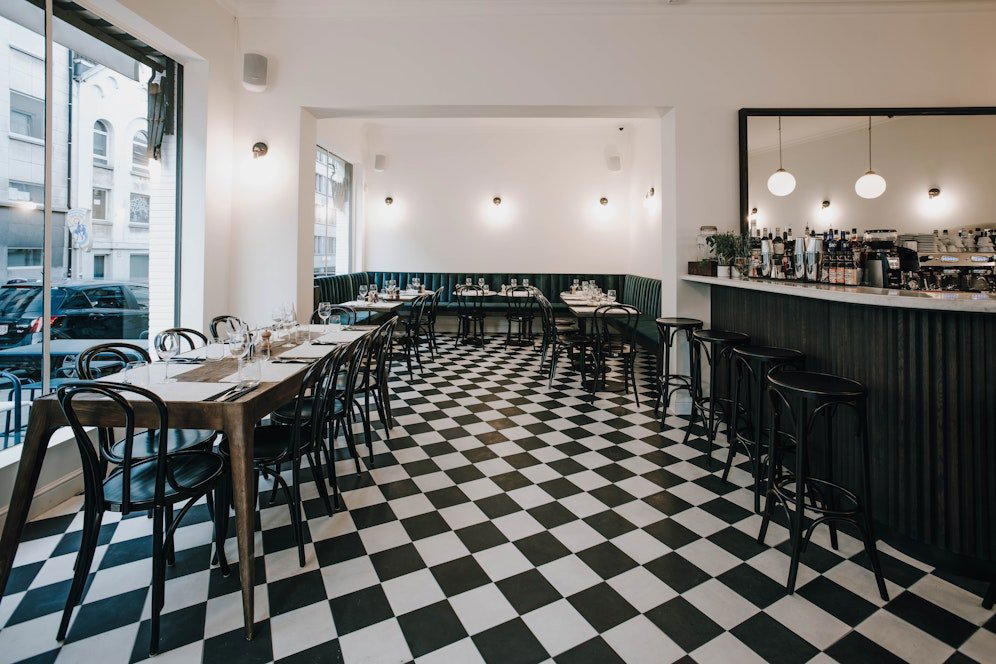
Rue Dansaert and the Architecture of a Brussels Dining Scene
Rue Antoine Dansaert has spent the last two decades shedding its identity as a purely fashion-forward corridor and growing into one of Brussels' more coherent dining and drinking destinations. The street runs north from the Grand Place district toward the canal, threading through Sint-Géry and the broader Dansaert quarter, a neighbourhood where independent retail, design studios, and weekend market culture have consistently attracted a crowd with appetite for something more considered than the tourist brasserie. It is in this context that Bistro Nazionale, at number 161, makes most sense: not as an isolated address, but as a logical product of the street's particular character.
That character matters when positioning a bistro in Brussels. The city's restaurant scene has long been anchored by two poles: the grand brasserie tradition, with its moules, frites, and whiteboard specials, and the high-end Franco-Belgian fine dining tier represented by addresses like Comme chez Soi and La Villa Lorraine by Yves Mattagne. In between, a younger generation of mid-register dining rooms has been filling the gap, drawing on Belgian produce and French technique without the formality or the price architecture of the top tier. Bistro Nazionale operates in that register, on a street that has proved fertile ground for exactly this kind of proposition.
What the Dansaert Quarter Asks of Its Restaurants
Neighbourhoods with strong retail identities tend to produce demanding dining guests. The Dansaert quarter draws a crowd that is browsing at a deliberate pace, making choices based on specificity rather than convenience. A bistro on this street is not picking up foot traffic by accident; it is being evaluated against the overall quality signal the neighbourhood projects. That works in Bistro Nazionale's favour insofar as the address itself functions as a form of editorial curation: restaurants that do not hold up to the street's standard tend to turn over quickly.
Brussels has been developing this kind of neighbourhood-led dining concentration for some time. The Sint-Géry area, which overlaps with the lower Dansaert stretch, hosted some of the city's earlier natural wine and small-producer food movements. Addresses like Barge represent the organic and market-driven end of the contemporary Brussels spectrum, while Eliane has pushed into more creative territory. Bistro Nazionale sits within this expanding middle ground, where bistro format and ingredient-led cooking have become the dominant grammar.
The Belgian Bistro Format in 2024
Understanding what a Belgian bistro is, and is not, helps calibrate expectations. The format is distinct from its French counterpart: Belgian bistros have historically absorbed influences from the country's produce traditions, particularly game, freshwater fish, and dairy, while maintaining a shorter menu discipline that French cuisine sometimes abandons in favour of breadth. The genre has also been shaped by proximity to the French border and by Brussels' position as a city where French-speaking and Flemish dining cultures meet and occasionally argue.
At the top of Belgium's dining hierarchy, three-Michelin-star operations like Hof van Cleve in Kruishoutem and Boury in Roeselare define a benchmark of technical precision that filters down into the broader dining culture. Further down the register, places like Vrijmoed in Gent and Zilte in Antwerp have built reputations for serious cooking at a scale and price point that still draws regulars rather than purely occasion diners. The bistro tier, of which Bistro Nazionale is a part, sits below this in formal ambition but not necessarily in seriousness of intent. The leading operators in this bracket compete on consistency, produce sourcing, and the intelligence of the wine list rather than on the elaborateness of the cooking.
Internationally, the comparison is instructive. Where a New York tasting-menu operation like Lazy Bear in San Francisco or a French institution like Le Bernardin in New York City competes on formal credentials, the European mid-register bistro has historically competed on repeat-visit culture: the ability to make a guest feel that returning twice a month is a reasonable decision rather than an extravagance.
Placing Bistro Nazionale in Brussels' Competitive Map
Within Brussels itself, the comparison set at Bozar Restaurant represents the cultural-institution end of serious mid-range dining, while addresses like Le Chalet de la Forêt in Uccle represent the suburban fine-dining alternative for guests who are not anchored to the city centre. Bistro Nazionale's position at 161 Dansaert places it in the urban, walkable, neighbourhood-embedded part of the map, closer in spirit to the wine-bar-adjacent bistro format than to destination dining.
For visitors building a multi-day Brussels itinerary, the practical implication is that this is a lunch or early-evening address: the Dansaert quarter is most active in daylight hours, when the retail and market culture gives the street its energy. Evening visits remain viable, but the neighbourhood quiets relative to the Grand Place area after nine. Accessing the street from central Brussels is direct on foot from De Brouckère metro station, placing it within easy range of most central hotel clusters. For context on where Bistro Nazionale sits within the broader city dining picture, our full Brussels restaurants guide maps the scene across price tiers and neighbourhoods.
Belgium's wider dining geography rewards travellers who move beyond the capital. Beyond Brussels, addresses like Willem Hiele in Oudenburg, d'Eugénie à Emilie in Baudour, La Durée in Izegem, Cuchara in Lommel, and Ralf Berendsen in Neerharen represent the depth of serious Belgian cooking outside the major cities, a depth that is easy to miss when Brussels dining absorbs all attention.
Planning Your Visit
Rue Antoine Dansaert 161 is a walkable address from the central Brussels metro network, and the street itself is leading absorbed slowly: arriving on foot from the canal side or from Place Saint-Géry gives a more accurate sense of the neighbourhood than arriving by taxi directly to the door. As a bistro-format address in a high-footfall neighbourhood, booking ahead is advisable particularly for weekend lunch, when the Dansaert market culture draws additional visitors to the area. Weekday evenings tend to allow more flexibility. Specific hours and reservation channels are best confirmed directly, as they are subject to seasonal and operational change.
The Short List
| Venue | Cuisine | Price |
|---|---|---|
| Bistro NazionaleThis venue — the venue you are viewing | Not listed | Not listed |
| Comme chez Soi | French - Belgian, Classic Cuisine | €€€€ |
| La Villa Lorraine by Yves Mattagne | Modern Cuisine | €€€€ |
| senzanome | Modern Italian, Italian | €€€€ |
| Au Vieux Saint Martin | French Bistro, Belgian | €€€ |
| Aux Armes de Bruxelles | Brasserie, Belgian | €€ |
Continue exploring
More in Brussels
Restaurants in Brussels
Browse all →
Bars in Brussels
Browse all →
Hotels in Brussels
Browse all →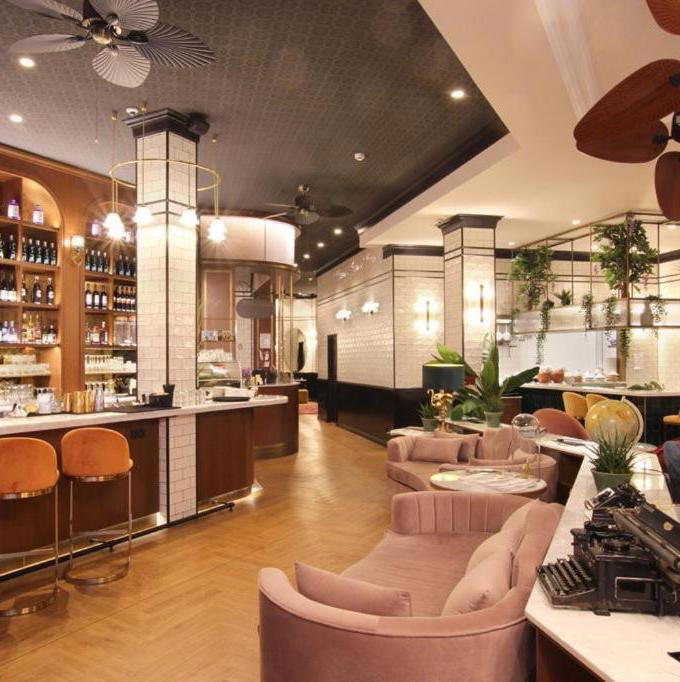
Wineries in Brussels
Browse all →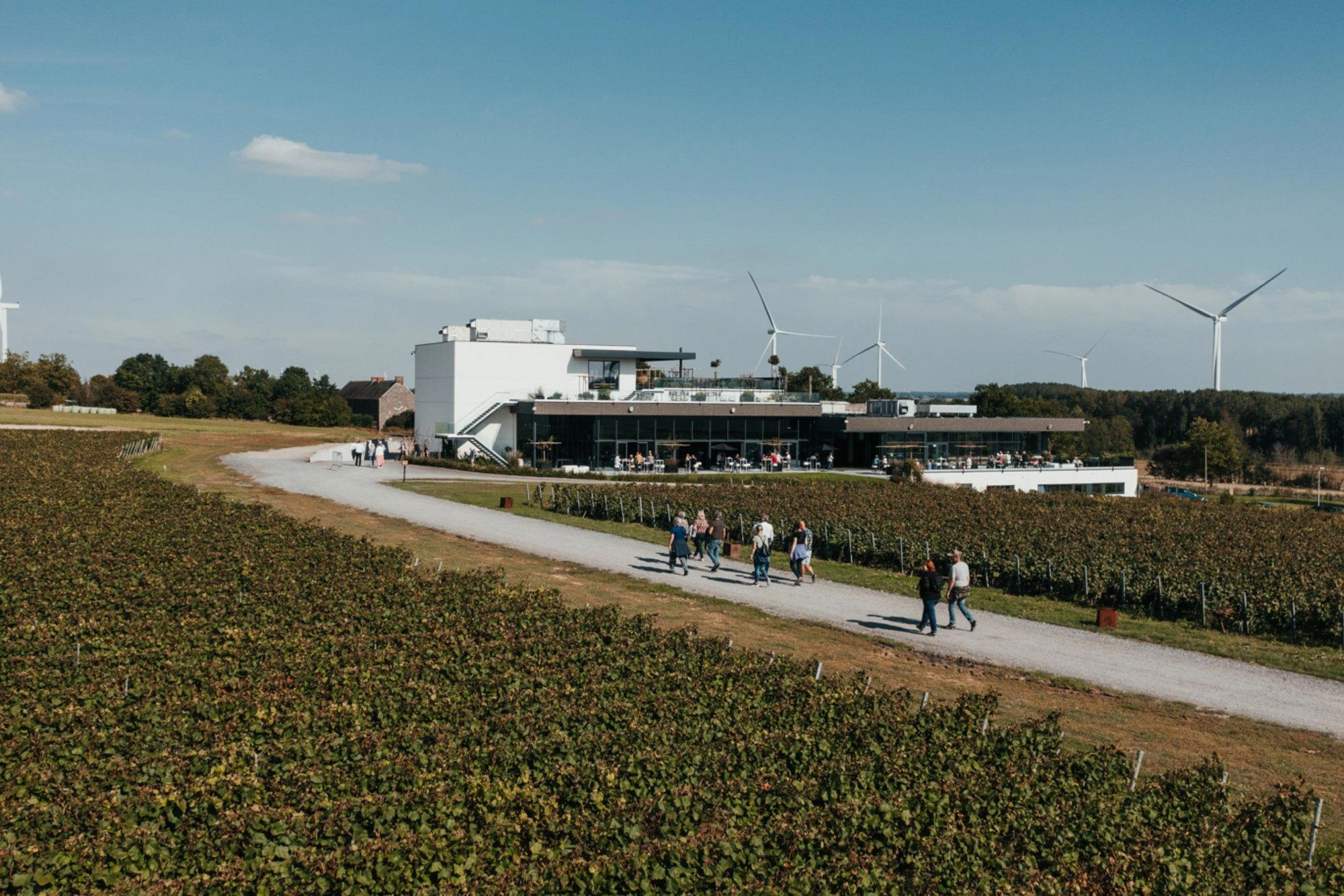
At a Glance
- Trendy
- Classic
- Cozy
- Brunch
- Date Night
- Casual Hangout
- Terrace
- Craft Cocktails
- Street Scene
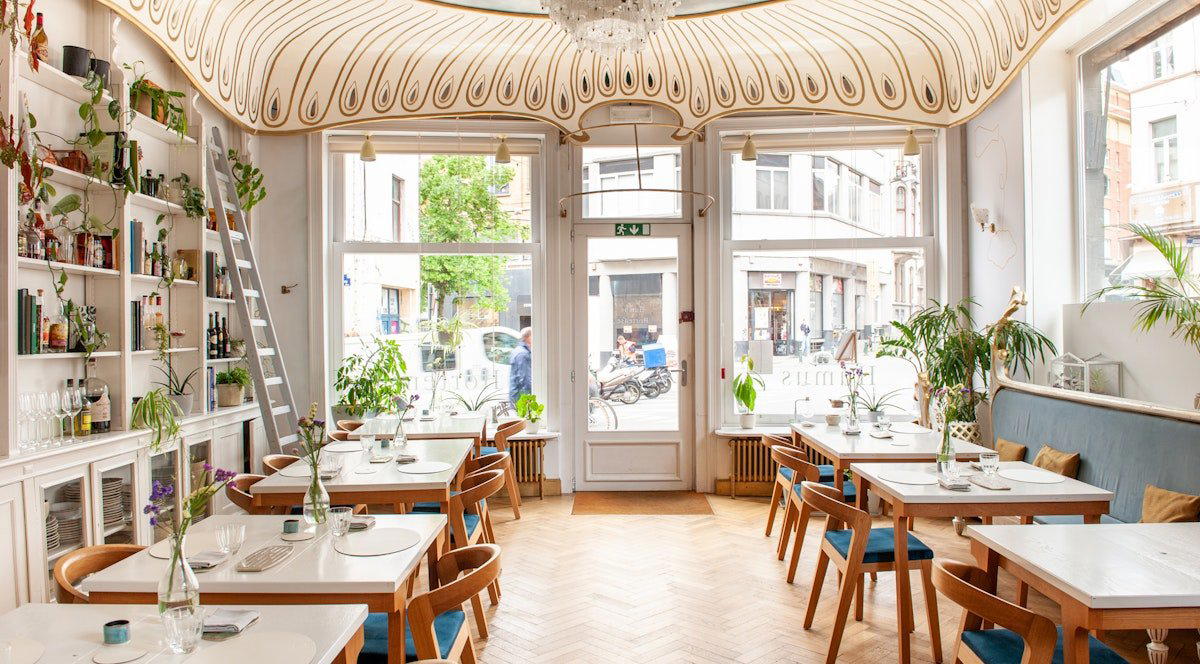
Mix of classic Italian design with modern touches, flooded with natural sunlight.
Know Before You Go
- Getting there
- Rue Antoine Dansaert 161, 1000 Bruxelles, Belgium