On Rue Saint-Jean in central Brussels, Gazzosa sits within a city that has quietly become one of Europe's most interesting addresses for Italian-inflected cooking shaped by Belgian produce.
Pearl is the En Primeur Club membership app — saves, bookings, and concierge access live there. Same editors, same standards.
- Address
- Rue Saint-Jean 17, 1000 Bruxelles, Belgium
- Phone
- +32470923556
- Website
- instagram.com
- Directions
- Get directions
 Saves & bookings on Pearl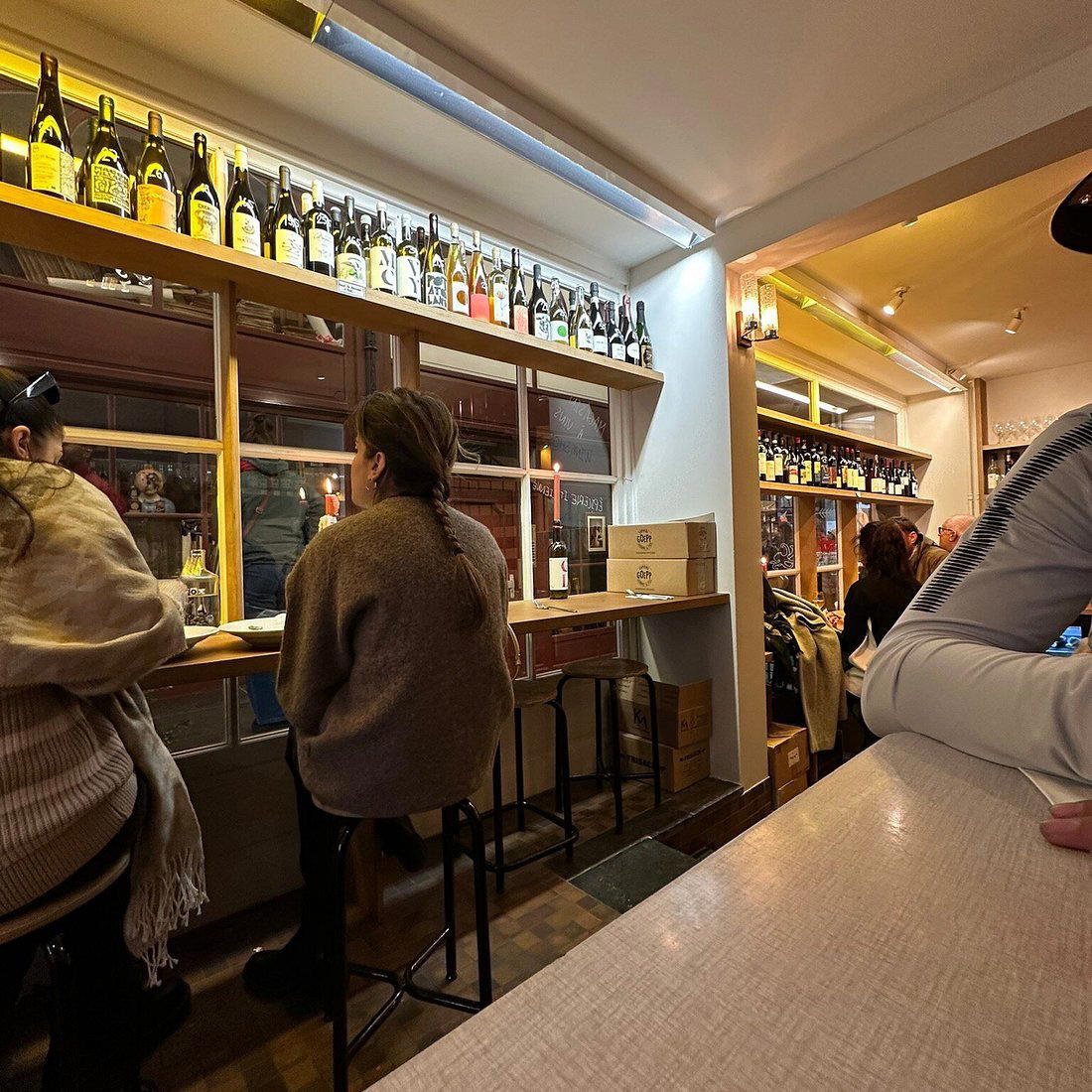
Italian Technique in a Belgian Kitchen
Brussels has a particular relationship with Italian food that other northern European capitals lack. The city's large Italian community, established across several postwar decades, created a baseline of institutional knowledge that separates its Italian restaurants from the performative trattoria formats found elsewhere. Within that context, the address at Rue Saint-Jean 17 in the city centre operates in a tradition where Italian method and Belgian raw material are expected to coexist, and where diners arrive with some literacy about both.
The broader pattern across Brussels's better Italian tables is a convergence between imported culinary grammar and the produce calendar of the Low Countries. Belgian endive, North Sea fish, Ardennes game, and the region's own funghi-adjacent woodland harvests all find their way into kitchens that would otherwise be drawing from the Italian pantry alone. This is a different proposition from fusion: it is the application of a coherent technique to whatever the season makes available locally, and it produces food with a legibility that purely imported menus often lack. Gazzosa sits inside this tradition, on a street that connects the Grand-Place quarter to the city's administrative core, in a neighbourhood where lunch tables fill with professionals and evenings draw a more deliberate dining crowd.
The Seasonal Logic of the Rue Saint-Jean Quarter
The neighbourhood around Rue Saint-Jean occupies the older commercial heart of Brussels, close enough to the tourist centre to benefit from foot traffic but sufficiently removed to maintain a local-clientele character. Restaurants in this zone tend to attract repeat visitors rather than one-night tourists, which creates a different kind of pressure on the kitchen: the menu has to evolve, and it has to give regulars a reason to return when the produce shifts.
That seasonal discipline is where the Italian-Belgian intersection becomes most productive. The Italian culinary tradition is deeply regional and deeply seasonal at its source, which means it translates well to a northern European context where a chef is willing to treat Belgian produce with the same seriousness that a Piemontese kitchen would bring to its own. Spring brings white asparagus from the Belgian fields around Malines, a product that northern Italy would recognise and know how to handle. Autumn shifts the register toward earthier territory: mushrooms, root vegetables, the first game birds. A kitchen working in this mode does not need to import an entire Italian pantry to produce food that reads as Italian in structure and sensibility.
For visitors planning around this logic, late spring and autumn are the periods when the gap between Belgian terroir and Italian technique is most productive. The shoulder seasons, when produce transitions and kitchens have to make decisions about what they are actually cooking rather than defaulting to a fixed card, tend to reveal the most about how seriously a kitchen is operating. Booking a few weeks in advance for weekend evenings in the central Brussels area is standard practice; the neighbourhood's restaurant density is high, but the better tables at this price tier fill quickly once local regulars establish their rhythms.
Placing Gazzosa in Brussels's Italian Tier
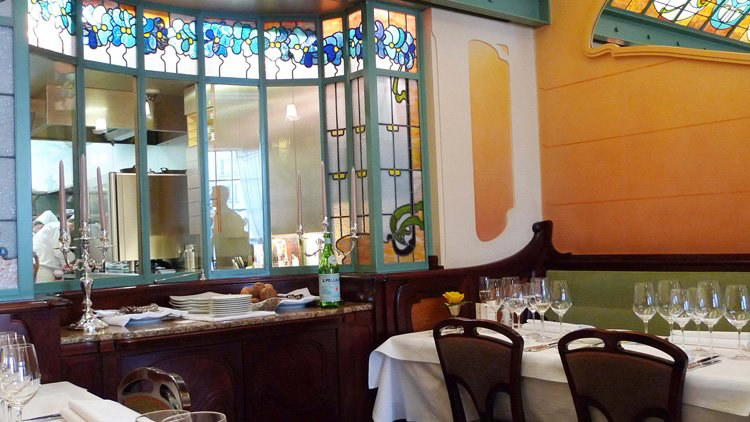
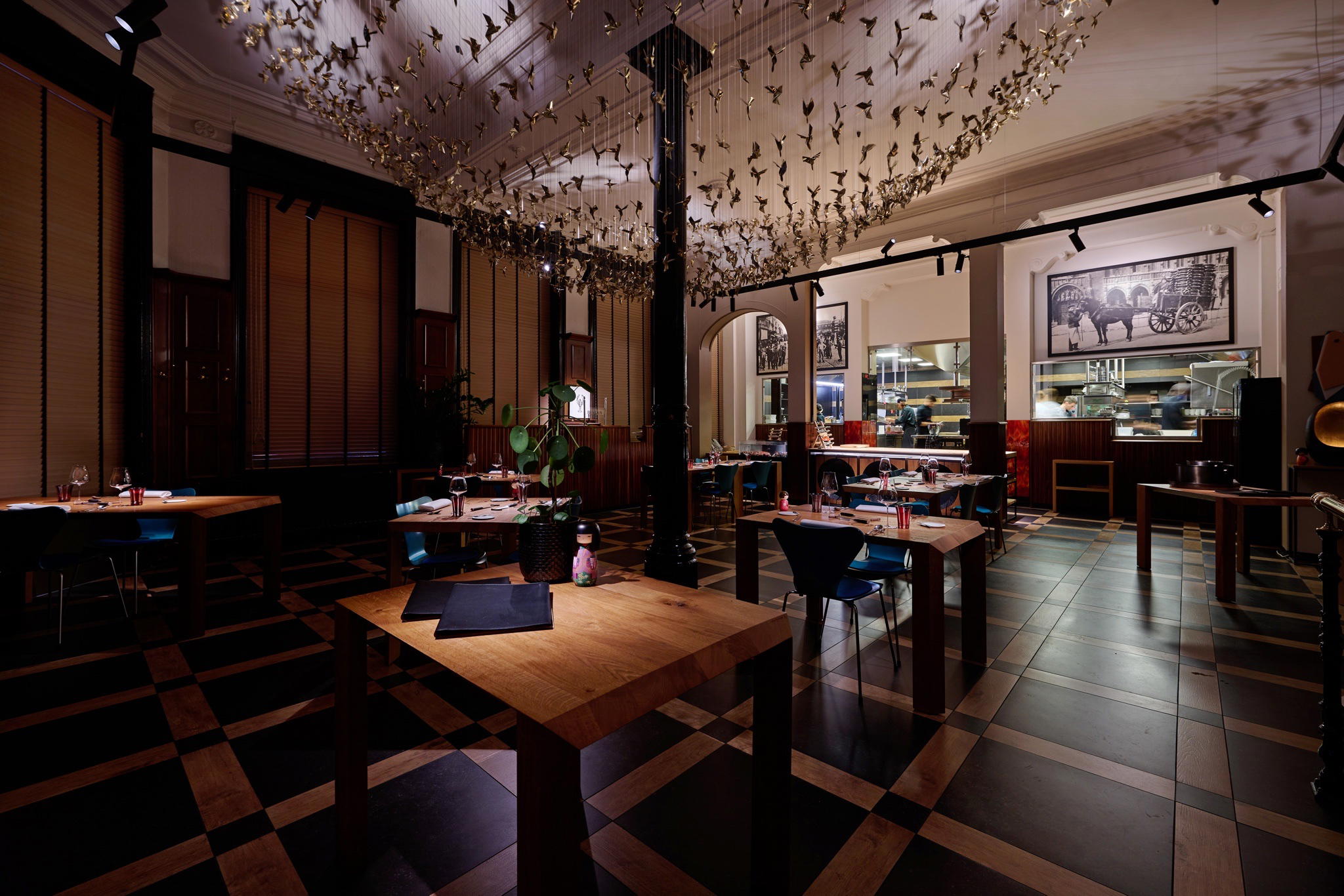
Brussels's Italian restaurant tier has widened considerably over the past decade. At the formal end, places like the long-established Comme chez Soi and La Villa Lorraine by Yves Mattagne set a benchmark for classical European fine dining in the city. Bozar Restaurant represents a different model, tying dining to the city's cultural institution. More recent arrivals like Eliane and Barge have pushed the creative and organic ends of the market further. Gazzosa occupies a middle register in this spread: not positioned as a destination fine-dining address in the way that Brussels's Michelin-tracked tables are, but operating above the casual trattoria tier where Italian identity is largely atmospheric.
Across Belgium more broadly, the restaurants defining contemporary fine dining draw from a range of European traditions applied to local produce with real discipline. Hof van Cleve in Kruishoutem, Boury in Roeselare, and Zilte in Antwerp all demonstrate what happens when European culinary vocabulary is applied to Belgian ingredients with serious intent. Willem Hiele in Oudenburg has made a case for coastal Belgian produce that resonates well beyond the country's borders. The Italian-inflected end of this national picture, in Brussels specifically, is less documented but no less serious. Internationally, the model of European technique meeting local produce has produced some of the past decade's most discussed restaurants: Le Bernardin in New York City applies French method to American seafood with a rigour that changed how the category was understood, while Lazy Bear in San Francisco made a case for technique-led dining outside traditional fine-dining formats. The Brussels Italian table is working a comparable intersection, at a smaller scale and with less international visibility, but with the same underlying logic.
Other Belgian addresses worth considering alongside a Brussels itinerary include Vrijmoed in Gent, d'Eugénie à Emilie in Baudour, La Durée in Izegem, Cuchara in Lommel, Ralf Berendsen in Neerharen, and Le Chalet de la Forêt in Uccle, each of which maps a different corner of what Belgian hospitality produces when it is operating with real ambition.
Planning Your Visit
Gazzosa is located at Rue Saint-Jean 17 in central Brussels, within walking distance of the Grand-Place and the city's main metro connections at Gare Centrale. The address is in the 1000 postcode, placing it in the dense urban core where most visitors to the city are already oriented. Given the absence of publicly listed booking details, the most reliable approach is to visit in person or check current availability through a search of the venue's current online presence, as contact details and hours are subject to change. For a broader picture of what Brussels's restaurant scene currently offers at every tier, the EP Club Brussels guide maps the full range of options with editorial context.
How Gazzosa Brussels compares with similar nearby venues.
| Venue | Cuisine | Price |
|---|---|---|
| Taverne du Passage | Belgian | €€€ |
| Aux Armes de Bruxelles | Brasserie, Belgian | €€ |
Continue exploring
More in Brussels
Restaurants in Brussels
Browse all →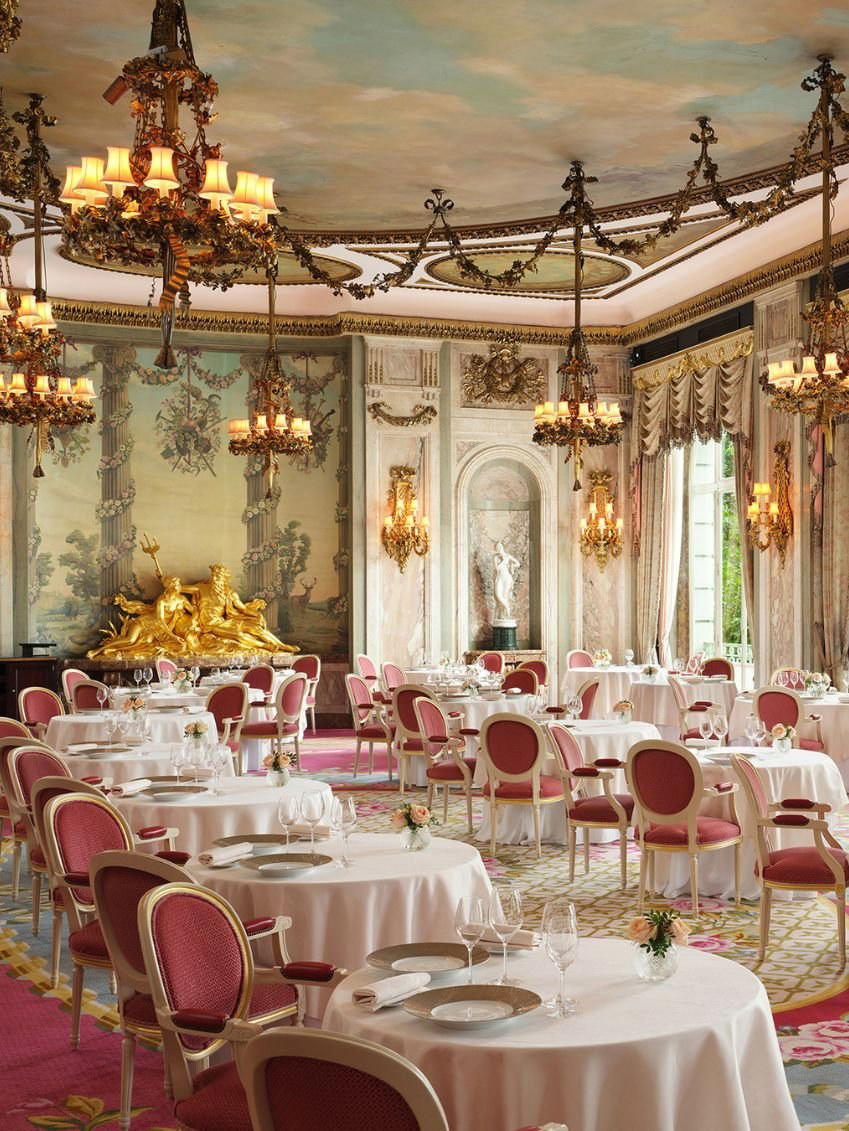
Bars in Brussels
Browse all →
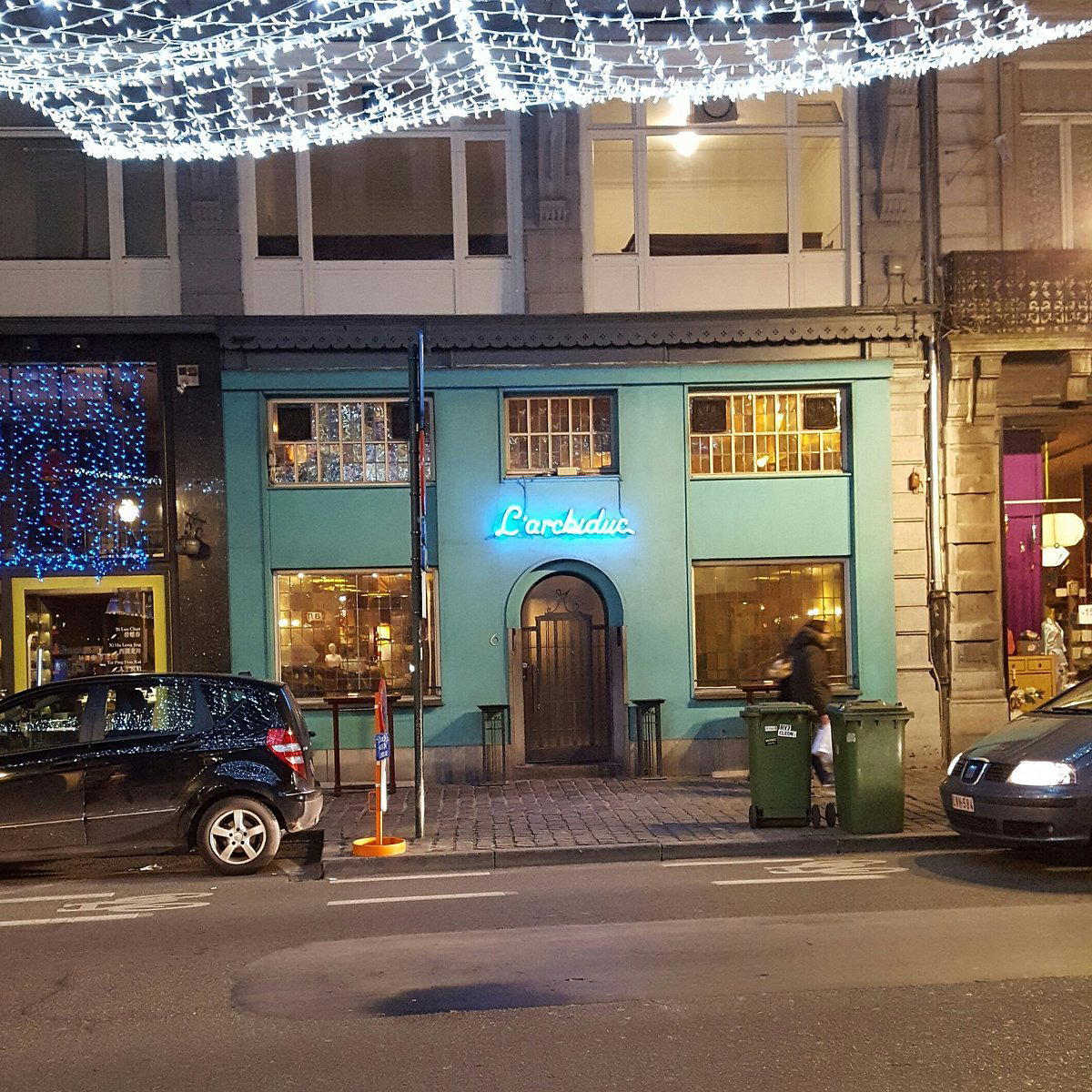
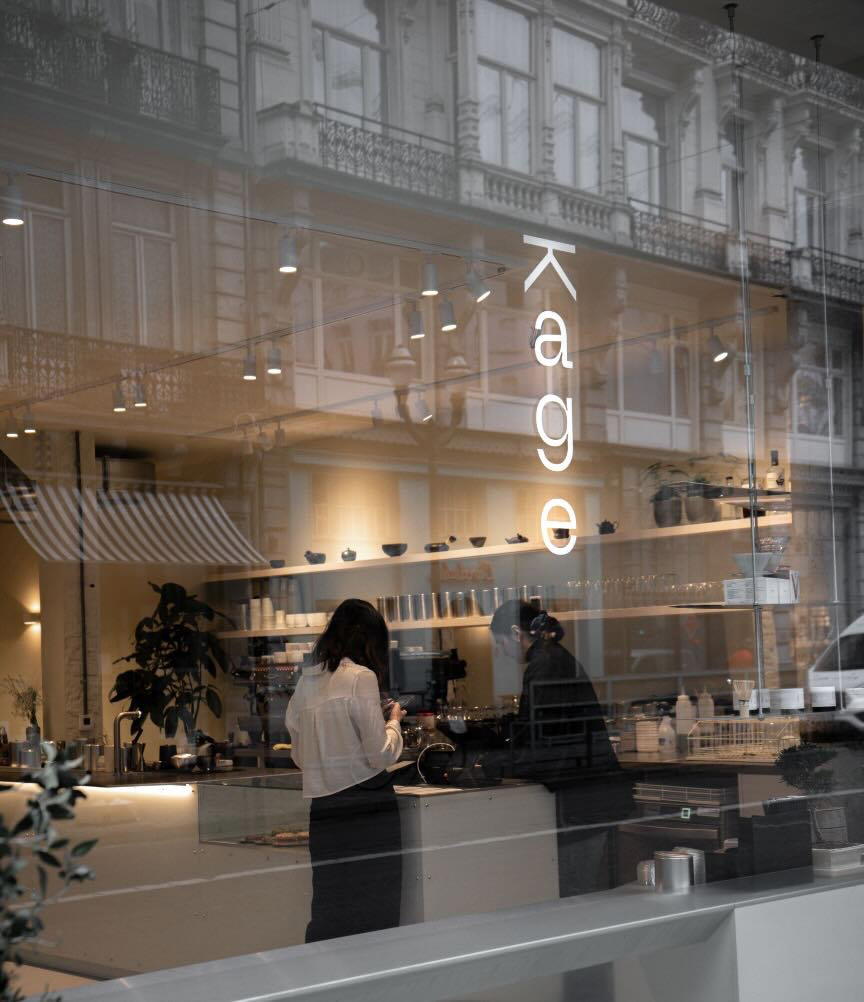
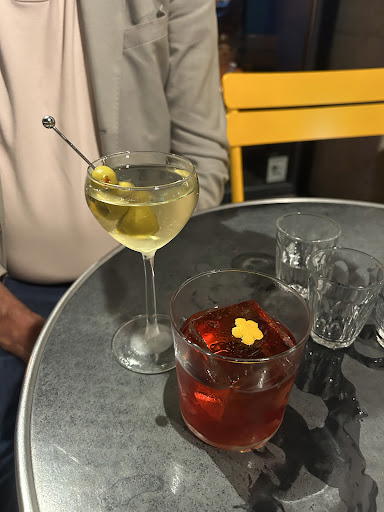
Hotels in Brussels
Browse all →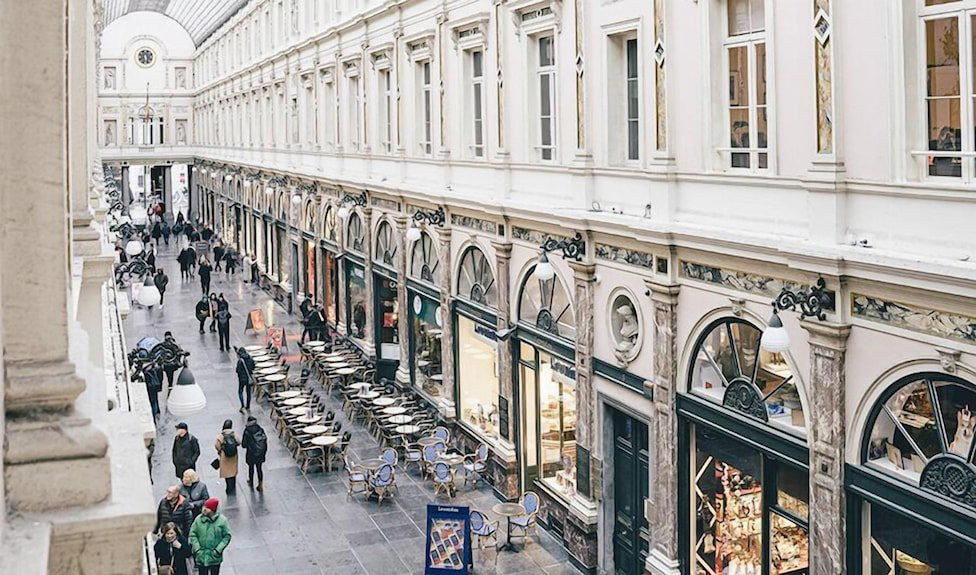
Wineries in Brussels
Browse all →
At a Glance
- Cozy
- Intimate
- Trendy
- Casual Hangout
- Date Night
- Historic Building
- Natural Wine
- Local Sourcing
Current opening hours
- Monday
- Closed
- Tuesday
- 12–2:30 PM, 6–10 PM
- Wednesday
- 12–2:30 PM, 6–10 PM
- Thursday
- 12–2:30 PM, 6–10 PM
- Friday
- 12–2:30 PM, 6–10 PM
- Saturday
- 12–3:30 PM, 6–10 PM
- Sunday
- 12–3:30 PM
Hours can change for holidays and private events. Last verified .
Chill and comforting atmosphere in a charming, simple two-floor space within a picturesque gallery.
Know Before You Go
- Getting there
- Rue Saint-Jean 17, 1000 Bruxelles, Belgium