Our verdict
Horia serves organic Moroccan-Lebanese cooking at Borgwal 7 in Brussels, with tajine, mezze, couscous, and natural wine for lunch or dinner.

Pearl is the En Primeur Club membership app, where members save venues, book tables and use the concierge.

Brussels at the Table: Where Borgwal Meets the City's Quiet Ambition
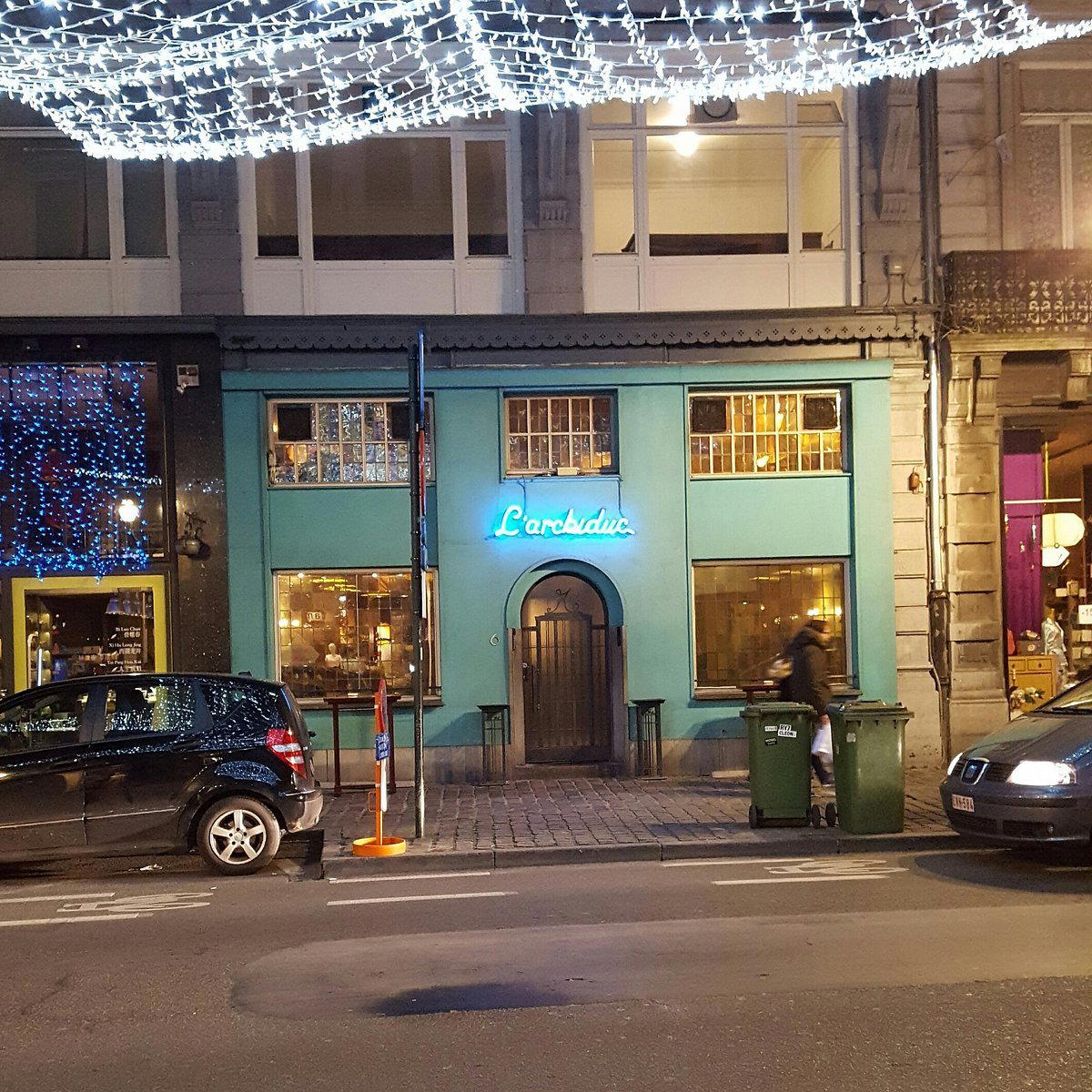
The Borgwal address places Horia at a remove from the grand café theatrics of the city centre, in a quarter where Brussels tends to operate at a lower register. The street-level approach is unhurried, the building unpretentious. What the city has produced here sits in a dining tier that Brussels handles with some confidence: restaurants where the room does not perform, and the work on the plate is expected to carry the evening. This is not the Brussels of tourist brasseries or heritage dining rooms with frosted glass and silver domes. It belongs to a smaller, less visible cohort where the collaboration between kitchen and dining room is the actual subject of the meal.
A City That Rewards Attention
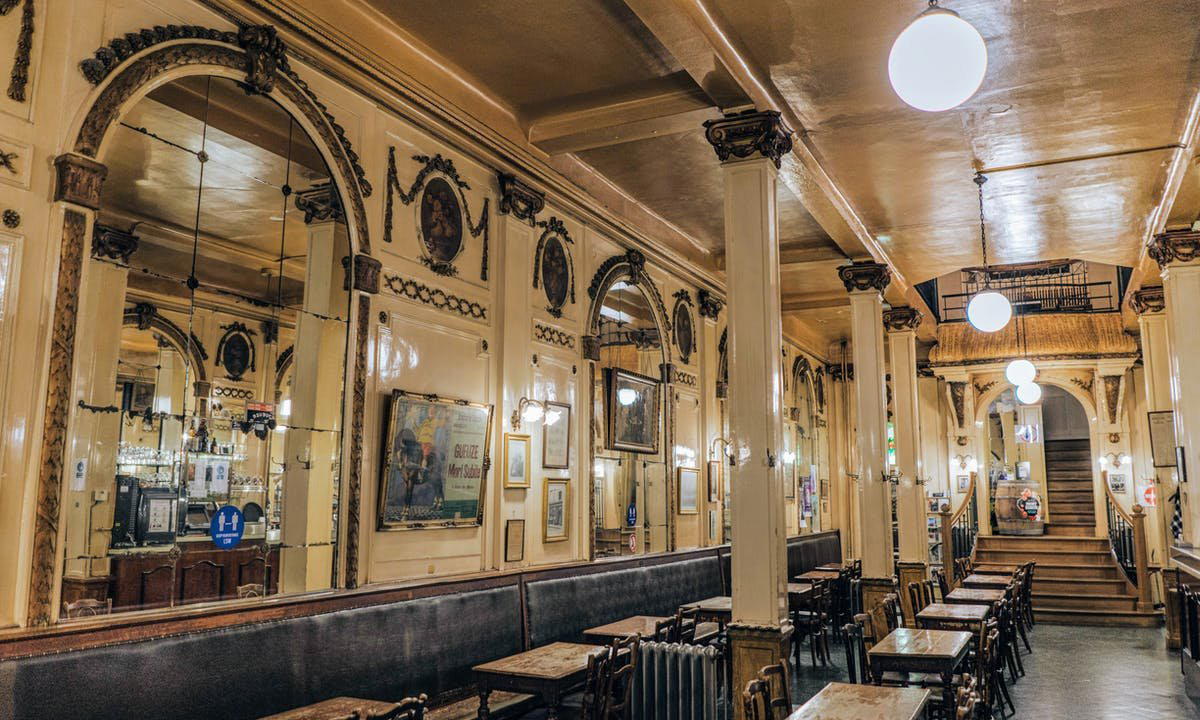
Brussels has always had a split dining identity. On one side sits the institutional weight of houses like Comme chez Soi, carrying decades of French-Belgian classical authority, and the polished modernism of La Villa Lorraine by Yves Mattagne. On the other, a quieter tier of restaurants has been developing with less ceremony and more precision. Barge and Eliane represent the kind of focused, produce-led thinking that has given Brussels its standing outside the Michelin circuit. Horia occupies a position in this wider field, its Borgwal 7 address marking it as part of the city's less-trafficked dining geography.
Belgium's broader fine dining scene provides useful comparative context. The country has produced a concentration of high-achieving kitchens that is disproportionate to its size: Hof van Cleve in Kruishoutem, Boury in Roeselare, Zilte in Antwerp, and coastal practitioners like Bartholomeus in Heist and Willem Hiele in Oudenburg. That density creates a well-schooled dining public and a kitchen culture with real technical depth. When a Brussels restaurant enters this conversation, even tangentially, it inherits both the standard and the scrutiny that culture brings with it.
The Case for Team-Driven Dining
The editorial angle that matters here is not a single name above the door. The restaurants that have sustained relevance in Belgium's fine dining tier are those where the chef-sommelier-front-of-house relationship functions as an integrated system rather than a hierarchy. Bozar Restaurant in Brussels demonstrates how that dynamic can anchor a room inside a cultural institution. Internationally, the model is evident in the structure of restaurants like Le Bernardin in New York City and Atomix in New York City, where service architecture is treated as a discipline equal to cooking. The question Horia raises for the Brussels dining circuit is how that team architecture functions at Borgwal 7, in a city where front-of-house has historically played second to the kitchen.
In rooms of this type, the sommelier's role moves beyond pairing. It becomes a pacing mechanism, a narrative thread that connects courses to producer, region, and season. The service rhythm in smaller Brussels restaurants tends to be more compressed than in their Flemish counterparts, where longer meals with wider wine progressions are the norm. This affects how a team's internal language translates to the guest's experience, and it is where the composition of the room matters as much as what comes out of the kitchen.
Where Horia Sits in the Wider Belgian Map
Belgium's gastronomic geography is more diffuse than France's, with significant kitchens distributed across small cities and rural addresses. Castor in Beveren, De Jonkman in Sint-Kruis, La Durée in Izegem, d'Eugénie à Emilie in Baudour, and L'air du temps in Liernu all draw guests willing to travel for the meal. Brussels, by contrast, offers density and accessibility. A restaurant at Borgwal 7 can draw on a resident professional population and a high volume of international visitors, but it competes with a city that has become increasingly self-aware about where it sits relative to Antwerp, Ghent, and the coastal belt.
The Borgwal address in the 1000 postal district places Horia in central Brussels, within the administrative and cultural heart of the city. For visitors arriving by rail, Brussels-Central and Brussels-Midi both provide reasonable access to this part of the city. The concentration of hotels in the immediate area means that booking a meal here can be structured around a wider Brussels stay rather than requiring dedicated travel logistics.
What the Room Communicates
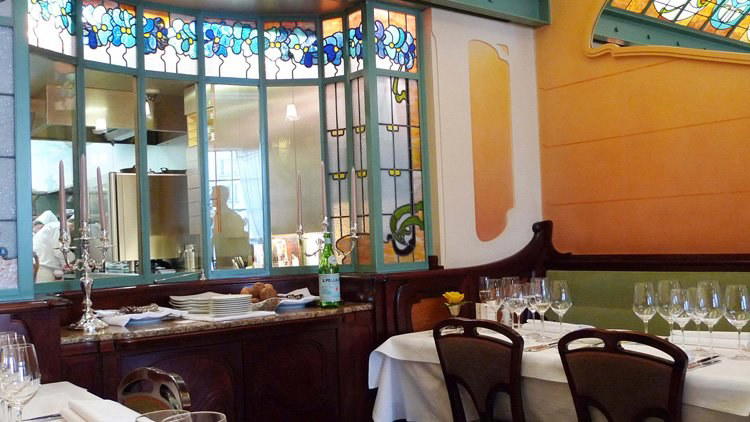
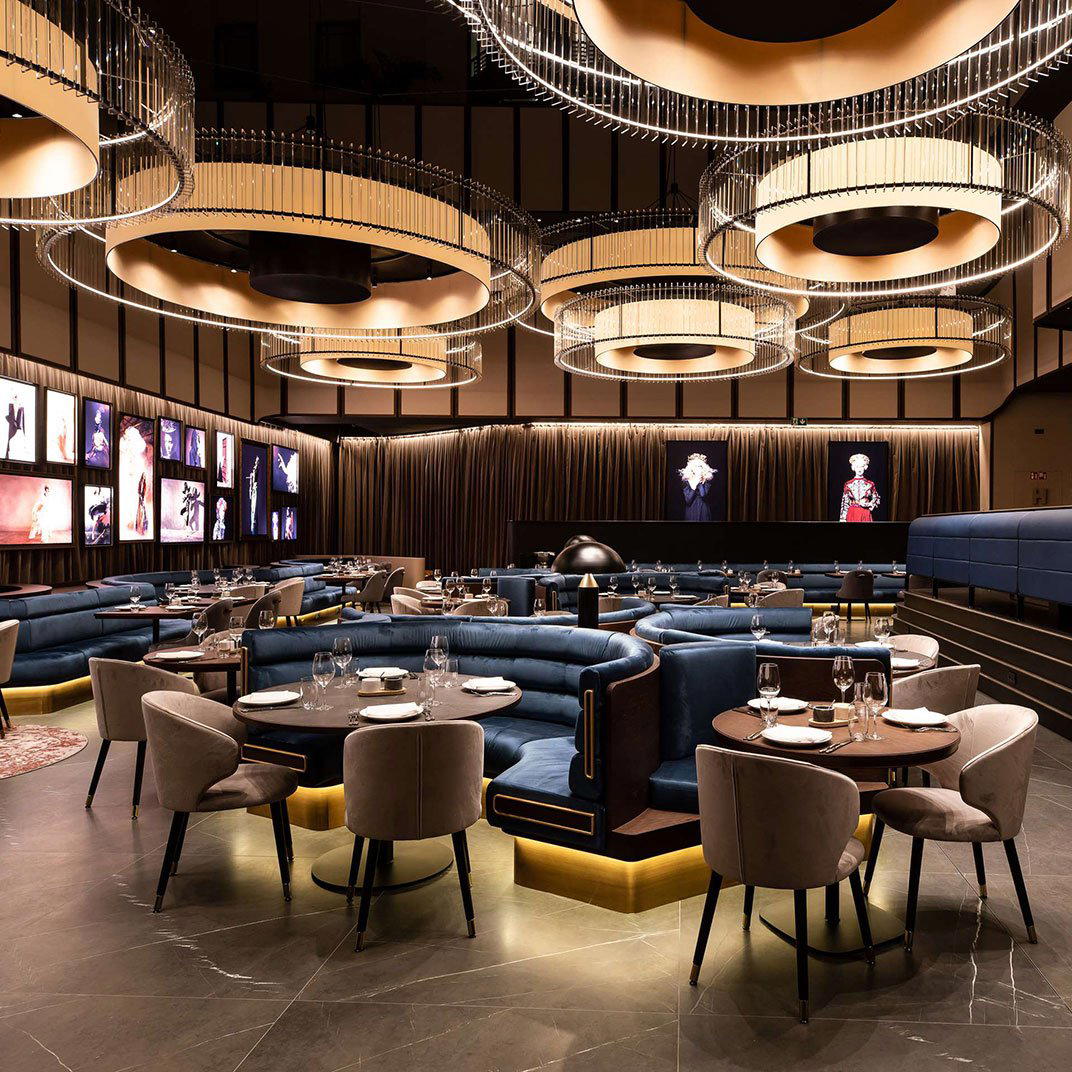
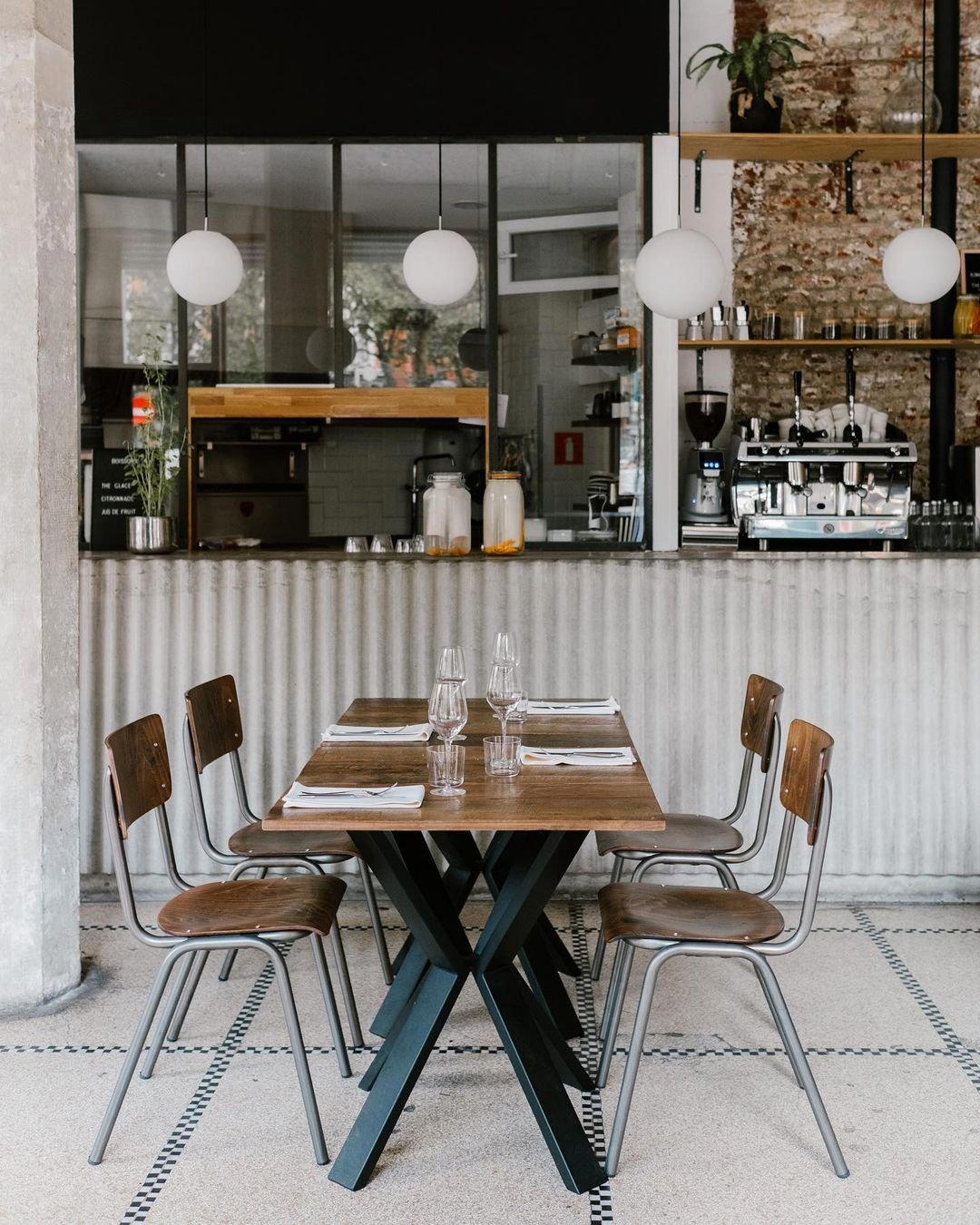
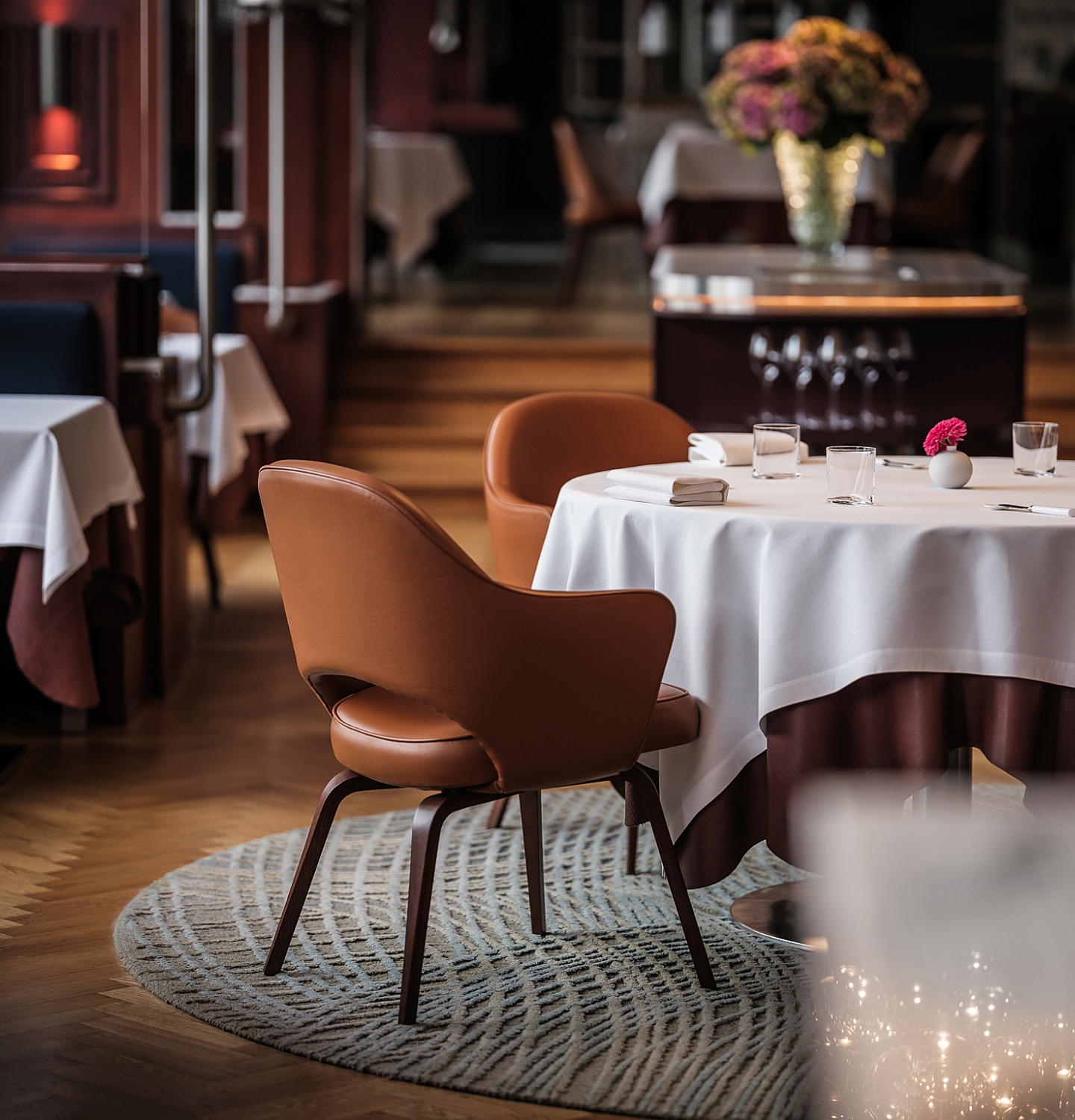
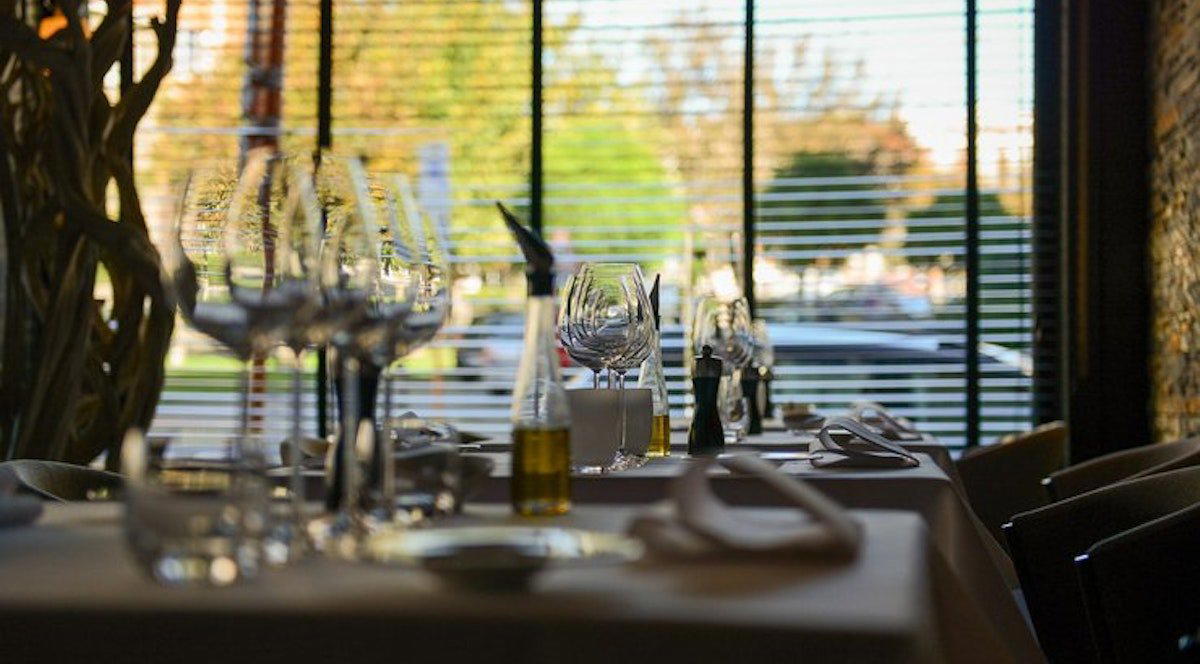
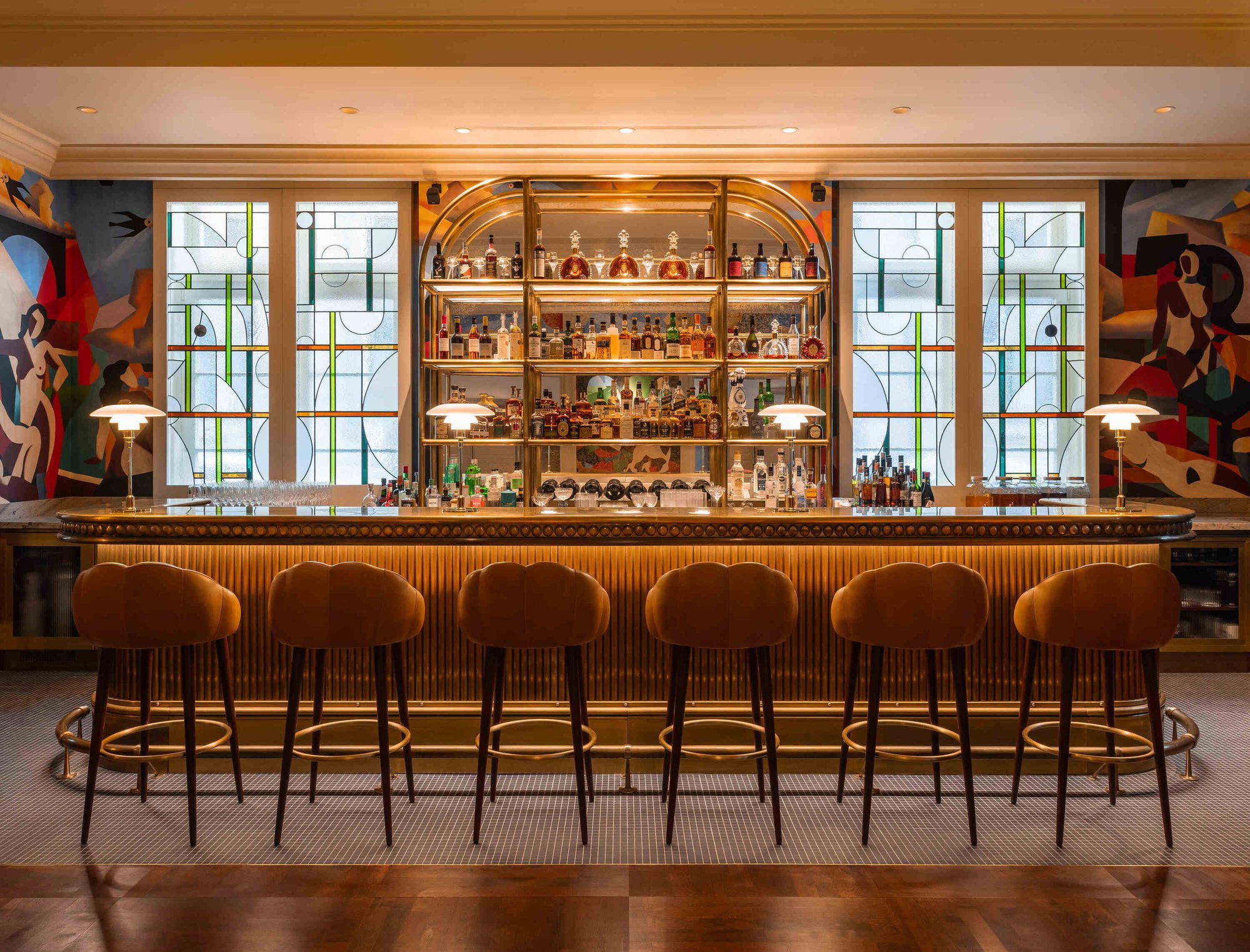
In Brussels's mid-to-upper restaurant tier, the physical environment has become a more deliberate signal. The city's older fine dining rooms carried their authority through accumulated history: heavy drapery, plate stacks, rooms that communicated longevity before the first dish arrived. A newer generation of Brussels restaurants, including those operating at comparable price positions to Horia, has moved toward spaces where the material choices are more specific and more contemporary. The room at Borgwal 7 sits within this broader shift, though the particular character of the interior is best confirmed through a direct visit rather than advance expectation.
For practical planning, the Borgwal 7 address is fixed and verifiable. The concentration of accommodation options in the 1000 Brussels district means that the dining experience can be built into a broader city itinerary without significant logistical friction. Brussels functions well as a European stopover city, with Eurostar and Thalys connections making it accessible from London, Paris, and Amsterdam without the constraints of air travel.
For readers building a Brussels itinerary around the table, the full Brussels restaurants guide maps the city's dining geography across price tiers and formats, from the institutional grand restaurants to the quieter neighbourhood addresses where the city's current dining energy is concentrated.
Frequently asked questions
Is Horia a family-friendly restaurant?
Horia's Borgwal address and positioning within Brussels's mid-to-upper dining tier suggest a room that prioritises a measured, composed atmosphere over a casual family setting. There is no children's menu or family-specific programming documented for the venue. Families with older children comfortable in a considered dining environment are likely better placed than those with young ones.
Is Horia formal or casual?
Horia sits in the register between rigid formality and relaxed neighbourhood dining, a mode Brussels has refined in its quieter quarters away from the grand café tradition. The Borgwal address signals deliberate distance from the theatrical centre, which typically corresponds to a room that is composed but not stiff. Come dressed with some intention rather than tourist-trail casual.
How does Horia's Borgwal location compare to Brussels's main fine dining corridor?
Borgwal 7 places Horia outside the concentrated fine dining corridor anchored by the city centre addresses that carry Belgium's most documented institutional weight. In Brussels, that geographic remove is often a deliberate editorial signal, restaurants in these quieter quarters typically operate with lower visibility and higher repeat-visitor loyalty. It positions Horia alongside the more diffuse layer of Belgian gastronomy, where discovery requires more active navigation than simply following the award maps.
What do regulars order at Horia?
The restaurant's position within Brussels's attentive, team-driven dining tier suggests a focused menu rather than an extensive one, the kind where repeat visitors build familiarity with a short list rather than cycling through a long card.
How do I find Horia?
Horia is located at Borgwal 7, 1000 Bruxelles, Belgium, Brussels.
Do I need a reservation for Horia?
Reservations are advisable for any restaurant operating in Brussels's mid-to-upper dining tier, particularly those with a smaller room in a residential-adjacent quarter like Borgwal. No direct booking contact is currently listed in editorial records, so check the venue's own channels or third-party platforms. Walk-ins at this level of dining in Belgium carry meaningful risk, especially on Thursday through Saturday evenings.
What do critics highlight about Horia?
Editorial attention around Horia focuses on its placement within Brussels's quieter, less theatrically oriented dining quarter, a positioning that reads as a deliberate counter to the city's grander institutions. The conversation around restaurants at this address level in Belgium tends to centre on team coherence and restraint over individual chef celebrity.
Quick Comparison
Comparable venues nearby, for context on price, style, and recognition.
| Venue | Cuisine | Price | Awards | Notes |
|---|---|---|---|---|
| HoriaThis venue (the venue you are viewing) | Organic Moroccan-Lebanese | $20–30 | Not listed | Not listed |
| Cappadocia Kebab | Turkish Kebab & Döner | $1–10 | Not listed | Boulevard Anspach |
| Bocconi | Modern Italian Fine Dining | $50–100 | Not listed | Pl. de Brouckere |
| Crush | Belgian-French Bistro | Not listed | Not listed | Pl. de Brouckere |
| Kitchen 151 | Mediterranean Levantine | $30–50 | We're Smart World 2 Radishes | Ixelles |
| Arthur Amblard | Sugar-Free Artisan Chocolates | $10–20 | Not listed | Pl. de Brouckere |