L'Archiduc
L'Archiduc occupies a quietly commanding position on Rue Antoine Dansaert, one of Brussels' most design-conscious streets, where art deco bones and a long history of jazz and cocktails place it firmly in the city's upper tier of serious drinking destinations. The bar sits at the intersection of Belgian cultural heritage and contemporary craft, drawing a crowd that arrives knowing what it wants.

Pearl is the En Primeur Club membership app, where members save venues, book tables and use the concierge.
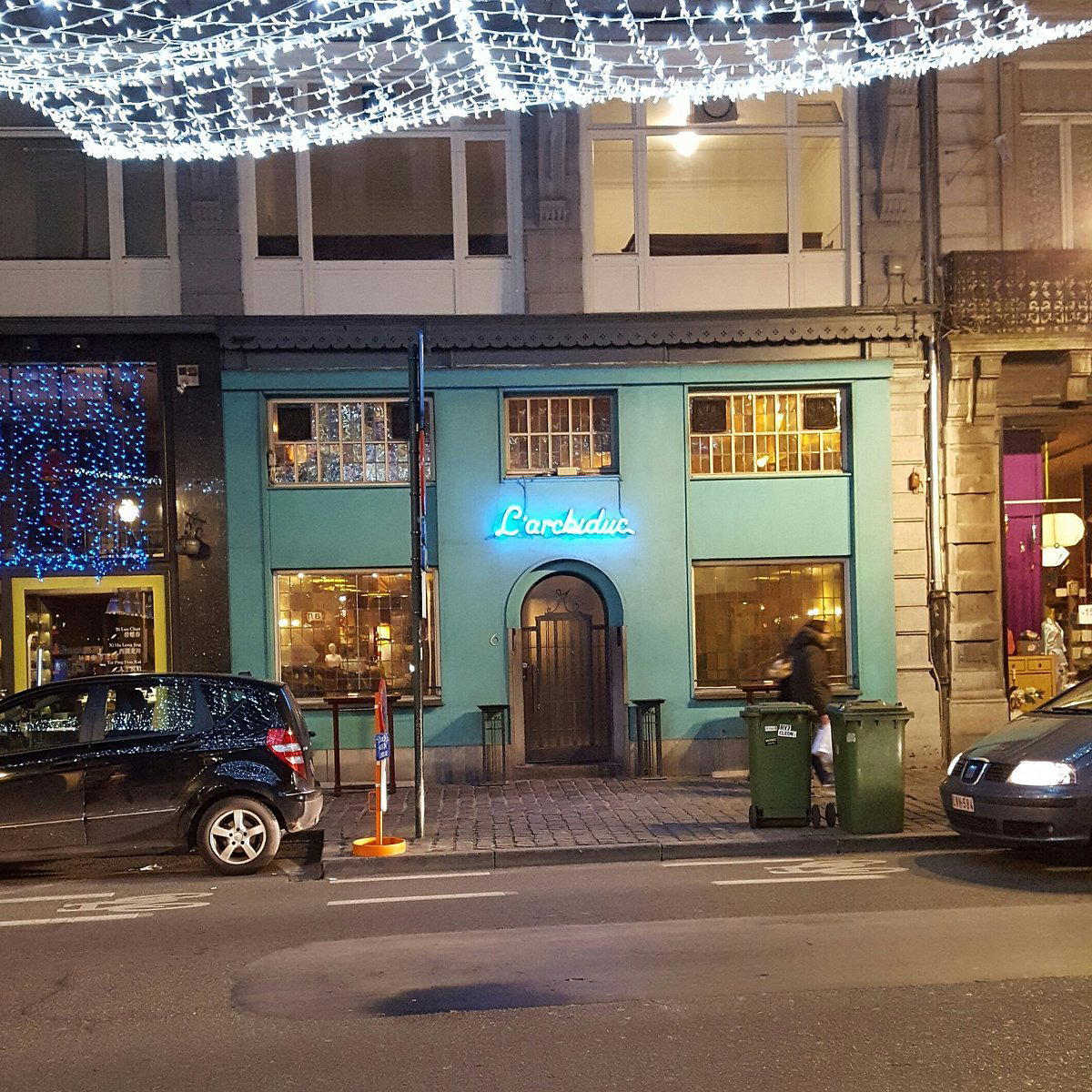
Rue Antoine Dansaert and the Architecture of the Brussels Bar Scene
Brussels has never made it easy to sort its bars into neat categories. The city operates on a layered logic: there are the grand café institutions around the old city centre, the beer-forward houses that define Belgium's international reputation, and then a smaller, more particular tier of establishments where the drink in your glass is secondary only to the room you're drinking it in. L'Archiduc, at Rue Antoine Dansaert 6, belongs to that third category. The street itself sets the tone before you push through the door. Dansaert runs northwest from the Grand Place axis into what became, from the late 1980s onward, Brussels' most self-consciously creative corridor, home to Flemish fashion houses, design studios, and a cluster of bars that take their cues from the neighbourhood's visual intelligence rather than from tourist convenience. For context on drinking in this part of the city, see our full Grand Place restaurants guide.
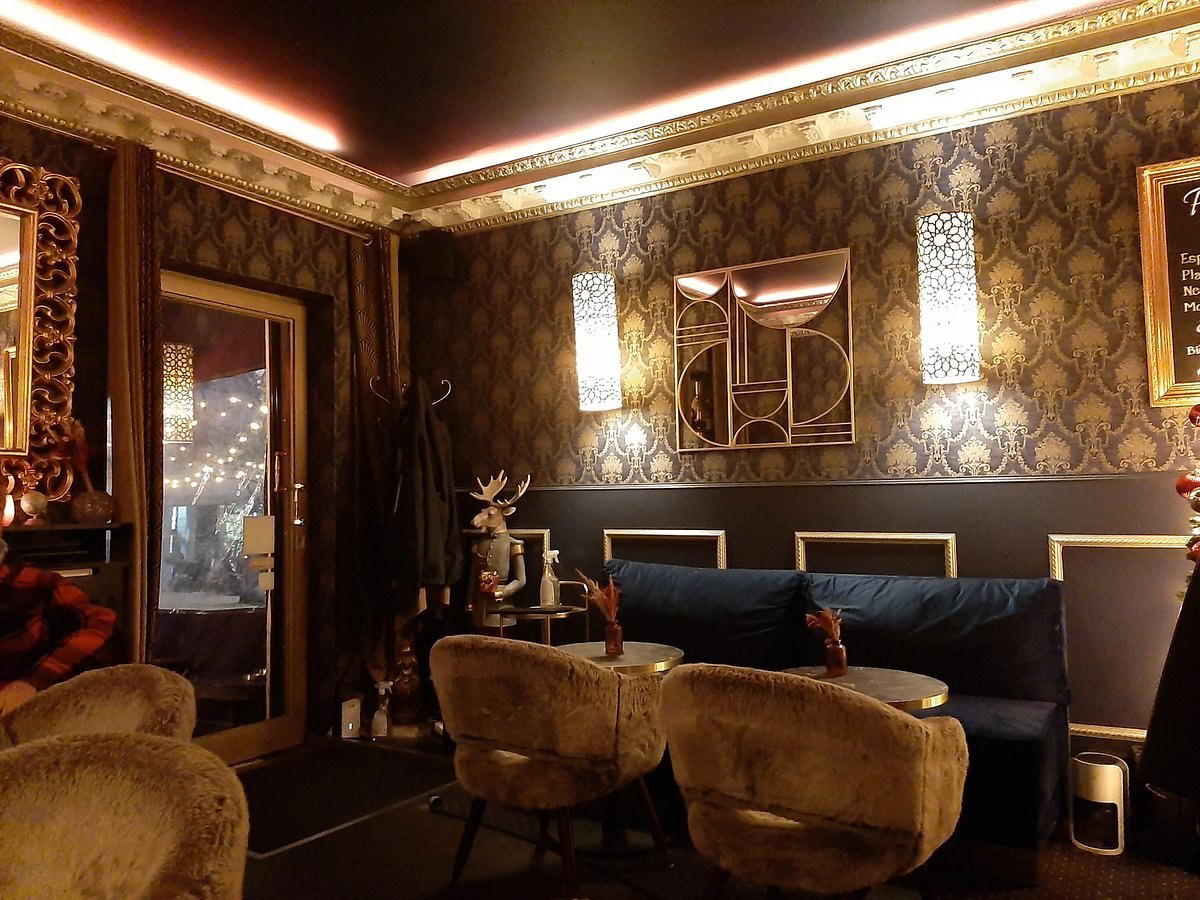
The building itself delivers before a word is spoken. Art deco interiors are common shorthand in European bar writing, invoked loosely and often inaccurately. Here, the term has structural meaning: the curved lines, the geometric detailing, the sense that the room was designed as a total object rather than assembled from available furniture. Spaces like this carry a particular kind of authority in European bar culture, they impose a standard of behaviour on whoever enters them, nudging the conversation down a register, slowing the pace of ordering. That effect is worth accounting for when choosing where to spend an evening in Brussels.
The Cocktail Programme in Context
Belgian bar culture has historically organised itself around beer, and for good reason: the country produces some of the most technically complex fermented grain drinks in the world. Venues like Huisbrouwerij De Halve Maan in Bruges demonstrate what that tradition looks like at its most operationally serious. But Brussels, as a capital city with deep European institutional connections, has long sustained a parallel tradition of spirit-forward and mixed-drink culture. L'Archiduc sits inside that tradition.
The bar's enduring reputation connects to jazz as much as to cocktails, live music has historically been part of the programme, particularly on weekends, and the room's acoustics reinforce the point that it was conceived as a listening space, not just a drinking one. That dual identity shapes the cocktail approach: the emphasis tends toward the classic and the considered rather than the technically provocative. In a period when many European cocktail programmes compete on extraction techniques, clarification, and theatrical delivery, a room that foregrounds craft within a more restrained register occupies a distinct position. Compare that posture against the more format-driven approach at Bar Burbure in Antwerp, which sits further along the spectrum toward the contemporary fine-drinks model.
For Brussels residents and regular visitors, the Dansaert bar circuit has developed a coherent identity. 1000 Brussels represents one point on that map. L'Archiduc represents another, older in lineage, more architecturally specific, and more rooted in the jazz-and-cocktails pairing that defined a particular moment in European urban drinking culture. The coexistence of these venues speaks to how Brussels manages its drinking culture: less hierarchically than London or Paris, with room for different modes of seriousness to operate simultaneously without one displacing the other.
Where L'Archiduc Sits Among Belgian Drinking Destinations
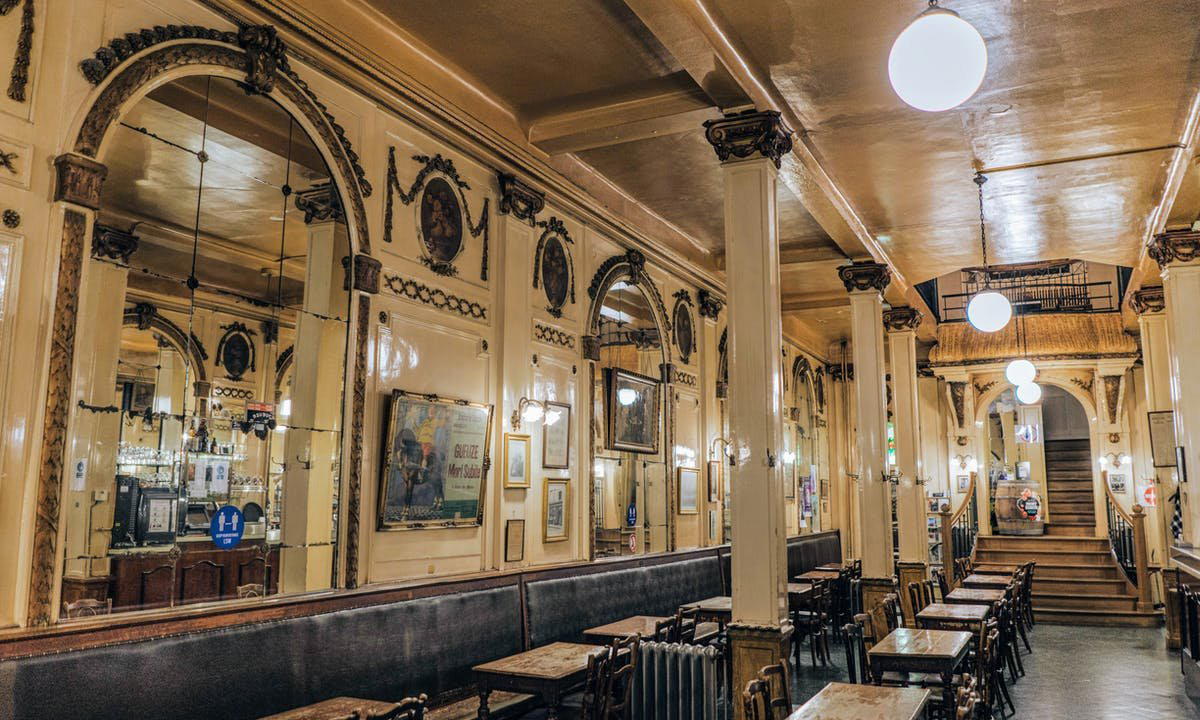
Belgium's bar scene is more geographically dispersed than its international reputation suggests. The beer culture narrative often pulls focus toward Ghent, Bruges, and the monastery-adjacent production houses, but the cocktail and wine-bar infrastructure is concentrated in Brussels and Antwerp, with smaller nodes in Ghent and Liège. Fermento Wine Bar in Brussels occupies the natural wine end of the capital's drinking spectrum. À La Mort Subite in Pl De Brouckere anchors the lambic and gueuze tradition with a room that rivals L'Archiduc for period atmosphere. These are not competing venues so much as different arguments about what Belgian bar culture can mean.
Outside Brussels, the pattern fragments usefully. VINES by maQUINZE in Ostend demonstrates that coastal Belgium has developed its own wine-bar register. Vino Vino in Namur and Wijnbar Dito in Hasselt show the same pattern extending into Wallonia and Limburg respectively. For beer-driven heritage, 't Dreupelkot in Ghent offers the most concentrated single-spirit programme in the country, built around jenever rather than whisky or cocktails. None of these directly displace L'Archiduc's position; they clarify it. For international comparison, Bar Leather Apron in Honolulu demonstrates how a similarly serious cocktail programme operates in a very different cultural register, technically disciplined, but shaped by entirely different source traditions.
Planning a Visit
Rue Antoine Dansaert is walkable from the Grand Place in under ten minutes, passing through the transition between the old city's tourist-oriented core and the neighbourhood's more local commercial character. The address at number 6 places L'Archiduc toward the lower end of the street, close enough to the centre to be convenient but far enough to feel like a deliberate choice rather than an accidental detour. Weekend evenings, particularly when live music is scheduled, draw a committed crowd; arriving earlier in the evening gives the room at a different pace. Brussels visitors who are also spending time in Elsene should note that Le Louise Hotel Brussels in Elsene offers a separate drinking context in the city's southern residential quarter, useful for a multi-neighbourhood evening. No specific booking requirements have been confirmed in available data, so direct contact is advisable for groups or for evenings with scheduled programming.
Comparable Spots, Quickly
Comparable venues nearby, for context on price, style, and recognition.
| Venue | Cuisine | Price | Awards | Notes |
|---|---|---|---|---|
| L'ArchiducThis venue (the venue you are viewing) | cocktail_bar | $20–30 | Not listed | Not listed |
| 1000 Brussels | beer_bar | $20–30 | Not listed | Grand Place |
| Fermento Wine Bar | wine_bar | $30–50 | Star Wine List | Ixelles |
| Le Wine Bar des Marolles | wine_bar | $30–50 | Star Wine List | Grand' Place |
| HET ARCHIEF | wine_bar | $20–30 | Star Wine List | Antwerp Centre |
Continue exploring
More in Grand Place
Bars in Grand Place
All bars in Grand Place →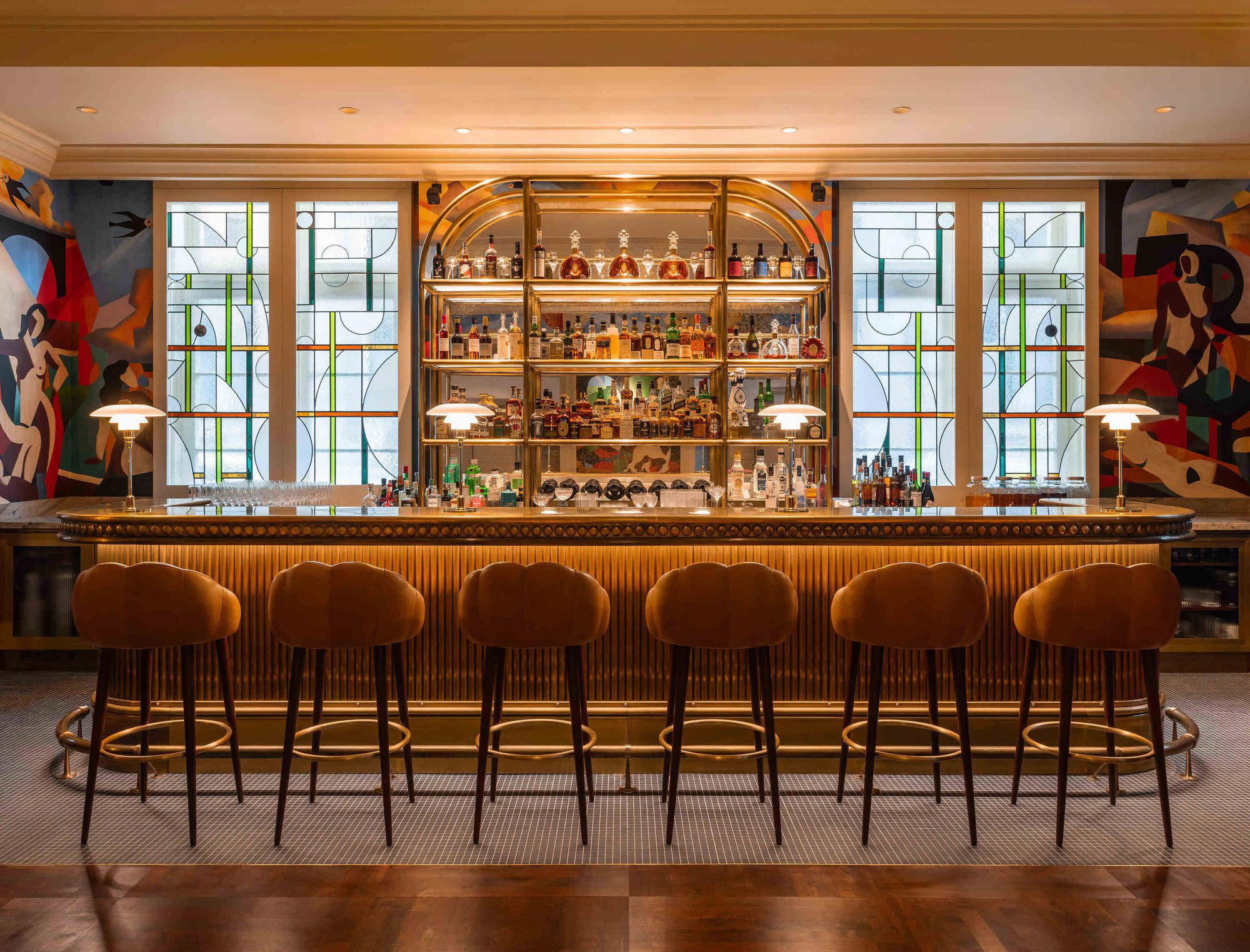
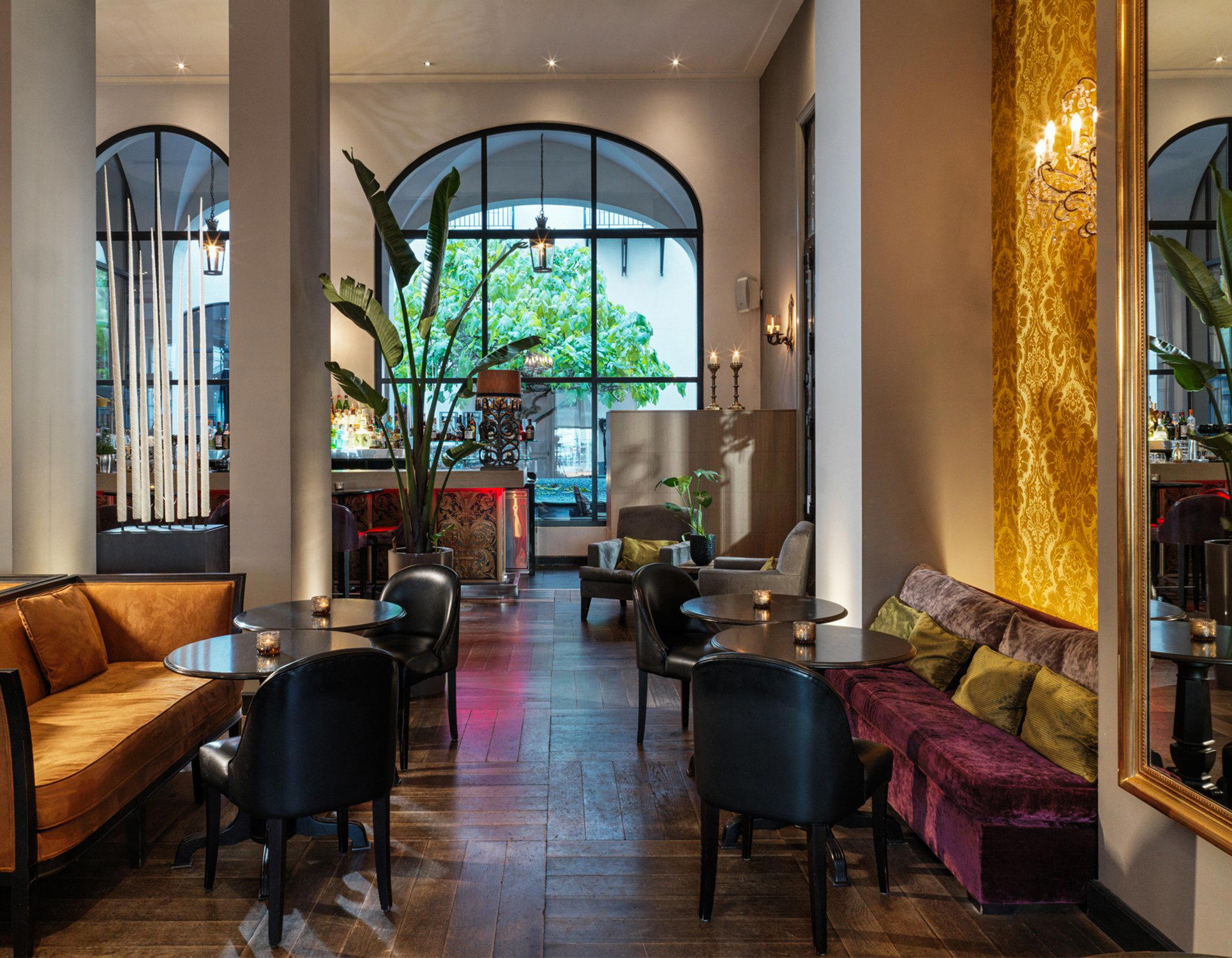
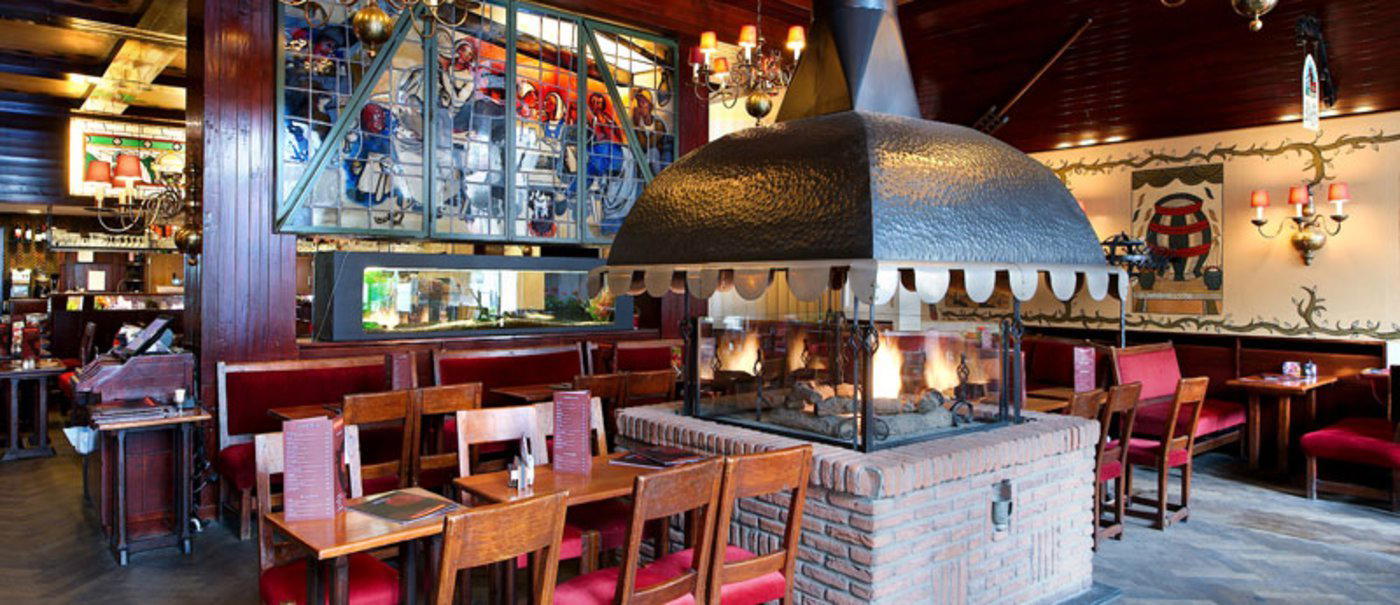
Restaurants in Grand Place
Browse all →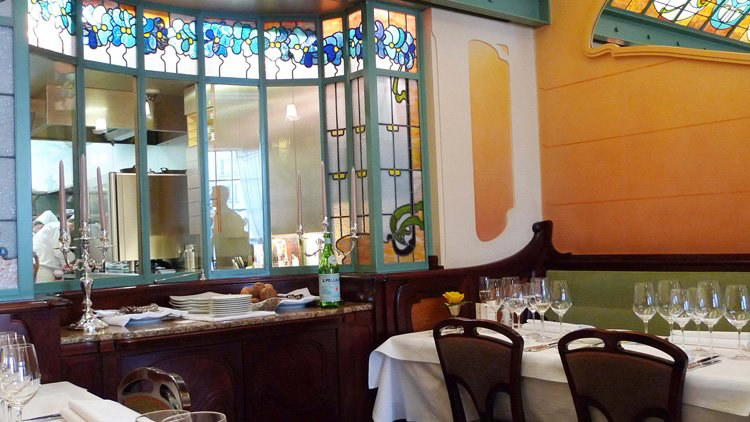
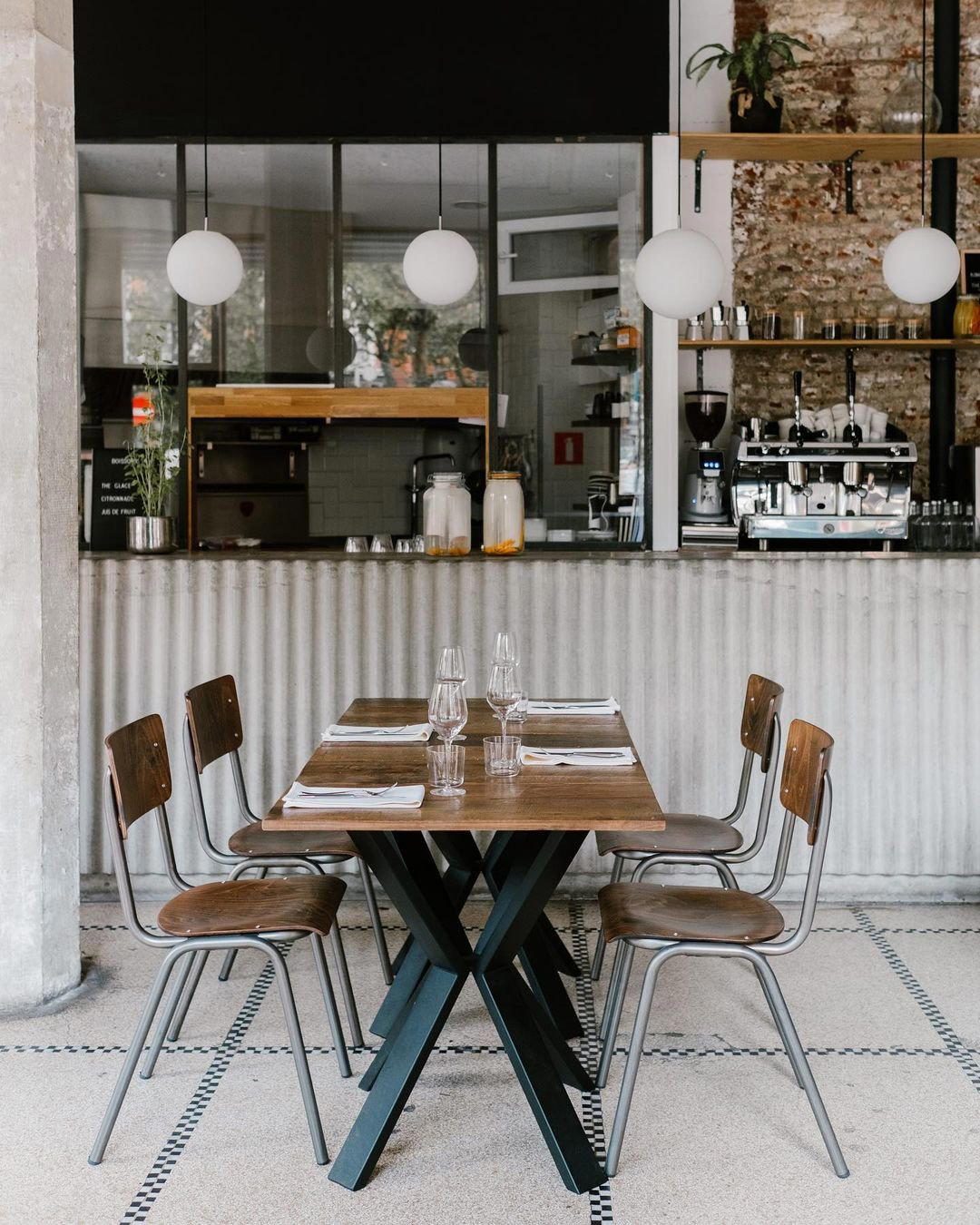
Hotels in Grand Place
Browse all →
Wineries in Grand Place
Browse all →
L'Archiduc
The drinks
- Craft cocktails
- Classic cocktails
Signature drinks: champagne cocktail.
Details
- Classic
- Well Known
- Elegant
- Intimate
- Cozy
- Date Night
- Late Night
- Special Occasion
- Live Music
- Historic Building
- Seated Bar
- Booth Seating
- Classic Cocktails
- Craft Cocktails
Current opening hours
- Monday
- 4 PM–5 AM
- Tuesday
- 4 PM–5 AM
- Wednesday
- 4 PM–5 AM
- Thursday
- 4 PM–5 AM
- Friday
- 4 PM–5 AM
- Saturday
- 4 PM–5 AM
- Sunday
- 4 PM–5 AM
Hours can change for holidays and private events. Last verified .
Classic Art Deco atmosphere with vintage decor, cozy benches, and an intimate setting that feels like stepping back in time, enhanced by the glow of the grand piano during live jazz.