On one of Brussels' most-visited streets, Kitsune Burgers positions itself against the brasserie and fast-casual formats that dominate the Îlot Sacré quarter. Where the Rue des Bouchers corridor runs heavy on tourist-facing Belgian classics, Kitsune represents the city's growing appetite for quality-led casual dining with a distinct identity. A practical stop for those moving between the Grand-Place and the city's more serious restaurant tier.
Pearl is the En Primeur Club membership app — saves, bookings, and concierge access live there. Same editors, same standards.
- Address
- Pt Rue des Bouchers 25, 1000 Bruxelles, Belgium
- Phone
- +32472480793
- Website
- kitsuneburgers.com
- Directions
- Get directions
 Saves & bookings on Pearl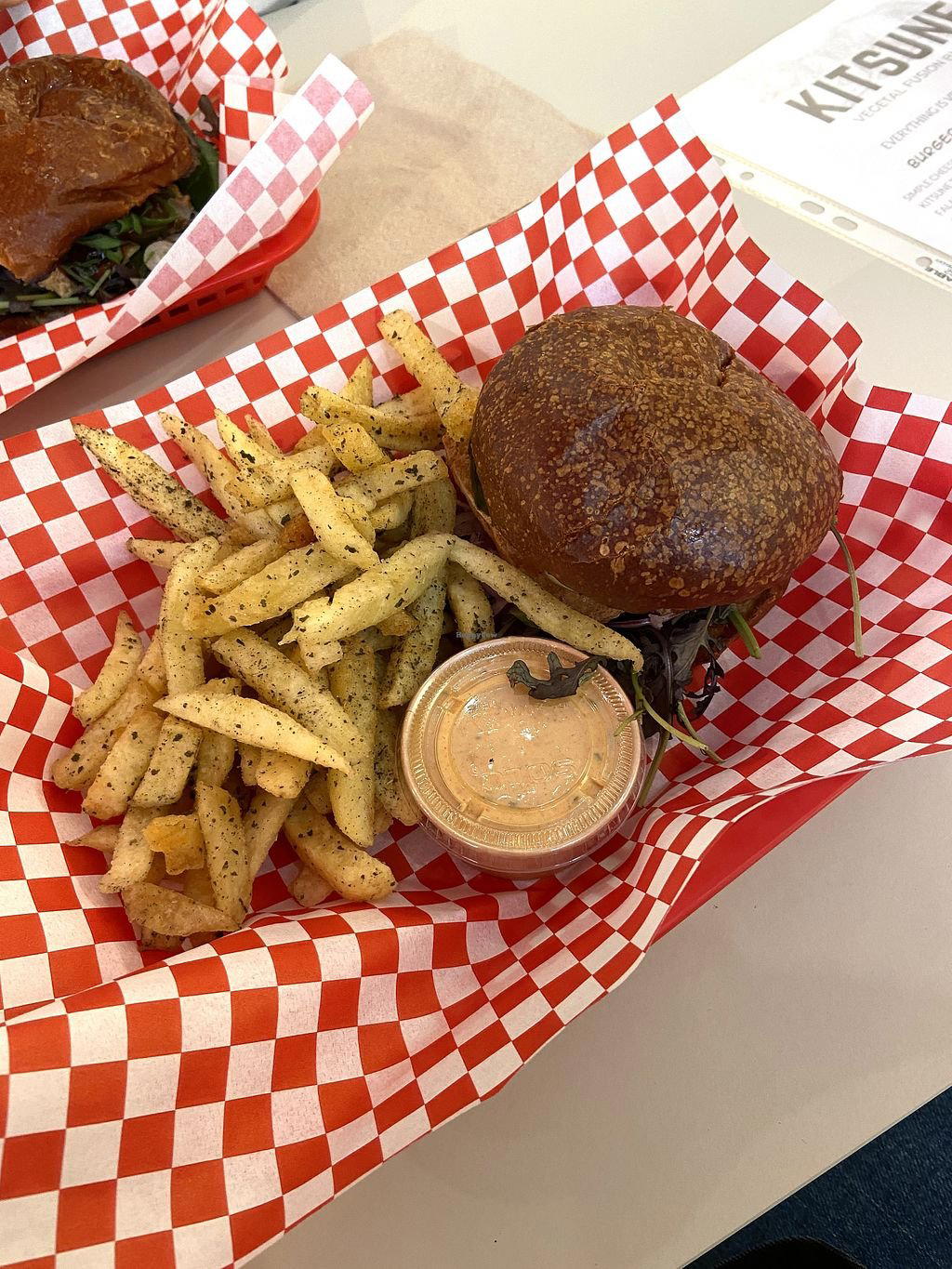
Where Casual Dining Meets Considered Sourcing in the Îlot Sacré
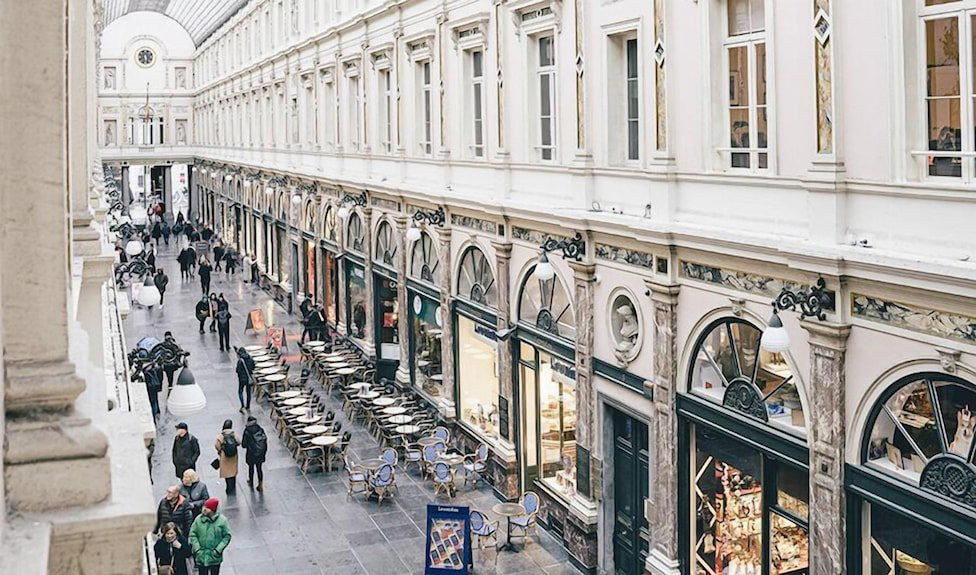
The Rue des Bouchers is one of Brussels' most recognisable corridors: a narrow, lantern-lit stretch where seafood displays spill onto the pavement and brasserie touts have refined their pitch to an art form. It is not, historically, a street associated with ethical sourcing or environmental rigour. Which is precisely what makes the presence of a quality-led burger concept here worth noting. Kitsune Burgers, at number 25, occupies a position on one of the Belgian capital's most tourist-saturated streets while drawing a clientele that is looking for something more considered than the surrounding offer.
Brussels' casual dining scene has been moving in two directions simultaneously. On one hand, the brasserie format, think Comme chez Soi territory at the formal end, and Aux Armes de Bruxelles at the accessible end, remains the city's default register for visitors. On the other, a younger cohort of operators has been building casual formats with tighter sourcing standards, shorter menus, and a deliberate rejection of the volume-first logic that defines tourist-corridor restaurants. Kitsune sits closer to the latter tendency, even if its address puts it squarely in the former's geography.
The Sustainability Angle in a Street Known for Spectacle
Across Belgium's more progressive dining scene, sustainability has shifted from marketing language to operational standard. Restaurants like Barge in Brussels have built their entire identity around organic sourcing, while L'air du temps in Liernu has become a reference point nationally for its kitchen garden and waste-reduction approach. Even within the city's fine dining tier, venues like Eliane and Bozar Restaurant, provenance and traceability have become non-negotiable talking points rather than differentiators.
The burger format is often treated as the category least amenable to these values: high throughput, commodity protein, packaging waste, and a customer base that tends to prioritise speed and price over sourcing. The more interesting casual operators in European cities have pushed back against that assumption. In Brussels, a city with a strong tradition of meat quality through its butchery culture and proximity to Belgian Blue cattle farming, a burger concept that takes sourcing seriously has a legitimate local foundation to build from. Kitsune's presence on the Rue des Bouchers, a street where the product on the plate is, at many neighbouring establishments, selected primarily for margin, represents at least an implicit statement about priorities.
Belgium's broader restaurant culture provides useful context here. The country punches well above its size in fine dining terms: Hof van Cleve in Kruishoutem, Boury in Roeselare, and Zilte in Antwerp represent a level of culinary seriousness that filters down into how Belgians think about ingredients across price points. The expectation that even a casual meal should reflect some care in its sourcing is more embedded here than in many comparable European capitals. That cultural context makes the casual-but-considered positioning of a place like Kitsune more legible to a local audience than it might be elsewhere.
The Casual Format and Its Competitive Set
On the Rue des Bouchers, the competitive set is defined primarily by the brasserie and seafood restaurant formats. These are typically mid-to-large operations running high covers, set menus, and kitchen logistics designed for volume. A burger concept operates in a different rhythm entirely: faster turnover, simpler mise en place, and a format that lends itself more naturally to quality control at the ingredient level precisely because the menu scope is narrower. When a kitchen is producing twenty dishes, sourcing every component carefully is operationally complex. When the menu centres on a single format, that discipline becomes more achievable.
This is a pattern visible in better casual dining across European cities. The clarified-menu approach, where operators do fewer things but do them with more attention to the supply chain, has become one of the more credible responses to the tension between accessibility and quality. At the premium end of the Brussels market, La Villa Lorraine by Yves Mattagne and the broader fine dining tier operate with sourcing standards that are expected at that price point. The more interesting question is what happens at the casual end, where those standards are harder to maintain economically. Venues that manage it, whether in Brussels, or at the level of Le Bernardin in New York or Atomix in their respective categories, tend to share a narrowness of focus that allows them to hold the line on quality.
Belgium's regional restaurant network offers further evidence of how deeply sourcing ethics have penetrated the country's food culture. Willem Hiele in Oudenburg and Bartholomeus in Heist have both built reputations around hyperlocal, coast-adjacent sourcing. Castor in Beveren, De Jonkman in Sint-Kruis, and d'Eugénie à Emilie in Baudour each represent a regional commitment to provenance that has become a defining characteristic of serious Belgian cooking at any price point. La Durée in Izegem adds to a picture of a country where the farm-to-table orientation is not a trend but an operating assumption across its better kitchens.
A Tight Comparison
Comparable venues nearby, for context on price, style, and recognition.
| Venue | Cuisine | Price | Notes |
|---|---|---|---|
| Kitsune BurgersThis venue — the venue you are viewing | Not listed | $$ | Not listed |
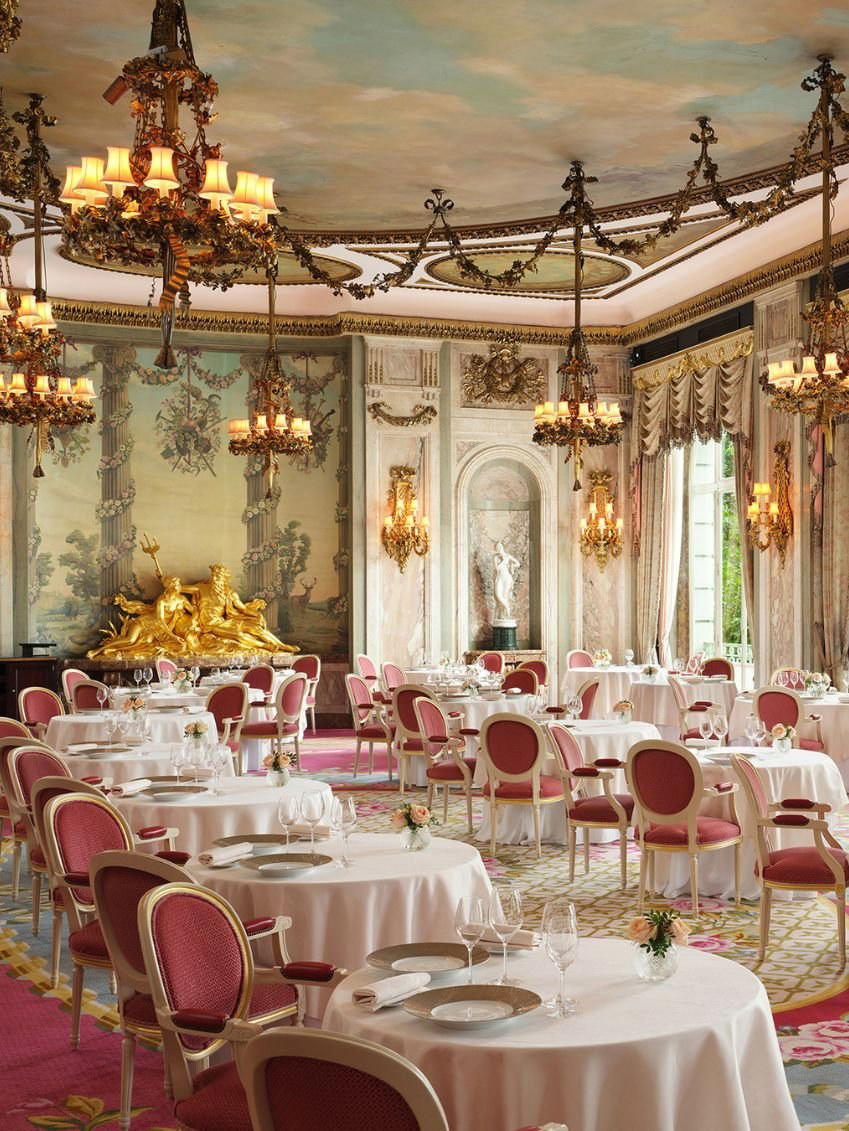
| Gramm | Not listed | $$$$ | Pl. de Brouckere, Modern French-Japanese Fusion |
| Neuhaus-Bruxelles | Not listed | $$ | Pl. de Brouckere, Belgian Chocolatier Cafe |
| Moeder Lambic | Grand' Place, Belgian Beer Pub | $$ | Not listed |
| Ötap | Châtelain, Modern European Small Plates | $$$ | Not listed |
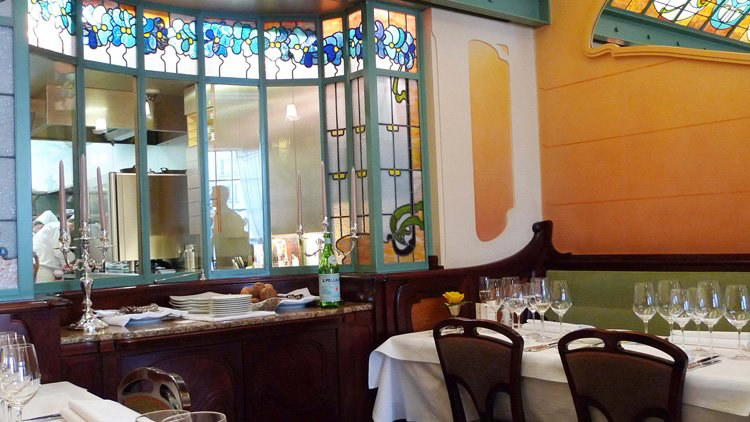
| Vincent | Not listed | $$$ | Pl. de Brouckere, Traditional Belgian Brasserie |

At a Glance
- Trendy
- Lively
- Modern
- Industrial
- Casual Hangout
- After Work
- Open Kitchen
- Beer Program
- Street Scene
Current opening hours
- Monday
- Closed
- Tuesday
- Closed
- Wednesday
- 12–2:30 PM, 5:30–10 PM
- Thursday
- 12–2:30 PM, 5:30–10 PM
- Friday
- 12–2:30 PM, 5:30–10 PM
- Saturday
- 12–10 PM
- Sunday
- 12–10 PM
Hours can change for holidays and private events. Last verified .
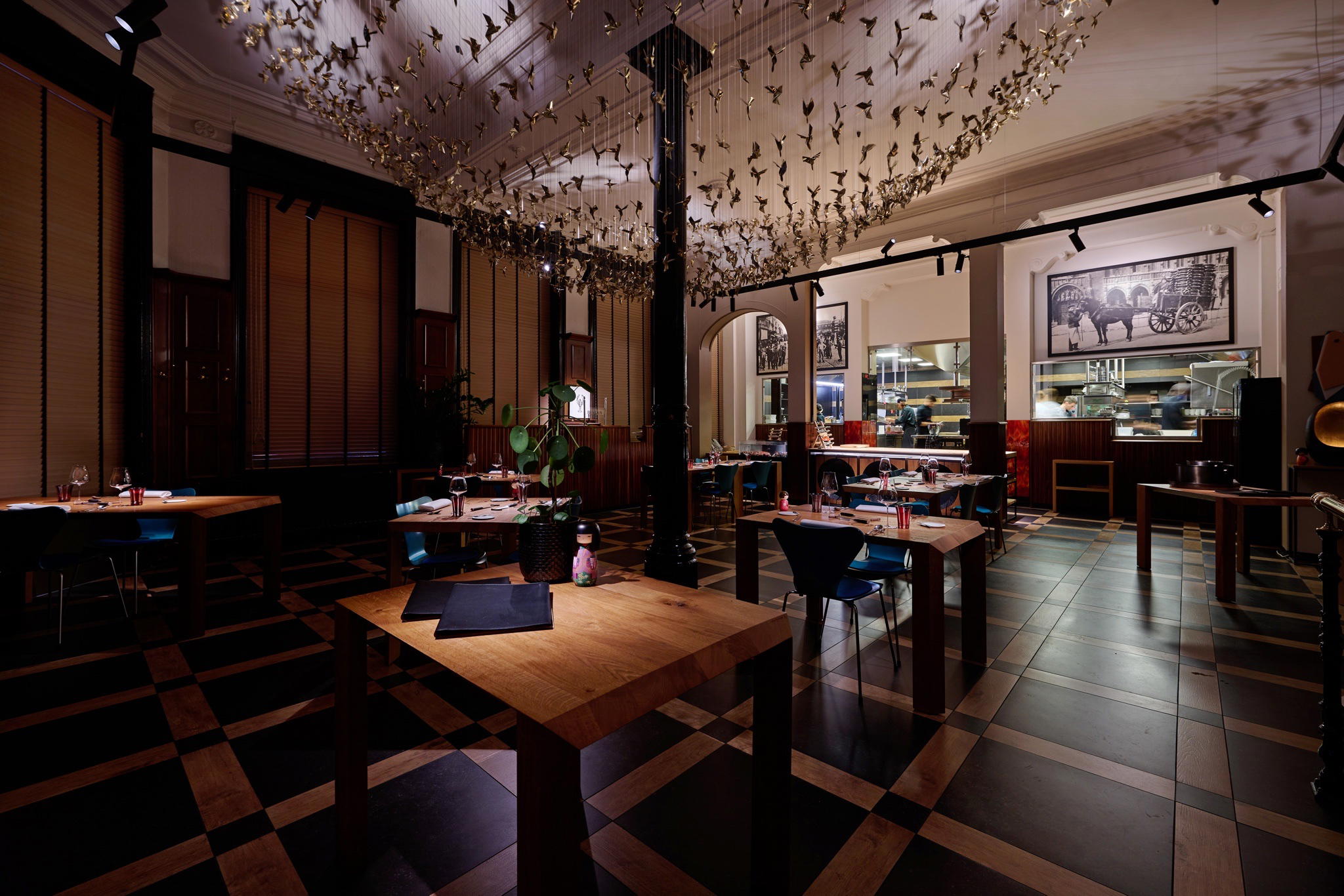
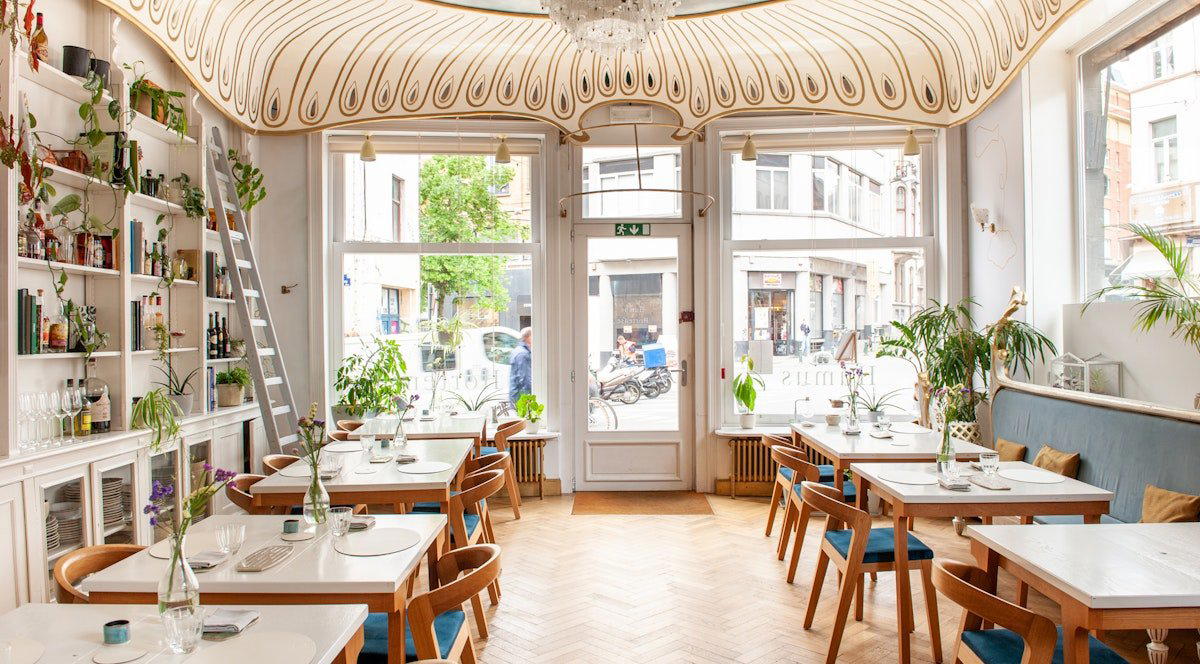
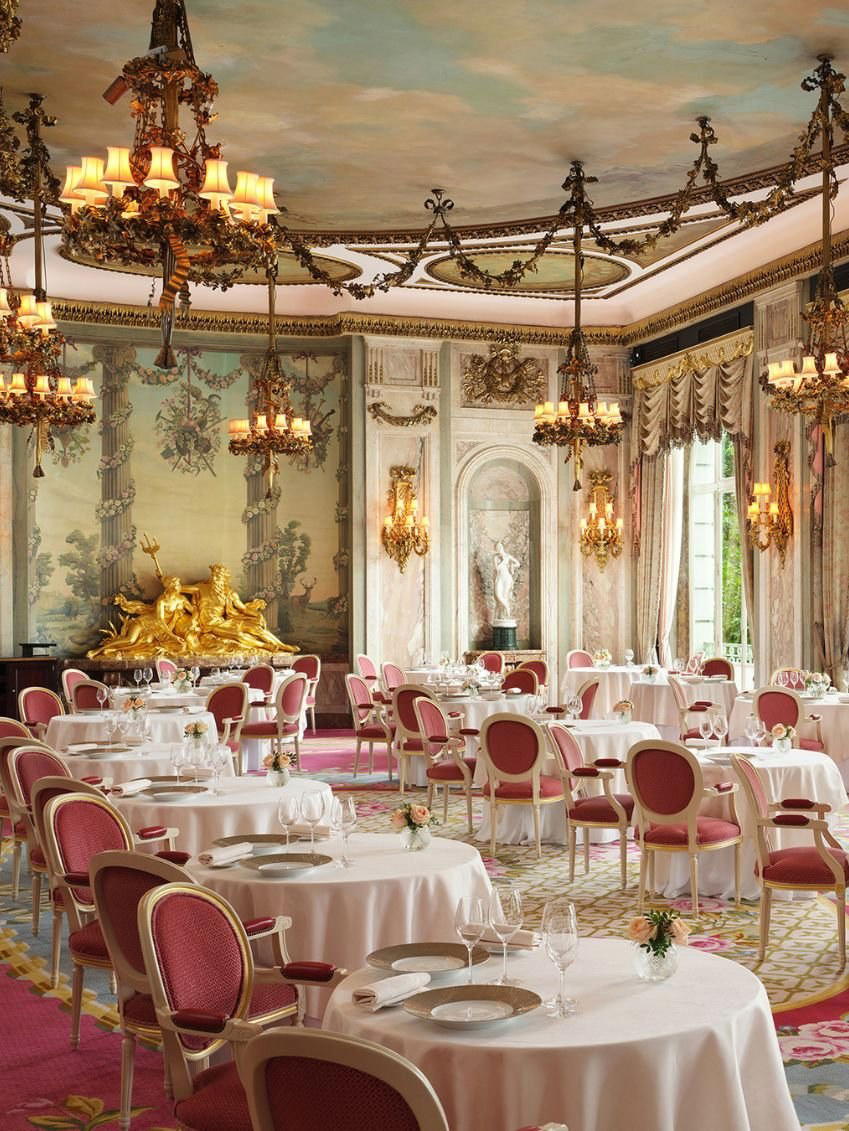
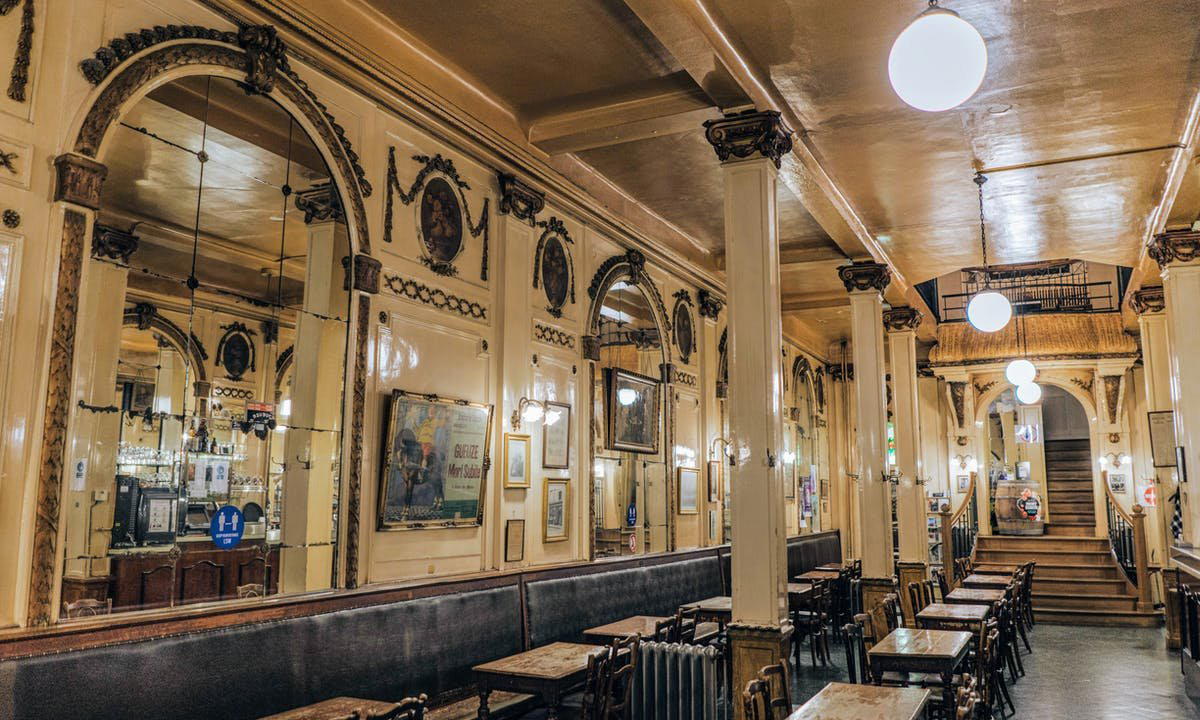
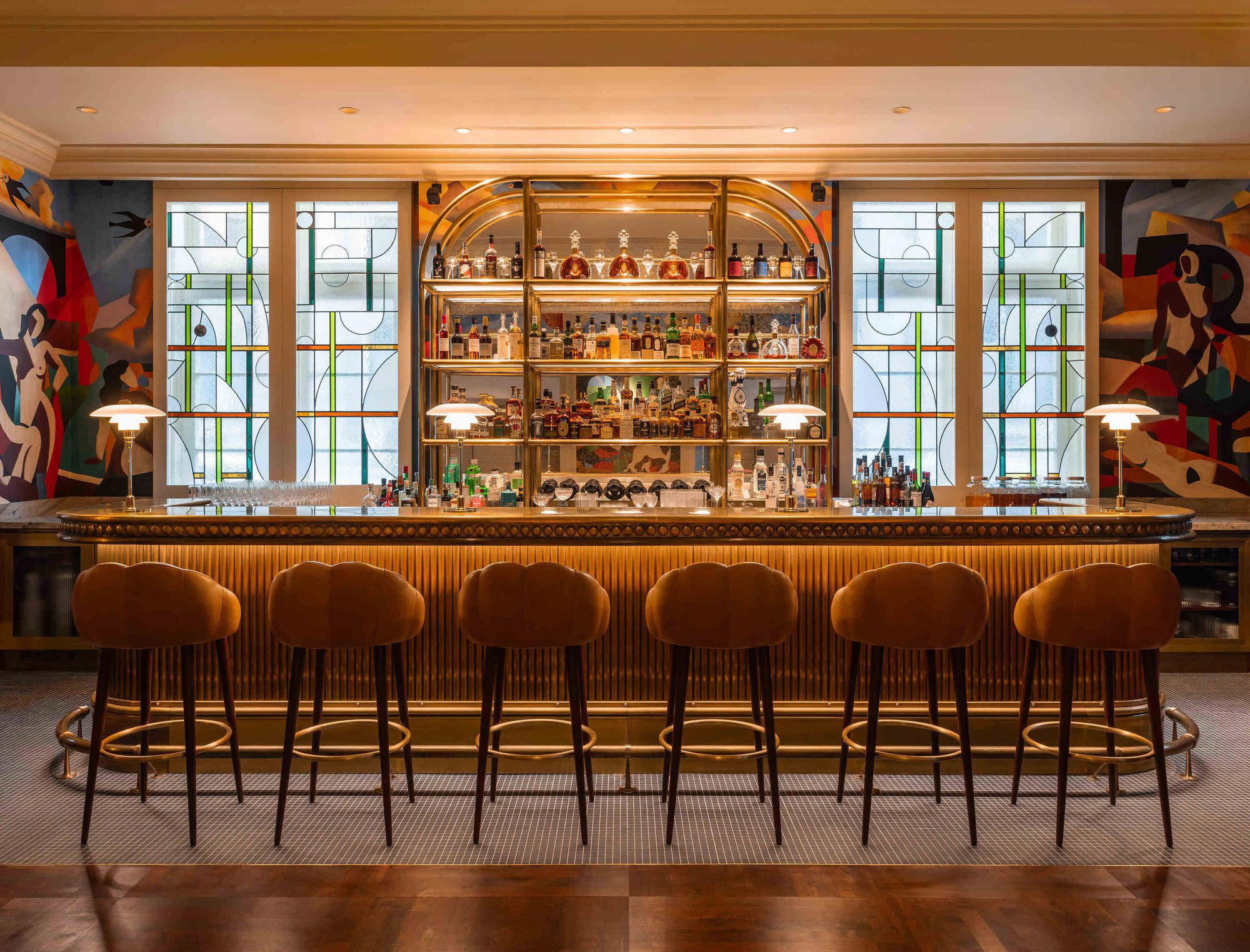
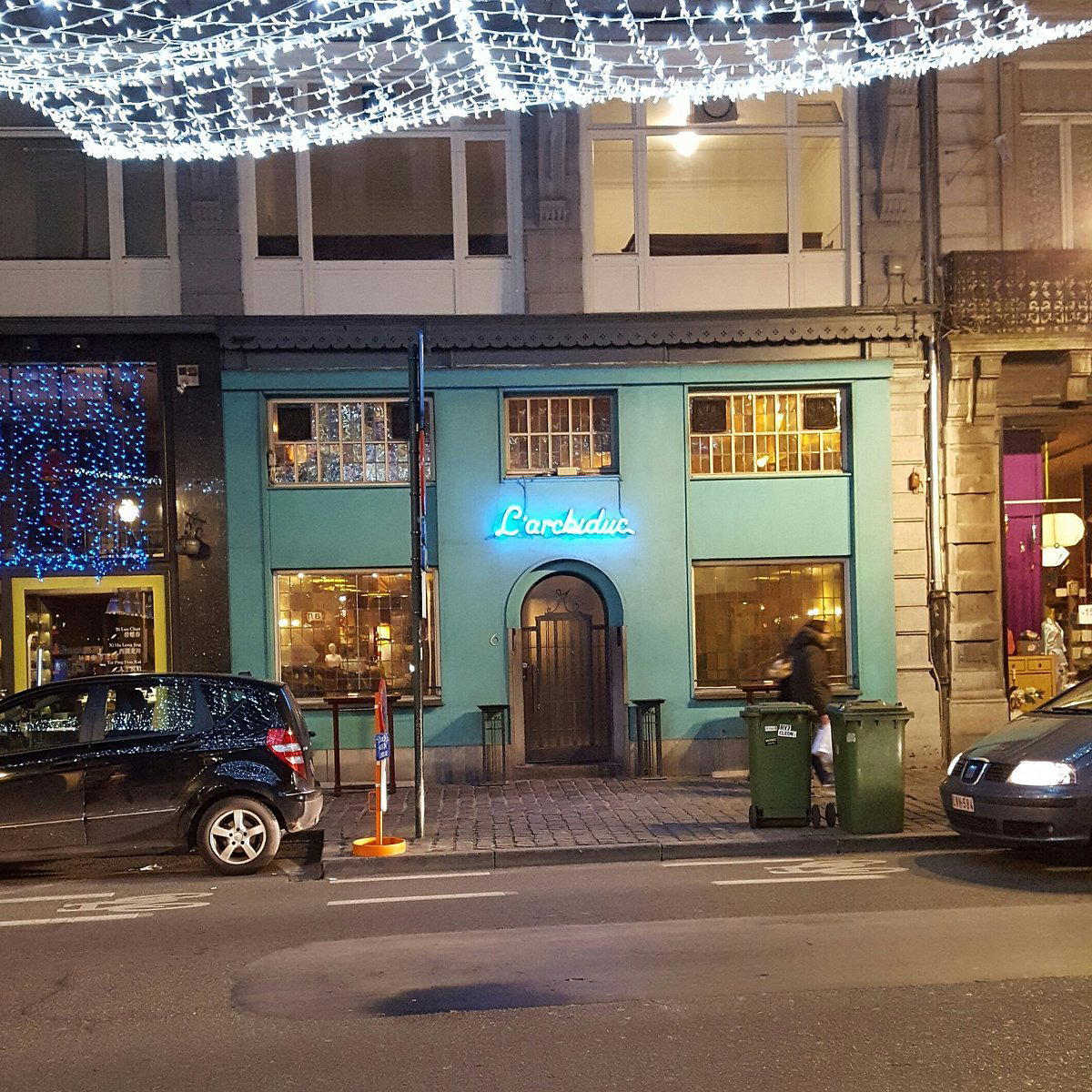
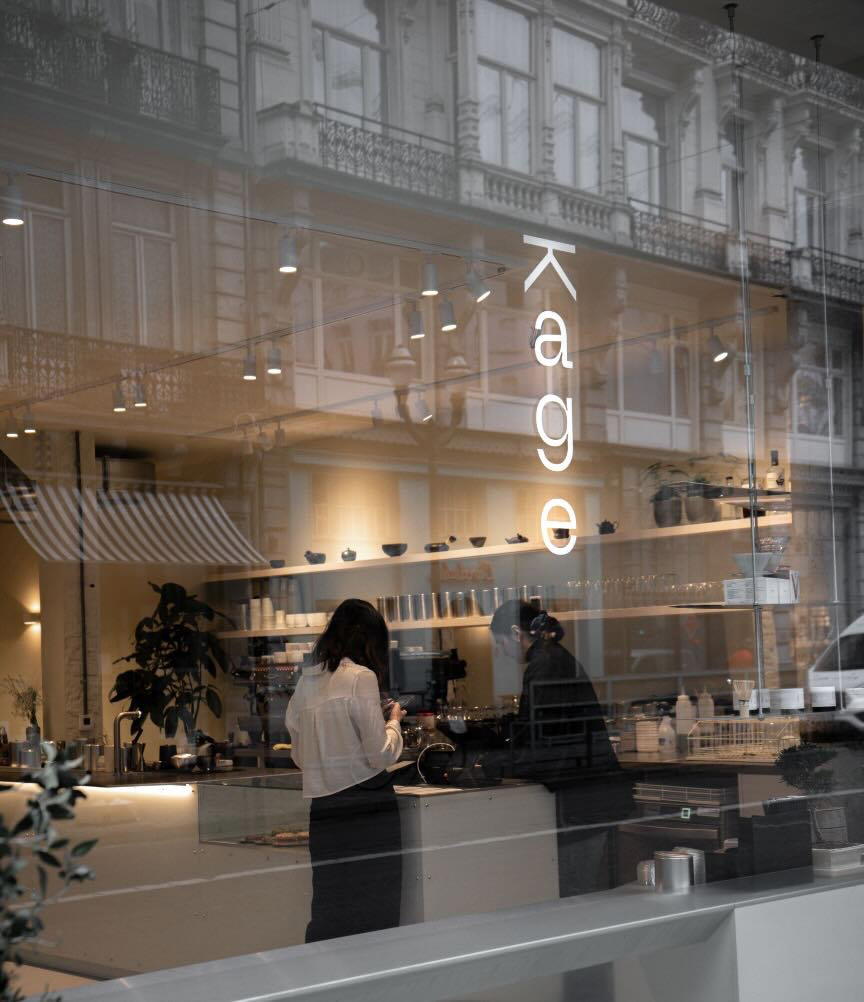
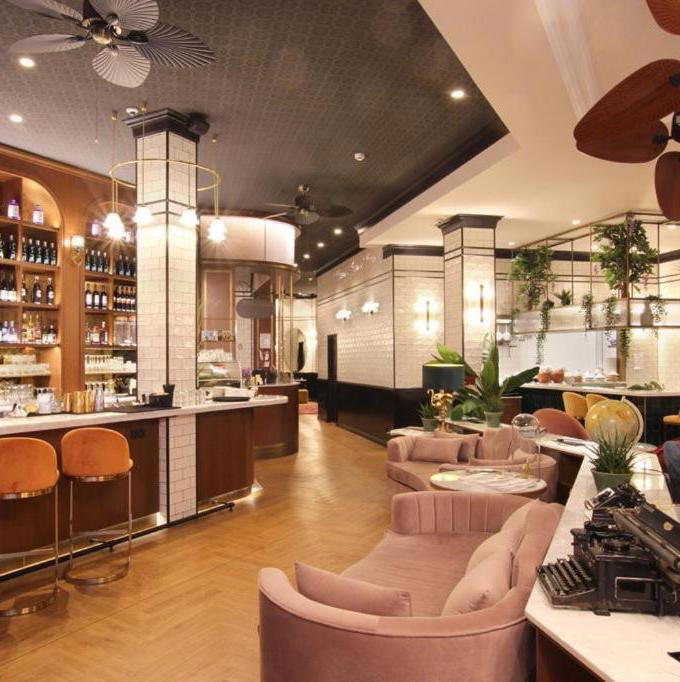
Stripped-back industrial look with exposed brick walls, wooden counter, black and white color blocks, lively atmosphere, art-decorated, and often packed.