


1 Michelin Star · We're Smart World 3 Radishes
Our verdict
A Michelin-starred address on Boulevard d'Ypres, Barge places organic, producer-led cooking at the centre of a considered dining ritual. Chef Grégoire Gillard, formerly right hand to Sang Hoon Degeimbre at L'Air du Temps, composes menus around local seasonal vegetables, with sommelier partner Barbara shaping a cellar that matches the kitchen's discipline. Ranked 562nd in Opinionated About Dining's 2025 European list, it occupies a specific and serious tier within Brussels fine dining.

Pearl is the En Primeur Club membership app, where members save venues, book tables and use the concierge.
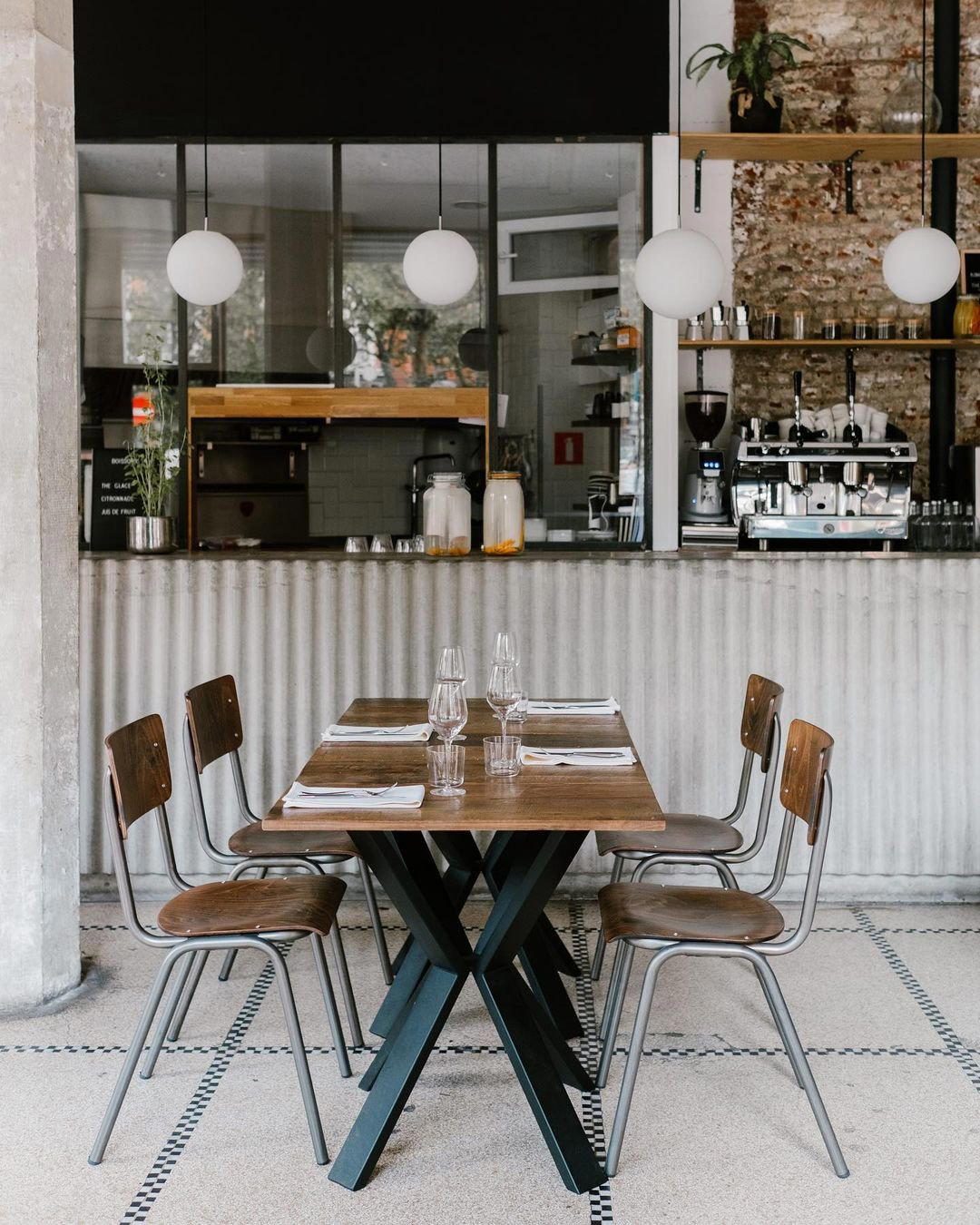
Where the Meal Begins Before You Sit Down
Boulevard d'Ypres runs along the edge of the canal zone, a part of Brussels that carries more industrial memory than polished restaurant-district calm. Arriving at Barge, you are already in the middle of an editorial statement: the neighbourhood itself signals that the cooking here is not performing for passing trade. This is a destination visit, deliberate and prepared for in advance, and the physical approach frames that expectation before you reach the door.
That framing matters because Barge operates according to a dining ritual that rewards attention rather than impulse. The organic sourcing, the seasonal constraint, the vegetable-forward architecture of each course, these are not decorative choices. They are the structure through which the meal is paced and the standards by which each dish is judged. At its €€€ price tier, it occupies the same general bracket as Bozar Restaurant, though the two restaurants represent quite different orientations: Bozar leans into its cultural institution setting, while Barge is defined by agrarian discipline and producer relationships.
The Ritual of a Produce-Led Menu
Belgian fine dining has, over the past decade, developed a credible subculture around kitchen gardens and supplier-specific menus. L'Air du Temps in Liernu, where Sang Hoon Degeimbre built his reputation partly on an extensive on-site vegetable garden, established one of the more influential templates in the country. Grégoire Gillard spent four years as Degeimbre's right hand, and the imprint is evident in how Barge structures its menus: vegetables are processed with technical seriousness, but they are framed as structural elements within a dish rather than as the headline act. The kitchen's philosophy treats animal protein and vegetables as equals in a composition, not as a main and a garnish.
What distinguishes this approach from broader farm-to-table rhetoric is the specificity of the producer relationships. Gillard works closely with his suppliers and allows the supply chain to influence the menu's direction. A detail in the venue's public recognition notes a radish served as an opening gesture to signal whether the vegetable supply will develop further as the season progresses, a small but telling illustration of how closely the kitchen tracks what is actually available, rather than what the menu has decided to promise.
Barbara, Gillard's partner and co-operator, was head sommelier at L'Air du Temps before moving to Barge. That shared professional history means the front-of-house pacing and the wine programme have been developed in close coordination with the kitchen's tempo. In restaurants where the sommelier and the chef have worked together at this level before opening their own space, the result tends to be a more integrated experience: the wine arrives at the right moment in the ritual, rather than as a parallel track. For a meal built around seasonal discipline and producer fidelity, that kind of integration matters.
How Barge Sits in the Brussels Michelin Tier
Brussels holds a cluster of one-Michelin-star addresses that span considerably different orientations. Eliane and La Villa in the Sky both carry starred recognition, as do longer-established names like Comme chez Soi and La Villa Lorraine by Yves Mattagne, though the latter two sit at the €€€€ tier and are anchored in classic French-Belgian tradition. Barge operates at one price level below that bracket and delivers its starred cooking through an organic, producer-reactive framework that places it closer to a specialist niche than to the formal grand-restaurant tradition.
The Opinionated About Dining ranking of 562nd in Europe for 2025 adds a second validation layer. OAD rankings are crowd-sourced from a specific population of frequent fine-dining diners and tend to weight kitchen-level cooking quality heavily, independent of service grandeur or room prestige. A ranking in that range, held alongside a Michelin star retained across both 2024 and 2025, indicates consistent kitchen performance rather than an opening-year spike.
Within Belgium more broadly, the organic and produce-led fine-dining niche is occupied by a small number of addresses. Comparing notes with Archibald De Prince in Luxembourg or De Dyck in Woubrugge gives a sense of the wider regional conversation around organic fine dining, while addresses like Hof van Cleve in Kruishoutem and Boury in Roeselare represent Belgium's broader fine-dining ambitions at a higher tier. Zilte in Antwerp, Willem Hiele in Oudenburg, and Bartholomeus in Heist each occupy different coastal and urban positions within that national picture. Barge does not try to compete on their terms. It is making a different argument, one about seasonal constraint as a creative discipline rather than as a constraint to be overcome.
Closer to home, d'Eugénie à Emilie in Baudour represents a Walloon tradition of producer-rooted cooking that shares some philosophical ground with what Gillard has built in Brussels.
Planning the Visit
A restaurant of this type, with Michelin recognition, a dual-validated ranking, and a couple who trained together at one of Wallonia's most respected kitchens, does not leave tables available on short notice. The canal-zone location means Barge is not filling seats from neighbourhood walk-in traffic, which makes forward planning the only realistic approach. Given the producer-dependent menu structure, there is also a natural argument for visiting during the period when Belgian vegetable gardens are at their most productive, roughly late spring through early autumn, when the seasonal constraints that define the cooking are working in the kitchen's favour rather than against it.
At the €€€ price point, Barge sits below the city's most formal fine-dining addresses but above casual territory. It is not the place to test a first fine-dining experience, but it is the right address for a diner who already understands how a tasting menu operates and wants to experience one built on organic discipline rather than classical opulence.
For a broader picture of where Barge sits within the city's full hospitality offer, our full Brussels restaurants guide maps the complete picture, alongside our Brussels hotels guide, our Brussels bars guide, our Brussels wineries guide, and our Brussels experiences guide for the fuller visit.
Frequently asked questions
What part of town is Barge in?
Barge is located at Bd d'Ypres 33, 1000 Bruxelles, Belgium, Brussels.
Does Barge have a Michelin star or similar recognition?
Barge has received recognition including: Grégoire Gillard was for four years the right hand of the famous Walloon chef Sang Hoon Degeimbre at L'Air du Temps. His partner Barbara used to be head sommelier there. He learned how to cook with the harvest from the extensive vegetable g….
What's the best thing to order at Barge?
Barge does not operate on a conventional à la carte basis. The kitchen runs a producer-reactive menu that shifts with what Grégoire Gillard sources from trusted local suppliers, the same model he absorbed during four years alongside Sang Hoon Degeimbre at L'Air du Temps. Vegetables receive focused, creative treatment throughout, though they function primarily as structural support rather than headline acts. Commit to whatever the kitchen is running that day.
What's the pricing like at Barge?
Pricing at Barge is listed as €€€.
Who's behind the kitchen at Barge?
The chef associated with Barge is Grégoire Gillard.
How far ahead should I plan for Barge?
Barge carries a Michelin star (held consecutively in 2024 and 2025) and ranks #562 in the Opinionated About Dining Europe list for 2025, which together generate consistent demand at the €€€ price tier. Brussels one-star addresses without hotel affiliations typically fill two to four weeks out on popular nights, and Barge's small-format, couple-run model narrows capacity further. Booking three to four weeks ahead is a reasonable baseline; more lead time applies for Friday and Saturday seatings.
The Short List
| Venue | Cuisine | Price | Awards | Notes |
|---|---|---|---|---|
| BargeThis venue (the venue you are viewing) | Modern French Fine Dining | $100–150 | 1 Michelin Star · We're Smart World 3 Radishes | Not listed |
| Comme chez Soi | Classic French Fine Dining | $200–300 | 1 Michelin Star · World's 50 Best #49 | French - Belgian, Classic Cuisine |
| La Villa Lorraine by Yves Mattagne | Modern French Fine Dining | $200–300 | Michelin Plate · La Liste Top Restaurants | Modern Cuisine |
| senzanome | Modern Italian Fine Dining | $150–200 | Michelin Plate | Modern Italian, Italian |
| Au Vieux Saint Martin | Traditional Belgian Brasserie | $30–50 | Michelin Plate | French Bistro, Belgian |
| Aux Armes de Bruxelles | Traditional Belgian Brasserie | $50–100 | Michelin Plate | Brasserie, Belgian |
Recognition history
Dated appearances from independent guides and award organizations, with the underlying list record or original source where available.
Michelin 1 Star
Michelin
Opinionated About Dining Top Restaurants in Europe Recommended
Opinionated About Dining
We're Smart World 3 Radishes
We're Smart World
Full recognition history (6 entries)
Michelin 1 Star
Michelin
Opinionated About Dining Top Restaurants in Europe Ranked #562
Opinionated About Dining
Michelin 1 Star
Michelin
Continue exploring
More in Brussels
Restaurants in Brussels
All restaurants in Brussels →
Bars in Brussels
All bars in Brussels →
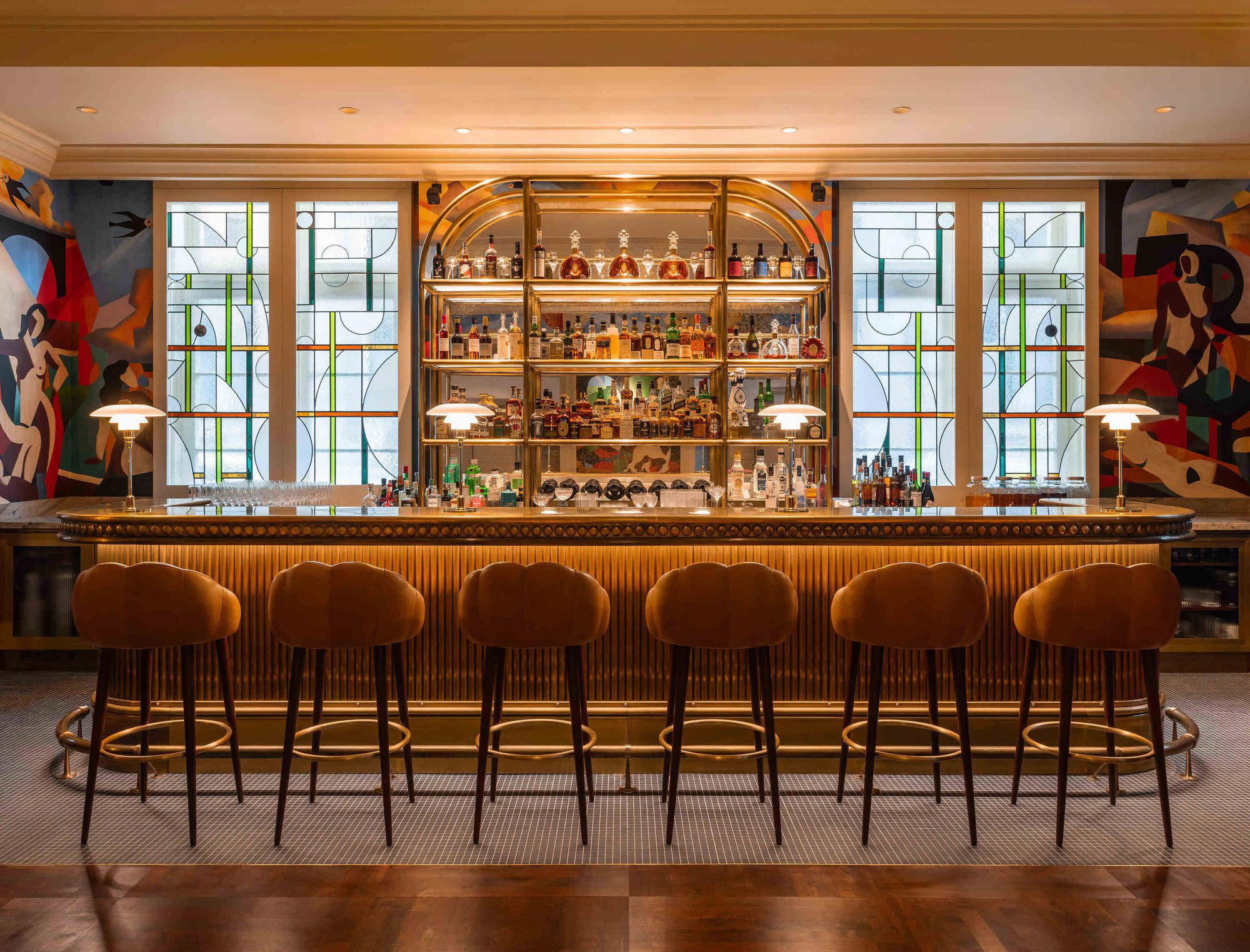
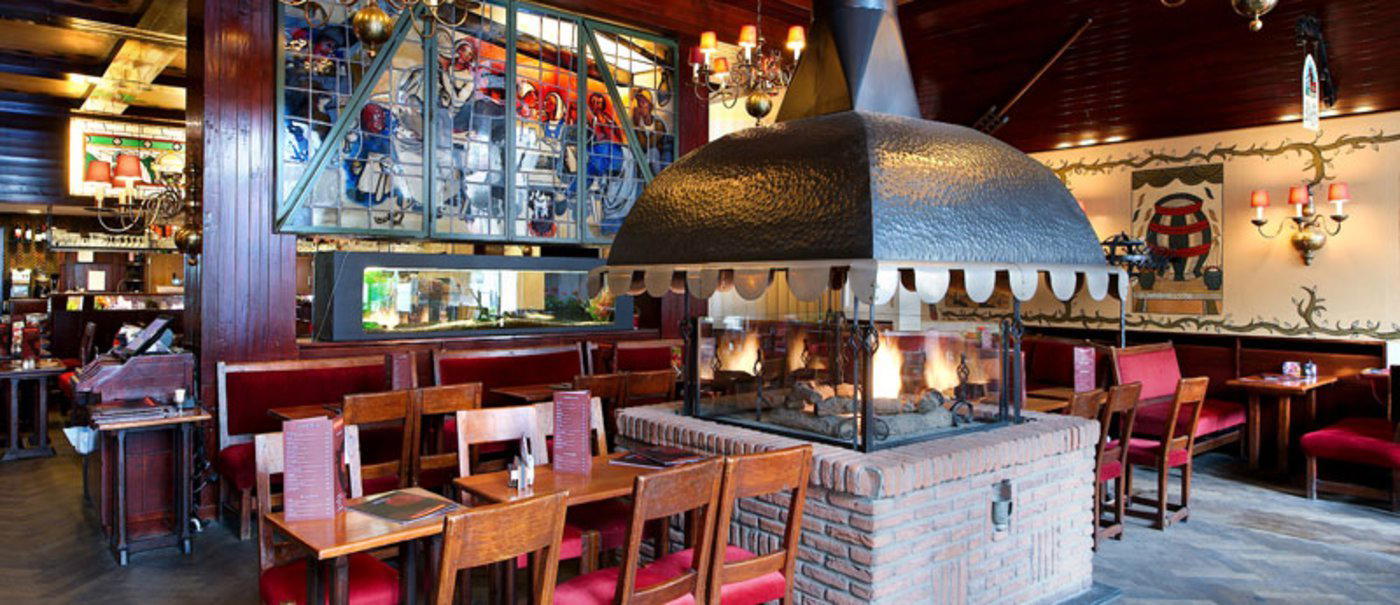
Hotels in Brussels
All hotels in Brussels →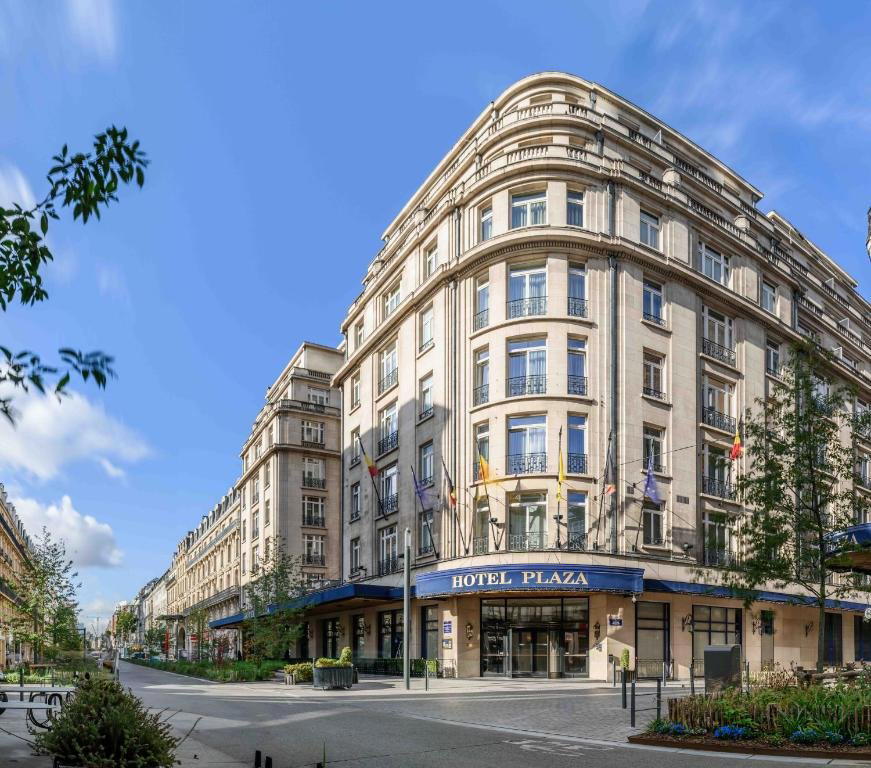
Wineries in Brussels
Browse all →
Details
- Modern
- Elegant
- Cozy
- Trendy
- Intimate
- Date Night
- Special Occasion
- Open Kitchen
- Extensive Wine List
- Farm To Table
- Local Sourcing
- Organic
- Tasting Menu
- Allergy Accommodating
Current opening hours
- Monday
- Closed
- Tuesday
- 7–11 PM
- Wednesday
- 7–11 PM
- Thursday
- 7–11 PM
- Friday
- 12–2:30 PM, 7–11 PM
- Saturday
- 7–11 PM
- Sunday
- Closed
Hours can change for holidays and private events. Hours as of .
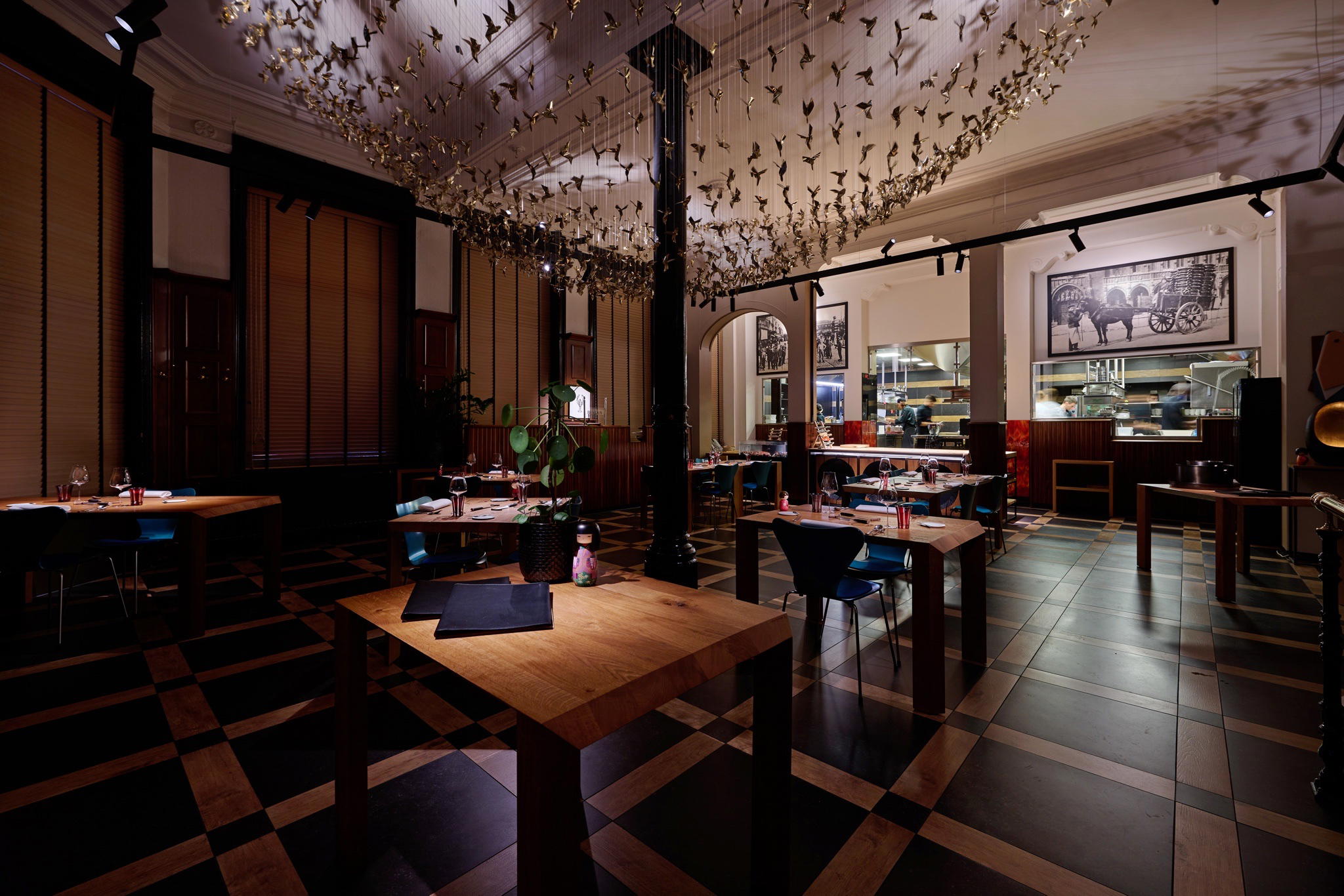
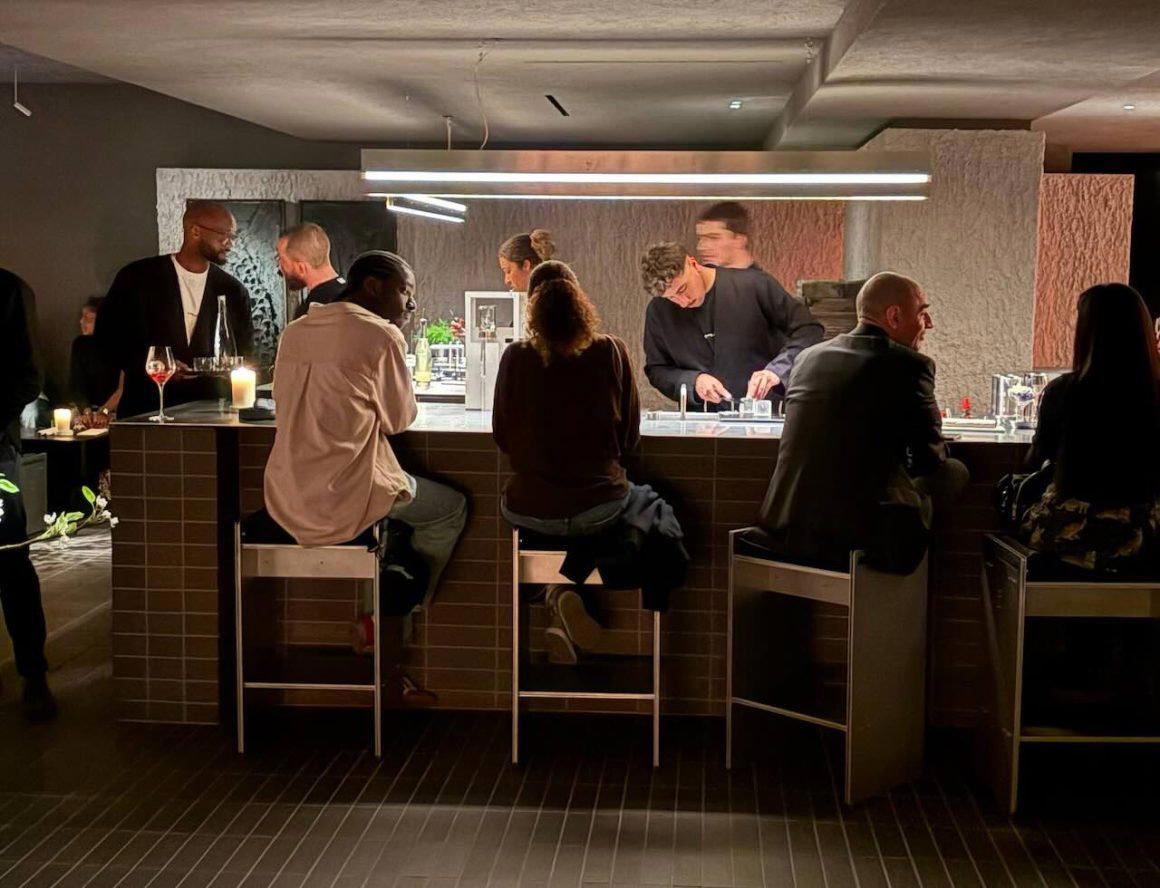
Trendy, untreated street corner space blending modernity and old charm with open kitchen, soft lighting, and soothing, noise-absorbing ceiling decorations fostering an authentic, welcoming atmosphere.