
A seasonal Italian-influenced table on Chaussée de Vleurgat in Ixelles, Primo builds its menu around vegetables at their peak, with many sourced locally and several dishes that are entirely plant-based. The atmosphere leans relaxed and neighbourhood-focused rather than haute cuisine formal. It occupies a distinct niche in Brussels: accessible, ingredient-driven, and quietly purposeful.
Pearl is the En Primeur Club membership app — saves, bookings, and concierge access live there. Same editors, same standards.
- Address
- Chau. de Vleurgat 175, 1050 Ixelles, Belgium
- Phone
- +32 471 56 55 15
- Website
- 1-primo.be
- Directions
- Get directions
 Saves & bookings on Pearl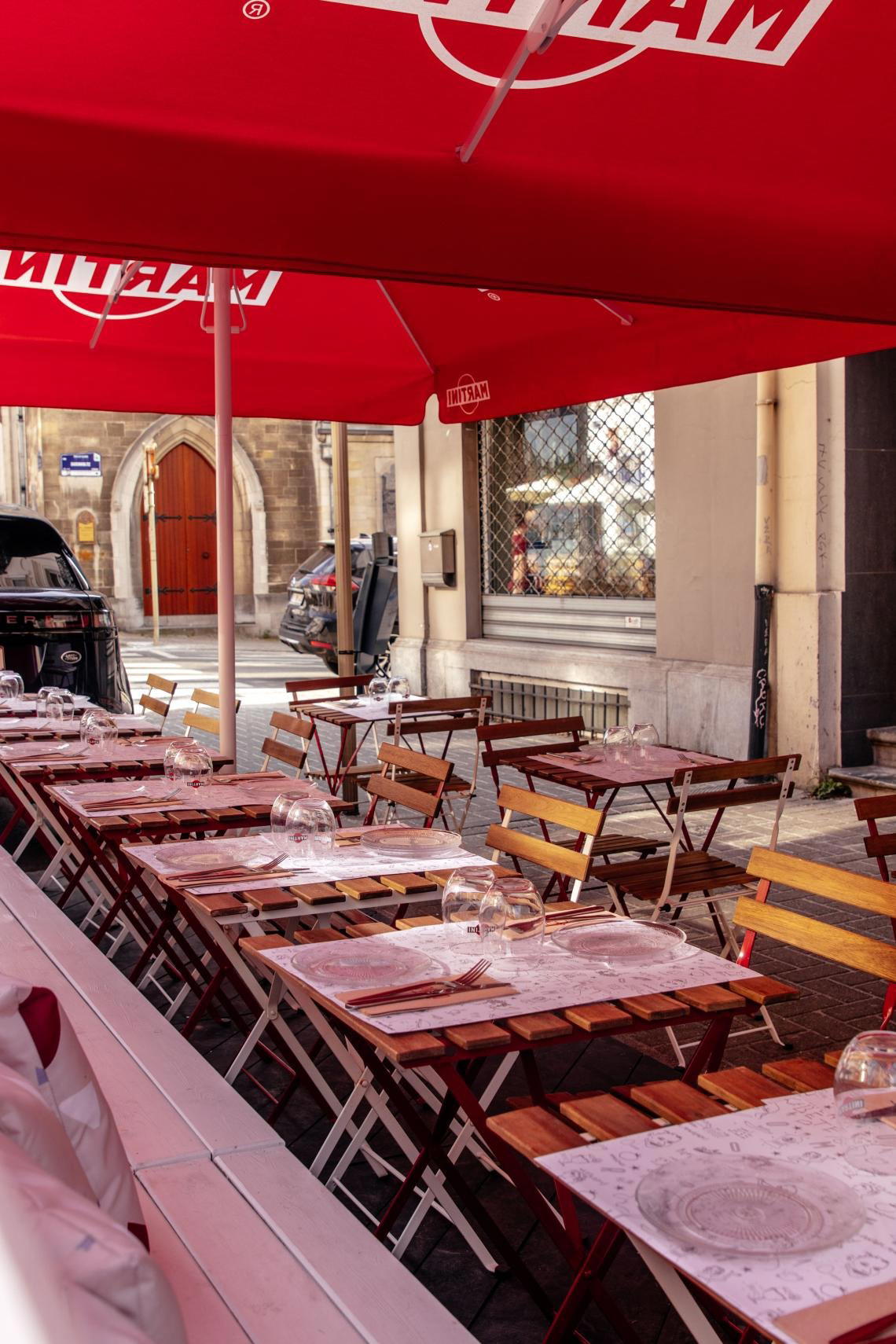
Ixelles and the Shift Toward Vegetable-Led Dining
Brussels has spent the past decade recalibrating its dining identity. The city's formal end remains anchored by tables like Comme chez Soi and La Villa Lorraine by Yves Mattagne, where classical French-Belgian technique and tasting formats set the tone. But below that tier, a quieter shift has taken hold: smaller neighbourhood restaurants pulling away from protein-centred menus and orienting their kitchens around whatever the season is actually delivering. Primo, on Chaussée de Vleurgat in Ixelles, belongs to that second movement.
Ixelles is one of Brussels' more architecturally layered communes, running from the Porte de Namur axis southward through a mix of Art Nouveau side streets, embassy-quarter calm, and the denser residential blocks that press toward the Bois de la Cambre. The neighbourhood supports a broad range of eating, from quick lunch counters to the kind of Italian-inflected room that rewards a slower evening. Primo sits in the latter category, at a Chaussée de Vleurgat address that places it within easy reach of the Flagey quarter's foot traffic without depending on it.
What the Kitchen Is Actually Doing
The operative word at Primo is seasonal. Vegetables are the starting point rather than the accompaniment, and the Italian accent in the cooking gives the approach a useful grammar: Italian cuisine has among the more coherent traditions anywhere for treating a single ingredient with real depth, from raw preparation through slow-cooked applications to preserved forms. That tradition gives Primo's menu a logic that purely improvised vegetable cooking sometimes lacks.
The kitchen moves across a spectrum. Some dishes are entirely plant-based; others incorporate dairy products alongside the vegetables, which opens up a broader textural and flavour range without departing from the core discipline. The local sourcing, where it applies, tightens the seasonal argument: when the ingredient pool tracks Belgian agricultural rhythms rather than an imported supply chain, the menu shifts more frequently and the connection between what's on the plate and what's available outside is legible. This is not the approach of a restaurant performing wellness or following a trend; it reads more like a direct kitchen commitment to cooking what is actually good at the moment.
For context on where this sits in Brussels' broader ingredient-led category, Barge and Eliane both operate with comparable attention to sourcing and creative framing, though with different formal registers. Bozar Restaurant sits at a higher price point and greater technical ambition. Primo's proposition is more accessible: the aim here is pleasure and ease, not a demonstration of technique.
The Wine Question at an Ingredient-Led Table
The editorial angle matters here because vegetable-forward cooking places particular demands on a wine list. The flavour architecture of a roasted root, a dressed bitter leaf, or an herb-heavy preparation behaves differently from the fat and protein structures that most classic pairings are built around. Italian wine, which has centuries of practice pairing with lighter, vegetable-centric regional dishes, is a natural starting point for a list at a table like Primo.
Natural and low-intervention Italian producers have become increasingly available in the Brussels market over the past five years, and Ixelles in particular has a cohort of neighbourhood restaurants that have moved in that direction. A list oriented around northern Italian whites, skin-contact wines, or lighter southern reds would pair coherently with the kitchen's output. Belgium's own small-production wine sector has also expanded, and for a restaurant emphasising local sourcing in the kitchen, there is a logical extension of that argument to include Belgian bottles where they fit.
What the cooking philosophy suggests is that the wine selection, whatever its scope, probably rewards the same attention the kitchen gives to its ingredients: modest in volume, direct in intent, guided by what actually works with vegetables rather than what convention dictates.
For the wider Belgian wine and hospitality picture, the Brussels wineries guide covers the local production side, while the broader Belgian fine dining circuit extends to Hof van Cleve in Kruishoutem, Boury in Roeselare, Zilte in Antwerp, Willem Hiele in Oudenburg, Bartholomeus in Heist, and Castor in Beveren, each representing a different point on the country's cooking spectrum.
Atmosphere and What to Expect
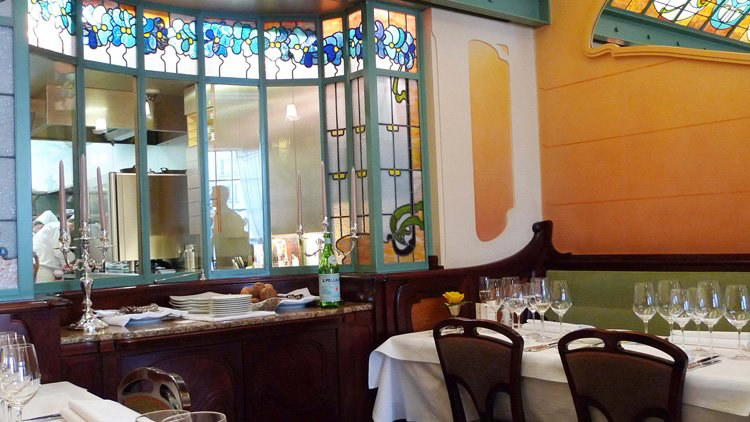
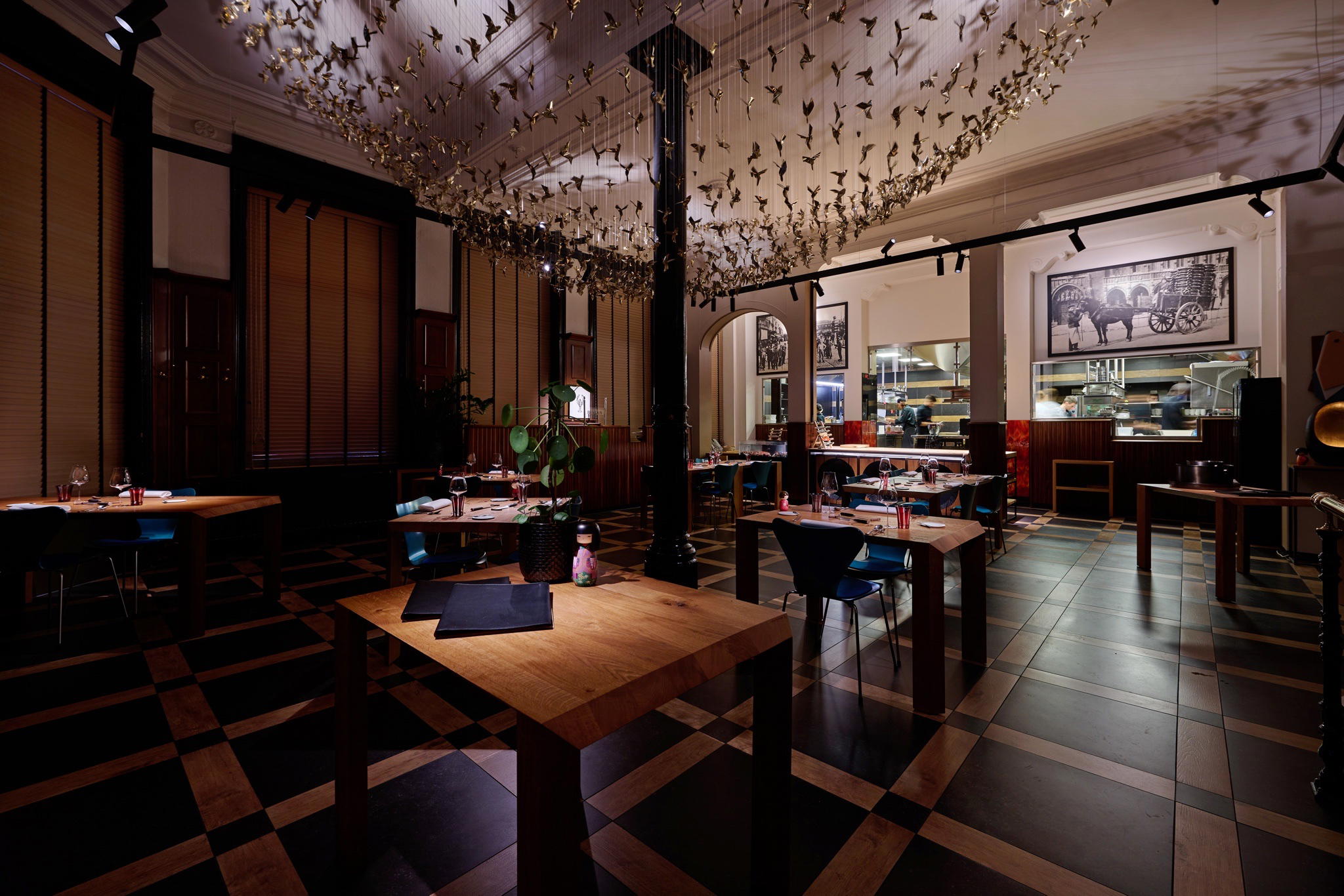
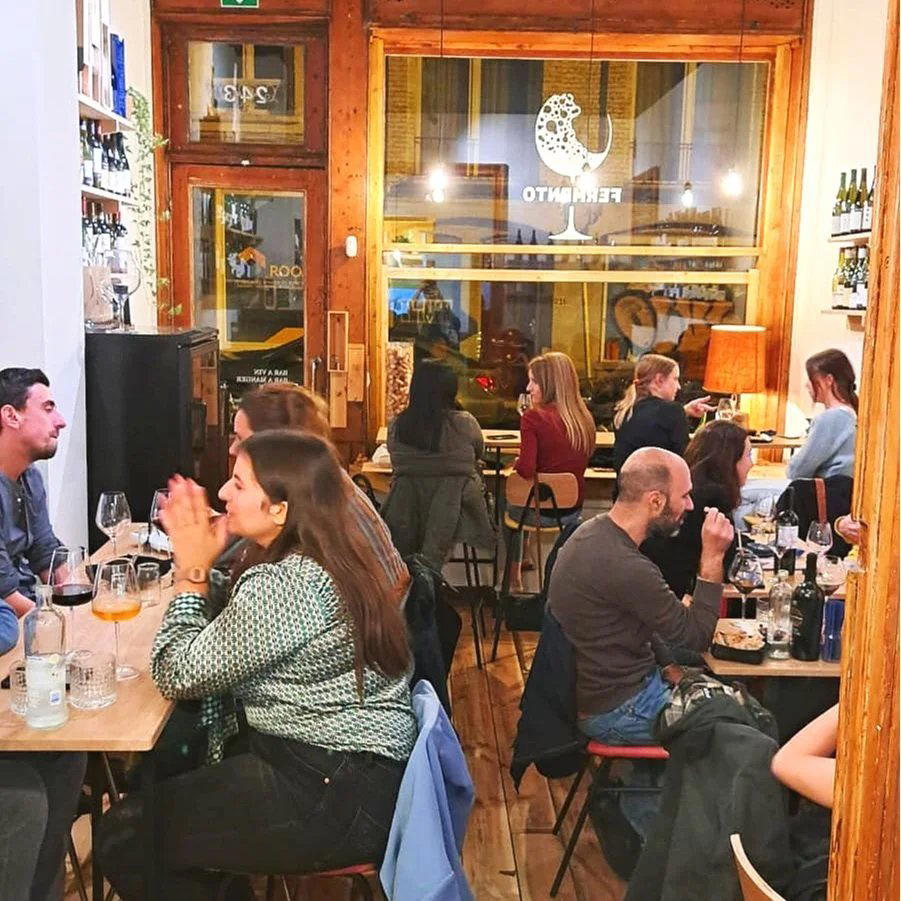
The stated character of the experience at Primo is relaxed, and that word carries real meaning in a city where the formal dining tradition can tip into stiffness. The Italian-neighbourhood-restaurant model, at its most coherent, creates a room where the food is the focus without the staging being a distraction. You eat well, you drink, the pace is set by the table rather than the kitchen's timeline, and the evening feels proportionate to what it is: a good local restaurant doing its thing with care.
This is not the register of Le Bernardin in New York or Emeril's in New Orleans, where the dining experience carries institutional weight and the room operates at a different level of formality. Primo's proposition is smaller-scale and more personal. The atmosphere is part of the value, and the lack of high-gastronomy ambition is a choice rather than a limitation.
Planning Your Visit
Primo is located at Chaussée de Vleurgat 175, in the 1050 Ixelles postal district, accessible by tram along the Ixelles axis or on foot from the Flagey area. Booking is recommended, particularly for weekend evenings. For broader Brussels planning, the full Brussels restaurants guide maps the wider scene, and the hotels guide, bars guide, and experiences guide cover the rest of the city's offer.
Cost and Credentials
Comparable venues nearby, for context on price, style, and recognition.
| Venue | Cuisine | Price | Notes |
|---|---|---|---|
| PrimoThis venue — the venue you are viewing | Ixelles, Modern Italian Pasta | $$ | Not listed |
| Gazzosa | Not listed | $$ | Pl. de Brouckere, Italian Trattoria |
| Bistro Nazionale | Ixelles, Authentic Italian Bistro | $$ | Not listed |
| Bocconi | Not listed | $$$ | Pl. de Brouckere, Modern Italian Fine Dining |
| beaucoup belge | Not listed | $$ | Pl. de Brouckere, Modern Belgian Traditional |
| Racines Bruxelles | Ixelles, Modern Italian Trattoria | $$$ | Not listed |
Recognition history
Dated appearances from independent guides and award organizations, with the underlying list record or original source where available.
We're Smart World 2 Radishes
We're Smart World
At a Glance
- Cozy
- Trendy
- Intimate
- Date Night
- Group Dining
- Casual Hangout
- Terrace
- Open Kitchen
- Craft Cocktails
- Local Sourcing
- Garden
Current opening hours
- Monday
- 12–3 PM, 6:30–11:30 PM
- Tuesday
- 12–3 PM, 6:30–11:30 PM
- Wednesday
- 12–3 PM, 6:30–11:30 PM
- Thursday
- 12–3 PM, 6:30–11:30 PM
- Friday
- 12–3 PM, 6:30 PM–12 AM
- Saturday
- 12:30–3:30 PM, 6:30 PM–12 AM
- Sunday
- 12:30–3:30 PM, 6:30–11:30 PM
Hours can change for holidays and private events. Last verified .
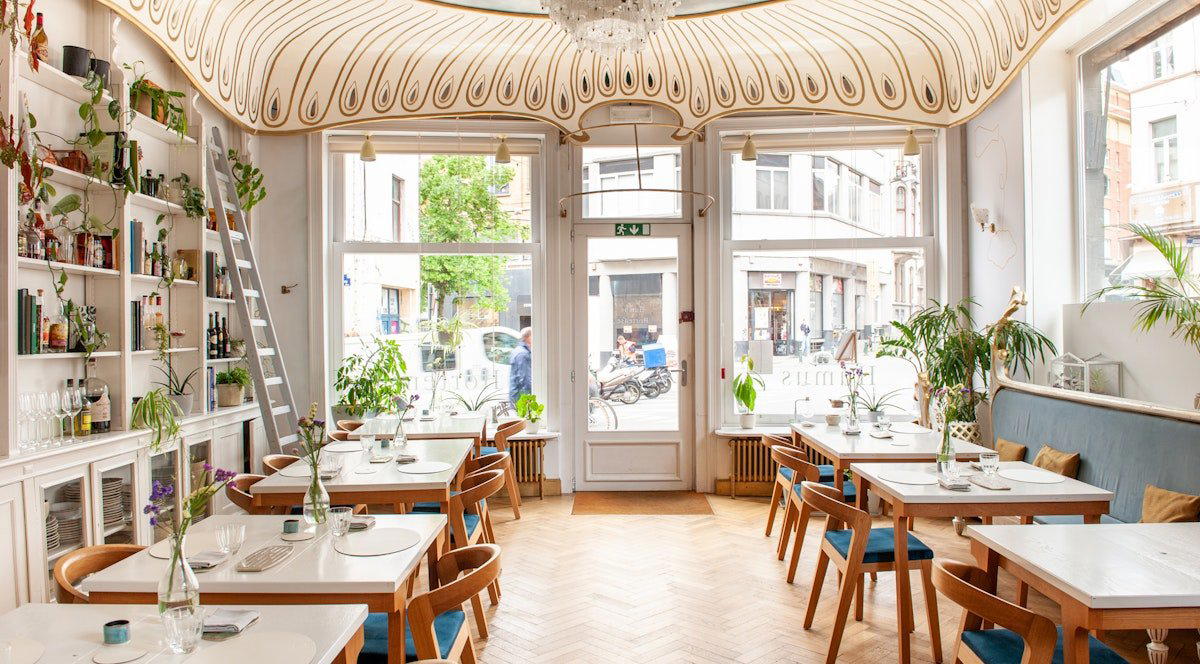
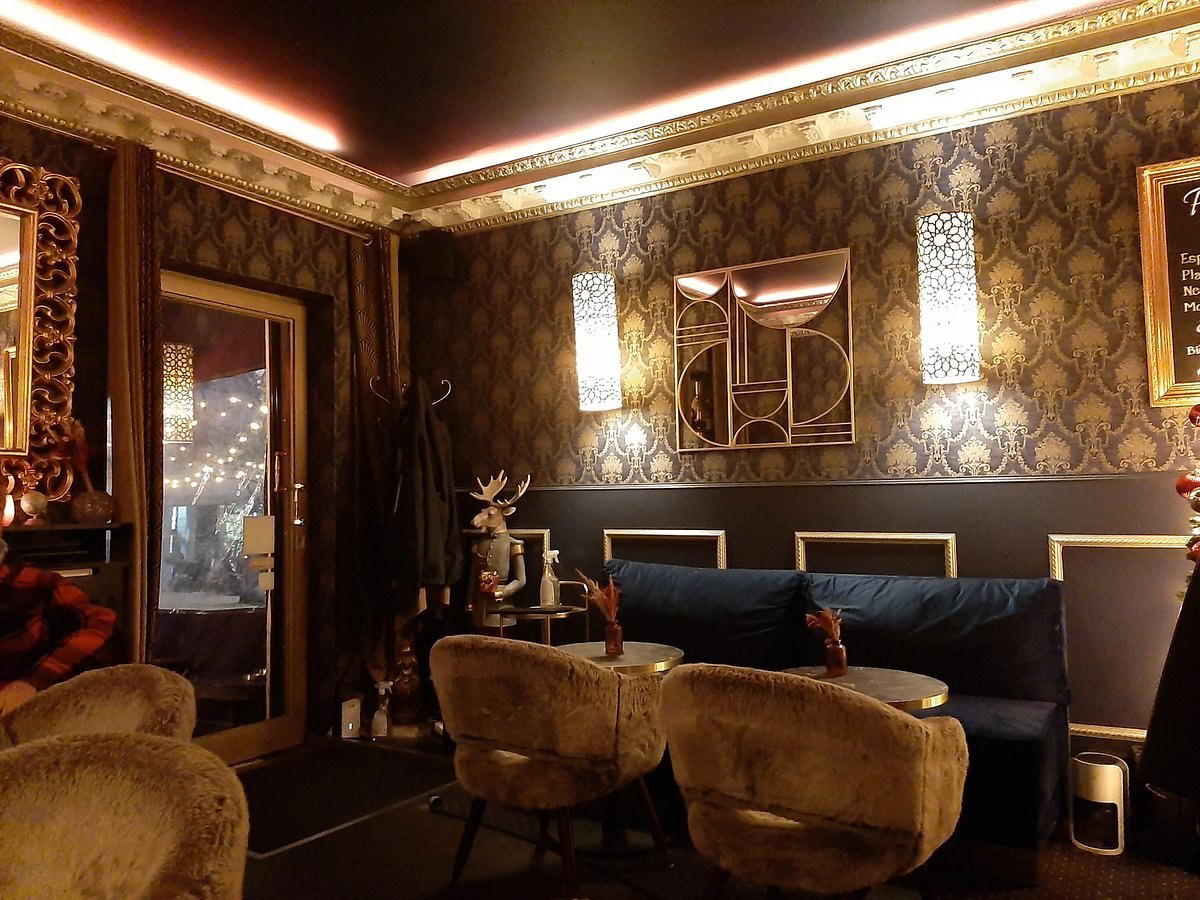
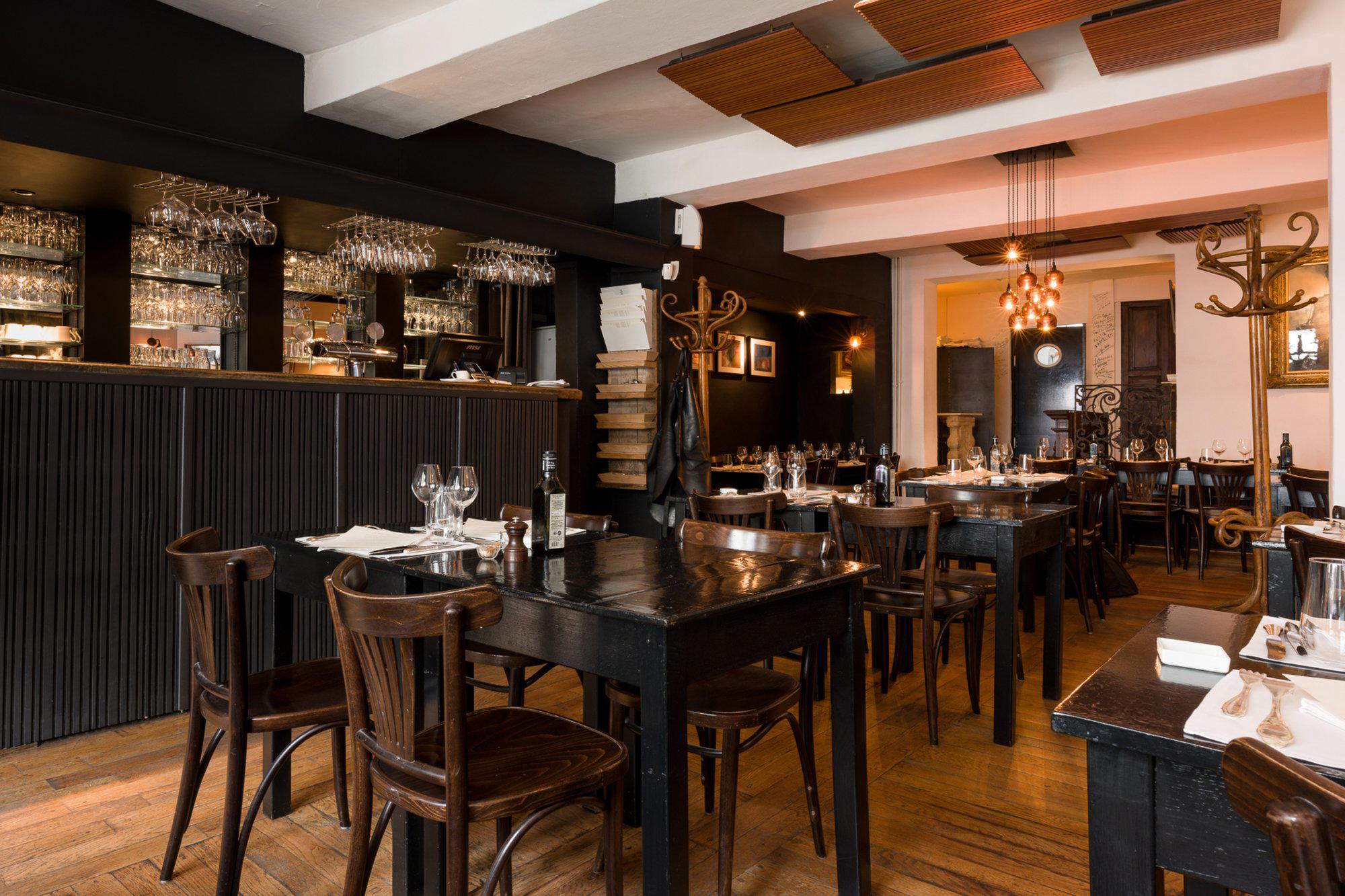
Cozy interior with inviting ambiance and relaxed yet elegant atmosphere, featuring a beautiful back terrace.