Michelin Plate
Our verdict
Ngon Garden holds consecutive Michelin Plate recognition for 2024 and 2025, placing it among Hanoi's mid-tier Vietnamese restaurants with a credible quality signal at a ₫₫₫ price point. Located on Nguyễn Du in Hai Bà Trưng, the restaurant draws a broad cross-section of diners seeking traditional Vietnamese cooking in a garden-style setting.

Pearl is the En Primeur Club membership app, where members save venues, book tables and use the concierge.

Where Hanoi's Garden Dining Tradition Meets Michelin Recognition
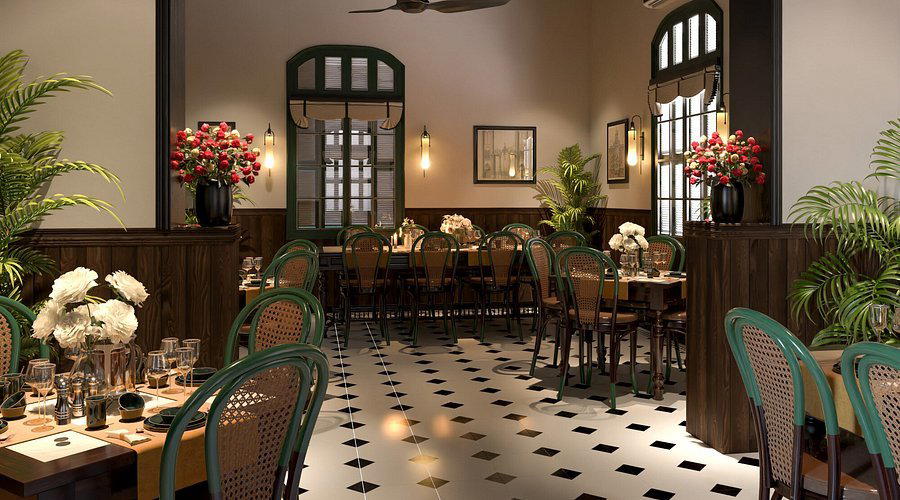
On Nguyễn Du, a tree-lined street in Hai Bà Trưng that sits at a considered remove from the Old Quarter's concentrated tourist traffic, open-air and semi-enclosed dining rooms have long been a signature format for mid-range Vietnamese restaurants. The logic is direct: Hanoi's climate, for much of the year, rewards eating outside, and the garden-restaurant model, tiled pavilions, leafy surrounds, ambient noise that softens without disappearing, has become its own shorthand for a particular kind of occasion dining. Ngon Garden occupies that format with enough consistency to have earned Michelin Plate recognition in both 2024 and 2025, a consecutive signal that the inspectors found the cooking reliably at standard rather than intermittently impressive.
What the ₫₫₫ Price Point Actually Buys You
Hanoi's Vietnamese restaurant tier structure is worth mapping before arriving. At the entry level, single-dish specialists, pho houses, bun cha stalls, banh mi counters, operate at ₫ price points and often deliver cooking that is technically accomplished within a very narrow register. One tier up, restaurants like Tầm Vị serve broader Vietnamese menus at ₫₫, while the opposite end of the spectrum is occupied by contemporary Vietnamese tasting menus at restaurants like Gia, which price at ₫₫₫₫ and position themselves against regional fine-dining peers. Ngon Garden sits at ₫₫₫, a tier that carries specific expectations: broader menu coverage than a street-food specialist, a composed physical environment, table service with some depth, and cooking that draws on the full range of Vietnamese regional traditions rather than a single specialty.
The value argument at this tier turns on whether the restaurant can deliver on all three of those fronts simultaneously. The Michelin Plate, which the Guide awards to restaurants offering good cooking rather than advancing a claim toward star candidacy, reinforces that reading: the inspectors are signalling quality floor, not ceiling.
For context on how that positions Ngon Garden within its city, the ₫₫₫ bracket in Hanoi sits comfortably below what visitors pay at the contemporary end of the Vietnamese dining spectrum, and well below what international fine dining commands. At Anan Saigon in Ho Chi Minh City, for instance, the contemporary Vietnamese format commands pricing that reflects a different competitive set entirely. Ngon Garden is not making that argument. Its proposition is traditional Vietnamese cooking, executed to an independently verified standard, in a setting that justifies the price step above a casual street-food meal.
Vietnamese Cooking in the Garden-Restaurant Format
The garden-restaurant model in Hanoi is not decorative, it shapes the pace and sequence of a meal. Larger tables, shared dishes, and a menu that moves across regions rather than fixing on a single province are the defaults of the format. Vietnamese cuisine at this register typically draws on a northern canon: bun thang, cha ca in its Hanoi style, nem cuon, and a range of braised and grilled preparations that distinguish northern cooking from the sweeter profiles of central and southern Vietnamese food. How a restaurant at this address and price point sequences and sources those dishes is what distinguishes one garden restaurant from another.
For visitors arriving from outside Vietnam, or from cities where Vietnamese food is represented primarily through southern-influenced diaspora cooking, restaurants like Ngon Garden are where the northern register becomes readable. The same applies in reverse for travellers who know the street-food canon well: a ₫₫₫ garden restaurant offers the architectural and logistical context, tables rather than plastic stools, a menu rather than a chalkboard, service staff who can guide choices, that makes the cooking accessible for a different kind of visit.
Hanoi's Vietnamese restaurant scene has developed a number of other comparable addresses worth holding alongside Ngon Garden when planning. 1946 Cua Bac operates at the ₫ tier with a different format emphasis, while A Bản Mountain Dew and Bếp Prime offer further points of comparison across the mid-range. Cau Go is another address that has occupied a similar position in Hanoi's mid-tier Vietnamese dining for some time. Further afield, the Vietnamese dining tradition is being interpreted and reframed in different ways: Ăn Chơi in Hong Kong, An Nam in Singapore, Ăn Thôi in Da Nang, Berlu in Portland, and Camille in Orlando each place Vietnamese cuisine in a different cultural and competitive frame. Agave in Ubon Ratchathani is another cross-border data point, while La Maison 1888 in Da Nang illustrates how French colonial influence has been absorbed differently into Vietnam's central dining scene. Returning to the source in Hanoi, Ngon Garden represents the traditional end of that spectrum.
Planning a Visit
Ngon Garden is at 70 Nguyễn Du in the Trần Hưng Đạo ward of Hai Bà Trưng, a district that sits south of Hoàn Kiếm Lake and is reachable by taxi or ride-hailing app from most central Hanoi addresses in under fifteen minutes. The ₫₫₫ pricing positions this as a mid-spend occasion, appropriate for a group meal or a dinner that calls for something more considered than a street-food round but does not require the commitment of a tasting menu.
For broader Hanoi planning, EP Club maintains guides across the city's dining and hospitality categories: our full Hanoi restaurants guide, our full Hanoi hotels guide, our full Hanoi bars guide, our full Hanoi wineries guide, and our full Hanoi experiences guide each cover their respective categories with the same editorial framework applied here.
Frequently asked questions
Is Ngon Garden child-friendly?
The garden-restaurant format at 70 Nguyễn Du suits families reasonably well. Shared-dish Vietnamese meals allow children to eat at their own pace, and the open-air setting at Ngon Garden means the space is less formal than a closed-room restaurant at the same ₫₫₫ price tier. Noise levels outdoors also tolerate younger diners better than counter-style venues.
What is the atmosphere like at Ngon Garden?
Ngon Garden occupies a tree-lined stretch of Nguyễn Du in Hai Bà Trưng, south of Hoàn Kiếm Lake and away from the concentrated foot traffic of the Old Quarter. The garden-restaurant model sets the tone: open-air tables, a pace governed by shared plates arriving in sequence, and a setting that reads more relaxed than the Michelin Plate recognition might suggest. It sits in the ₫₫₫ bracket, so expect a step up in service and presentation from Hanoi's street-level specialists.
Does Ngon Garden have a Michelin star or similar recognition?
Ngon Garden has received recognition including: Michelin Plate (2025); Michelin Plate (2024).
What's the best thing to order at Ngon Garden?
The menu at Ngon Garden covers traditional Vietnamese cooking in a shared-plate format, which means ordering broadly across categories gives a more accurate read of the kitchen than a single dish would. The ₫₫₫ price point, held across two consecutive Michelin Plate years (2024 and 2025), suggests the kitchen performs consistently at a level above Hanoi's casual single-dish houses. Ask staff which dishes the kitchen is running that season, as Vietnamese menus of this type often reflect what is available locally.
Price and Recognition
| Venue | Cuisine | Price | Awards | Notes |
|---|---|---|---|---|
| Ngon GardenThis venue (the venue you are viewing) | Regional Vietnamese Garden Dining | $10–20 | Michelin Plate | Not listed |
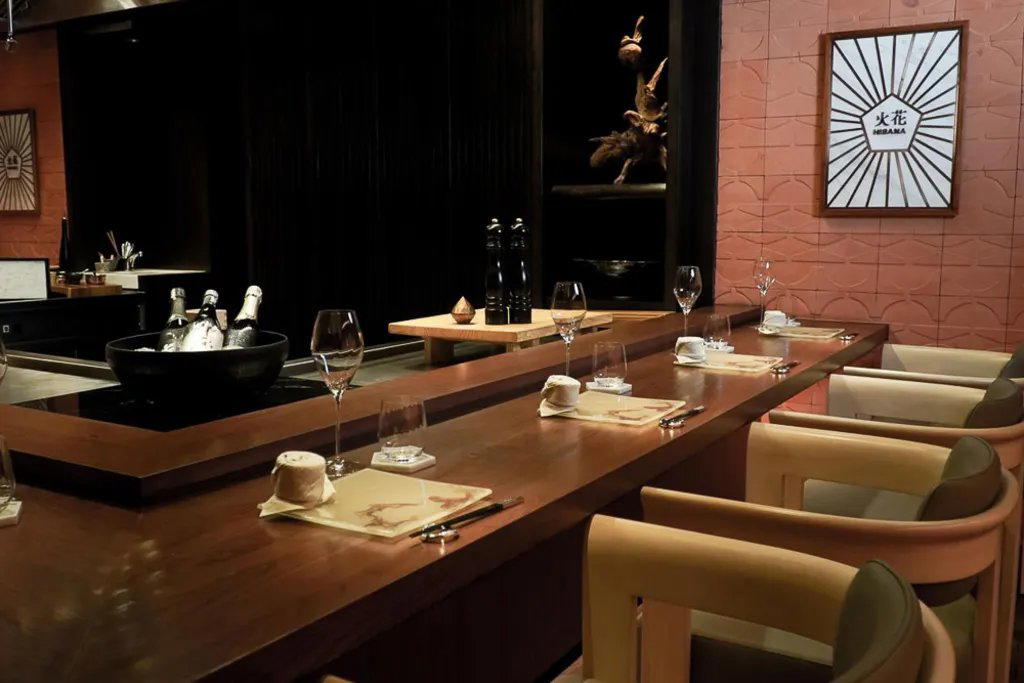
| Hibana by Koki | Michelin-Starred Japanese Teppanyaki | $200–300 | 1 Michelin Star · La Liste Top Restaurants | Teppanyaki, ₫₫₫₫ |
| Tầm Vị | Northern Vietnamese Home-Style | $10–20 | 1 Michelin Star | Vietnamese, ₫₫ |
| Gia | Modern Vietnamese Fine Dining | $100–150 | 1 Michelin Star · La Liste Top Restaurants | Vietnamese Contemporary, ₫₫₫₫ |
| 1946 Cua Bac | Northern Vietnamese | $10–20 | Michelin Bib Gourmand | Not listed |
| Bun Cha Ta (Nguyen Huu Huan Street) | Authentic Vietnamese Bun Cha | $1–10 | Michelin Bib Gourmand | Not listed |
Recognition history
Dated appearances from independent guides and award organizations, with the underlying list record or original source where available.
Michelin Plate
Michelin
Full recognition history (3 entries)
Michelin Plate
Michelin
Michelin Plate
Michelin