
Bimi Nakayoshi is a compact Oita cafeteria and regional-cuisine address in Higashikasugamachi, recognised in Tabelog’s Diner “Tabelog 100” selection for 2026 and 2024. Its appeal sits in the city’s everyday-food tradition: small scale, low spend, daytime rhythm, and a format that makes more sense as local routine than destination theatre.
Pearl is the En Primeur Club membership app — saves, bookings, and concierge access live there. Same editors, same standards.
- Address
- 10-1 Higashikasugamachi, Oita, 870-0037, Japan
- Phone
- +81 97-534-2234
- Website
- tabelog.com
- Directions
- Get directions
 Saves & bookings on Pearl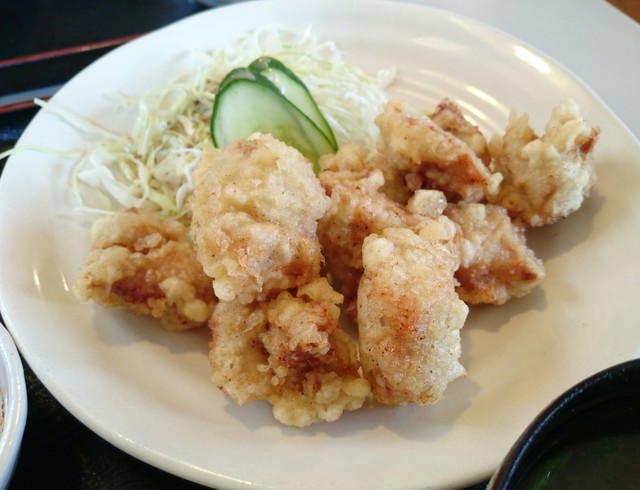
Approaching a house restaurant in Higashikasugamachi sets a different expectation from the polished counters and choreographed dining rooms that dominate Japan’s luxury food conversation. The interest here is quieter: a small local room, counter seating, table seating, and the practical cadence of a cafeteria built around lunch rather than ceremony. In Oita, that matters. The prefecture’s food culture is often discussed through hot springs, seafood, chicken, and regional staples, but its day-to-day dining rooms are where the local palate becomes easiest to read.
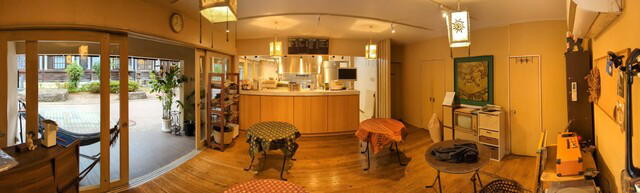
Bimi Nakayoshi belongs to that category. Its recognition in Tabelog’s Diner “Tabelog 100” in 2026, with prior selection in 2024, puts a modest cafeteria and regional-cuisine format into a national conversation usually dominated by higher-spend restaurants. That is the editorial point: Japanese dining quality is not only measured by tasting-menu length, counter exclusivity, or imported wine lists. A 21-seat room with five counter seats and 16 table seats can carry as much local evidence as a formal restaurant, especially in a city where everyday cooking remains close to household foodways and prefectural ingredients.
Oita's cafeteria tradition, read through sourcing rather than spectacle
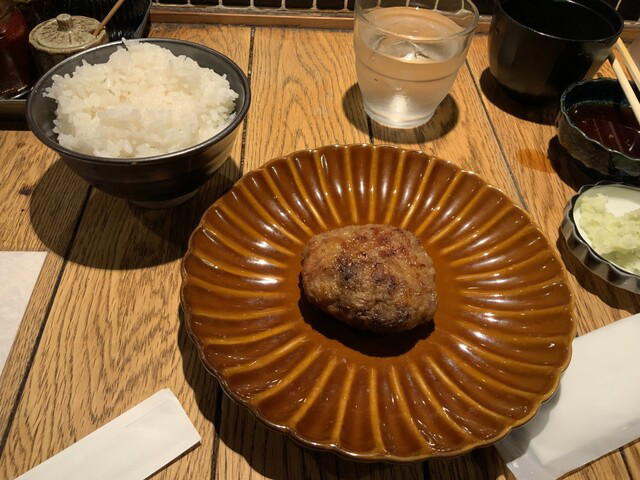
The Japanese shokudo is a practical institution: part canteen, part neighbourhood restaurant, part family routine. Its value is not abstraction. It depends on procurement, repetition, and an understanding of what local diners want at midday. Oita’s position on Kyushu gives this kind of cooking a strong base: access to coastal product, agricultural hinterland, and a regional appetite shaped by simple preparations rather than luxury signalling. When a cafeteria earns national diner recognition, the signal is not that it has become formal; it is that the ordinary format has been executed with enough consistency to be noticed.
That distinction separates this address from more engineered premium dining. The category listed here is cafeteria and regional cuisine, which places the food closer to local lunch culture than chef-driven gastronomy. The room’s scale reinforces the point. Five counter seats suit solo diners who want efficiency and proximity to the kitchen rhythm; 16 table seats keep the format usable for families and friends. Children are welcome, and the setting reads as part of the city’s social fabric rather than a special-occasion bubble.
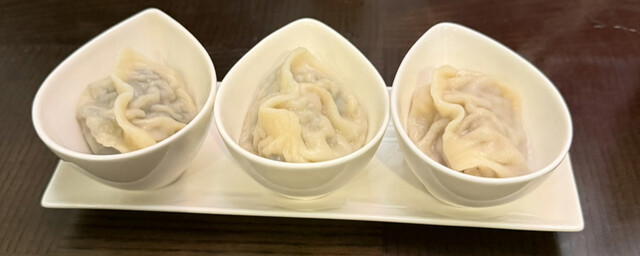
Ingredient sourcing is the useful lens because a shokudo has fewer places to hide. Without long menu explanations or theatrical plating, the work sits in product selection, seasoning discipline, and the kitchen’s ability to make regional cooking feel direct. Oita’s better casual rooms often operate this way: their credibility comes from lunch regulars, not from narrative. The Tabelog 100 Diner selection gives that local trust an external marker, but the format remains grounded in everyday use.
A low-spend room with national diner recognition
The price band is part of the story, even if the number belongs in the practical rail rather than the romance of the meal. In Japan, low-cost dining is not automatically casual in ambition; it can be highly disciplined because volume, procurement, and repeat customers demand precision. Bimi Nakayoshi sits in that low-spend cafeteria bracket while carrying a Tabelog score of 3.71 and a place in the 2026 Diner selection. For travellers used to equating quality with scarcity pricing, Oita is a useful corrective.
Within the local comparison set, the distinction is sharp. MIYAKO HAMBURG operates in a slightly higher casual bracket, while Bimi Nakayoshi keeps closer to the plain-spoken shokudo model. The comparison is not about which room is more ambitious; it is about what kind of Oita meal a traveller is trying to understand. Hamburg steak culture speaks to Japan’s yoshoku comfort canon. A cafeteria and regional-cuisine address speaks more directly to the city’s daily table.
The payment setup also signals the kind of room this is: cards, electronic money, and QR payments are not accepted. That is not a lifestyle detail; it changes how the meal functions for visitors. Cash remains part of the logistics, and the absence of private rooms or private use keeps the experience in the shared-room register. Non-smoking status and counter seating make it accessible for solo dining, while the house-restaurant setting keeps the mood domestic rather than staged.
How to place it in an Oita dining itinerary
For visitors building a food itinerary around Oita, the smarter approach is to treat this as a daytime regional-cuisine stop rather than a substitute for a long dinner. The location is tied to Oita Station by a manageable city route, including a walking option and a bus connection via Takasago-cho, so it can sit between rail travel, museum time, or a Beppu day plan. Reservations are available only for regular customers, which makes timing and flexibility more useful than complicated planning.
The surrounding Oita restaurant field has useful contrasts. Aji Arai, Beppu Hirokado (Japanese Cuisine), Ito, and Jimgu (Japanese Cuisine) help map the city and prefecture’s Japanese dining range, from regional cooking to more formal local expressions. For a wider view, use Our full Oita restaurants guide, then layer in Our full Oita hotels guide, Our full Oita bars guide, Our full Oita wineries guide, and Our full Oita experiences guide if the trip extends beyond lunch.
Japan’s casual dining map is broad enough that Oita’s shokudo culture should not be read in isolation. Travellers comparing regional formats can look at -Grilled beef Sukiyaki- KAMAKURA TANUKIAN 鎌倉 たぬき庵 in Kamakura. 鮪と炭火焼き うお炭 秋葉原店 in Tokyo.cafe in Osaka.know in Kumamoto, (Shoku) Vietnam in Kawasaki, and [Curry Senmon Ten] Maruyama Kyoju. in Sapporo. For Japanese food culture abroad, Jōdo Saké Bar in Los Angeles and Onigiri Time in Pasadena show how narrow formats travel. The Oita address is more local and less performative, which is precisely why it has value: it shows how regional cooking survives in the places residents can actually use.
How It Stacks Up
Comparable venues by cuisine and price in the same metro.
| Venue | Cuisine | Price | Notes |
|---|---|---|---|
| Bimi Nakayoshi | Japanese Teishoku / Cafeteria | $ | Higashikasugamachi |
| MIYAKO HAMBURG | Japanese Hamburger Steak Grill | $ | Miyako Town |
| おおいた花山椒 | Oita Local Japanese Fine Dining | $$$ | Miyako-machi |
| Jimgu | Farm-Driven Innovative Japanese | $$$$ | Yufuin |
| Beppu Hirokado | Kaiseki Kappo with Kyushu Ingredients | $$$$ | Horita |
| Aji Arai | Kyushu Kappo | $$$$ | Nakatsu |
Recognition history
Dated appearances from independent guides and award organizations, with the underlying list record or original source where available.
Tabelog 100 #49 · No. 49
Tabelog · Tabelog 100 - Diner - 2026
At a Glance
- Cozy
- Classic
- Family
- Solo
- Casual Hangout
- Standalone
Current opening hours
- Monday
- 11 AM–2 PM
- Tuesday
- 11 AM–2 PM
- Wednesday
- 11 AM–2 PM
- Thursday
- 11 AM–2 PM
- Friday
- 11 AM–2 PM
- Saturday
- Closed
- Sunday
- Closed
Hours can change for holidays and private events. Last verified .
A cozy, no-frills house-restaurant atmosphere that feels mom-and-pop and local rather than polished or formal.