
Tabelog 100 #3
Our verdict
ベル・エポック sits in Miyazaki's Kirishima district, a neighbourhood where the city's quieter dining ambitions reveal themselves away from the main commercial strips. The name gestures toward a European sensibility, and the address alone signals a deliberate remove from the tourist circuit. For those planning a table, the logistics of reaching and booking this spot are worth understanding before arrival.

Pearl is the En Primeur Club membership app, where members save venues, book tables and use the concierge.
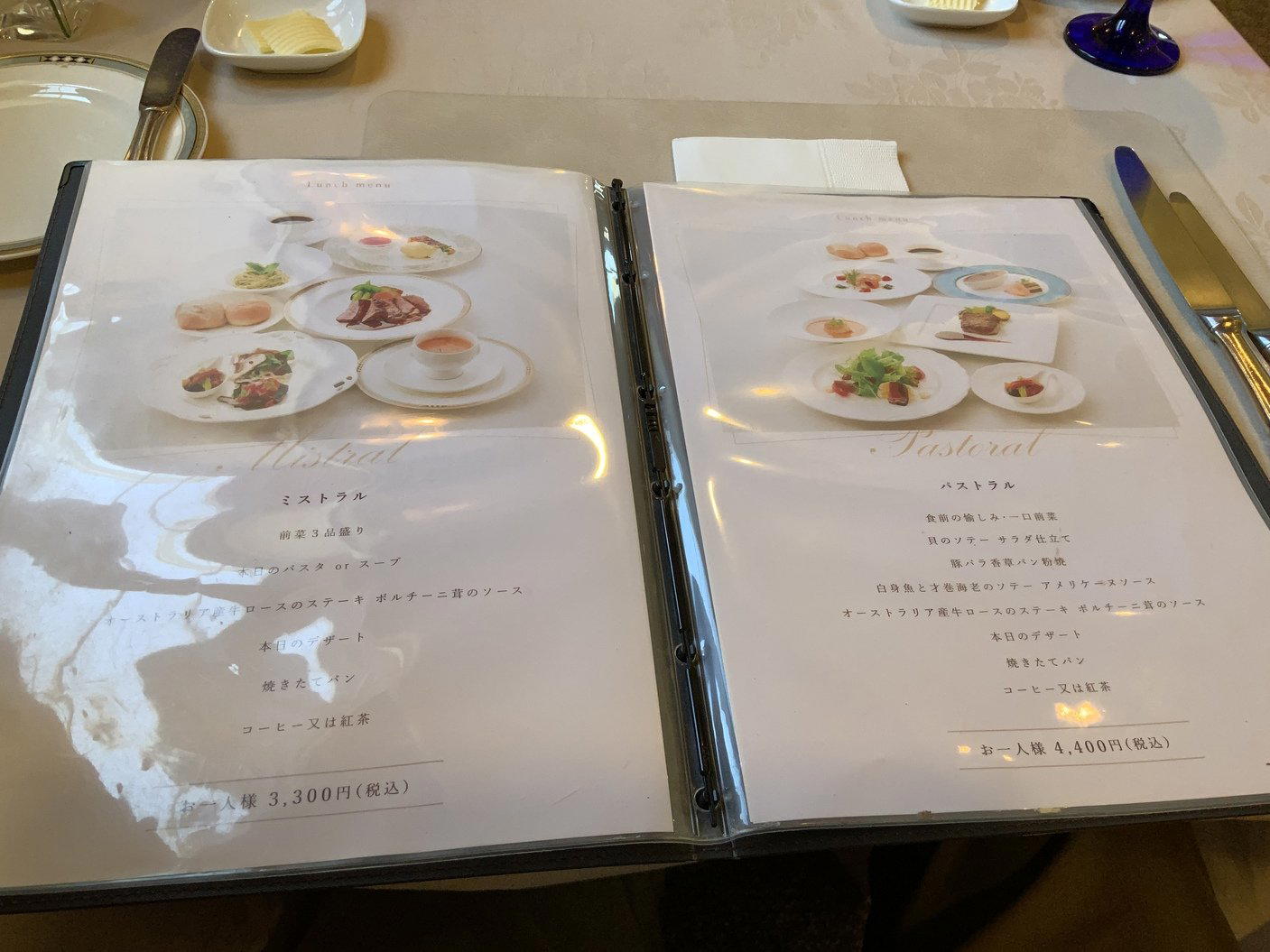
The menu
What to order
- Miyazaki beef
- Foie gras
- Seasonal fish poêlé
Kirishima After Dark: The Neighbourhood That Frames the Room
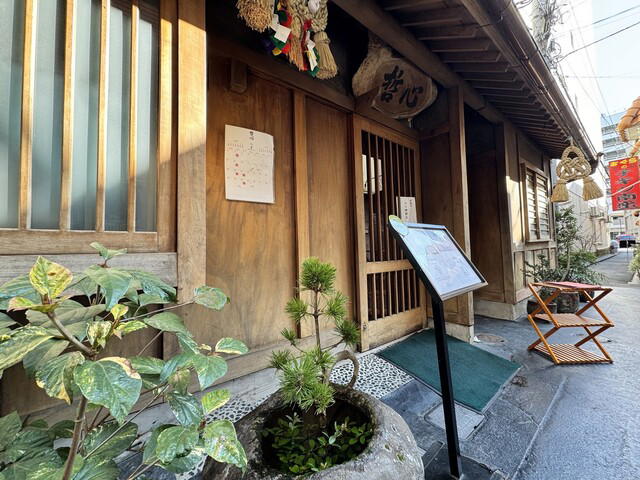
Miyazaki is not a city that announces its dining scene loudly. The prefecture's identity runs on agricultural produce, Miyazaki beef, local chicken known as jidori, and subtropical fruit that arrives in Tokyo markets at a premium, but the restaurants that work with this material tend to occupy quieter corners of the city rather than its main commercial avenues. The Kirishima district, where ベル・エポック holds its address at 3 Chome-6, is one of those quieter corners. Arriving here in the evening, the pace drops noticeably from the city centre. The street-level activity is residential as much as commercial, and restaurants in this zone tend to draw regulars rather than passing trade.
That geography matters when thinking about how to plan a visit. Kirishima is accessible from central Miyazaki by taxi, and the journey is short enough to be practical from most hotels near the main station. But the area does not have the density of dining options that would make it a natural browsing destination. You come to Kirishima because you already know where you are going.
The Name as a Signal
The name ベル・エポック, Belle Époque, places this restaurant in a recognisable tradition within Japanese dining. Western-inflected names, particularly French ones, have been part of Japan's restaurant vocabulary since the Meiji and Taisho periods, when European culinary techniques were absorbed into formal dining culture. In the postwar decades, the category known as yoshoku, Japanese interpretations of Western food, developed its own distinct identity, separate from both classical European cooking and everyday Japanese home food. Nearby, Il Sorriso represents the Italian-leaning end of Miyazaki's Western-influenced dining, while Chinese Sen covers the higher-end Chinese tier at JPY 10,000 to JPY 14,999. The French-named venue sits somewhere in a different register from both.
For context, Miyazaki's yoshoku and European-adjacent restaurants have historically operated at price points ranging from casual lunch-counter format up through more considered dinner service. Comparison venues in the city suggest that the upper range for this category runs to JPY 8,000 to JPY 9,999 per person, as seen at venues like Ranpu Tei, which occupies the yoshoku and European cuisine bracket.
Planning a Table: What the Logistics Require
The editorial angle for any serious dinner in Miyazaki is this: the city rewards those who plan, not those who arrive and browse. Unlike Fukuoka, where a venue like Goh sits within a dense dining district that generates foot traffic, or Kyoto, where Gion Sasaki benefits from one of Japan's most internationally recognised dining addresses, Miyazaki venues in the Kirishima area do not operate with international booking infrastructure in place.
That combination means the most practical approach for international visitors is to ask hotel concierge staff to make contact on arrival, or to arrange the booking through a Japan-based travel specialist before the trip. Japanese-speaking travellers will find the process more direct. Walk-in availability is plausible at a neighbourhood restaurant in a non-tourist district, but given the remove from the city's main visitor corridors, confirming in advance is the more reliable approach. Timing-wise, Miyazaki's dining scene tends to be quieter mid-week and in the low season outside of prefectural festivals and peak domestic travel windows.
For reference, Japan's formal dining culture across all price tiers generally expects that allergy and dietary requirements are communicated ahead of the meal rather than at the table. This is particularly relevant at smaller, chef-led operations where menus may be fixed or semi-fixed.
Miyazaki in the Wider Japanese Dining Frame
Placing ベル・エポック in the context of Japan's broader restaurant geography is useful for calibrating expectations. Osaka's HAJIME and Tokyo's Harutaka operate in the top tier of Japan's nationally recognised dining circuit, with Michelin recognition and international visitor profiles. Nara's akordu represents a different model: serious European-trained cooking in a secondary city, drawing a deliberate, informed clientele. Miyazaki sits further from the main visitor axis than any of these cities, which means that venues here operate almost entirely for a domestic audience. That is not a limitation; it is a feature of the experience. A restaurant named ベル・エポック in Kirishima is cooking for the city's own regulars, which tends to produce a different quality of hospitality from venues calibrated for tourism.
Those travelling further afield within Japan might also note that the regional dining tradition extends across several cities covered in our guides, including venues in Nanao, Sapporo, and Nishikawa Machi, each illustrating how Japan's secondary-city dining scene carries a character distinct from the major metropolitan hubs. In New York, counterparts like Le Bernardin and Atomix show how French-origin and hybrid formats work in a globally competitive restaurant market, a useful frame for understanding what the Belle Époque name implies as an aspiration within a very different operating context.
For those building an itinerary around Miyazaki's dining, Isshinzushi Koyo and Hitotsu offer different registers of the city's dining, the former in the sushi tradition, the latter with its own distinct format. The full Miyazaki restaurants guide maps these options across the city's neighbourhoods. Fujiyama Pudding Miyazaki covers the dessert and café tier for those building a longer day around the district. Across Japan, venues like Birdland in Sakai and venues in Takashima show how regional Japan rewards visitors who build itineraries around specific, less-trafficked addresses rather than concentrating on the major city circuits.
Frequently asked questions
Where exactly is ベル・エポック?
ベル・エポック is located at 3 Chome-6 Kirishima, Miyazaki, 880-0032, Japan, Miyazaki.
What kind of dining experience does ベル・エポック offer compared to other Miyazaki restaurants?
ベル・エポック sits in the Kirishima district of Miyazaki city, a neighbourhood that frames the room before the menu does. The Belle Époque name positions it within a recognisable category of Japanese dining rooms that take French classical tradition as their reference point, a format with a long track record in Japan, distinct from the izakaya and casual chicken restaurants that define much of Miyazaki's dining identity. For travellers building a serious itinerary in Miyazaki prefecture, it represents the more formal end of the local spectrum.
What's the must-try dish at ベル・エポック?
Given its location in Miyazaki, a prefecture defined by Miyazaki beef and local chicken, any kitchen operating here has access to produce that shapes the menu decisively. Check directly with the restaurant for current seasonal offerings.
Do they take walk-ins at ベル・エポック?
Restaurants in this neighbourhood tend to operate on a reservation basis, particularly for dinner service. Advance planning is the safer approach for any serious dinner in Miyazaki.
Do they accommodate allergies at ベル・エポック?
Standard practice at reservation-based Japanese restaurants is to communicate dietary requirements at the time of booking, which also gives the kitchen lead time to adjust. check the venue's official channels before your visit.
Quick Comparison
Comparable venues nearby, for context on price, style, and recognition.
| Venue | Cuisine | Price | Awards | Notes |
|---|---|---|---|---|
| ベル・エポックThis venue (the venue you are viewing) | Classic Miyazaki French | $30–50 | Tabelog 100 #3 | Not listed |
| GIGLI | Seasonal Italian Fine Dining | $100–150 | Tabelog 100 #48 | Chuo-dori / Miyazaki City Center |
| Teppanyaki Steak Hitotsuba Miyachiku | Teppanyaki Steakhouse | $30–50 | Tabelog 100 #8 | Shinbeppu-cho |
| Torimasa | Yakitori & Miyazaki Chicken Izakaya | $30–50 | Tabelog 100 #59 | Not listed |
| iwanaga | Yoshoku (Japanese-Style Western Cuisine) | $100–150 | Tabelog 100 #67 | Tachibanadori |
| Soba ya Tesshin | Japanese Soba | $20–30 | Tabelog 100 #40 | Tachibanadori Higashi |
Recognition history
Dated appearances from independent guides and award organizations, with the underlying list record or original source where available.
Tabelog 100 #3 · No. 3
Tabelog · Tabelog 100 - French - WEST - 2025
Continue exploring
More in Miyazaki
Details
- Elegant
- Classic
- Sophisticated
- Date Night
- Celebration
- Special Occasion
- Private Dining
- Extensive Wine List
- Sake Program
- Local Sourcing
- Prix Fixe
- Wine
- Allergy Accommodating
Current opening hours
- Monday
- Closed
- Tuesday
- 11:30 AM–2 PM, 6–10 PM
- Wednesday
- 11:30 AM–2 PM, 6–10 PM
- Thursday
- 11:30 AM–2 PM, 6–10 PM
- Friday
- 11:30 AM–2 PM, 6–10 PM
- Saturday
- 11:30 AM–2 PM, 6–10 PM
- Sunday
- 11:30 AM–2 PM, 6–10 PM
Hours can change for holidays and private events. Hours as of .
Elegant atmosphere reminiscent of South France with a clock tower, featuring sophisticated French dining service.