
GIGLI places Miyazaki inside Japan’s serious Italian conversation, not as a resort-city novelty but as part of the country’s long-running appetite for precise, locally responsive European cooking. Its Tabelog Italian WEST 100 selections in 2023 and 2025 give it a concrete credential, while the Italian, wine bar, and French categories point to a dining room built for a composed evening rather than casual grazing.
Pearl is the En Primeur Club membership app — saves, bookings, and concierge access live there. Same editors, same standards.
- Address
- 宮崎県宮崎市中央通3-22 高野ビル 1F
- Phone
- +81985550780
- Website
- tabelog.com
- Directions
- Get directions
 Saves & bookings on Pearl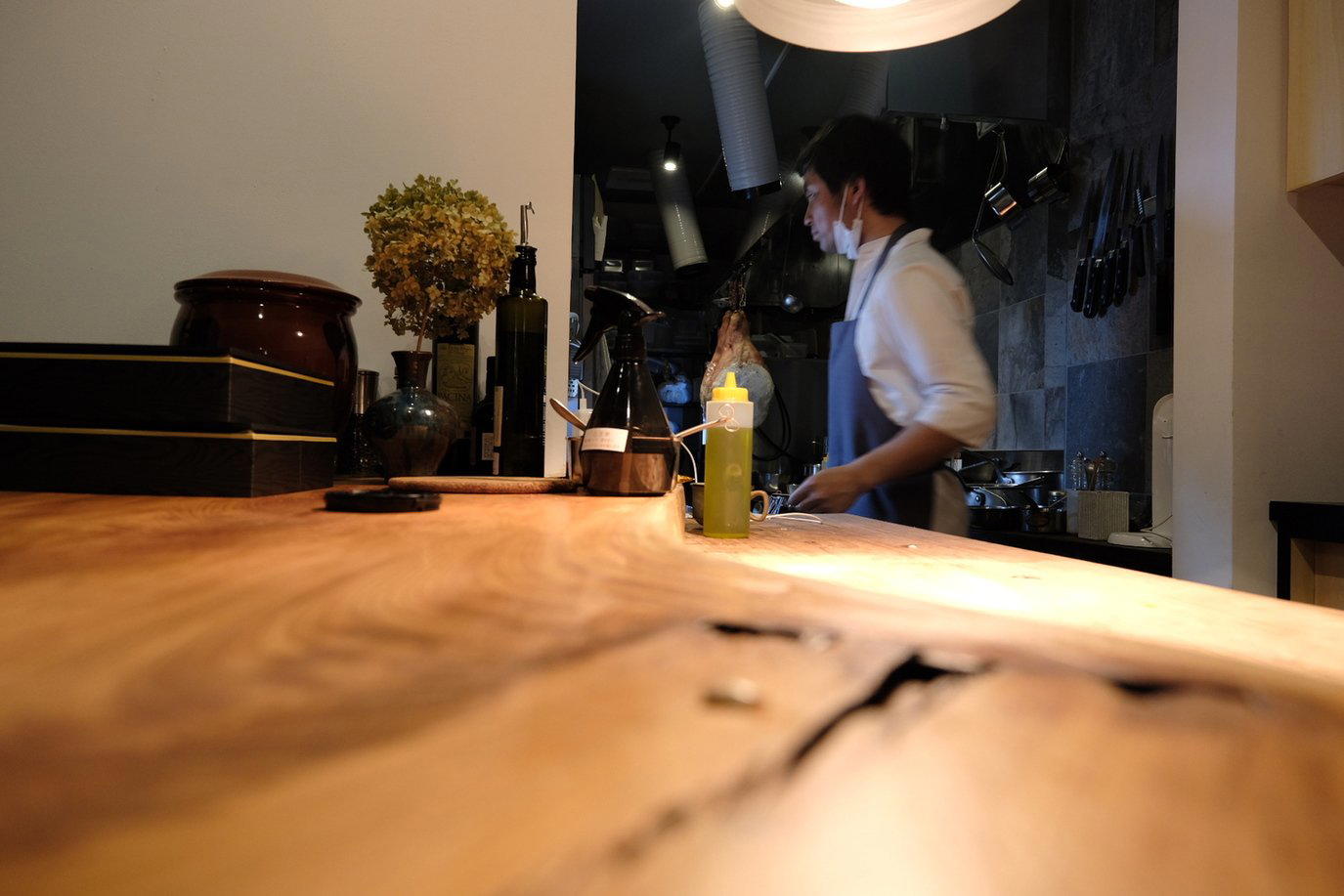
Central Miyazaki changes character after dark: the streets around Chuo-dori tighten into a compact dining quarter, with small buildings, upstairs signs, and ground-floor rooms doing much of the city’s serious evening work. In that setting, Italian dining reads differently than it does in Tokyo or Osaka. It is less about metropolitan display and more about how a regional Japanese city absorbs European technique, local expectation, wine culture, and the rhythm of a formal night out.
GIGLI belongs to that narrower tier. Its selection for Tabelog Italian WEST 100 in 2023 and 2025 gives the room a public marker beyond local affection, and its classification across Italian, wine bar, and French cooking suggests a hybrid style familiar in Japan: Italian structure, French discipline, and a beverage program broad enough to include wine, cocktails, and shochu. That last detail matters in Miyazaki, where shochu is not a novelty add-on but part of the regional drinking grammar.
Italian cooking in Miyazaki has to answer to local drinking culture
Japan’s Italian restaurants have never been simple replicas of trattorie. Since the late twentieth century, the country has developed its own high-spec Italian tradition, with pasta, seasonal produce, seafood, charcoal, and tasting-menu pacing often filtered through Japanese ideas of portion, temperature, and service. In major cities, that category can become a competition of imports and provenance. In Miyazaki, the more interesting question is fit: how a European format sits beside local habits of shochu, grilled meat, udon, and family-style regional staples.
That is why GIGLI’s category mix is more revealing than any single label. Italian and wine bar place it in the European dining lane; the French tag points to technique rather than rusticity; the shochu listing connects the room back to Kyushu. The result is a useful lens on Miyazaki’s dining identity, a city where the serious table does not have to reject local drinking culture in order to look outward.
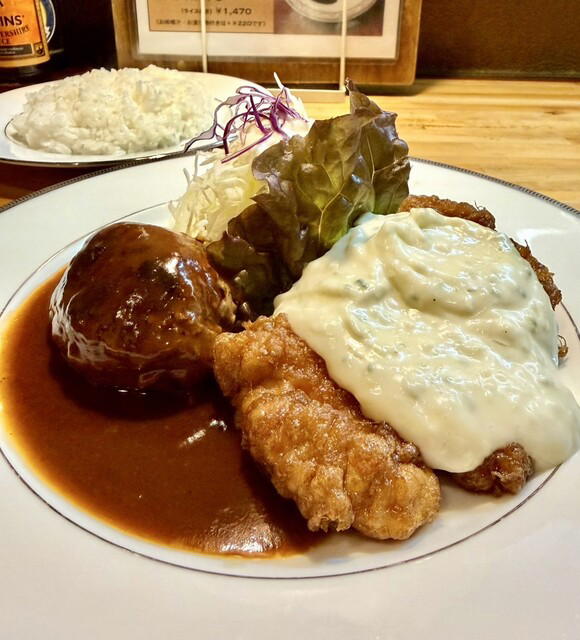
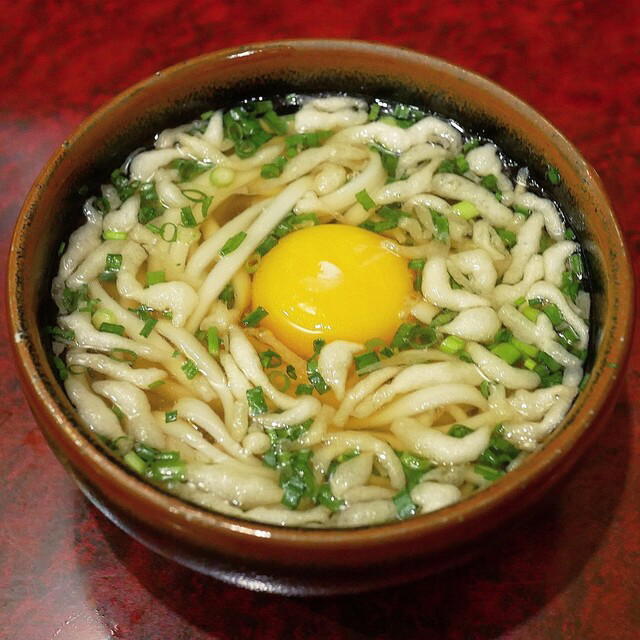
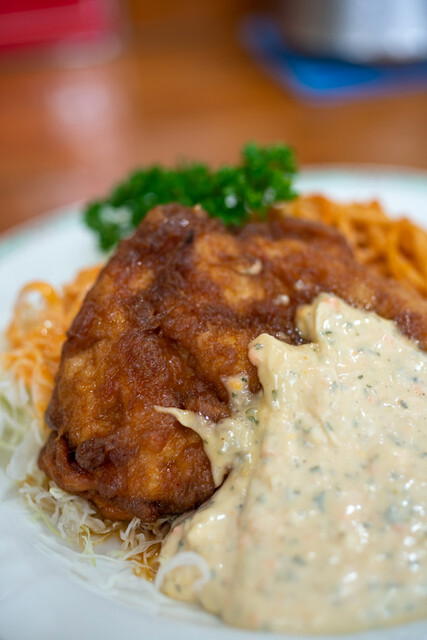
The comparison with nearby options clarifies the tier. GRILL Ranman operates in a lower-priced Western comfort register, while udon specialists and soba rooms answer a different need entirely. The point is not hierarchy for its own sake; it is occasion. Miyazaki can feed a quick lunch, a nostalgic chicken nanban craving, a noodle stop, or a composed European dinner. GIGLI occupies the latter category, where pacing, beverages, and room discipline matter as much as the menu’s national label.
A small-room format built for a composed evening
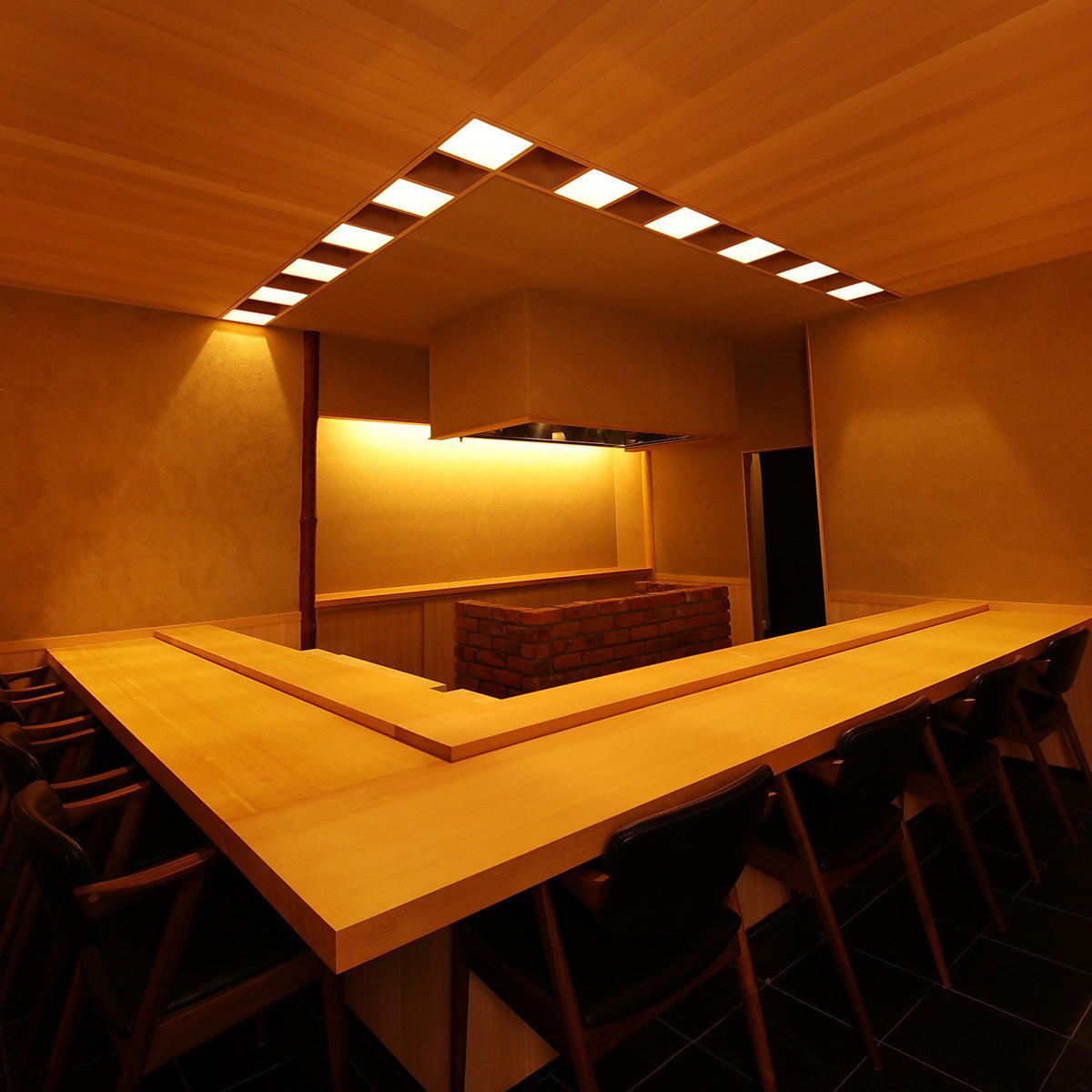
At 20 seats, this is not the broad, high-turnover model common to casual city-center dining. A room of that scale changes the meal’s social contract. Service has less room for anonymity, larger groups require planning, and the experience naturally skews toward diners who want a set-piece evening rather than a spontaneous stop between bars. Private-room availability and private-use options extend that same idea: the restaurant is structured for celebrations, small gatherings, and nights where the table itself is the point.
The opening date, 2011, also matters. In a regional city, longevity in this category is a stronger signal than fashion. Italian dining outside Japan’s largest markets depends on repeat local trust as much as visitor traffic; a restaurant that has held its position for more than a decade has survived changing tastes, travel cycles, and the periodic drift toward casualization. The Tabelog Italian WEST 100 selections in 2023 and 2025 put a public frame around that endurance.
For travelers, the smarter reading is not “Italian in Miyazaki” as a substitute for local food. It is a way to see how the city’s dining range has widened. Aji Kawa, covered here, and Aji no Ogura Honten speak to other parts of the local table; Chinese Sen, Fujiyama Pudding Miyazaki, and the broader Miyazaki restaurants guide show how compact the city’s eating map can be. The useful itinerary is not a single genre tour, but a contrast between regional classics, Western-style rooms, sweets, and higher-touch dinner formats.
How to place it in a Miyazaki itinerary
Miyazaki rewards travelers who do not treat it as a one-meal city. Its food culture is tied to chicken, shochu, coastal produce, noodles, and a slower evening rhythm than the large urban centers to the north. A European dinner in that context works well when it is planned as a change of register: after a day built around seaside drives, shrine visits, or local counters, the appeal is the controlled pace of a smaller room and a beverage list that can move between wine and Kyushu spirits.
That broader planning frame also prevents category confusion. A restaurant in this tier is not competing with -Grilled beef Sukiyaki- KAMAKURA TANUKIAN 鎌倉 たぬき庵 in Kamakura. 鮪と炭火焼き うお炭 秋葉原店 in Tokyo.cafe in Osaka, or.know in Kumamoto on city glamour. Nor is it trying to serve the same purpose as (Shoku) Vietnam in Kawasaki, [Curry Senmon Ten] Maruyama Kyoju. in Sapporo, Jōdo Saké Bar in Los Angeles, or Onigiri Time in Pasadena. Its value is more specific: it shows how a regional Japanese city can support a serious European dining room without severing the meal from local habits.
Visitors building a fuller stay should treat dinner as one part of the city rather than the whole plan. The Miyazaki hotels guide helps anchor the overnight choice; the Miyazaki bars guide is the natural follow-up for shochu or cocktails; the Miyazaki wineries guide and Miyazaki experiences guide broaden the trip beyond the table. In that sequence, GIGLI makes the strongest sense as the formal dinner slot: credentialed, compact, and more culturally revealing than the word Italian first suggests.
Price and Positioning
Comparable venues by cuisine and price in the same metro.
| Venue | Cuisine | Price | Notes |
|---|---|---|---|
| GIGLI | Not listed | $$$ | Chuo-dori / Miyazaki City Center, Seasonal Italian Fine Dining |
| Teppanyaki Steak Hitotsuba Miyachiku | Shinbeppu-cho, Teppanyaki Steakhouse | $$$ | Not listed |
| ä¸å¿é®¨ å æ´ | Kaiseki Seafood | $$$ | Not listed |
| Tenichi | Not listed | $$$ | Nishitachibanadori, Seasonal Miyazaki Izakaya |
| イワナガ食堂 | Not listed | $$$ | Tachibanadōri Higashi, Yoshoku (Japanese-Style Western Cuisine) |
| Il Sorriso | Not listed | $$$ | Tachibanadori Higashi, Regional Japanese-Italian Fusion with Handmade Pasta |
Recognition history
Dated appearances from independent guides and award organizations, with the underlying list record or original source where available.
Tabelog 100 #48 · No. 48
Tabelog · Tabelog 100 - Italian - WEST - 2025
Continue exploring
More in Miyazaki
At a Glance
- Sophisticated
- Intimate
- Elegant
- Date Night
- Business Dinner
- Group Dining
- Celebration
- Special Occasion
- Wine Cellar
- Private Dining
- Standalone
- Extensive Wine List
- Craft Cocktails
- Local Sourcing
- Street Scene
A hideaway-style dining room in a central city building with a spacious, refined atmosphere suited to leisurely dinners and celebrations.