Fureai no Sato Umekita honten

A rural Miyakonojo chicken and regional-cuisine address with Tabelog 100 Chicken Cuisine 2025 recognition, Fureai no Sato Umekita honten belongs to the grounded end of Japan’s destination dining map. The draw is not urban ceremony but local poultry culture, a house-restaurant setting, tatami seating, terrace space, non-smoking rooms, take-out, and a format that works for families and small groups.
Pearl is the En Primeur Club membership app — saves, bookings, and concierge access live there. Same editors, same standards.
- Address
- 1447-7 Umekitacho, Miyakonojo, Miyazaki 885-0063, Japan
- Phone
- +81 986-39-5500
- Website
- plaza.rakuten.co.jp
 Saves & bookings on Pearl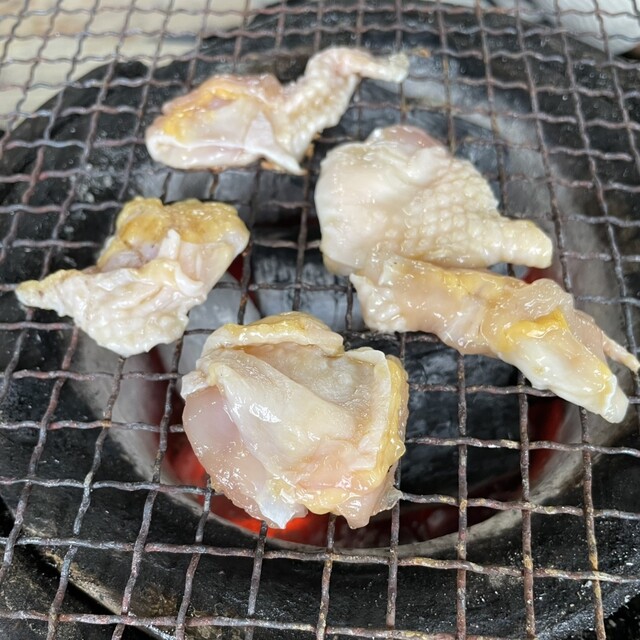
Approach the rural edge of Miyakonojo and the dining rhythm changes. The city’s food culture is less about theatrical counters than about agriculture, poultry, shochu country, and restaurants that feel close to the farms and roads that feed them. In that setting, a house-restaurant format matters: it lowers the temperature, keeps the room informal, and makes chicken cookery feel like part of daily regional life rather than a staged performance.
Fureai no Sato Umekita honten sits inside that tradition. Its selection for Tabelog 100 Chicken Cuisine 2025 puts it in a national conversation around toriryori, but the more useful lens is Miyazaki itself. This prefecture has a strong poultry identity, and Miyakonojo’s position inland gives the meal a different register from coastal sushi towns or metropolitan yakitori districts. The point is proximity: regional chicken cookery has more force when the dining room is in the production belt rather than several transfers away from it.
Chicken cookery with a regional, Miyazaki accent
Japan’s chicken restaurants split into several camps: urban yakitori counters built around skewer progression, specialist jidori rooms that foreground breed and sourcing, family restaurants where grilled and simmered dishes share the table, and regional-cuisine houses that treat poultry as part of a broader local meal. This address belongs to the last two categories rather than the first. The categories attached to it are chicken dishes and regional cuisine, which signals a meal built around local familiarity rather than chef-led tasting-menu choreography.
That distinction is useful for travelers planning Miyakonojo. A nationally recognized chicken restaurant here does not need to resemble a Tokyo counter to be serious. In Kyushu, the interest often lies in the relationship between ingredient, fire, room, and drinking culture. Miyazaki chicken has become one of the prefecture’s calling cards, and restaurants in this category tend to reward diners who care less about luxury cues and more about whether the cooking feels anchored to place.
Within the surrounding comparison set, the positioning is moderate rather than ceremonial. Korean Kirishima ten occupies a similar dinner spend band, while Ichinii San Kokubu ten and Jidori no Sato Eirakuso move into higher dinner brackets outside the immediate metro. That makes the Miyakonojo choice feel especially practical for travelers who want a regionally specific meal without turning dinner into a formal expedition. For a different casual local register, Kushikatsu Tanaka Miyakonojo frames fried skewers rather than poultry tradition.
A house-restaurant setting changes the pace
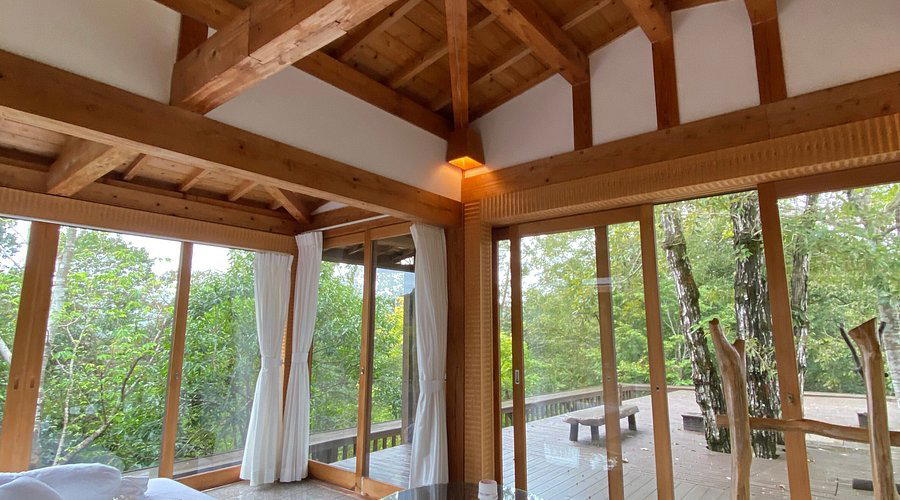
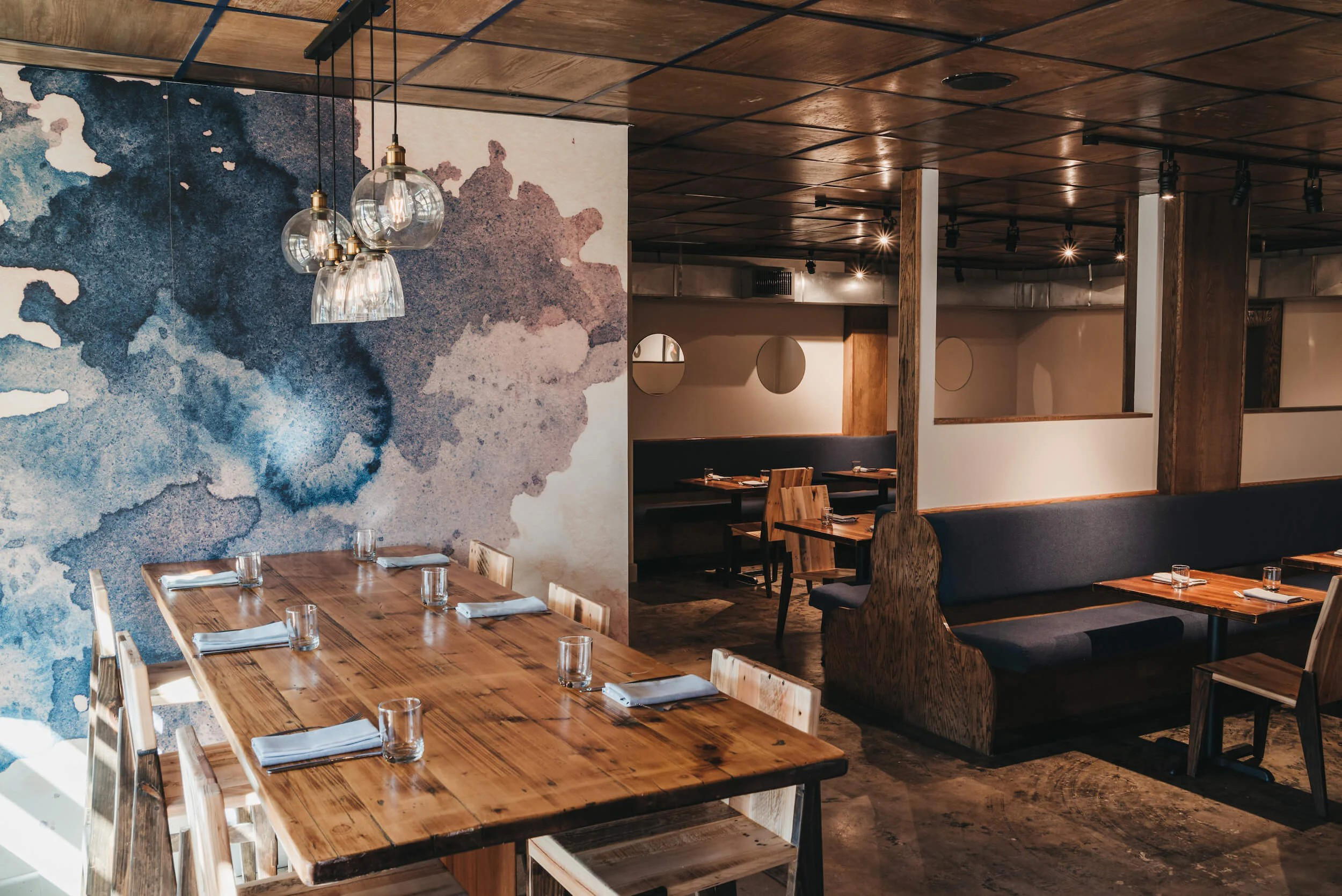
The room is part of the editorial story because it shapes how the food is read. A house restaurant with spacious seating, tatami room, open terrace, non-smoking policy, and children welcome belongs to a Japanese dining category that often gets ignored by visitors chasing counters and awards lists. It is social rather than hushed, grounded rather than decorative. Private rooms are not part of the setup, so the appeal is not seclusion; it is the ease of a regional meal where families and friends can settle in without the choreography of fine dining.
The Tabelog score of 3.63 gives another signal: this is not merely a local address with sentimental appeal, but a restaurant with measurable national-platform traction in a specialist category. The award recognition is more meaningful because it names chicken cuisine specifically, not a broad dining category. For travelers using Miyakonojo as a food stop between Kagoshima and Miyazaki routes, that specificity matters. It says the detour should be judged through poultry and regional cooking, not through the expectations of sushi, kappo, or French-influenced Japanese tasting menus.
Take-out availability also tells a quiet truth about the format. Serious regional restaurants in Japan are not always built around long seated meals; some work equally as part of local household life, road travel, and family scheduling. That practicality does not lessen the culinary interest. It places the restaurant closer to everyday Miyazaki food culture, where sourcing, comfort, and repeatability carry as much weight as presentation.
How to fold it into a Miyakonojo itinerary
Miyakonojo rewards travelers who plan by category rather than by a single famous dish. Poultry is the anchor here, but the wider city map can be read through casual izakaya formats, meat restaurants, regional cooking, and drink-led evenings. Start with our full Miyakonojo restaurants guide for the food circuit, then use our full Miyakonojo hotels guide if the city is more than a lunch stop. Evening planning sits better with our full Miyakonojo bars guide, while our full Miyakonojo wineries guide and our full Miyakonojo experiences guide help place the meal inside a broader local itinerary.
For readers comparing Japanese regional dining beyond Miyazaki, the useful thread is not sameness but specificity. Beef sukiyaki in Kamakura at -Grilled beef Sukiyaki- KAMAKURA TANUKIAN 鎌倉 たぬき庵 in Kamakura, charcoal fish formats such as . 鮪と炭火焼き うお炭 秋葉原店 in Tokyo, and contemporary casual rooms like .cafe in Osaka all answer different local appetites. The same applies to.know in Kumamoto, (Shoku) Vietnam in Kawasaki, [Curry Senmon Ten] Maruyama Kyoju. in Sapporo, and [ki:] in Kyoto: each is better understood through place and format than through a generic national dining checklist.
The same comparative logic holds across meat, quick-service, and Japanese food abroad. #肉といえば松田 奈良本店 in Kashihara speaks to a different meat culture; 1/3 HAMBURGER FACTORY in Kanazawa and 1000 in Yokohama show how casual formats shift by city; Jōdo Saké Bar in Los Angeles and Onigiri Time in Pasadena translate Japanese drinking and rice culture into another market. Miyakonojo’s contribution is narrower and more agricultural: chicken, regional cooking, and a room scaled for the people who live with that food year-round.
Fast Comparison
Comparable venues by cuisine and price in the same metro.
| Venue | Cuisine | Price | Awards | Notes |
|---|---|---|---|---|
| Fureai no Sato Umekita hontenThis venue — the venue you are viewing | Japanese Chicken Specialty / Yakitori | $ | , | |
| Kushikatsu Tanaka Miyakonojo | Osaka-style Kushikatsu Izakaya | $$ | , | Nishi Miyakonojo |
| Nakakooriten Kakigori | Japanese Kakigori (Shaved Ice) | $ | , | Shingu |
| Buta Daigaku (豚大学) | Grilled Pork Bowl (Butadon) | $ | , | Shimbashi |
| Human beings everybody noodles (人類みな麺類) | Traditional Shoyu Ramen | $ | , | Nishinakajima, Yodogawa-ku |
| Drive-in Ippei (ドライブイン一平) | Japanese Curry & Tonkatsu Diner | $ | , | 小城市 |
Continue exploring
More in Miyakonojo
Restaurants in Miyakonojo
Browse all →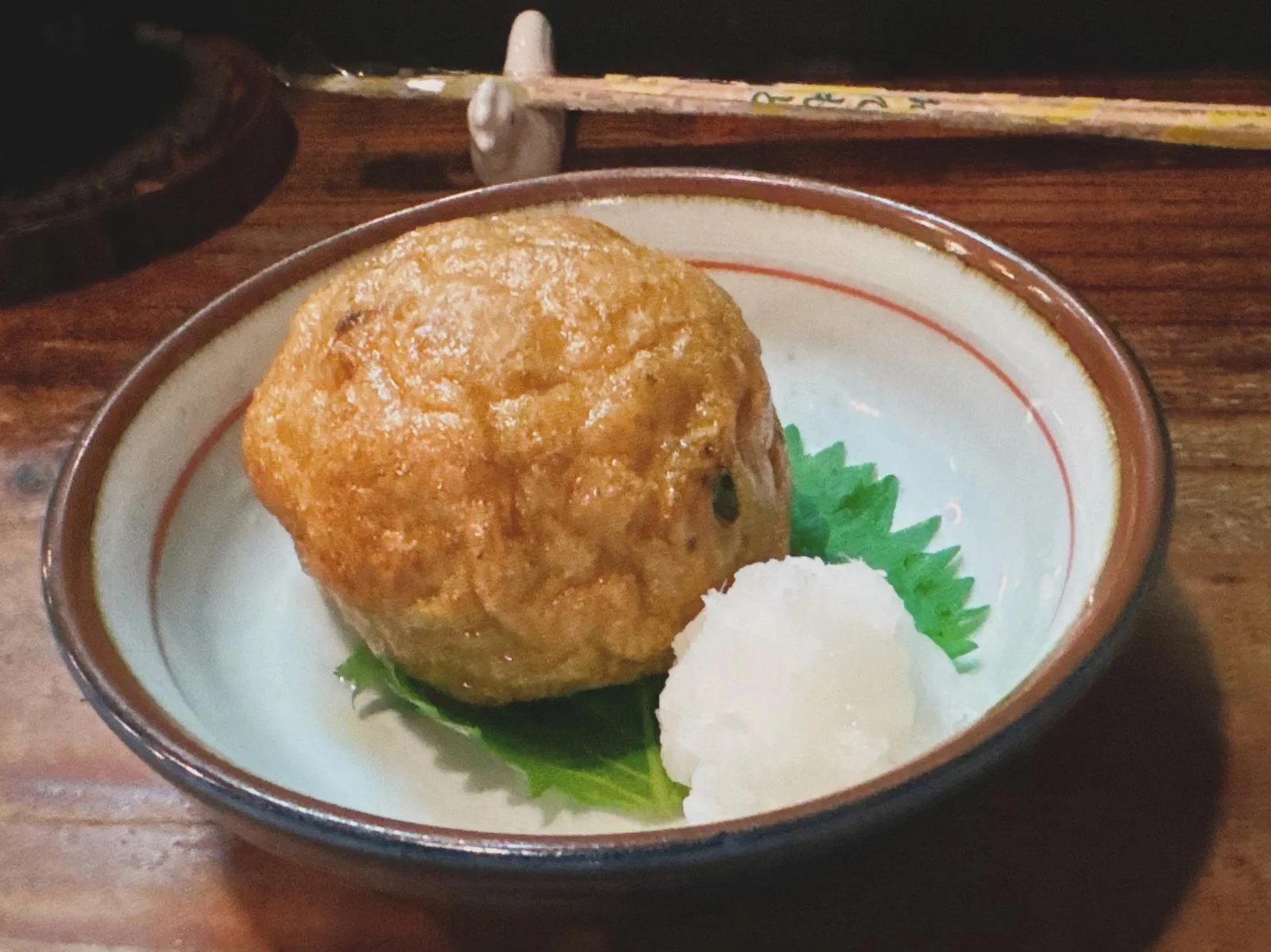

Hotels in Miyakonojo
Browse all →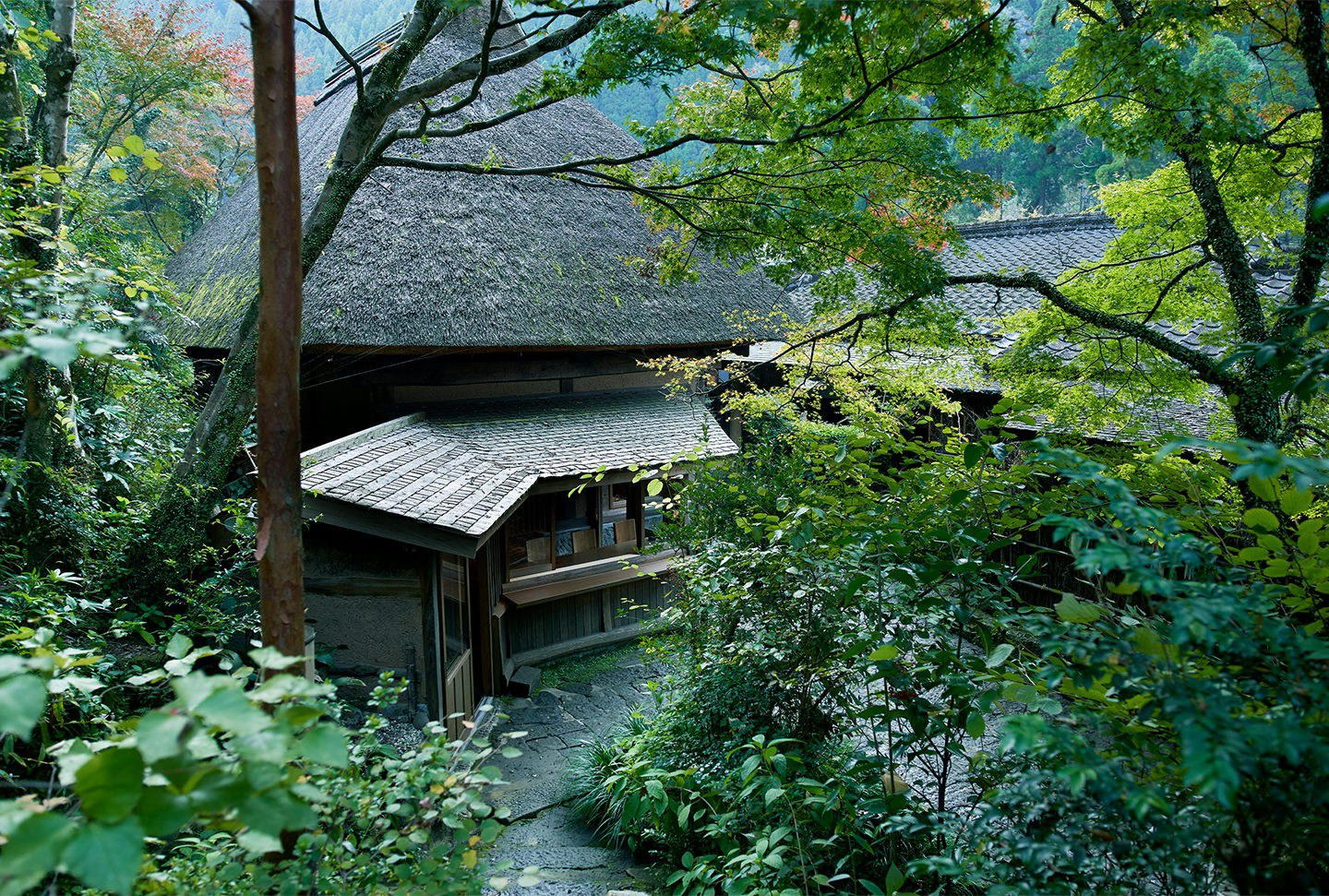
At a Glance
- Cozy
- Rustic
- Hidden Gem
- Casual Hangout
- After Work
- Group Dining
- Family
- Standalone
- Beer Program
- Local Sourcing
A casual, local chicken-specialty spot with a warm, down-to-earth atmosphere suited to relaxed meals and after-work dining.