
We're Smart World 4 Radishes
Our verdict
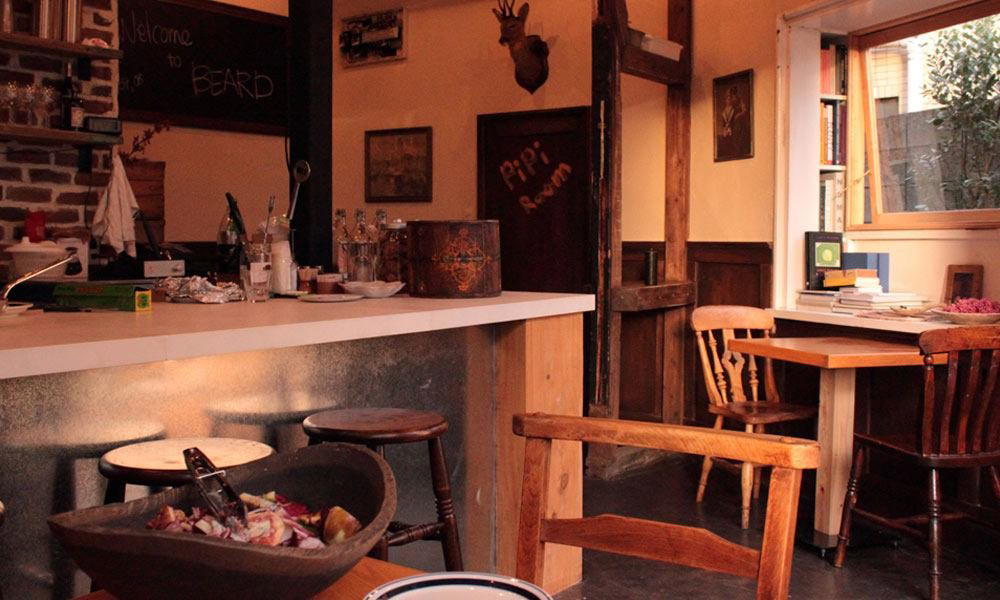
Set in Unzen, Nagasaki Prefecture, BEARD builds its menu around proximity to the land and sea, placing vegetables at the centre rather than the margin. The kitchen draws on locally sourced produce, including varieties rarely seen in urban restaurant circuits, and supplements them with coastal catch from nearby waters. It is a deliberate, produce-driven format that rewards guests who come curious about what rural Japan actually grows.

Pearl is the En Primeur Club membership app, where members save venues, book tables and use the concierge.
Where the Soil Comes Before the Plate
Rural Kyushu has its own culinary rhythm, one that urban dining circuits rarely capture. The Unzen area of Nagasaki Prefecture sits on a geothermal peninsula surrounded by the Ariake Sea to the east and the Tachibana Bay to the west, a geography that shapes what farmers grow and what fishers bring in. Restaurants that choose to operate in this context face a decision most city kitchens never confront: whether to import prestige ingredients from elsewhere or to work, sometimes stubbornly, with what the immediate land and sea provide. BEARD takes the latter position, and that choice defines everything about the experience before you sit down. For more on where BEARD fits within the region's wider dining scene, see our full Nagasaki Prefecture restaurants guide.
The Sourcing Logic That Shapes the Menu
Japan's fine dining conversation tends to be dominated by a handful of urban formats: the Michelin-decorated kaiseki counter, the tightly choreographed French-Japanese hybrid, the omakase sushi room. Venues like Harutaka in Tokyo, HAJIME in Osaka, and Gion Sasaki in Kyoto represent the high end of that urban spectrum. BEARD operates from a different premise entirely. The kitchen's proximity to active vegetable production is not a marketing angle but a practical condition that determines what appears on the menu each season.
The emphasis falls on vegetables that have largely disappeared from mainstream restaurant supply chains. These are not heritage cultivars curated for novelty, but genuinely overlooked produce that sustained agricultural communities before modern distribution flattened regional variety. Placing vegetables in a leading role rather than as garnish or accompaniment to protein is a structural decision with real menu consequences: it requires the kitchen to develop technique around produce that does not have the built-in drama of premium fish or aged meat. This is a harder brief to execute convincingly, and it positions BEARD in a different peer conversation than places like Goh in Fukuoka or KAI in Kagoshima, both of which operate within more conventional protein-led fine dining formats in the broader Kyushu region.
The coastal element adds a second sourcing thread. Being close to the sea in Nagasaki means access to fish and shellfish that move through local markets rather than being transported across the country. In Japan's most celebrated seafood-focused restaurants, the supply chain between ocean and kitchen can still involve significant handling time. Proximity compresses that chain, and the kitchen at BEARD treats that compression as a material advantage worth building around.
The Approach in Context: Produce-Driven Dining Across Japan
Format BEARD occupies has quiet precedents across Japan. Some of the country's most respected regional kitchens have long argued that the distance between a restaurant and its ingredients is an ethical and culinary variable, not just a logistical one. Bleston Court Yukawatan in Nagano works within a mountain agricultural context with similar sourcing discipline. akordu in Nara brings a European framework to Japanese regional produce. giueme in Akita draws from the rice and vegetable traditions of northern Honshu. What connects these places is not cuisine type but a shared commitment to the specific geography they inhabit.
BEARD sits within that pattern. The Unzen area provides a particular agricultural character: volcanic soil with high mineral content, a warm humid climate suited to a wide range of vegetables, and coastal access that few inland restaurants can replicate. That combination is not common in Japan's premium dining geography, which clusters heavily in Tokyo, Kyoto, and Osaka. For comparison, venues like Installation Table ENSO L'asymetrie du calme in Ishikawa and hiro in Gifu draw from equally specific regional terroirs, suggesting that Japan's most interesting produce-driven dining is increasingly dispersed outside the major cities.
Arriving in Unzen
Unzen is not a city dining destination in any conventional sense. It is a small onsen town in the mountains of the Shimabara Peninsula, about two hours by road from Nagasaki city, with volcanic hot springs that have drawn visitors since the Edo period. The town's identity has historically been built around resort accommodation and geothermal bathing rather than destination dining. BEARD represents a different reason to make the journey. For visitors planning a broader trip to the area, our Nagasaki Prefecture hotels guide covers accommodation options across the peninsula, and our experiences guide maps the wider cultural context around the region.
The address at 2-1 Obamacho Kitahonmachi places the restaurant in Obama, a coastal town at the base of the Shimabara Peninsula known for its long hot spring footbaths running along the seafront. That physical setting, between the mountains and the sea, reflects directly in the kitchen's dual focus on land and coastal produce. Visitors arriving by car from Nagasaki city should account for the mountain road approach; the drive from Nagasaki station runs approximately 100 kilometres, passing through the agricultural flatlands of the peninsula before climbing into Unzen.
International visitors comparing Japan's regional fine dining circuits might also look at Kitagawa in Matsusaka as another example of a restaurant whose identity is inseparable from its specific Japanese geography, even if the cuisine type and sourcing focus differ considerably. For those approaching from a global frame of reference, the contrast with international produce-driven formats like Le Bernardin in New York City or Emeril's in New Orleans underlines just how particular the BEARD proposition is: not technique-forward, not chef-personality-forward, but place-forward in a way that relies on the specific agricultural and coastal conditions of the Unzen area.
Visitors interested in the wider Nagasaki Prefecture drinking and bar scene can consult our bars guide, and those curious about regional wine and sake producers should check our wineries guide for context on what is being made locally.
What the Format Asks of You
Restaurants that put vegetables first and draw from a geographically specific, often unfamiliar palette of produce ask something of their guests. The experience at BEARD is built around health, pride, and respect for product and nature, which in practical terms means the menu will follow what the land and sea are doing rather than what any diner might expect to find. That orientation rewards visitors who come with genuine curiosity about Kyushu's agricultural character rather than those seeking a familiar premium dining template. The format sits closer to akordu's quietly committed regionalism than to the high-production kaiseki theatre of Tokyo's leading counters.
There is no publicly available pricing, hour, or booking information through standard channels, which is itself a signal: this is not a restaurant designed for casual walk-in traffic. Contacting the venue directly before visiting is advisable, particularly for guests travelling specifically to Unzen for the meal rather than passing through.
Frequently asked questions
Would BEARD be comfortable with kids?
The setting works in favour of younger guests: BEARD is a produce-focused kitchen in a rural Unzen environment rather than a formal urban counter with strict atmosphere codes. The orientation around nature, vegetables, and the surrounding landscape makes it an accessible context for children curious about food. That said, Unzen is a two-hour journey from major Kyushu cities, so the logistics of reaching Obamacho Kitahonmachi require planning regardless of group composition.
What should I expect atmosphere-wise at BEARD?
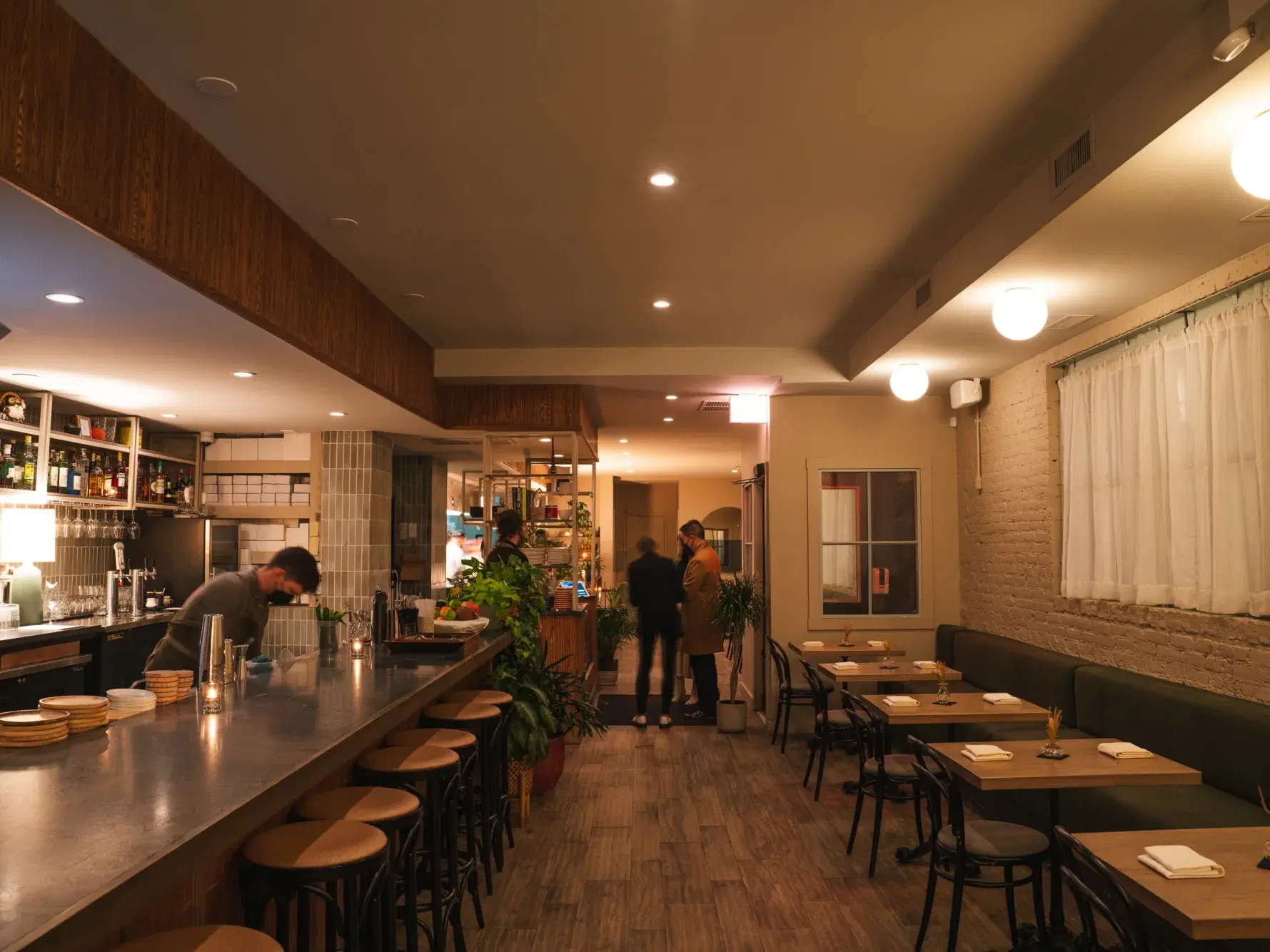
Quiet and grounded are the operative words. BEARD has positioned itself in Unzen precisely to stay close to vegetable production, which shapes everything from the sourcing logic to the pace of a meal there. Guests arriving from Tokyo or Osaka urban dining rooms will notice the absence of theatre or spectacle, the focus falls on the produce itself and the coastal ingredients the surrounding sea provides. Passion, health, and respect for the product are the terms the restaurant uses to frame its own identity.
What awards or recognition does BEARD have?
BEARD has received recognition including: Looking for something different? Then BEARD is highly recommended. Their choice to be close to the production of vegetables makes that you can enjoy 100% the pure nature and beautiful landscape of Japan. Here, they focus on the forgotten ve….
What should I eat at BEARD?
Vegetables hold the lead role at BEARD, including varieties that have largely disappeared from mainstream restaurant supply chains across Japan. The menu draws on the proximity to production in the Unzen area and supplements that with the freshness the nearby sea provides. Specific dishes and seasonal menus are not published in advance, which reflects a kitchen driven by what the land and coast are yielding at any given time rather than a fixed programme.
Where is BEARD in Nagasaki Prefecture?
BEARD is located at 2-1 Obamacho Kitahonmachi, Unzen, Nagasaki 854-0514, Japan, Nagasaki Prefecture.
Do I need a reservation for BEARD?
Booking ahead is strongly advisable. BEARD sits in Unzen, a small onsen town on the Shimabara Peninsula roughly two hours from Nagasaki city, and the deliberate sourcing model means the kitchen works to supply rather than overflow. Arriving without a reservation at a rural restaurant that plans its produce intake around confirmed covers is a significant risk, particularly given the journey involved.
At-a-Glance Comparison
Comparable venues nearby, for context on price, style, and recognition.
| Venue | Cuisine | Price | Awards | Notes |
|---|---|---|---|---|
| BEARDThis venue (the venue you are viewing) | Modern Vegetable-Focused Japanese | $50–100 | We're Smart World 4 Radishes | Not listed |
| Chinese Saikan Kozanro Chuukagai shinkan | Traditional Nagasaki Chinese (Champon & Sara Udon) | $20–30 | Tabelog 100 #33 | Shinchi Chinatown |
| Chinese cuisine GUNRAIKEN | Chinese (Nagasaki Champon) | $10–20 | Tabelog 100 #52 | Edomachi |
| Unryu Tei Honten | Traditional Nagasaki bite‑sized gyoza shop | $20–30 | Tabelog 100 #5 | Shianbashi |
| Asa Honten | Izakaya / Creative Seafood | $30–50 | Tabelog 100 #7 | Sakuramachi / Ebisucho |
| bread A espresso | Dining | Not listed | Tabelog 100 #13 | Nagasaki |
Recognition history
Dated appearances from independent guides and award organizations, with the underlying list record or original source where available.
We're Smart World 4 Radishes
We're Smart World


Continue exploring
More in Nagasaki
Details
- Cozy
- Intimate
- Modern
- Special Occasion
- Chefs Counter
- Open Kitchen
- Local Sourcing
- Organic
- Tasting Menu
- Counter Dining
- Vegetarian Friendly
Current opening hours
- Monday
- Closed
- Tuesday
- Closed
- Wednesday
- 12–3:30 PM
- Thursday
- 12–3:30 PM
- Friday
- 6–9:30 PM
- Saturday
- 12–3:30 PM, 6–9:30 PM
- Sunday
- Closed
Hours can change for holidays and private events. Hours as of .
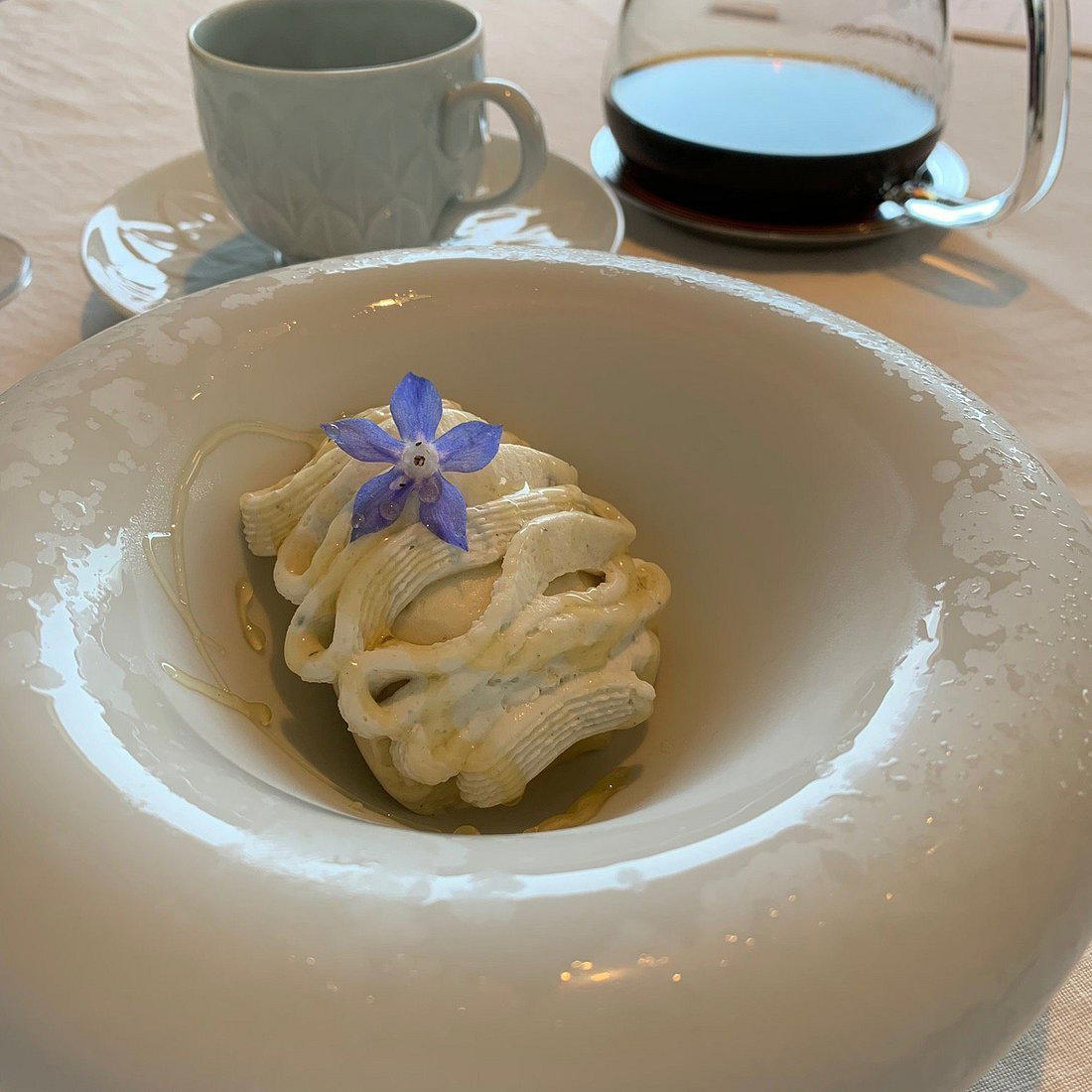
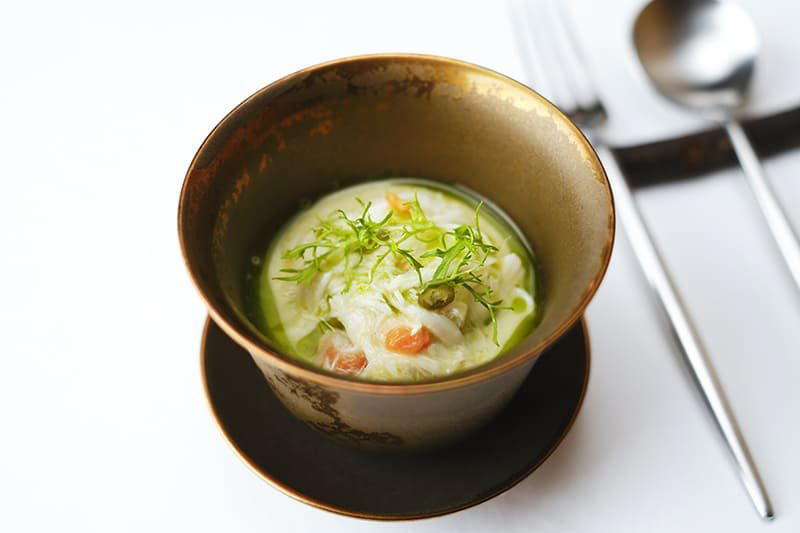
Cozy and inviting atmosphere with beautiful dish presentation.