
Nagasaki’s dumpling culture is compact, late-day, and closely tied to small rooms rather than grand dining rooms. Unryu Tei Honten belongs to that practical side of the city’s eating life: a 21-seat dumpling and cafeteria address near Shianbashi, selected for Tabelog 100 Dumplings in 2019, 2021, and 2024, with sake, shochu, counter seating, and take-out in the mix.
Pearl is the En Primeur Club membership app — saves, bookings, and concierge access live there. Same editors, same standards.
- Address
- 2-15 Motoshikkuimachi, Nagasaki, 850-0901, Japan
- Phone
- +81 95-823-5971
- Website
- tabelog.com
 Saves & bookings on Pearl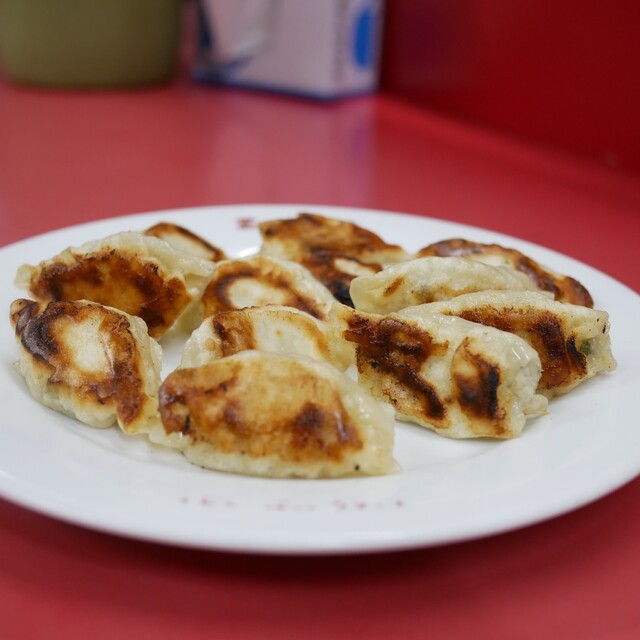
Around Shianbashi, Nagasaki’s evening appetite compresses into narrow streets, short walks, and rooms built for quick decisions. Dumplings fit that after-work, second-stop, solo-diner rhythm: no ceremony, just a counter seat that can matter as much as a reservation book. Unryu Tei Honten sits inside that tradition, a small dumpling and cafeteria address whose reputation comes from repetition, not theatre.
The useful way to read this Nagasaki table is through sourcing and format together. Dumplings are unforgiving: wrapper, filling, heat, and pacing must align in a narrow window. The ingredient story is less luxury produce than consistency and turnover. In a 21-seat room with counter seating and take-out, the model rewards a focused kitchen, a short eating arc, and food that moves quickly without becoming anonymous. A dumpling specialist can sometimes tell a sharper city story than a longer menu.
Small-room dumplings in a city shaped by port appetites
Nagasaki’s food culture is more porous than that of many Japanese cities. Chinese influence, port trade, and compact nightlife districts have produced a taste for casual, hybrid, practical food. The dumpling shop fits that logic: accessible, repeatable, suited to groups but not dependent on them. In this context, Unryu Tei Honten’s selection for Tabelog 100 Dumplings in 2019, 2021, and 2024 is meaningful because the category is narrow. It places the address in a national conversation about a specific craft, not a general restaurant popularity contest.
That matters in Nagasaki, where dining choices range from heritage Chinese rooms to beef-focused counters and neighborhood drinking food. Chinese cuisine GUNRAIKEN and Chinese Saikan Kozanro Chuukagai shinkan speak to the city’s Chinese dining inheritance, while Steak House Okano and Osaka Ya Hamachou ten sit in a far higher spend band. Dumplings occupy another lane: less formal, more immediate, and often more revealing of local eating habits. At the lower end, Kanro and Unryu Tei Douza ten show how compact budgets shape casual nights out; Hountei Honten Torifuku, in the same general dinner bracket as the target, points to the city’s appetite for unfussy evening food.
The sourcing angle is not about named farms or rare provenance. It is about supply discipline: wrappers that behave under heat, fillings that stay consistent service after service, and drinks that support rather than dominate. Sake and shochu are listed, putting the table in the Japanese casual-drinking register rather than the tasting-menu register. The pairing says what kind of night this is: compact, saline, social if needed, and easy to fold into a broader Shianbashi evening.
The counter format keeps the meal close to the craft
Counter seating changes how dumplings are judged. In a larger room, pace can blur; at a small counter, cooking and eating sit close together. The value is proximity, not luxury. A 21-seat configuration, with counter seats and tables, stays within the scale where a specialist can maintain rhythm. For solo diners, that matters. For families and friends, it keeps the meal informal without turning it into fast food.
The reservation picture clarifies the format. Reservations are unavailable, placing the experience closer to a walk-in neighborhood institution than a planned destination dinner. That can frustrate travelers who organize every meal weeks ahead, but it suits the food. Dumplings reward timing and turnover, and the listed take-out service extends that logic beyond the seat count. The note that the shop opens until sold out reinforces the point: supply and demand meet on the night, not through a long reservation funnel.
Price positioning is part of the judgment. Compared with Nagasaki’s higher-spend beef and Japanese dining options, this is a lower-commitment stop with a category credential. That is why it belongs in a serious Nagasaki eating plan. The choice is not luxury versus casual, but formats that explain different parts of the city. For a fuller read of those contrasts, Our full Nagasaki restaurants guide is the starting point, with planning context in Our full Nagasaki hotels guide, Our full Nagasaki bars guide, Our full Nagasaki wineries guide, and Our full Nagasaki experiences guide.
Where it fits in a Nagasaki eating day
A strong Nagasaki itinerary benefits from contrast. Bread and coffee at bread A espresso, a more contemporary table such as BEARD, or a traditional stop like Asa Honten all tell different appetite stories. The dumpling counter tells the evening story: small plates, drinks, and a room where a meal can be short without feeling secondary. Include it not because it replaces a long dinner, but because it explains another tempo.
For travelers mapping Japan through specific food formats, this address sits neatly beside other focused specialists across the country and beyond. The comparison is not culinary equivalence; it is how narrow formats reveal local demand. -Grilled beef Sukiyaki- KAMAKURA TANUKIAN 鎌倉 たぬき庵 in Kamakura frames beef through a set format,. 鮪と炭火焼き うお炭 秋葉原店 in Tokyo leans into tuna and charcoal,.cafe in Osaka shows the café end of urban eating,.know in Kumamoto belongs to another Kyushu context, (Shoku) Vietnam in Kawasaki reflects Japan’s broader casual international register, and [Curry Senmon Ten] Maruyama Kyoju. in Sapporo makes a similar case for specialization. Abroad, Jōdo Saké Bar in Los Angeles and Onigiri Time in Pasadena show how Japanese drinking and comfort-food formats travel, though Nagasaki’s version remains grounded in its own port-city habits.
The practical read is simple: treat Unryu Tei Honten as a focused dumpling stop in Shianbashi, not a sprawling dinner room. The no-private-room, non-smoking, children-welcome profile makes it approachable, while cash-only payment and no listed parking keep it old-school and plan-light. Its value lies in how much city context it delivers in a tight format: dumplings, drinks, counter energy, and national dumpling-category recognition attached to a small Nagasaki room.
Quick Comparison
Comparable venues by cuisine and price in the same metro.
| Venue | Cuisine | Price | Awards | Notes |
|---|---|---|---|---|
| Unryu Tei HontenThis venue — the venue you are viewing | Traditional Nagasaki bite‑sized gyoza shop | $$ | , | |
| ペッパーランチ | Japanese Pepper Steak Rice | $$ | , | 茂里町 |
| Primrose | Yoshoku / Japanese-Western Cuisine | $$ | , | Furukawa-machi / Meganebashi |
| bread A espresso | Dining | , | , | Nagasaki |
| Villa del nido | Regional Italian with Local Shimabara Ingredients | $$$ | Kunimi Town, Unzen | |
| Asa Honten | Izakaya / Creative Seafood | $$ | , | Sakuramachi / Ebisucho |
Continue exploring
More in Nagasaki
Restaurants in Nagasaki
Browse all →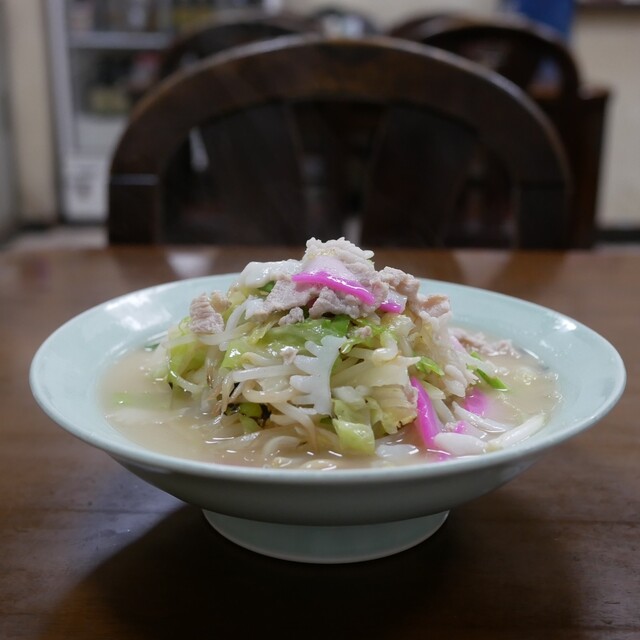
Hotels in Nagasaki
Browse all →
Wineries in Nagasaki
Browse all →
At a Glance
- Cozy
- Lively
- Classic
- Hidden Gem
- Intimate
- Solo
- Family
- Casual Hangout
- Late Night
- After Work
- Standalone
- Street Scene
A compact, old‑school gyoza joint with counter and a few small tables, typically busy from early evening, creating a lively but relaxed neighborhood feel rather than a formal dining atmosphere.