
Tabelog 100 #33
Our verdict
Chinese Saikan Kozanro Chuukagai shinkan sits in Nagasaki Shinchi Chinatown, where Chinese cooking is less an import than part of the city’s port identity. The draw is practical rather than ceremonial: Chinese dishes and champon noodle soup at a modest price tier, backed by selection for Tabelog 100 Chinese WEST 2026 and a large-format room that can handle families and groups.

Pearl is the En Primeur Club membership app, where members save venues, book tables and use the concierge.
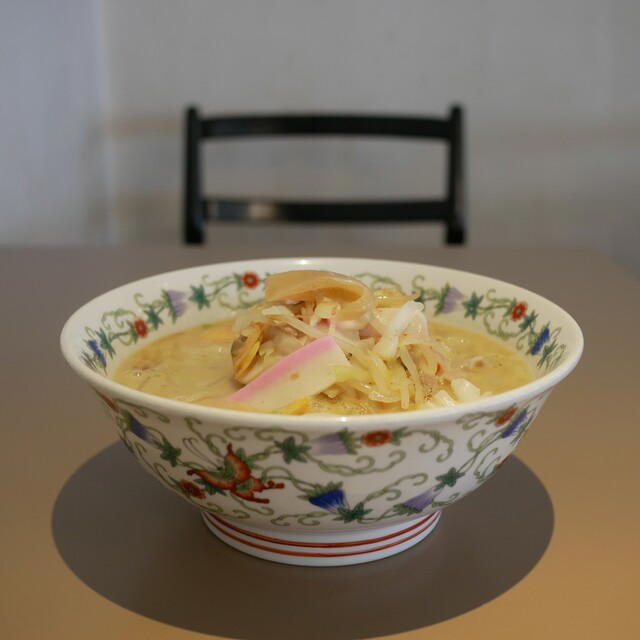
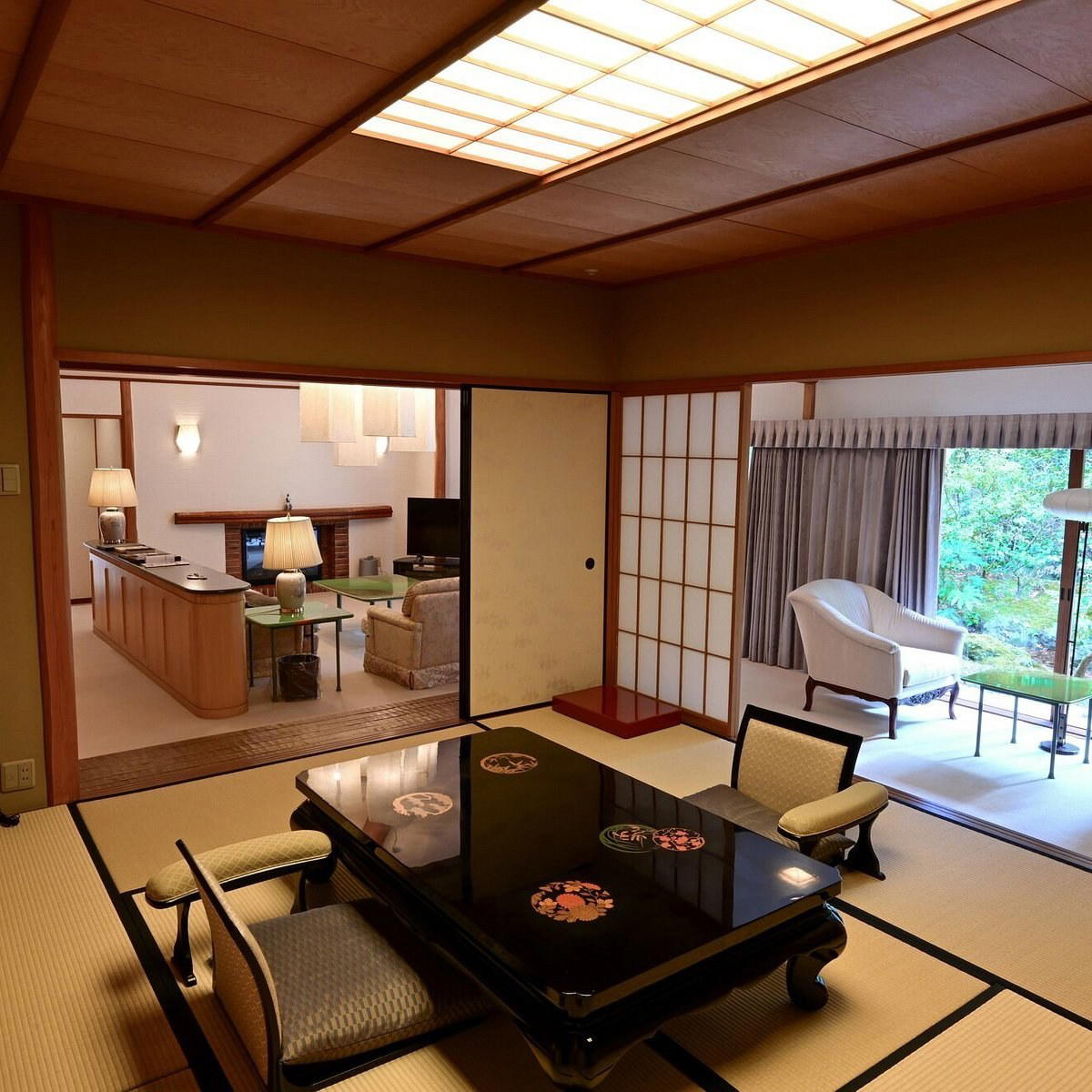
Approaching Nagasaki Shinchi Chinatown from the tram stop, the neighbourhood announces itself before any menu: gates, lantern colour, tour groups, school-trip energy, and the compressed rhythm of a port city that has long treated Chinese cooking as local inheritance, not foreign novelty. In that setting, Chinese Saikan Kozanro Chuukagai shinkan belongs to a tradition built around appetite, scale, and accessibility. This is not Japan’s hushed luxury counter culture, but a Chinatown dining room with 156 seats, counter seating, private rooms, tatami and sunken seating, and a format for families, friends, take-out, and banquet courses.
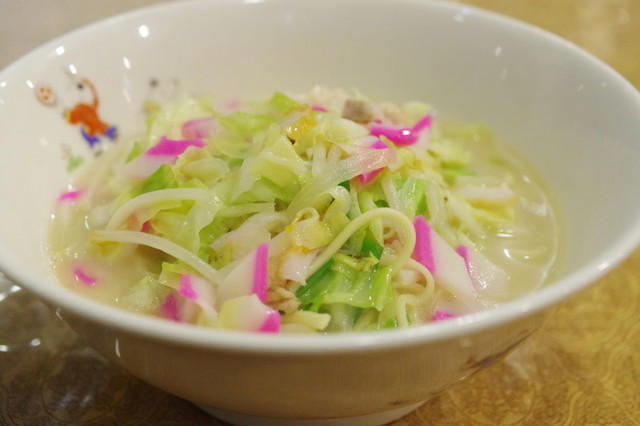
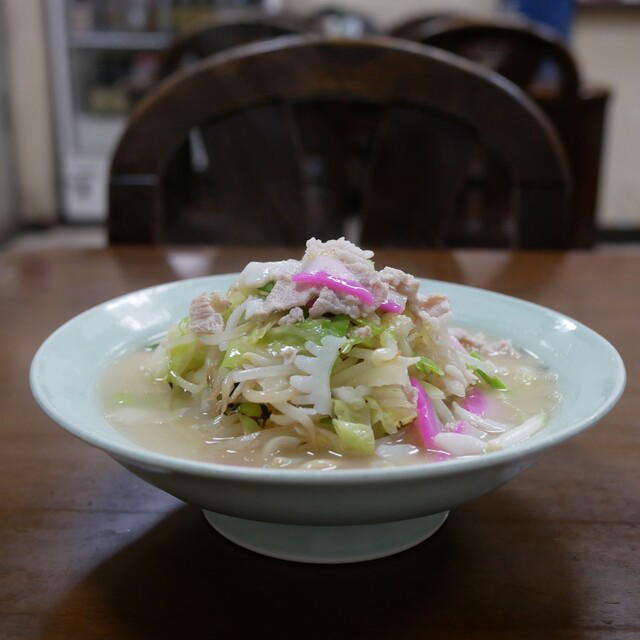
Nagasaki’s Chinese food matters because history made the city different from other Japanese regional food capitals. During Japan’s long period of restricted foreign contact, Nagasaki remained a rare exchange point with China and the Netherlands. The result was not only historical buildings but a local table shaped by trade, migration, and adaptation. Champon, one of the city’s defining dishes, sits inside that story: Chinese technique and ingredients reframed through Nagasaki’s everyday appetite. A restaurant classified as Chinese and champon noodle soup therefore carries more weight here than the same category would in many Japanese cities.
Chinatown cooking where champon is part of the city's working grammar
The ingredient story begins with the port. Seafood, vegetables, noodles, pork, and Chinese pantry logic have long intersected here in a civic rather than imported way. Champon is the clearest expression: a dish category built to feed people fully, not perform delicacy. That makes the city’s Chinese restaurants useful for travellers who want to understand Nagasaki through a meal locals recognise, rather than a tasting-menu abstraction.
Chinese Saikan Kozanro Chuukagai shinkan sits in the lower everyday bracket for a recognised restaurant, with lunch and dinner listed at JPY 1,000 to JPY 1,999. In Nagasaki, Chinatown cooking can be culturally central without special-occasion pricing. Against city comparison venues, the range aligns with Unryu Tei Douza ten and sits below Chinese cuisine GUNRAIKEN and Hountei Honten Torifuku, both listed at JPY 2,000 to JPY 2,999. Kanro is cheaper, in a sub-JPY 999 tier, but the larger Chinatown dining-room format changes the decision: choose this when scale, seating flexibility, and a broader Chinese menu matter as much as a quick bowl or snack stop.
The Tabelog 100 Chinese WEST 2026 selection gives the address a measurable signal in a category where reputation often travels by local habit rather than international awards. Its Tabelog score is 3.68, and the listing has also carried Tabelog Chinese WEST 100 selections for 2024 and 2023. These are useful markers, not reasons to overstate the room. The appeal is that a modestly priced Chinatown restaurant has enough consistency and recognition to sit inside a regional Chinese-cuisine selection while staying accessible to casual Nagasaki itineraries.
A large-room format, not a chef-counter performance
Japan’s restaurant culture often rewards tiny rooms and reservation theatre, but Nagasaki Chinatown works by a different social code. Group dining, family meals, and banquet rooms are part of the category. Here, private rooms range from small-party rooms to larger halls, and maximum seated party size is listed at 130. Course meals are the channel for private-room and banquet use, with reservations required at least one day ahead and a minimum of four adults. Regular seating is not framed around that structure, making the venue more flexible than Japan’s hard-to-access counter restaurants.
That scale matters for travellers. It makes the restaurant practical for mixed-age groups, visitors with children, or parties needing a non-smoking Chinese dining room in Chinatown rather than a narrow specialist counter. Children are welcome, payment coverage is broad, and take-out is available. Drinks lean Japanese rather than cocktail-driven, with sake and shochu listed, fitting the local rather than hotel-dining tone.
There are sharper, narrower ways to eat in Nagasaki. Chinese cuisine GUNRAIKEN offers another Chinese reference point, while Asa Honten, BEARD, bread A espresso, and Coffee Fujio show how varied the city’s casual and destination-leaning food map can be. Read this address not as a singular trophy table, but as a reliable Chinatown anchor: recognisable cuisine, a city-specific dish category, and room for real-world travel logistics.
How to place it within a Nagasaki itinerary
The location does much of the work. Shinchi Chinatown is central to first-time Nagasaki eating, and the nearest tram point is Shinchi Chinatown Station. The restaurant is also within walking range of the district’s main sightseeing flow, making it easy to fold into a day including Dejima, the waterfront, or tram-linked neighbourhoods. There is no dedicated or contracted parking, so rail, tram, bus, taxi, or a nearby paid lot are more sensible than planning around a private car.
Hours are split between lunch and dinner, with weekend and public-holiday lunch opening earlier than weekday lunch. Monday and Tuesday closures are listed in the current summary, so do not leave it until the final night without checking the weekly rhythm. Last orders may come earlier during busy periods or when items sell out, a common reality in popular Japanese restaurants: go earlier for lunch, or treat dinner as a planned stop rather than a late fallback.
For a wider city read, use Our full Nagasaki restaurants guide alongside Our full Nagasaki hotels guide, Our full Nagasaki bars guide, Our full Nagasaki wineries guide, and Our full Nagasaki experiences guide. Readers extending the Japan food map can compare category-led regional dining with -Grilled beef Sukiyaki- KAMAKURA TANUKIAN 鎌倉 たぬき庵 in Kamakura. 鮪と炭火焼き うお炭 秋葉原店 in Tokyo.cafe in Osaka.know in Kumamoto, (Shoku) Vietnam in Kawasaki, and [Curry Senmon Ten] Maruyama Kyoju. in Sapporo. Outside Japan, Jōdo Saké Bar in Los Angeles and Onigiri Time in Pasadena show how Japanese dining categories translate in a different market.
The editorial case is clear: this is a Nagasaki Chinatown restaurant for travellers who want the city’s Chinese-derived food culture in an easy, group-friendly format, not a rarefied tasting counter. Award recognition sharpens the choice, but the real value lies in the fit between place, price, and tradition.
Frequently asked questions
Is Chinese Saikan Kozanro Chuukagai shinkan expensive?
Pricing at Chinese Saikan Kozanro Chuukagai shinkan is listed as JPY 1,000 - JPY 1,999 JPY 1,000 - JPY 1,999.
Where exactly is Chinese Saikan Kozanro Chuukagai shinkan?
Chinese Saikan Kozanro Chuukagai shinkan is located in Nagasaki.
What are the opening hours for Chinese Saikan Kozanro Chuukagai shinkan?
Hours at Chinese Saikan Kozanro Chuukagai shinkan: Mon: Closed; Tue: Closed; Wed: 11:30 AM–3 PM, 5–8:30 PM; Thu: 11:30 AM–3 PM, 5–8:30 PM; Fri: 11:30 AM–3 PM, 5–8:30 PM; Sat: 11 AM–3 PM, 5–8:30 PM; Sun: 11 AM–3 PM, 5–8:30 PM.
What's the signature at Chinese Saikan Kozanro Chuukagai shinkan?
The clearest order of interest is champon noodle soup, since the venue is categorised for Chinese and Champon noodle soup. It also carries Tabelog 100 Chinese cuisine WEST 2026 recognition, which is the strongest external signal on the listing.
Can Chinese Saikan Kozanro Chuukagai shinkan accommodate dietary restrictions?
The listing confirms course meals, banquet use, and reservations handled through the Kozanro Customer Center at 095-824-5000. For specific dietary requests, that is the point of contact to discuss them before planning a meal at 13-13 Shinchimachi, Nagasaki.
Is Chinese Saikan Kozanro Chuukagai shinkan suitable for children?
Yes. the public record says children are welcome, and the 156-seat room includes counter seating as well as larger dining areas, which suits family groups in Nagasaki’s Shinchi Chinatown. Check the venue's official channels for the latest details.
Snapshot
Nearby venues at a similar price tier for orientation.
| Venue | Cuisine | Price | Awards | Notes |
|---|---|---|---|---|
| Chinese Saikan Kozanro Chuukagai shinkanThis venue (the venue you are viewing) | Traditional Nagasaki Chinese (Champon & Sara Udon) | $20–30 | Tabelog 100 #33 | Not listed |
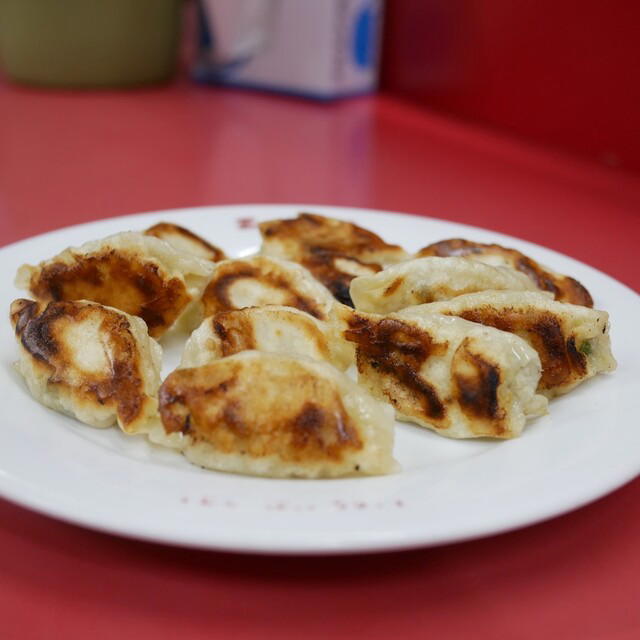
| Unryu Tei Honten | Traditional Nagasaki bite‑sized gyoza shop | $20–30 | Tabelog 100 #5 | Shianbashi |
| Kanro | Chinese Noodle House | $1–10 | Tabelog 100 #4 | Shianbashi |
| 竹彩 | 鉄板焼き | $50–100 | Not listed | 秋月町 |
| Osaka Ya Hamachou ten | Premium Kyushu Wagyu Yakiniku | $50–100 | Tabelog 100 #92 | Shianbashi / Hamanomachi |
| Hountei Honten Torifuku | Traditional Nagasaki gyoza & karaage izakaya | $10–20 | Tabelog 100 #35 | Dozamachi |
Recognition history
Dated appearances from independent guides and award organizations, with the underlying list record or original source where available.
Tabelog 100 #33 · No. 33
Tabelog · Tabelog 100 - Chinese cuisine - WEST - 2026
Continue exploring
More in Nagasaki

Details
- Classic
- Lively
- Well Known
- Family
- Group Dining
- Casual Hangout
- Celebration
- Solo
- Standalone
- Historic Building
- Beer Program
- Street Scene
- A La Carte
- Family Style
- Beer
Current opening hours
- Monday
- Closed
- Tuesday
- Closed
- Wednesday
- 11:30 AM–3 PM, 5–8:30 PM
- Thursday
- 11:30 AM–3 PM, 5–8:30 PM
- Friday
- 11:30 AM–3 PM, 5–8:30 PM
- Saturday
- 11 AM–3 PM, 5–8:30 PM
- Sunday
- 11 AM–3 PM, 5–8:30 PM
Hours can change for holidays and private events. Hours as of .
Bustling multi‑level Chinatown restaurant with bright, practical interiors and high table turnover, more like a busy classic Chinese banquet hall than an intimate dining room.