


1 Michelin Star · Guía Repsol 1 Sol
Our verdict
Barro holds a Michelin star in Ávila's modest but growing fine-dining scene, operating from a 200-year-old flour warehouse beside the River Adaja. Chef Carlos Casillas runs two tasting menus built entirely around the region's seasonal producers, with a zero-waste kitchen philosophy and house-made crockery that places the restaurant firmly inside Spain's most rigorous hyper-local cooking tradition.

Pearl is the En Primeur Club membership app — saves, bookings, and concierge access live there. Same editors, same standards.
- Address
- Ctra. Salamanca, 4, 05002 Ávila, Spain
- Phone
- +34 680 25 03 43
- Hours
- Mon–Wed ClosedThu 8–11:30 PMFri–Sat 1–4:30 PM, 8–11:30 PMSun 1–4:30 PM
- Website
- barrorestaurante.es
- Directions
- Get directions
- Booking
- Book on TheFork
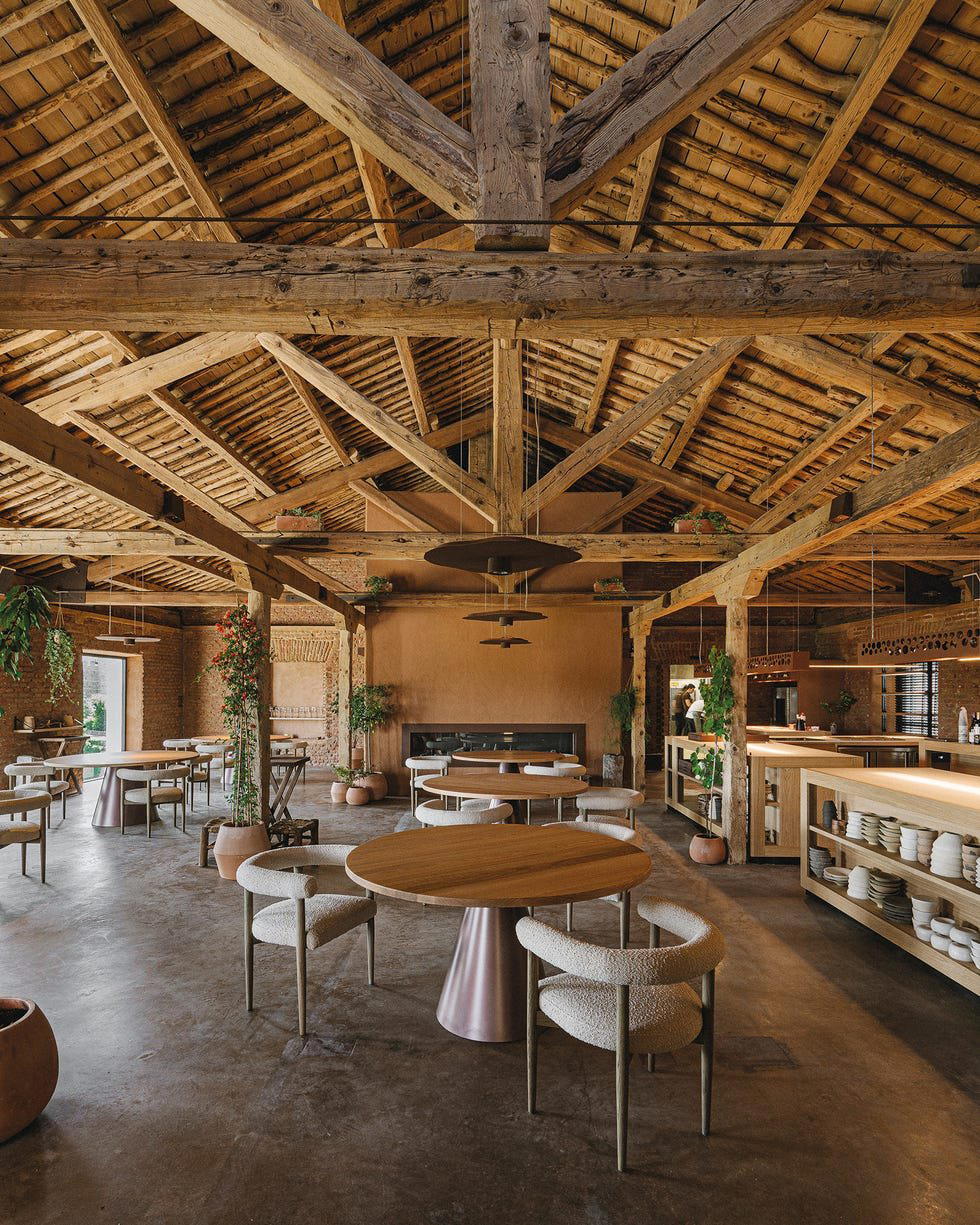
A Flour Warehouse Beside the Adaja
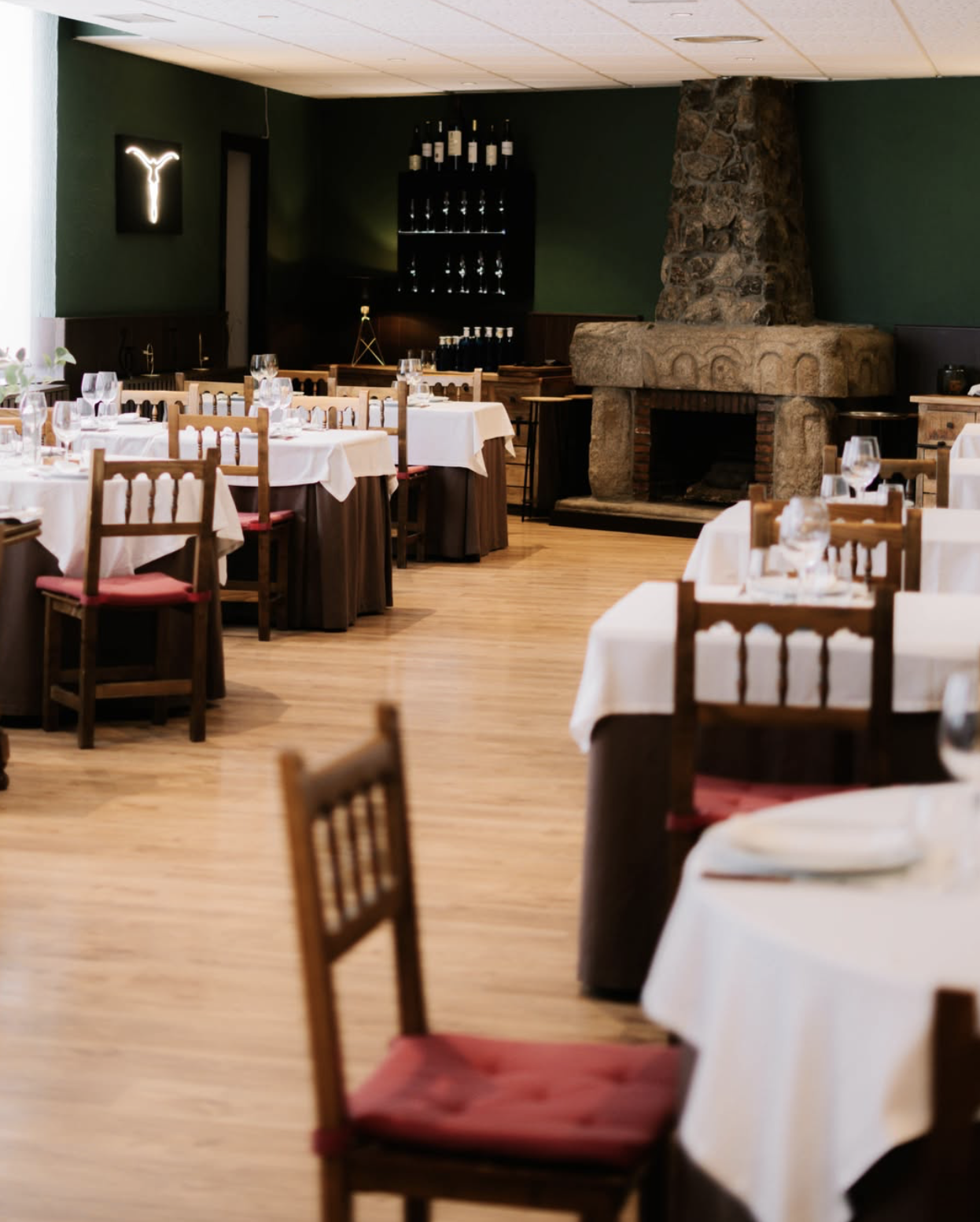
The building tells part of the story before a dish arrives. A 200-year-old warehouse that once stored flour on the Salamanca road out of Ávila has been refurbished into a dining room where the kitchen is visible from every seat and the far windows frame the city's medieval walls across the River Adaja. That physical relationship between the room and the city beyond it is not incidental: the view is a provocation, a reminder of what the cooking is accountable to. Spain's most serious regional restaurants have long understood that the setting must do editorial work, and at Barro the architecture earns its keep.
Ávila sits at over 1,100 metres above sea level on the Castilian meseta, which gives it a growing season shaped by altitude and temperature swing rather than abundance. The crops, livestock, and foragers operating within reach of the city produce ingredients that carry that austerity in their flavour profile. This is not the market richness of a Mediterranean port city; it is something harder-edged and more specific. The restaurant's Michelin star, awarded in 2024, recognises a kitchen that has found a way to work within those constraints rather than import around them.
Where the Food Comes From and Why That Matters
The sourcing framework at Barro positions it inside a strand of Spanish creative cooking that has been gaining institutional recognition for most of the past decade. Operations like Azurmendi in Larrabetzu and Aponiente in El Puerto de Santa María have established that a Michelin-level creative kitchen can be anchored in hyper-local ecology without sacrificing technical ambition. Barro operates in that tradition, applied to the Castilian plateau rather than the Basque hills or the Bay of Cádiz.
The key commitments here are ecological sourcing, a zero-waste kitchen philosophy, and active support for small-scale local producers. These are not marketing descriptors but structural constraints on what gets cooked. A zero-waste philosophy at the kitchen level means that sourcing decisions ripple through every preparation: an ingredient taken from a small producer carries an obligation to use it in full, which in turn drives the kind of inventiveness that tasting menu cooking requires. The crockery, made by local artisans, extends that logic to the tableware itself. The supply chain, in other words, runs in both directions.
This model of producer-embedded cooking has a different risk profile from the one that applies to kitchens drawing from consolidated national suppliers. When a single small producer's season runs short or an ingredient fails, the menu evolves. The framing used internally, cooking the past from the present but with an eye on the future, captures that temporality accurately: dishes are records of what the land around Ávila is doing at a given moment, not fixed signatures replicated across service weeks. For the diner, this means that a meal in March and a meal in September at Barro are substantially different experiences, not just in garnish but in structure.
Two Menus, One Argument
The tasting menu format splits into two options, Querer and Quererse, both described by the kitchen as a naturalistic minimalist approach to Barro cuisine. The name of the restaurant is also the Spanish word for clay or mud, a choice that aligns with the zero-waste, grounded-in-place identity of the cooking. Spain's leading creative tables have historically offered single tasting menus at the €€€€ tier, so the decision to run parallel formats gives a degree of flexibility that kitchens like DiverXO in Madrid or El Celler de Can Roca in Girona do not typically offer at their respective price points. Both menus are designed around the idea of food as a live ecosystem, with dishes structured to reflect seasonal change and the year's natural and human-shaped events in the Ávila area.
The constantly evolving menu structure means Barro sits closer to the research-kitchen model associated with Mugaritz in Errenteria than to the classical repertoire maintained at Arzak in San Sebastián. Both are valid approaches, but they produce different relationships between the kitchen and its guests. At Barro, returning visitors are offered a record of elapsed time rather than a confirmation of a known experience.
Barro in the Context of Ávila's Dining Scene
Ávila is not a city that appears on Spain's fine-dining itineraries as a destination in its own right, which makes the 2024 Michelin star a signal worth reading carefully. Cities like San Sebastián and Girona developed their reputations across decades and across multiple awarded tables. Ávila's restaurant culture runs smaller and more traditionally focused: roast suckling pig and Castilian lamb are the reference points that most visitors arrive with. Barro does not compete on those terms. It operates in a different register entirely, and in doing so it represents the most technically ambitious dining available in the city.
For a more traditional frame on Ávila dining, El Almacén offers a point of comparison in the traditional cuisine register, while Caleña fills a different segment of the local scene. A broader orientation to the city's food and drink options is available through our full Ávila restaurants guide, and for those extending the trip, our Ávila hotels guide, bars guide, wineries guide, and experiences guide cover the city's wider offer.
The European context for this kind of creative, sourcing-led cooking is well established. Tables like Arpège in Paris have been running producer-embedded tasting menus for decades, and Alléno Paris au Pavillon Ledoyen represents a different strand of the same creative category. Within Spain, Quique Dacosta in Dénia and Martin Berasategui in Lasarte-Oria occupy higher award tiers in the same creative bracket, while Cocina Hermanos Torres in Barcelona shows what a three-star creative kitchen looks like at a larger scale. Barro, as a one-star operation in a secondary city, is a different proposition: it is where that tradition begins rather than where it arrives.
Planning a Visit
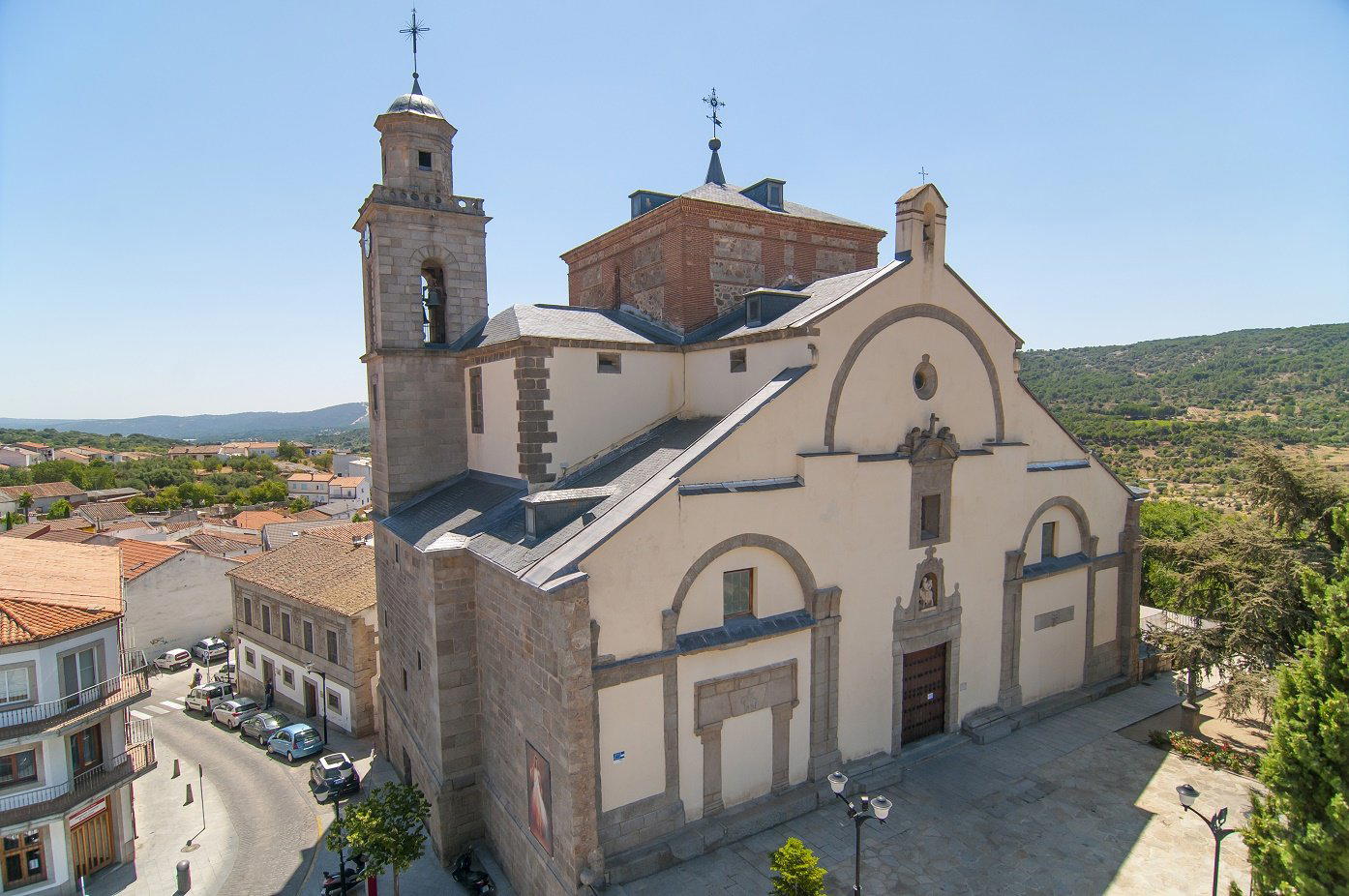
The restaurant sits on the Carretera de Salamanca on the edge of Ávila, at the address Ctra. Salamanca, 4, which places it on the western approach road out of the city centre, a short distance from the walls. The price tier at €€€€ reflects the tasting menu format and positions it at the top of Ávila's dining market. Reservations at one-star kitchens of this type in Spain typically book out several weeks ahead, particularly at weekends, so planning well in advance is sensible for anyone with fixed travel dates.
Frequently asked questions
What dish is Barro famous for?
Barro holds a Michelin star (2024) for creative tasting menu cooking under chef Carlos Casillas, but the kitchen does not operate around fixed signature dishes. The menus, Querer and Quererse, evolve constantly to reflect seasonal and territorial changes in the Ávila area. Returning guests encounter different preparations each time; the through-line is the sourcing philosophy and the Castilian territorial focus rather than a single repeated dish.
Is Barro formal or casual?
Ávila is a mid-sized Castilian city without the formal fine-dining culture of Madrid or San Sebastián, and Barro's setting in a refurbished warehouse signals a room that is serious without being stiff. The €€€€ price point and tasting menu format mean this is occasion-level dining rather than a casual dinner, and guests should dress accordingly, but the kind of rigid dress codes associated with older grand restaurants are not part of the kitchen's identity. The Michelin recognition confirms the technical ambition; the building and the sourcing philosophy confirm that the register is contemporary rather than traditional.
Would Barro be comfortable with kids?
The €€€€ tasting menu format and the deliberate, multi-course pacing make Barro a difficult fit for young children. In Ávila's price context, this is the city's most ambitious and expensive restaurant, and the two-menu structure is designed around sustained engagement with evolving, territorially specific cooking. Older children with an appetite for that format would be accommodated by the setting, but the experience is not structured around flexibility or shorter sittings.
In Context: Similar Options
| Venue | Cuisine | Price | Awards |
|---|---|---|---|
| BarroThis venue — the venue you are viewing | Modern Spanish Creative Tasting | $150–200 | 1 Michelin Star · Guía Repsol 1 Sol |
| Aponiente | Progressive - Seafood, Creative | Not listed | Michelin 3 Star |
| Arzak | Modern Basque, Creative | Not listed | Michelin 3 Star |
| DiverXO | Progressive - Asian, Creative | Not listed | Michelin 3 Star |
| El Celler de Can Roca | Progressive Spanish, Creative | Not listed | Michelin 3 Star |
| Quique Dacosta | Creative | Not listed | Michelin 3 Star |
Recognition history
Dated appearances from independent guides and award organizations, with the underlying list record or original source where available.
Michelin 1 Star
Michelin
Guía Repsol 1 Sol
Guía Repsol
Opinionated About Dining Newly Added European Restaurants
Opinionated About Dining
Full recognition history (7 entries)
Opinionated About Dining Top New Restaurants in Europe Ranked #11
Opinionated About Dining
Opinionated About Dining Top Restaurants in Europe Recommended
Opinionated About Dining
Michelin 1 Star
Michelin
Michelin 1 Star
Michelin

Details
- Minimalist
- Elegant
- Intimate
- Scenic
- Date Night
- Special Occasion
- Open Kitchen
- Terrace
- Panoramic View
- Historic Building
- Extensive Wine List
- Farm To Table
- Local Sourcing
- Skyline
- Tasting Menu
Current opening hours
- Monday
- Closed
- Tuesday
- Closed
- Wednesday
- Closed
- Thursday
- 8–11:30 PM
- Friday
- 1–4:30 PM, 8–11:30 PM
- Saturday
- 1–4:30 PM, 8–11:30 PM
- Sunday
- 1–4:30 PM
Hours can change for holidays and private events. Last verified .
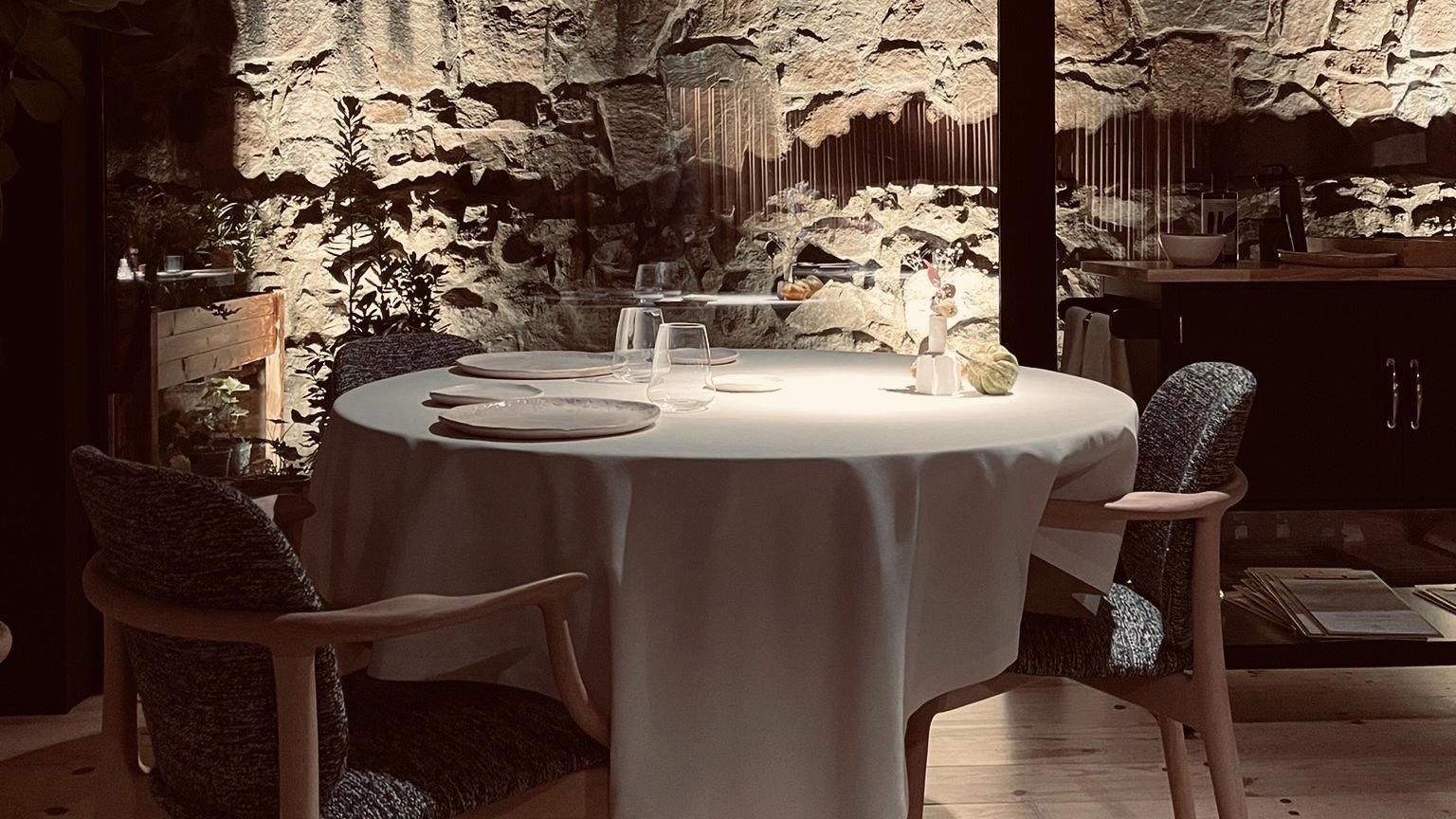
Minimalist and organic style in an old mill with visible open kitchen, cozy terrace for appetizers, and panoramic views of Ávila's walls.