
Tabelog 100 #47
Our verdict
Kobe’s steak culture is not only about ceremonial teppanyaki counters and luxury beef rooms. Propeller sits in the city’s more relaxed steak-and-yoshoku lane, with Tabelog 100 Steak / Teppanyaki WEST selection in 2024 and 2025, an 18-seat room, wine on the drinks list, and a price band that keeps it below the city’s grander beef rituals.

Pearl is the En Primeur Club membership app — saves, bookings, and concierge access live there. Same editors, same standards.
The menu
What to order
- Kobe beef steak
- Wagyu steak
- Special sauce
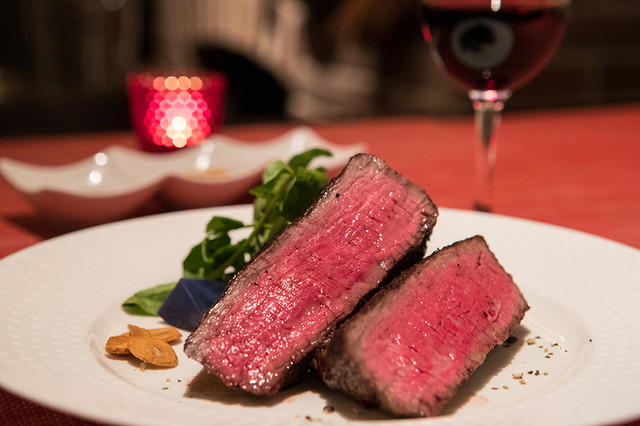
Approaching Kobe’s dining scene, the beef conversation shifts quickly. The city offers polished counter theatre, hotel dining rooms, and visitor-facing steak set menus, but also a smaller everyday steak culture built around yoshoku: Western-style Japanese cooking, rice-and-sauce comfort, and a rhythm often less formal than teppanyaki temples. Propeller belongs to that lane. The useful framing is not a highly scripted luxury ritual, but a Kobe steak address where yoshoku helps explain the appeal: beef as civic identity, handled without making dinner feel purely ceremonial.
That distinction matters where steak is often sold as spectacle. Teppanyaki has its grammar: counter, iron plate, sequence of cuts, chef’s hands in view. Yoshoku steak works differently: less about watching cooking unfold than receiving the plate as a complete proposition, with Western influence filtered through Japanese portioning, seasoning, and service tempo. Propeller’s 2025 Tabelog Hyakumeiten recognition in a steak-and-teppanyaki context places it in a regional conversation spanning formal iron-plate dining and casual steak houses, but its steak and yoshoku category is the more useful clue for deciding what kind of meal this is.
Kobe steak without the counter-performance script
The dining ritual is better read as an everyday Kobe steak-and-yoshoku meal than a destination tasting format, making it a useful counterpoint to more ceremonial premium beef addresses elsewhere in the city, where steak can be framed through a more explicit specialist lens. Propeller’s appeal is personal rather than theatrical, and the category itself changes the social contract. Conversation need not revolve around every grill movement, and the meal works for diners who want the beef to remain central without asking everyone to perform reverence toward it.
Kobe’s yoshoku tradition also explains the price logic. Dinner at JPY 5,000 to JPY 5,999 and lunch at JPY 2,000 to JPY 2,999 place it above the lightest casual stops, but below the city’s more ceremonial beef rooms. That middle position is not automatically a compromise. In a city whose name is closely associated with beef, less theatrical steak rooms can show how diners fold steak into ordinary urban dining rather than occasion-only spending.
The Tabelog score of 3.63 is another signal. In Japan, where user scoring is often conservative, a mid-three score paired with Hyakumeiten recognition can carry more weight than the number may suggest to travelers used to inflated review economies. The recognition is specific to a steak-and-teppanyaki context, judging the restaurant within a relevant competitive frame rather than unrelated fine-dining genres.
Yoshoku as Kobe's quieter beef language
Yoshoku is sometimes misread by visitors as secondary, when it is one of Japan’s durable urban food traditions. It grew from Western dishes adapted to Japanese dining habits: sauces, rice as a natural partner, cutlets and steaks absorbed into everyday restaurant culture. In Kobe, that tradition has extra resonance because Western-style cooking sits comfortably alongside the city’s broader restaurant culture. The result is a dining grammar that can feel casual while still carrying clear culinary identity.
Propeller’s reputation is best described through the facts available: steak, yoshoku, and 2025 Tabelog Hyakumeiten recognition. There is no need to force personal mythology onto the restaurant. The broader point is sharper: Kobe’s beef identity is not a single luxury script. A traveler can spend heavily on branded wagyu performance, or read the city through restaurants that make steak part of a less formal meal. The latter often gives a clearer view of how the city eats when not presenting itself only through ceremony.
Other Kobe dining makes the point by contrast. Coffee rooms, casual counters, and specialist kitchens show how the city mixes local routines with visitor traffic. Among comparison venues in Kobe, budget entries such as Comme Chinois, CAFE KESHiPEARL, Kinton Koube ten, and SAVOY occupy lighter price territory, while Stand Classic sits closer to a drinks-and-dinner bracket. Propeller’s steak focus and Hyakumeiten recognition put it in a more defined beef category than those everyday stops.
How to read the experience before choosing it
The restaurant suits diners wanting Kobe steak culture without formal counter stiffness. It also fits travelers who have booked one high-ceremony beef meal and want a second, looser reading of the city’s steak habits. Rather than reading Propeller as a luxury substitute, it is better understood as a Kobe steak-and-yoshoku address whose value lies in a more direct, less theatrical dining register.
Reservation behavior should be approached pragmatically. The Tabelog record provides a phone contact, and the restaurant’s recognition gives travelers a reason to plan rather than assume a table will be easy at peak times. Dinner sits in a relaxed steak bracket, while lunch pricing makes the room accessible for a different kind of Kobe itinerary. Either way, early decisions are smarter when building a day around a specific restaurant.
Readers mapping Japan’s broader casual-specialist dining culture may compare formats with other dining rooms in Japan and abroad. The through-line is format: how much ceremony a meal demands, how much price follows from that ceremony, and whether the room lets food remain part of the city rather than a performance staged for it.
Frequently asked questions
What's the price range at Propeller?
Pricing at Propeller is listed as JPY 5,000 - JPY 5,999 for dinner and JPY 2,000 - JPY 2,999 for lunch.
Where is Propeller in Kobe?
Kobe.
How hard is it to get a table at Propeller?
Propeller has 2025 Tabelog Hyakumeiten recognition in a steak-and-teppanyaki context, so advance planning is the sensible approach for travelers building a meal around it.
What has Propeller built its reputation on?
Propeller is listed for steak and yoshoku, and it has 2025 Tabelog Hyakumeiten recognition. That combination points to a Kobe dining room where steak and Japanese Western cooking carry the focus.
How does Propeller handle allergies?
The listing does not spell out a formal allergy protocol, so direct contact is the practical route. The reservation line is 078-862-3972.
Is Propeller a family-friendly restaurant?
The supplied listing does not provide a specific family policy. Check the venue's official channels for the latest details before visiting with children.
Cuisine and Awards Snapshot
Comparable venues at a glance for context.
| Venue | Cuisine | Price | Awards | Notes |
|---|---|---|---|---|
| PropellerThis venue (the venue you are viewing) | Kobe Steakhouse | $30–50 | Tabelog 100 #47 | Not listed |
| Ito Grill | Classic Kobe yoshoku & charcoal‑grilled Kobe beef | $100–150 | Tabelog 100 #91 | Chūō |
| KOKUBU Steak House | Kobe Beef Teppanyaki | $100–150 | Not listed | Chūō |
| enoteca ber ber bar | Natural Wine Bar / Seasonal Bistro | $50–100 | Tabelog 100 #69 | Chūō |
| LAGUNA THE BAR | Classic Japanese cocktail bar | $30–50 | Tabelog 100 #72 | Chūō |
| Yakiniku Zen | Traditional Kobe Yakiniku | $50–100 | Tabelog 100 #37 | Chūō |
Recognition history
Dated appearances from independent guides and award organizations, with the underlying list record or original source where available.
Tabelog 100 #47 · No. 47
Tabelog · Tabelog 100 - Steak / Teppanyaki - WEST - 2025
Continue exploring
More in Kobe
Restaurants in Kobe
All restaurants in Kobe →

Bars in Kobe
Browse all →




Details
- Trendy
- Cozy
- Industrial
- Well Known
- Date Night
- Group Dining
- Celebration
- Special Occasion
- Design Destination
- Standalone
- Beer Program
- Local Sourcing
- Street Scene
- Prix Fixe
- Set Menu
- Beer
Rustic and unassuming with a quirky Americana theme, faux-brick fireplace, and a hidden-gem feel.