

A canto occupies a specific and considered position within Osaka's Italian dining tier: a counter-style room in Chuo Ward where handmade pasta, built on a foundation of Florence's Enoteca Pinchiorri, meets the seasonal instincts of Kansai. The bavettine with dried mullet roe and lime has been a fixture long enough to function as a house signature. Rated 4.8 on Google across 46 reviews, it sits at the ¥¥¥ price point.
Pearl is the En Primeur Club membership app — saves, bookings, and concierge access live there. Same editors, same standards.
- Address
- 3 Chome-1-10 Uchikyuhojimachi, Chuo Ward, Osaka, 540-0013, Japan
- Phone
- +81 6-7175-6383
- Website
- a-canto.com
- Directions
- Get directions
 Saves & bookings on Pearl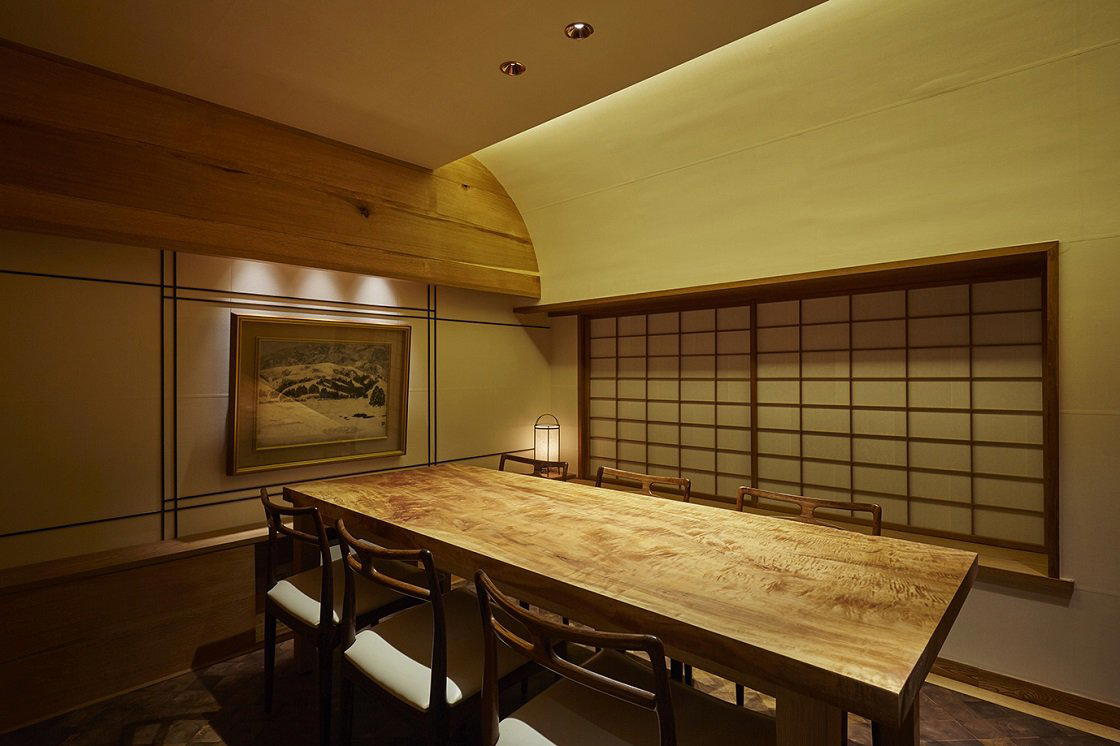
Italian Regionalism, Refracted Through Osaka
Italy's regional cooking traditions travel differently. Roman pasta culture, with its economy of ingredients and structural precision, tends to survive export intact. Tuscan cuisine, reliant on local olive oil, aged Florentine beef, and the surrounding Chianti, loses something when removed from its source. Neapolitan pizza, by contrast, has become so globalised that its regional identity is now defined more by rules and certifications than by geography. What happens when a chef trained at the centre of Tuscan fine dining, Florence's Enoteca Pinchiorri, sets up in Osaka is neither a faithful recreation nor a clean departure. A canto, on Uchikyuhojimachi in Chuo Ward, represents something more specific: a Japanese interpretation of Italian craft that has absorbed Kansai's seasonal sensibility without abandoning the technical foundations laid in one of Italy's most formally rigorous kitchens.
Enoteca Pinchiorri is the frame of reference that matters here. The Florence institution has carried three Michelin stars, an extraordinary wine cellar, and a reputation for precise, classical Italian cooking across decades. Its pasta department, which the chef at a canto once led, is where the technical vocabulary was formed. That training is Tuscan in origin, but it is not bound to Tuscan ingredients or Tuscan convention. What it produces, when applied to Japanese produce and Kansai seasonality, is a dining register that sits between European rigour and Japanese restraint.
The Pasta Standard, in Context
Osaka's Italian dining scene is more established than the city's reputation as a kuidaore town, defined by kushikatsu, takoyaki, and ramen, might suggest. Italian restaurants sit across multiple price points in Chuo Ward and the surrounding areas, ranging from casual neighbourhood trattorias through to the ¥¥¥¥ tier occupied by French-leaning tasting menus. A canto at ¥¥¥ places itself in the upper-middle bracket, where competition includes other European-trained operations. What distinguishes the stronger rooms in this tier is pasta: specifically, whether the kitchen treats it as a craft discipline or as a vehicle for sauce.
At a canto, handmade pasta carries the weight of the menu's identity. The bavettine with dried mullet roe and lime, a dish that has remained on the menu long enough to become a signature, is the clearest expression of how the kitchen works. Bottarga, or dried mullet roe, is an ingredient with deep Italian provenance, used along the coasts of Sardinia and Sicily and in pockets of Calabria and Lazio. Pairing it with lime rather than the more conventional lemon shifts the acid profile toward something brighter and more aromatic, a small but deliberate edit. The presentation, arranged to suggest a mimosa flower in bloom, adds a visual intelligence that reflects a kitchen comfortable with refinement without needing to announce it.
This is where the regional identity angle becomes instructive. The dish is not Tuscan, Neapolitan, or Roman in any strict sense. It draws on a pan-Italian ingredient tradition, a Florentine technical grounding, and a Japanese aesthetic sensibility around presentation and seasonality. The result is a style of Italian cooking that belongs more to the category of serious Japanese-Italian than to any specific Italian region, a category that has grown in credibility across Japan's major cities over the past two decades.
Placement in Osaka's European Table
For context on Osaka's broader fine dining tier, the city's Michelin-starred European operations include French rooms like La Cime (two stars) and Hajime (three stars), alongside innovative formats such as Fujiya 1935 (two stars). Italian cooking at the highest recognition level is less represented in Osaka's Michelin list than French, which reflects a broader pattern across Japan's major cities. What a canto offers is serious Italian craft at a price point below the full tasting-menu tier, with the credibility marker of Enoteca Pinchiorri training acting as the key trust signal.
For comparable Italian ambitions in the Kansai region and beyond, cenci in Kyoto and akordu in Nara each operate at the intersection of European technique and Japanese sensibility, offering useful peer comparisons for readers building a regional itinerary. Further afield, 8 1/2 Otto e Mezzo Bombana in Hong Kong represents what the highest-recognition tier of Italian cooking in Asia looks like at Michelin three-star level. Within Osaka's Italian category specifically, il Centrino, La casa TOM Curiosa, La Lucciola, P greco, and YUNiCO each occupy adjacent positions in the city's European dining tier.
The Name as Editorial Signal
The name a canto translates as 'at your side', a phrase that carries a specific warmth in Italian, suggesting proximity and familiarity rather than distance and occasion. In the context of a Florentine-trained kitchen operating in Osaka, this is a considered positioning choice. The restaurant is not attempting to recreate the formality of Enoteca Pinchiorri, nor is it positioning itself as a destination for celebration dining. It aims to function as a returning place, somewhere a diner comes back to because the pasta is consistent, the seasonal adjustments are genuine, and the cooking does not require explanation. That is a harder register to sustain than either casual or ceremonial, and the 4.8 rating suggests it is being managed effectively.
Planning Your Visit
A canto is located at 3 Chome-1-10 Uchikyuhojimachi in Chuo Ward, Osaka, placing it within walking distance of the business and commercial corridors of central Osaka. The ¥¥¥ price point positions it as a considered evening out rather than an impromptu dinner, and given the kitchen's apparent consistency and small-room character, booking ahead is sensible. No booking platform or phone number is listed in current records, so confirming reservation method directly with the venue is the practical first step. For readers building a wider Osaka dining or travel itinerary, EP Club's full Osaka restaurants guide, hotels guide, bars guide, and experiences guide cover the broader picture. For those extending the trip regionally, Harutaka in Tokyo, Gion Sasaki in Kyoto, Goh in Fukuoka, 1000 in Yokohama, and 6 in Okinawa each represent reference points in Japan's wider fine dining geography.
At-a-Glance Comparison
A quick peer check to anchor this venue’s price and recognition.
| Venue | Cuisine | Price | Awards |
|---|---|---|---|
| a cantoThis venue — the venue you are viewing | Italian | ¥¥¥ | Not listed |
| HAJIME | French, Innovative | ¥¥¥¥ | Michelin 3 Star |
| La Cime | French | ¥¥¥¥ | Michelin 2 Star |
| Kashiwaya Osaka Senriyama | Japanese | ¥¥¥ | Michelin 3 Star |
| Taian | Kaiseki, Japanese | ¥¥¥ | Michelin 3 Star |
| Fujiya 1935 | Innovative | ¥¥¥¥ | Michelin 2 Star |
Recognition history
Dated appearances from independent guides and award organizations, with the underlying list record or original source where available.
Michelin 1 Star
Michelin
Tabelog 100 #51 · No. 51
Tabelog · Tabelog 100 - Italian - WEST - 2025
Michelin 1 Star
Michelin
Continue exploring
More in Osaka
Restaurants in Osaka
Browse all →




Bars in Osaka
Browse all →

Hotels in Osaka
Browse all →




Wineries in Osaka
Browse all →
At a Glance
- Intimate
- Elegant
- Cozy
- Sophisticated
- Date Night
- Special Occasion
- Celebration
- Chefs Counter
- Open Kitchen
- Private Dining
- Sommelier Led
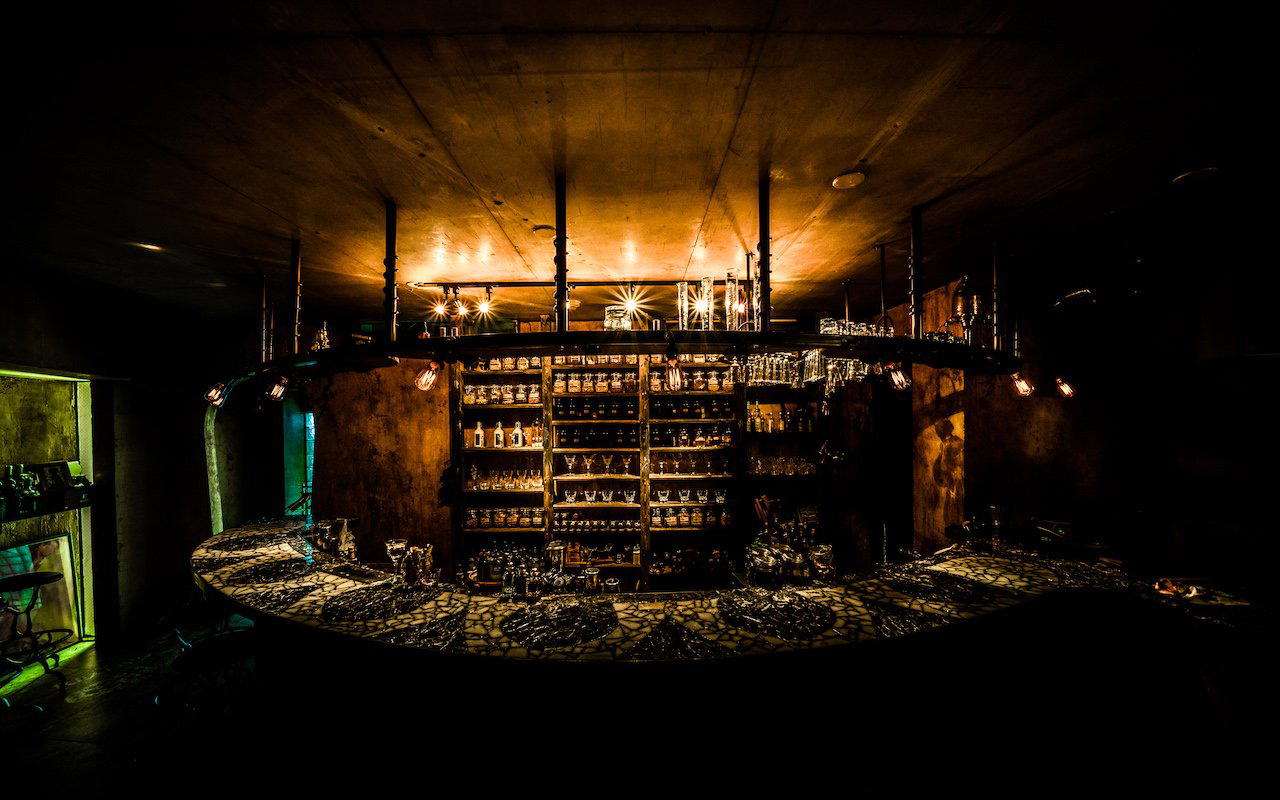
Soft, warm lighting with a cozy, inviting atmosphere that feels both exclusive and welcoming; intimate counter-style seating creates a personal connection between diners and the chef.
Know Before You Go
- Getting there
- 3 Chome-1-10 Uchikyuhojimachi, Chuo Ward, Osaka, 540-0013, Japan