
Tabelog 100 #85
Our verdict
Kobe’s beef culture is built on ritual: heat, timing, cut selection, and the small theatre of cooking in front of the guest. Bifuteki no Kawamura Sannomiya honten sits in that tradition with teppanyaki, steak, and yoshoku credentials, plus selection for Tabelog’s Steak / Teppanyaki WEST 100 in 2024 and 2025.

Pearl is the En Primeur Club membership app — saves, bookings, and concierge access live there. Same editors, same standards.
The menu
What to order
- A5 Kobe beef sirloin steak
- A5 Kobe beef tenderloin steak
- Teppanyaki-grilled Kobe beef with vegetables
The first cue is the counter. Kobe beef dining is not only about provenance; it is about proximity to the grill, the sequence of cuts, and the quiet discipline of a meal paced around heat rather than courses alone. In Sannomiya, that ritual has a different charge from Tokyo’s luxury dining rooms: the city is selling its own name on the plate, so the margin for theatre without substance is thin.
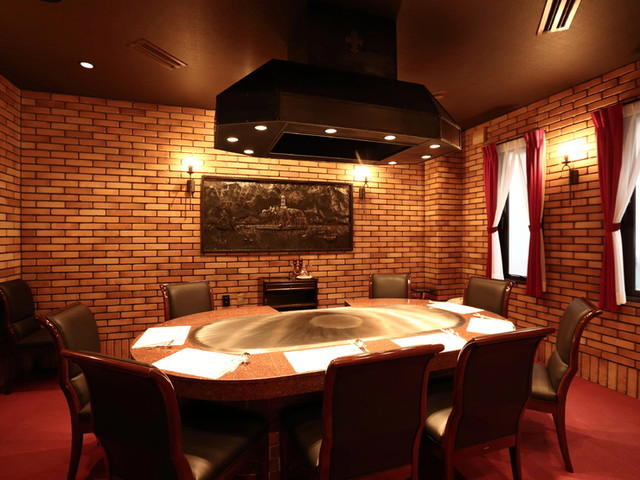
Bifuteki no Kawamura Sannomiya honten belongs to Kobe’s teppanyaki-and-steak bracket rather than the looser category of casual beef restaurants. Its selection for Tabelog’s Steak / Teppanyaki WEST 100 in both 2024 and 2025 gives it an external marker in a field where reputation can otherwise blur into tourism language. The format matters as much as the beef. Counter seating turns the grill into the centre of the room, while tables and private rooms shift the meal toward group dining without losing the steakhouse grammar.
Kobe beef as a dining ritual, not a souvenir plate
Kobe has two parallel beef economies. One is fast, signage-heavy, and built for visitors who want the words “Kobe beef” attached to a receipt. The other is slower and more formal: controlled heat, staged service, a narrow focus on texture, fat, and doneness. This restaurant sits closer to the second camp, with teppanyaki, steak, and yoshoku listed as its core categories.
That yoshoku connection is not incidental. Japanese-style Western cooking has long shaped the way beef is served in port cities, and Kobe’s history as an international trading hub gives the genre local weight. Teppanyaki here is less about spectacle than order: the guest watches the cooking, but the point is precision rather than performance. The meal asks for attention to pacing, especially at the counter, where the sequence is visible and the grill sets the tempo.
The room’s structure supports different versions of the same custom. Counter seats suit diners who want the full teppanyaki rhythm; table seating makes more sense for small groups; private rooms move the experience into a celebratory register. That mix is useful in Kobe, where beef restaurants often need to serve local families, business meals, and visitors in the same service. Children and strollers are accepted, which places it outside the stricter adults-only luxury model and closer to the city’s practical dining culture.
Where it sits among Sannomiya's beef houses
Sannomiya is the logical ground for this kind of restaurant: central, transit-connected, and packed with beef addresses competing for guests who may only have one serious steak meal in the city. The comparison is not simply price or fame; it is format. Aburi Niku Kobo Wakkoku Shinkobe ten and Aburi Niku Kobo Wakkoqu Kitano Sakamoto Ten sit in the same broader Kobe beef conversation, while Kobe Beef Teppanyaki Restaurant Mikinao and KOKUBU Steak House underline how crowded the category becomes once the grill is the main stage.
The useful distinction is that Bifuteki no Kawamura Sannomiya honten has a documented Tabelog Steak / Teppanyaki WEST 100 selection and a defined room plan, including counter seating and private dining rooms. Those signals put it in a more structured tier than restaurants where the beef label carries most of the appeal. Against a yakitori address such as Yakitori Bonsan, the decision is not one of quality versus quality, but ritual versus skewered progression. Against a lighter daytime stop such as GREEN HOUSE Wald or a budget specialist such as Saba no Ue ni mo San Nen, it occupies a different occasion entirely.
The drinks list also follows the category rather than chasing novelty: sake, shochu, and wine cover the expected pairings for Japanese steak dining. That range suits the room’s hybrid identity. A wine drinker can keep the meal in steakhouse territory; sake or shochu pulls it back toward Japanese dining habits. The better reading is not “fusion,” but Kobe’s long-standing comfort with Western formats translated through local beef culture.
How to read the room before choosing the meal
Strongest case for booking here is the combination of beef-focused cooking, counter-led teppanyaki, and formal recognition in a regional steak category. It is not the choice for diners seeking a chef-driven tasting-menu narrative or a long list of named signature dishes. It is for a narrower appetite: Kobe beef handled within a classic grill ritual, with enough room types to suit solo counter dining, family meals, or private gatherings.
For a wider Kobe itinerary, the contrast around Sannomiya helps. Coffee at Akaneya Coffee Ten, a neighbourhood meal at Akari, or a different dietary lane at Ali's Halal Kitchen shows how quickly the city shifts register within a compact dining radius. Readers building a broader route can use Our full Kobe restaurants guide, then widen the trip with Our full Kobe hotels guide, Our full Kobe bars guide, Our full Kobe wineries guide, and Our full Kobe experiences guide.
For cross-city context, beef and grill traditions read differently elsewhere in Japan: -Grilled beef Sukiyaki- KAMAKURA TANUKIAN 鎌倉 たぬき庵 in Kamakura points toward sukiyaki, while . 鮪と炭火焼き うお炭 秋葉原店 in Tokyo shifts the grill conversation toward seafood and charcoal. The broader map can stretch from.cafe in Osaka and.know in Kumamoto to (Shoku) Vietnam in Kawasaki, [Curry Senmon Ten] Maruyama Kyoju. in Sapporo, Jōdo Saké Bar in Los Angeles, and Onigiri Time in Pasadena. Those comparisons sharpen the point: in Kobe, the grill is not an accessory. It is the city’s central dining ritual.
Frequently asked questions
When is Bifuteki no Kawamura Sannomiya honten open?
Hours at Bifuteki no Kawamura Sannomiya honten: Mon: Closed; Tue: 11:30 AM–2:30 PM, 5–10 PM; Wed: 11:30 AM–2:30 PM, 5–10 PM; Thu: 11:30 AM–2:30 PM, 5–10 PM; Fri: 11:30 AM–2:30 PM, 5–10 PM; Sat: 11:30 AM–2:30 PM, 5–10 PM; Sun: 11:30 AM–2:30 PM, 5–10 PM.
Is Bifuteki no Kawamura Sannomiya honten expensive?
Pricing at Bifuteki no Kawamura Sannomiya honten is listed as JPY 10,000 - JPY 14,999 JPY 4,000 - JPY 4,999.
What part of town is Bifuteki no Kawamura Sannomiya honten in?
Bifuteki no Kawamura Sannomiya honten is located in Kobe.
What's the standout thing about Bifuteki no Kawamura Sannomiya honten?
Its strongest credential is the Tabelog 100 - Steak / Teppanyaki - WEST - 2025 selection, paired with a counter-led teppanyaki format in central Kobe. The 38-seat room includes 9 counter seats, plus private rooms for up to 8 guests.
Can Bifuteki no Kawamura Sannomiya honten accommodate dietary restrictions?
The restaurant lists steak, teppanyaki and yoshoku, with reservations available and private rooms on request at its Kobe address in Kanocho. For specific restrictions, the practical anchor is direct contact via the listed website, http://www.bifteck.co.jp, or the reservation number 078-335-0399.
Cuisine and Awards Snapshot
Comparable venues to anchor price and recognition.
| Venue | Cuisine | Price | Awards | Notes |
|---|---|---|---|---|
| Bifuteki no Kawamura Sannomiya hontenThis venue (the venue you are viewing) | Kobe beef teppanyaki steakhouse | $150–200 | Tabelog 100 #85 | Not listed |
| KOKUBU Steak House | Kobe Beef Teppanyaki | $100–150 | Not listed | Chūō |
| Aburi Niku Kobo Wakkoku Shinkobe ten | Traditional Kobe & Tajima Beef Teppanyaki Steakhouse | $100–150 | Tabelog 100 #82 | Chūō |
| Kobe beef Hana-Houbi | Teppanyaki Kobe Beef Steakhouse | $100–150 | Not listed | Chūō |
| Propeller | Kobe Steakhouse | $30–50 | Tabelog 100 #47 | Chūō |
| Yakiniku bue | Modern Wagyu Yakiniku | $50–100 | Tabelog 100 #12 | Chūō |
Recognition history
Dated appearances from independent guides and award organizations, with the underlying list record or original source where available.
Tabelog 100 #85 · No. 85
Tabelog · Tabelog 100 - Steak / Teppanyaki - WEST - 2025
Continue exploring
More in Kobe
Restaurants in Kobe
All restaurants in Kobe →

Bars in Kobe
Browse all →

Bifuteki no Kawamura Sannomiya honten
The wine
- Wine program
- Curated wine list
- Extensive wine list
Details
- Elegant
- Classic
- Intimate
- Sophisticated
- Date Night
- Business Dinner
- Group Dining
- Private Event
- Chefs Counter
- Open Kitchen
- Private Dining
- Standalone
- Extensive Wine List
- Local Sourcing
- Set Menu
- Counter Dining
- A La Carte
- Wine
- Beer
- Allergy Accommodating
Current opening hours
- Monday
- Closed
- Tuesday
- 11:30 AM–2:30 PM, 5–10 PM
- Wednesday
- 11:30 AM–2:30 PM, 5–10 PM
- Thursday
- 11:30 AM–2:30 PM, 5–10 PM
- Friday
- 11:30 AM–2:30 PM, 5–10 PM
- Saturday
- 11:30 AM–2:30 PM, 5–10 PM
- Sunday
- 11:30 AM–2:30 PM, 5–10 PM
Hours can change for holidays and private events. Last verified .
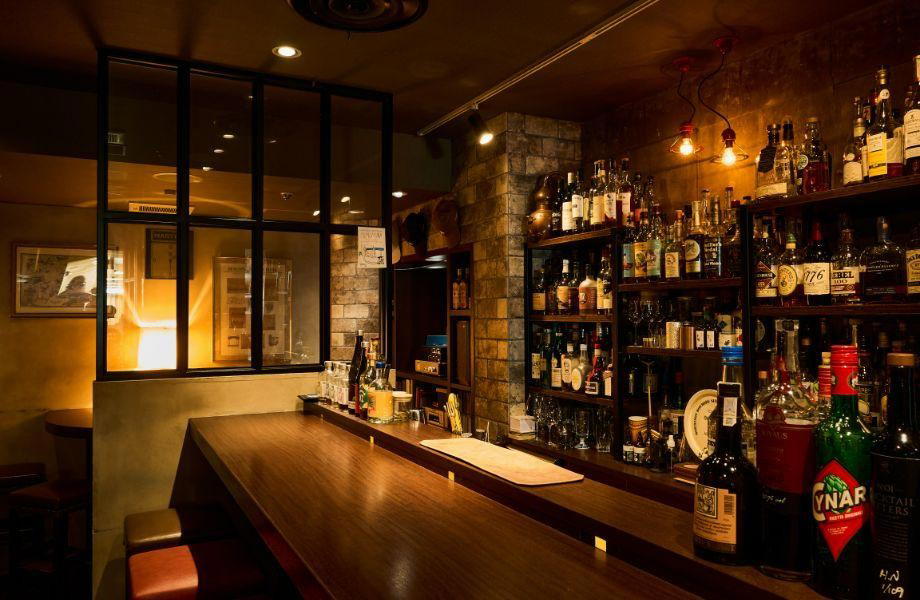
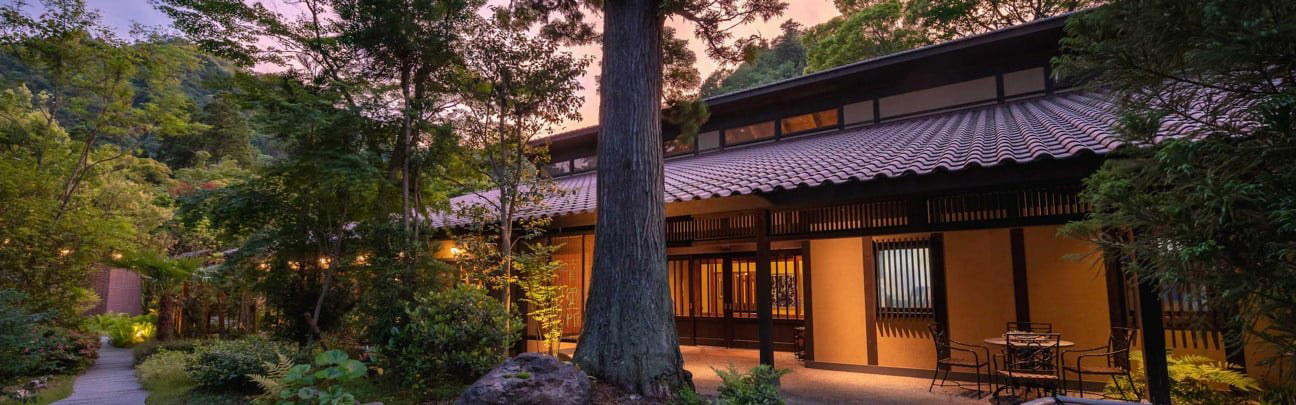
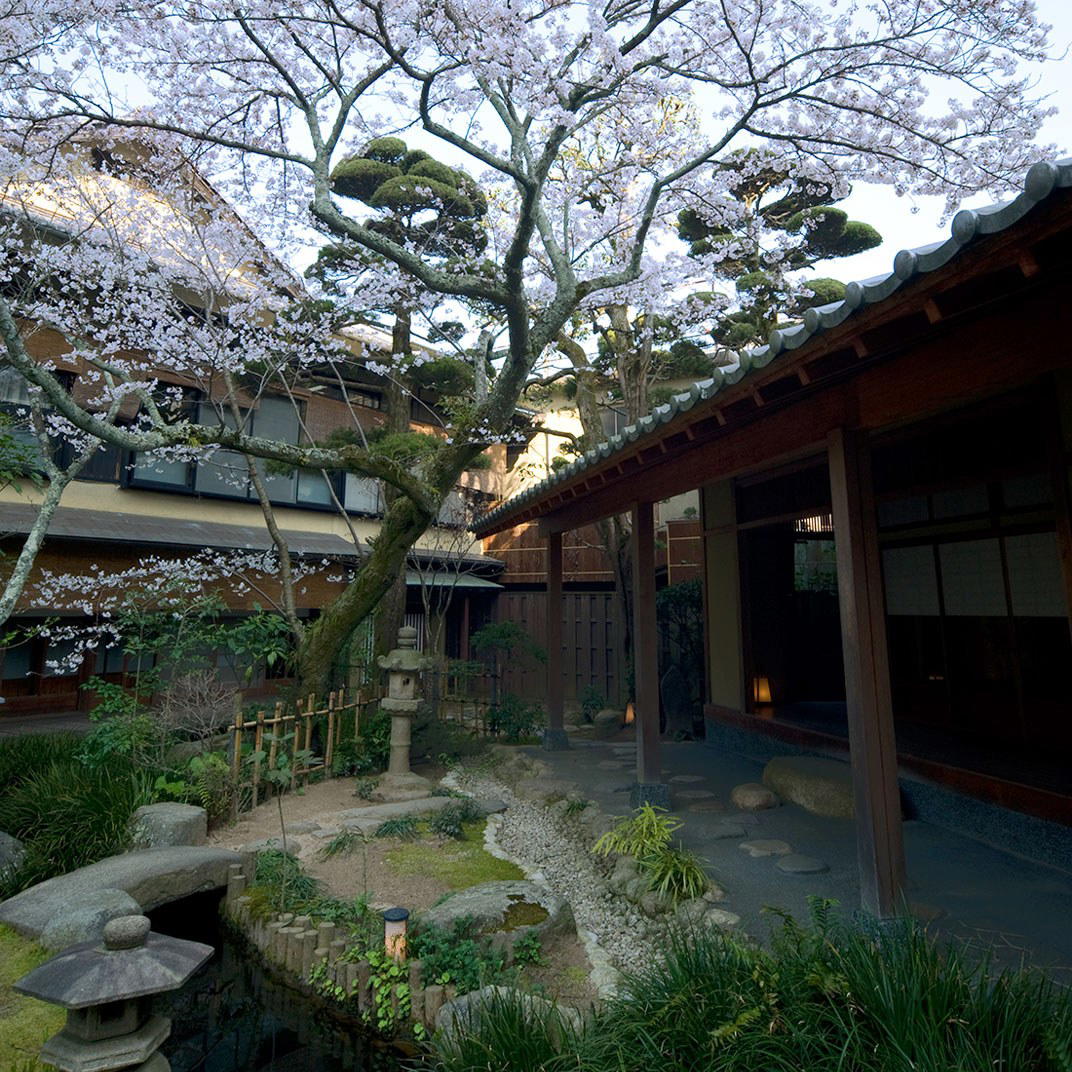
A quiet, staid atmosphere with heavy brick interiors, counter-focused teppanyaki grills, and formal, attentive service that emphasizes a calm, luxurious Kobe beef experience.