← Guides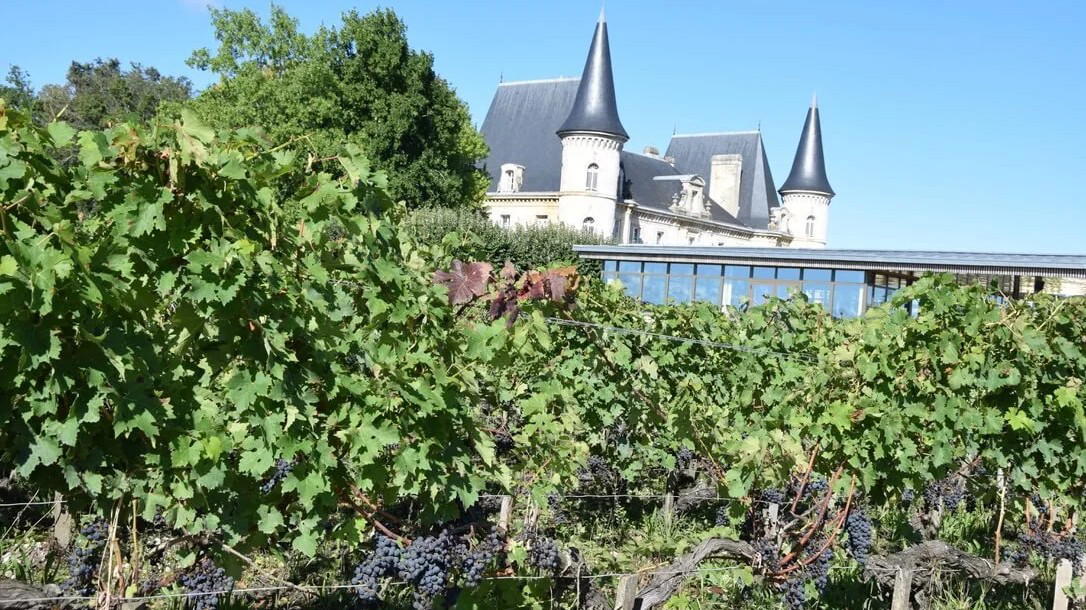
In 2026, wine enthusiasts can look forward to exclusive Pichon Baron tours and Pichon Comtesse visits, offering a distinctive opportunity to explore these renowned Bordeaux estates. Don't miss this chance to experience their rich heritage.
In 2026, wine enthusiasts can look forward to exclusive Pichon Baron tours and Pichon Comtesse visits, offering a distinctive opportunity to explore these renowned Bordeaux estates. Don't miss this chance to experience their rich heritage.
Both châteaux accept visitors, and both sit within a few hundred metres of each other on the D2 south of Pauillac, which makes a paired visit among the more efficient half-days in the Médoc. Access at each estate operates differently, and neither publishes a live booking calendar the way a restaurant does. Château Pichon Baron (officially Château Pichon Longueville Baron, a Second Grand Cru Classé owned by AXA Millésimes) runs a structured visitor programme with a dedicated reception building; Pichon Comtesse (Château Pichon Longueville Comtesse de Lalande, now owned by the Rouzaud family of Louis Roederer) is more selective and tends to prioritise trade and allocation clients. For most readers, Pichon Baron is the more accessible entry point, book directly through the château's website. Pichon Comtesse requires a direct approach and some prior relationship with the estate or a Bordeaux négociant.
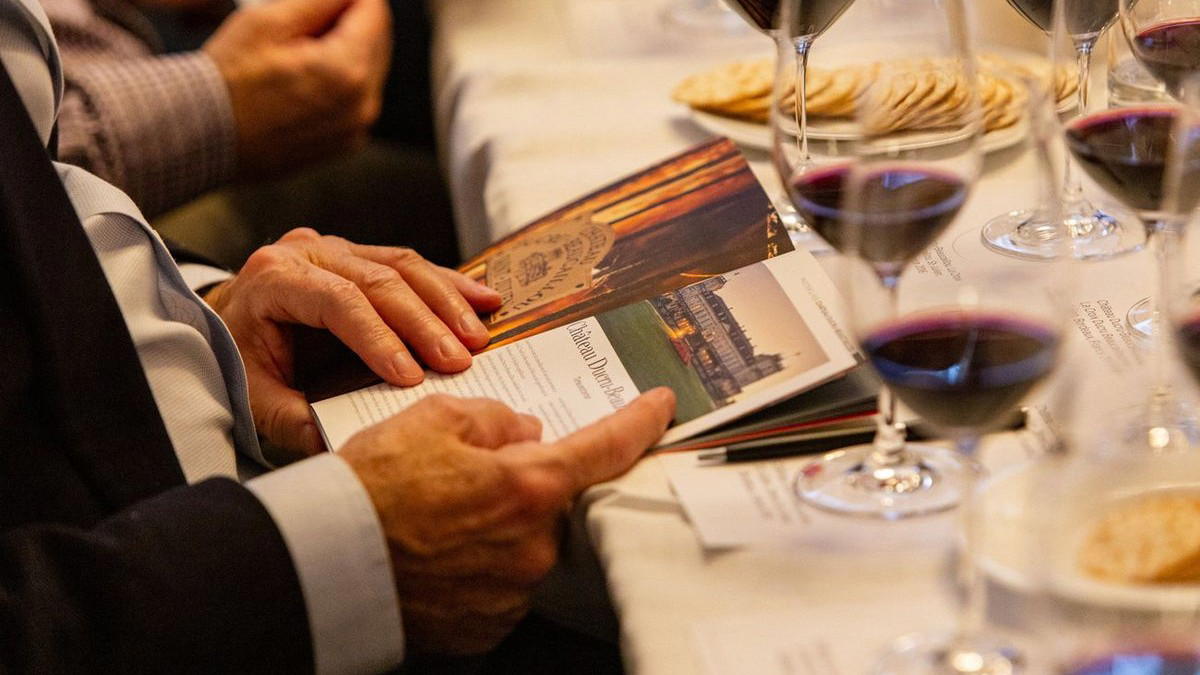
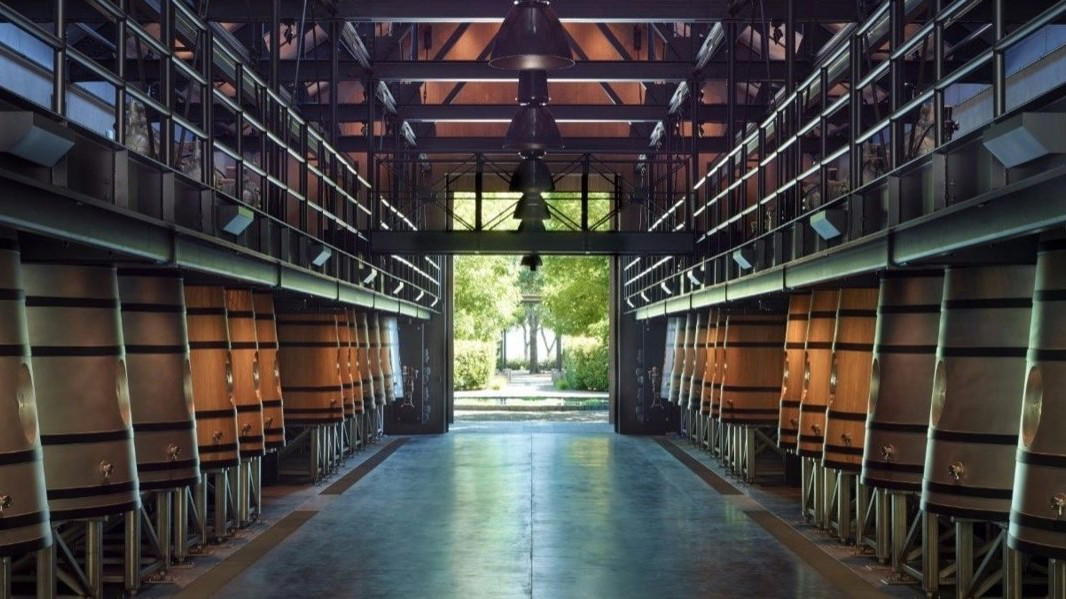
Pichon Baron's tours start in the vineyard, then cover winemaking facilities and cellars, and conclude with a tasting of three wines.1 The château's turreted silhouette is among the more recognisable in the Médoc, and the purpose-built reception space reflects AXA Millésimes' investment in hospitality infrastructure. The estate's vineyard sits at the southern end of Pauillac, bordering Saint-Julien, with Cabernet Sauvignon dominant in the blend alongside Merlot, Cabernet Franc, and a small proportion of Petit Verdot. A tailored seated, commented tasting of the Grand Vin Château Pichon Baron is available upon request.1 The cellar team, now led by technical director Pierre Montégut, appointed to replace Jean-René Matignon after Matignon's 36 years at the estate,2 has continued the estate's focus on parcel-level precision. Tastings typically include the second wine, Les Tourelles de Longueville, alongside the grand vin, and occasionally a library vintage depending on the format booked.
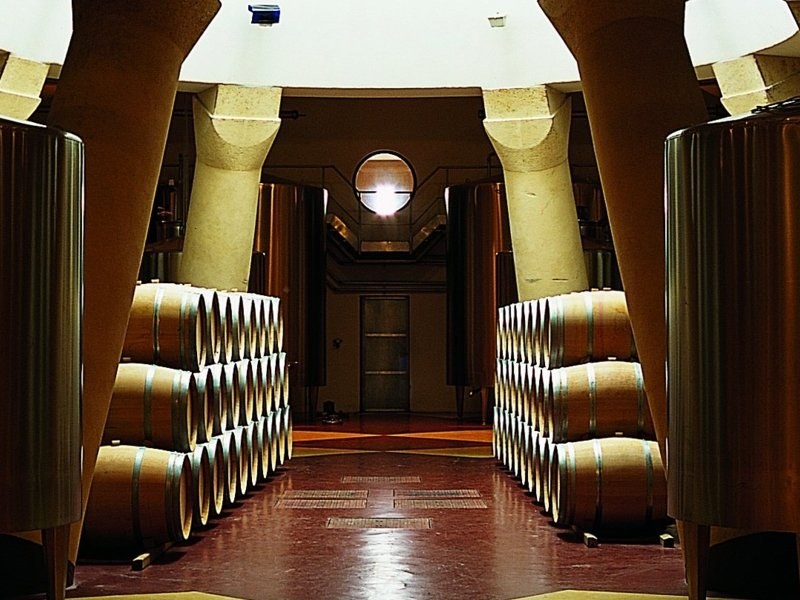
Pichon Comtesse sits directly opposite, its towers visible across the vines. The estate carries an unusually high proportion of Merlot for the Pauillac appellation, historically higher than most of its neighbours, which gives the wine a suppleness that distinguishes it from Pichon Baron.
Confirm the current technical team directly with the château. Visits here feel less like a public programme and more like a private appointment: the reception rooms are formal, the tasting is curated, and the conversation tends to go deeper into viticulture and vintage philosophy than a standard château tour.
If you secure a visit, expect to taste the second wine Réserve de la Comtesse alongside the grand vin, and a barrel sample if you visit during the en primeur window in April.
The landscape itself is part of the experience at both estates. The D2 corridor here, with Latour to the north, Lynch-Bages a short drive south, is as concentrated a stretch of classified-growth terroir as exists anywhere in Bordeaux. The gravel ridges (croupes) that define Pauillac's best parcels are visible from both châteaux's gardens. Visiting in late October, after harvest, gives you the vines in their copper-and-gold turn and the cellars still fragrant with new wine.
Pichon Baron has invested in visitor infrastructure precisely because AXA Millésimes, which also owns Quinta do Noval, Château Suduiraut, and Domaine de l'Arlot, runs a portfolio-wide hospitality programme. The estate can absorb a reasonable volume of visits without disrupting cellar operations.
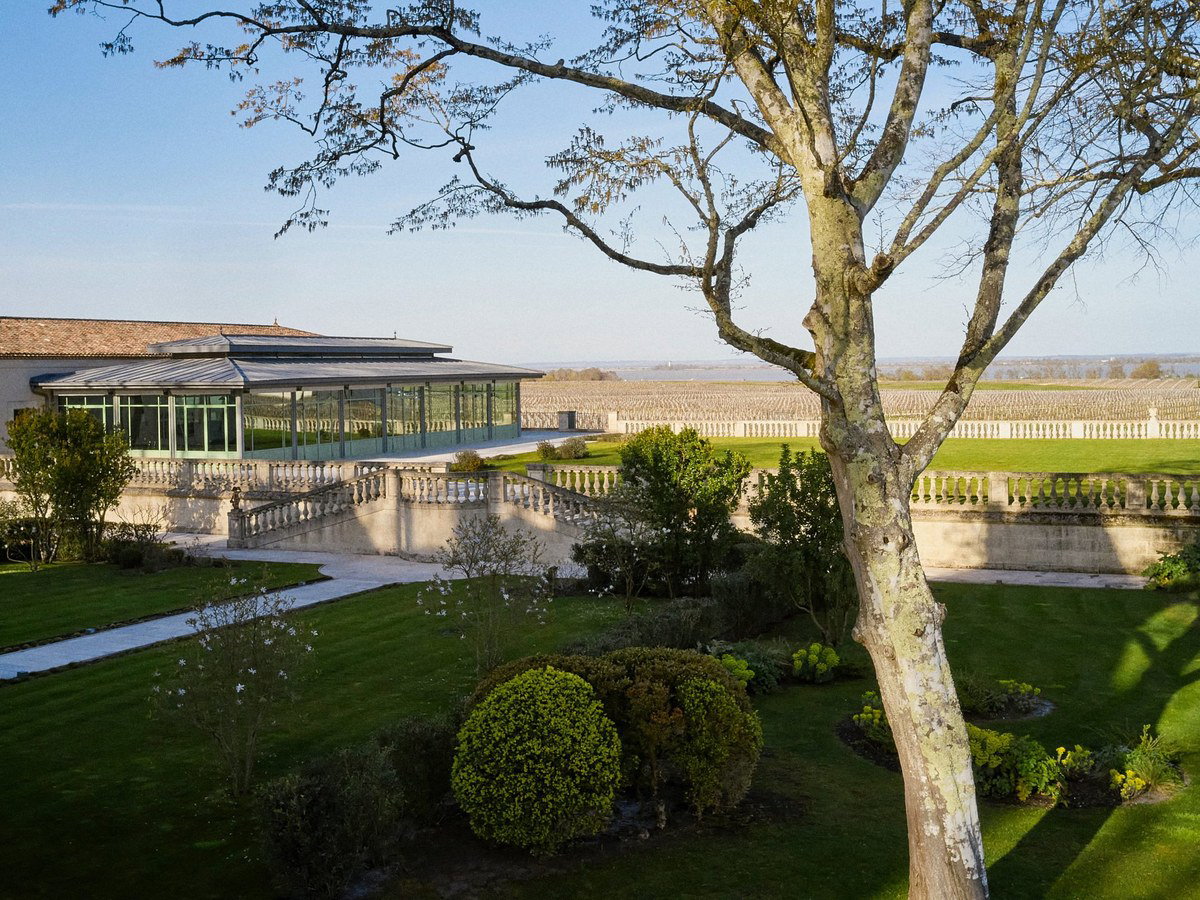
Pichon Comtesse, under the Rouzaud family, operates more like a Champagne grande maison: hospitality is curated, not commoditised. The estate's allocation list is managed through the Bordeaux place, the négociant network, and visits tend to follow commercial relationships.
If you buy Pichon Comtesse regularly through a merchant who has a direct relationship with the château, that merchant can often facilitate an introduction. Without that thread, a cold email to the estate may go unanswered or result in a polite deferral.
En primeur week in April is the one moment when both châteaux open more broadly to the trade and press, but that access is credential-gated. You need accreditation through the Union des Grands Crus de Bordeaux or a négociant invitation. For private collectors without trade credentials, en primeur week is effectively closed.
Pichon Baron is open year-round by appointment only,1 with the estate occupied during the en primeur tasting period in April and during harvest. Opening hours run Monday through Sunday, 09:00 to 12:30 and 14:00 to 17:00.3 The practical approach is to contact the estate directly well in advance of your travel dates; for summer visits, when Bordeaux sees its highest tourist traffic, several weeks' notice is advisable. Confirm current availability directly before planning around a specific date.
Pichon Comtesse does not operate a public visit programme in the same sense. Contact should go through your Bordeaux négociant or wine merchant in the first instance; a direct approach to the château's communications team is a secondary option. Verify directly with the château before building a trip around a Pichon Comtesse appointment.
Pichon Baron, direct via the château website. All visits are individualised and available by reservation only.1 Reservations can be made by phone at +33 5 56 73 17 17 or by email at contact@pichonbaron.com.1 The reception team responds to enquiries in English and French. For particularly current visit formats and pricing, use the château's official contact page as your starting point, and confirm these directly when you book. Wine Paths also offers a booking request form for Pichon Baron visits and tastings4 if you prefer a third-party coordination route.
Pichon Baron, through a Bordeaux wine tour operator. Several Bordeaux-based operators include Pichon Baron on curated Médoc itineraries. This route adds cost but removes the coordination burden and pairs the visit with transport and context. Useful if you are combining multiple châteaux in a single day.
Pichon Comtesse, through your négociant or merchant. If you buy Pichon Comtesse en primeur or on allocation through a merchant with a direct château relationship, Berry Bros. & Rudd, Corney & Barrow, Millésima, or a Bordeaux négociant such as CVBG or Joanne, ask your account contact to facilitate an introduction. This is the channel that consistently works. The merchant's commercial relationship with the estate is the route in. For direct enquiries, Pichon Comtesse's general reception line is +33 5 56 52 80 99,5 though the merchant channel remains the more reliable path.
Pichon Comtesse, direct approach. A direct email to the estate's communications or export team is worth attempting if you have a credible reason for the visit (a serious collection, a planned allocation purchase, a professional context). Frame the request around the wine and your relationship with it, not the tourism. Response rates and outcomes are not publicly documented; treat this as a low-probability channel without the merchant introduction.
The collectors who visit Pichon Comtesse most reliably are those who buy the wine consistently through a single merchant and make the visit request through that relationship rather than approaching the château cold. A track record of allocation purchases builds the kind of commercial context that makes a visit request credible. The same logic applies, to a lesser degree, at Pichon Baron: mentioning a purchase history when you make contact signals that you are a collector rather than a tourist, and the visit format you are offered may reflect that.
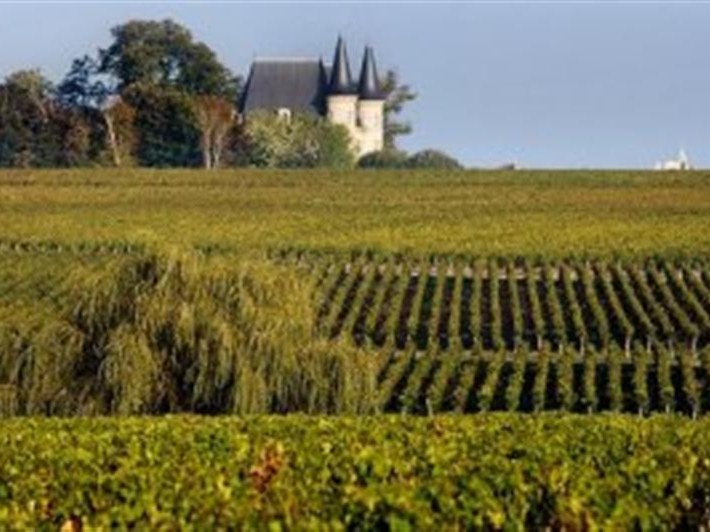
Seasonal calendar: The optimal window for a private visit to either château is late spring (May, June) or early autumn (late August through early September, before harvest begins). Pichon Baron private tours and tastings are available year-round including harvest season,6 though the estate's focus during harvest naturally limits the depth of cellar access. May and June offer the vines in full canopy, the cellars accessible after en primeur week, and the Médoc at its most hospitable. Avoid April (en primeur, trade-only). December through February is quiet and the estate is accessible, but the Médoc in winter is austere, worth it if you want an unhurried conversation with the cellar team.
A paired Pichon Baron / Pichon Comtesse visit rewards collectors who drink or cellar either wine seriously, and anyone planning an en primeur purchase who wants to understand the style before committing. The two estates, facing each other across the D2, offer a natural comparative tasting of the appellation's two dominant styles, the more structured, Cabernet-driven Baron versus the more Merlot-inflected, aromatic Comtesse. That contrast is the point.
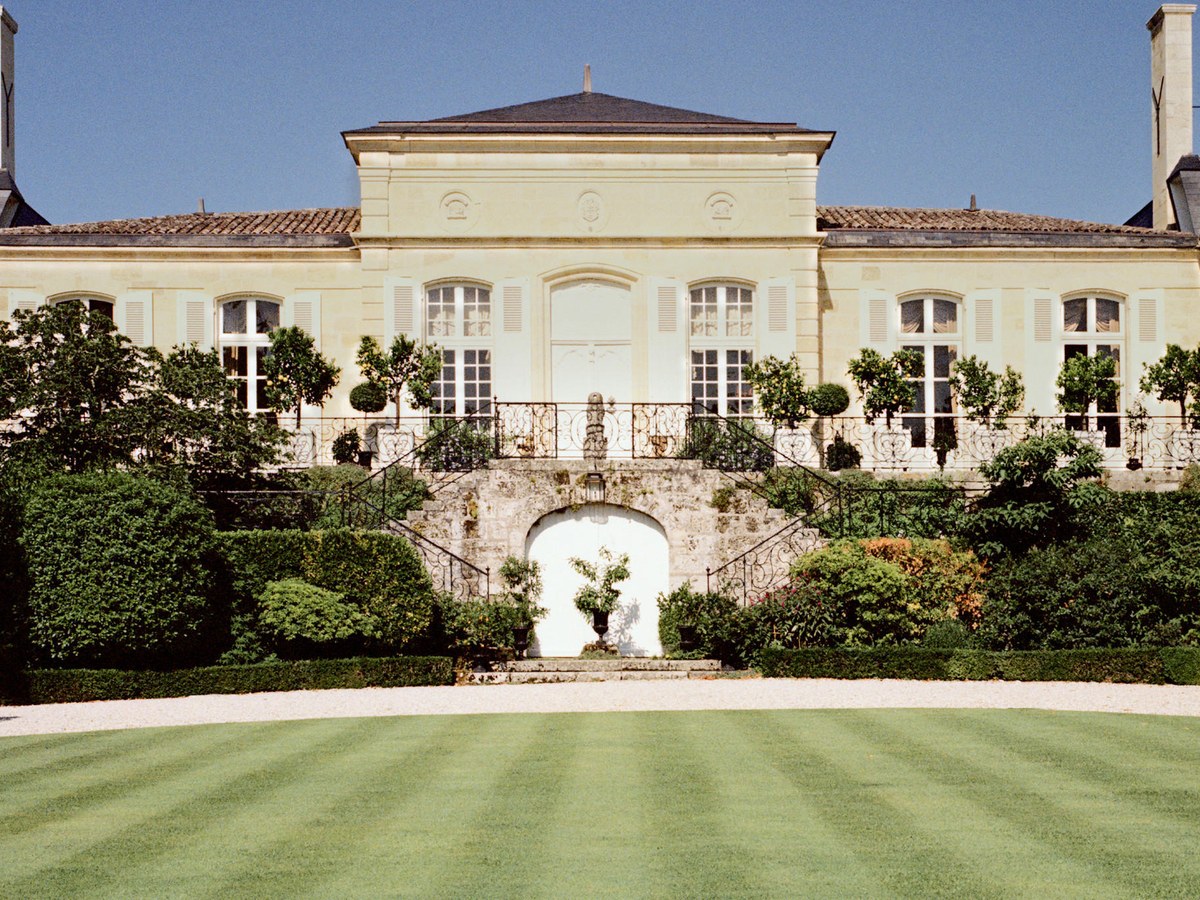
It is less suited to casual wine tourists who want a quick cellar selfie and a glass of something pleasant. The Médoc's visitor infrastructure is thinner than Saint-Émilion's, and the classified growths that do accept visitors expect a degree of engagement with the wine. If your interest is primarily scenic, the D2 drive itself, past Beychevelle, Ducru-Beaucaillou, and the Pichons, delivers the visual without requiring an appointment.
| Château | Appellation | Access Difficulty | Public Visit Programme | Best Booking Channel |
|---|---|---|---|---|
| Pichon Baron | Pauillac (2nd GCC) | Moderate, direct booking, advance notice advised | Yes, structured tours and tastings | Direct via château website or Wine Paths |
| Pichon Comtesse | Pauillac (2nd GCC) | High, négociant/merchant introduction preferred | No public programme; by appointment | Through your wine merchant |
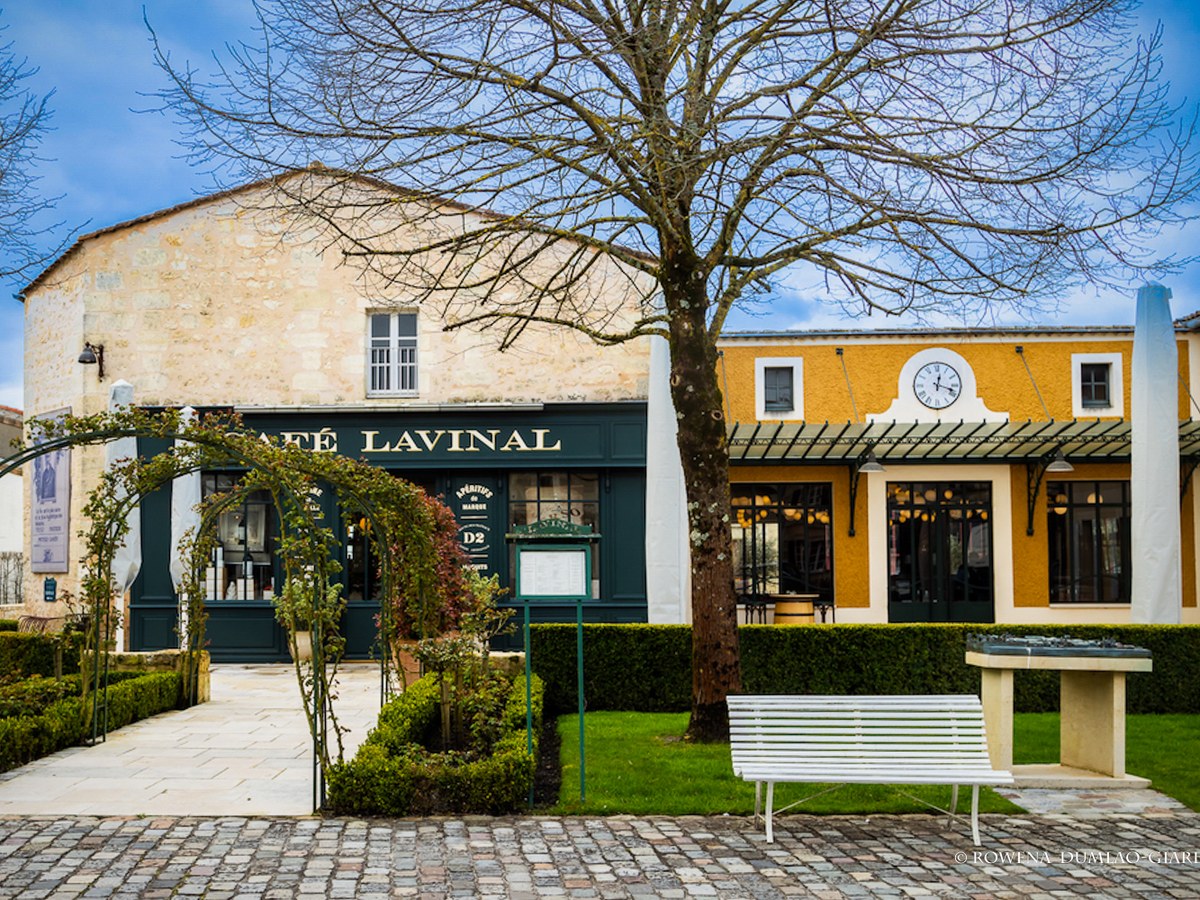
| Lynch-Bages | Pauillac (5th GCC) | Low-moderate, village of Bages open to visitors | Yes, Bages village, Café Lavinal, cellar visits | Direct or via Bages village |
| Léoville-Barton | Saint-Julien (2nd GCC) | Moderate, by appointment | Limited; by appointment with the Barton family | Direct approach or merchant |
| Cos d'Estournel | Saint-Estèphe (2nd GCC) | Low-moderate, visitor centre operational | Yes, structured visits and tasting room | Direct via château website |
Lynch-Bages is especially visitor-friendly classified growth in Pauillac. The Cazes family has built the village of Bages, with Café Lavinal, a bakery, and a wine shop, into a stop worth building into a Médoc day. Cellar visits are available, and the fifth-growth grand vin offers a Pauillac education at a price point below the Pichons. If Pichon Comtesse proves inaccessible, Lynch-Bages delivers the appellation's character without the access friction.
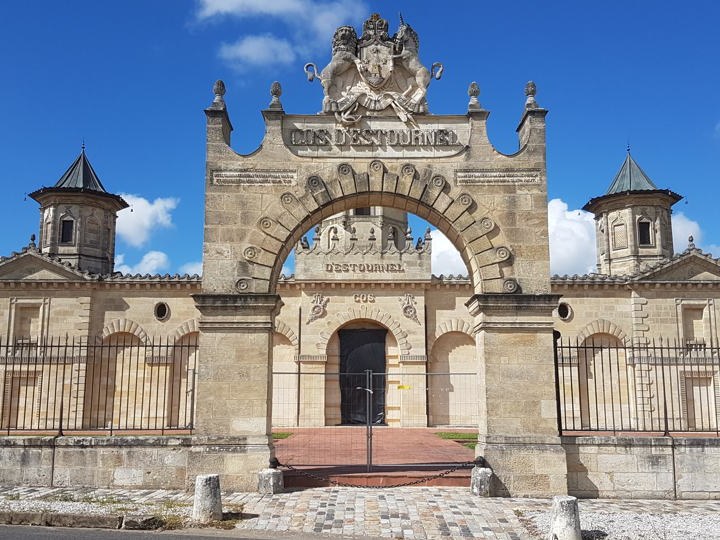
Cos d'Estournel, just north in Saint-Estèphe, runs a structured visitor programme from its orientalist château. The wine, a blend led by Cabernet Sauvignon with significant Merlot, has its own distinct personality, and the estate's investment in hospitality infrastructure means visits are well-organised and reliably available.
Léoville-Barton in Saint-Julien offers a more intimate, family-estate experience. The wine is among the more classically proportioned in the Médoc, and a visit here, by appointment, feels closer to the Pichon Comtesse model: personal, unhurried, and focused on the wine rather than the spectacle.
For Pichon Baron: yes, and the logistics are manageable. Bookings are essential and ensure a personalised experience,3 contact the château directly, give yourself several weeks of lead time, and treat the visit as the anchor of a Médoc day that also takes in Lynch-Bages or Cos d'Estournel. Private tours run from one to three hours and groups are accepted,4 so the format can flex around your party. The estate's position on the gravel ridge south of Pauillac gives you the appellation's geography in a single view.
For Pichon Comtesse: access depends almost entirely on your merchant relationship. If you buy the wine on allocation through a négociant or a fine wine merchant with a direct château connection, ask them to facilitate the introduction, that is the route that works. A cold approach to the estate is worth attempting but should not anchor your travel plans. The wine's Merlot-driven suppleness rewards the effort of getting inside; tasting Réserve de la Comtesse through a good merchant before committing to an allocation is a reasonable substitute for those without the commercial thread.
The two châteaux together tell the story of Pauillac's duality better than either does alone, which is reason enough to pursue both, even if one requires more patience than the other. For collectors who already drink these wines, the D2 visit is less a tourist excursion than a natural extension of a relationship already in progress.
Pichon Baron does not operate as a walk-in tasting room. The estate runs a structured visit programme, but appointments are required. Contact the château directly through its official website before your visit. Confirm availability as early as possible, particularly for summer visits.
Pichon Comtesse does not operate a public visit programme. The estate prioritises trade and allocation clients, and visits are typically arranged through a Bordeaux négociant or a fine wine merchant with a direct château relationship. A direct approach to the estate is possible. Verify directly with the château, and pursue the merchant channel first if you have one.
Late spring (May, June) and early autumn (late August to early September, before harvest) offer a useful combination of cellar access and landscape. Avoid April, when both estates are occupied with en primeur trade tastings, and the harvest window (timing varies by vintage). December through February is quiet and accessible but the Médoc is at its most austere.
Yes, the two châteaux sit directly opposite each other on the D2 south of Pauillac, within a few hundred metres. A morning visit to one and an afternoon visit to the other is logistically direct, provided you have confirmed appointments at both. Given that Pichon Comtesse access is harder to secure, arrange that appointment first and build the day around it.
En primeur tasting week in April is effectively trade and press only at both châteaux. Access requires accreditation through the Union des Grands Crus de Bordeaux or a négociant invitation. Private collectors without trade credentials are not typically admitted during this period. The en primeur window for purchasing the wines, through a merchant or négociant, is separate from the physical tasting access and is open to anyone with an account at a participating merchant.
Get the App
Take the shortlist into the En Primeur Club app for concierge access, saved places, and the next step after discovery.
Get Exclusive AccessMore from the editors