Baret occupies a charged address on Schlossplatz in central Berlin, placing it among the capital's fine-dining tier where creative European cooking and architectural setting carry equal weight. Berlin's premium restaurant scene has grown more competitive and more varied over the past decade, and Baret sits within a cohort that prizes precision and place in roughly equal measure.
Pearl is the En Primeur Club membership app — saves, bookings, and concierge access live there. Same editors, same standards.
- Address
- Schloßpl., 10178 Berlin, Germany
- Phone
- +4917672894500
- Website
- baret.berlin
- Directions
- Get directions
 Saves & bookings on Pearl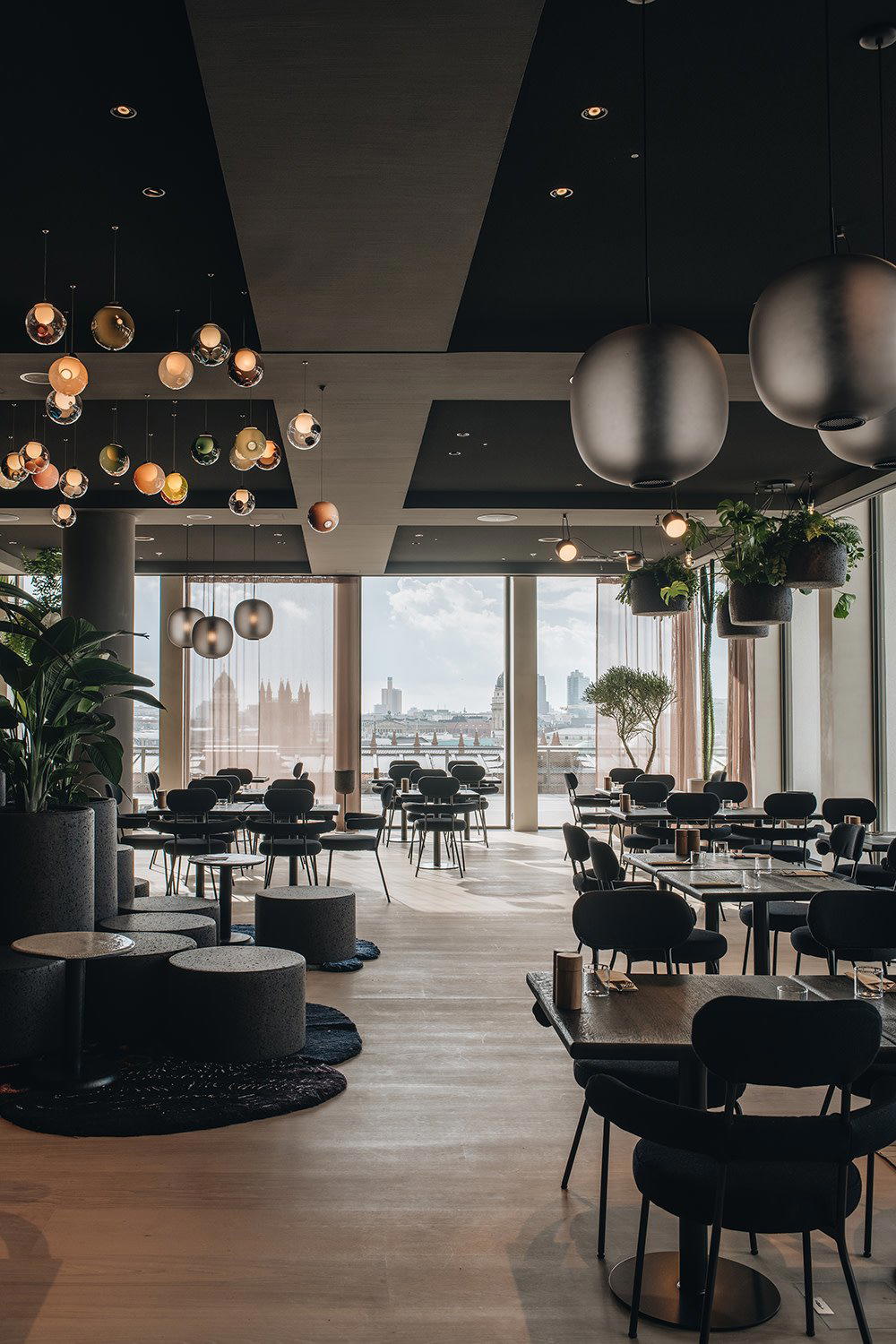
Schlossplatz and the Weight of Setting
Berlin's premium dining addresses tend to fall into two categories: those that occupy converted industrial spaces in Mitte or Prenzlauer Berg, and those that claim genuinely monumental surroundings. Schlossplatz, the historical and geographical centre of the city, belongs to the second category. The plaza sits where the Berliner Stadtschloss once stood, rebuilt in recent years as the Humboldt Forum, and the address carries a particular kind of civic gravity that few restaurant locations in Germany can match. Arriving at Schloßpl. 10178 Berlin, the approach itself sets a tone: broad pavements, the weight of baroque reconstruction on one side, the Spree on the other. The physical environment does interpretive work before a guest has crossed a threshold.
That context matters for understanding where Baret sits in Berlin's dining map. The city's fine-dining tier has consolidated around a handful of addresses that combine serious kitchens with settings capable of sustaining a longer, more deliberate meal. FACIL, housed within the Mandala Hotel with its glass-enclosed garden courtyard, and Rutz, operating across multiple floors on Chausseestraße, each demonstrate how Berlin's upper-tier restaurants use architecture and atmosphere as structural parts of the experience. Baret's Schlossplatz position stakes a similar claim through location alone.
Berlin's Fine-Dining Cohort: Where Baret Fits
Germany's restaurant scene has matured considerably over the past fifteen years. The country now holds a significant share of Michelin-starred restaurants relative to its European neighbours, with strong concentrations outside the obvious metropolitan centres. Schwarzwaldstube in Baiersbronn, Aqua in Wolfsburg, and Vendôme in Bergisch Gladbach have each built reputations that draw destination diners from well beyond their immediate regions. Berlin, by contrast, has historically punched below its population weight in formal fine dining, with the city's cultural identity more associated with informality and creative plurality than with white-tablecloth precision.
That gap has been narrowing. Nobelhart & Schmutzig redefined what a serious Berlin restaurant could look like by stripping formality to its bones while maintaining kitchen rigour. CODA Dessert Dining, with its dessert-led tasting format, occupies a genuinely niche position in the European creative dining tier. Restaurant Tim Raue built a two-Michelin-star reputation on a kitchen vocabulary that draws from Chinese technique without pretending to be a Chinese restaurant. Each of these addresses has staked out a distinct identity within Berlin's premium bracket rather than competing on identical terms. Baret's Schlossplatz address places it in conversation with this cohort, in a city where location and conceptual clarity carry more weight than they might in Paris or Tokyo.
Atmosphere as the Primary Register
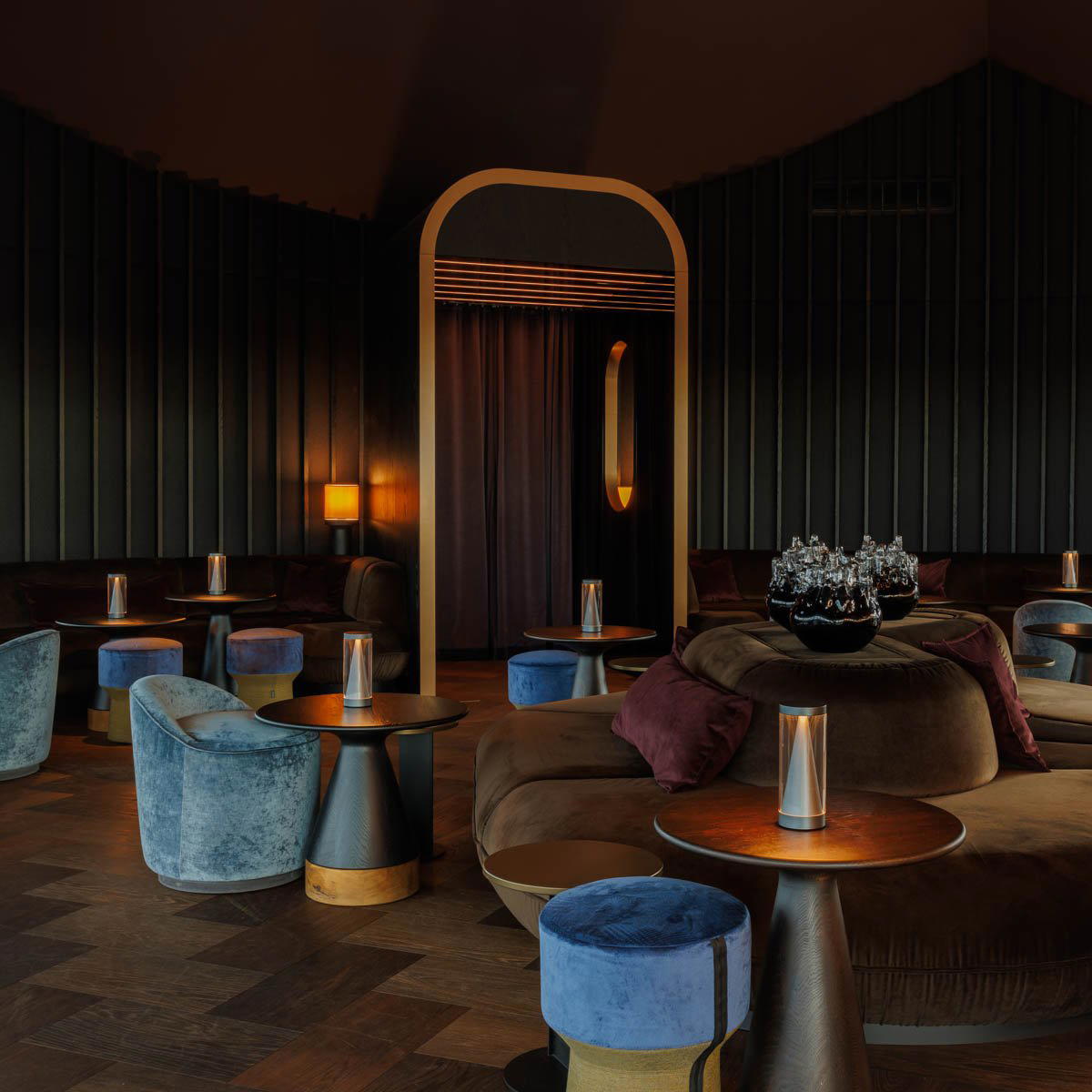
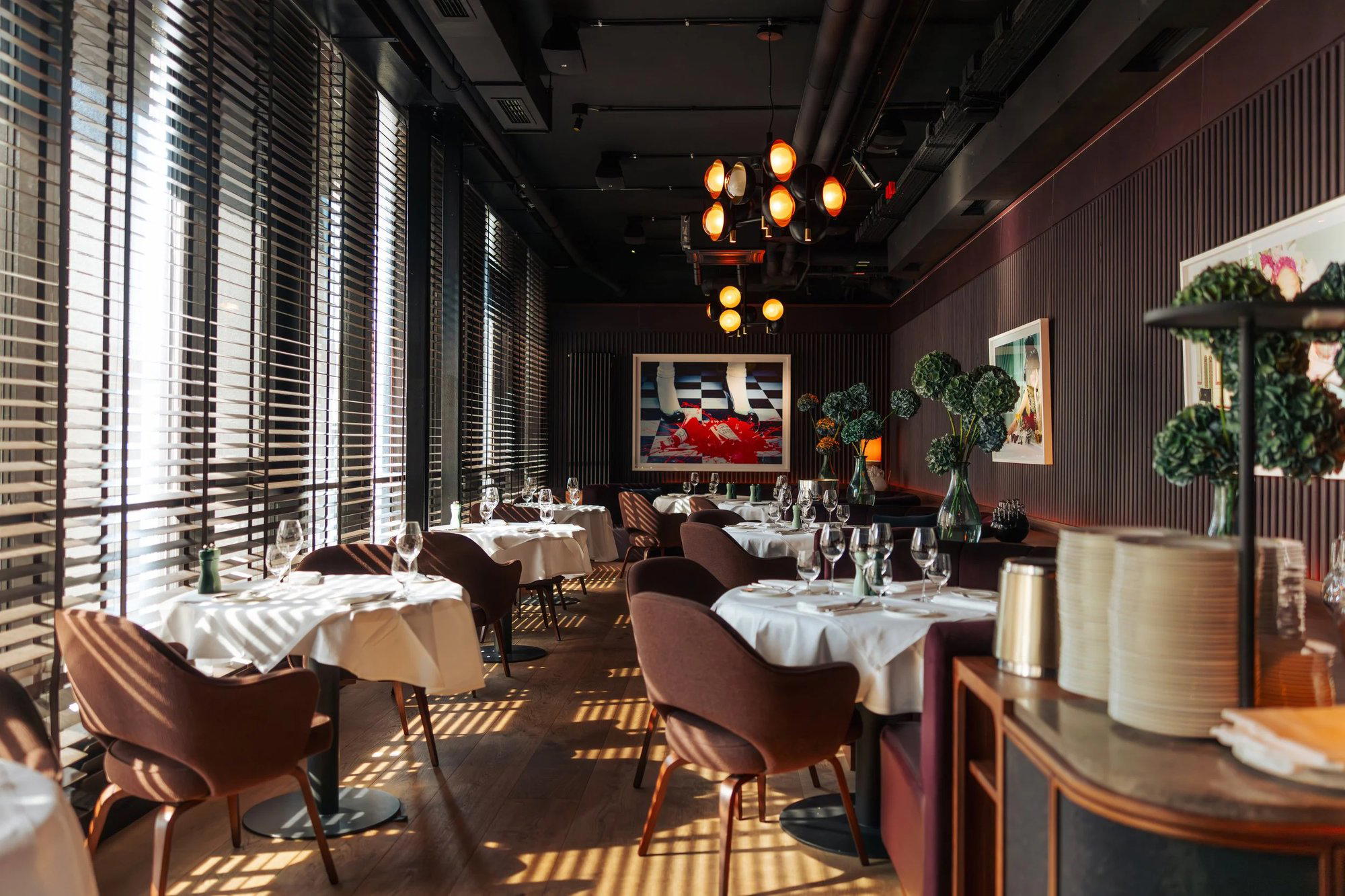
For restaurants operating at the higher end of any city's dining market, atmosphere functions as more than décor. It structures the pace of a meal, signals what kind of attention a kitchen expects from its guests, and communicates the tier of experience before a menu arrives. In Berlin, this has played out in markedly different ways across comparable addresses. The counter format at Nobelhart & Schmutzig creates deliberate proximity between kitchen and diner. FACIL's courtyard garden uses natural light and enclosure to generate a quality of quiet that the surrounding hotel activity never fully penetrates. FACIL's design choice, in particular, illustrates how Berlin's premium tier has learned to manufacture calm in a city more naturally inclined toward noise.
Schlossplatz as a dining address carries different atmospheric registers depending on the time of day. The plaza's scale produces a particular quality of open urban space that few European city centres still offer. Evening light across the Humboldt Forum's reconstructed baroque facade creates a visual backdrop with genuine historical density. For a restaurant operating within or immediately adjacent to that context, the challenge is maintaining interior coherence against an exterior that inevitably competes for attention.
This tension between inside and outside, between the controlled environment of a serious kitchen and the charged public space beyond the glass, is something that restaurants in comparably weighted European addresses, from Le Bernardin's midtown Manhattan formality to the community-table format at Lazy Bear in San Francisco, have each resolved in distinct ways. The resolution tends to reveal something essential about a restaurant's priorities.
Germany's Regional Fine Dining in Perspective
Understanding Baret's position within Berlin also requires some perspective on Germany's broader fine-dining geography. The country's most decorated kitchens have often operated at a distance from its largest cities. Waldhotel Sonnora in Dreis, Schanz in Piesport, and ES:SENZ in Grassau each demonstrate that German fine dining has historically distributed itself through the countryside rather than concentrating in metropolitan centres. Restaurant Haerlin in Hamburg and JAN in Munich represent the urban tier, while Bagatelle in Trier and Victor's Fine Dining by Christian Bau in Perl occupy the destination-restaurant category where guests travel specifically to eat rather than combining dinner with other city activities.
Berlin has increasingly attracted both formats: restaurants that serve the city's own substantial dining public, and restaurants that function as destination addresses for visitors arriving specifically to eat. A Schlossplatz address positions Baret naturally within the visitor-facing tier, adjacent to one of the city's most visited cultural institutions and easily reachable from the major hotel clusters in Mitte.
Planning a Visit
Schlossplatz sits in central Mitte, within walking distance of the Museumsinsel S-Bahn station and a short taxi or U-Bahn ride from the main hotel concentrations along Unter den Linden and around Gendarmenmarkt. For visitors combining dinner with Berlin's museum quarter, the location is genuinely convenient. Baret is open Monday, Wednesday through Sunday from 11 AM to 12 AM, with Tuesday closed. Reservations are recommended, and the dress code is smart casual. Berlin's premium dining tier, particularly at addresses with a focused format, tends to operate set sittings rather than open-seating arrangements, which typically means advance planning of at least several weeks for weekend tables. The full Berlin restaurants guide provides broader context for building an itinerary around the city's current fine-dining addresses.
A Tight Comparison
Comparable venues nearby, for context on price, style, and recognition.
| Venue | Cuisine | Price |
|---|---|---|
| BaretThis venue — the venue you are viewing | Not listed | $$$ |
| Moon Exquisite | Mitte, Southeast Asian-European Fusion | $$$ |
| The Alchemist | Tiergarten, Fusion Cocktail Bar | $$$ |
| Casa Don Papa | Moabit, Filipino-Caribbean Fusion | $$$ |
| Restaurant Sara & Gogi | Charlottenburg, Georgian-Israeli Fusion | $$$ |
| CHIARO | Mitte, Italian-Japanese Fusion | $$$$ |
Continue exploring
More in Berlin
Restaurants in Berlin
Browse all →
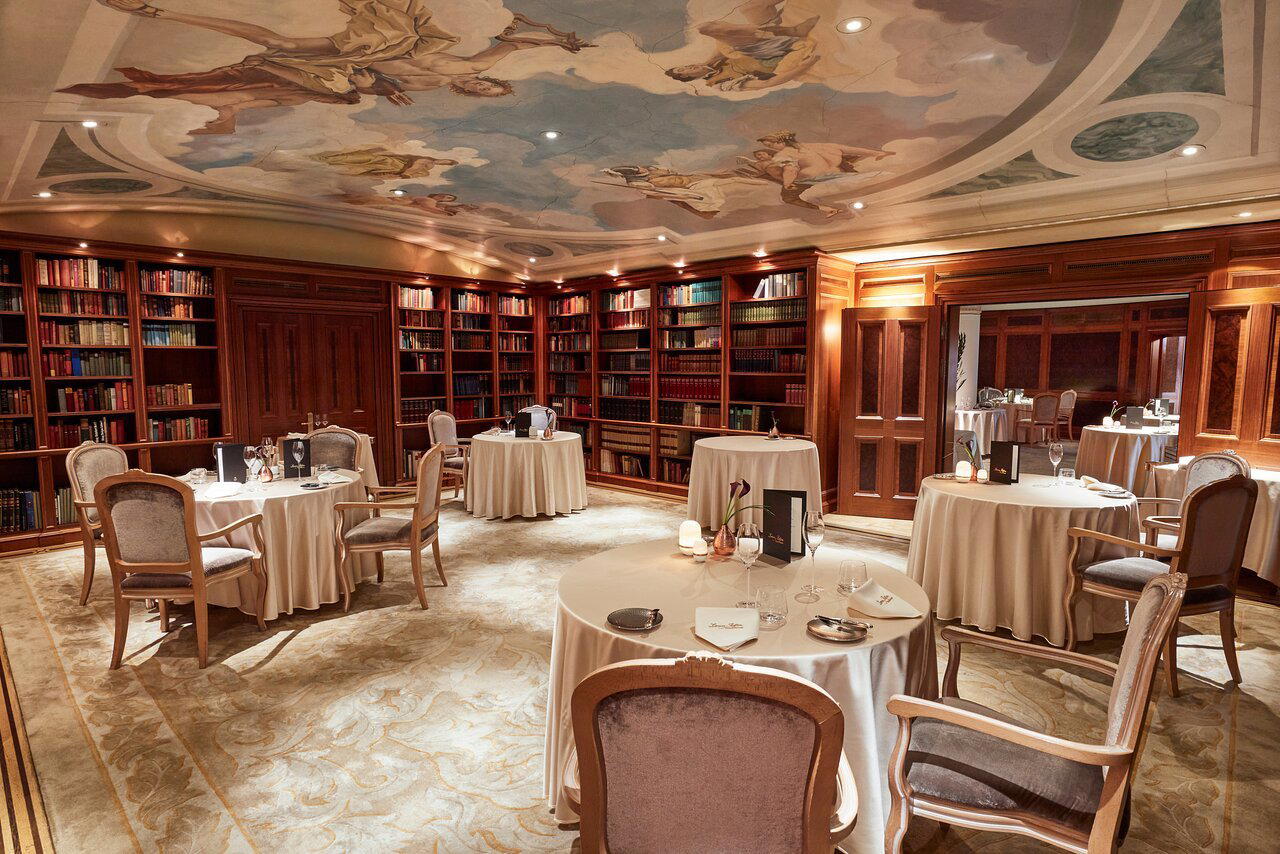
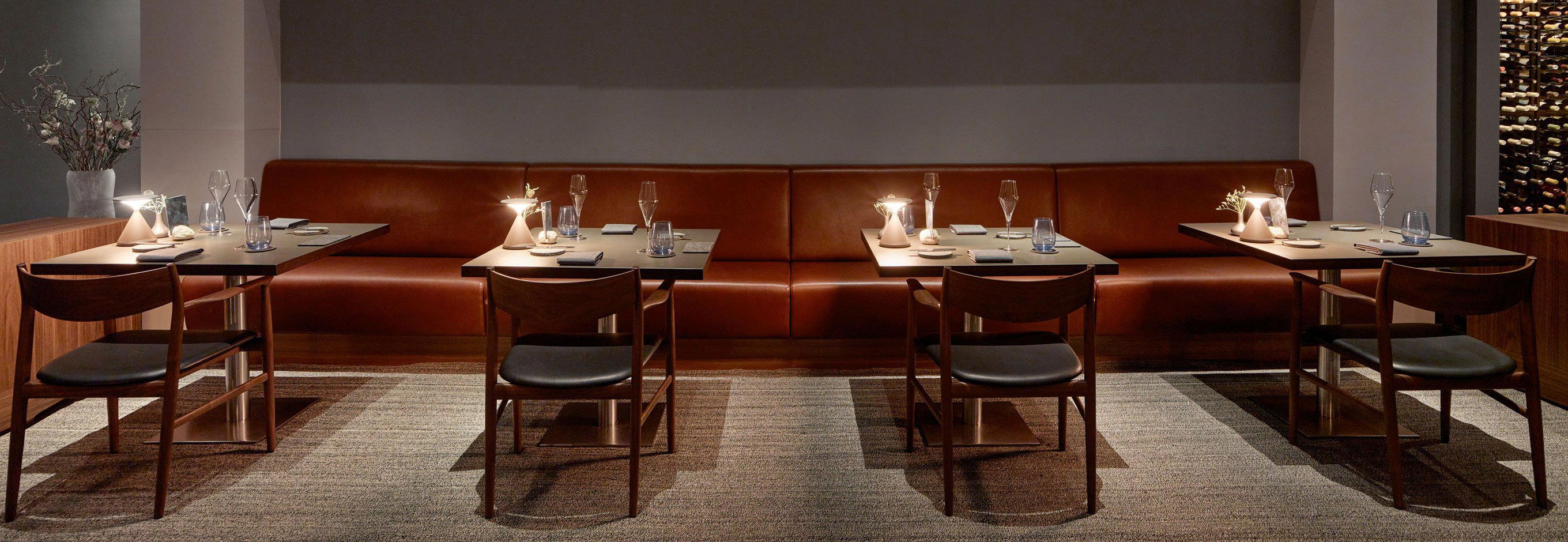
Bars in Berlin
Browse all →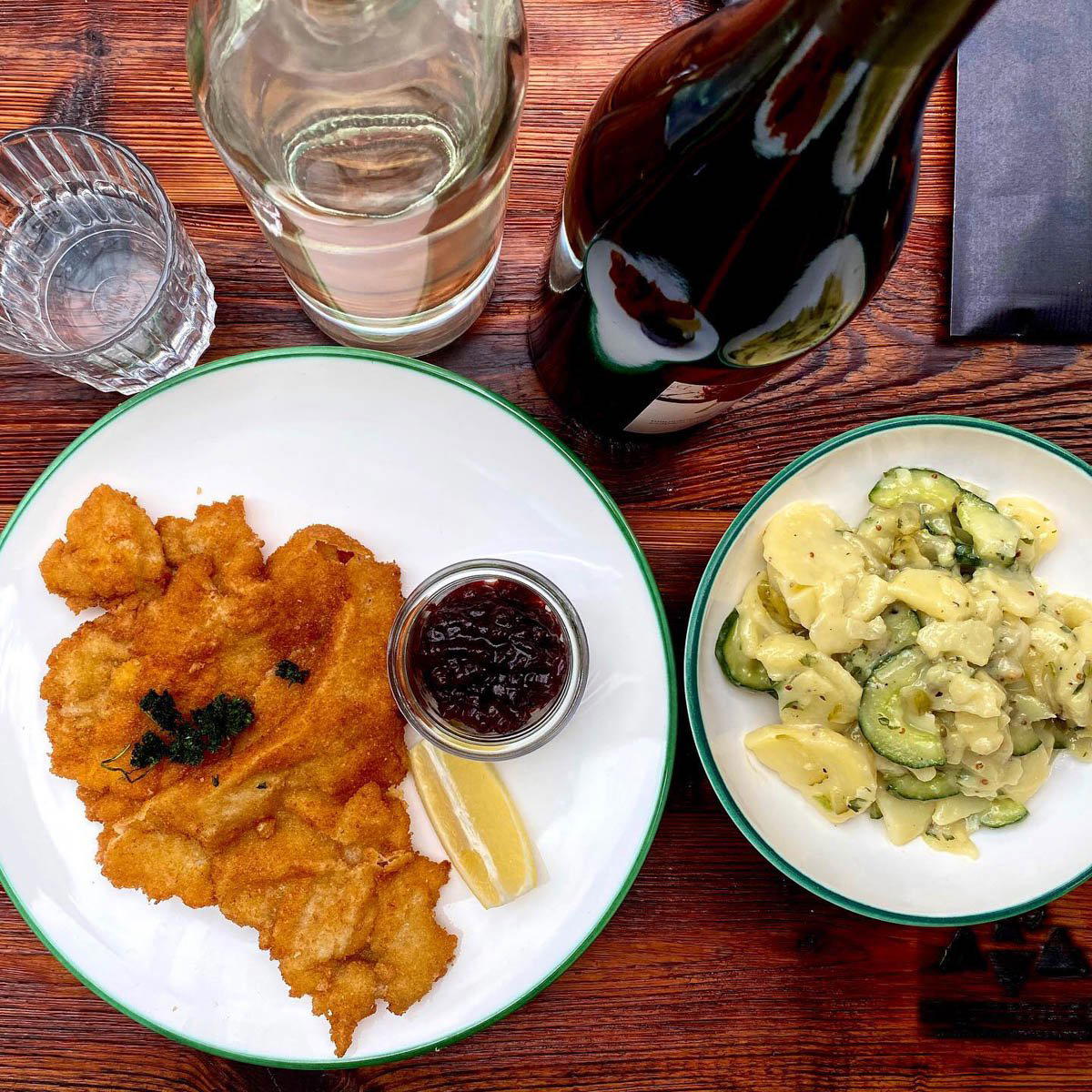
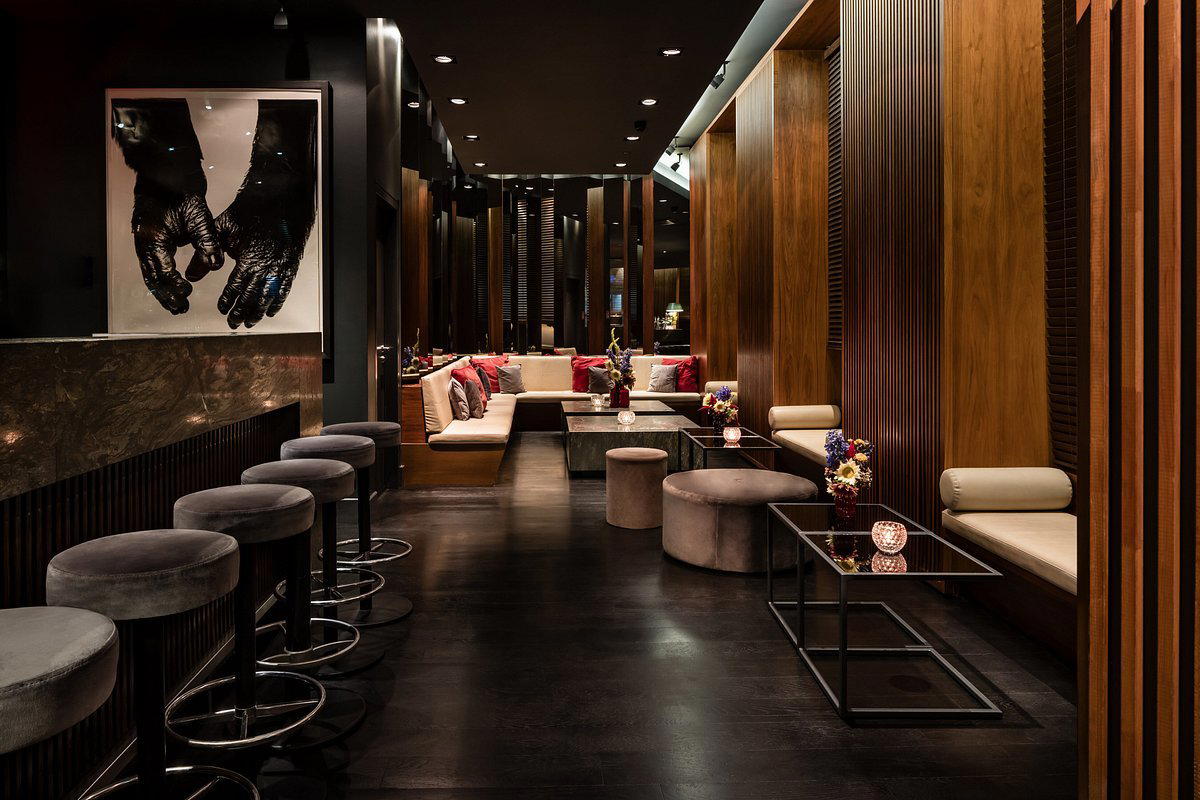
Hotels in Berlin
Browse all →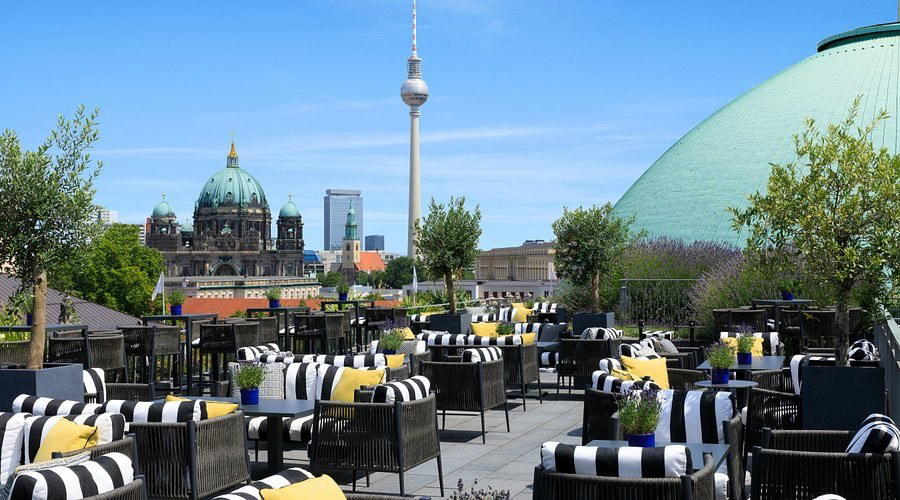
Wineries in Berlin
Browse all →
At a Glance
- Modern
- Scenic
- Elegant
- Sophisticated
- Date Night
- Business Dinner
- Group Dining
- Special Occasion
- Rooftop
- Panoramic View
- Terrace
- Standalone
- Craft Cocktails
- Beer Program
- Local Sourcing
- Skyline
Current opening hours
- Monday
- 11 AM–12 AM
- Tuesday
- Closed
- Wednesday
- 11 AM–12 AM
- Thursday
- 11 AM–12 AM
- Friday
- 11 AM–12 AM
- Saturday
- 11 AM–12 AM
- Sunday
- 11 AM–12 AM
Hours can change for holidays and private events. Last verified .
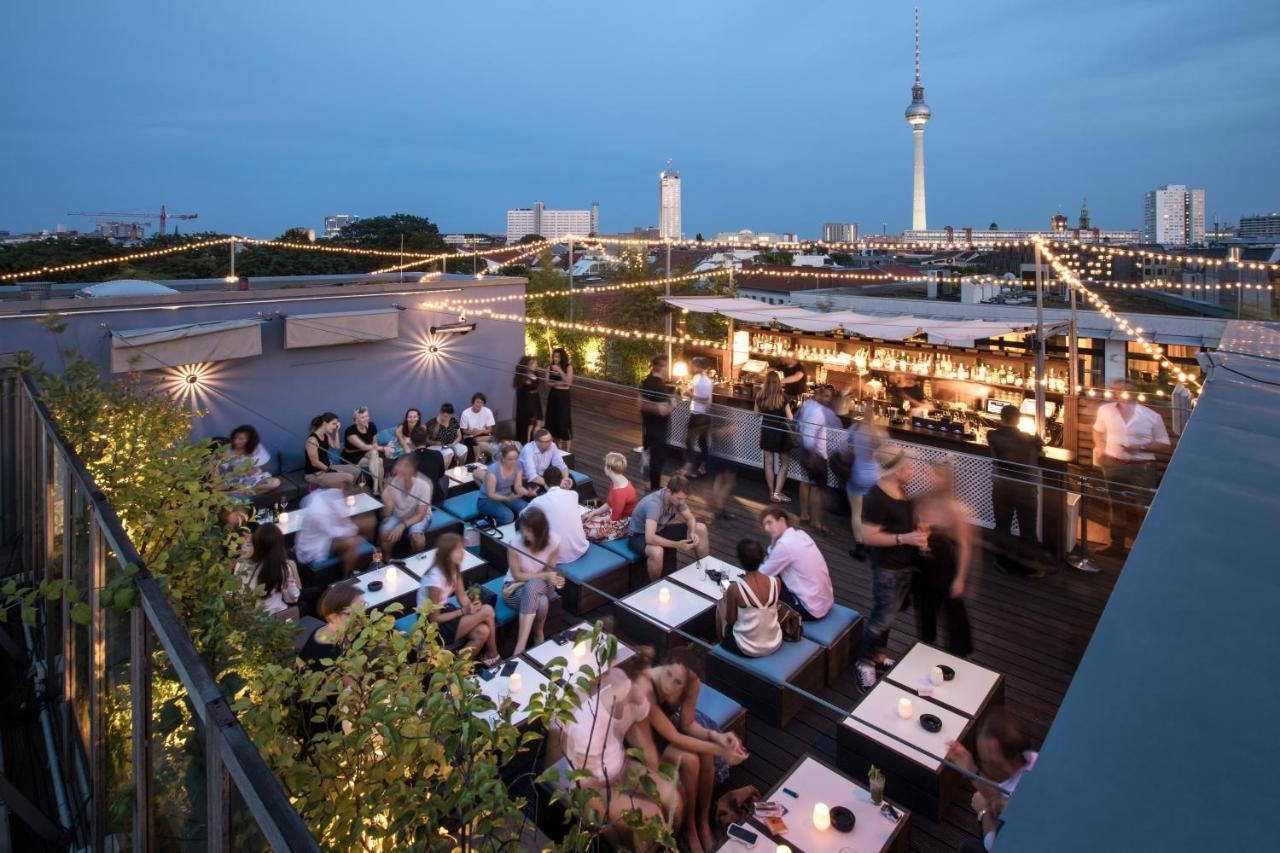
Chic and modern rooftop setting with floor-to-ceiling windows, relaxed yet refined atmosphere, lively during summer with outdoor seating overlooking Museum Island.