Moon excellent occupies a Spree-facing address at Spreeufer 2 in Berlin's Mitte district, placing it inside a city that has spent two decades reshaping what fine dining can mean in a post-reunification capital. The address alone positions it within a charged stretch of the river where creative ambition and architectural memory sit in close proximity. EP Club tracks it as part of Berlin's evolving upper tier of restaurant culture.
Pearl is the En Primeur Club membership app — saves, bookings, and concierge access live there. Same editors, same standards.
- Address
- Spreeufer 2, 10178 Berlin, Germany
- Phone
- +493030882156
- Website
- moonexquisite-berlin.com
- Directions
- Get directions
 Saves & bookings on Pearl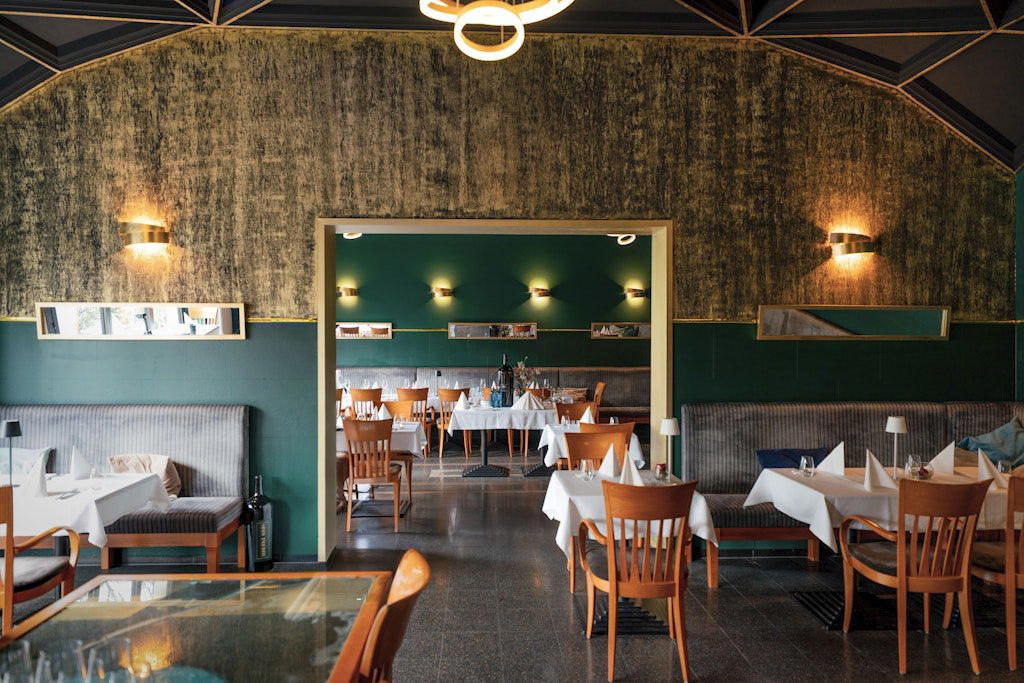
A River Address and the Weight It Carries
The stretch of the Spree running through Mitte is not neutral ground. Spreeufer 2 sits in a part of Berlin where the built environment carries the compression of history: DDR-era facades, reunification-era reconstruction, and the more recent wave of architectural ambition that has made this corridor one of the more photographed in the German capital. Arriving at a restaurant on this edge of the river, you arrive with a sense of context before you've crossed the threshold. The water, the light across it, and the proximity to Museum Island to the north create an atmosphere that few European city dining addresses can match on pure geography alone.
That environmental charge matters when thinking about how Berlin's upper-tier dining has evolved. The city was not, for most of the twentieth century, a destination for serious food in the way that Munich, Hamburg, or even Frankfurt maintained a recognized fine-dining tradition. Berlin's culinary credibility was assembled relatively recently, and in some ways that late arrival has been an advantage: the city's leading restaurants have been built without the conservatism that can calcify older scenes. The result is a comparable set that now includes operations as distinct as CODA Dessert Dining, which built a Michelin-starred program entirely around dessert formats, and Nobelhart & Schmutzig, which anchors its menu to a strict regional sourcing doctrine. Moon Exquisite is a restaurant in Berlin, Germany, at Spreeufer 2, serving Southeast Asian-European Fusion at a price tier of 3. Moon excellent enters that conversation from Spreeufer 2.
Berlin's Fine-Dining Arc and Where Moon excellent Sits
To understand what Moon excellent represents, it helps to map the broader arc of Berlin's fine-dining development. Through the 1990s and into the 2000s, the city's restaurant energy was concentrated in neighbourhood bistros and casual international formats that matched the demographic of a city in rapid demographic flux. The serious cooking was happening elsewhere in Germany: at Waldhotel Sonnora in Dreis, at Vendôme in Bergisch Gladbach, and in the sustained tradition of destination dining that places like Schwarzwaldstube in Baiersbronn had maintained for decades.
Berlin's shift began to accelerate in the 2010s, as chefs with serious training began to treat the city as a viable base rather than a compromise. Restaurant Tim Raue brought Berlin into the international conversation with a format that answered to no established German tradition. Rutz built a wine and modern European program that earned sustained critical attention. FACIL demonstrated that a hotel-anchored kitchen could compete at the same level as free-standing operations. The city had, by the early 2020s, assembled a credible cluster of upper-tier addresses operating at a level that could be measured against comparable programs in cities with far longer fine-dining histories.
Moon excellent's Spreeufer 2 address places it within this evolved tier. The Mitte location connects it to the part of the city that most international visitors reach first and where expectations for experience are correspondingly high. In a city where the fine-dining comparable set now extends to ES:SENZ in Grassau and Aqua in Wolfsburg at the national level, holding a Spree-front address in the capital carries its own specific weight in the competitive conversation.
The Evolution Question: Reinvention in a City That Rewards It
Berlin's hospitality culture has always been more comfortable with reinvention than most. The city's restaurants have pivoted formats, shifted price tiers, changed kitchens, and repositioned their audience focus in ways that would be unusual in more conservative food cities. This tolerance for transformation is partly structural: Berlin's dining public is unusually international and unusually open to novelty, which gives ambitious operators more room to experiment and to change course without the penalty that a more tradition-anchored city would impose.
The editorial angle that matters for Moon excellent, given its Spreeufer 2 address in a city currently operating through this period of upper-tier consolidation, is the evolution question: where does this restaurant sit in Berlin's ongoing effort to build a fine-dining identity that is genuinely its own rather than an echo of longer-established German or European models? The peer comparison is instructive. Restaurant Haerlin in Hamburg operates within a classic grand-hotel tradition. Victor's Fine Dining by Christian Bau in Perl represents a sustained single-vision kitchen built over decades. Berlin's leading operations have tended to be more restless, more willing to reframe what they are doing and why. Moon excellent's Mitte location puts it at the centre of that ongoing experiment.
For the reader deciding between Berlin's upper-tier options and comparable programs in other German cities, the comparison extends internationally. Le Bernardin in New York City exemplifies what sustained singular focus over decades produces at the summit of a category. Atomix in New York City shows what a non-Western culinary tradition can build when given full creative latitude in a major city. Berlin's evolving upper tier is attempting something different from both: a fine-dining identity rooted in a city that was, for most of living memory, defined by political division rather than gastronomic continuity. JAN in Munich and Schanz in Piesport operate within established regional frameworks. Berlin, and Moon excellent's position within it, represents something less settled and more interesting for that reason.
Bagatelle in Trier offers an instructive regional contrast for readers tracking how Germany's serious cooking is distributed outside the major metropolitan centres.
A Quick Peer Check
Comparable venues nearby, for context on price, style, and recognition.
| Venue | Cuisine | Price | Notes |
|---|---|---|---|
| Moon ExquisiteThis venue — the venue you are viewing | Southeast Asian-European Fusion | $$$ | Not listed |
| Blend Restaurant | International Fusion | $$$ | Tiergarten |
| Kramer Restaurant | Modern Open Fire Fusion | $$$ | Neukolln |
| Allan's ABC | Australian-French Fusion Brunch | $$ | Prenzlauer Berg |
| Solar Restaurant | Modern Fusion Sky Dining | $$$$ | Kreuzberg |
| BaliBowls | Superfood Bowls | $$ | Tegel |
Continue exploring
More in Berlin
Restaurants in Berlin
Browse all →
Bars in Berlin
Browse all →
Hotels in Berlin
Browse all →
Wineries in Berlin
Browse all →
At a Glance
- Elegant
- Modern
- Sophisticated
- Date Night
- Special Occasion
- Terrace
- Extensive Wine List
- Waterfront
- Street Scene
Current opening hours
- Monday
- Closed
- Tuesday
- 12–9:30 PM
- Wednesday
- 12–9:30 PM
- Thursday
- 12–9:30 PM
- Friday
- 12–10 PM
- Saturday
- 12–10 PM
- Sunday
- 12–9:30 PM
Hours can change for holidays and private events. Last verified .
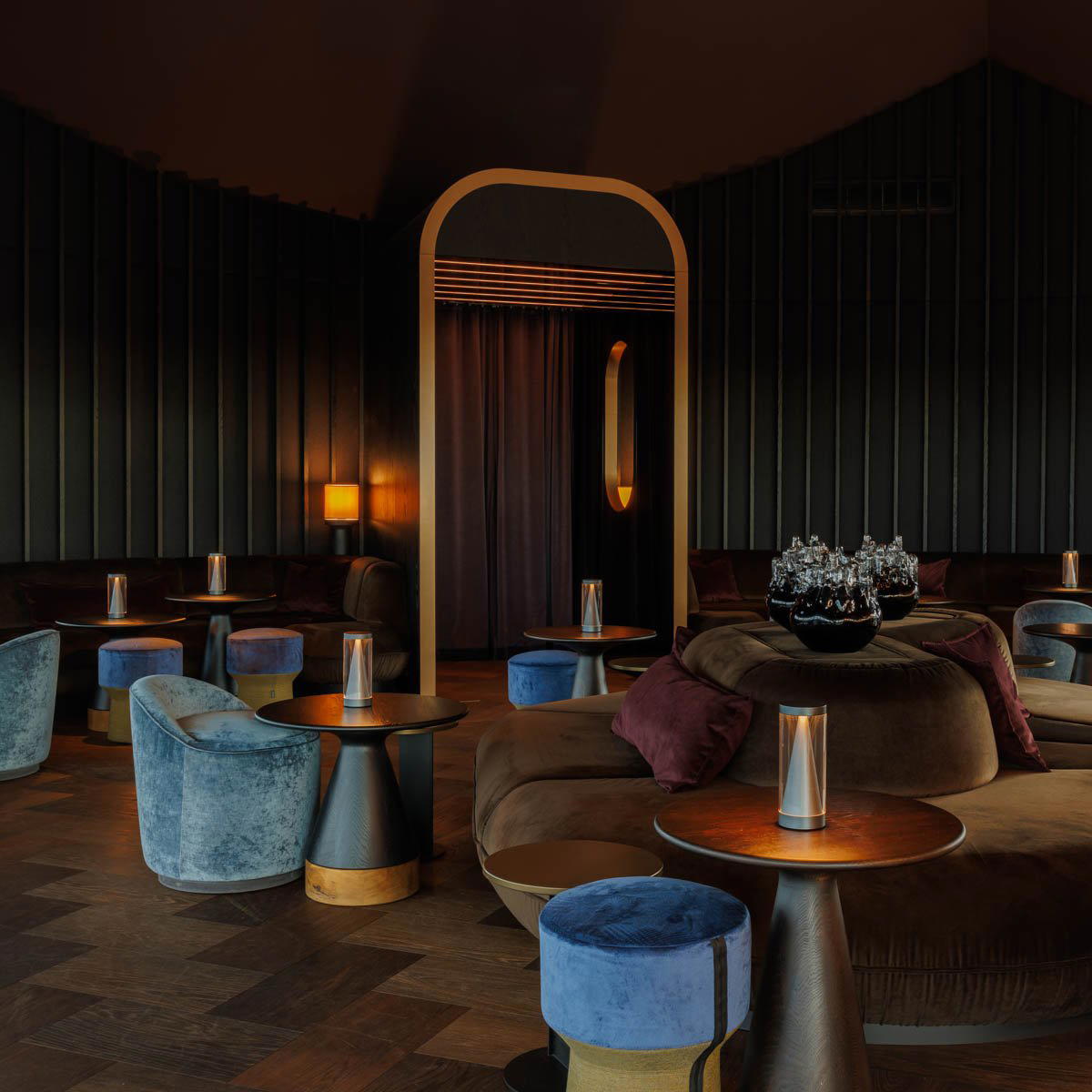
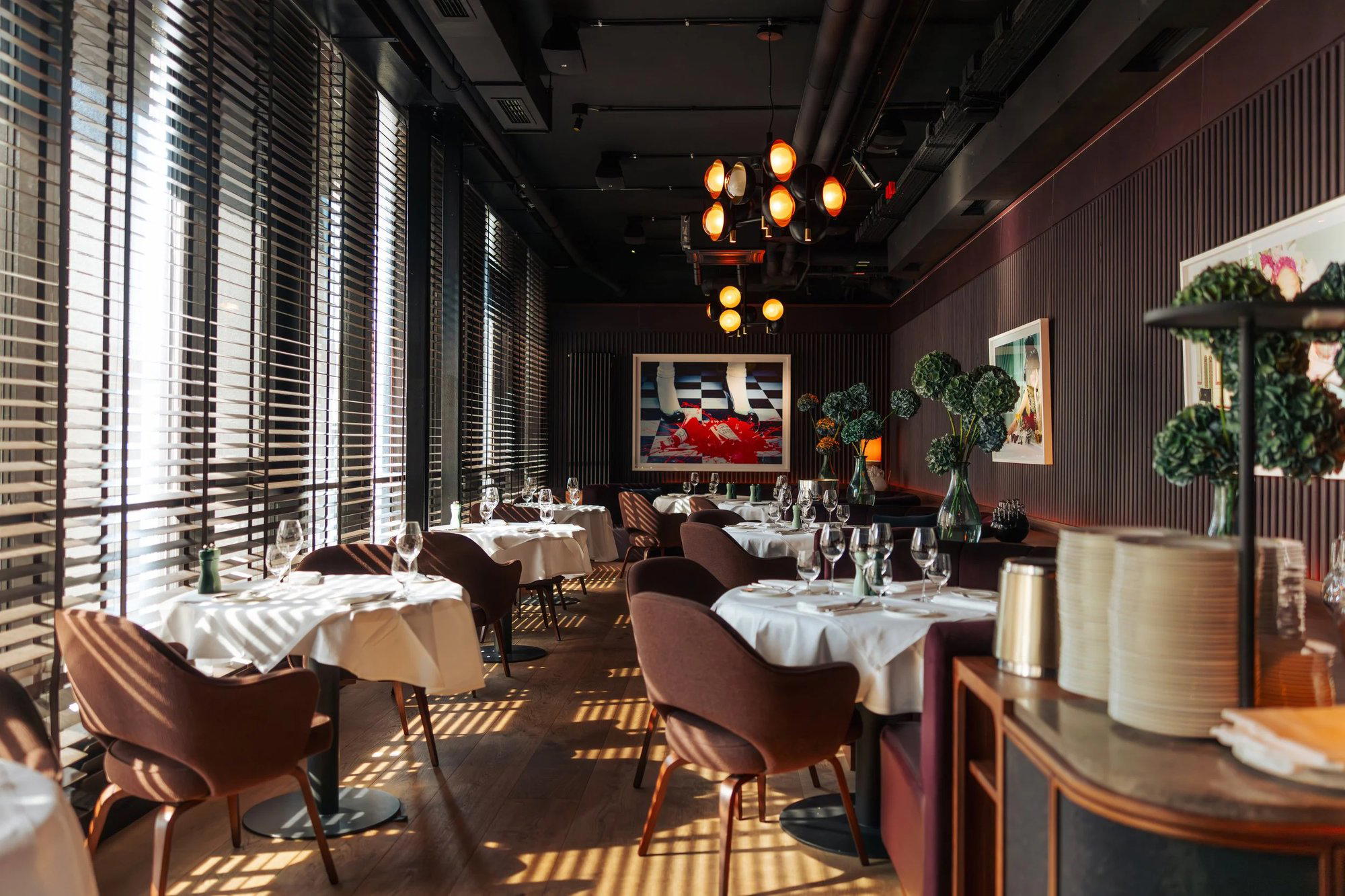
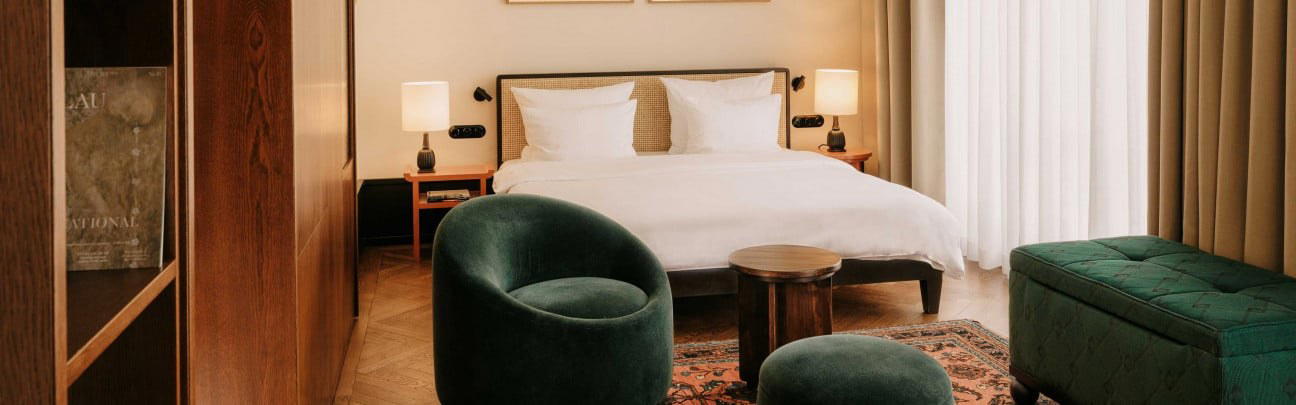
Inviting ambiance blending modern design with warm earthy tones, chic and comfortable.