Casa Don Papa occupies a plot on Invalidenstraße in Berlin's Mitte district, where the city's appetite for ingredient-led, consciously sourced dining has reshaped expectations across every price tier. With the German fine-dining conversation increasingly centred on provenance and restraint, Casa Don Papa positions itself inside a broader shift toward hospitality that takes environmental accountability as seriously as the plate.
Pearl is the En Primeur Club membership app — saves, bookings, and concierge access live there. Same editors, same standards.
- Address
- Invalidenstraße 53 A, 10557 Berlin, Germany
- Phone
- +493031491870
- Website
- berlin.casa-donpapa.com
- Directions
- Get directions
 Saves & bookings on Pearl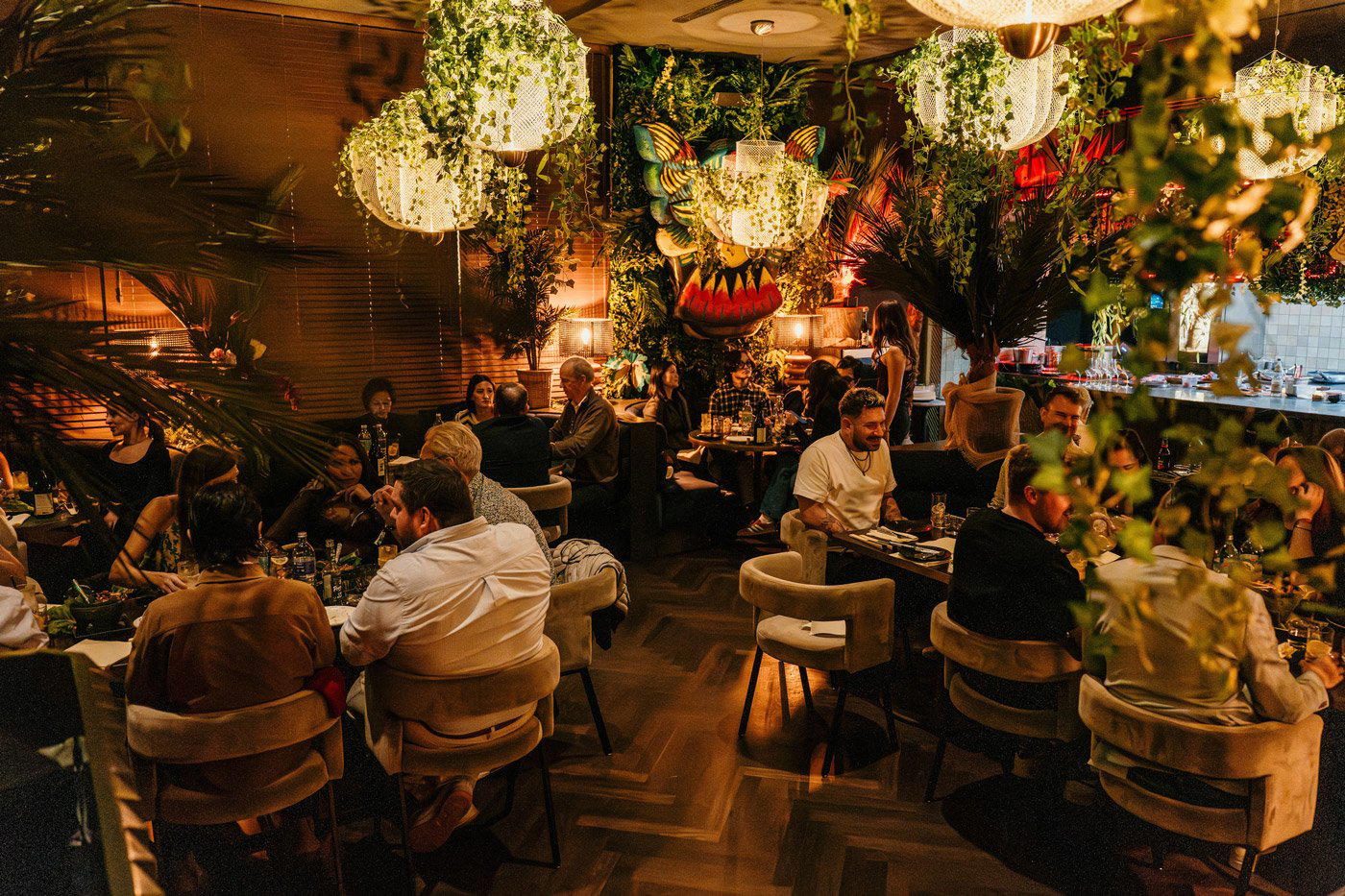
Invalidenstraße and the Ethics of Place
Casa Don Papa is a restaurant in Berlin serving Filipino-Caribbean Fusion at a price tier of about $30 per person. Berlin's dining identity has never been shaped primarily by luxury signals. Unlike Munich or Hamburg, where white-tablecloth formality carries significant cultural weight, Berlin's food culture rewards conviction: a clear point of view about ingredients, sourcing, and the relationship between kitchen and supplier. Invalidenstraße 53A sits in a corridor of Mitte that has absorbed both the city's institutional architecture and its more recent appetite for considered, deliberate hospitality. The address is less about prestige postcode and more about a neighbourhood in ongoing negotiation between its industrial past and a present shaped by design studios, embassies, and residents who expect more from their dining choices than a well-composed plate alone.
Casa Don Papa operates within that negotiation. In a city where venues such as Nobelhart & Schmutzig have built their entire identity around radically local sourcing, and where Rutz holds Michelin recognition for its approach to modern European cuisine, the bar for ingredient transparency is set by the wider scene rather than by individual ambition. That context matters when assessing what any venue on Invalidenstraße is being measured against.
Sustainability as Operating Logic, Not Marketing Layer
Across Germany's serious dining tier, the shift toward environmental accountability has moved from optional positioning to near-mandatory practice. Venues at the upper end of the market in Berlin, from the creative dessert-led format at CODA Dessert Dining to the contemporary European work at FACIL, are increasingly assessed not only on what arrives at the table but on the decisions made before service begins: which suppliers are named, how waste is handled, what the kitchen's relationship to seasonality actually looks like in practice rather than in menu language.
This is the context in which Casa Don Papa on Invalidenstraße sits. The address places it within walking distance of the Hauptbahnhof and the Charité campus, a stretch of Berlin that draws a mixed clientele of professionals, travellers with international reference points, and local residents who have grown accustomed to venues that treat sourcing as a structural decision rather than a garnish on the concept. The broader German fine-dining scene has set a precedent: at restaurants like Schwarzwaldstube in Baiersbronn and Schanz in Piesport, deep regional rootedness is now understood as both an ethical and an aesthetic commitment. Berlin venues that want to hold serious attention need to demonstrate something similar, even if the city's cosmopolitan mix allows for a wider range of reference points than a single German region can provide.
The Mitte Context: What the Neighbourhood Demands
Mitte's dining scene has bifurcated sharply over the past decade. On one side sit the tourist-facing institutions, feeding off foot traffic from museum corridors and government buildings. On the other sit the quieter, more deliberate spaces that have cultivated local regulars and word-of-mouth reputations. Invalidenstraße, running north from the Spree, belongs more to the second category, a street where the audience is specific enough that a venue cannot rely on passing trade alone.
For international visitors using Berlin as a reference point within a broader German dining itinerary, the city's fine-dining scene is worth mapping carefully. Restaurant Tim Raue holds two Michelin stars and operates at a different register of ambition and price entirely. The point for the restaurant is not to compete with that tier but to position clearly within its own, which requires the kind of ingredient-level specificity and sourcing transparency that Berlin's more engaged dining audience now reads as baseline credibility rather than added value.
Germany's broader restaurant geography offers useful comparison. At Aqua in Wolfsburg, Vendôme in Bergisch Gladbach, and Victor's Fine Dining by Christian Bau in Perl, the highest recognition levels correspond to decades of supplier relationship-building and kitchen discipline around waste and seasonality. Even venues operating below that tier, such as ES:SENZ in Grassau or JAN in Munich, demonstrate that ethical sourcing at the regional level is now a standard by which serious operations are assessed from Hamburg to Bavaria.
In Hamburg, Restaurant Haerlin and in Trier, Bagatelle similarly reflect how Germany's regional dining culture has developed a coherent language around place and ingredient. Berlin, despite its less obviously rooted culinary identity, has absorbed that conversation and made it its own. Waldhotel Sonnora in Dreis offers a further example of how deep regional commitment translates into sustained critical recognition across decades, a model that urban venues increasingly study even when their operating context is radically different.
For those building a wider comparative picture of what ingredient-conscious dining looks like at the international level, Le Bernardin in New York City and Lazy Bear in San Francisco represent how the sustainability conversation plays out in different cultural markets, with sourcing transparency now a near-universal expectation among serious dining audiences regardless of city.
Planning Your Visit
Know Before You Go
- Address: Invalidenstraße 53A, 10557 Berlin, Germany
- Neighbourhood: Mitte, near Berlin Hauptbahnhof and the Charité campus
- Transport: Berlin Hauptbahnhof is within walking distance; S-Bahn and U-Bahn connections are accessible from the Hauptbahnhof interchange
- Hours: Not confirmed; check before visiting, particularly around German public holidays when neighbourhood schedules shift
- Seasonal note: Berlin's autumn and winter months bring a different character to Mitte dining, with shorter days and a stronger pull toward enclosed, warm-lit spaces; this corridor of Invalidenstraße reflects that shift noticeably from October onward
City Peers
Comparable venues nearby, for context on price, style, and recognition.
| Venue | Cuisine | Price | Notes |
|---|---|---|---|
| Casa Don PapaThis venue — the venue you are viewing | Filipino-Caribbean Fusion | $$$ | Not listed |
| Restaurant Sara & Gogi | Georgian-Israeli Fusion | $$$ | Charlottenburg |
| Qui 31 | Modern European Fusion | $$$ | Charlottenburg |
| The Alchemist | Fusion Cocktail Bar | $$$ | Tiergarten |
| JÓMO Restaurant | Modern International Fusion | $$$ | Prenzlauer Berg |
| Kramer Restaurant | Modern Open Fire Fusion | $$$ | Neukolln |
Continue exploring
More in Berlin
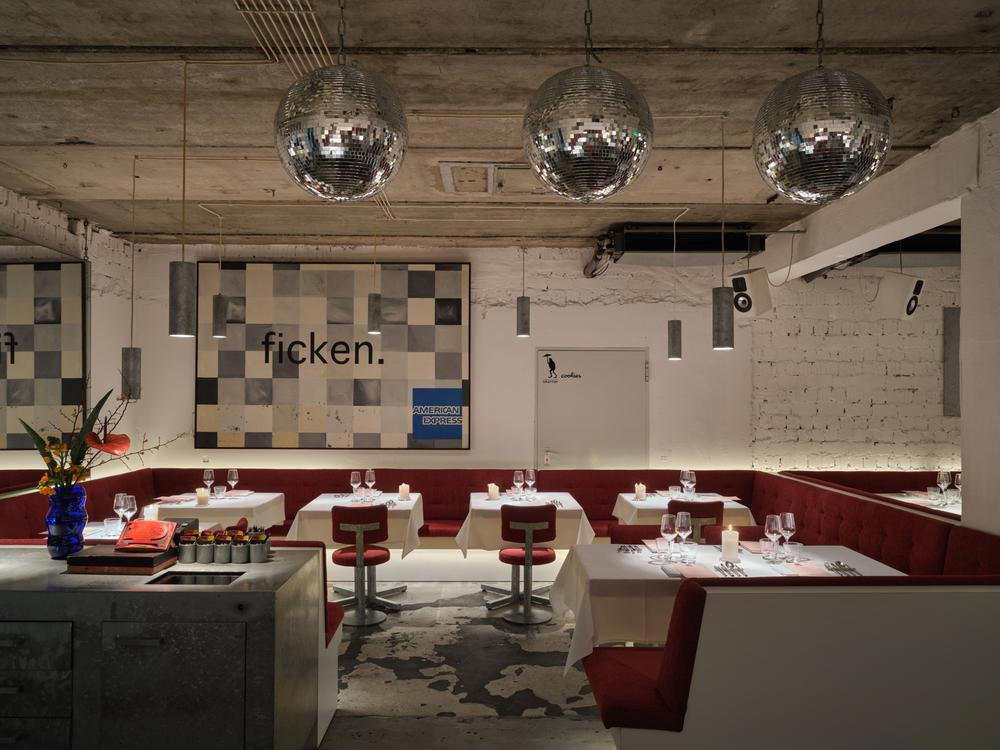
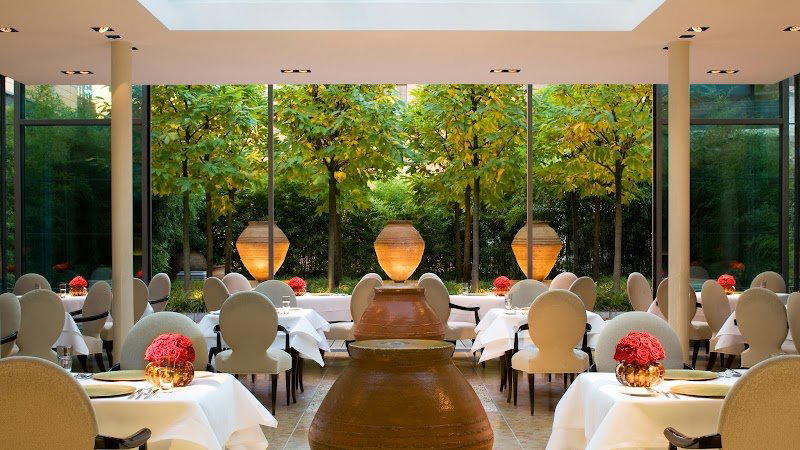
Restaurants in Berlin
Browse all →
Bars in Berlin
Browse all →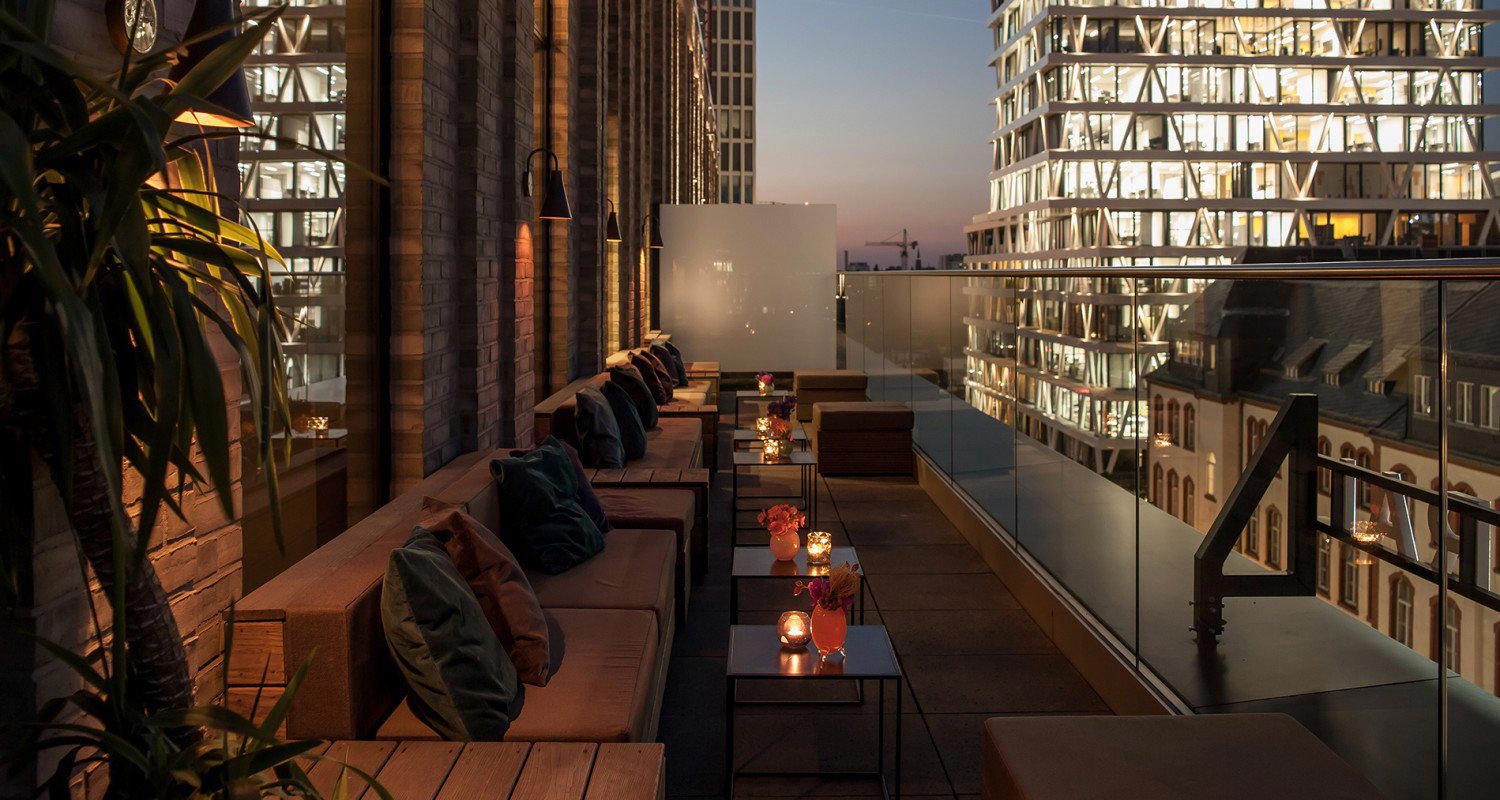
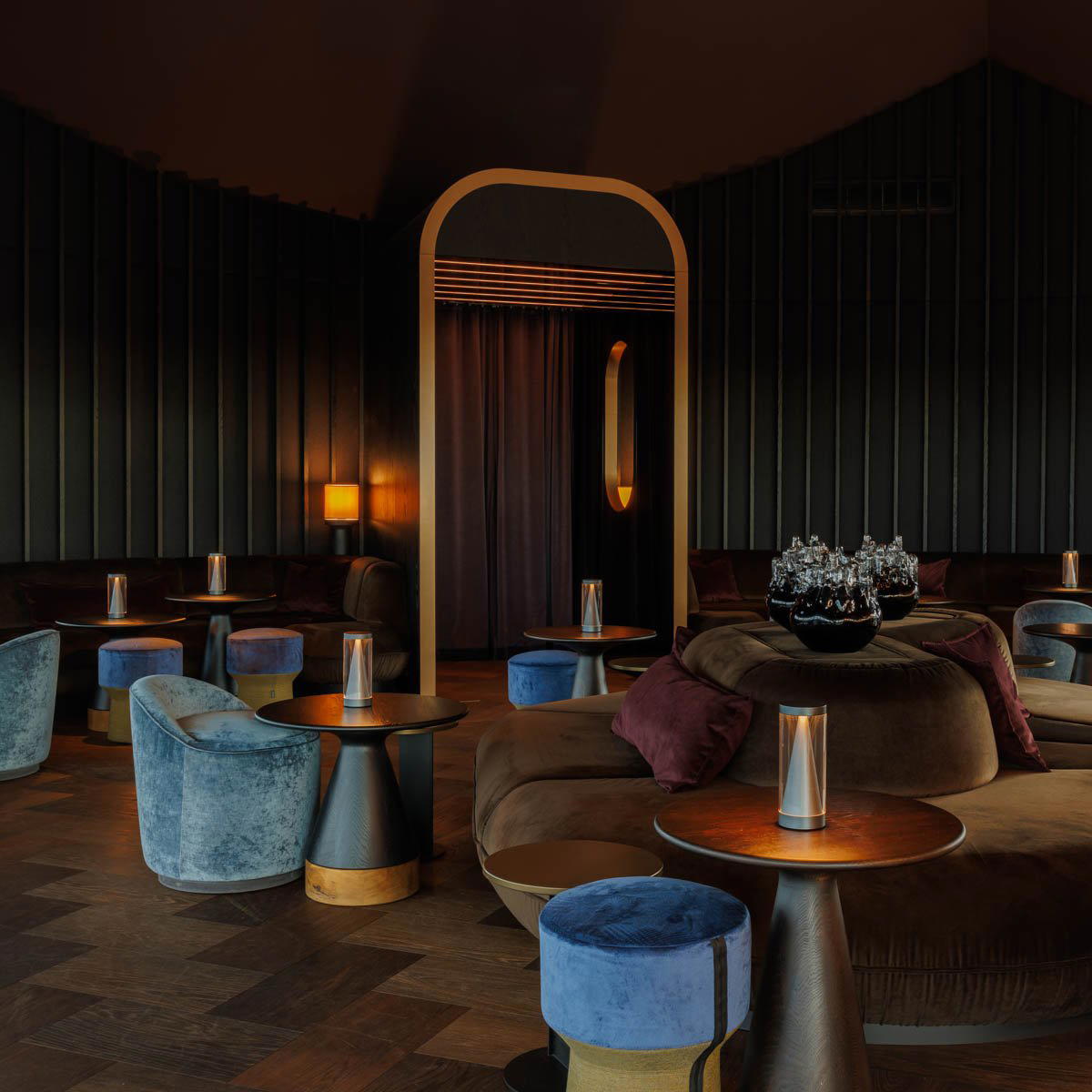
Hotels in Berlin
Browse all →


At a Glance
- Lively
- Trendy
- Date Night
- Casual Hangout
- Late Night
- Open Kitchen
- Craft Cocktails
Current opening hours
- Monday
- Closed
- Tuesday
- Closed
- Wednesday
- Closed
- Thursday
- 7 PM–2 AM
- Friday
- 7 PM–2 AM
- Saturday
- 7 PM–2 AM
- Sunday
- Closed
Hours can change for holidays and private events. Last verified .
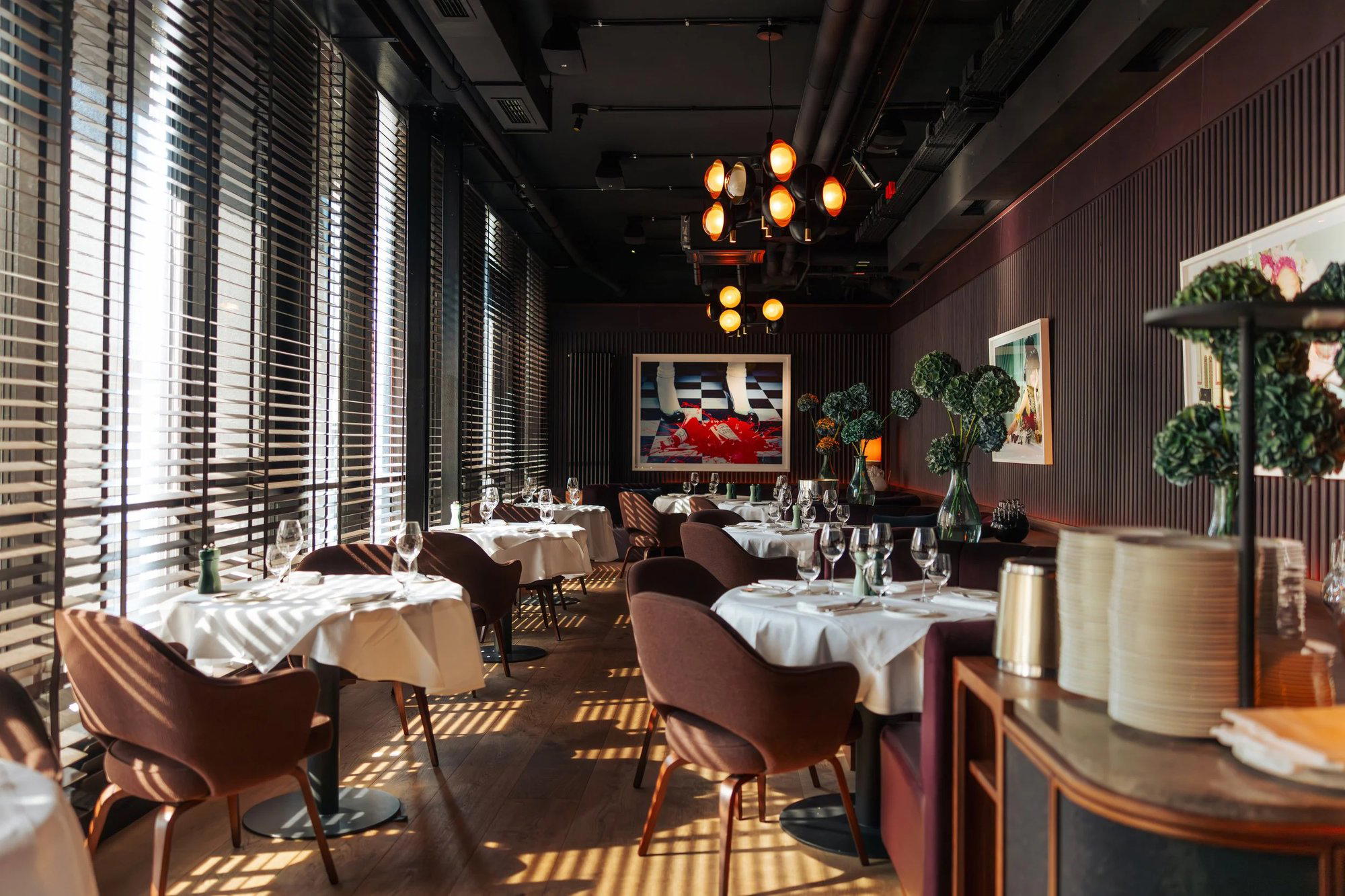
Tropical vibes with Caribbean flair, pink room decor, and lively escapism atmosphere featuring exotic drinks and fusion food.