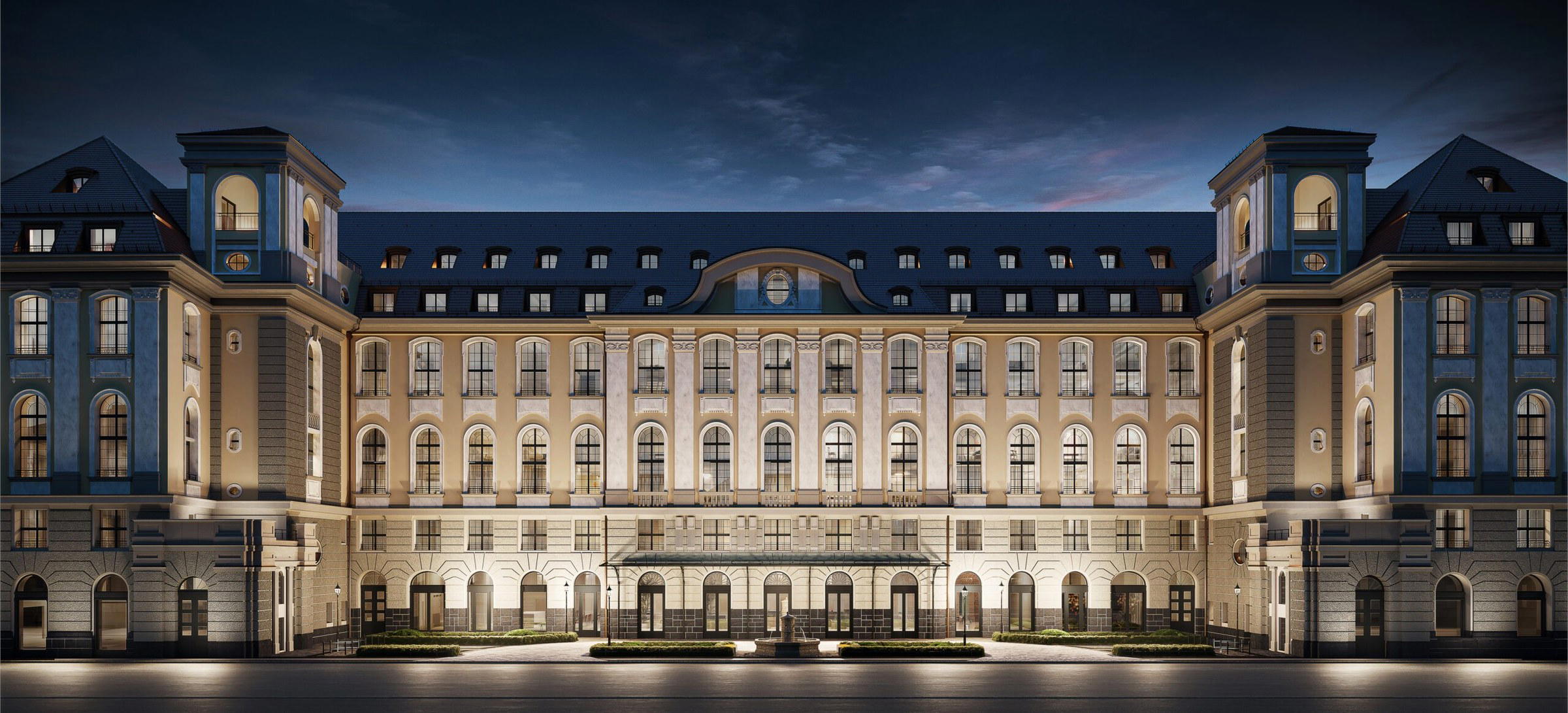
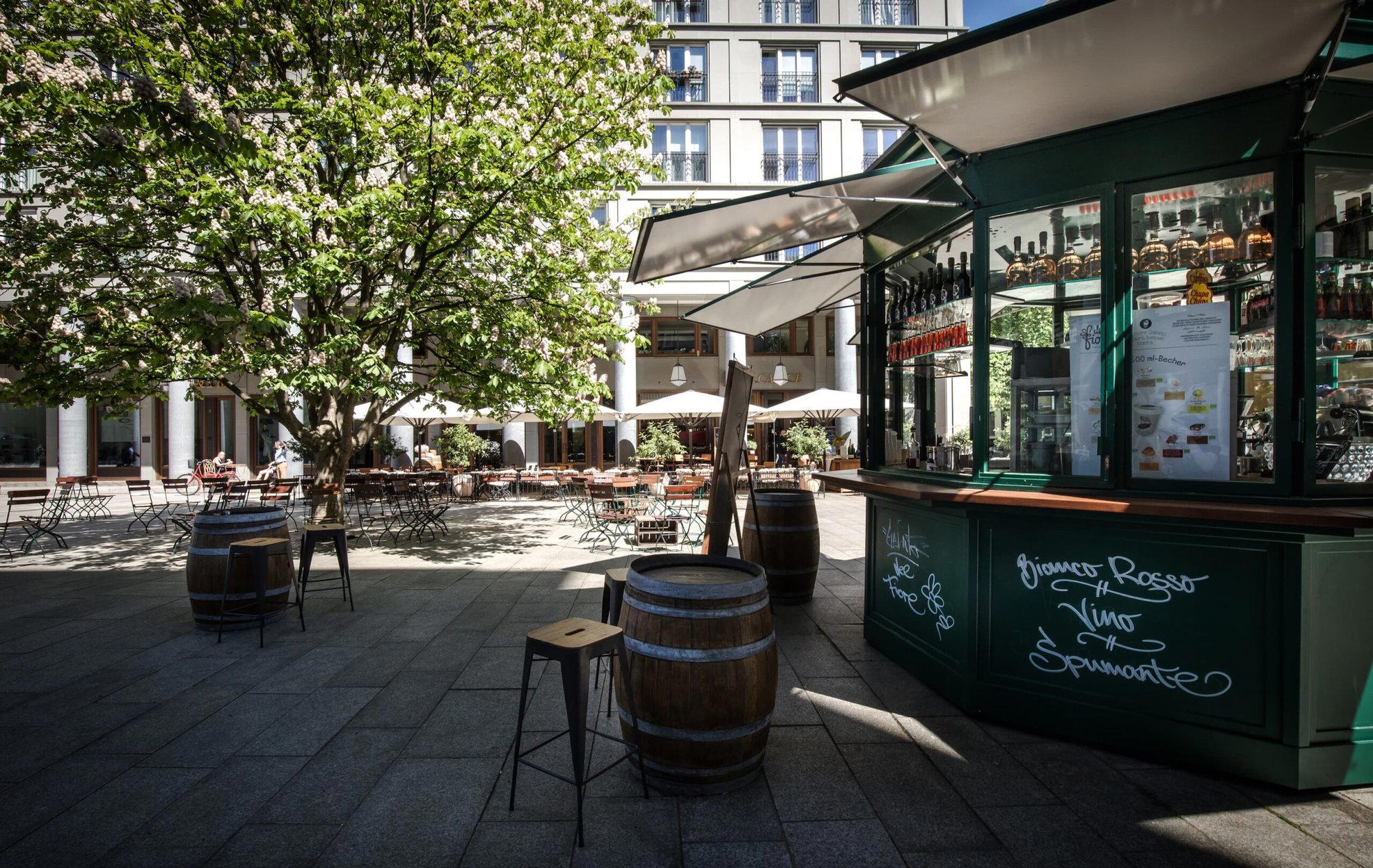
On Behrenstraße in Berlin's Mitte district, CHIARO occupies one of the city's most historically charged addresses, steps from the Brandenburg Gate and the former Prussian institutional corridor. The restaurant positions itself within Berlin's serious fine dining tier, where Italian-inflected European cooking meets the architectural weight of the German capital's most formal neighbourhood.
Pearl is the En Primeur Club membership app — saves, bookings, and concierge access live there. Same editors, same standards.
- Address
- Behrenstraße 37, 10117 Berlin, Germany
- Phone
- +49304606091212
- Website
- hotelderomeberlin.com
- Directions
- Get directions
 Saves & bookings on Pearl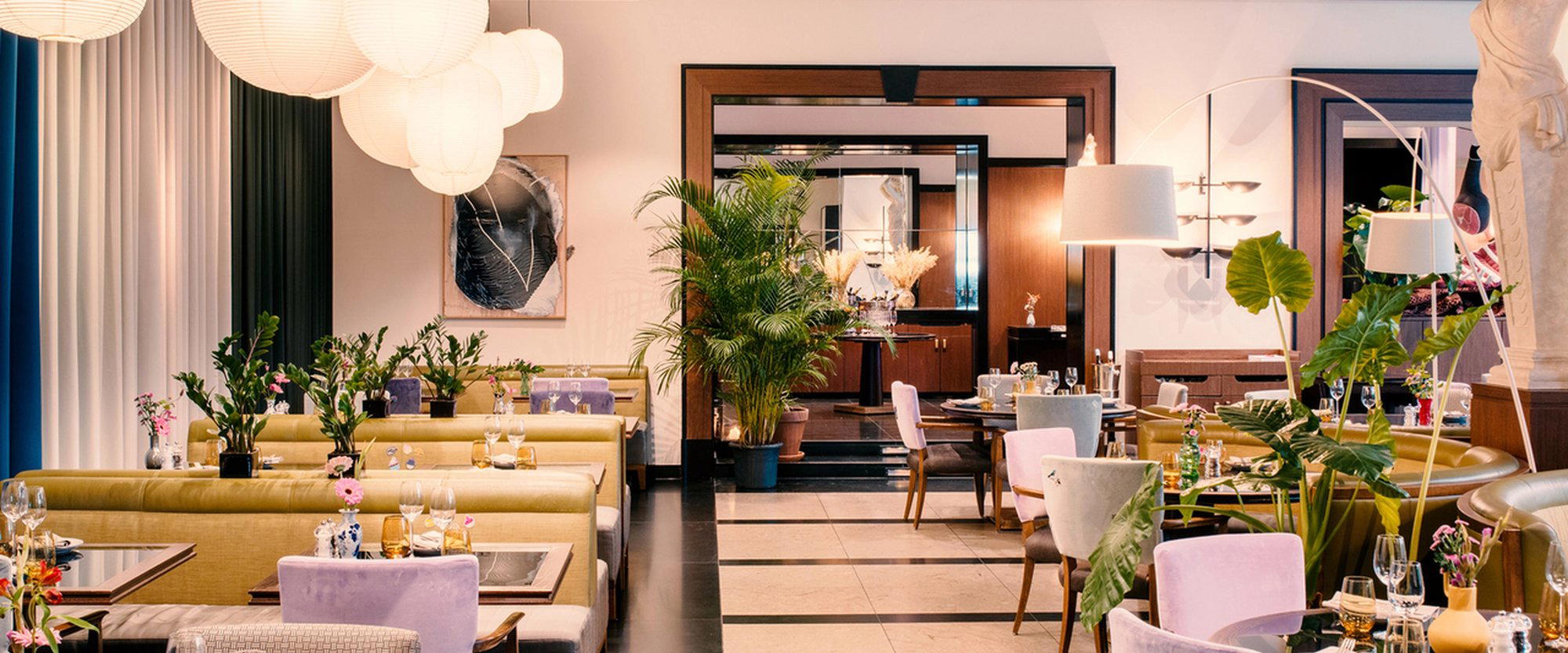
Mitte's Dining Character and Where CHIARO Sits Within It
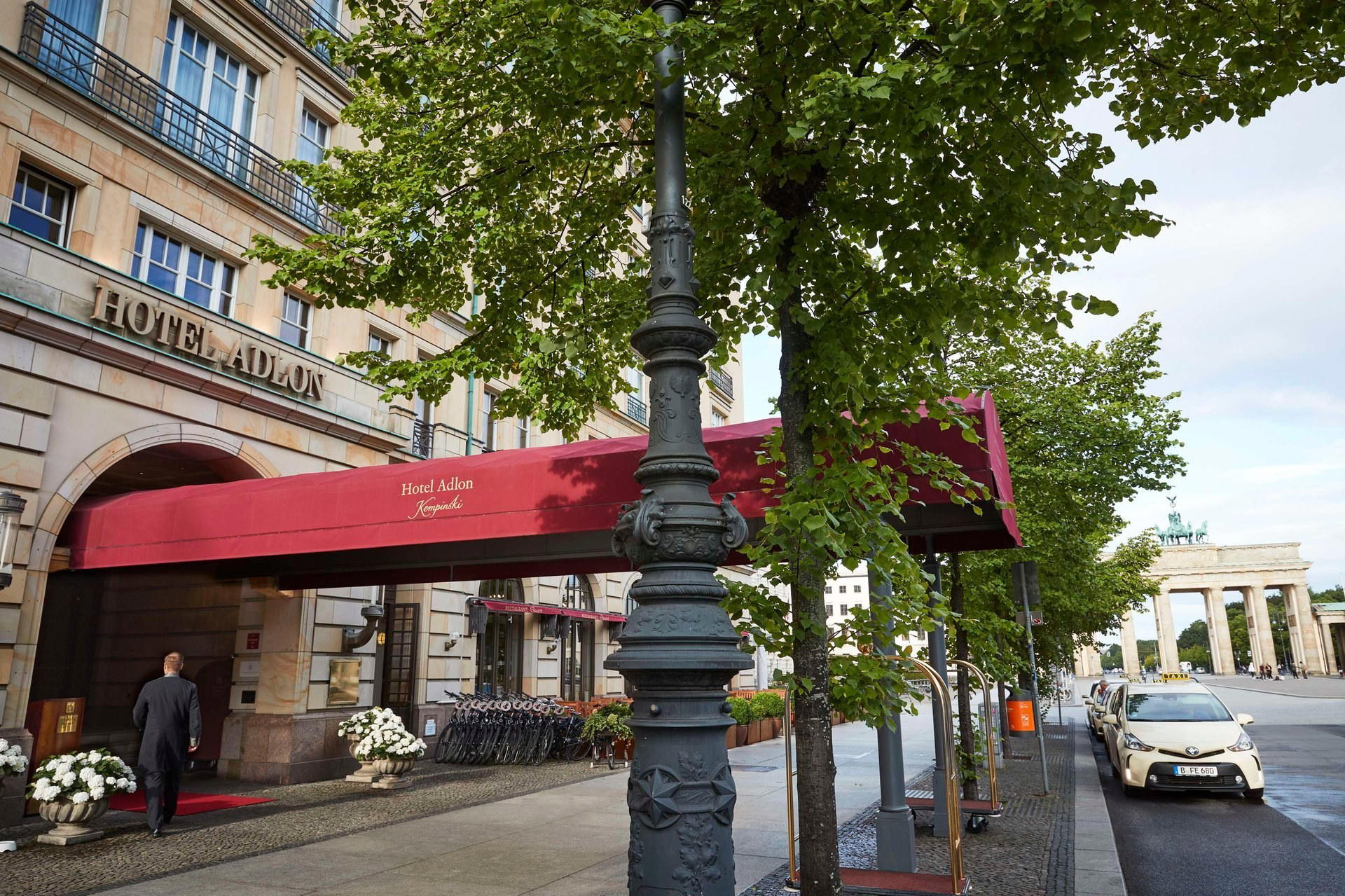
Behrenstraße cuts through the densest layer of Berlin's official city: government ministries, foreign embassies, the Hotel Adlon, and the restored neoclassical facades that line the streets between Pariser Platz and Gendarmenmarkt. Dining here means something different, the rooms are larger, the rooms quieter, and the expectation is formal rather than casual. CHIARO at Behrenstraße 37 operates in exactly that register.
Berlin's fine dining scene has consolidated around a relatively small number of serious addresses. Rutz holds two Michelin stars and operates in a different postcode but at a comparable level of ambition. FACIL works a contemporary European register inside the Mandala Hotel. Nobelhart & Schmutzig takes a rigidly regional approach that has made it a reference point for German-produce-led cooking. Within that landscape, a restaurant on Behrenstraße is making a specific geographic argument: that the institutional gravity of Mitte justifies a dining experience pitched at the more formal end of the city's range.
The name CHIARO, Italian for clear, bright, or light, signals an orientation away from the heavier Central European register that some of Berlin's celebrated kitchens favour.
The Address as Context
Behrenstraße 37 places CHIARO approximately one block south of Unter den Linden, the boulevard that has functioned as Berlin's ceremonial spine since the seventeenth century. The street itself runs parallel to the rebuilt Humboldt Forum and sits within walking distance of the Deutsche Oper, Bebelplatz, and the Museum Island approaches. Dinner here sits inside an evening that could plausibly begin at a concert or an exhibition and end with a walk along the Spree.
That geography matters for how the restaurant reads. In cities like London or Paris, a restaurant at this kind of address would face intense expectations anchored to the neighbourhood's established dining hierarchy. Berlin is different: the city's serious restaurant culture is distributed across districts rather than concentrated in one obvious zone, which means a Mitte address carries symbolic weight, proximity to power, history, and visiting international guests, without the suffocating competitive density of a Mayfair or a Saint-Germain. For a restaurant aiming at the premium end of the Berlin market, that is a useful position.
Comparable European contexts are instructive here. Fine dining rooms inside or adjacent to formal hotel corridors in Vienna, Prague, or Brussels tend to attract a clientele that combines business travel, diplomatic entertaining, and tourists at the upper end of the market. Berlin's Mitte fine dining addresses operate similarly: the room will, on any given evening, contain a mix of international visitors, German business guests, and the smaller cohort of serious local diners who seek out this part of the city specifically for a formal meal. That mix shapes the energy of a room in ways that differ from the more neighbourhood-embedded restaurants that anchor Berlin's other dining districts.
Berlin's Fine Dining Tier in Comparative Terms
Germany's most acclaimed tables are distributed across the country rather than centralised in Berlin. The roster of three-star restaurants includes Schwarzwaldstube in Baiersbronn, Aqua in Wolfsburg, and Vendôme in Bergisch Gladbach. Outside Berlin, strong two-star programmes operate at JAN in Munich, Victor's Fine Dining by Christian Bau in Perl, ES:SENZ in Grassau, Schanz in Piesport, Waldhotel Sonnora in Dreis, and Restaurant Haerlin in Hamburg. Regional specialists like Bagatelle in Trier complete a picture of German fine dining that prizes geographic spread over metropolitan concentration.
Berlin's own starred contingent has grown since reunification, but the city remains underrepresented at the highest Michelin tier relative to its size and economic weight. That gap creates both an opportunity and a pressure for restaurants operating at the premium end of the Berlin market: the audience for serious dining exists, but it is accustomed to travelling beyond the city for particularly rigorous experiences. CHIARO's position on Behrenstraße places it within the city's serious tier at an address where the physical surroundings alone communicate a certain level of intent.
For reference points outside Germany, Le Bernardin in New York City and Lazy Bear in San Francisco both demonstrate how restaurants at the premium end of their respective city markets can build sustained reputations through consistency and format discipline rather than novelty. Berlin's version of that sustained seriousness looks different in architectural and cultural terms, but the underlying logic, a room that means something, a kitchen that delivers on the address's promise, is the same.
Within Berlin specifically, the restaurants that have built the strongest reputations share a commitment to format clarity. CODA Dessert Dining has built a following around a format that few restaurants globally attempt at this level. Restaurant Tim Raue has made an Asian-influenced register its consistent identity across years of operation. Format discipline, in Berlin's serious dining tier, matters more than trend responsiveness.
Planning a Visit
Behrenstraße 37 is within five minutes on foot from the Brandenburger Tor S-Bahn and U-Bahn interchange, making arrival direct from most central Berlin hotels. The street sits between two of the city's most visited landmarks, which means the surrounding area is active in the early evening but quieter by mid-service. For visitors staying in Charlottenburg or Potsdamer Platz, the journey is short; for those in Prenzlauer Berg or Mitte proper, it is a natural part of an evening already spent in this part of the city.
Know Before You Go
- Address: Behrenstraße 37, 10117 Berlin, Germany
- Nearest transit: Brandenburger Tor (S1, S2, S25, U55), approximately 5 minutes on foot
- Neighbourhood: Mitte, adjacent to Unter den Linden and Pariser Platz
- Booking: Recommended
- Context: Formal Mitte dining corridor; suits pre-concert or post-museum evenings
- spaghetti sciuè sciuè with tomatoes and basil
- fried calamari nduja fagiolini
- beef katsu grilled sandwiches
- ravioli
- linguine
- focaccia
Credentials Lens
Comparable venues nearby, for context on price, style, and recognition.
| Venue | Cuisine | Price | Notes |
|---|---|---|---|
| CHIAROThis venue — the venue you are viewing | Italian-Japanese Fusion | $$$$ | Not listed |
| Qui 31 | Modern European Fusion | $$$ | Charlottenburg |
| Baret | Modern International with Indonesian Influences | $$$ | Museuminsel |
| Sky Kitchen | Modern Fusion Cuisine | $$$$ | Fennpfuhl |
| To The Bone | Modern Italian Steakhouse | $$$$ | Scheunenviertel |
| The Taste of Beef and Seafood | Steakhouse & Seafood | $$$$ | Charlottenburg |
Continue exploring
More in Berlin
Restaurants in Berlin
Browse all →
Bars in Berlin
Browse all →
Hotels in Berlin
Browse all →

At a Glance
- Elegant
- Sophisticated
- Lively
- Modern
- Date Night
- Business Dinner
- Group Dining
- Celebration
- Special Occasion
- Hotel Restaurant
- Courtyard
- Garden
- Live Music
- Open Kitchen
- Craft Cocktails
- Extensive Wine List
- Local Sourcing
- Garden
Current opening hours
- Monday
- 12–3 PM, 5:30–10:30 PM
- Tuesday
- 12–3 PM, 5:30–10:30 PM
- Wednesday
- 12–3 PM, 5:30–10:30 PM
- Thursday
- 12–3 PM, 5:30–10:30 PM
- Friday
- 12–3 PM, 5:30–10:30 PM
- Saturday
- 5:30–10:30 PM
- Sunday
- 5:30–10:30 PM
Hours can change for holidays and private events. Last verified .