
A Michelin Plate-recognised gastro-bar steps from Guadalajara's Plaza Mayor, Bambú runs an open kitchen where traditional Spanish technique meets contemporary reinterpretation. The format moves between tapas, sharing plates, and a tasting menu, with standouts like truffled duck egg and braised Iberian pork cheeks. At budget-friendly price points, it fills up daily, book ahead.
Pearl is the En Primeur Club membership app — saves, bookings, and concierge access live there. Same editors, same standards.
- Address
- C. América, 19005 Guadalajara, Spain
- Phone
- +34 949 23 57 55
- Directions
- Get directions
 Saves & bookings on Pearl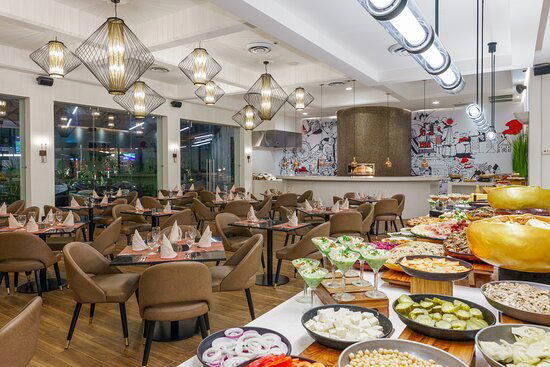
Where the Plaza Mayor Meets the Open Kitchen
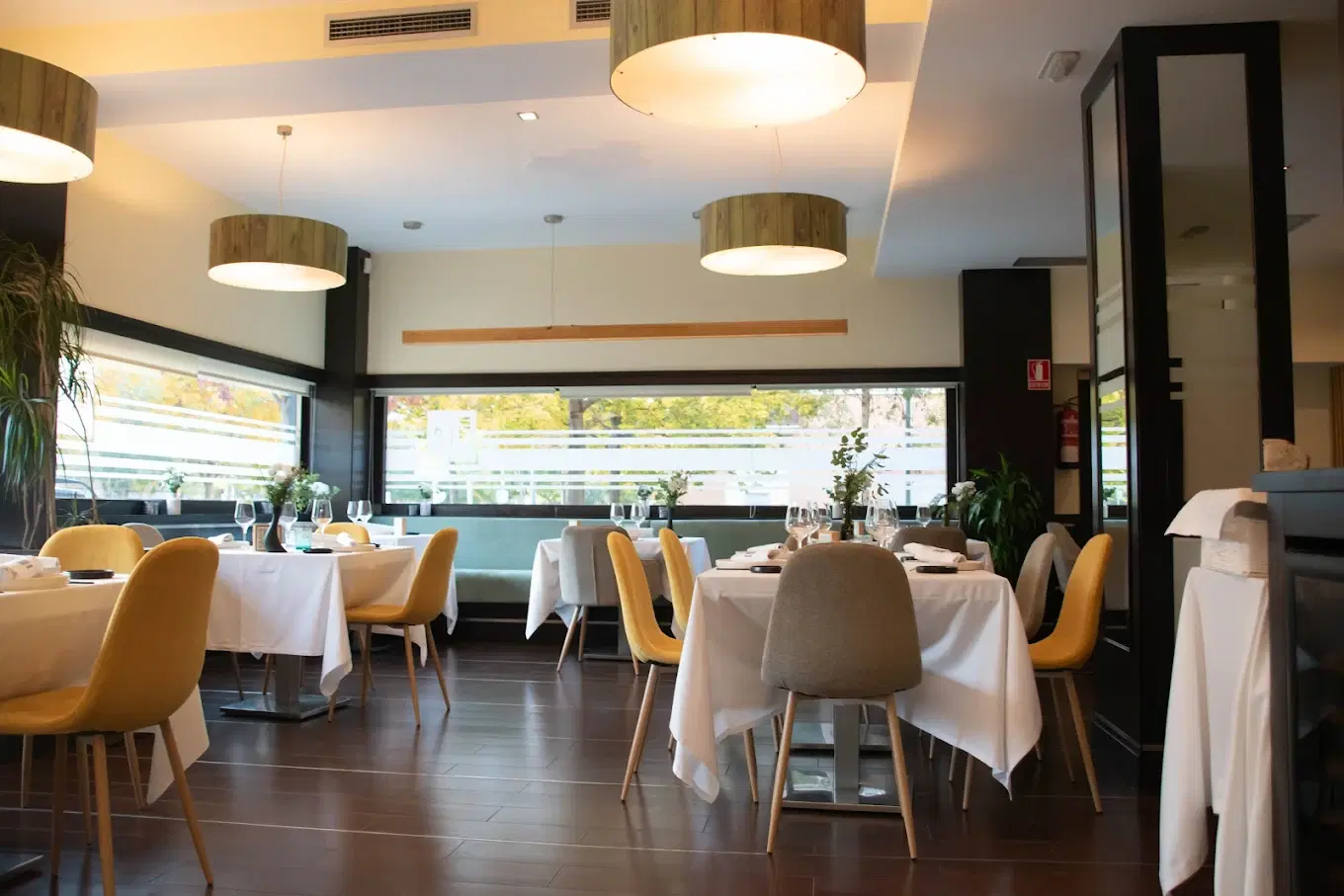
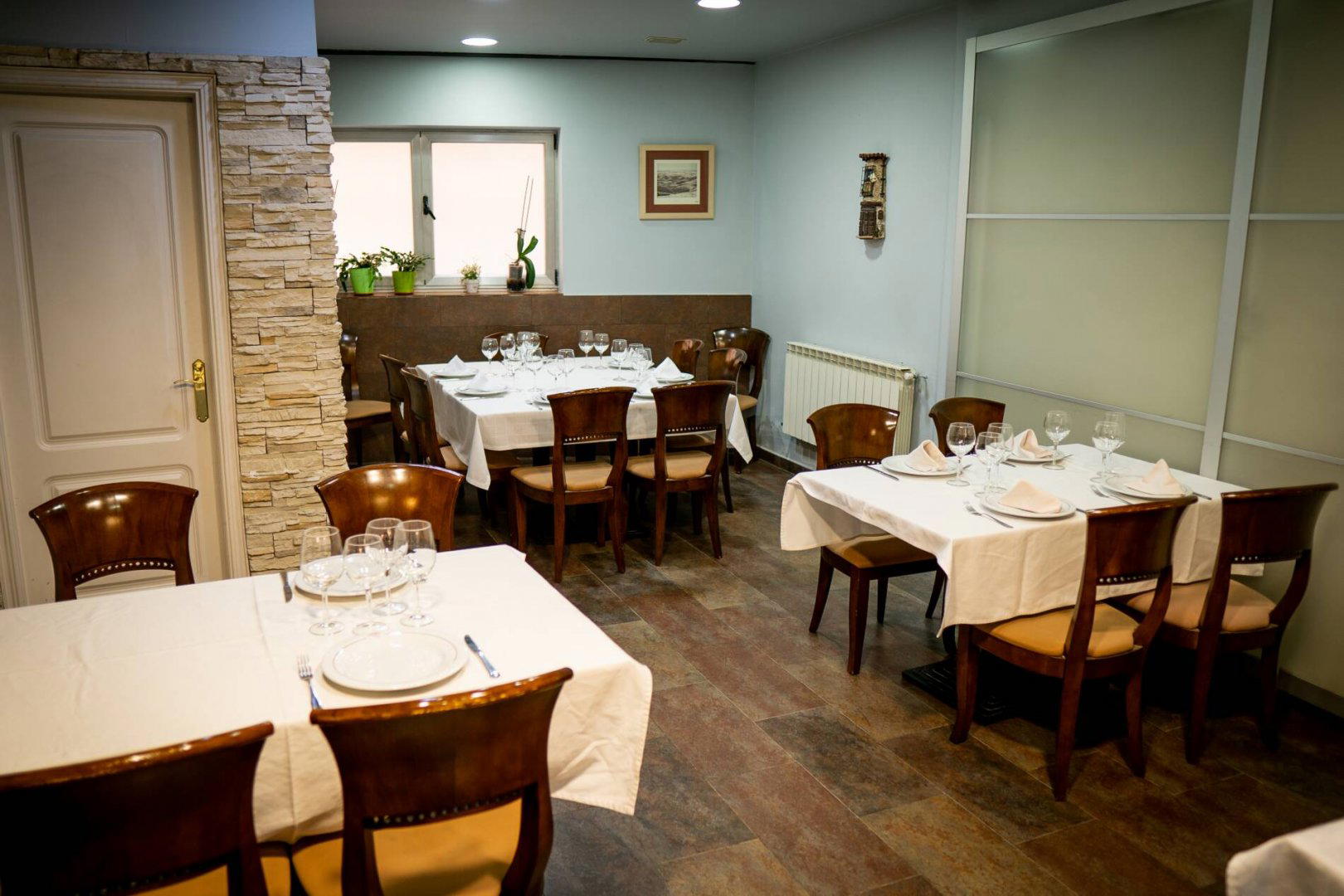
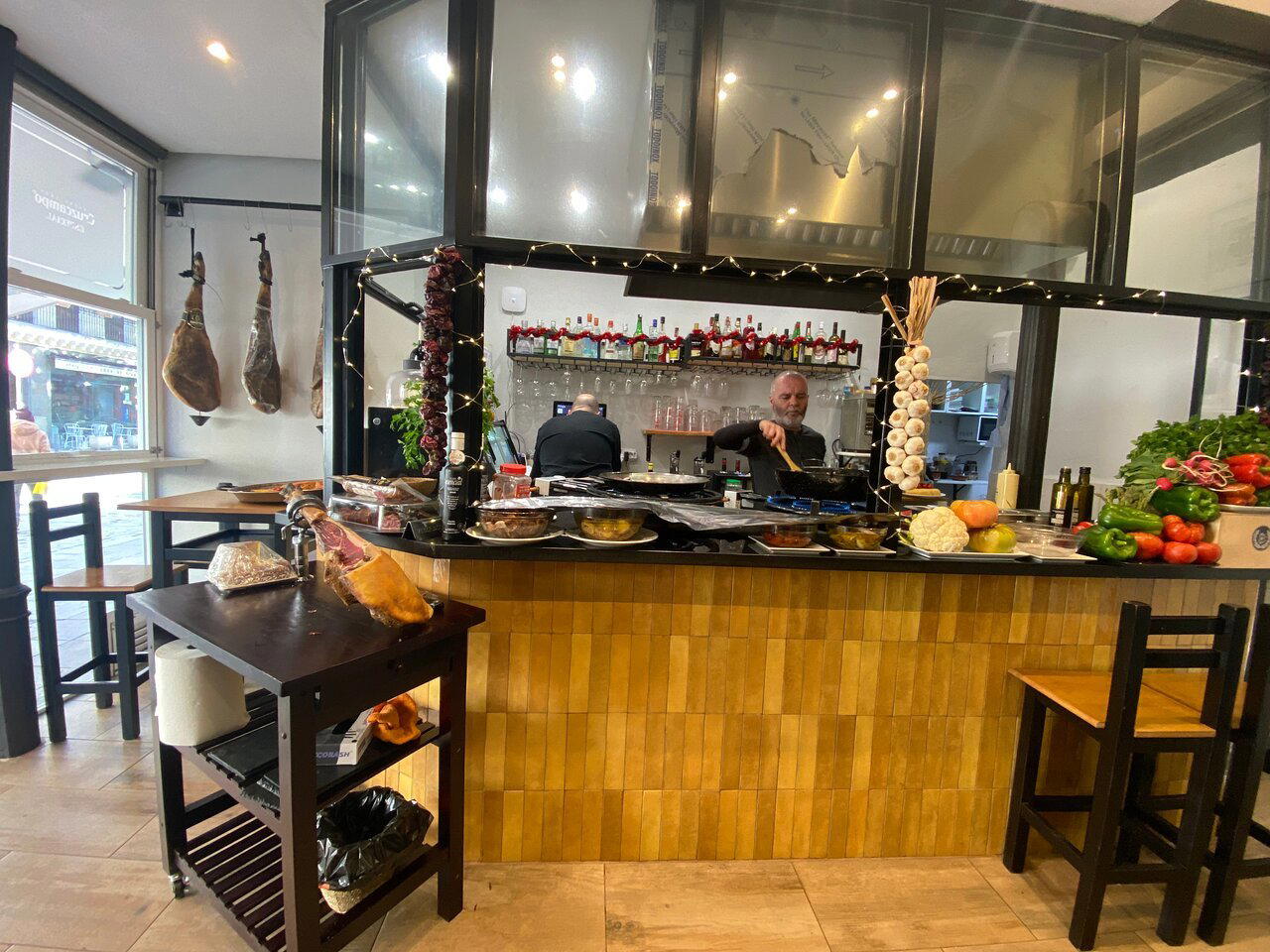
Bambú is a restaurant in Guadalajara, Spain, serving Authentic Thai cuisine. Approach the streets surrounding Guadalajara's Plaza Mayor and you'll find the kind of compact, animated dining room that the Spanish gastro-bar format does well: an open kitchen at the centre, the clatter of plates, and tables packed close enough that you're aware of what everyone around you has ordered. Bambú occupies that physical and conceptual space with some conviction. The open kitchen isn't decorative, it's structural to how the place operates, and at the price point it occupies (a single euro sign, among the more accessible in the Michelin Plate tier), it signals a kitchen comfortable enough in its craft to work in plain sight.
The address places it just metres from the Plaza Mayor, one of the reference points of the city's social life. That proximity matters: the gastro-bar format in Spain has historically thrived in the orbit of landmark squares, where foot traffic is reliable and the expectation is for food that works both as a standalone plate and as part of a longer, shared table. Bambú fits that template while pushing it in a more deliberate direction.
Traditional Cuisine Through a Contemporary Lens
Spain's broader fine-dining conversation, the one happening at places like El Celler de Can Roca in Girona, Arzak in San Sebastián, or Azurmendi in Larrabetzu, operates several tiers above where Bambú sits in terms of price and format. But the underlying tension those restaurants navigate, between Spanish culinary tradition and contemporary reinterpretation, filters down through every layer of the country's dining culture. Bambú is a local expression of that same negotiation, running it through grilled dishes, tapas, and a tasting menu rather than through laboratory technique or prestige sourcing.
The kitchen's approach combines traditional cuisine with fusion touches and strong flavours from other parts of the world. That positioning is fairly common in Spanish mid-market dining, but it's rarer to find it applied with enough discipline to earn Michelin recognition. Bambú has held a Michelin Plate in both 2024 and 2025. Within its price bracket, that distinction carries weight.
Chef Tyler Hanse leads the kitchen. The menu's movement between Iberian classics and fusion accents suggests a cook who reads the room: grilled and braised preparations anchor the menu in recognisable tradition, while dishes like a chicken chilli doughnut represent deliberate departures. It's a calibration that works better in the gastro-bar format than it might in a more formal setting, because the shared-plates structure allows diners to move between registers without committing entirely to one.
The Menu's Architecture
The format divides into tapas, half-plates, and dishes designed for sharing. That layered structure is increasingly common across Spain's mid-tier dining, from Auga in Gijón to similarly format-flexible kitchens elsewhere in Europe, and it rewards the table that's willing to order broadly rather than defensively.
Several dishes from the menu have been publicly identified as representative: the truffled duck egg sits in classical territory, the kind of preparation that tests kitchen precision more than ingredient novelty; the braised Iberian pork cheeks draw on among the more dependable flavour combinations in Spanish cooking, where low-and-slow technique and the fat content of Iberian pork do most of the work; the braised avocado with pipirrana, a cold salad of tomato, pepper, and cucumber common in Andalusia, speaks to the fusion-adjacent approach without abandoning Spanish reference points; and the chicken chilli doughnut is the menu's most deliberately provocative offering, the kind of dish that signals the kitchen is willing to play. For comparable traditional-leaning kitchens in the region, Amparito Roca and Casa de Comidas offer useful reference points.
How It Sits in the Local Scene
Guadalajara sits in the orbit of Madrid, close enough that its dining scene exists in partial relation to the capital's, yet distinct enough to have its own character. The gastro-bar tier in this part of Spain functions as a daily-use category: accessible price points, flexible formats, and kitchens that need to fill covers consistently rather than rely on destination dining. Bambú operates as a local staple rather than a special-occasion venue.
Within that framework, a double Michelin Plate recognition represents meaningful differentiation. The Plate designation doesn't confer the prestige of a star, but it does signal the kind of cooking that the guide considers worth noting. For a venue at the budget end of the price spectrum, it places Bambú in a smaller comparable set than its price point alone would suggest. For further context on what the broader Spanish fine-dining scene looks like at higher price tiers, the work being done at Martin Berasategui in Lasarte-Oria, Aponiente in El Puerto de Santa María, and Cocina Hermanos Torres in Barcelona shows the range the Michelin system covers across Spain. Madrid's own upper tier, represented by venues like Alcotán, Ayantar, and Coquetto, provides a sense of how the regional conversation is structured above Bambú's tier.
That kind of consistent rating at scale is usually harder to sustain than a smaller number of enthusiastic responses, and it reinforces the picture of a kitchen running reliably rather than occasionally brilliantly.
Planning a Visit
Bambú is located on Calle América in Guadalajara, a few metres from the Plaza Mayor, which makes it direct to combine with time in the historic centre. The venue operates at a single euro-sign price point, making it accessible for a range of table sizes, including families with older children who can engage with a sharing-plates format. Given the reported daily occupancy, reservations are advisable rather than optional, particularly for evening service and for anyone intending to take the tasting menu route. The restaurant is open daily from 12:30 to 4:15 PM and 8 to 11:30 PM, and reservations are recommended. For broader guidance on eating, staying, and exploring beyond Guadalajara, cover the wider region in detail.
Cuisine-First Comparison
Comparable venues nearby, for context on price, style, and recognition.
| Venue | Cuisine | Price | Awards | Notes |
|---|---|---|---|---|
| BambúThis venue — the venue you are viewing | Authentic Thai | $$ | Bib Gourmand | Not listed |
| La MaMá | Traditional Spanish Tapas | $$ | Bib Gourmand | Cuatro Caminos |
| Trèsde | Modern French-Spanish Seasonal Bistro | $$$ | Bib Gourmand | La Latina |
| Manifesto 13 | Italian-Peruvian Fusion | $$ | Bib Gourmand | Trafalgar |
| Nantes | Traditional Spanish Market Cuisine | $$ | Michelin Plate | Legazpi |
| Bistronómika | Modern Spanish Seafood Grill | $$$ | Michelin Plate | Ibiza |
Recognition history
Dated appearances from independent guides and award organizations, with the underlying list record or original source where available.
Michelin Bib Gourmand
Michelin
Michelin Plate
Michelin
Michelin Plate
Michelin
Continue exploring
More in Madrid
Restaurants in Madrid
Browse all →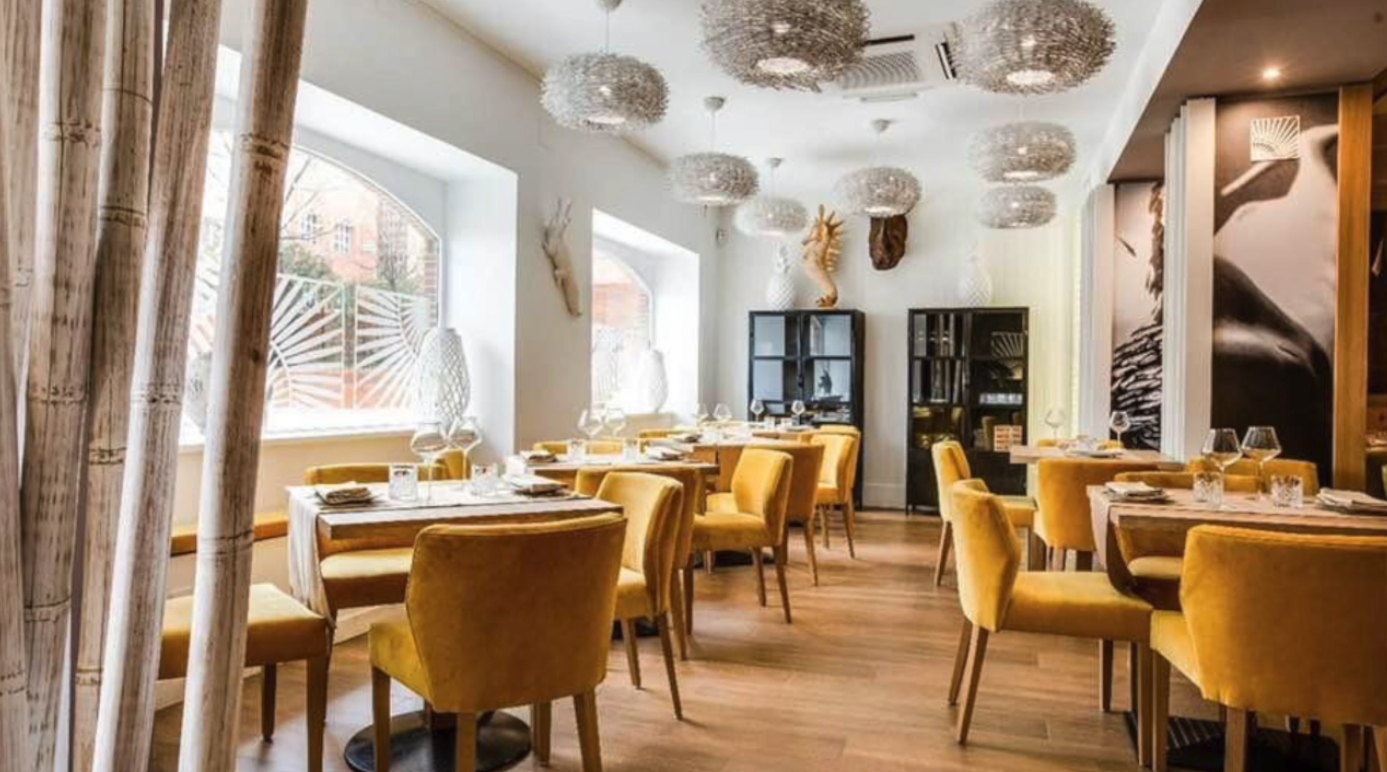
Bars in Madrid
Browse all →
Hotels in Madrid
Browse all →

At a Glance
- Elegant
- Cozy
- Modern
- Intimate
- Date Night
- Casual Hangout
- Open Kitchen
- Craft Cocktails
Current opening hours
- Monday
- 12:30–4:15 PM, 8–11:30 PM
- Tuesday
- 12:30–4:15 PM, 8–11:30 PM
- Wednesday
- 12:30–4:15 PM, 8–11:30 PM
- Thursday
- 12:30–4:15 PM, 8–11:30 PM
- Friday
- 12:30–4:15 PM, 8–11:30 PM
- Saturday
- 12:30–4:15 PM, 8–11:30 PM
- Sunday
- 12:30–4:15 PM, 8–11:30 PM
Hours can change for holidays and private events. Last verified .
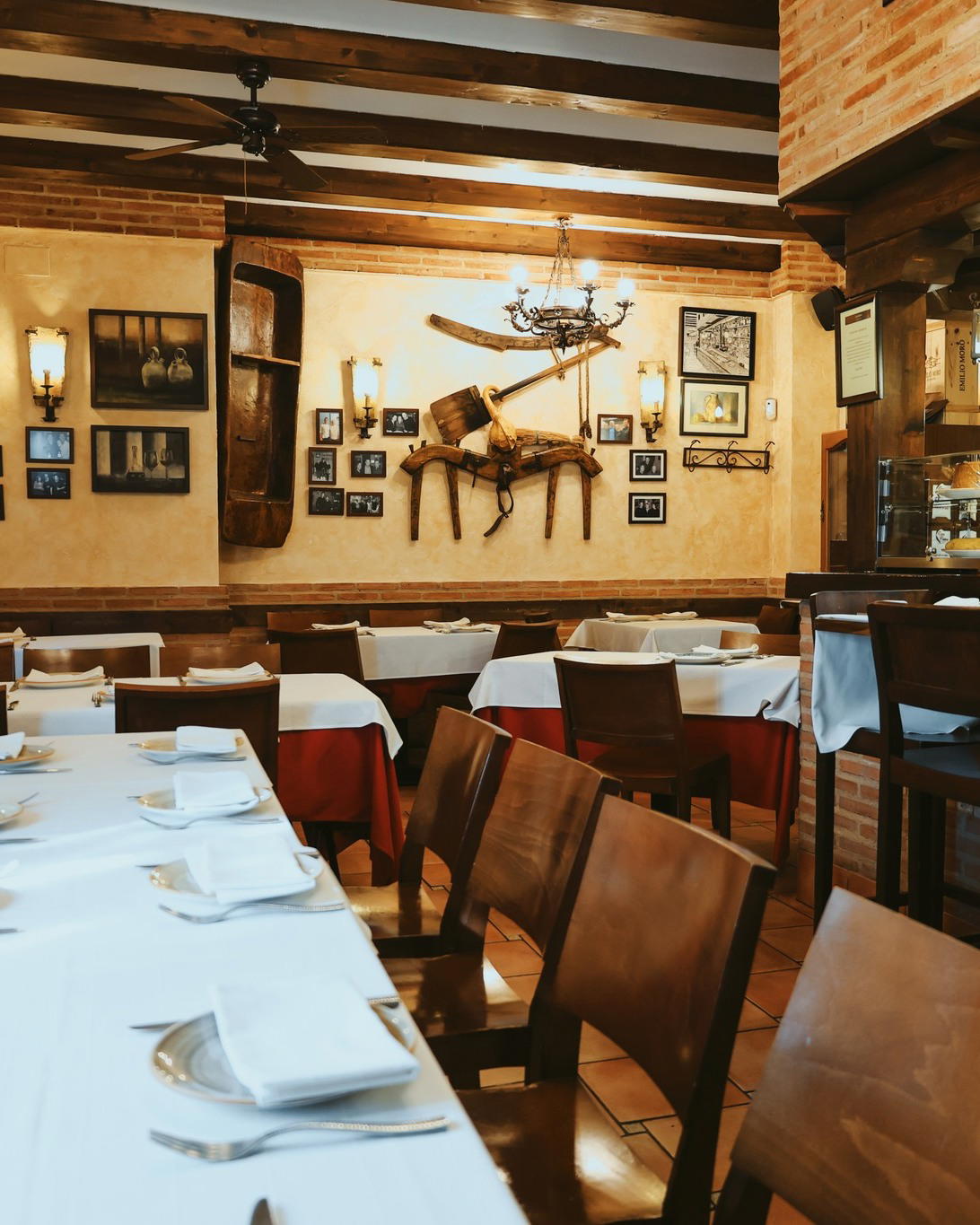
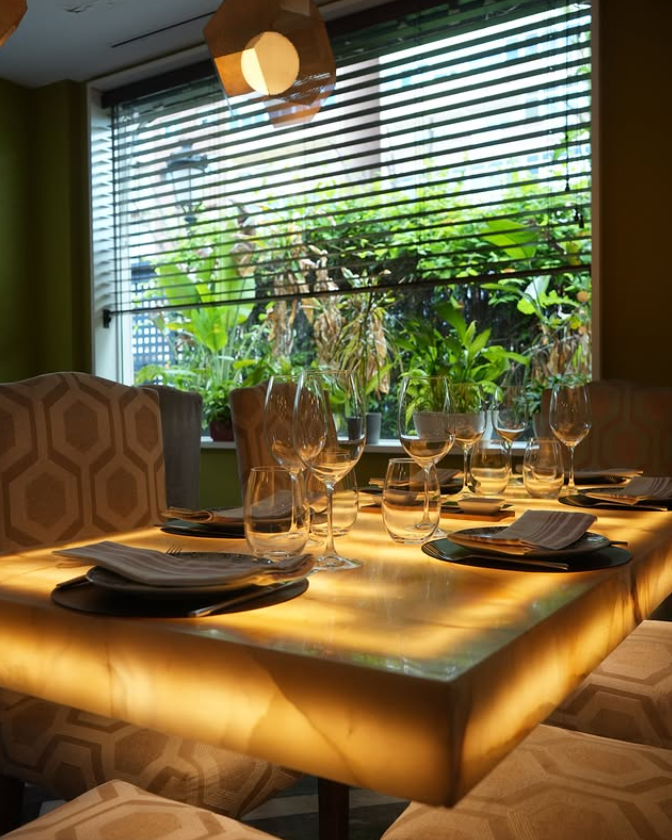
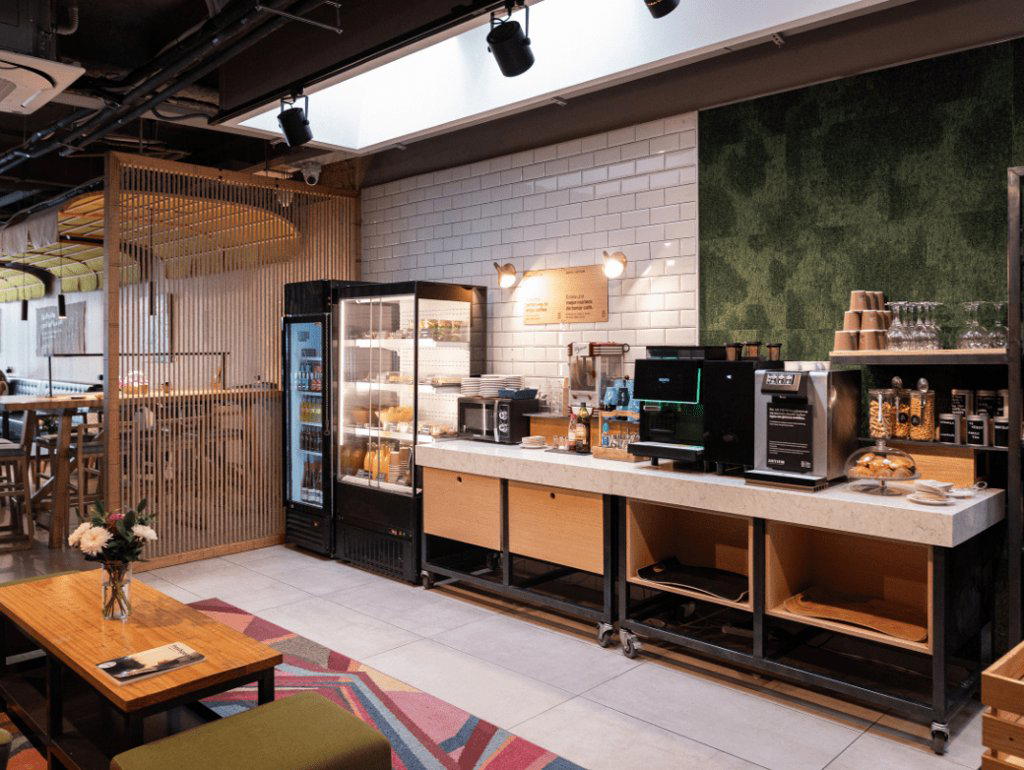
Stylish and peaceful with smooth background music, discreet and classy interior.