


Coquetto sits on Calle de Fortuny in Chamberí, carrying the Sandoval brothers' Michelin-recognised approach into a deliberately informal register. The menu pivots on traditional Spanish preparations, migas with free-range egg, fighting bull tartare, served across breakfast, lunch, and dinner, with most dishes available as half portions. A Michelin Plate in both 2024 and 2025 places it in a well-defined value tier for serious cooking without the ceremony of its two-star sibling Coque nearby.
Pearl is the En Primeur Club membership app — saves, bookings, and concierge access live there. Same editors, same standards.
- Address
- C. de Fortuny, 2, Chamberí, 28010 Madrid, Spain
- Phone
- +34 916 25 62 92
- Website
- coquettobar.com
- Directions
- Get directions
 Saves & bookings on Pearl
A Different Register on Calle de Fortuny
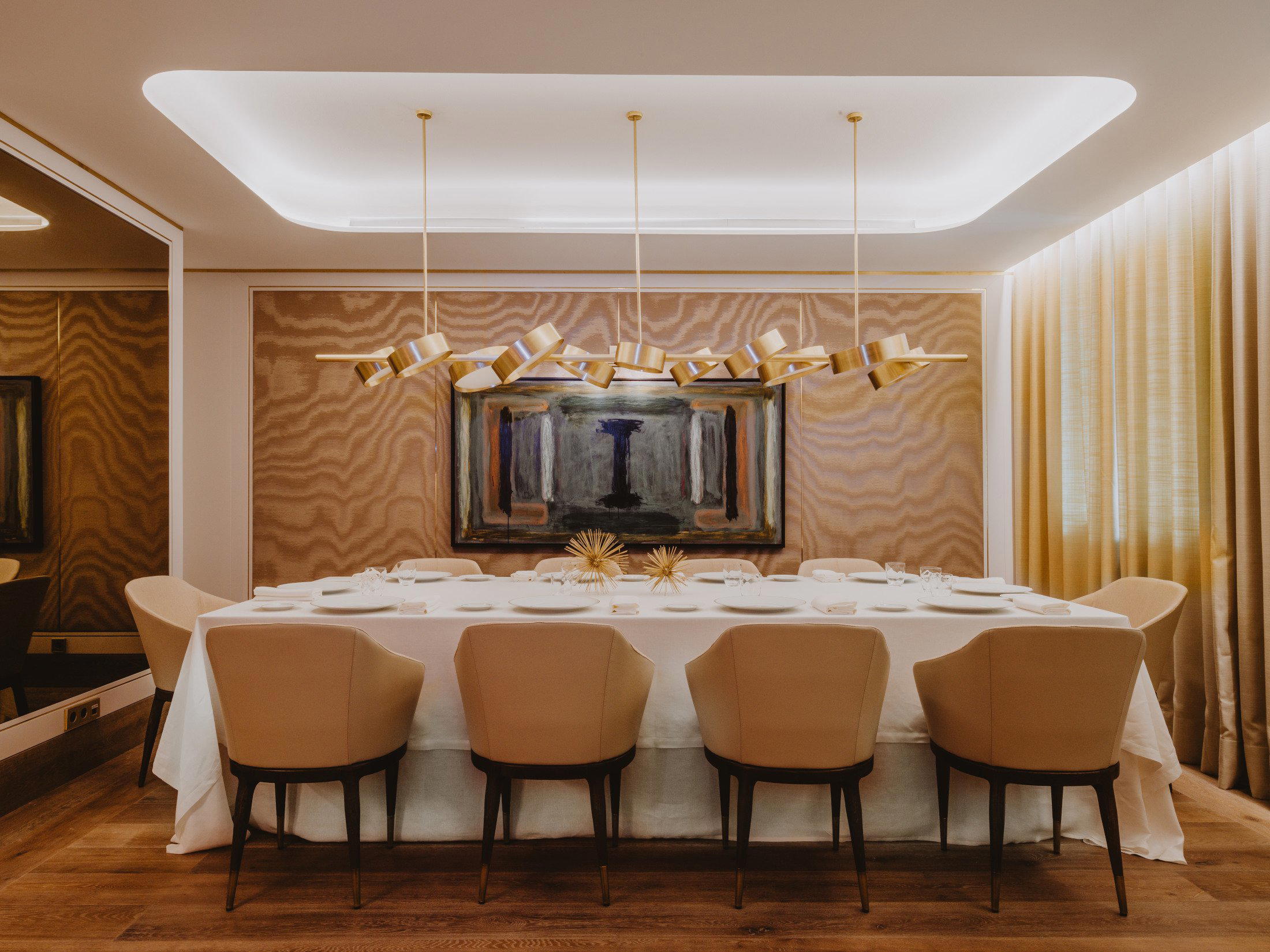
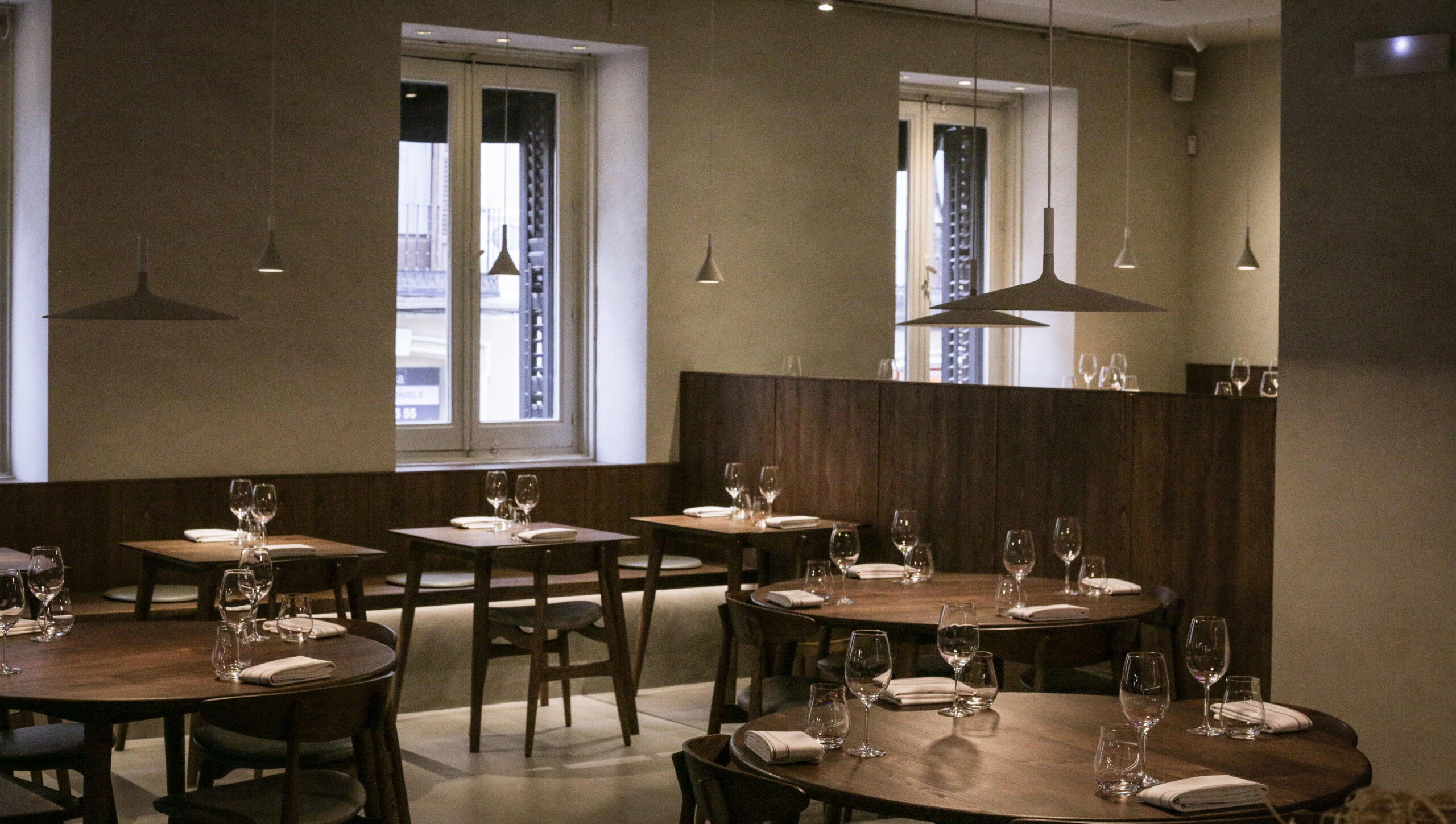
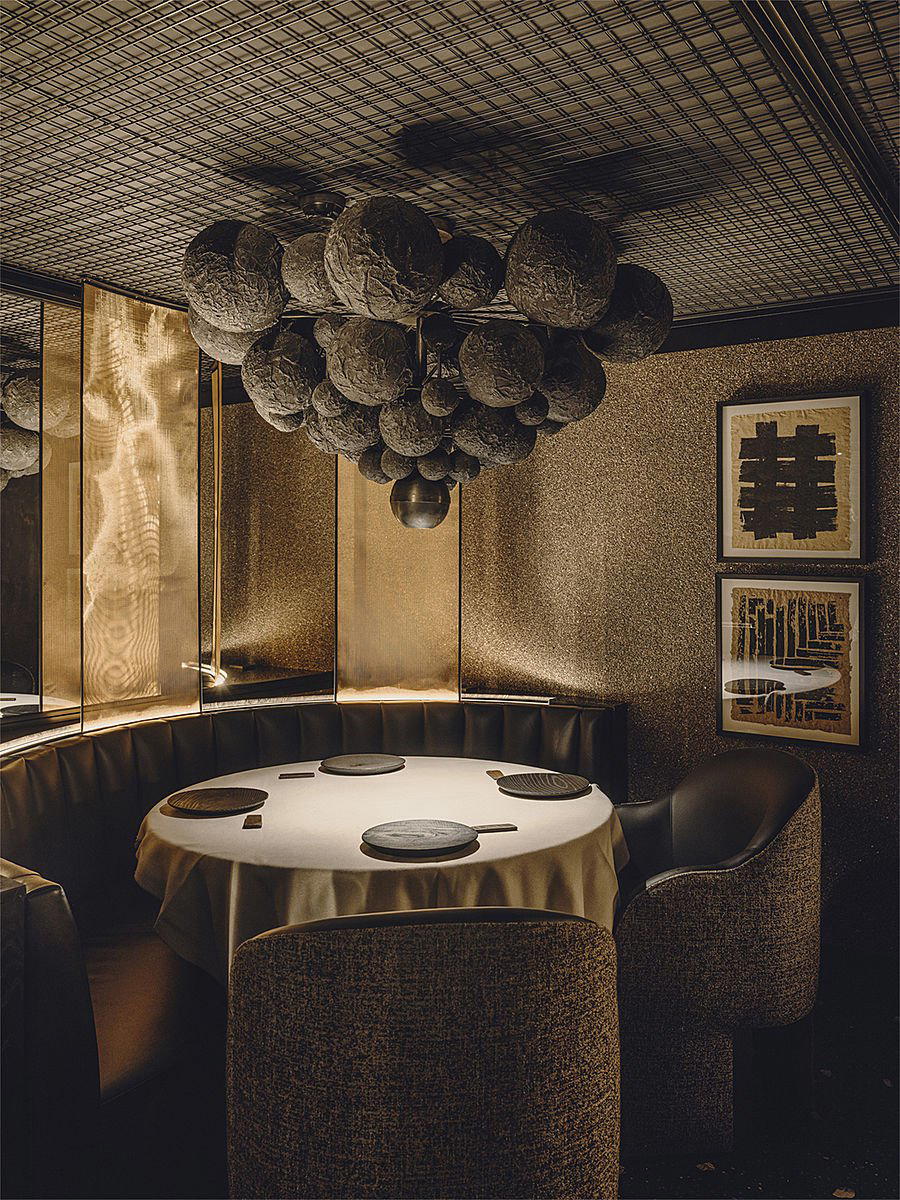
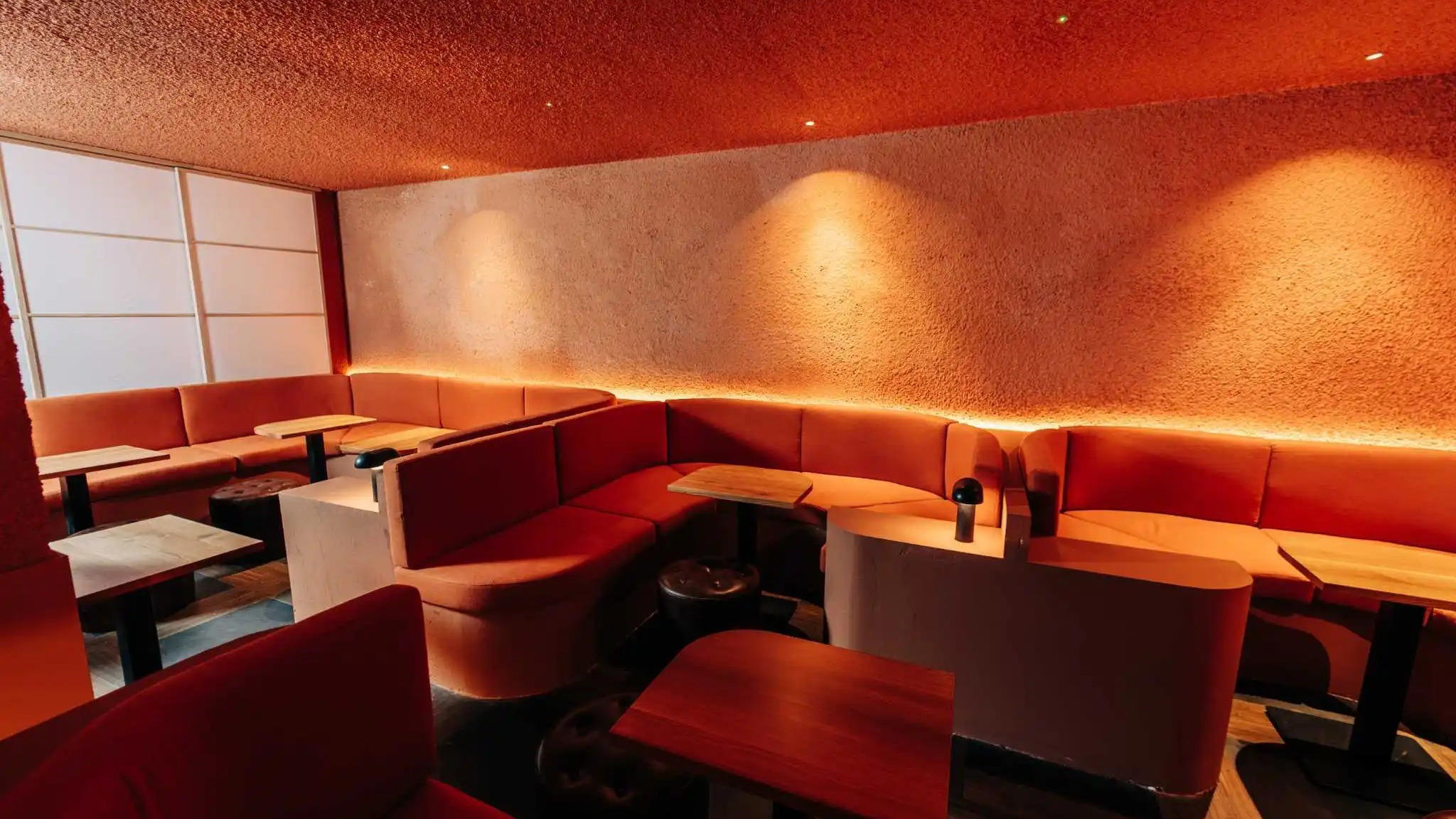
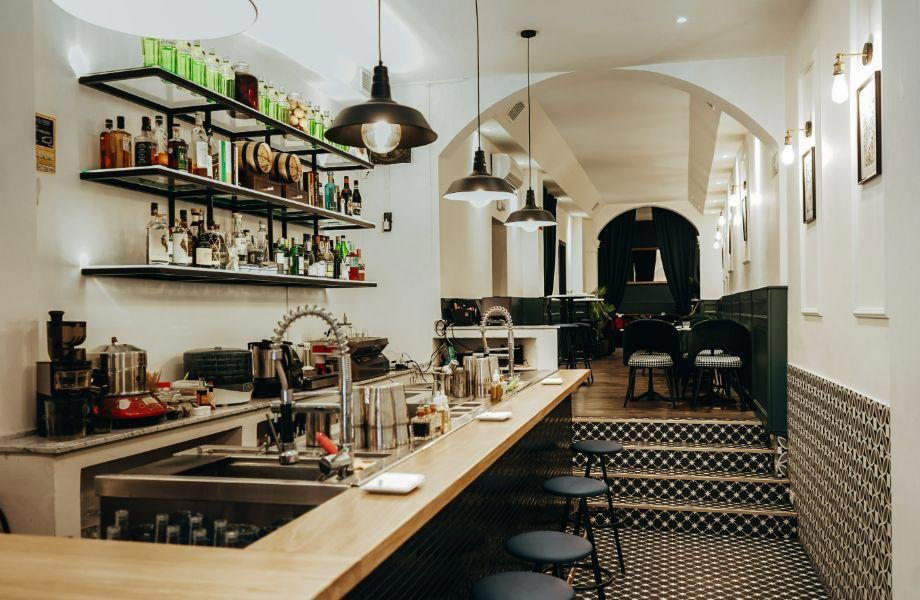
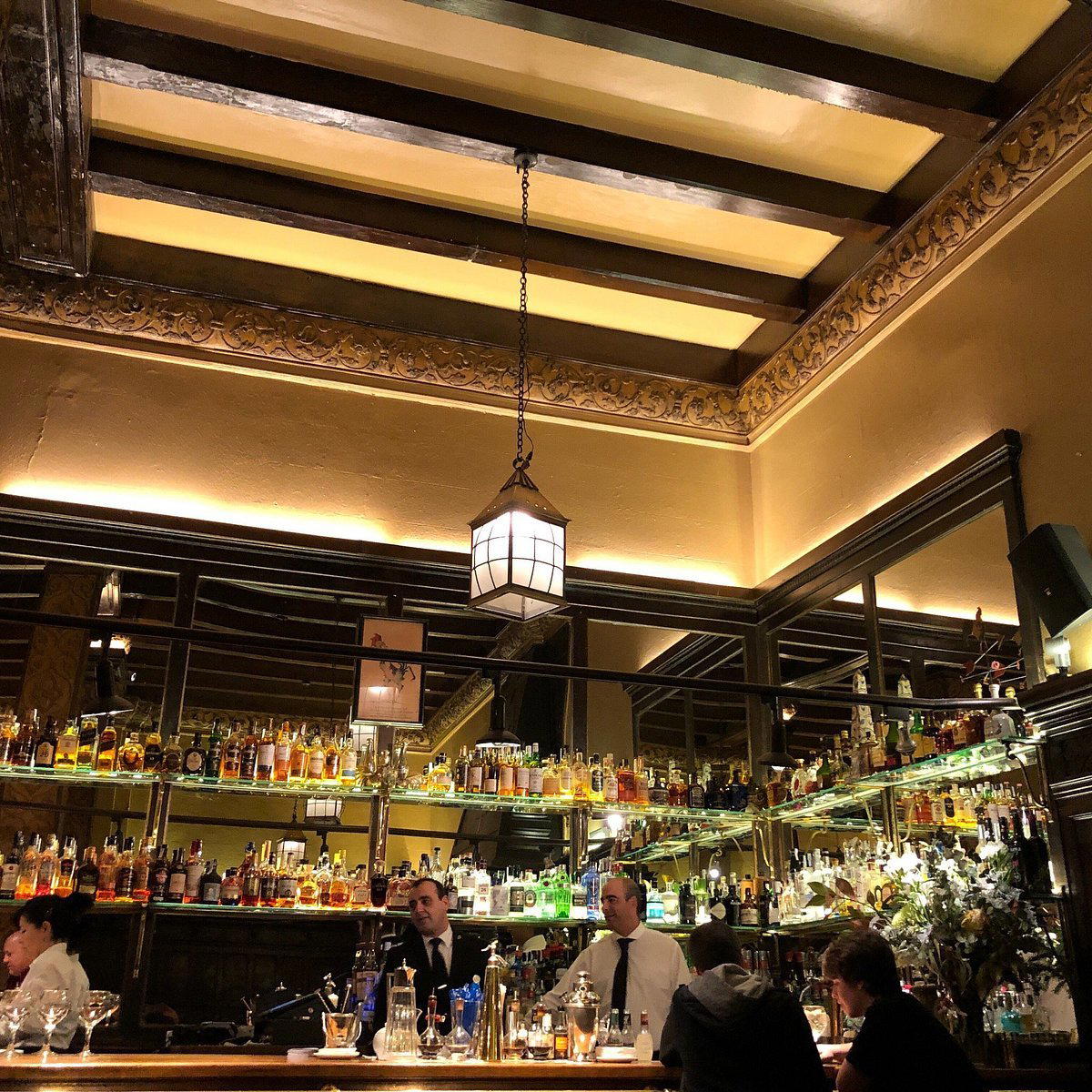
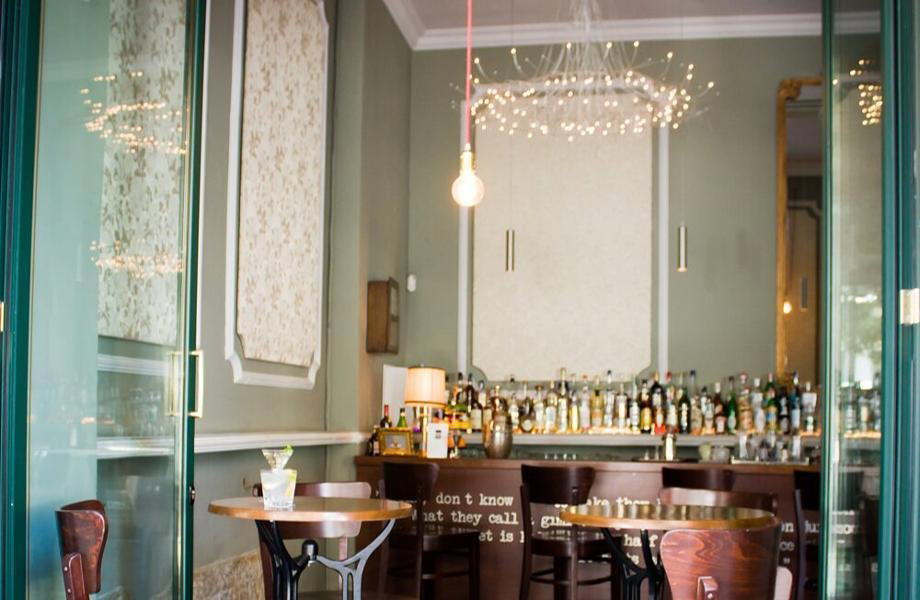
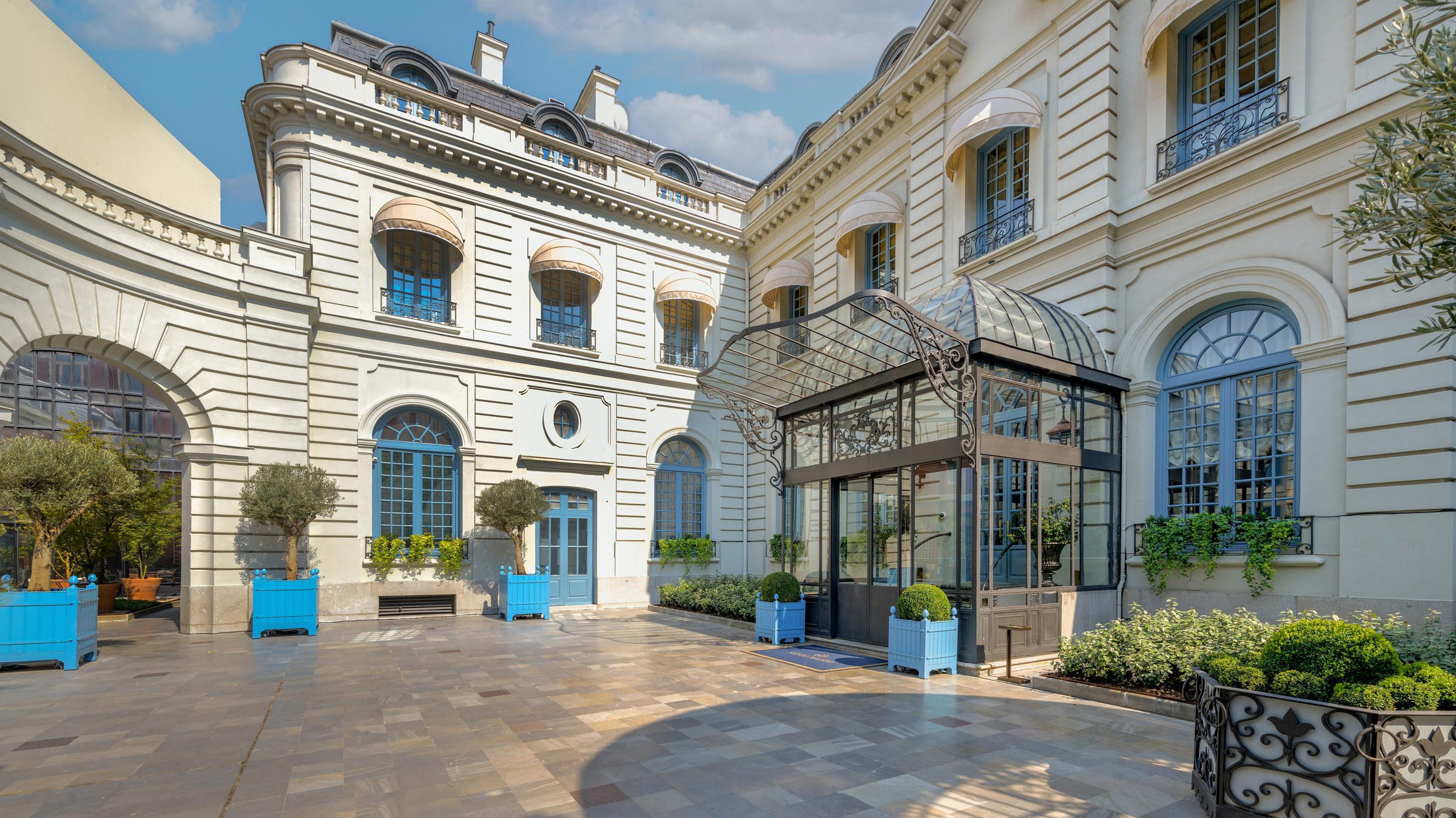
Walk along Calle de Fortuny in Chamberí and the neighbourhood signals its character quickly: wide pavements, early-twentieth-century residential facades, the kind of unhurried street pace that Madrid's more central districts have largely traded away. Coquetto sits at number two with a physical presence that matches the street rather than trying to override it. There is no theatrical entrance, no foyer designed to signal importance before you have ordered a thing. The space reads as a bistro that has been considered carefully enough to feel right without announcing itself, surfaces, proportions, and light all pointing toward ease rather than occasion. That choice of register is not accidental. It is the point.
Spain's premium dining circuit runs, in part, through sibling or adjacent projects where two-star and three-star kitchens feed a second address operating at a lower pressure and price. Cocina Hermanos Torres in Barcelona and El Celler de Can Roca in Girona both have relatives in that conversation. In Madrid, the Sandoval brothers run Coque, a short distance away. Coquetto is their answer for what those same instincts look like without the formal apparatus. The Michelin Guide has noted it twice, awarding a Michelin Plate in 2024 and again in 2025.
Interior Logic: What the Room Tells You
The editorial angle on Coquetto is inseparable from its physical design decisions, because those decisions explain its position in the market more precisely than any summary of the menu could. Bistro-style seating typically implies a degree of compression, tables close enough to register your neighbours' conversation, chairs chosen for the room's proportions rather than extended sitting. That compression, when done with care, creates something that formal dining rooms deliberately suppress: the sense that eating here is a social act rather than a performance. Coquetto reads as a room built around that idea. Elegance, the Michelin listing notes explicitly, has been put to one side, not abandoned out of indifference but set down consciously, the way you remove a jacket when you intend to stay.
For a city where the ceiling tier of restaurants, DiverXO, Deessa, and Smoked Room is structured around ceremony and build-up, a space in Chamberí that deliberately operates outside that grammar fills a specific gap. The room's informality is a form of positioning. It says something about who comes, when they come, and how long they stay, which, at a venue covering breakfast, lunch, and dinner, is a wide slice of the day.
The Cooking: Traditional Spanish in Active Use
Traditional cuisine in Madrid covers a spectrum from the purely sentimental to the carefully constructed. Coquetto sits toward the latter end without tipping into technical self-consciousness. Migas, breadcrumbs cooked in fat with garlic and often pork, one of the oldest preparations in the Castilian pantry, appear here with free-range egg, a version that keeps the dish grounded in its origins while marking the quality of the sourcing. Fighting bull tartare with old-style mustard is a similar move: an ingredient with regional specificity (bull meat from livestock bred for the corrida has a distinct density and depth compared with standard beef) worked into a preparation that any well-travelled diner will read immediately.
These are not museum pieces. They function as dishes that assume the diner knows something about Spanish cooking and wants to engage with it rather than be introduced to it for the first time. The seasonal ingredient emphasis extends that logic across the menu in ways that shift with the calendar. For context on how traditional Spanish cooking operates at its most committed elsewhere in the country, Auga in Gijón and Auberge Grand'Maison in Mûr-de-Bretagne represent how seriously regional tradition can be treated in other European contexts.
The half-portion option across almost every dish deserves specific attention. It is not a concession to dietary preference, it is a structural invitation to eat more broadly, in the Spanish tradition of the table as a shared surface rather than a series of individual plates. That format suits both lunch and dinner, and it makes the pricing feel more flexible than a fixed menu at the €€€ tier might otherwise suggest.
Chamberí and Where Coquetto Sits in Madrid's Eating Geography
Chamberí is one of Madrid's most coherent residential neighbourhoods for eating: neither the tourist-heavy pressure of Sol and Huertas nor the self-conscious premium density of Salamanca. The streets around Alonso Martínez and Bilbao metros support a dining scene with some range, from quick lunch operations to full evening formats. Coquetto at Calle de Fortuny 2 anchors the upper end of that local range without floating into a tier that disconnects from the neighbourhood's texture.
For other serious addresses in Madrid worth comparing across different register and format, Alcotán, Amparito Roca, Ayantar, Bambú, and Casa de Comidas each occupy a distinct slot in the city's current eating map. Spain's wider fine-dining circuit, anchored by addresses such as Arzak in San Sebastián, Azurmendi in Larrabetzu, Martin Berasategui in Lasarte-Oria, and Aponiente in El Puerto de Santa María, provides the national frame within which a venue like Coquetto makes its choices about where not to compete.
Planning a Visit
The €€€ price range positions it clearly below its sibling Coque and the cluster of €€€€ two-star and above addresses in Madrid, making it accessible for a working lunch or an unhurried dinner. The room operates across multiple rhythms, and reservations are recommended given neighbourhood demand.
Budget and Context
Comparable venues nearby, for context on price, style, and recognition.
| Venue | Cuisine | Price | Awards | Notes |
|---|---|---|---|---|
| CoquettoThis venue — the venue you are viewing | Almagro, Modern Spanish Bistro | $$ | Michelin Plate | Not listed |
| Sacha Botilleria y Fogon | Nueva Espana, Classic Spanish Bistro | $$$ | Not listed | Not listed |
| Taberna Pedraza | Recoletos, Traditional Spanish Tavern | $$ | Michelin Plate | Not listed |
| Amparito Roca | Not listed | $$$ | Michelin Plate | Castellana, Traditional Spanish with Modern Twists |
| Filandón | El Goloso, Traditional Spanish Grill | $$$ | Michelin Plate | Not listed |
| Varra | Recoletos, Modern Spanish Tapas | $$ | Bib Gourmand | Not listed |
Recognition history
Dated appearances from independent guides and award organizations, with the underlying list record or original source where available.
Macarfi 7.4 Food Rating
Macarfi
Michelin Plate
Michelin
Opinionated About Dining Casual in Europe Recommended
Opinionated About Dining
Michelin Plate
Michelin
Michelin Plate
Michelin
At a Glance
- Cozy
- Modern
- Rustic
- Brunch
- Date Night
- Open Kitchen
Current opening hours
- Monday
- 8:30 AM–5 PM
- Tuesday
- 8:30 AM–12 AM
- Wednesday
- 8:30 AM–12 AM
- Thursday
- 8:30 AM–12 AM
- Friday
- 8:30 AM–12 AM
- Saturday
- 12:30–5 PM
- Sunday
- 12:30–5 PM
Hours can change for holidays and private events. Last verified .
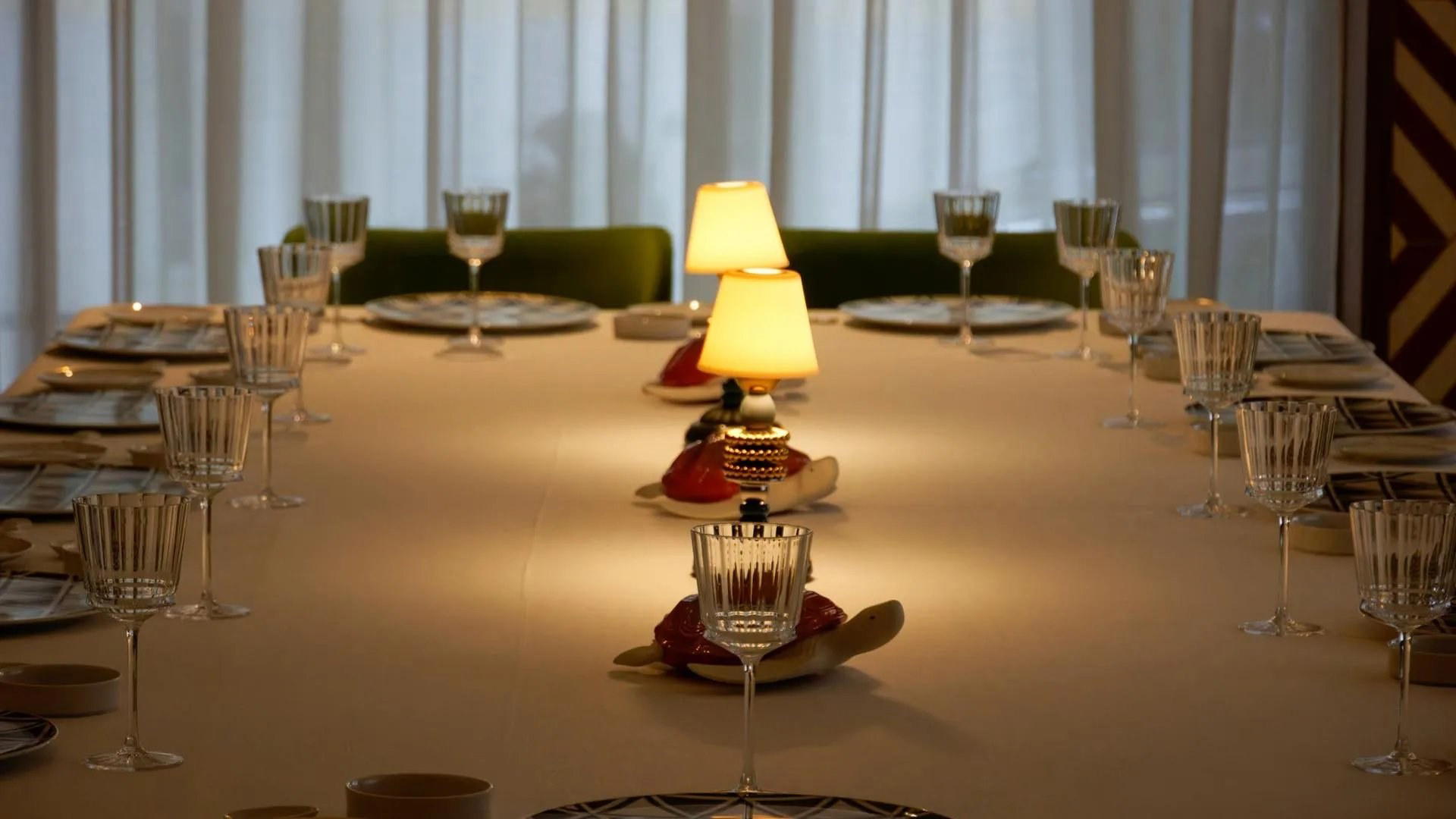
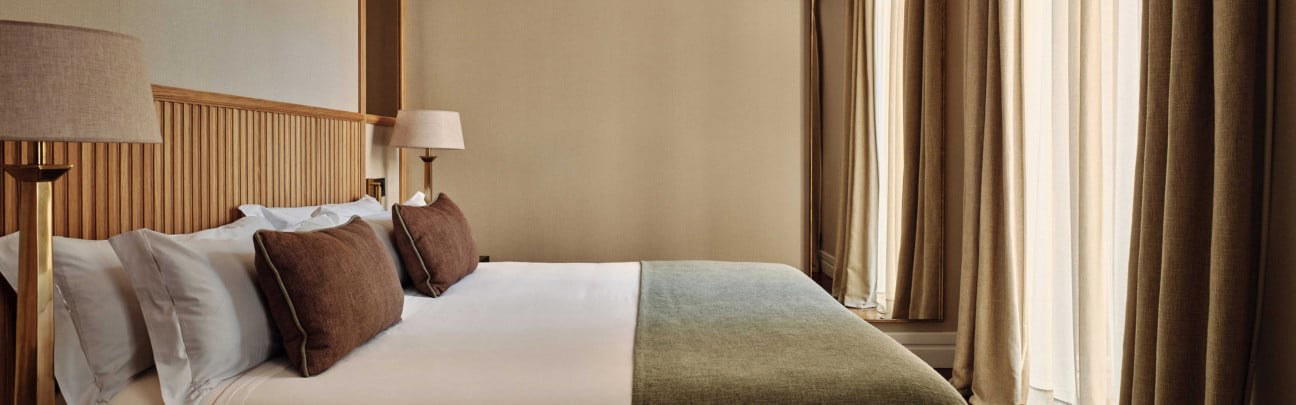
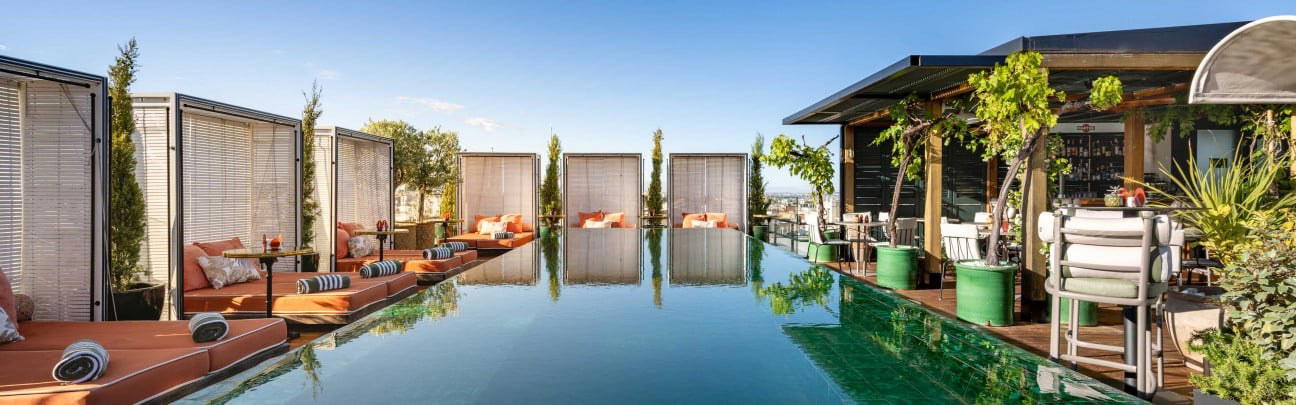
Intimate amber-lit room with rustic-chic design, green tones, and natural elements creating a cozy, nature-inspired atmosphere.