

On Calle de Claudio Coello in Madrid's Salamanca district, Alcotán holds a Michelin Plate across consecutive years for traditional Spanish cooking with Basque and Navarrese inflections. The menu is structured around seasonal game, daily specials, and a dedicated rice and pasta section, anchored by a dining room with picture windows overlooking a well-maintained courtyard garden.
Pearl is the En Primeur Club membership app — saves, bookings, and concierge access live there. Same editors, same standards.
- Address
- C. de Claudio Coello, 96, Salamanca, 28006 Madrid, Spain
- Phone
- +34 914 35 15 51
- Website
- restaurantealcotan.com
- Directions
- Get directions
 Saves & bookings on Pearl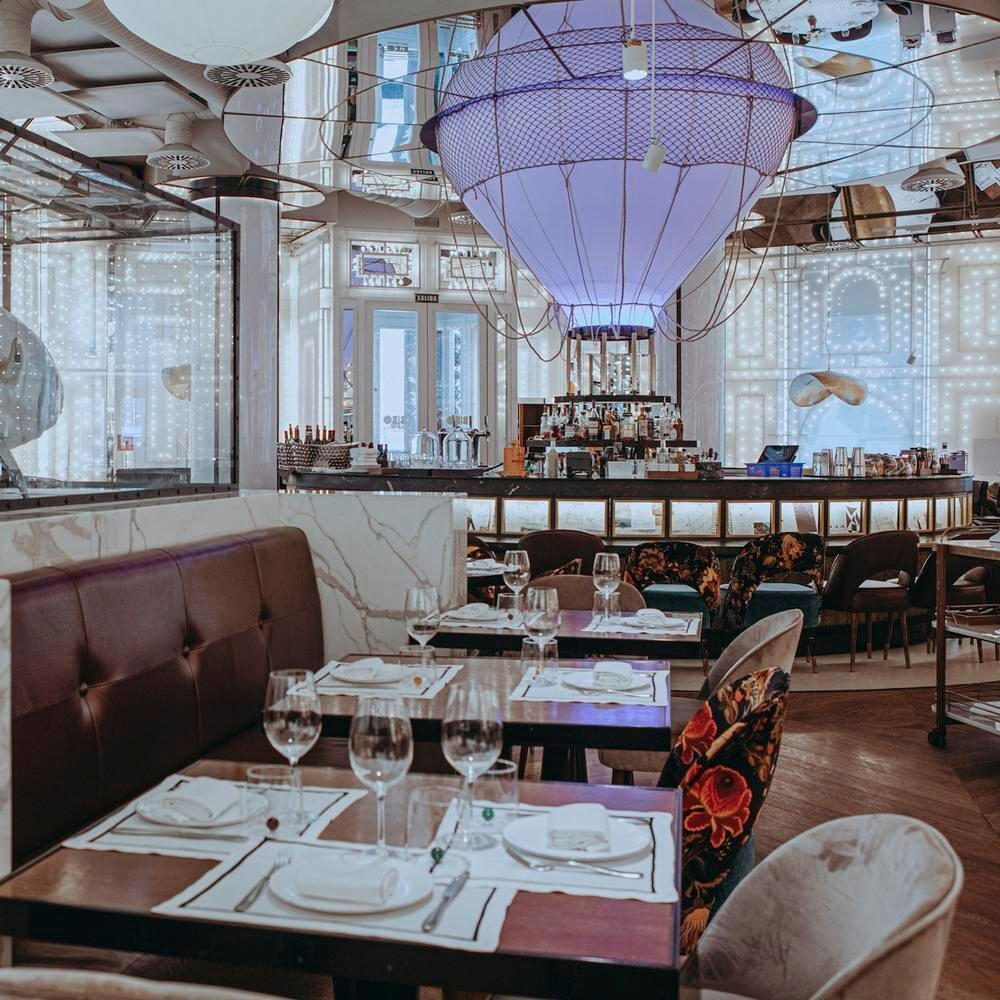
A Dining Room That Sets Its Own Tempo
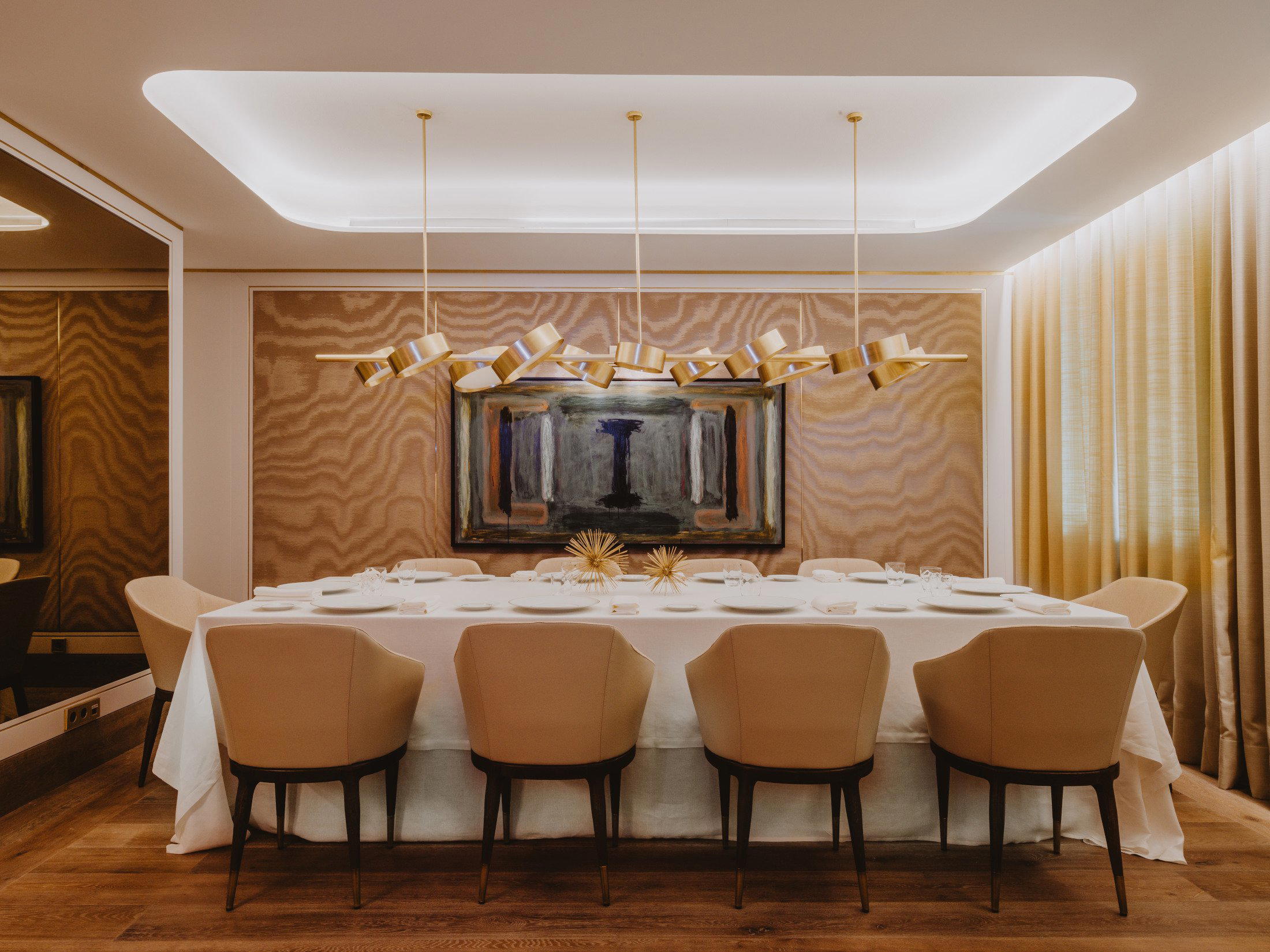
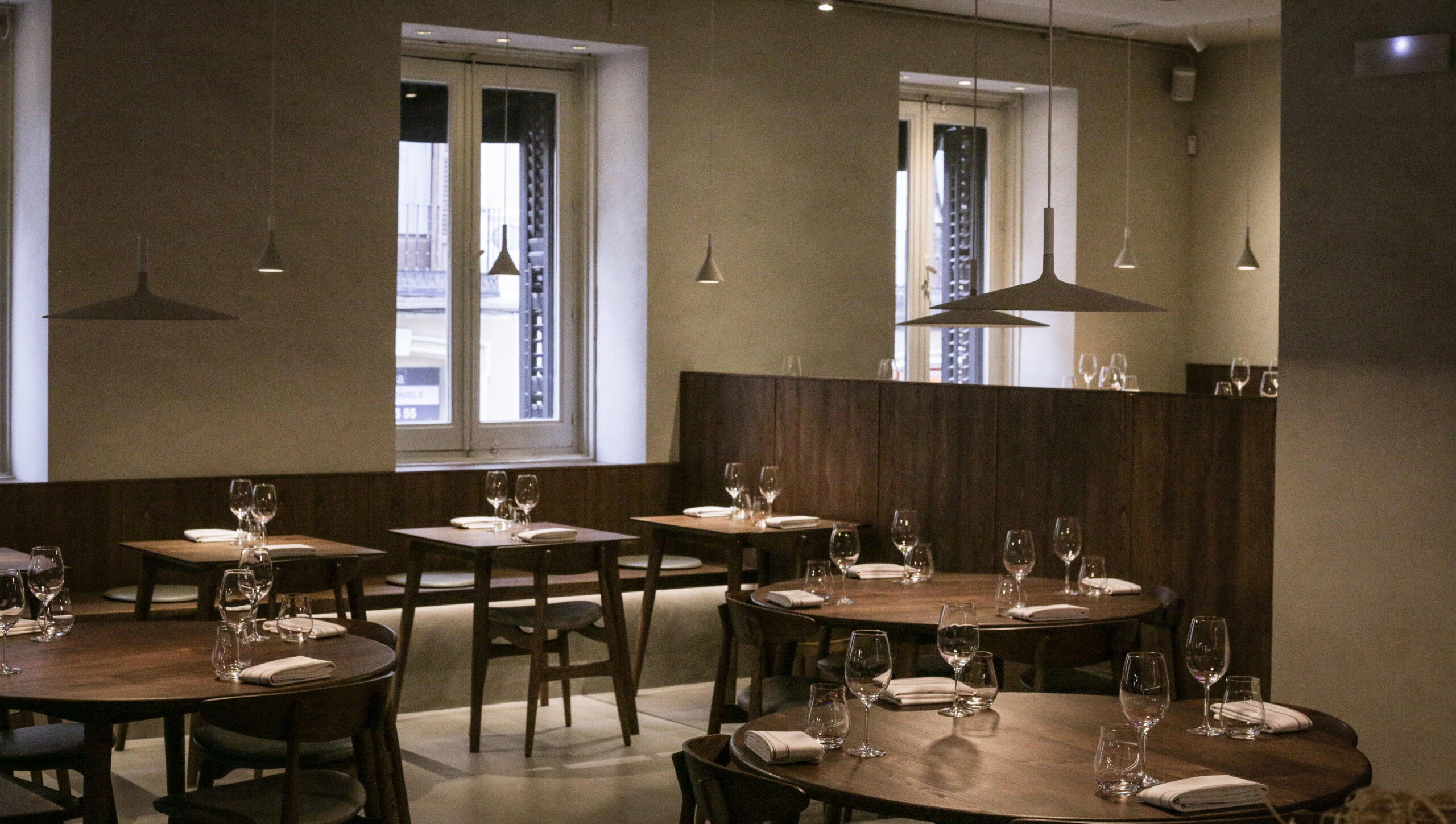
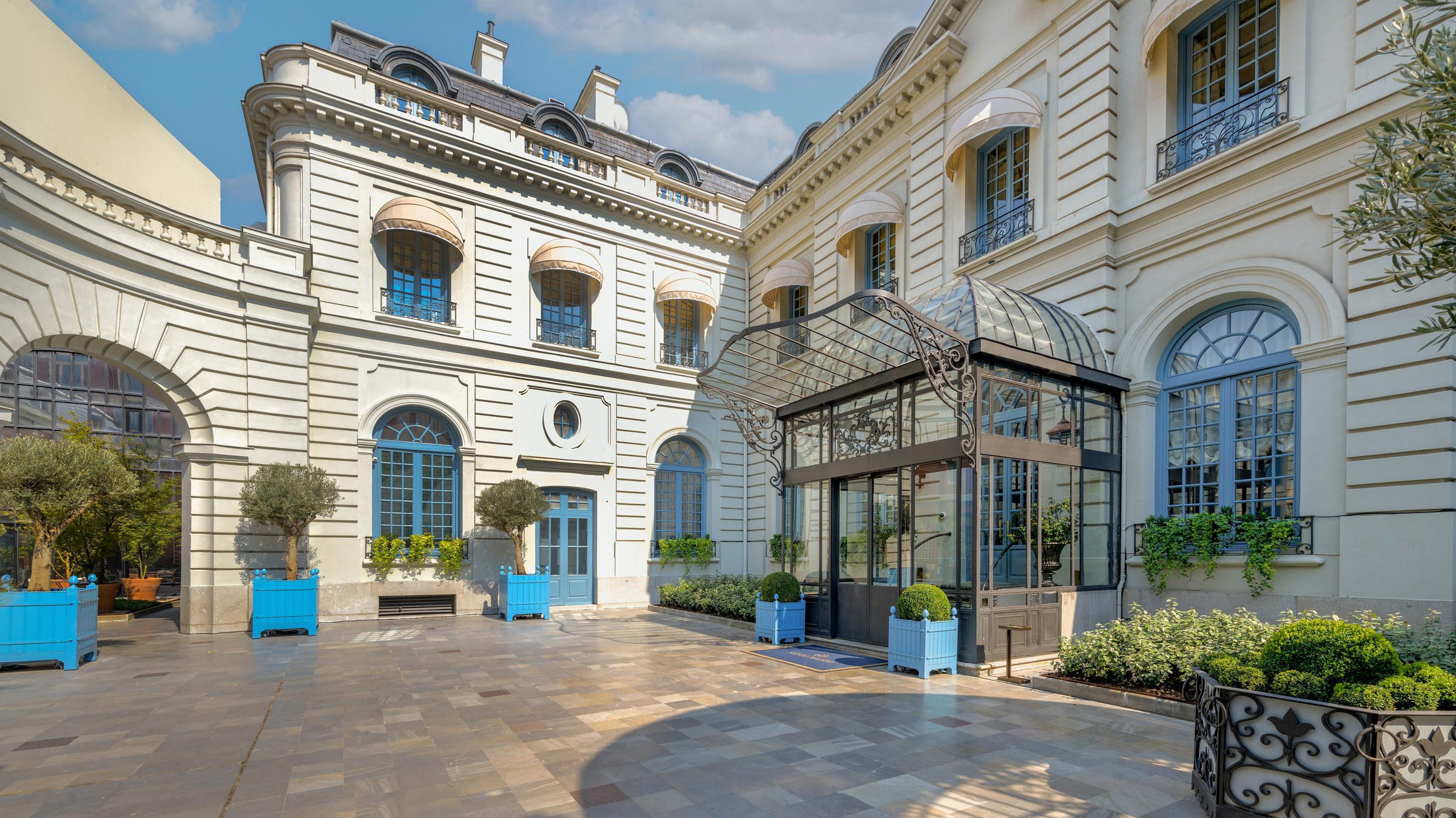
In Salamanca, Madrid's most formally dressed residential and commercial quarter, the default register for a restaurant at the €€€ price point is composed restraint. Alcotán, on Calle de Claudio Coello, in Madrid's Salamanca district, fits that register precisely. Large picture windows frame a courtyard garden kept with evident care, and the effect from inside is of a room that has decided the outside world is worth watching but not inviting in. The architecture does quiet editorial work: this is a place that signals continuity over novelty, where the physical environment and the cooking philosophy are pulling in the same direction.
Salamanca's restaurant scene has moved through cycles of modernisation over the past decade, absorbing pintxos bars, contemporary Spanish tasting menus, and Asian-inflected formats. Against that backdrop, a kitchen committed to traditional cuisine enhanced by Basque and Navarrese influences occupies a distinct and increasingly deliberate position. It is not a refusal to engage with contemporary dining so much as a preference for depth over breadth, a restaurant that has chosen its lane and stayed in it.
How the Menu Is Assembled
The menu architecture at Alcotán reveals its priorities in its structure. Rather than a single linear progression from snack to dessert, it organises itself around categories that each carry their own logic. Game dishes appear in rotation during the hunting season, a section dedicated to rice and pasta sits as a parallel track alongside the main menu, and daily specials introduce an element of market rhythm that the printed menu cannot fully capture.
This structure reflects a broader tradition in traditional Spanish restaurants of treating the menu as a document with distinct chambers rather than a single narrative arc. The Basque and Navarrese registers that inflect the cooking are themselves traditions with rigorous internal logic, an emphasis on product quality, precise technique applied to classically sourced ingredients, and a willingness to let the raw material speak rather than transforming it beyond recognition. Restaurants working in this mode, including Auga, Traditional Cuisine in Gijón and Auberge Grand'Maison, Traditional Cuisine in Mûr-de-Bretagne, tend to be evaluated less by creativity scores and more by the consistency with which they deliver that integrity across seasons.
The rice and pasta section is worth noting as a structural choice rather than simply a menu feature. In many Madrid restaurants of this type, carbohydrate-centred dishes function as a supporting act. Here their dedicated section suggests they are treated as a primary register, not a fallback. That kind of organisational seriousness is a signal about kitchen priorities.
Seasonal Calibration and the Case for Game
Game cookery is one of the more demanding tests of a kitchen working in the traditional Spanish register. It requires sourcing credibility, technical patience, and a willingness to let dishes be assertive at a time when many menus trend towards gentler flavour profiles. When Alcotán features game dishes in season, it is participating in a culinary tradition that connects the northern hunting regions of Spain, the Basque Country, Navarre, Castile, to Madrid's historically strong appetite for the food of those same regions.
The Michelin Plate in both 2024 and 2025 signals consistent kitchen performance at a recognised standard, placing Alcotán within a peer tier of Madrid restaurants that demonstrate technical competence and identity without operating at the starred level. That is a materially different category from the city's multi-starred contingent. DiverXO, Coque at two stars, Deessa at two stars, and Paco Roncero at two stars sit at the €€€€ price point and compete on transformation and invention. Alcotán at €€€ is not competing in that field, it is addressing a different kind of demand, from a diner who wants tradition executed with care rather than tradition as a platform for experimentation.
Elsewhere in Spain, the Basque Country produces some of the country's most scrutinised traditional and creative cooking: Arzak in San Sebastián and Martin Berasategui in Lasarte - Oria represent the end of that spectrum where tradition and ambition are inseparable. What Alcotán draws from the Basque and Navarrese tradition is something more grounded, the product sensibility and the structural clarity of northern Spanish cooking, applied at a register that does not require tasting-menu architecture or theatrical service to make its argument.
Alcotán in Salamanca's Restaurant Context
Claudio Coello is one of Salamanca's central arteries, running through a neighbourhood that supports a concentrated cluster of restaurants across styles and price points. Diners in this district have access to a wide range of options, from the Japanese-influenced Spanish cooking at Ayantar to the more casual register of Casa de Comidas, the neighbourhood warmth of Coquetto, and the regional Spanish focus at Amparito Roca and Bambú. Within that company, Alcotán's position is identifiable: it occupies the formally traditional end, with a physical setting and menu structure that skew towards a longer-established dining audience rather than a transient or tourist-heavy one.
7 from 210 reviews is a meaningful data point for a restaurant at this level in a neighbourhood with this level of competition. It suggests consistent satisfaction rather than occasional brilliance, which is exactly the quality profile that traditional cooking at this price point is trying to achieve.
Planning a Visit
Alcotán is located at C. de Claudio Coello, 96, in the Salamanca district of Madrid. The €€€ price range places it in the mid-to-upper tier for the neighbourhood, appropriate for a dinner anchored by seasonal game or a rice dish made with genuine care. For visitors to Madrid planning around the game season, autumn and winter represent the period when the menu argument is at its most direct.
For context on how traditional cooking registers play out across Spain's premium restaurant tier, Azurmendi in Larrabetzu, El Celler de Can Roca in Girona, Cocina Hermanos Torres in Barcelona, and Aponiente in El Puerto de Santa María each represent different ways Spanish kitchens have worked with regional identity at the highest level of recognition.
What People Recommend at Alcotán
The dishes that attract most consistent attention are those where the kitchen's traditional Spanish identity and its Basque-Navarrese inflections converge. Game dishes during the hunting season draw particular notice, as does the cep mushrooms with foie gras and egg yolk, a preparation that appeared as a daily special and that Michelin's inspectors noted specifically during their assessment. The rice section also features in recommendations, with diners treating it as a primary course rather than a secondary choice. Alcotán holds a Michelin Plate for both 2024 and 2025, the guide's marker for kitchens delivering sound cooking at a consistent standard, and its traditional cuisine with Basque and Navarrese influences gives the menu a geographic coherence that visitors find easy to read and return to across seasons.
City Peers
Comparable venues nearby, for context on price, style, and recognition.
| Venue | Cuisine | Price | Notes |
|---|---|---|---|
| AlcotánThis venue — the venue you are viewing | Traditional Spanish with Basque and Navarrese Influences | $$$ | Not listed |
| Poncio WM | Modern Andalusian Tapas | $$$ | Nino Jesus |
| Sacha Botilleria y Fogon | Classic Spanish Bistro | $$$ | Nueva Espana |
| Fonda de la Confianza | Traditional Spanish | $$$ | Nueva Espana |
| Casa Mortero | Modern Spanish Cuisine | $$$ | Cortes |
| ConSentido | Contemporary Spanish Tapas | $$$ | Barrio de las Letras |
Recognition history
Dated appearances from independent guides and award organizations, with the underlying list record or original source where available.
Macarfi 7.3 Food Rating
Macarfi
Michelin Plate
Michelin
Michelin Plate
Michelin
Michelin Plate
Michelin
Continue exploring
More in Madrid
Restaurants in Madrid
Browse all →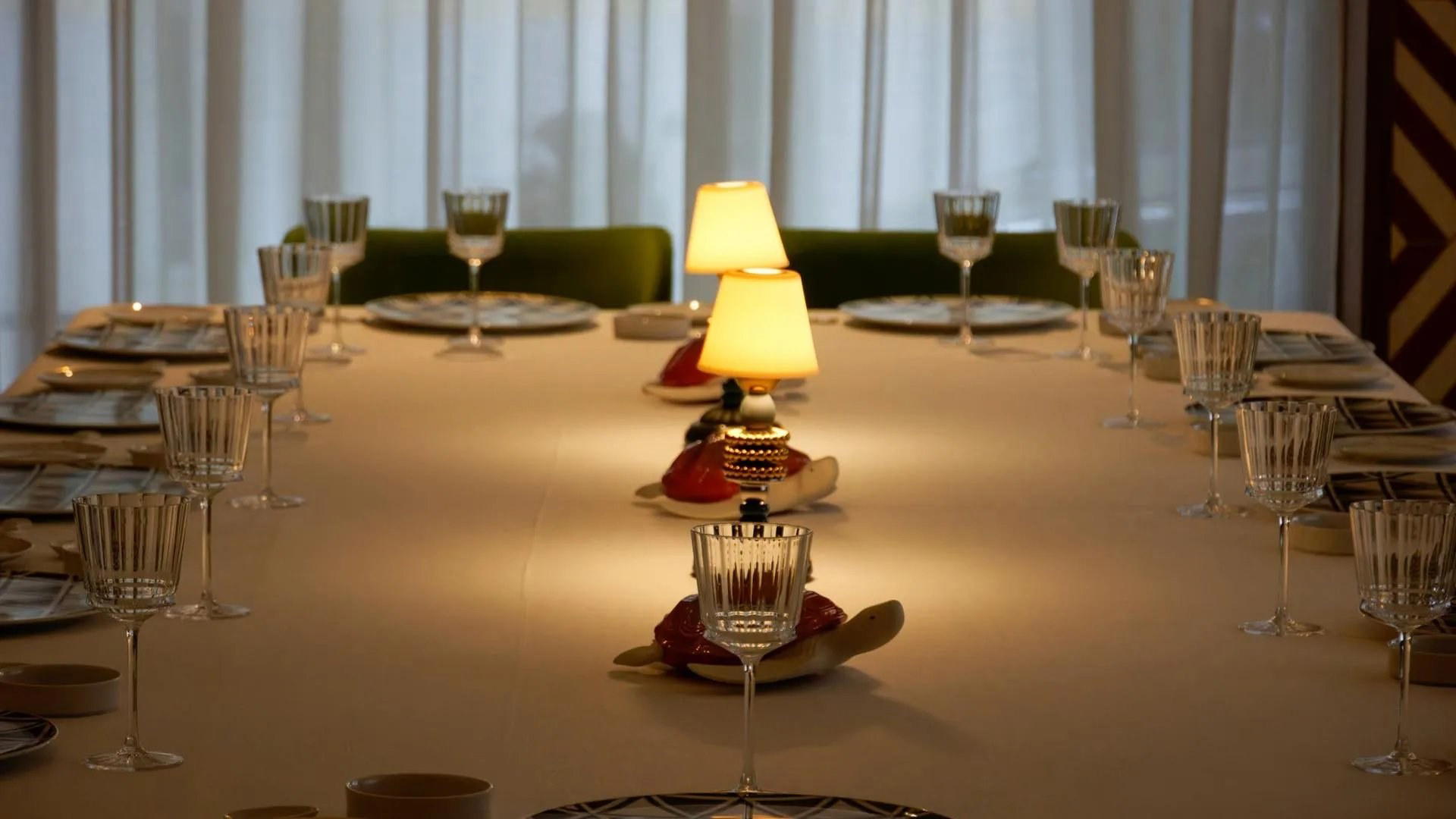
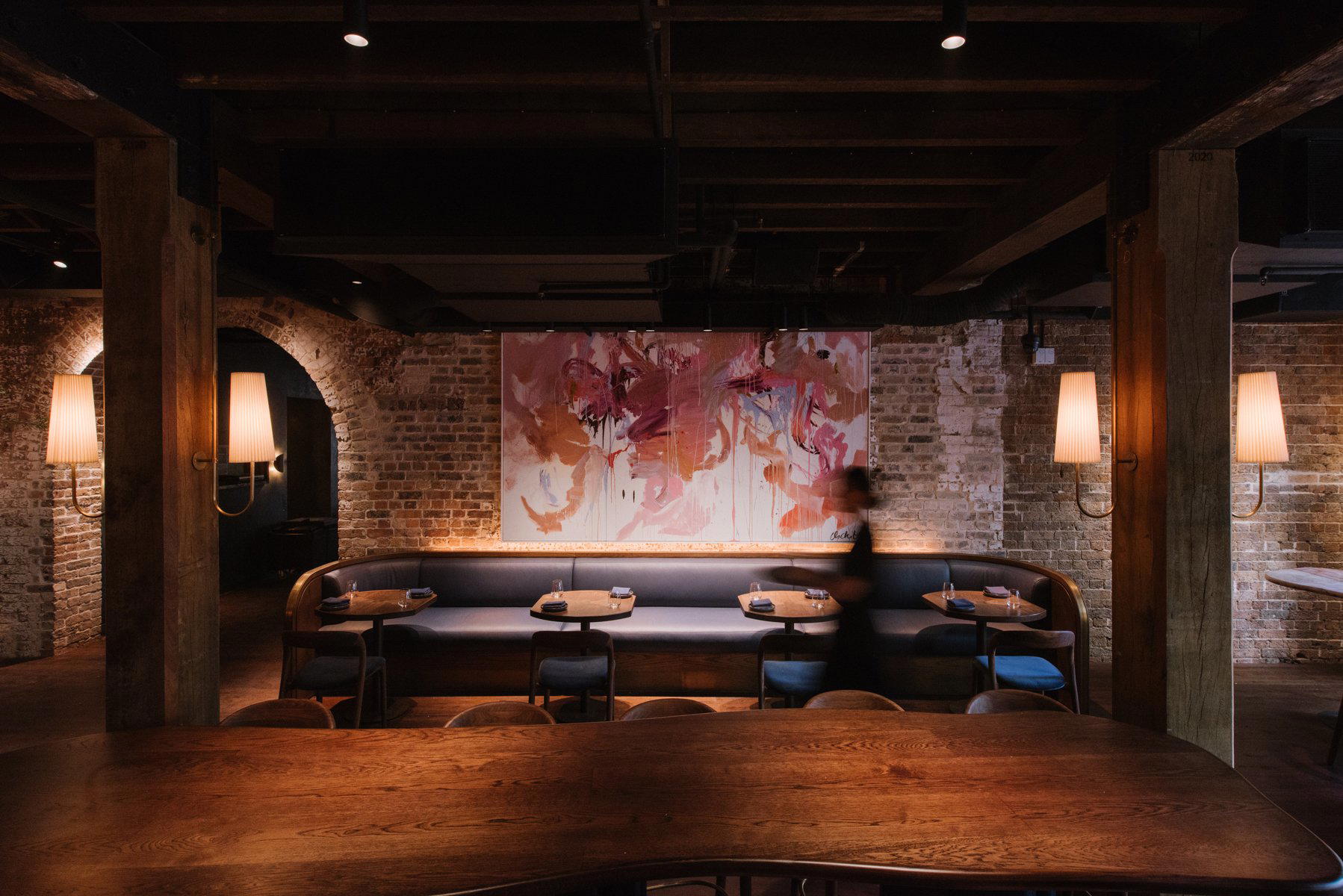
Bars in Madrid
Browse all →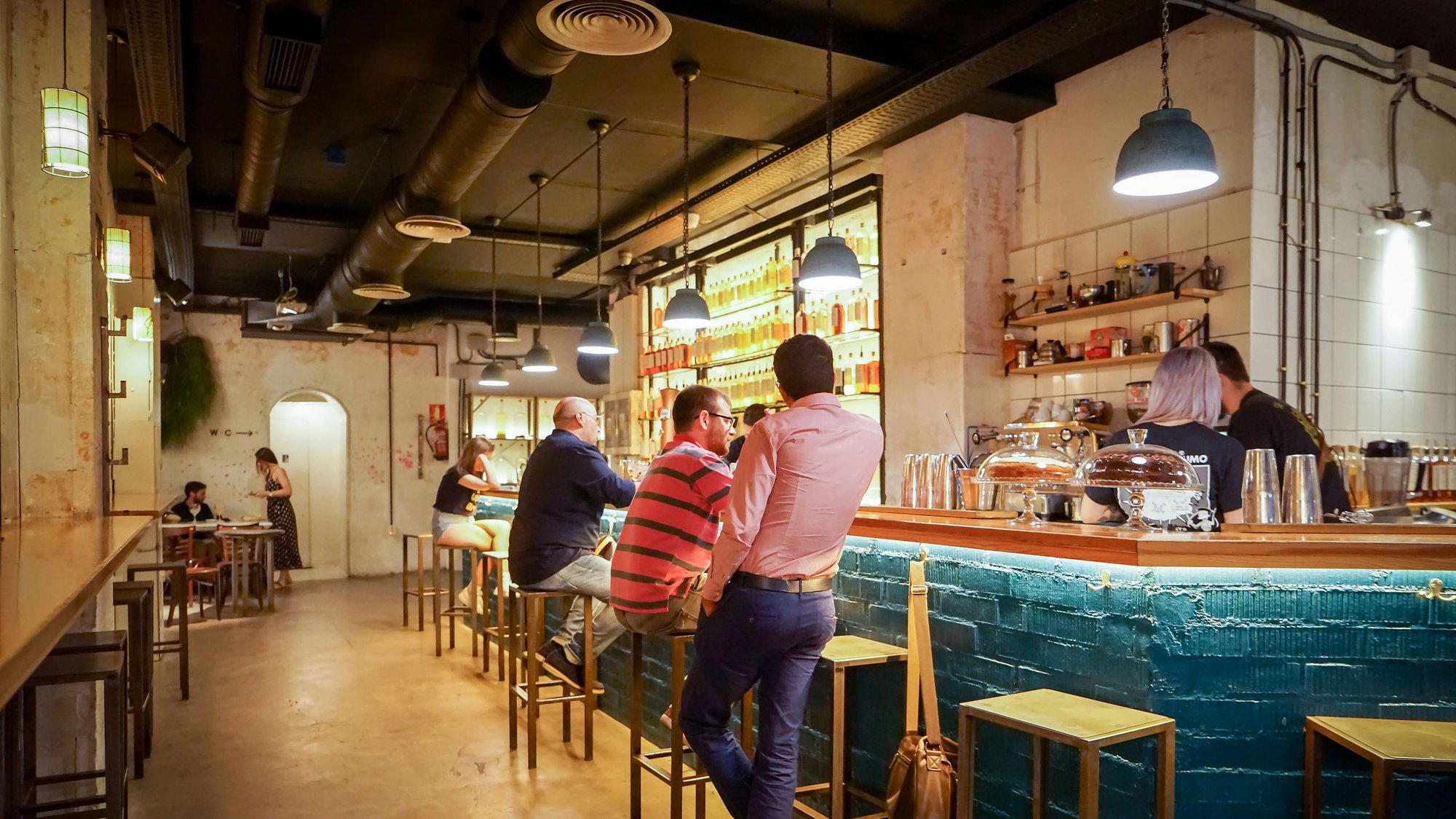
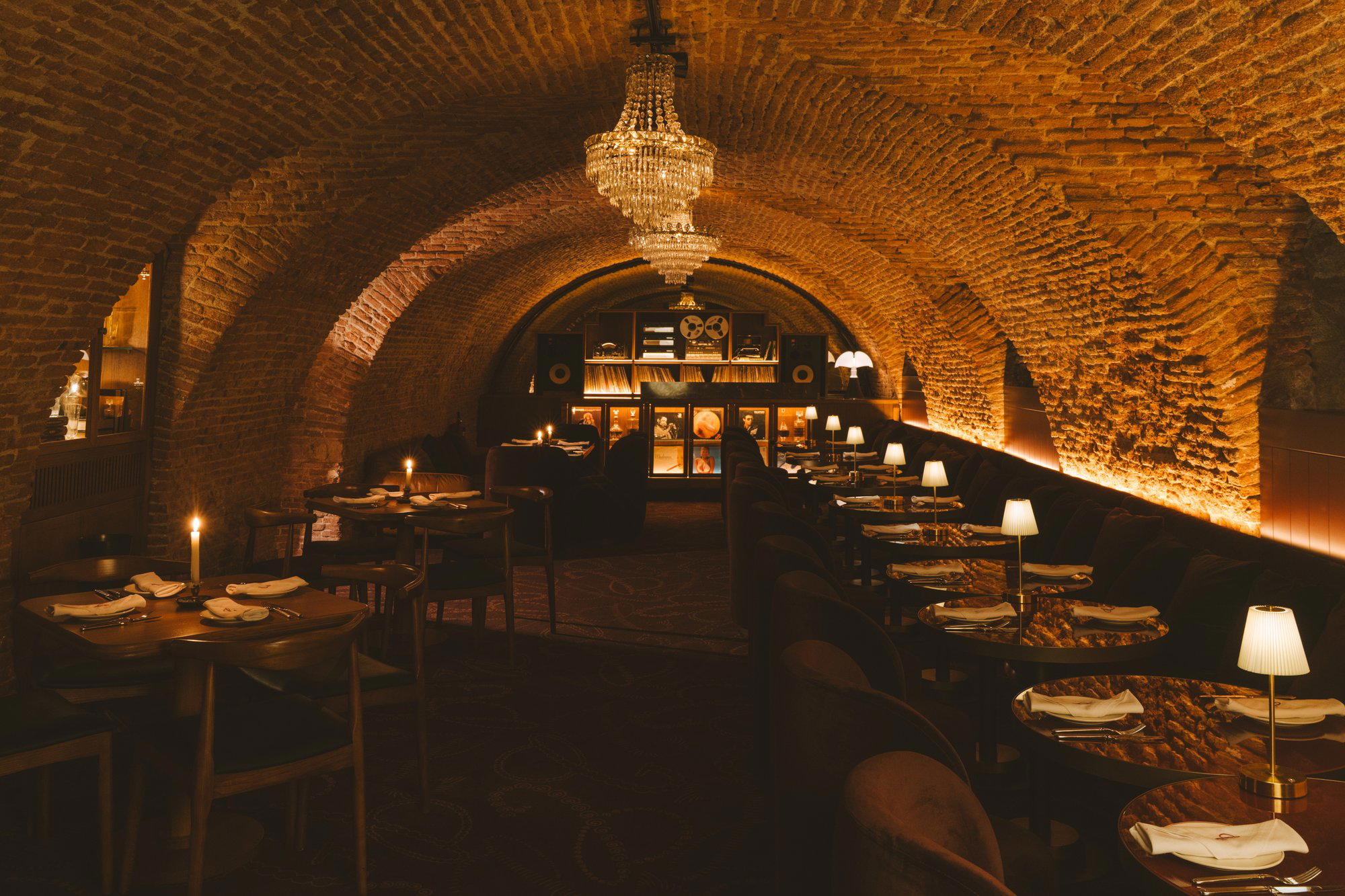
Hotels in Madrid
Browse all →



At a Glance
- Elegant
- Classic
- Sophisticated
- Cozy
- Date Night
- Business Dinner
- Special Occasion
- Open Kitchen
- Extensive Wine List
- Local Sourcing
- Garden
Current opening hours
- Monday
- 1:30–4 PM
- Tuesday
- 1:30–4 PM, 8:30–11:30 PM
- Wednesday
- 1:30–4 PM, 8:30–11:30 PM
- Thursday
- 1:30–4 PM, 8:30–11:30 PM
- Friday
- 1:30–4 PM, 8:30–11:30 PM
- Saturday
- 1:30–4 PM, 8:30–11:30 PM
- Sunday
- Closed
Hours can change for holidays and private events. Last verified .
Classically elegant space with refined subdued grays and beige decor, tastefully decorated room, quiet and comfortable atmosphere with spaced tables and pleasant lighting from huge windows.