Michelin Plate
Our verdict
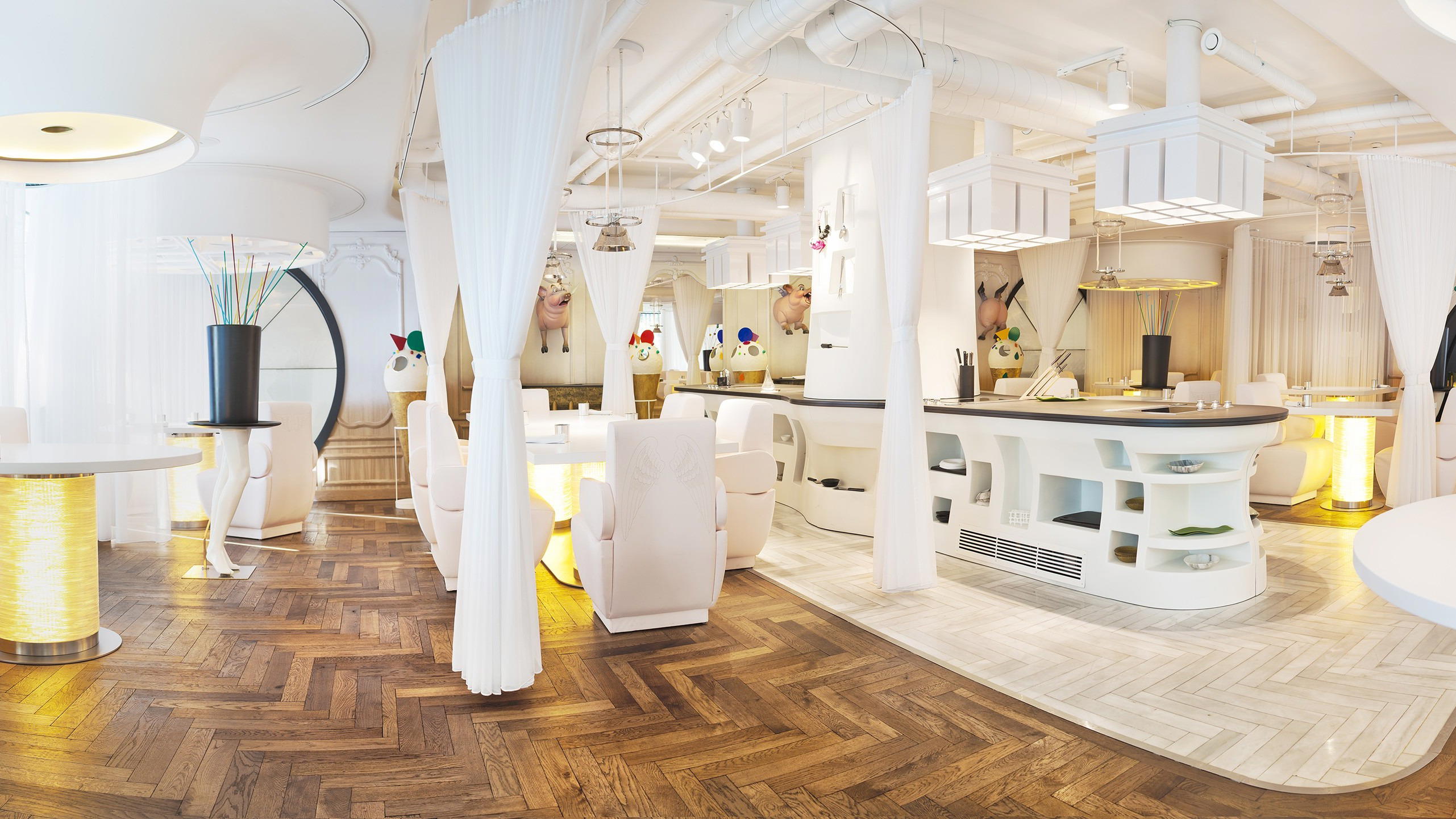
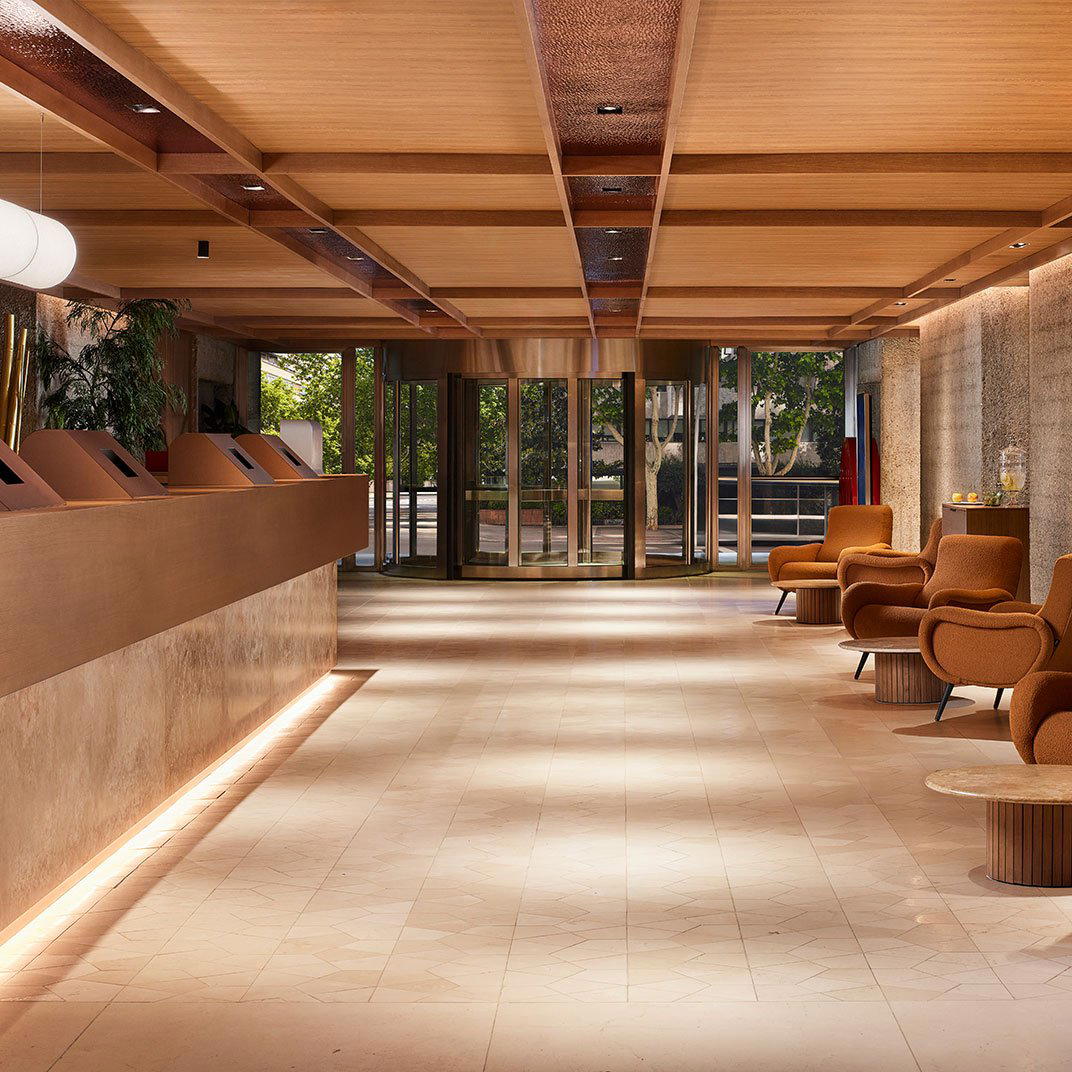
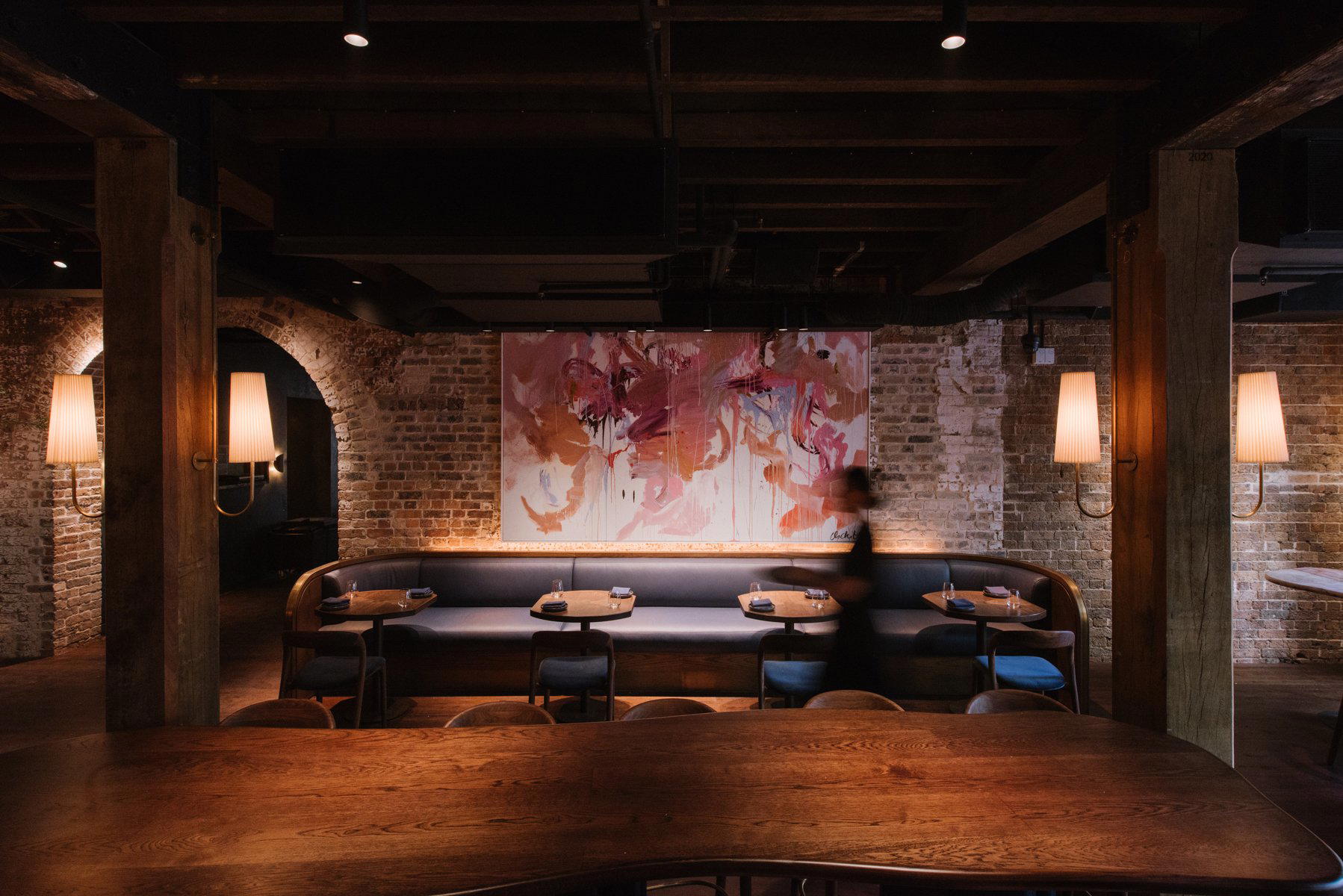
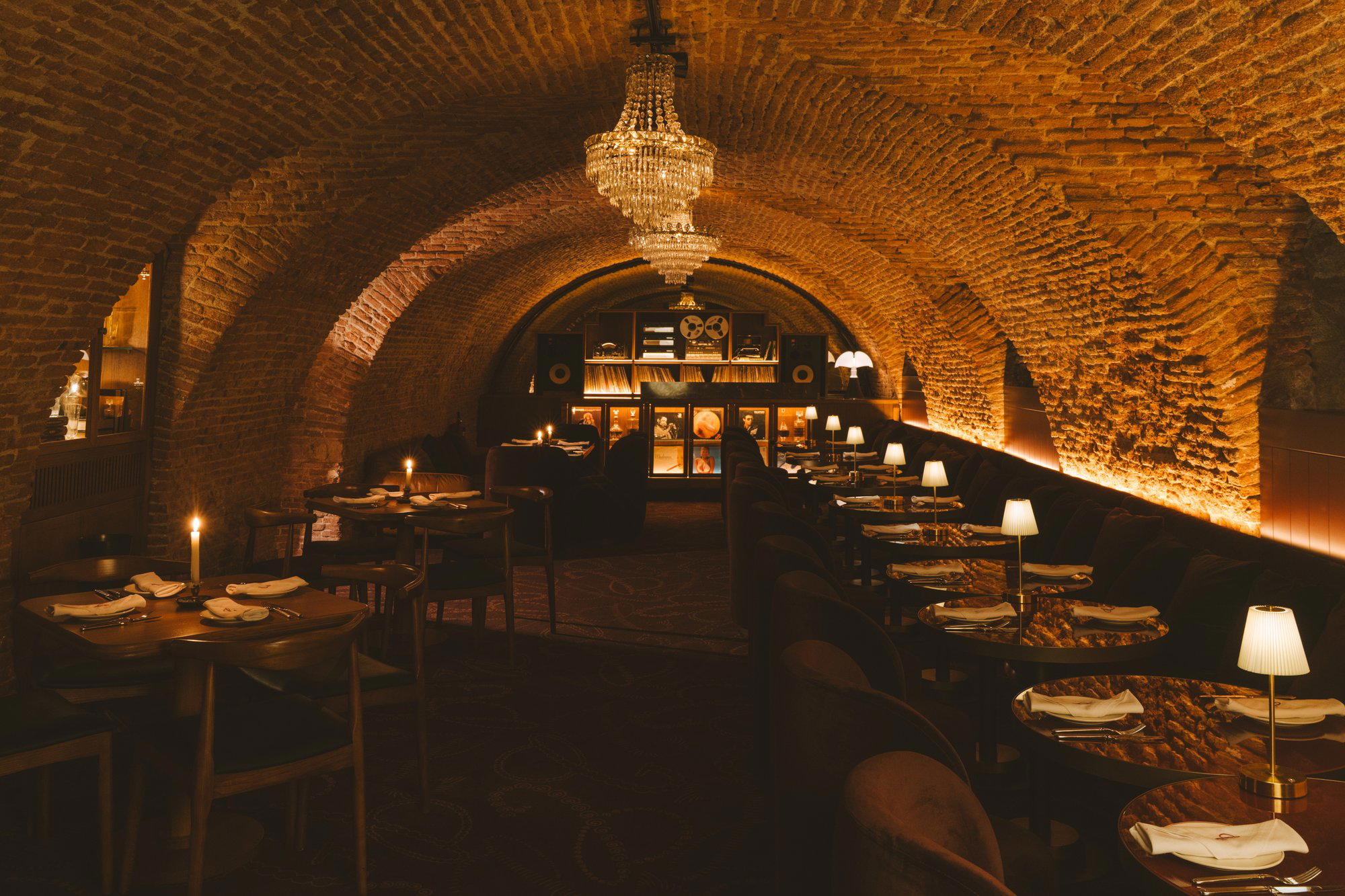
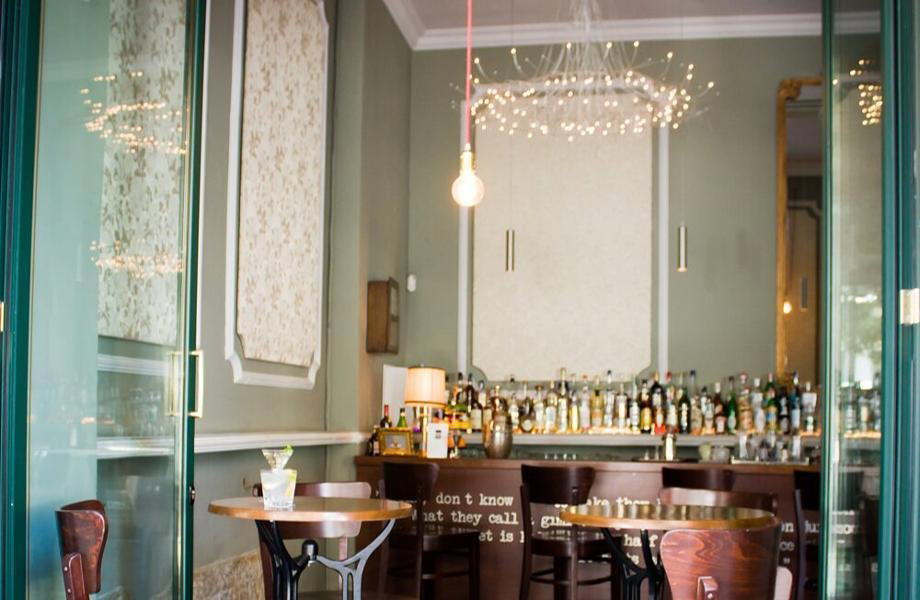
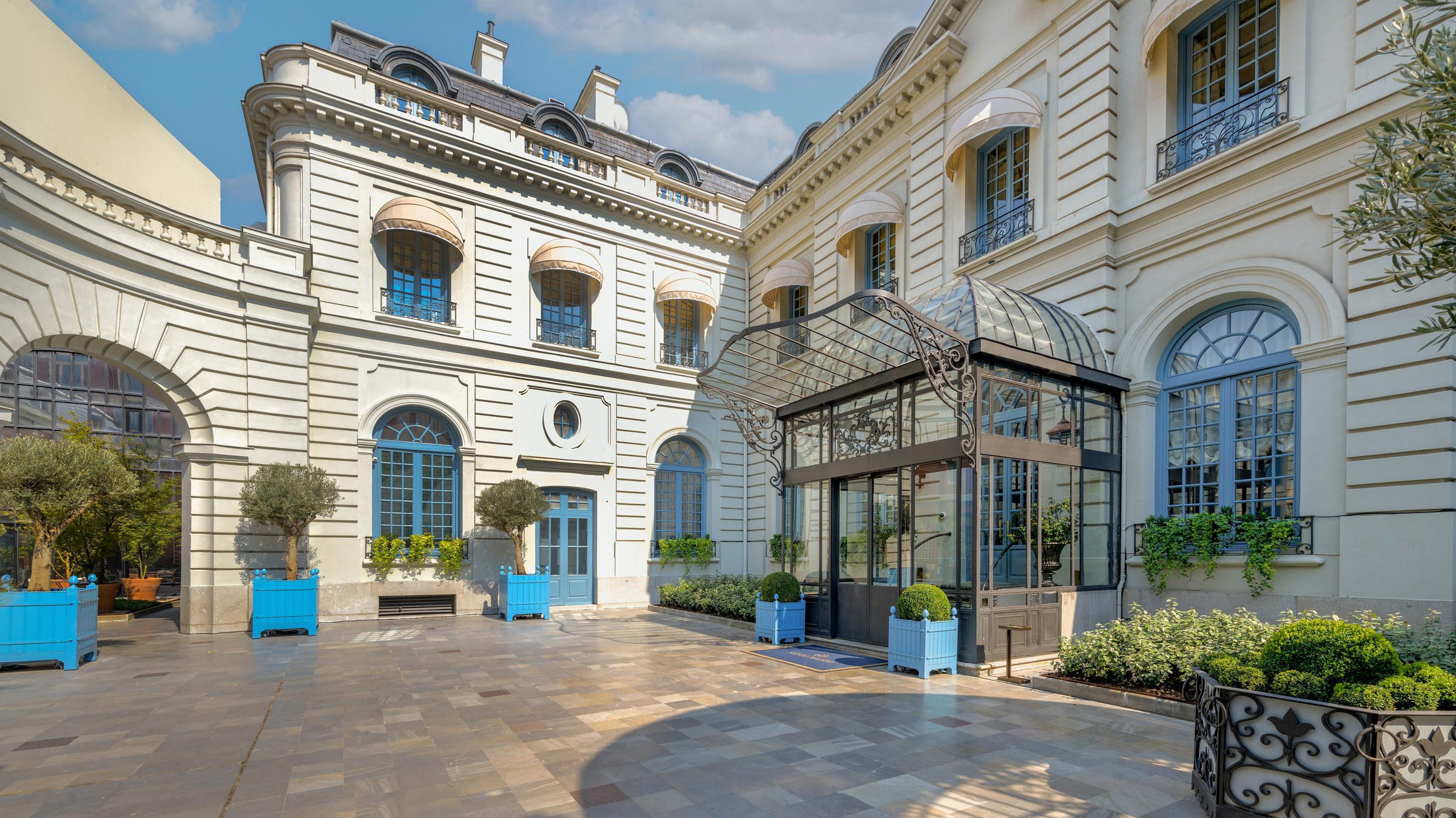
Casa de Comidas holds a Michelin Plate (2025) and sits on the ground floor of the NH Collection Madrid Eurobuilding in Chamartín. Rafa Zafra, the chef behind the Estimar restaurants, shapes a Mediterranean-rooted menu built around seasonality and market-quality fish and seafood. The price range (€€) makes it one of the more accessible entries in Madrid's hotel-dining scene with genuine kitchen credentials behind it.

Pearl is the En Primeur Club membership app — saves, bookings, and concierge access live there. Same editors, same standards.
- Address
- C. del Padre Damián, 23, Chamartín, 28036 Madrid, Spain
- Phone
- +34 913 45 61 60
- Hours
- Mon–Wed 12:30–4 PM, 7–11:30 PMThu 1–4 PMFri–Sun 12:30–4 PM, 7–11:30 PM
- Directions
- Get directions
- Booking
- Book on TheFork
The menu
What to order
- Ox cheek stew
- Bull tail
- Spanish tortilla
Where Hotel Dining Earns Its Place at the Table
Hotel restaurants in Madrid occupy a complicated position. The city's most serious dining has historically happened in standalone addresses, often in residential neighbourhoods or old-town side streets, while hotel F&B; has trailed behind as an afterthought for guests who couldn't be bothered to venture out. That pattern has been shifting. A generation of Spanish chefs with serious track records have moved into hotel formats, and the results have redrawn the line between captive-audience dining and kitchens worth crossing the city for. Casa de Comidas, on the ground floor of the NH Collection Madrid Eurobuilding in Chamartín, sits inside that shift.
The Eurobuilding is a known address in Madrid business travel, and Chamartín itself is a district that reads as corporate rather than gastronomic. Arriving at Casa de Comidas, the context matters: this is a room built to serve a hotel clientele, which means the pressure to perform independently is higher, not lower, than in a freestanding trattoria. The fact that it holds a Michelin Plate in both 2024 and 2025 confirms the kitchen is doing something the guide considers worth signalling to readers who wouldn't otherwise wander through a hotel lobby for dinner.
From Hotel Annex to Credentialed Kitchen
The evolution of Casa de Comidas is leading understood through the chef association it carries. Rafa Zafra, also at the helm of the Estimar restaurants, brings a culinary framework shaped by Mediterranean tradition and a hard focus on ingredient sourcing. Estimar in Barcelona and Madrid has built its reputation around premium fish and seafood handled with restraint, letting product quality absorb most of the creative burden. That same logic operates at Casa de Comidas, though the format shifts from the higher-pressure tasting territory into something more recognisably everyday: stews, pasta, baked fish, and croquettes alongside a menu section that doesn't appear on the printed card.
That off-menu dimension is worth noting as a structural signal. In Spanish restaurants with serious kitchens, the unprinted dishes often reflect what came in that morning at market or what the cook feels confident putting out with the current stock. It's a practice more common in tavern-style addresses and market restaurants than in hotel dining rooms, and its presence here says something about the kitchen's orientation. The room may sit inside a four-star hotel, but the cooking vocabulary is closer to a comida casera operation than to banquet-format hotel cuisine.
Spain's broader hotel-restaurant scene has seen comparable moves elsewhere. At Aponiente in El Puerto de Santa María, a marine-focused kitchen redefined what a destination restaurant could be in an unexpected location. Arzak in San Sebastián and Azurmendi in Larrabetzu have long demonstrated that serious culinary investment and place-specific cooking can coexist with substantial dining rooms that serve a range of guest types. Casa de Comidas operates at a different price point and ambition level, but it draws on the same logic: a named kitchen identity overrides the generic hotel-dining expectation.
The Menu's Core Logic
Mediterranean cooking in the Spanish tradition pivots on a short list of technical tests: the croqueta, the whole fish, and the stew. The Iberian ham croquettes at Casa de Comidas have drawn specific mention from the Michelin editorial record for their creamy texture, placing them in the category of dishes that represent a kitchen's daily discipline rather than an occasional flourish. Croquetas de jamón are everywhere in Madrid, and the gap between a good and a mediocre version is both obvious and unforgiving. A kitchen that gets this dish right is one that respects fat temperature, béchamel consistency, and frying time simultaneously.
The baked wild sea bass with patatas panaderas is the kind of dish that signals where a kitchen's priorities sit. Panaderas-style potatoes, slow-cooked in olive oil with onion and peppers until they collapse into something between a side dish and a sauce base, are the sort of preparation that takes time and produces nothing photogenic. They appear in traditional Spanish households and in restaurants that have decided technique and flavour matter more than presentation novelty. Alongside a whole wild sea bass, the result is a dish with no conceptual ambition and significant technical demand.
The dessert trolley rounds the meal in a format that has largely disappeared from Madrid's mid-range dining scene. Home-made trolleys require daily preparation across multiple items, sustained refrigeration logistics, and floor staff who can describe and portion. Their scarcity in contemporary restaurants reflects operational cost as much as fashion. At Casa de Comidas, it functions as the kind of detail that separates a kitchen with genuine commitment from one running the minimum viable menu.
How It Sits in Madrid's Dining Field
Madrid's leading end runs toward multi-course creative menus at considerable expense. DiverXO, Coque, Deessa, Paco Roncero, and Smoked Room all operate at the €€€€ tier with multi-star Michelin credentials and formats built around extended tasting sequences. That category is covered elsewhere in the city, and EP Club's Madrid restaurant coverage at [our full Madrid restaurants guide]() maps the full range.
Casa de Comidas operates at €€, which places it several tiers below the tasting-menu format while still carrying Michelin recognition. For comparative context within the city, Alcotán, Amparito Roca, Ayantar, Bambú, and Coquetto each represent a distinct point in Madrid's mid-range and neighbourhood dining field. The Zafra connection also invites comparison with Cocina Hermanos Torres in Barcelona and El Celler de Can Roca in Girona and Martin Berasategui in Lasarte - Oria as reference points for what Spanish chefs with serious reputations can do across different formats and price brackets.
Among traditional cuisine addresses with Michelin recognition across Europe, Auberge Grand'Maison in Mûr-de-Bretagne and Auga in Gijón offer a useful peer frame: kitchens where the cooking tradition carries the weight, and the setting functions as backdrop rather than statement. Casa de Comidas belongs to that company in its general orientation, even if the hotel lobby entrance complicates the first impression.
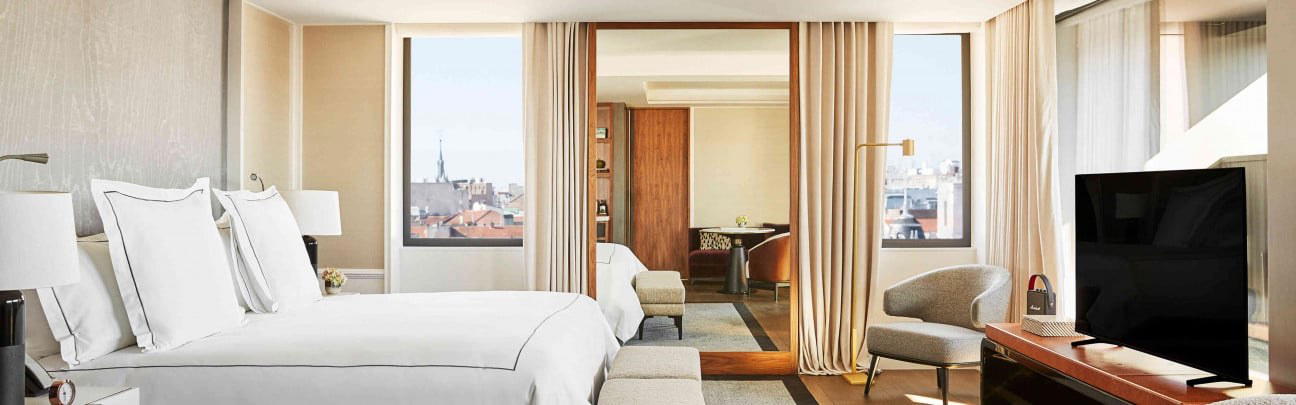
For anyone planning time in Chamartín or staying in the hotel, the meal functions as the kind of reliable, ingredient-focused dinner that Madrid's traditional cooking does well when it's handled seriously. For a broader view of what Madrid offers across drinking and accommodation, EP Club's [hotels guide](), [bars guide](), [wineries guide](), and experiences guide cover the wider city in full.
Planning Your Visit
Casa de Comidas sits at Calle del Padre Damián 23 in Chamartín, on the ground floor of the NH Collection Madrid Eurobuilding. The address is accessible by metro (Cuzco station on Line 10 places you within easy walking distance) and direct by taxi or ride-share from central Madrid. The €€ price range means a full dinner with wine sits comfortably below what the city's tasting-menu tier charges per person, making it a reasonable proposition for multiple visits or for travellers who want consistent quality without the commitment of a long tasting format. Booking ahead is advisable, particularly for weekend evenings and for groups; the Michelin Plate designation in consecutive years draws diners who are specifically seeking it out rather than discovering it by chance.
Frequently asked questions
What distinctions does Casa de Comidas have?
Casa de Comidas has received recognition including: Located on the ground floor of the NH Collection Madrid Eurobuilding hotel, Casa De Comidas bears the quality hallmark of chef Rafa Zafra (who is also at the helm of the Estimar restaurants). His cuisine interprets traditional Mediterranean….
What does dinner at Casa de Comidas typically cost?
Pricing at Casa de Comidas is listed as €€.
What should I order at Casa de Comidas?
The Iberian ham croquettes and baked wild sea bass with patatas panaderas are specifically called out by Michelin's inspectors as standouts. Beyond the printed menu, the kitchen runs off-menu options worth asking about, and the house-made dessert trolley is handled as a proper course rather than an afterthought.
What's the cuisine at Casa de Comidas?
Where do I go for Casa de Comidas?
Casa de Comidas is located at C. del Padre Damián, 23, Chamartín, 28036 Madrid, Spain, Madrid.
How far ahead should I plan for Casa de Comidas?
Casa de Comidas sits inside the NH Collection Madrid Eurobuilding in Chamartín, which gives it more consistent capacity than a small standalone address. That said, the Michelin Plate recognition since 2024 has raised its profile, so booking at least a week ahead for weekends is advisable. Exact reservation policies are not listed publicly, so check the venue's official channels.
What's Casa de Comidas best at?
The kitchen earns its Michelin Plate credentials through classical Mediterranean technique — whole fish, stews, and croquetas executed at a level above what most hotel dining rooms deliver. The association with Rafa Zafra, whose Estimar restaurants built their reputation on premium fish and seafood, makes the seafood section the most credentialed part of the menu.
Budget and Context
| Venue | Cuisine | Price | Awards | Notes |
|---|---|---|---|---|
| Casa de ComidasThis venue — the venue you are viewing | Traditional Spanish Home Cooking | $20–30 | Michelin Plate | Not listed |
| DiverXO | Avant-Garde Spanish Tasting Menu | $300–500 | 3 Michelin Stars · World's 50 Best #4 | Progressive - Asian, Creative |
| Deessa | Modern Valencian Fine Dining | $150–200 | 2 Michelin Stars · La Liste Top Restaurants | Modern Spanish, Creative |
| Smoked Room | Modern Japanese Fire Omakase | $200–300 | 2 Michelin Stars · La Liste Top Restaurants | Progressive Asador, Contemporary |
| Coque | Modern Spanish Fine Dining | $300–500 | 2 Michelin Stars · La Liste Top Restaurants | Spanish, Creative |
| Paco Roncero | Avant-Garde Spanish Fine Dining | $150–200 | 2 Michelin Stars · La Liste Top Restaurants | Creative |
Recognition history
Dated appearances from independent guides and award organizations, with the underlying list record or original source where available.
Michelin Plate
Michelin
Full recognition history (3 entries)
Michelin Plate
Michelin
Michelin Plate
Michelin