Baekmidang
Our verdict
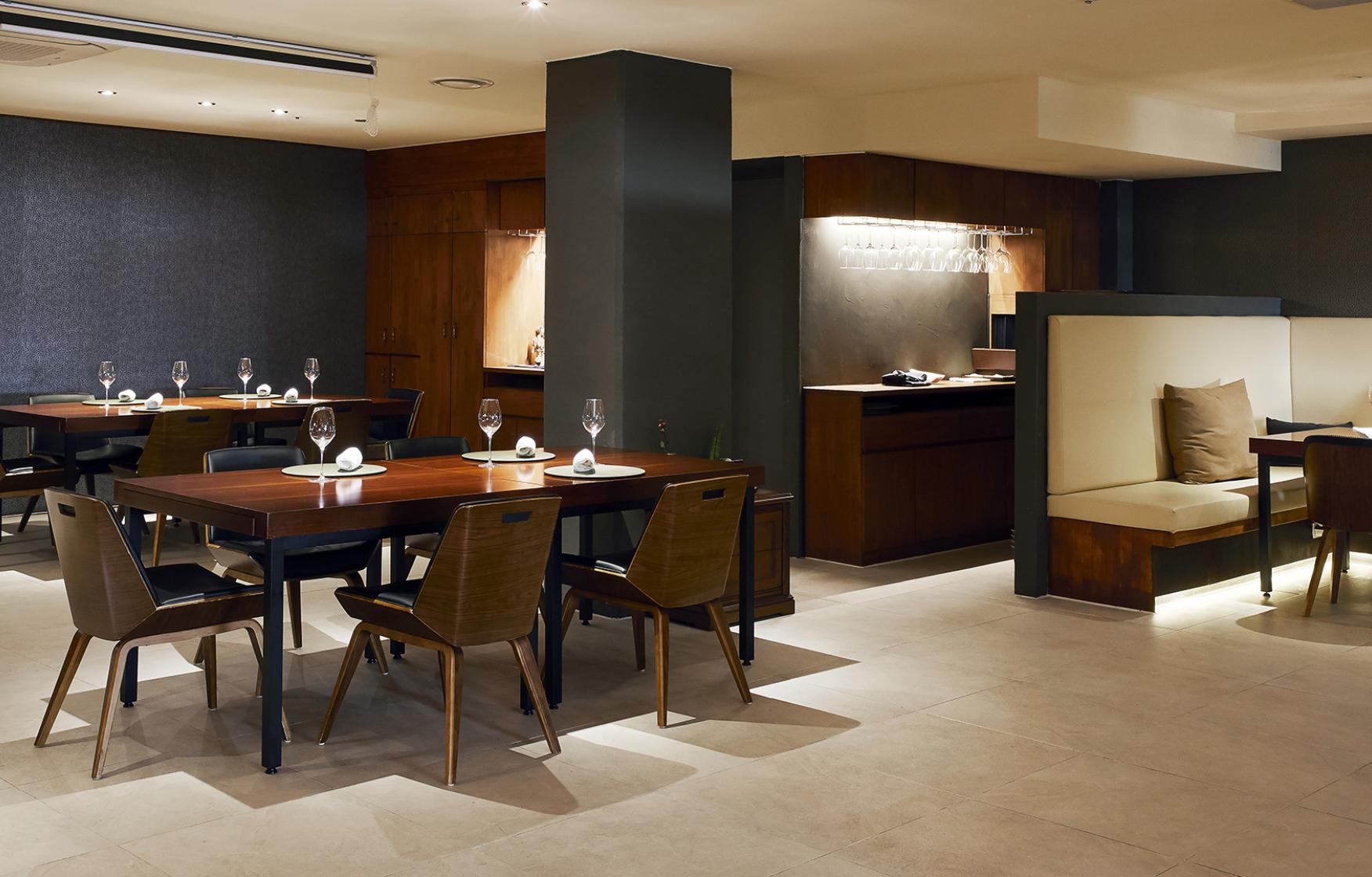
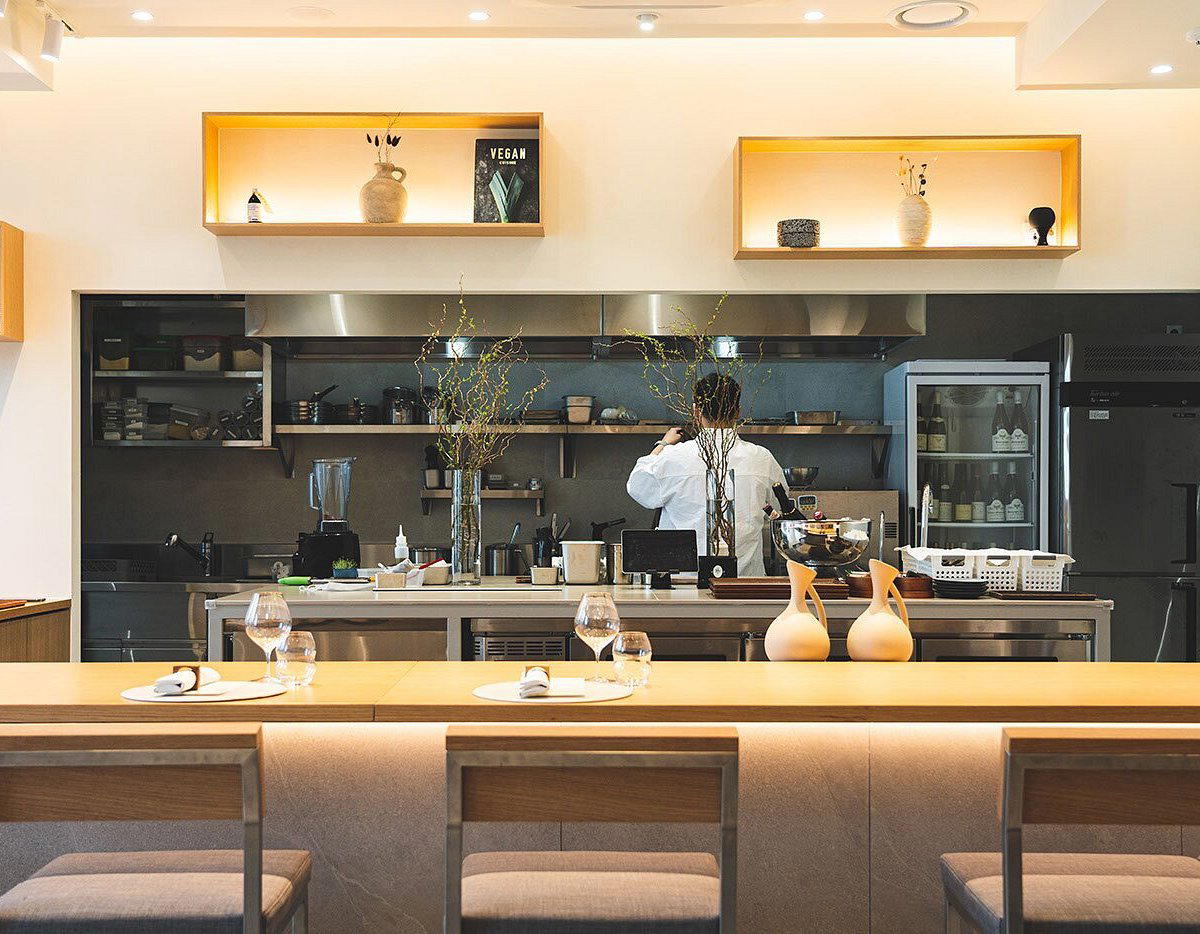
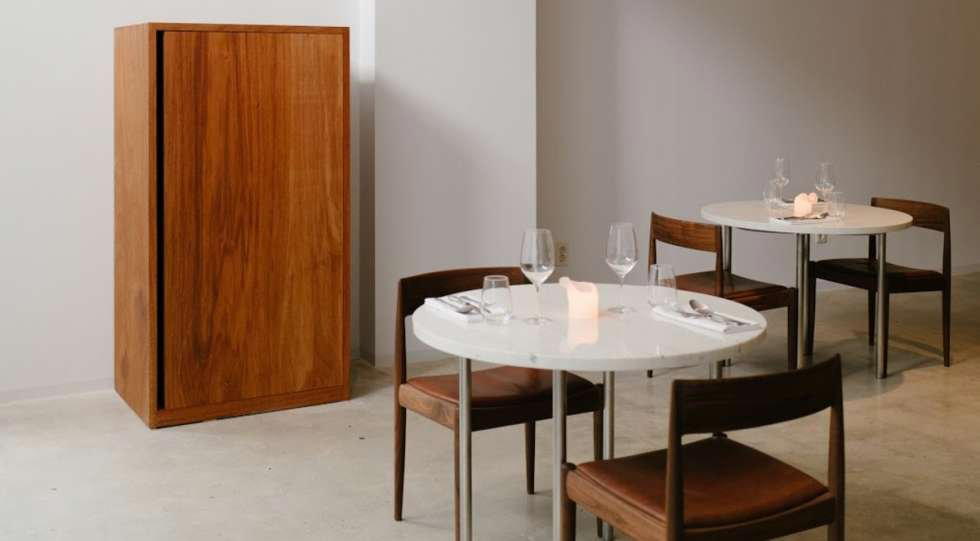
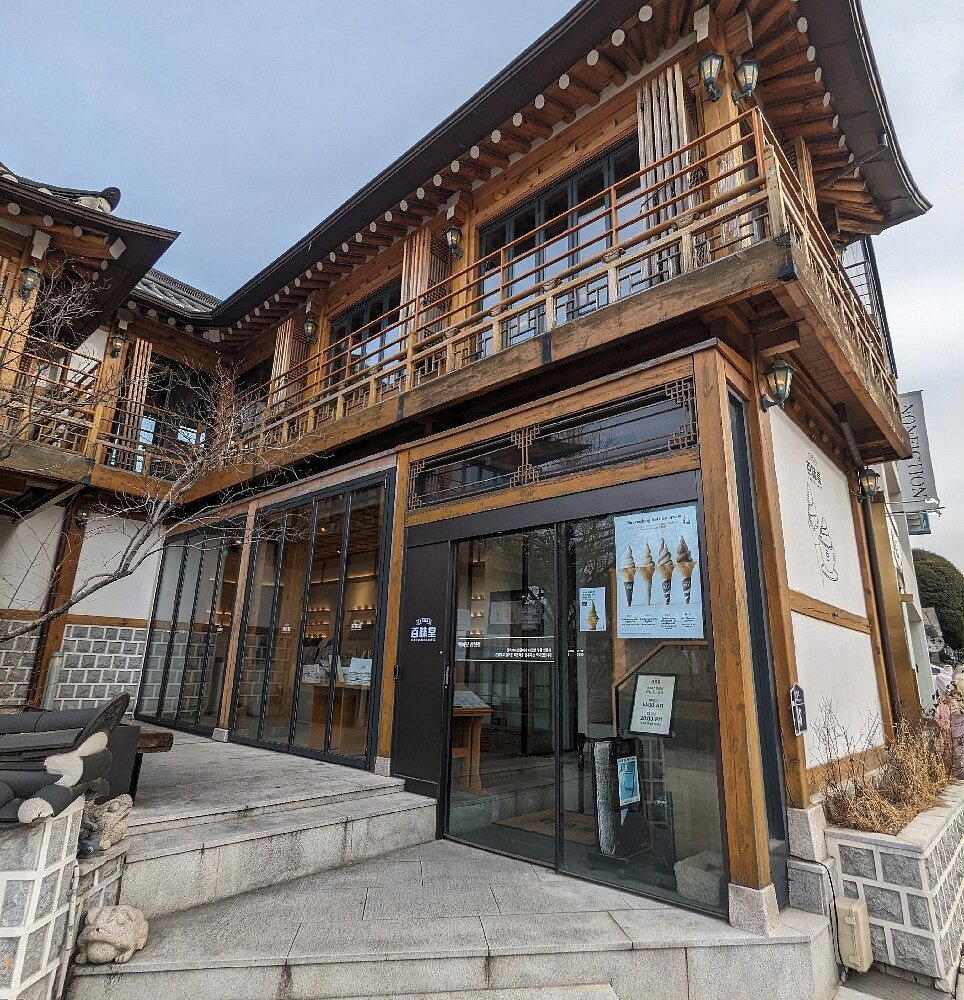
Baekmidang in Seocho District, Seoul serves an all-day quick bite in a casual, quiet standalone setting with organic sourcing.

Pearl is the En Primeur Club membership app, where members save venues, book tables and use the concierge.
The menu
What to order
- Milk Soft Serve
- Soy Milk Soft Serve
Seocho's Quiet Counter: Where Korean Dessert Meets Ethical Craft
Banpo-dong, tucked into the southern reaches of Seocho District, carries a residential calm that few of Seoul's dining destinations share. The streets here run quieter than Gangnam's commercial drag a few blocks north, and the buildings tend toward the domestic rather than the spectacular. It is precisely this low-key setting that frames the experience at Baekmidang, a name that has circulated among Seoul's food-aware community as a reference point for craft dairy and traditional-leaning Korean sweets made with sourcing integrity at their center.
Seoul's dessert and café culture has matured considerably over the past decade. The city moved through a phase of Instagram-driven novelty, where format and visual spectacle drove footfall, and is now in a more considered period where provenance, technique, and restraint carry more weight with a growing segment of the dining public. Baekmidang sits in that more considered tier, applying principles more commonly associated with fine dining kitchens, particularly the discipline around sourcing and waste, to a format that is accessible and informal by comparison.
The Sustainability Argument in Korean Dessert
Across Korea's premium food scene, the most persistent conversation is no longer about technique alone. It has shifted toward supply chains: where ingredients come from, what farming practices produced them, and how much of the raw material ends up on the plate versus in the bin. This is a conversation more familiar to fine dining contexts, such as the tasting menu rooms where Mingles and Jungsik operate, but it has begun filtering into the broader hospitality culture in Seoul in meaningful ways.
Baekmidang's profile in this conversation centers on dairy. The operation is known in Seoul food circles for working with raw milk from specific Korean farms, a sourcing choice that is both an ethical stance and a quality argument. Korean consumers have become more attentive to agricultural origin over the past several years, and venues that can credibly demonstrate farm-level relationships occupy a different standing than those relying on commodity supply. For a dessert and ice cream format, making that sourcing visible is a deliberate signal: the quality of the milk matters to what is in the cup or cone, and so does knowing where the animal was raised and how.
This is not a position unique to Baekmidang in global terms. The farm-to-cone movement is well established in parts of Europe and the United States, where gelaterie and creameries have built reputations around single-origin milk and seasonal flavor changes tied to what farms can produce. In Seoul, applying that framework to a Korean product in a Korean neighborhood context gives it a different inflection. The desserts at Baekmidang are not trying to be Italian gelato or French ice cream. They occupy a Korean register, using ingredients and approaches that locate them in a domestic food tradition rather than a borrowed one.
Positioning Within Seoul's Sweets Scene
Seoul's premium dessert and café sector sits beneath the fine dining tier occupied by tasting menus at places like Soigné or alla prima, but it is far from casual in its ambitions. The venues that have earned sustained attention in this category tend to share a few characteristics: a defined point of view on ingredients, a format that scales down to a small, controlled menu, and a physical environment that communicates intention without veering into spectacle. Baekmidang fits that pattern, and its Seocho location places it in a neighborhood where a food-literate, residential clientele is within walking distance rather than traveling in specifically for destination dining.
Comparison is useful here. At the formal Korean fine dining level, Kwonsooksoo applies a similar discipline around Korean culinary heritage and ingredient integrity in a tasting menu format. Baekmidang operates at a different price point and in a different format, but the underlying orientation toward Korean produce and craft is recognizable across both. The audience overlaps: Seoulites who eat thoughtfully and travelers who have already worked through the Michelin-recommended rooms and want to understand what sits below and alongside that tier.
For travelers exploring Korean food beyond the capital, the same sourcing-forward sensibility appears in different formats elsewhere in the country. Mori in Busan and Badang Lounge in Jeju each work within regional ingredient frameworks that prioritize local supply over imported alternatives. In Gyeongju, Gyeongju Wonjo Kongguk represents a different expression of the same principle: Korean food anchored to specific regional produce. The pattern is national, not just Seoul-specific.
What the Format Tells You
Small-format dessert venues that take quality seriously tend to operate with short menus and seasonal adjustments, because that is what honest sourcing demands. When your flavor range is tied to what farms are producing at a given time of year, you cannot maintain a static menu of thirty options. The seasonal constraint is not a limitation in this context; it is a legibility signal. A shorter, rotating menu is often more credible evidence of genuine sourcing than a long, stable one.
Seoul's broader fine dining scene has made the same argument at different price levels. Korean chefs who trained internationally and returned, such as those behind the programs at Jungsik or at alla prima, have consistently pointed toward seasonal Korean produce as the backbone of serious cooking. The argument translates down the price spectrum when venues like Baekmidang make the same seasonal, provenance-first commitment in a format that costs a fraction of a tasting menu cover. It also creates an interesting comparison point internationally: what Korean chefs are doing in Seoul with domestic dairy and produce now sits in a recognizable conversation with what restaurants like Le Bernardin in New York have long argued about sourcing in French seafood, or what Atomix argues about Korean ingredients reframed through a fine dining lens.
Planning Your Visit
Baekmidang is located in the Banpo-dong area of Seocho District in southern Seoul, accessible by subway from Gangnam or Express Bus Terminal station depending on the exact approach. The neighborhood is primarily residential, which means the pace around the venue is calmer than the city's busier commercial dining corridors. Given the format and the profile of the venue, arriving without a long wait is more predictable than at destination restaurants that draw queues from across the city, though weekend afternoons are likely to see more demand. For travelers building a broader Seoul itinerary, our full Seoul restaurants guide covers the range from Michelin-level tasting rooms to neighborhood-specific stops across the city's districts.
Those with dietary considerations should reach out to the venue directly before visiting, as specific information on allergens or accommodations is not publicly available through a central database. Korean dessert formats can involve dairy, eggs, and grain-based products as standard components, so flagging requirements in advance is the practical approach.
Frequently asked questions
How do I find Baekmidang?
Baekmidang is located at South Korea, Seoul, Seocho District, 반포4동 19-4, Seoul.
How does Baekmidang's Seocho District location compare to Seoul's main dessert districts?
Most of Seoul's premium dessert and café activity is concentrated in Gangnam and Hongdae, which makes Baekmidang's placement in the residential streets of Banpo-dong, Seocho District, a deliberate departure from that foot-traffic model. The neighbourhood is accessible from both Gangnam and Express Bus Terminal subway stations, so the travel time is minimal despite the quieter setting. That address signals an audience that seeks out the venue rather than stumbles across it, a pattern common to sourcing-led food operations in Seoul.
What do people recommend at Baekmidang?
Baekmidang operates in Banpo-dong, Seocho District, with a format centred on a short, seasonally adjusted menu, which means the most-ordered items shift with ingredient availability. Visitors consistently focus on the Korean dessert offerings, which reflect the venue's sourcing-first approach rather than a fixed signature dish. Checking current offerings on arrival gives the most accurate picture of what the kitchen is highlighting at any given time.
What's the best way to book Baekmidang?
The Banpo-dong location in Seocho District is most practically reached by visiting in person or checking local Seoul food platforms such as Naver Map, where reservation options and current hours are often updated by the venue directly.
What's the signature at Baekmidang?
Baekmidang's defining quality is its commitment to ethically sourced Korean ingredients applied to a dessert format, a positioning that places it closer to the craft end of Seoul's sweets scene than to a conventional café chain. The menu is kept deliberately short, so any single item that anchors a visit will reflect current seasonal supply rather than a year-round constant. That constraint is itself the signature: what you eat depends on what the sourcing allows.
What if I have allergies at Baekmidang?
No allergen or dietary information is publicly documented for Baekmidang. Given that the venue operates on a short, seasonally changing menu in Banpo-dong, Seocho District, the most reliable approach is to check the venue's official channels before visiting, though a listed phone number is not currently on record. Checking Naver Map or local Seoul food communities for updated contact details is advisable.
Is Baekmidang worth the price?
In Seoul's premium dessert tier, which sits below the tasting menu level of venues like Soigné but above standard café pricing, quality-focused small-format venues in areas like Seocho District typically reflect the cost of ethical sourcing in their menus. Whether that represents value depends on what you are comparing it to within that tier. Check the venue's official channels for the latest details.
Category Peers
Comparable venues nearby, for context on price, style, and recognition.
| Venue | Cuisine | Price | Awards | Notes |
|---|---|---|---|---|
| BaekmidangThis venue (the venue you are viewing) | Korean Soft Serve Ice Cream | $1–10 | Not listed | Not listed |
| 옛날농장 | Korean BBQ | $20–30 | Not listed | Gangnam |
| ë§í 르 | Asian Nordic Fusion with Fermentation Focus | Not listed | Michelin Plate | 압구정동 |
| Pizzeria O | Authentic Neapolitan Pizza | $20–30 | Not listed | 혜화동 |
| Coffee Hanyakbang | Specialty Hand-Drip Coffee Cafe | $1–10 | Not listed | Jung-gu |
| 김북순 큰남비집 | Korean Kimchi Jjigae House | $10–20 | Not listed | Sinsa-dong |